Famous Movie Lines Improvised On the Spot
Screenwriters spend months crafting the perfect dialogue. They labor over every word, every pause, every dramatic beat.
Then an actor shows up on set and tosses it all out the window. Some of cinema’s most memorable moments happened because someone decided to ignore the script.
These weren’t planned. They weren’t rehearsed.
They just happened, and directors were smart enough to keep the cameras rolling.
“Here’s Looking at You, Kid”

Humphrey Bogart said this line to Ingrid Bergman multiple times in Casablanca, and none of it was in the script. He’d taught Bergman poker between takes, and that’s what he’d say when dealing cards.
The phrase felt natural to him, so he dropped it into scenes. It stuck.
Now you can’t think of the movie without hearing those words.
“You’re Gonna Need a Bigger Boat”

Roy Scheider delivered this line in Jaws after seeing the shark for the first time. The script had something different planned, but Scheider had been joking around with the crew all week using that phrase whenever anything went wrong.
When the mechanical shark rose from the water, he said it again. Director Steven Spielberg kept it because the understatement made the terror more real.
The Entire Chest-Thumping Scene

Matthew McConaughey showed up to film The Wolf of Wall Street and started beating his chest and humming during a lunch scene. Leonardo DiCaprio had no idea what was happening.
He just rolled with it, and Martin Scorsese kept the cameras going. That weird moment became one of the film’s most iconic scenes, and DiCaprio’s character later mimics the gesture at a critical point in the story.
“I’m Walking Here”

Dustin Hoffman almost got hit by a taxi while filming Midnight Cowboy in New York. The cab wasn’t part of the scene—it was just a random driver who didn’t care about the film crew.
Hoffman stayed in character and yelled at the guy. The moment felt so authentic that director John Schlesinger used it.
That raw New York energy became the heart of the scene.
Every Word from The Shining’s Bathroom Scene

Wendy Carlos and Rachel Elkind composed the music. Stephen King wrote the novel.
Stanley Kubrick directed. But Jack Nicholson came up with “Here’s Johnny!” on his own.
The script just said Jack breaks through the door. Nicholson referenced The Tonight Show because he figured his character would make that kind of pop culture joke.
Kubrick had no idea what the reference meant—he didn’t watch American TV—but he recognized gold when he saw it.
“You Talkin’ to Me?”
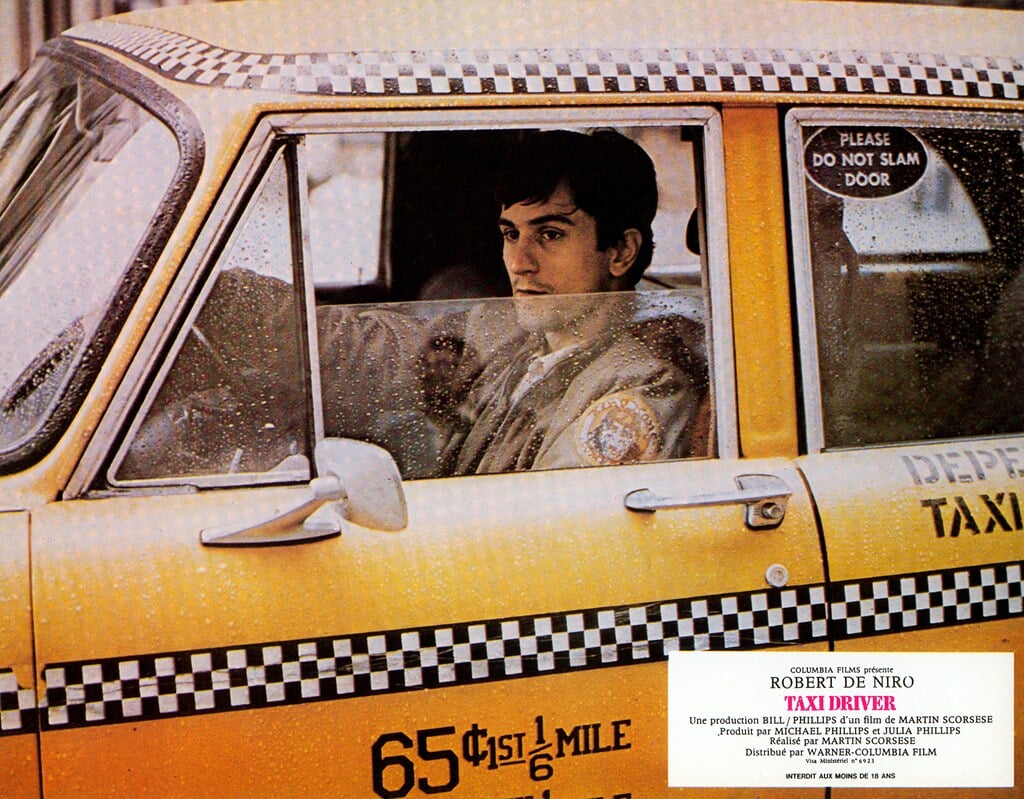
Robert De Niro stood in front of a mirror and improvised the entire “You talkin’ to me?” sequence in Taxi Driver. The script included a description: Travis talks to himself in the mirror.
That’s all Martin Scorsese gave him. De Niro filled in the rest, creating a scene that’s been parodied countless times and still gives people chills.
Harrison Ford’s “I Know”

George Lucas wrote a romantic exchange for Han Solo and Princess Leia in The Empire Strikes Back. She was supposed to say “I love you,” and he was supposed to respond with “Just remember that, because I’ll be back.”
Harrison Ford thought that sounded ridiculous. He tried it a few times, hated it, and finally just said “I know” instead. Lucas and director Irvin Kershner kept the take.
It fits Solo’s character perfectly. The moment works because it’s unexpected.
You wait for the romantic reply, and instead you get pure Han Solo swagger.
Bill Murray’s Whole Performance

Bill Murray rarely sticks to scripts. In Caddyshack, he improvised the “Cinderella story” scene where he talks to himself while destroying flowers with a golf club.
Director Harold Ramis just turned on the camera and let Murray go. The scene wasn’t in the script at all.
He did the same thing in Ghostbusters. The “cats and dogs living together” speech? Improvised.
Peter Venkman’s entire personality came from Murray making stuff up.
Marlon Brando’s Cat

Francis Ford Coppola found a stray cat wandering around the set of The Godfather. He handed it to Marlon Brando right before filming the opening scene.
Brando just started petting it while delivering his lines. The cat purred so loudly that sound engineers almost had to redo the whole scene.
But the gentle image of Vito Corleone stroking a cat while discussing murder created an unforgettable contrast.
The German Accent That Saved a Scene
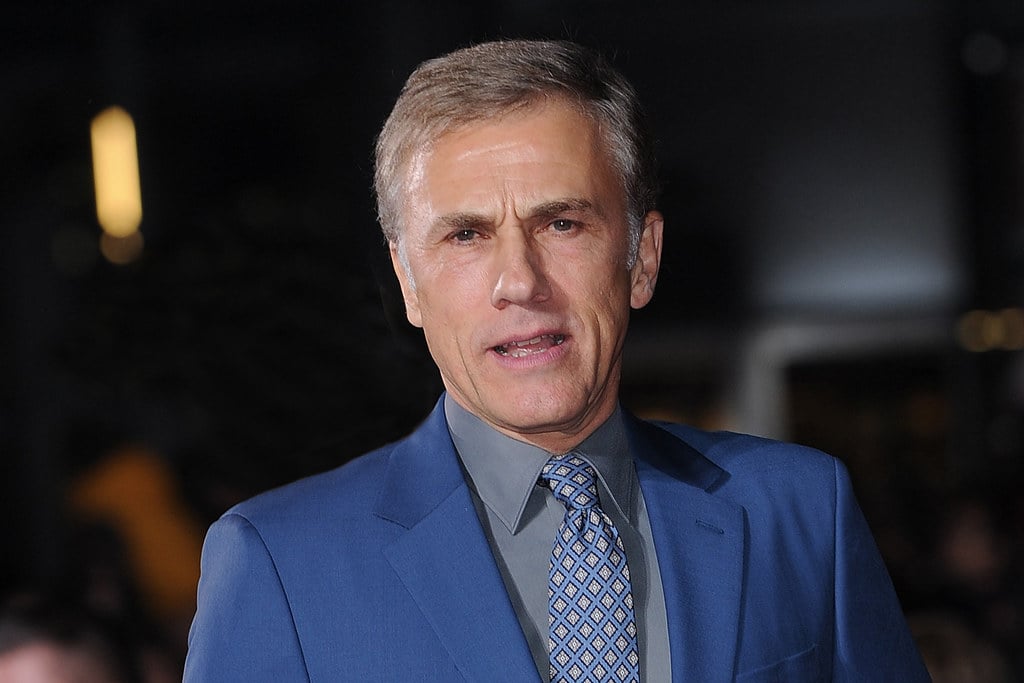
Christoph Waltz won an Oscar for playing Hans Landa in Inglourious Basterds, and part of that performance came from his quick thinking. In the scene where he interrogates Brad Pitt’s character, who’s pretending to be Italian, Waltz decided to mock Pitt’s terrible accent by repeating “Gorlami” in an exaggerated way.
Quentin Tarantino loved it. The tension in that scene comes from Waltz clearly knowing these guys are faking it, and his improvisation made that subtext text.
“Like Tears in Rain”

Rutger Hauer rewrote his own death scene in Blade Runner. The scripted monologue was longer and more elaborate.
Hauer cut it down to something simpler and added the “tears in rain” metaphor himself. He wanted his character’s final words to feel poetic but not overwrought.
Director Ridley Scott recognized that Hauer understood Roy Batty better than anyone else could.
Robin Williams and the Whole Script

Good Will Hunting gave Robin Williams room to improvise, and he took full advantage. The scene where he talks about his late wife farting in her sleep? He made that up.
Matt Damon and Ben Affleck wrote a serious moment about loss. Williams turned it into something funnier and more human.
You can see Damon struggling not to laugh in the shot. Williams won an Oscar for that performance, partly because he understood that grief and humor live right next to each other.
When Improvisation Changed Film History

Actors breaking from scripts used to be scandalous. Studios wanted control.
Directors demanded precision. But these moments proved that spontaneity creates magic.
You can’t plan authenticity. You can’t script genuine surprise.
The best directors learned to recognize when their actors stumbled onto something better than what was written. They kept the cameras rolling and trusted their instincts.
Why the Script Isn’t Always Right

Writers create the blueprint. Actors bring it to life.
Sometimes those two things don’t match, and that’s okay. The actor standing in the scene, feeling the emotions, wearing the costume, interacting with the other performers—they know things the writer couldn’t predict.
Trust matters. Directors who micromanage every word miss opportunities.
Actors who follow scripts too rigidly lose chances to make moments real. The best films happen when everyone’s willing to throw out the plan if something better emerges.
The Magic of Happy Accidents

These improvised lines share something important. They all feel true to the characters.
Bogart’s “Here’s looking at you, kid” sounds exactly like something Rick Blaine would say. De Niro’s mirror scene captures Travis Bickle’s isolation perfectly.
Ford’s “I know” is pure Han Solo. The actors weren’t showing off.
They were listening to their characters and trusting their instincts. When you watch these scenes now, you’d never guess they weren’t scripted.
They feel inevitable, like the only possible choice. That’s the real trick.
The best improvisation doesn’t call attention to itself. It just becomes part of the story, so seamless that you can’t imagine the film without it.
When the Camera Keeps Rolling
Some directors panic when actors go off-script. Others see opportunity.
Spielberg, Scorsese, Coppola, Scott—they all understood that controlling everything means controlling the magic right out of a scene. You need structure.
Scripts provide that. But you also need space for actors to breathe, to react, to surprise everyone including themselves.
The camera can’t capture lightning in a bottle if you’ve already decided exactly what lightning looks like. These improvised moments remind you that filmmaking is alive.
It’s not a museum piece assembled according to a blueprint. It’s people in a room together, creating something that never existed before.
What Stays After the Credits
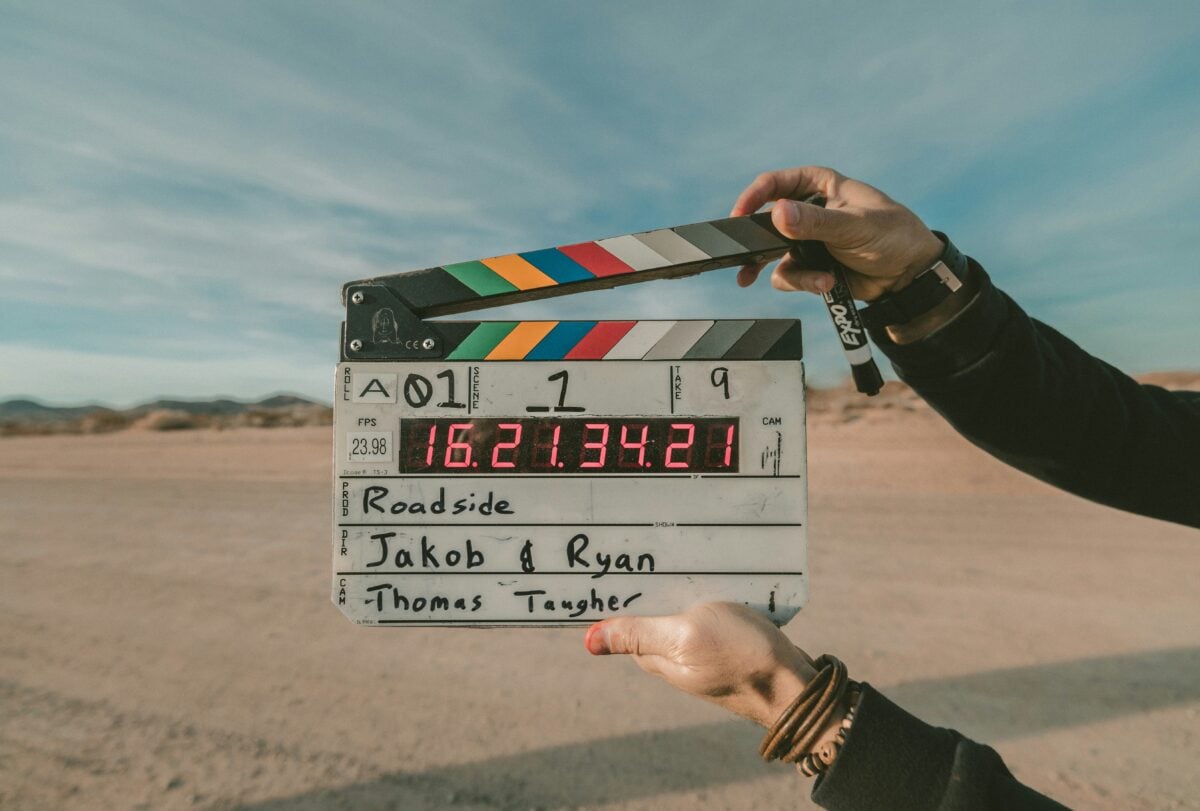
Long after they were spoken, those phrases kept appearing. Mentioned in chats, copied by movies, picked to describe oneself.
Reality made them stay. Not polished.
Just true. Most film lines fade fast.
Yet that one sticks: “Here’s looking at you, kid.” Then there’s “I’m walking here” – alive, raw.
Even “Here’s Johnny” cuts through time. Not born from scripts polished for days.
Instead, someone stepped off the page. A moment of nerve, a pause, then speech that wasn’t written.
Someone just spoke. And it lasted.
Funny thing is, some film scenes people still remember came from tossing the written lines aside. What mattered was being there, feeling it then and there.
Fame wasn’t on their minds. Getting it real – that’s what drove them.
More from Go2Tutors!

- The Romanov Crown Jewels and Their Tragic Fate
- 13 Historical Mysteries That Science Still Can’t Solve
- Famous Hoaxes That Fooled the World for Years
- 15 Child Stars with Tragic Adult Lives
- 16 Famous Jewelry Pieces in History
Like Go2Tutors’s content? Follow us on MSN.