Memorial Day vs. Veterans Day: What’s the Difference?
Many Americans know these holidays matter, but the details blur together. Both involve honoring military service. Both feature parades and flag displays.
Both feel significant and solemn. Yet they serve distinctly different purposes, and understanding that difference changes how you might observe each one.
Memorial Day’s Purpose
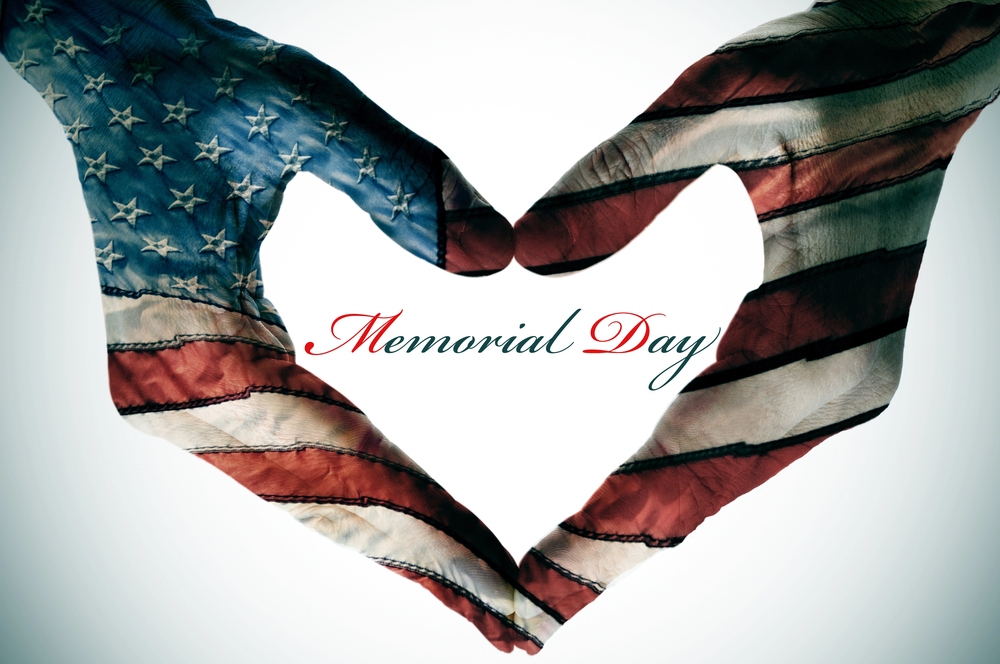
Memorial Day is for the dead. Full stop. No living veterans, no active-duty personnel, no retired officers sharing war stories at barbecues.
The holiday exists to honor those who died in military service to the United States. The distinction matters more than most people realize.
Originally called Decoration Day after the Civil War, it began when communities started decorating graves of fallen soldiers. The practice spread because grief demanded ritual.
Veterans Day’s Purpose
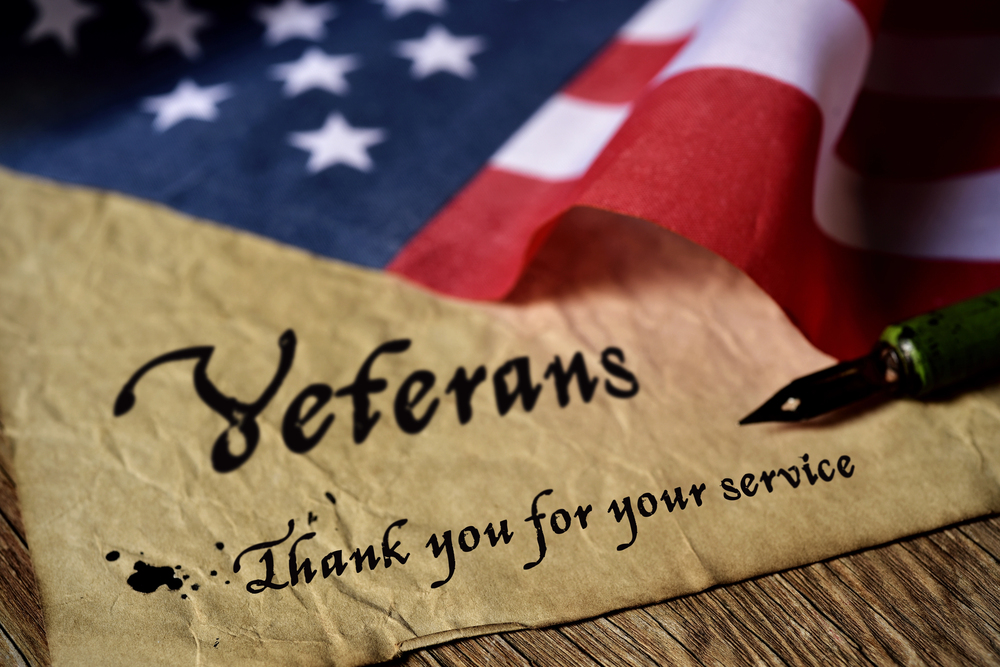
Veterans Day honors everyone who served in the U.S. military and returned home alive. Active duty, reserves, retirees, discharged personnel — if they wore the uniform and came back, this day acknowledges their service.
The scope is intentionally broad because survival itself deserves recognition. The holiday originated as Armistice Day, marking the end of World War I on November 11, 1918.
Congress later expanded it to honor all veterans, not just those from the Great War.
When Each Holiday Occurs
Memorial Day falls on the last Monday in May. Veterans Day is always November 11, regardless of what day of the week it lands on. The timing isn’t random — Memorial Day’s late May date coincides with spring, when flowers bloom for grave decorations.
Veterans Day’s fixed November 11 date preserves the historical significance of the armistice that ended World War I at the 11th hour of the 11th day of the 11th month.
Historical Origins
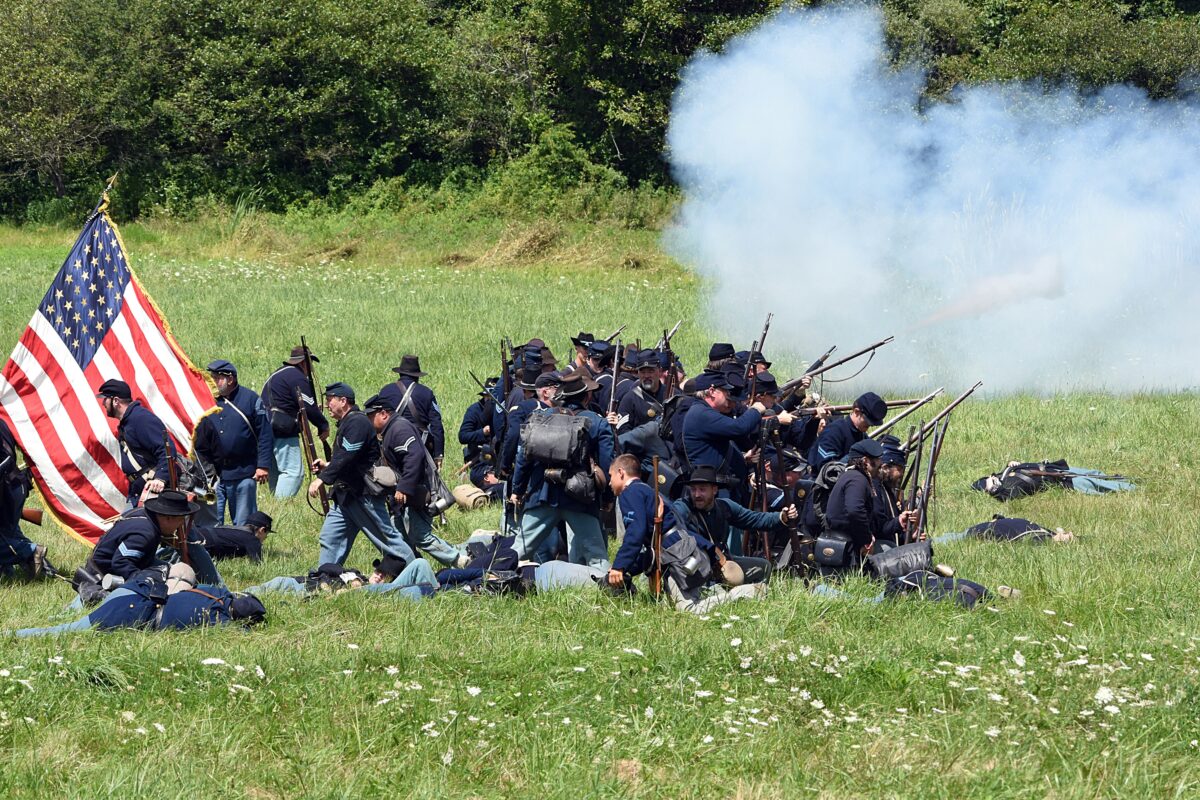
Both holidays emerged from America’s relationship with war, but (and this shapes everything about how they developed) Memorial Day grew from grief while Veterans Day grew from relief. Memorial Day began organically in communities across the country after the Civil War — people simply started showing up at cemeteries with flowers, and the practice spread because it filled a need that formal government couldn’t address.
Veterans Day, on the other hand, was established from the top down: President Wilson proclaimed the first Armistice Day in 1919, and it became a federal holiday through legislation rather than grassroots mourning. So one holiday feels like it belongs to families and communities, while the other carries the weight of official recognition.
Traditional Observances
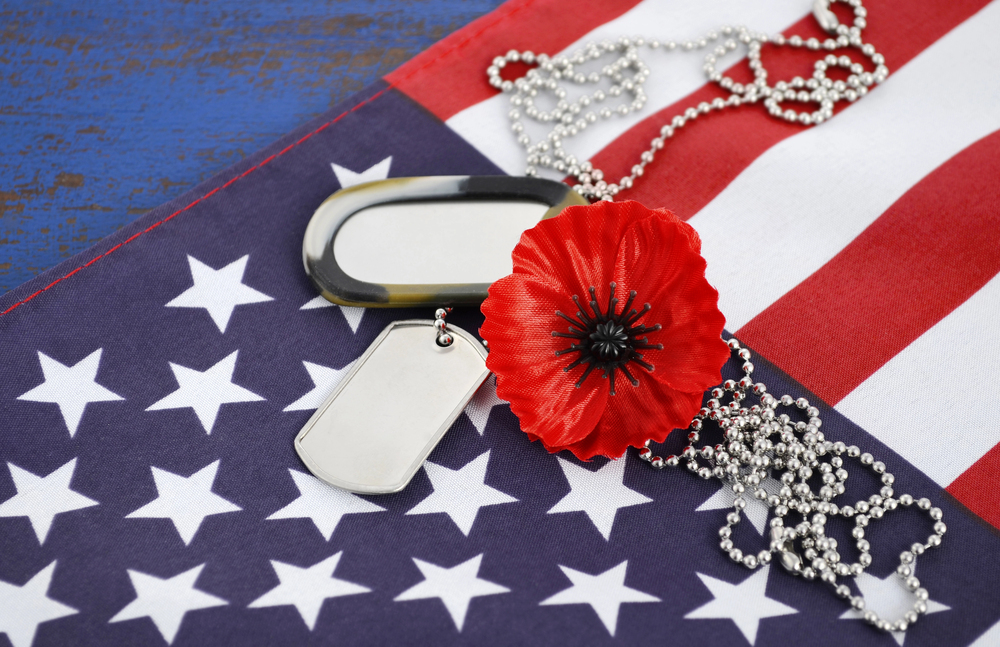
Think of Memorial Day as a conversation with the past, Veterans Day as a handshake with the present. Memorial Day traditions center on cemeteries and memorials: placing flags or flowers on graves, reading names of the fallen, moments of silence that stretch long enough to feel uncomfortable.
The rituals are quiet, inward-facing, designed for remembrance rather than celebration. Veterans Day leans toward the living world. Parades where veterans march in uniform, ceremonies where they speak at podiums, discounts at restaurants where they eat lunch afterward.
The energy moves outward — toward recognition, gratitude, community connection.
Who Gets Honored
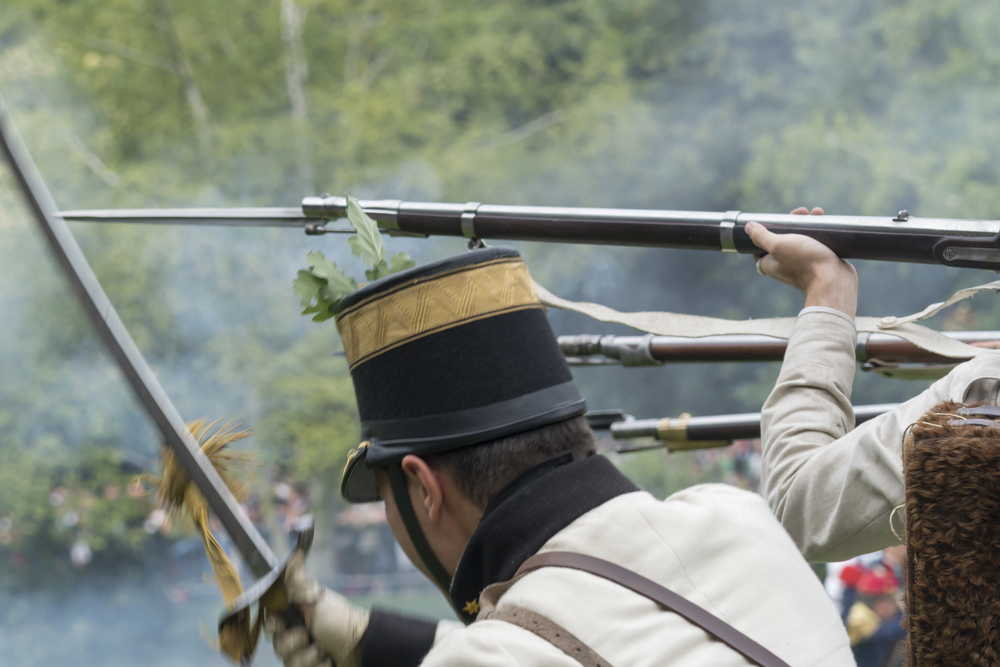
— Photo by spetenfina
Memorial Day honors approximately 1.3 million Americans who died in military service since the Revolutionary War. Veterans Day honors about 18 million living veterans.
The numbers alone explain why the holidays feel different — one commemorates a finite group whose stories are complete, the other celebrates a living population whose stories continue. Memorial Day’s honorees cannot attend their own memorial services.
Veterans Day honorees can, and do, and that changes everything about the atmosphere.
Common Misunderstandings
People thank living veterans on Memorial Day and wonder why some seem uncomfortable with the gratitude. Memorial Day wasn’t designed for that exchange.
Veterans often feel the day belongs to their fallen comrades, not to them. The confusion is understandable but misses the point — thanking a living veteran on Memorial Day is like congratulating someone for surviving when the day is meant to honor those who didn’t.
Veterans Day, by contrast, is exactly when those conversations should happen. The living veteran standing in front of you is precisely who the holiday was created to acknowledge.
Government and Business Practices

Memorial Day is a federal holiday, so government offices close and many businesses follow suit. Veterans Day is also federal, but since it falls on a fixed date, it sometimes lands on weekends when offices would be closed anyway.
When November 11 falls on a Saturday or Sunday, federal employees typically get the adjacent Friday or Monday off, but private businesses handle it inconsistently. The difference in treatment reveals something about how society views each holiday: Memorial Day has become part of the summer calendar, while Veterans Day competes with regular weekday obligations.
Military Cemetery Protocols
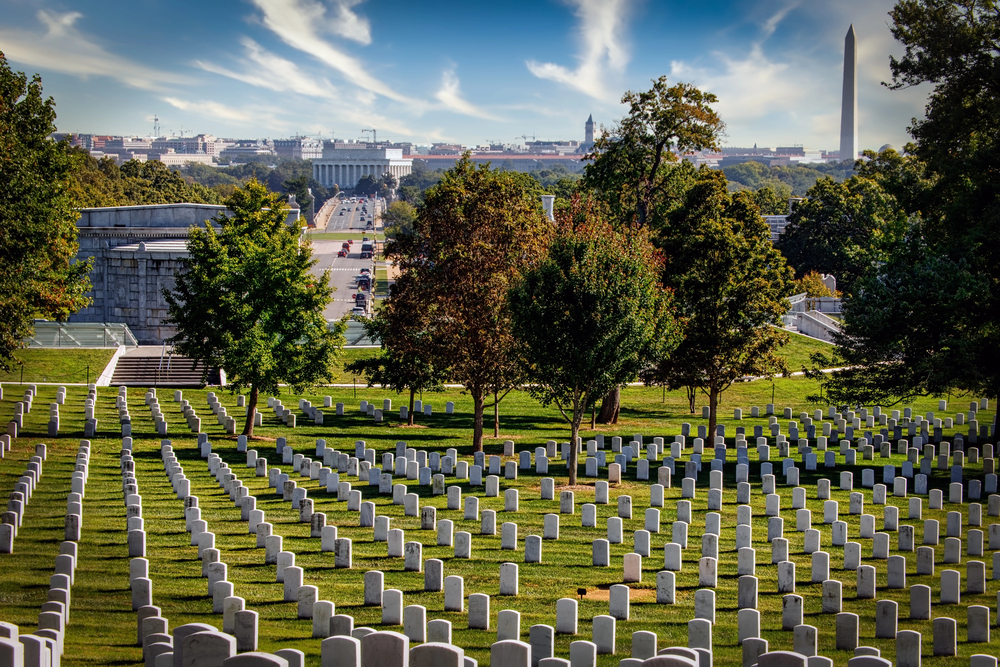
Arlington National Cemetery becomes the focal point for Memorial Day observance, with the president typically laying a wreath at the Tomb of the Unknown Soldier. The ceremony is somber, formal, designed around the symbolism of remembrance.
Veterans Day at Arlington features similar wreath-laying, but the tone shifts toward tribute rather than mourning. Other military cemeteries across the country follow similar patterns: Memorial Day brings flowers and family members searching for specific graves, Veterans Day brings organized ceremonies and speeches about service.
Regional Variations
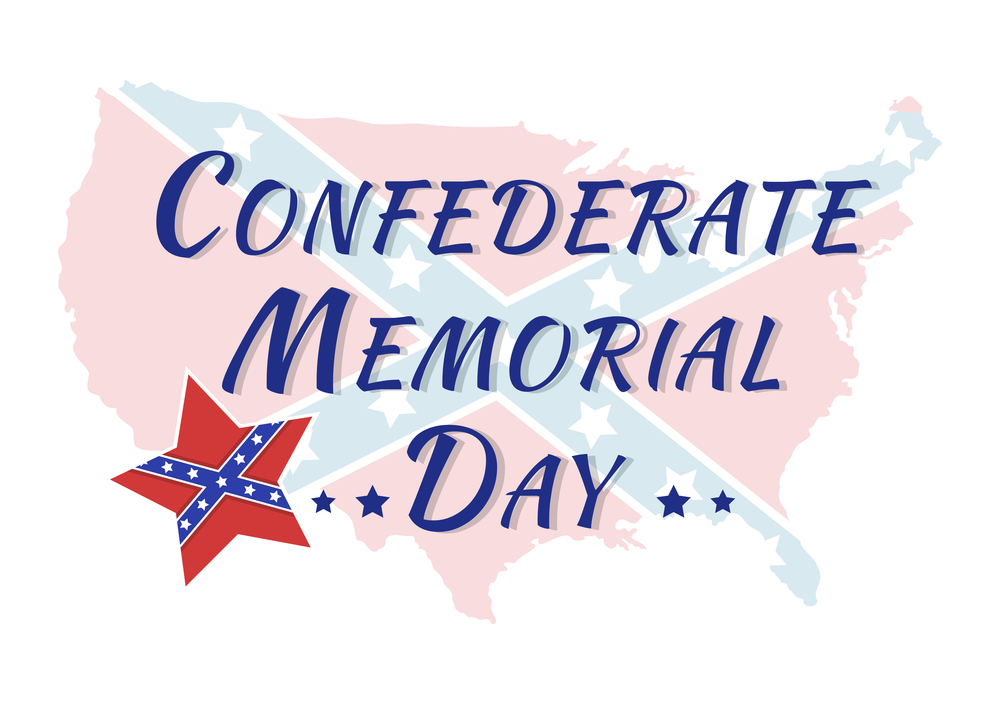
The South observes Memorial Day differently than other regions, partly because of Confederate Memorial Days that preceded the federal holiday. Some Southern states still maintain separate days for Confederate dead, creating a complex calendar of remembrance that reflects the region’s complicated relationship with Civil War memory.
Veterans Day observance varies less by region and more by local veteran population. Communities with large military installations or high veteran populations tend toward bigger parades and ceremonies, while other areas might acknowledge the day with smaller, more intimate gatherings.
Media and Cultural Representation
Memorial Day weekend has become synonymous with summer’s unofficial start: beach trips, barbecues, mattress sales. The commercialization sits awkwardly alongside the holiday’s solemn purpose, creating a cultural tension that veterans’ organizations regularly address.
The message “remember the reason for the season” appears frequently because the reminder has become necessary. Veterans Day escapes some of this commercialization, partly because November 11 doesn’t mark a seasonal transition and partly because honoring living people feels less compatible with retail promotion than commemorating historical events.
Educational Approaches

Schools typically teach both holidays as patriotic observances, but the lessons differ in important ways. Memorial Day education focuses on history, sacrifice, and the cost of freedom — abstract concepts that younger students often struggle to grasp.
Veterans Day education can include living speakers, concrete examples of service, and direct interaction with the people being honored. The difference affects how effectively students understand each holiday’s purpose: it’s easier to appreciate service when you can shake hands with someone who served than to understand sacrifice through historical examples alone.
Personal Reflection vs. Community Celebration
Memorial Day asks for introspection. Veterans Day invites participation. The former works better as a solitary or family experience — visiting a specific grave, reading about a particular battle, reflecting on what freedom costs.
The latter gains meaning through community gathering — parades, ceremonies, shared acknowledgment of service. Both approaches serve important purposes, but they require different emotional preparation and create different kinds of meaning for participants.
Beyond the Calendar
Understanding the difference between Memorial Day and Veterans Day changes how you move through both. Memorial Day becomes less about barbecues and more about the weight of loss that makes ordinary life possible.
Veterans Day becomes an opportunity for direct gratitude rather than historical reflection. Neither approach is wrong, but knowing which holiday calls for which response makes both more meaningful than treating them as interchangeable patriotic observances.
More from Go2Tutors!

- The Romanov Crown Jewels and Their Tragic Fate
- 13 Historical Mysteries That Science Still Can’t Solve
- Famous Hoaxes That Fooled the World for Years
- 15 Child Stars with Tragic Adult Lives
- 16 Famous Jewelry Pieces in History
Like Go2Tutors’s content? Follow us on MSN.