26 Snack Machines from the ’90s That Stocked Items No One Can Find Anymore
Vending machines in the 1990s stocked products that have since disappeared from existence, reformulated beyond recognition, or relegated to regional markets. Kids encountered snacks in school vending machines that they’d later search for desperately as adults, unable to find them anywhere because the products had quietly vanished.
The snacks that populated those machines tell the story of product life cycles and marketing miscalculations that preceded modern data analytics.
Surge
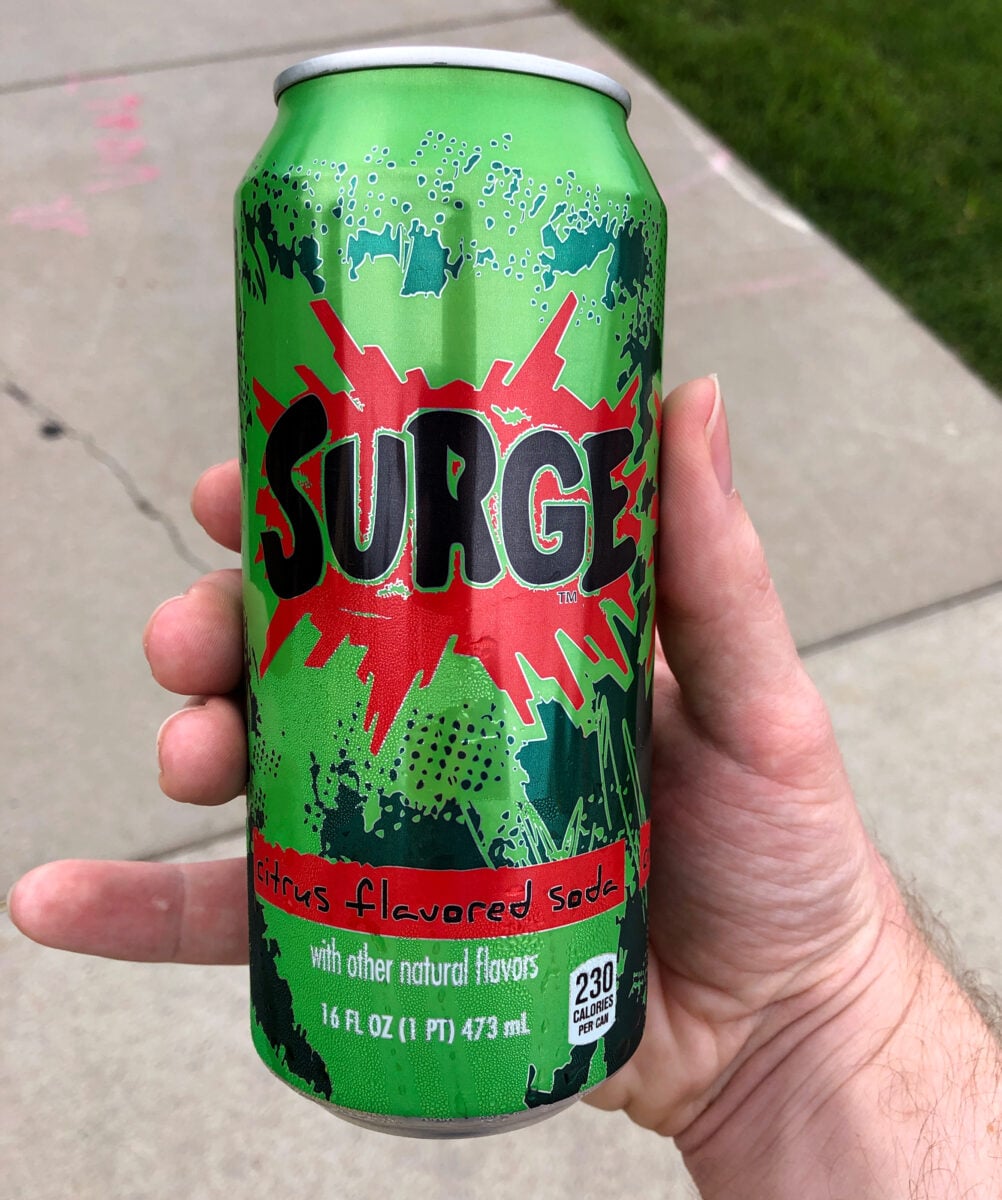
Surge was Coca-Cola’s neon-green citrus soda launched in 1997 to compete with Mountain Dew, featuring 51 milligrams of caffeine and aggressive extreme sports marketing. Despite a $50 million launch campaign and heavy vending machine placement in schools, Surge failed to compete against Mountain Dew’s established loyalty and was discontinued by 2003.
Fan campaigns brought limited revivals through Amazon in 2014 and selected fast-food chains, though the product never returned to permanent distribution.
Jolt Cola
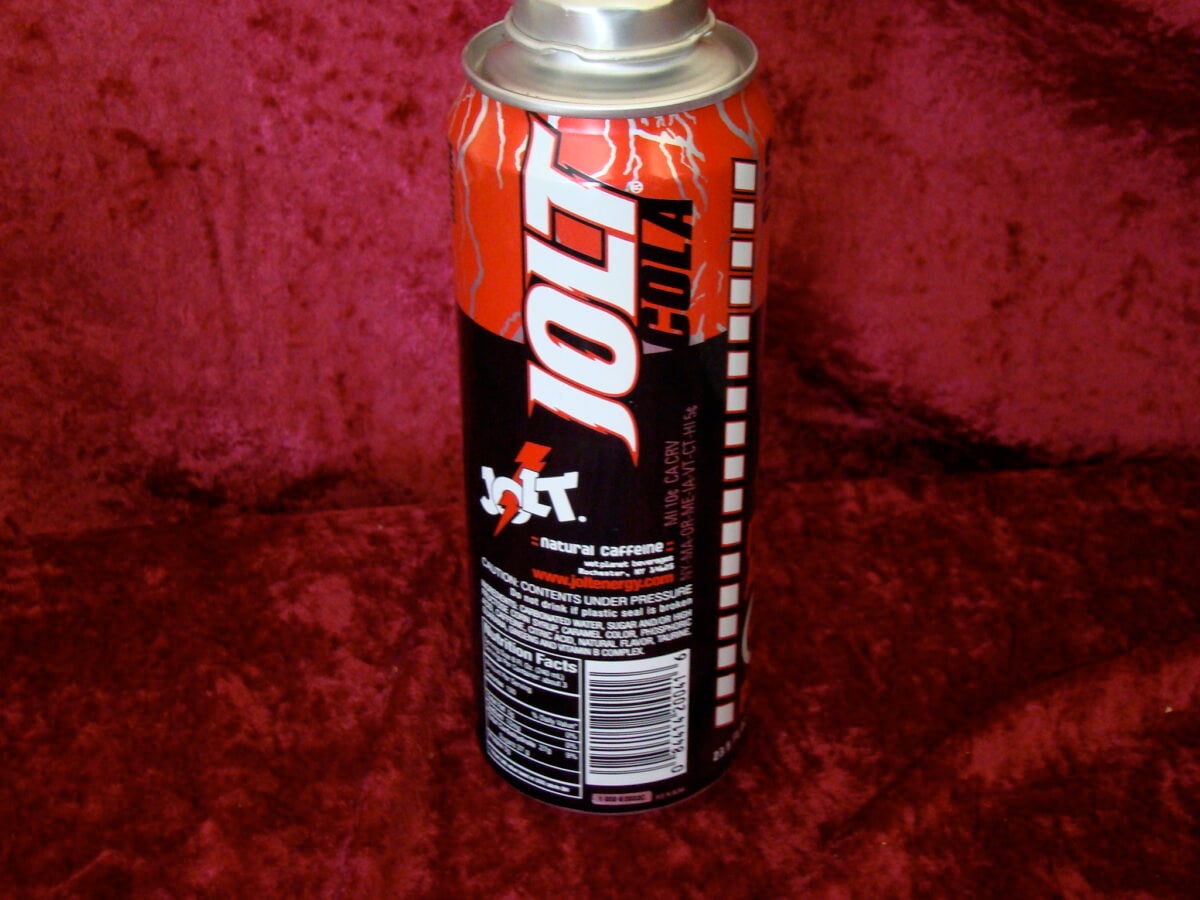
Jolt Cola pioneered the extreme caffeine soda formula in the late 1980s before Surge copied the concept. The beverage appeared regularly in arcade and school machines throughout the 1990s, but inconsistent distribution and competition from energy drinks gradually removed it from most vending locations.
Jones Soda Regional Flavors
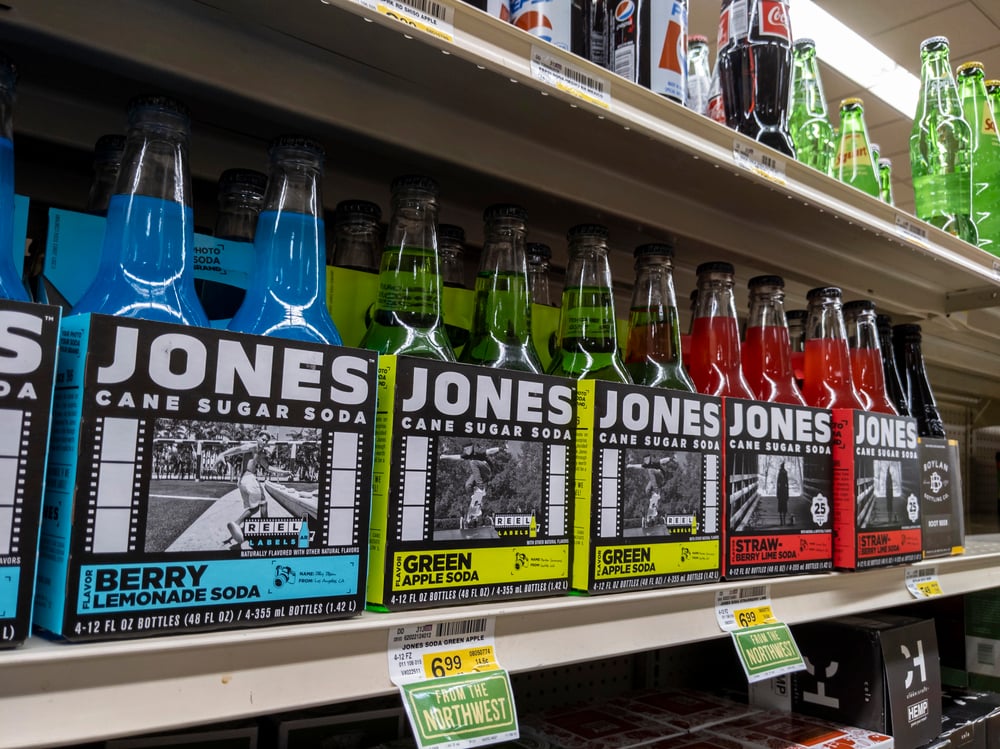
While Jones Soda still exists, the limited-edition regional flavors that appeared in 1990s vending machines have been discontinued in favor of standardized national offerings. Regional variations like tropical punch and berry cola rotated through machines, giving the brand cult status among teenagers.
The shift to national standardization eliminated these local variants entirely.
Ecto Cooler
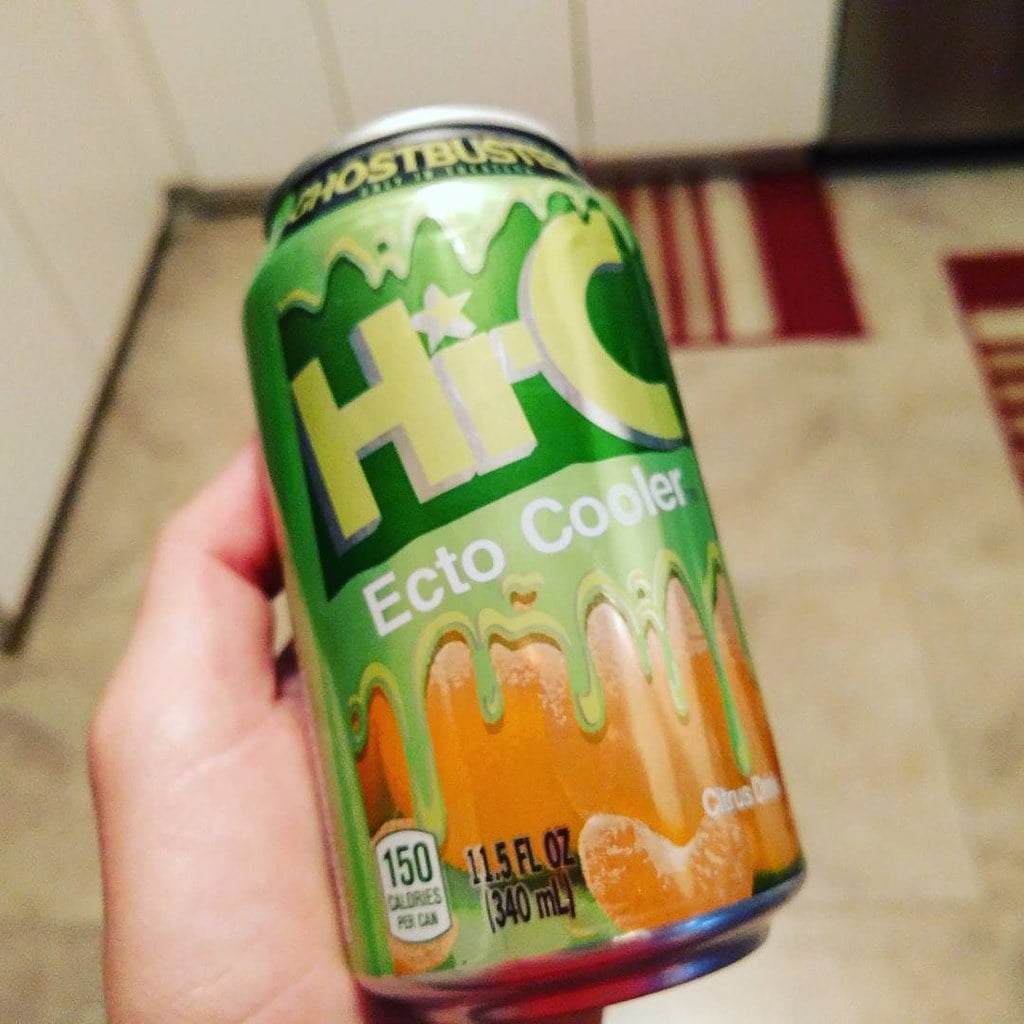
Ecto Cooler was a Hi-C orange-tangerine juice drink launched in 1987 as a Ghostbusters tie-in, featuring the green slime character Slimer on the packaging. The fluorescent green drink became a cafeteria staple throughout the 1990s and was so popular that production continued a decade after the cartoon ended.
The company removed Slimer from packaging in 1997, renamed it “Shoutin’ Orange Tangergreen” in 1999, and discontinued it entirely by 2001.
Hawaiian Punch Vending Versions
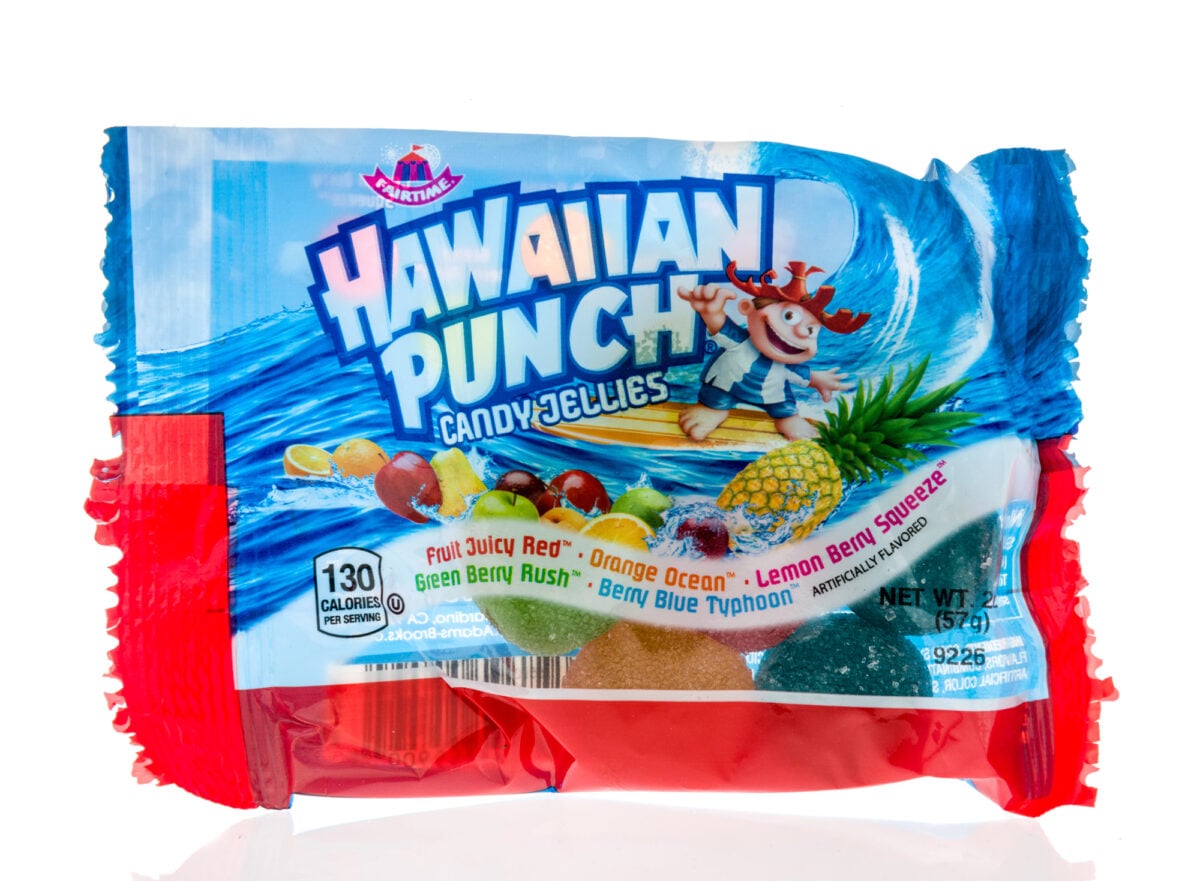
Various concentrated Hawaiian Punch flavors were formulated specifically for vending machines with formulations distinct from retail bottled versions. These machine-only versions—including berry, island fruit, and tropical varieties—created experiences unavailable through retail channels.
The removal of vending-specific formulations represented industry-wide cost-cutting as manufacturers consolidated to single national recipes.
Jimi Jam Cookies
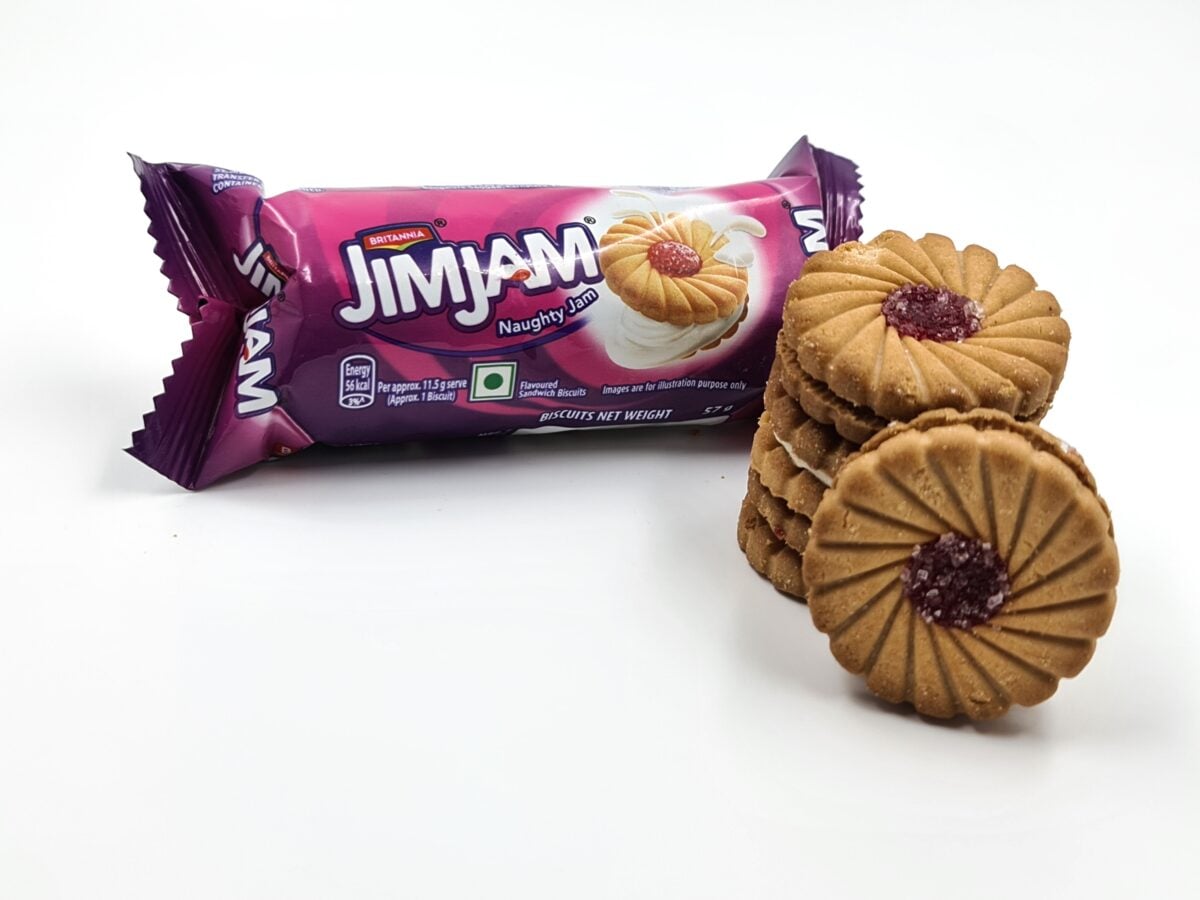
Jimi Jam cookies were sandwich cookies with jam filling that appeared regularly in 1990s vending machines as a lighter alternative to chocolate snacks. Despite occupying significant shelf space in school and workplace machines, Jimi Jam never achieved sustainable market presence and ceased production quietly without attempting retail distribution.
Alpine White Chocolate Bars in Machines
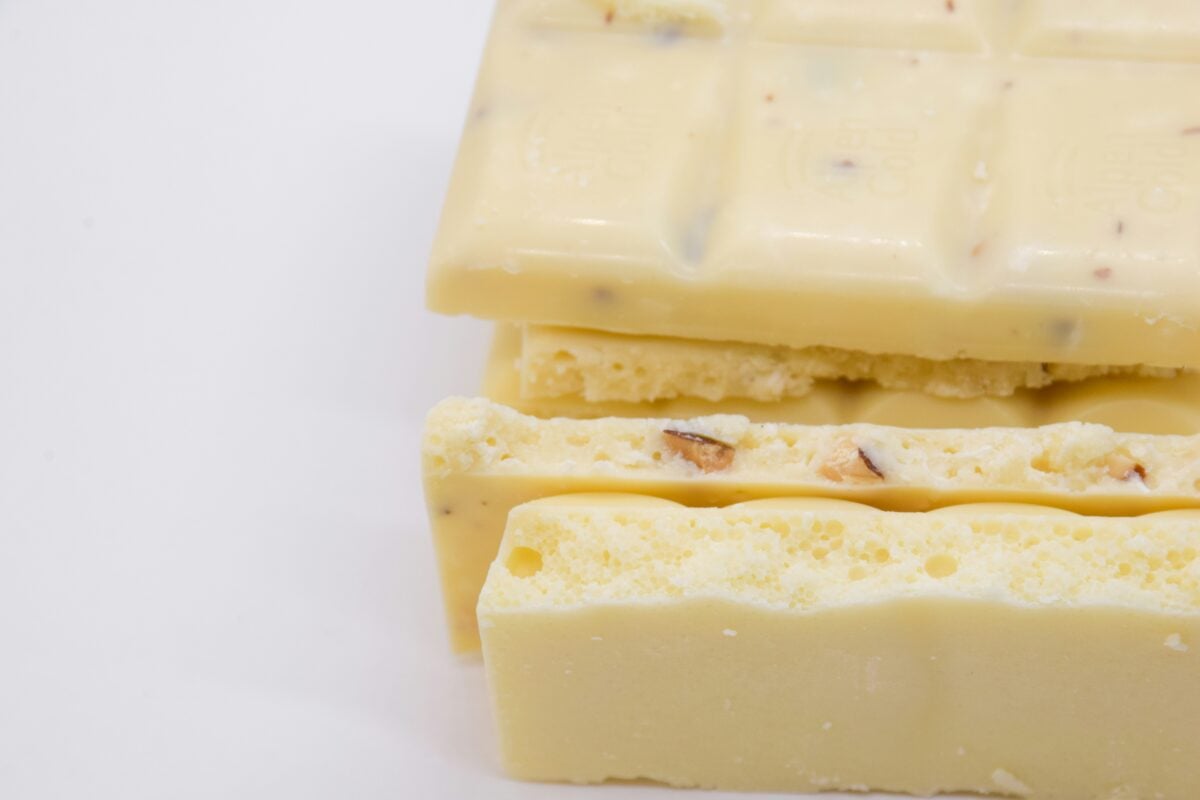
Nestle’s Alpine White bars were specifically formulated for vending machine distribution in the late 1980s and early 1990s. The bars appeared prominently in school machines before Nestle discontinued the line around 1993, consolidating its portfolio around higher-volume products like Butterfinger.
Kudos Bars
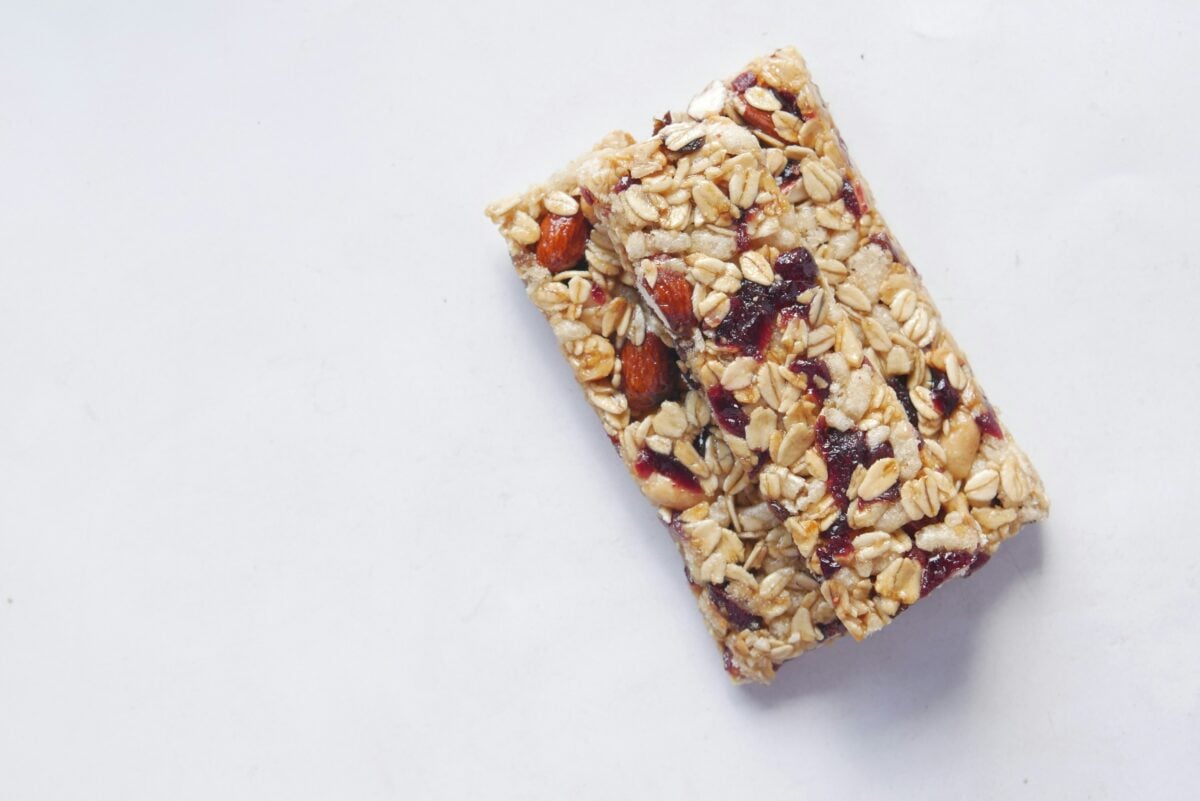
Kudos bars were granola-based candy bars marketed as the healthier alternative during the 1990s health-conscious food trend. While various flavors rotated through vending machines, the category never achieved sustainable market presence as consumers ultimately preferred either genuine healthy options or full indulgence.
PowerHouse Bars

PowerHouse bars were energy-marketed candy bars featuring peanut and caramel wrapped in chocolate, appearing regularly in vending machines before late 1980s discontinuation. Despite positioning that aligned with extreme sports trends, PowerHouse failed to compete and disappeared without significant consumer resistance.
Reese’s Whipps
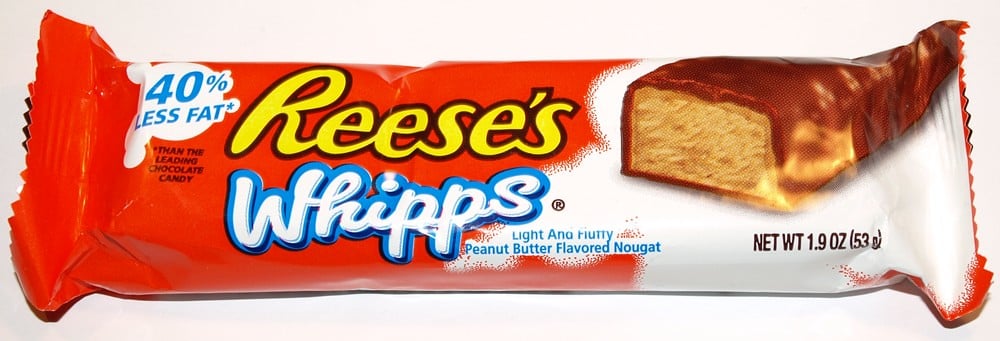
Reese’s Whipps were peanut butter bars with nougat centers that occupied premium vending machine space throughout the 1990s and 2000s. Marketed as creamier than traditional Reese’s cups, the product achieved reasonable recognition before Hershey discontinued it in 2010.
Butterfinger BB’s
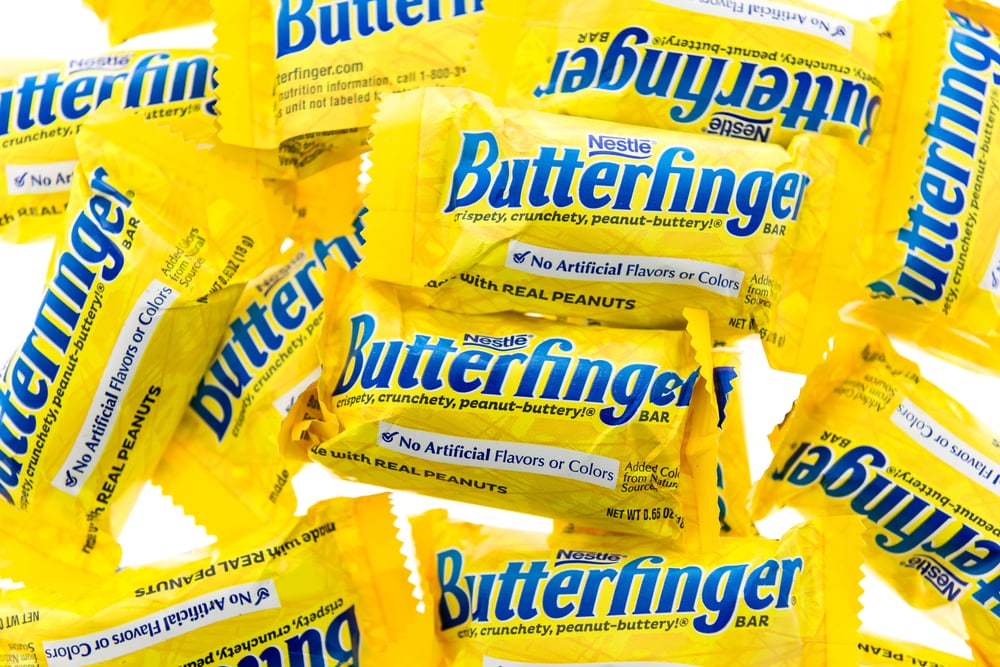
Butterfinger BB’s were bite-sized chocolate-covered Butterfinger pieces that became vending machine favorites because their small size suited coin-operated dispensers. The 2006 discontinuation removed a distinctive crispy-flaky chocolate experience from machines with no direct replacement.
Pepsi Twist
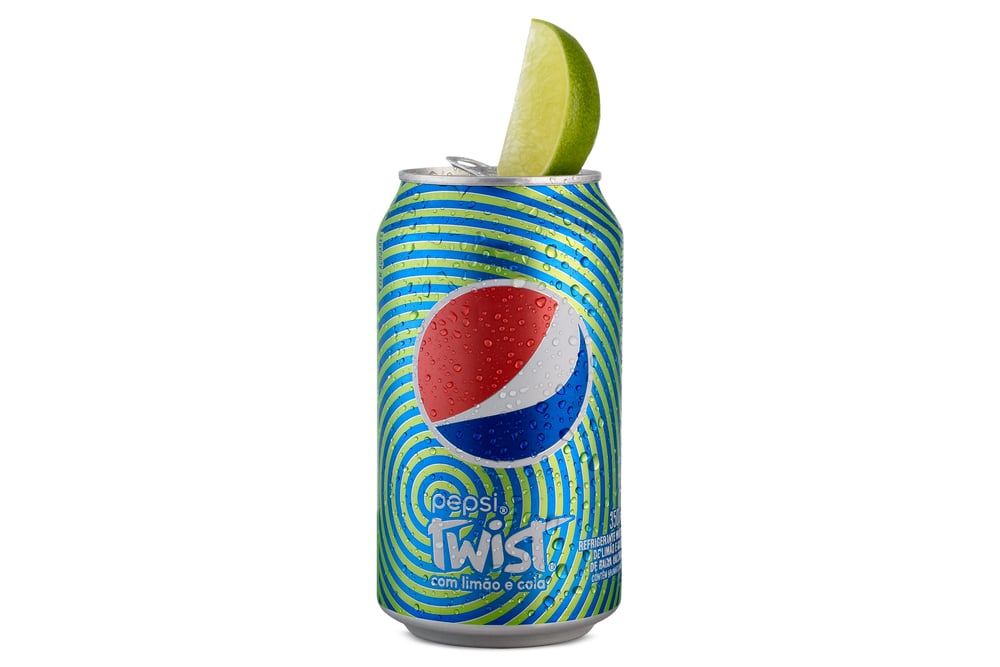
Pepsi Twist was a lemon-flavored cola variation that appeared exclusively in vending machines during late 1990s test marketing in select regions. Unlike Surge’s nationwide push, Pepsi Twist remained confined to regional test markets and discontinued without broader distribution.
Doritos 3D
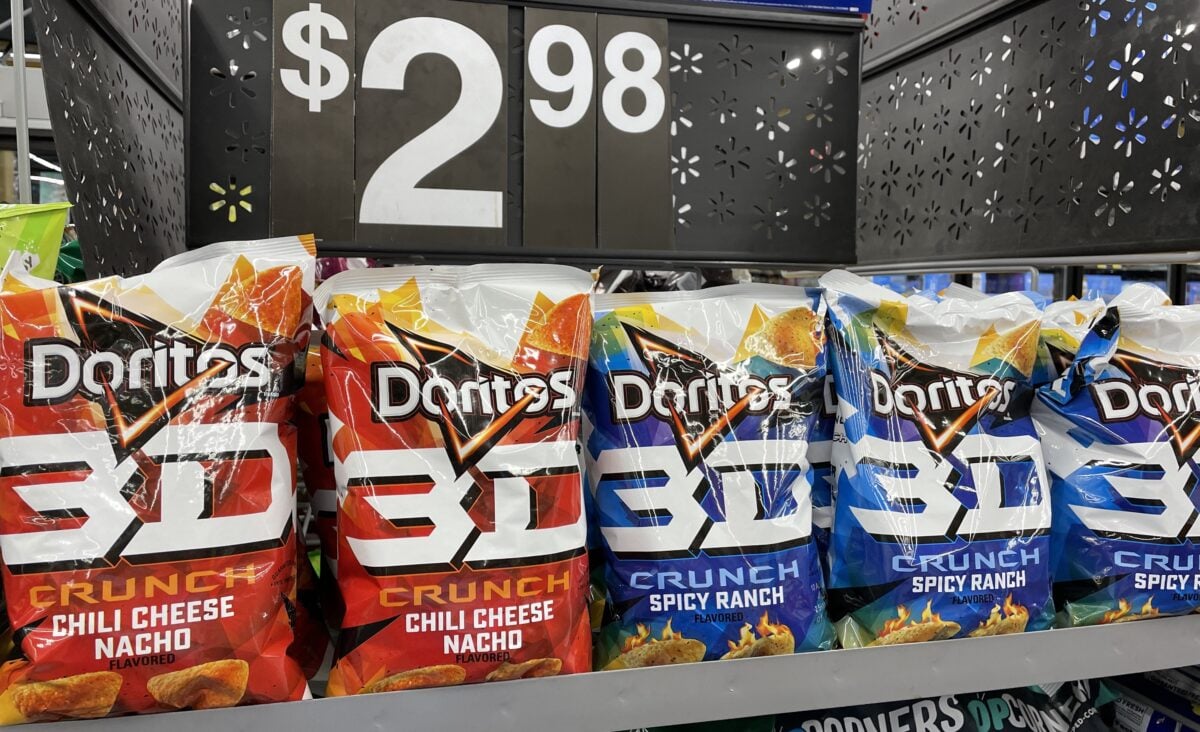
Doritos 3D were puffed corn snacks with three-dimensional structure that appeared regularly in 1990s vending machines as a textural alternative to flat chips. After phasing out in the 2000s, the product experienced a nostalgia-driven revival decades later before discontinuation again.
Baked Doritos Varieties
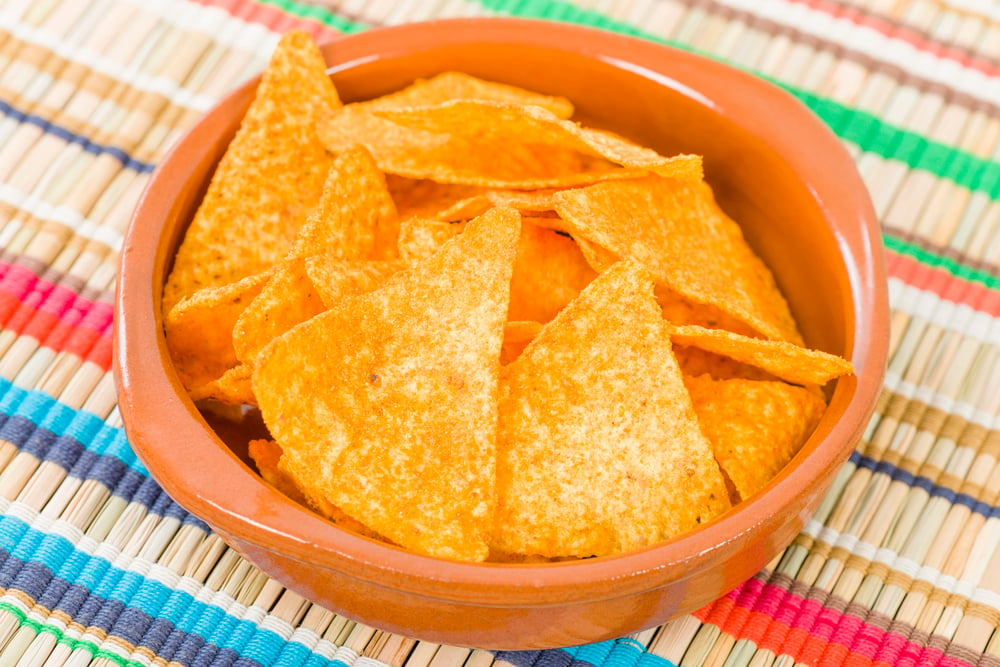
Limited-edition baked Doritos appeared in 1990s vending machines as reduced-fat alternatives during the health-conscious food trend. These baked variations attempted to bridge health-conscious consumers and snack satisfaction before the industry abandoned the category.
Pringles Pizza Flavor
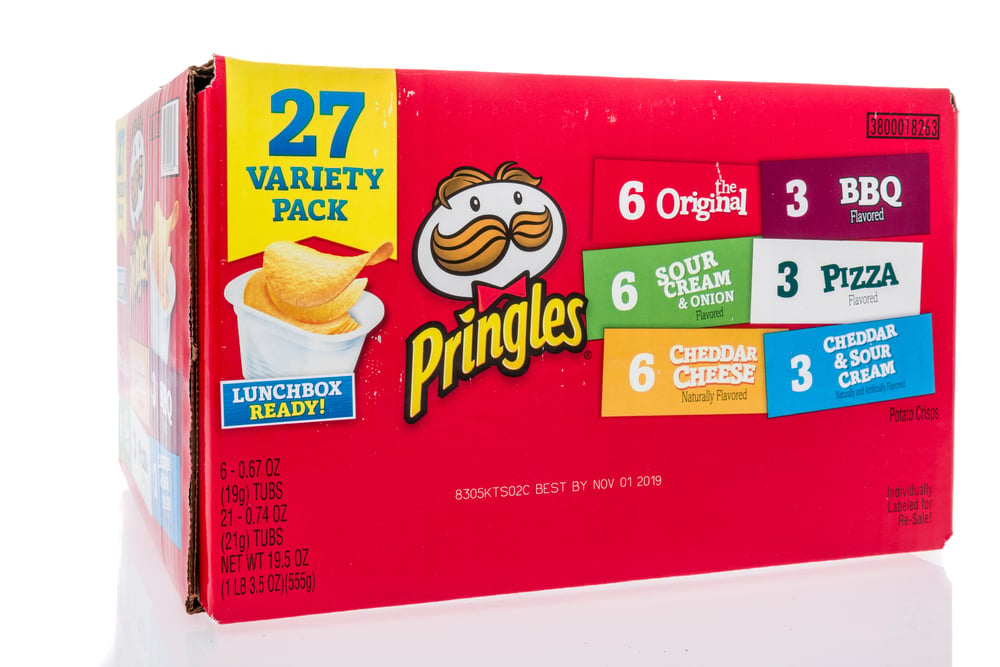
Various exotic Pringles flavors appeared in 1990s vending machines as regional or limited releases never achieving national retail distribution. Pizza flavor appeared in selected machines across certain regions but never sustained long enough for widespread recognition.
Hostess Pudding Pies Varieties
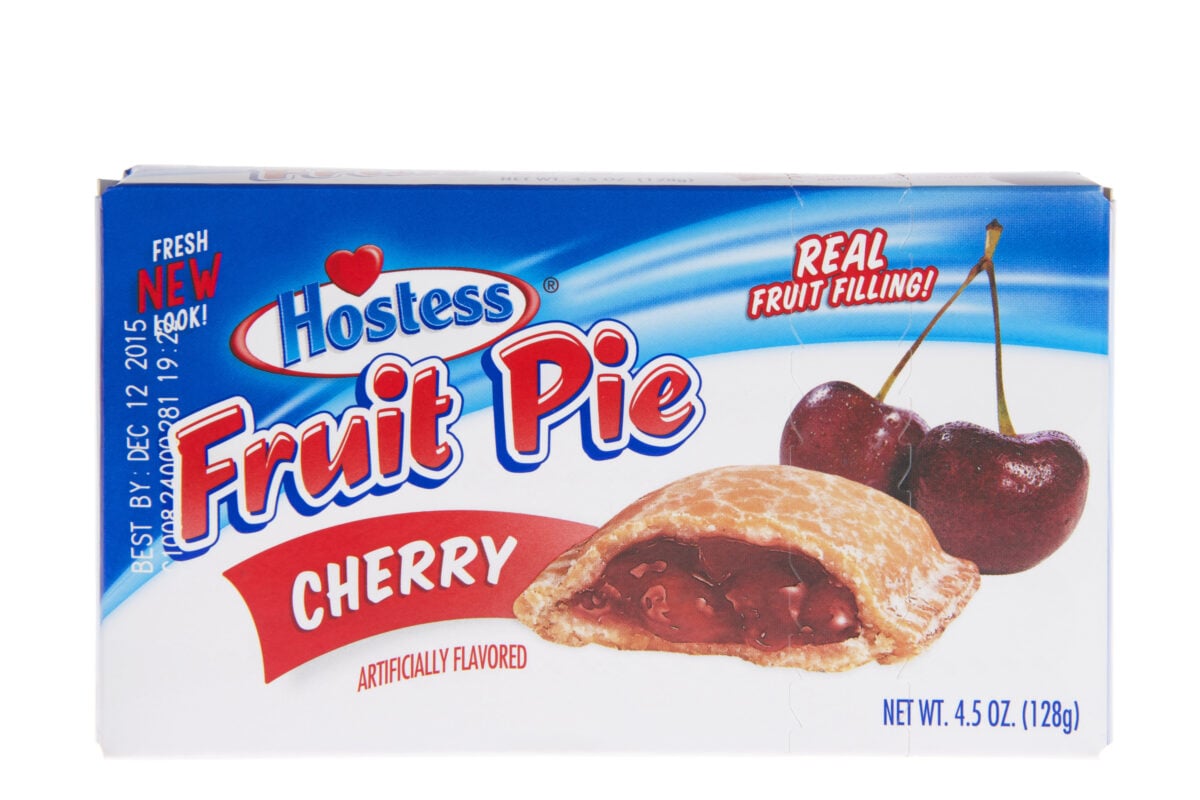
Various Hostess pudding pie flavors beyond chocolate and vanilla appeared occasionally in 1990s vending machines, representing attempts to diversify the snack cake portfolio. These regional specialty variants were discontinued during industry consolidation efforts.
Mrs. Field’s Cookie Dispensers
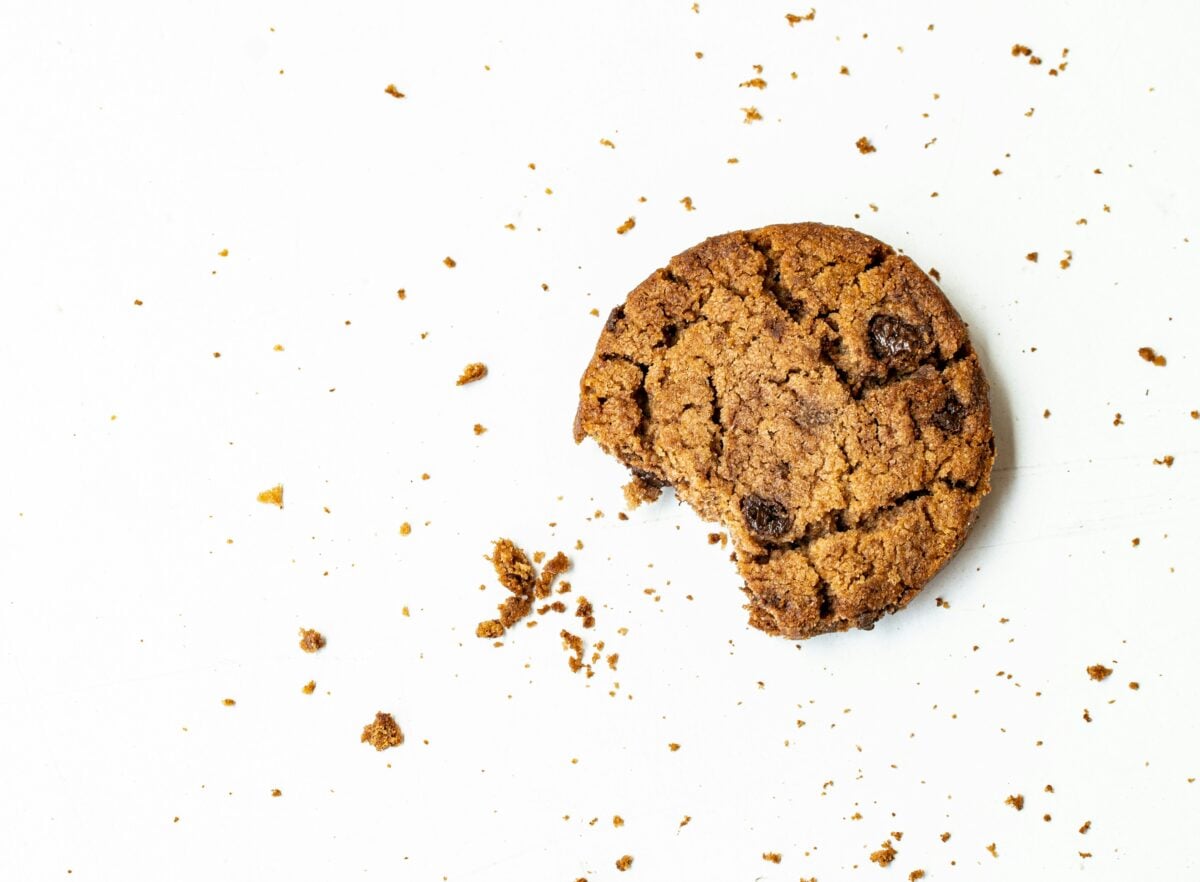
Some 1990s vending machines distributed fresh Mrs. Field’s cookies rather than packaged snacks, emphasizing product freshness over shelf stability. These machines required frequent restocking, creating operational complexity that prevented widespread adoption.
Wise Potato Chips Regional Flavors
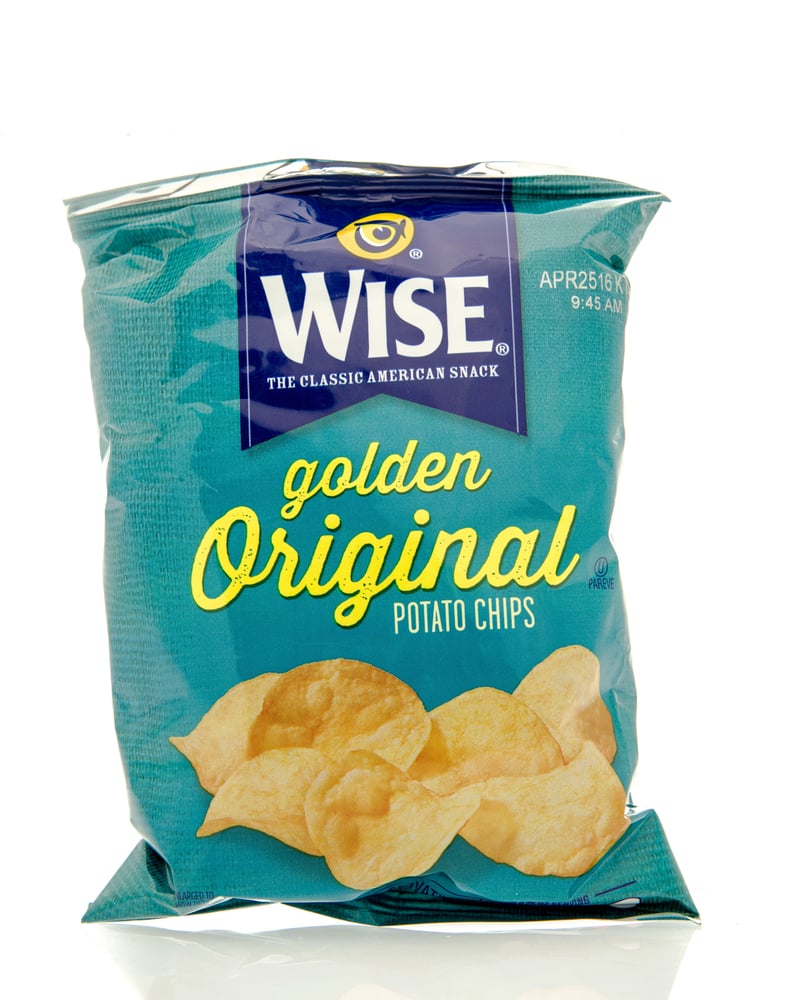
Regional Wise Chips flavors available in 1990s vending machines have been phased out in favor of national brands, representing the consolidation of regional manufacturers into larger entities. Eastern market variants reflected local taste preferences now abandoned for standardization.
Chex Mix Original Formula
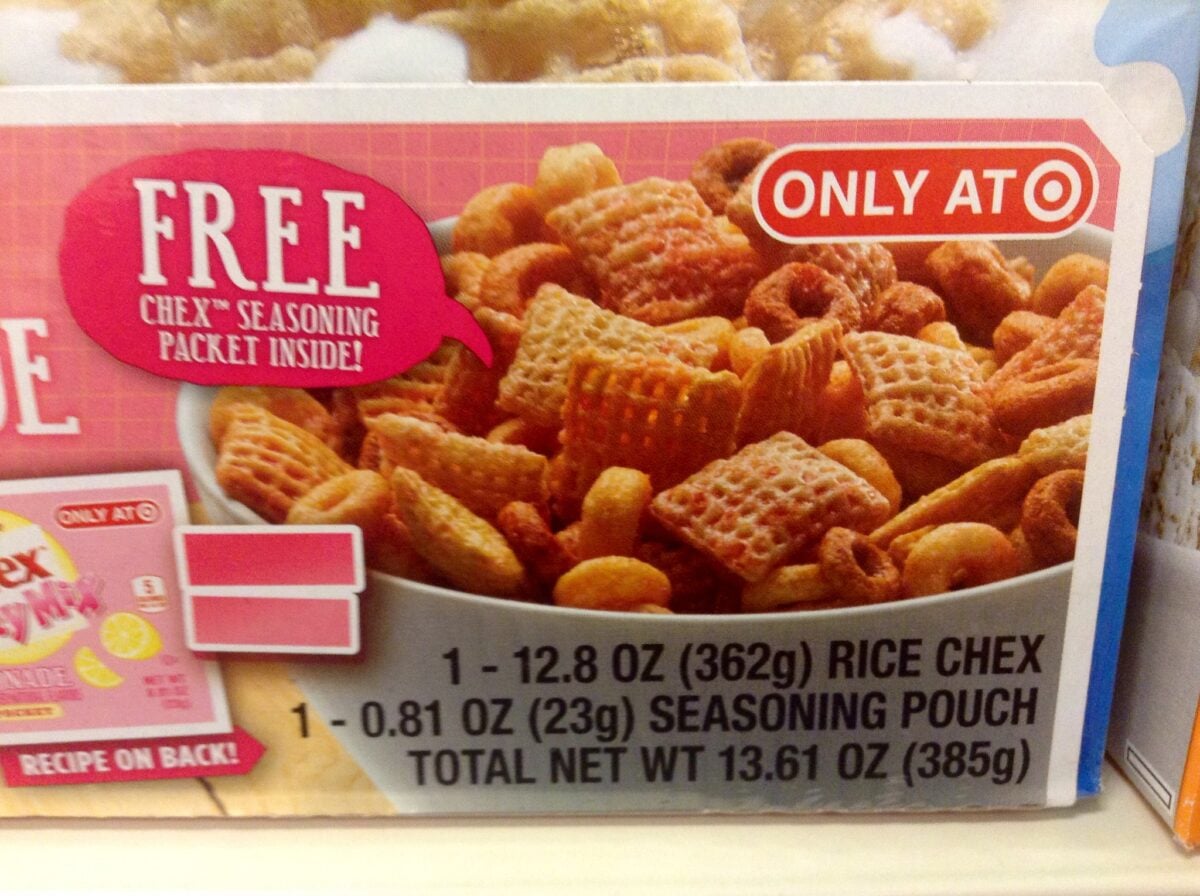
The original Chex Mix recipe that appeared in 1990s vending machines was later reformulated by General Mills for cost-cutting, with some enthusiasts claiming machine versions were superior. Contemporary versions are noticeably different in texture and seasoning balance.
Combos Cheese and Pretzel
1990s Combos pretzel snacks featured different formulations in vending machines compared to retail versions, with varying seasoning ratios and filling consistency. Mars maintained separate production runs for distribution channels before consolidating to single national formulations.
Cheetos Paws
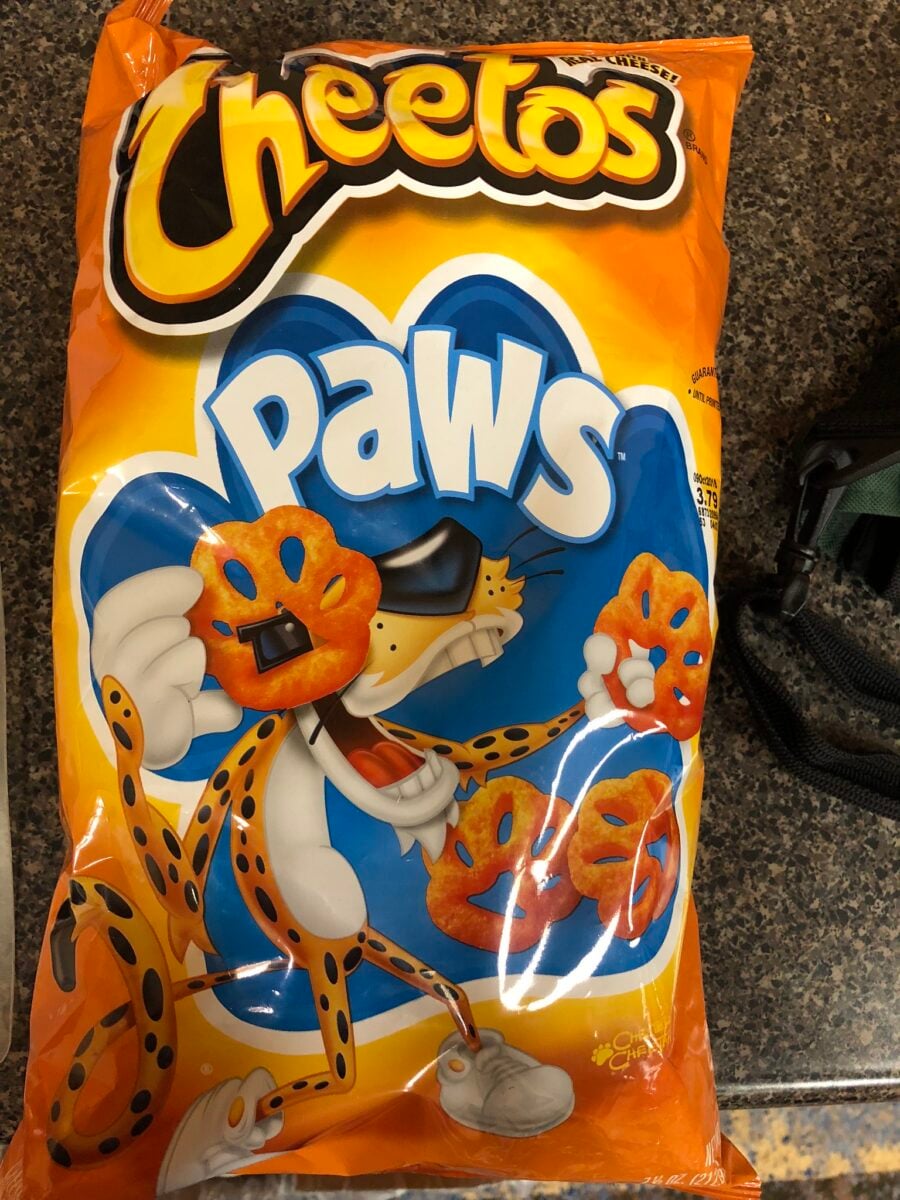
Cheetos Paws were paw-shaped cheese puffs that appeared in vending machines as a novelty variant appealing to younger consumers. Unlike Doritos 3D, Cheetos Paws remains permanently discontinued despite occasional online revival petitions.
Corn Nuts Original Variety
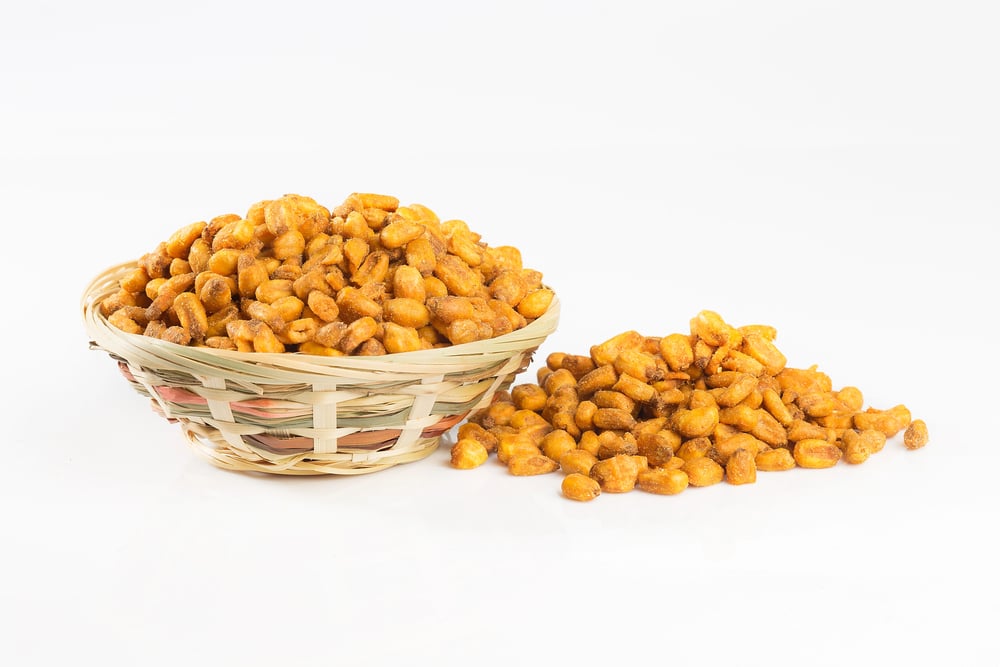
While Corn Nuts still exist, the specific varieties and formulations available in 1990s vending machines have been substantially altered through recipe changes. Original versions featured different seasoning intensity that longtime consumers immediately recognize as changed.
Funyuns in Regional Variants
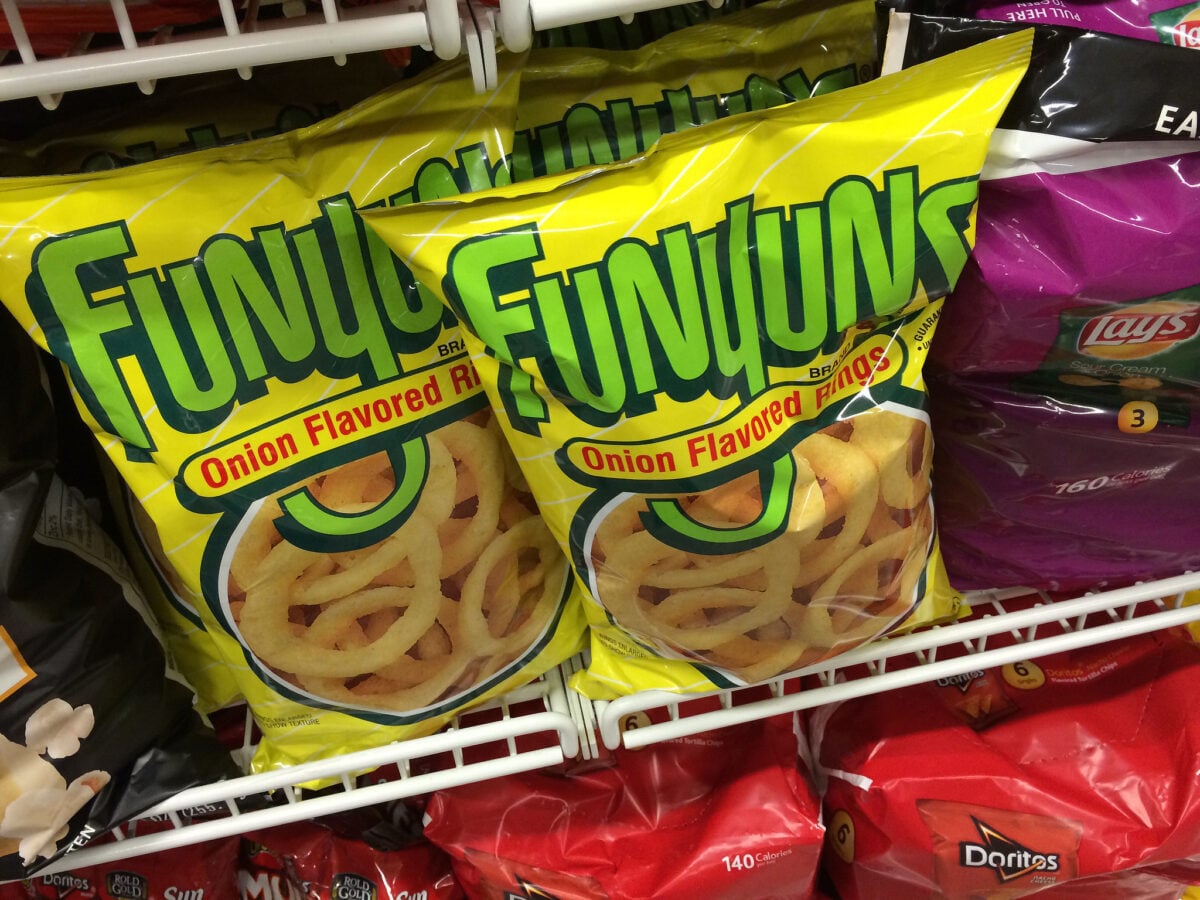
Certain Funyun regional flavors available in 1990s vending machines have been discontinued or consolidated into national offerings. Regional variants like BBQ appeared in specific areas before removal during consolidation efforts.
The Vending Machine As Time Capsule
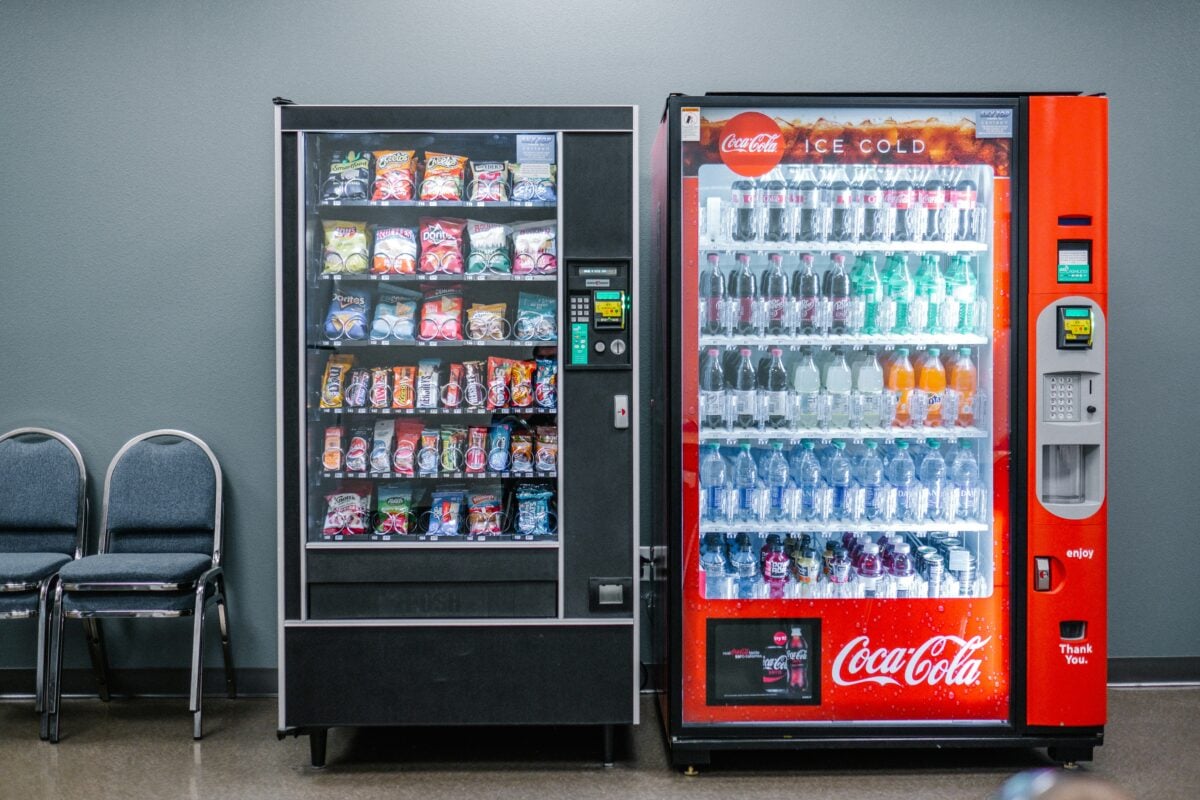
The 1990s vending machine represented the last moment before complete product standardization made snacking experiences identical regardless of location. These machines contained regional variations and market experiments that could only sustain themselves through niche positioning within confined distribution systems.
When those systems consolidated into national networks, thousands of products disappeared without maintaining any retail alternative. What distinguishes these casualties is irreversibility.
Unlike popular items that return through nostalgia campaigns, most 1990s vending machine products left no cultural footprint substantial enough to demand resurrection. They exist only in fragmented memories of individuals who encountered them in specific schools decades ago—ghost products no one thought to save before the machines were refilled.
More from Go2Tutors!




