Famous School Cafeteria Foods
Odd things stick around when you think of school meals. Maybe not fond ones, yet they linger just the same.
That scent drifting through the lunchroom, trays sliding on metal racks, guessing what went into yesterday’s baked dish – people recall these bits no matter their age. You might have craved those portions or sat through them glum, still they marked your earliest brush with mass-fed dining.
Certain plates earned fame slowly. Some drew laughter instead.
A rare one managed to do both at once.
Rectangle Pizza

No school cafeteria item carries more nostalgic weight than the rectangular pizza. Served on a cardboard-like crust with a slightly sweet tomato sauce and a rubbery layer of mozzarella, it looked nothing like pizza from an actual pizzeria.
That didn’t matter. Kids devoured it. The pizza arrived pre-cut into squares, which made no geometric sense but felt right anyway.
Generations of students waited in longer lines on pizza day, and many still chase that specific flavor as adults. Some companies now sell frozen versions marketed directly to people who miss it.
Chicken Nuggets

Before chicken nuggets became a fast-food staple, they were a cafeteria staple. Schools served them in various shapes—dinosaurs, stars, boots, or simple ovals—alongside packets of honey mustard, barbecue sauce, or ketchup.
The bread was always a little soggy by the time you sat down, but nobody complained. Nugget day meant a break from whatever casserole or mystery meat had been scheduled.
The concept originated with food scientist Robert C. Baker at Cornell University in 1963, but nuggets didn’t become a cafeteria mainstay until the 1980s, after McDonald’s McNuggets made the format famous nationwide. They’ve remained a fixture ever since.
Tater Tots

Tater tots owe their existence to a food processing problem. In 1953, the Grigg brothers at Ore-Ida—along with co-founder Ross Butler Sr.—needed something to do with leftover potato scraps from their French fry production.
They shredded them, seasoned them, and shaped them into small cylinders. Schools adopted them quickly because they were cheap, easy to prepare, and kids actually ate them.
The exterior crunch and fluffy interior made them more appealing than standard fries to many students. Tater tots became so associated with school lunch that they now function as a cultural shorthand for cafeteria food in general.
Sloppy Joes
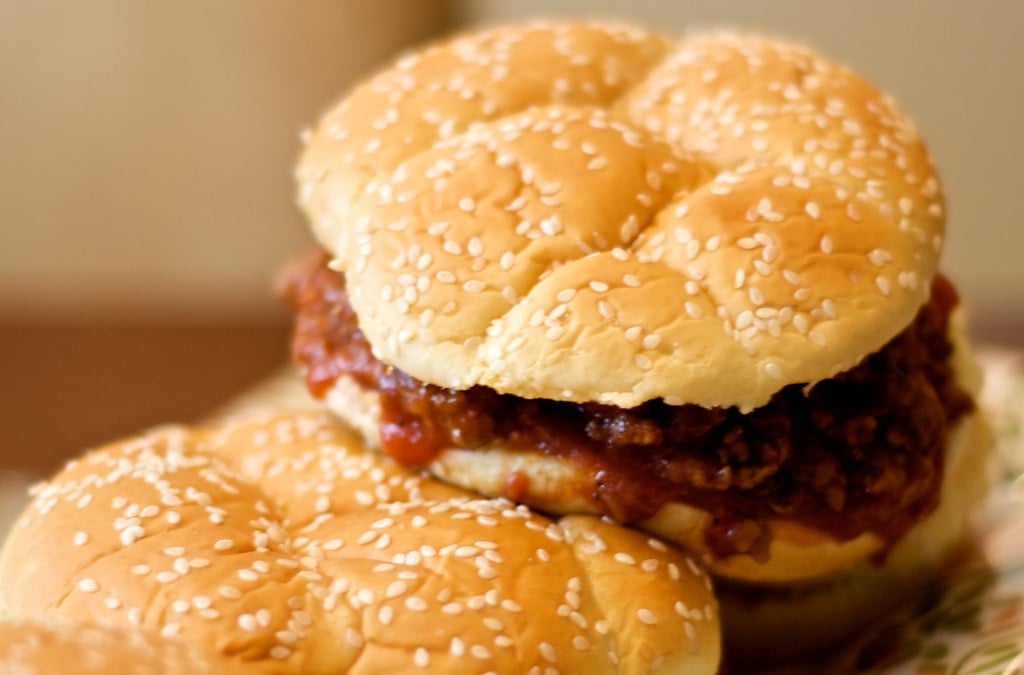
The sloppy joe has murky origins—some credit a cook named Joe in Sioux City, Iowa, others point to Havana, Cuba—but its place in school cafeterias is undisputed. Ground beef simmered in a tangy, slightly sweet tomato-based sauce, served on a hamburger bun that inevitably fell apart halfway through eating.
The mess was part of the appeal. Schools loved sloppy joes because they stretched a small amount of meat across many servings. Students loved them because they tasted good and felt like a treat compared to the usual options.
Fish Sticks

Friday meant fish sticks in many American schools, a tradition rooted in Catholic dietary restrictions that influenced public school menus for decades. The product itself debuted in 1953 when Birds Eye and Gorton’s both introduced frozen fish sticks to American consumers.
The breaded, frozen rectangles of minced fish bore little resemblance to actual seafood, but they developed their own following. Tartar sauce was essential.
The fish inside was usually pollock or another mild white fish, processed into a paste and reformed into uniform shapes. Some students hated fish stick day. Others remember it fondly. Few felt neutral.
Corn Dogs
A hot dog on a stick, coated in cornmeal batter and deep-fried—the corn dog brought state fair energy to the lunch line. Schools served them because they were easy to eat without utensils, kept well under heat lamps, and appealed to even the pickiest eaters.
The slightly sweet cornbread coating offset the salty processed meat inside. Mustard was the traditional accompaniment, though ketchup had its partisans.
Corn dogs rarely appeared more than once or twice a month, which only increased anticipation.
Salisbury Steak

Salisbury steak sounds fancy until you see it on a cafeteria tray. Named after Dr. James Salisbury, a 19th-century physician who advocated for meat-heavy diets, the dish consists of a ground beef patty smothered in brown gravy and served with mashed potatoes.
In school versions, the patty often had a rubbery texture and the gravy came from a powder mix. Still, it represented real food in a way that some other options didn’t.
The gravy pooling into the mashed potatoes created a comfort-food combination that many students appreciated.
Peanut Butter and Jelly Sandwiches

The PB&J requires no explanation, but its role in school cafeterias deserves recognition. For students who didn’t want what was being served, the peanut butter and jelly sandwich offered a reliable alternative.
Cafeterias kept them pre-made as a backup option. The bread was usually white and slightly stale, the peanut butter industrial-grade, the jelly grape-flavored and overly sweet.
None of that mattered to the kid who just wanted something familiar. Note: Many schools have since restricted or eliminated peanut butter due to allergy concerns.
Chicken Fried Steak

In Southern and Midwestern schools especially, chicken fried steak appeared on rotating menus as a heartier option. A thin cut of beef, tenderized and breaded like fried chicken, then smothered in white pepper gravy.
The cafeteria version was often tough and the gravy gluey, but the concept remained appealing. Served with mashed potatoes and green beans from a can, it represented an attempt at a real sit-down dinner translated into institutional food service.
Hot Dogs

Plain, simple, and nearly impossible to ruin completely, hot dogs served as a cafeteria fallback for decades. Schools boiled them in bulk and served them on soft white buns with packets of mustard, ketchup, and relish available on the side.
The franks were never high quality, but they were familiar. Every kid knew what to expect from a hot dog.
That predictability made hot dog day a safe harbor in a sea of unpredictable menu items.
Nachos
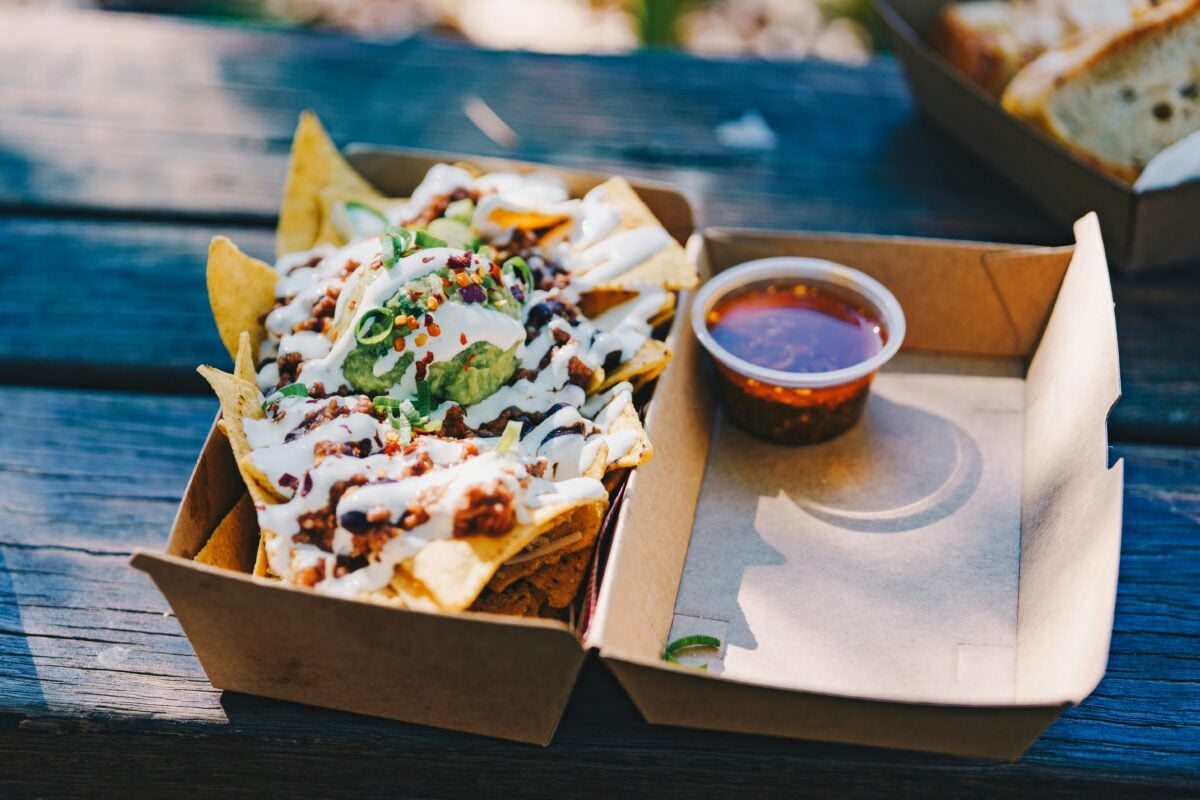
Cafeteria nachos bore little resemblance to authentic Mexican food, but they carved out their own identity. A pile of tortilla chips topped with processed cheese sauce, sometimes with a scoop of seasoned ground beef or beans, occasionally with jalapeño slices from a can.
The cheese congealed quickly once it hit the cool air, so speed was essential. Schools introduced nachos in the 1980s and 1990s as menus diversified, and they quickly became one of the more popular options.
Fruit Cocktail

Dessert in school cafeterias often meant canned fruit cocktail—a mix of peaches, pears, grapes, pineapple chunks, and those mysterious pale cherries, all swimming in heavy syrup. It came cold from the refrigerator and was served in small bowls or compartments on divided trays.
The fruit cocktail represented an attempt to include something resembling produce in the meal. Whether it succeeded nutritionally is debatable, but it became a standard part of the school lunch experience across the country.
Chocolate Milk
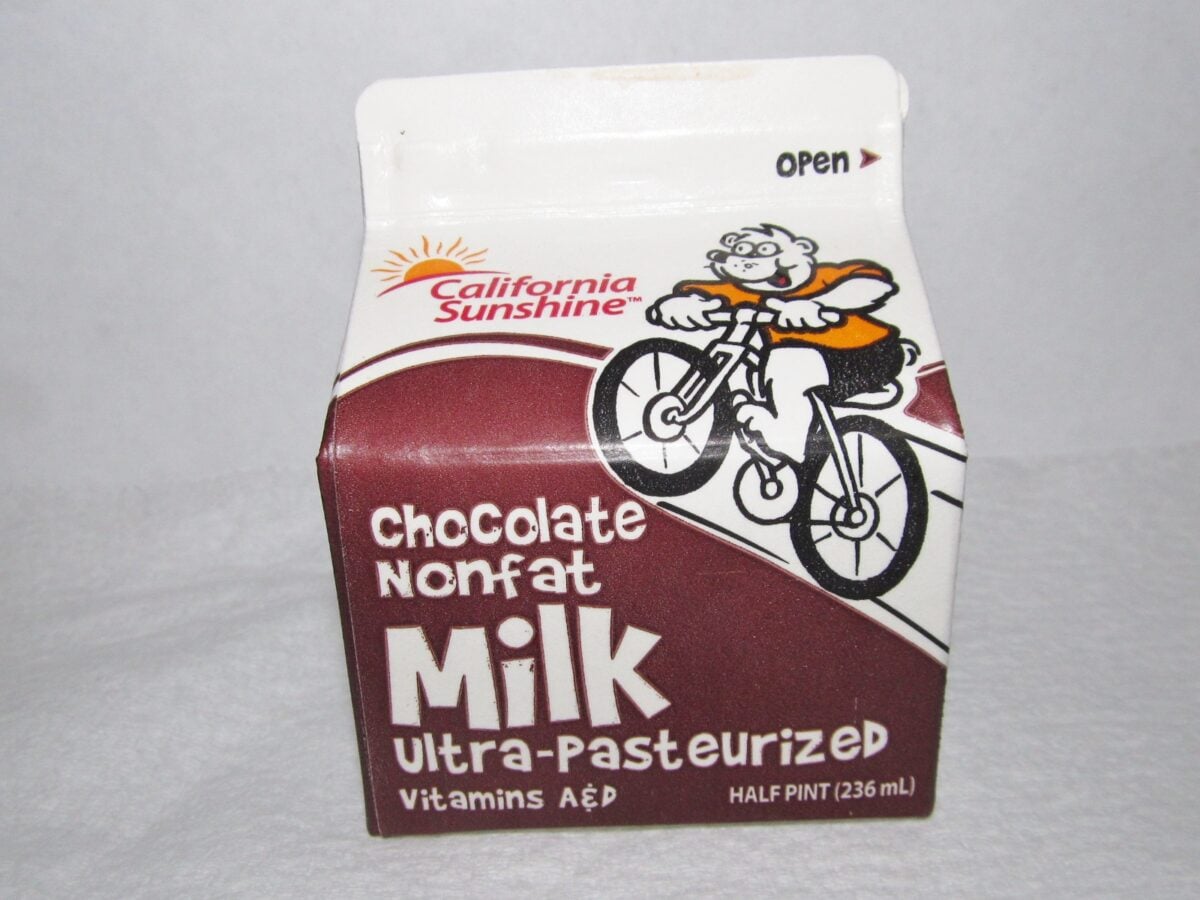
For many students, the drink mattered as much as the food. Chocolate milk outsold plain white milk by significant margins in school cafeterias—studies show flavored milk accounts for over 60% of all milk served in schools, with some cafeterias reporting ratios as high as four to one.
The small cartons with their waxy coating and difficult-to-open spouts became iconic. The chocolate milk itself was sweet—sometimes too sweet—and occasionally lukewarm if the refrigeration wasn’t working properly.
Health advocates have debated its place in schools for years, but for generations of students, lunch wasn’t complete without it.
The Lunch Tray Itself

The compartmentalized lunch tray deserves mention because it shaped how students experienced these foods. Those molded plastic or foam rectangles with their separate sections kept the mashed potatoes away from the fruit cocktail, the gravy contained to its own little pool.
The tray imposed order on chaos. It also created rituals—kids mixing their corn into their potatoes, or using their roll to soak up leftover gravy.
The tray wasn’t food, but it was part of the meal.
What the Lunch Line Taught Us

Frozen on steam trays, school meals were built to move fast through hungry lines. Not meant to impress, just fill bellies without breaking budgets.
What stuck wasn’t gourmet – it was edible, affordable, durable. Things like rubbery pizza squares or crispy potato bundles lasted because they survived hours under harsh lights.
Taste mattered less than staying power and predictability. For many kids, those flavors defined what “lunch” meant – bland yet familiar, forgettable but somehow missed later.
More from Go2Tutors!

- The Romanov Crown Jewels and Their Tragic Fate
- 13 Historical Mysteries That Science Still Can’t Solve
- Famous Hoaxes That Fooled the World for Years
- 15 Child Stars with Tragic Adult Lives
- 16 Famous Jewelry Pieces in History
Like Go2Tutors’s content? Follow us on MSN.



