14 Store Traditions That No Longer Exist
Shopping used to be a completely different experience. Instead of scanning barcodes and rushing through self-checkout lanes, customers enjoyed personal service, community connections, and rituals that made each visit feel special. These traditions weren’t just about buying things—they were about relationships, craftsmanship, and taking time to appreciate the process.
The rise of big box stores, online shopping, and modern efficiency has swept away many of these charming practices. Here is a list of 14 store traditions that have largely disappeared from American retail.
Trading Stamps

Remember when every grocery store and gas station handed out little stamps with each purchase? Customers would lick these stamps and carefully place them in books, collecting enough to redeem for household items, appliances, or even vacations.
S&H Green Stamps were the most famous, but many stores had their own versions. The ritual of filling stamp books became a family activity, with kids helping to stick stamps while parents calculated how many more books they needed for that new toaster.
Milk Delivery to Your Door

The milkman was a regular fixture in neighborhoods across America, arriving early in the morning with glass bottles of fresh milk. Customers would leave empty bottles on their doorstep along with a note specifying what they needed—maybe extra cream for Sunday breakfast or chocolate milk for the kids.
This wasn’t just about convenience; it was about trust and routine. The milkman knew every family’s preferences and would often chat with housewives about neighborhood news.
Soda Fountains in Five-and-Dime Stores
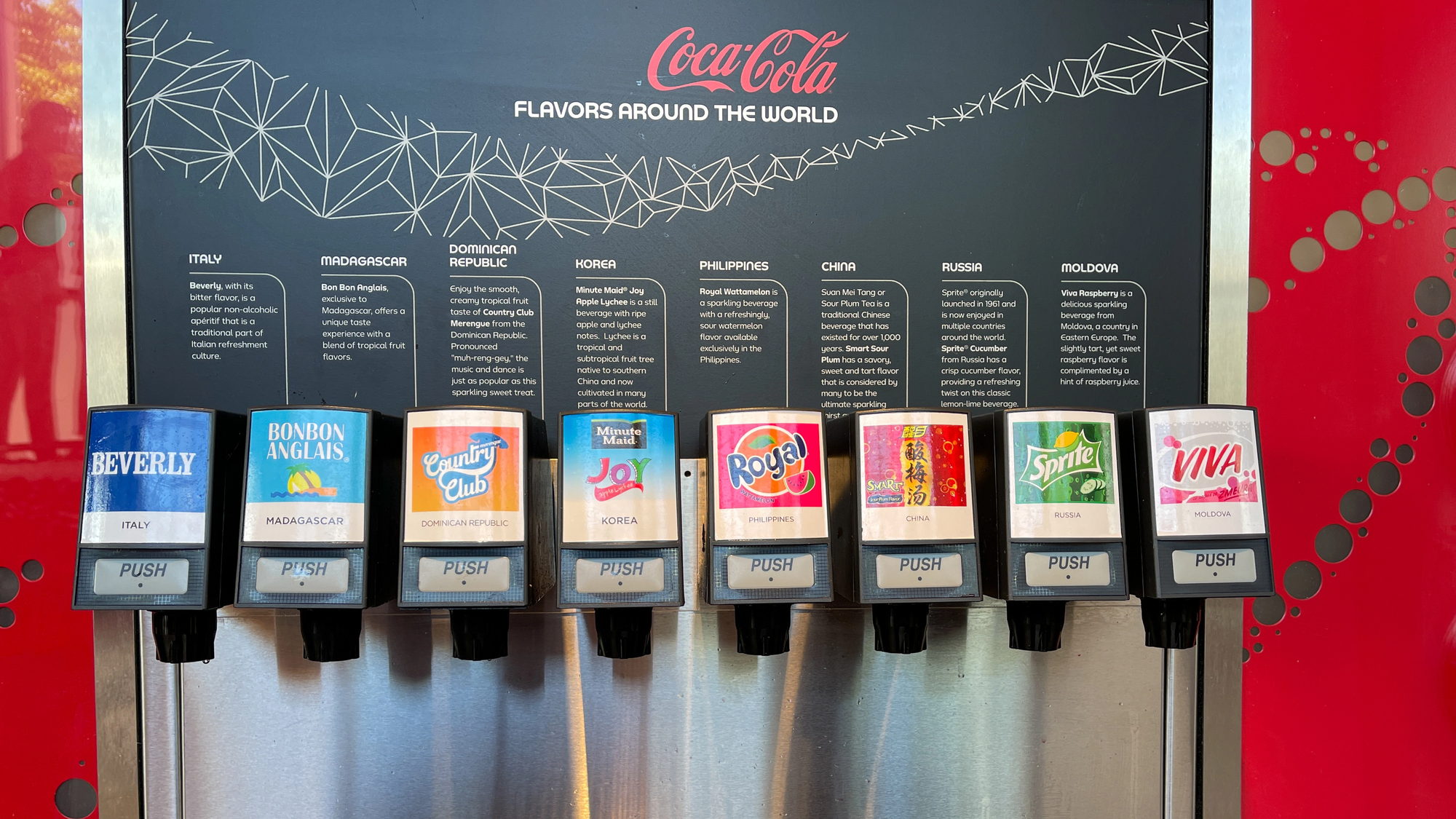
Every Woolworth’s and similar variety store had a lunch counter where you could grab a cherry Coke and a grilled cheese sandwich. These weren’t fancy establishments—just simple counters with red vinyl stools where shoppers could take a break and refuel.
The soda jerk behind the counter would mix your drink by hand, adding just the right amount of syrup and fizz. It was social dining at its most basic, where strangers might strike up conversations over their egg salad sandwiches.
Like Go2Tutors’s content? Follow us on MSN.
Layaway Programs
Before credit cards became universal, layaway let customers secure items they couldn’t afford immediately. You’d pick out that winter coat or Christmas toy, make a small down payment, and the store would hold it in the back room while you made weekly payments.
The anticipation was part of the charm—visiting the store to make your payment and maybe sneaking a peek at your reserved item. It taught patience and budgeting in a way that instant gratification never could.
Personal Shopping Assistants

Department stores employed knowledgeable sales associates who knew the merchandise inside and out. These weren’t just cashiers—they were style consultants who could coordinate an entire outfit, suggest the right gift for your mother-in-law, or help you find the perfect size.
They remembered your preferences from previous visits and would call when new items arrived that might interest you. Shopping felt like getting advice from a well-informed friend rather than wandering around hoping to find what you needed.
Charge Accounts at Local Stores

Long before credit cards, local businesses offered charge accounts to trusted customers. The shopkeeper would write your purchases in a ledger, and you’d settle up at the end of the month.
This system built real relationships between merchants and customers—your reputation mattered, and both sides had to trust each other. It also meant store owners knew their customers personally, often extending credit during tough times or holding special items for regular families.
Like Go2Tutors’s content? Follow us on MSN.
Free Home Delivery

Most stores offered free delivery as a standard service, not a premium add-on. The grocery store would pack your order and deliver it the same day, often by bicycle or small truck.
Pharmacies would bring medicine to sick customers, and department stores would deliver furniture and appliances. This wasn’t about competing with online shopping—it was simply how business was done when customer service mattered more than profit margins.
Penny Candy Counters
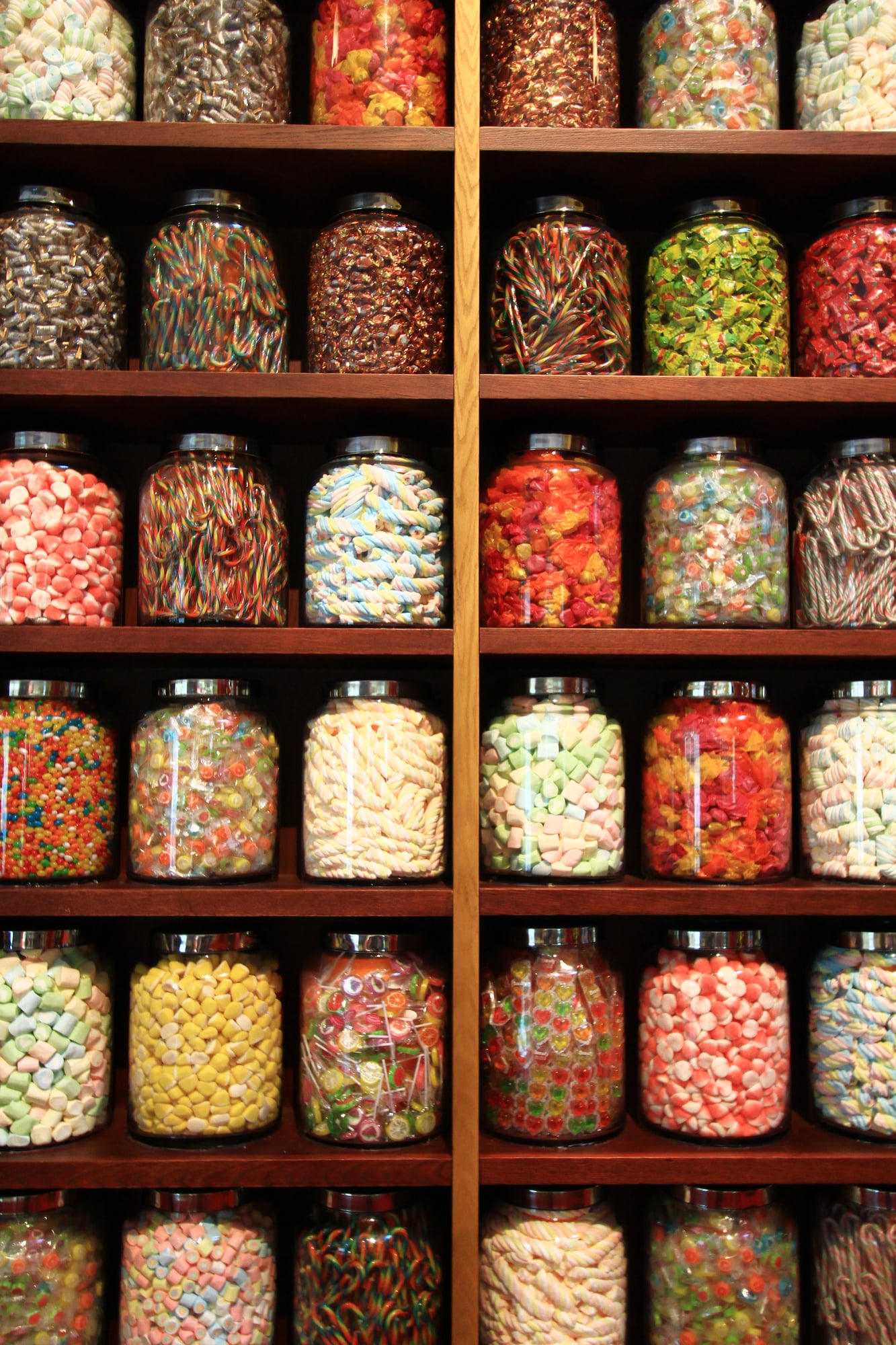
Every corner store and five-and-dime had a glass case filled with individual pieces of candy that cost just a penny each. Kids would press their noses against the glass, carefully choosing how to spend their allowance—maybe two pieces of a licorice whip and a few Swedish fish.
The store clerk would patiently wait while children made their selections, then count out the pieces into a small paper bag. It was a weekly ritual that taught kids about money and decision-making.
Demonstrators and Sampling

Stores regularly featured live demonstrations where customers could watch products being used and sample the results. A lady might demonstrate the latest kitchen gadget while cooking actual food for shoppers to taste.
Cosmetic counters offered makeovers, and appliance stores would show how their latest vacuum cleaner worked on actual carpets. These weren’t rushed marketing pitches—they were educational experiences that helped customers make informed decisions.
Like Go2Tutors’s content? Follow us on MSN.
Store Credit Instead of Cash Returns

When you returned an item, stores typically offered store credit rather than cash refunds. This wasn’t meant to be restrictive—it was how the system worked, and customers accepted it.
The store credit often came as a handwritten slip that you could use like cash on future purchases. It encouraged customer loyalty and meant that even returned items kept shoppers coming back to the same store.
Personal Accounts with Butchers and Bakers

Neighborhood butchers and bakers knew their customers by name and remembered their preferences. The butcher would set aside the best cuts for his regular customers and might even suggest recipes or cooking tips.
Bakers would save you the last loaf of your favorite bread or let you know when they were making your preferred pastries. These relationships went beyond simple transactions—they were part of the fabric of community life.
Catalog Ordering at Retail Stores

Before the internet, many stores had thick catalogs where customers could order items not available in the store. You’d sit at a counter, flip through hundreds of pages, and place your order with a clerk who would write everything down by hand.
The items would arrive at the store in a few weeks, and you’d get a phone call when they were ready for pickup. It was like online shopping, but with human interaction and real anticipation.
Like Go2Tutors’s content? Follow us on MSN.
Christmas Club Savings
Starting in January, customers could join Christmas clubs at department stores and some banks. You’d deposit a small amount each week—maybe five or ten dollars—and by December, you’d have enough saved for holiday shopping.
The store would often add a bonus to your savings, and you’d receive special shopping privileges during the holiday season. It was a way to budget for Christmas gifts while building a relationship with your favorite store.
Handwritten Sales Receipts
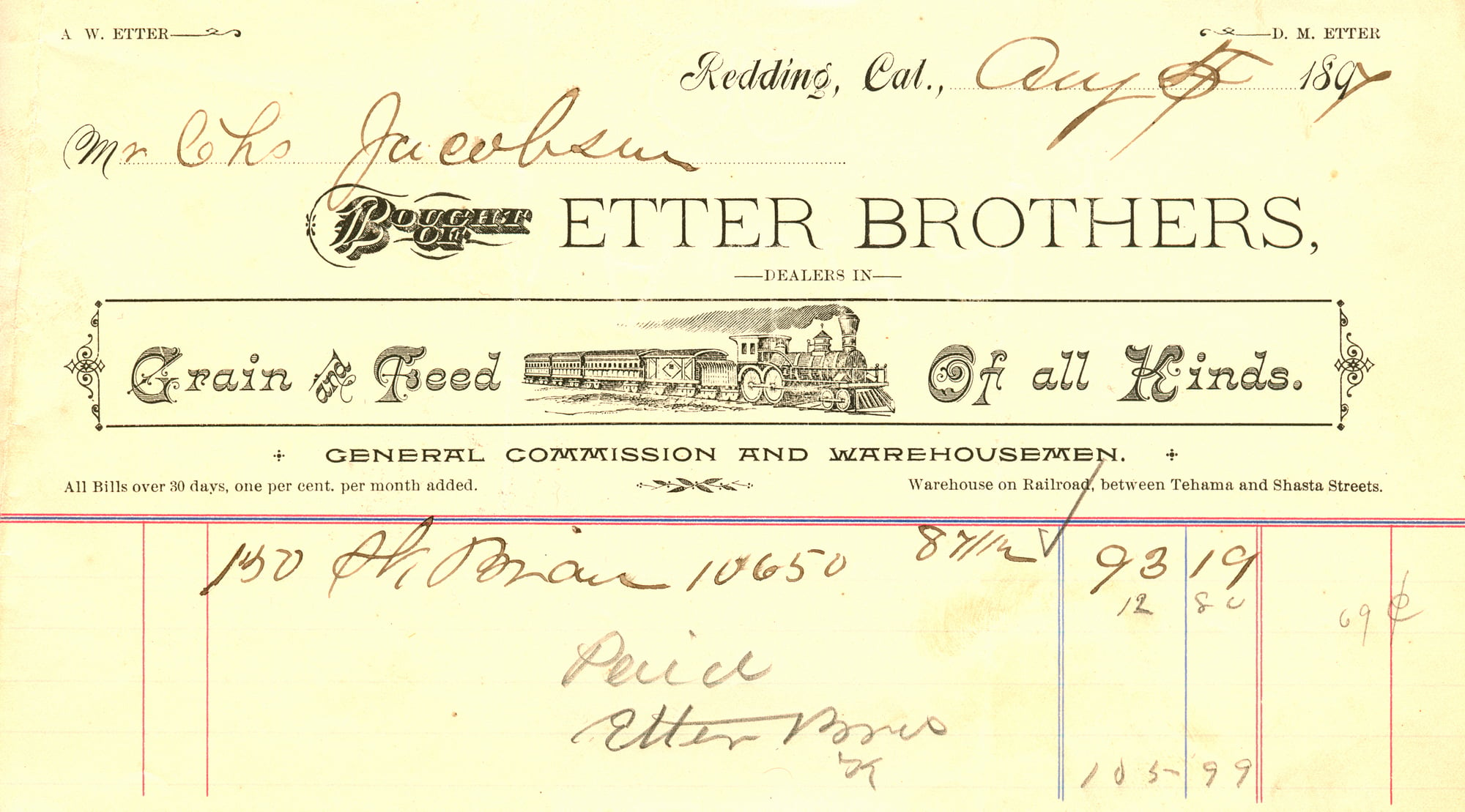
Every purchase came with a handwritten receipt, often created using carbon paper to make copies. The clerk would carefully write down each item, calculate the tax by hand, and give you a receipt that showed exactly what you bought.
These receipts became part of household records, and many people saved them in shoeboxes for tax purposes. The process was slower than today’s electronic systems, but it created a personal connection between customer and merchant.
When Shopping Was Social

These traditions remind us that shopping used to be about more than just acquiring things. It was about community, relationships, and taking time to enjoy the process.
While modern retail offers convenience and efficiency that our grandparents couldn’t have imagined, something valuable was lost when these personal touches disappeared. Maybe that’s why farmers markets and small boutiques that bring back some of these old-fashioned practices feel so refreshing—they remind us that commerce used to be a human experience, not just a transaction.
More from Go2Tutors!

- 18 Unexpectedly Valuable Collectibles You Might Have Lying Around
- 20 Little-Known Historical Battles That Had Huge Consequences
- 20 Historical Artifacts That Scientists Can’t Explain
- 15 Inventions That Were Immediately Banned After Being Created
- 20 Actors Who Were Almost Cast in Iconic Roles
Like Go2Tutors’s content? Follow us on MSN.



