20 Strange Failed Military Projects That Were Actually Funded
Throughout history, military innovation has pushed the boundaries of technology in remarkable ways. Yet for every successful stealth fighter or satellite system that revolutionized warfare, countless bizarre, impractical, and downright weird military projects gobbled up millions in funding before crashing and burning.
These military ventures often started with lofty ambitions but eventually flopped spectacularly, flushing taxpayer dollars down the drain. Here is a list of 20 strange military projects that somehow convinced officials to open government wallets before ultimately being abandoned as expensive failures.
The Acoustic Kitty

During the height of Cold War tensions, the CIA poured over $20 million into transforming ordinary house cats into four-legged spies. Scientists surgically implanted microphones and transmitters into these unfortunate felines – then expected them to casually wander near Soviet officials.
The program’s first field test proved disastrous when the inaugural spy cat got flattened by a taxi mere seconds after deployment. By 1967, officials finally admitted that cats make terrible secret agents and scrapped the project.
Project Habakkuk

British scientist Geoffrey Pyke convinced military brass in 1942 that massive aircraft carriers made from “pykrete” – essentially frozen slush of water and wood pulp – could revolutionize naval warfare. These ice ships supposedly wouldn’t sink and couldn’t be damaged by torpedoes.
The British and American governments dumped millions into this frozen fantasy, even building test sections in Canadian lakes. Reality eventually thawed the excitement when engineers couldn’t solve basic problems – like preventing the ships from melting or requiring small cities’ worth of refrigeration equipment.
The Flying Jeep

The U.S. military became obsessed with the Convair XFY-1 “Pogo” – an aircraft designed to take off vertically like a helicopter but zoom around like a regular plane. Despite managing a few test flights in the mid-1950s, pilots described landing the contraption as “trying to balance on a beach ball while blindfolded.”
The military reluctantly abandoned the project after realizing it demanded superhuman piloting skills that virtually no aviators possessed – making it useless for actual combat situations.
The Gay Bomb
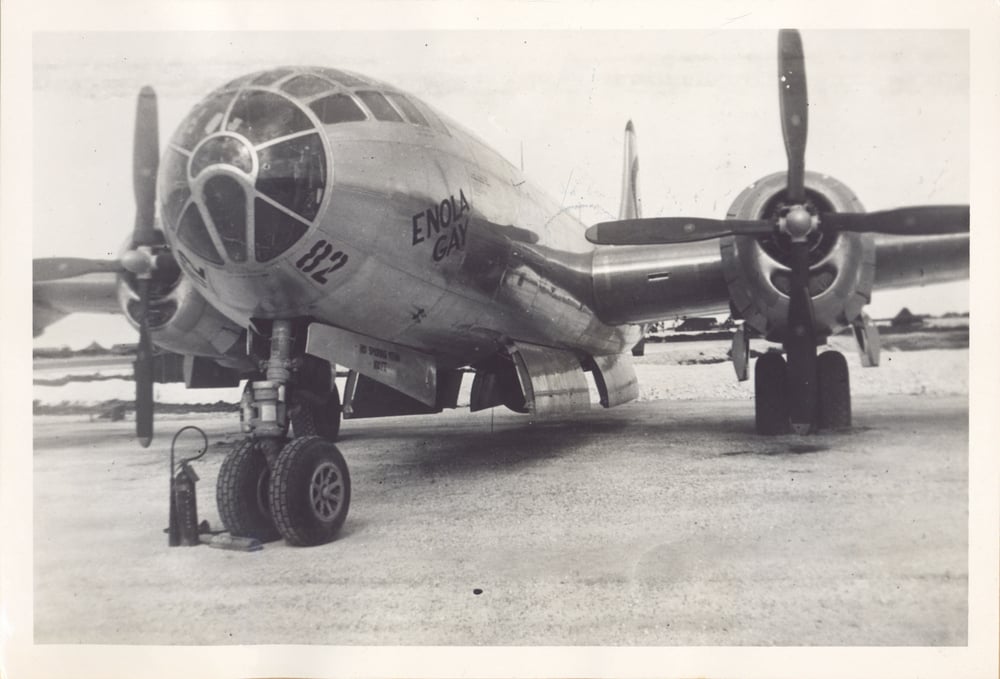
In what sounds like satire but wasn’t, the U.S. Air Force seriously requested $7.5 million in 1994 to develop what became nicknamed the “Gay Bomb.” This non-lethal weapon would’ve sprayed powerful aphrodisiacs over enemy troops – supposedly making them irresistibly attracted to each other and too distracted for fighting.
The idea never progressed beyond initial proposals, though it did earn its creators an Ig Nobel Prize for peace in 2007.
Project Pluto

Some Cold War projects were merely silly – this one was terrifying. Engineers developed a nuclear-powered ramjet missile dubbed “The Flying Crowbar” that would’ve cruised at tree-top level spewing radioactive exhaust while carrying multiple nuclear warheads.
The government sank $260 million into this doomsday device before someone pointed out the obvious – even if it worked perfectly, testing it might kill thousands and deploying it could trigger nuclear apocalypse.
The Pigeon-Guided Missile

Famed psychologist B.F. Skinner developed a bizarrely functional weapons guidance system during World War II – using trained pigeons. The birds sat in the nose cone of missiles, pecking at screens showing enemy targets.
Their pecks literally steered the missile toward anything that resembled the training images. Military officials spent $25,000 on development but couldn’t get past their skepticism about trusting national defense to birds, despite surprisingly successful demonstrations.
The Sun Gun
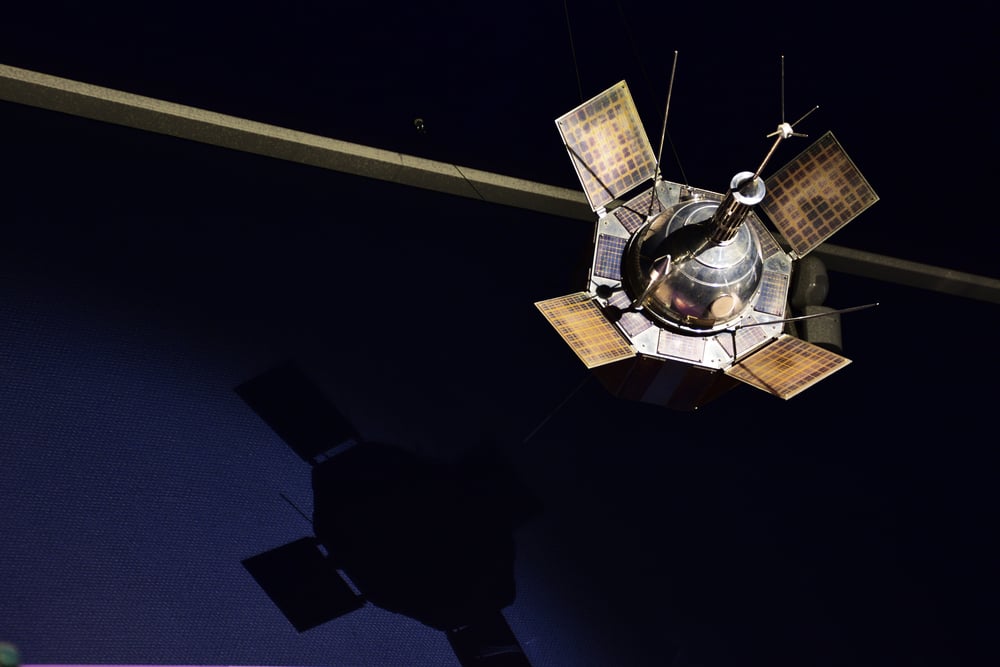
Nazi scientists weren’t just developing rockets – they invested substantial resources calculating the feasibility of a “Sun Gun.” This space weapon would’ve positioned an enormous orbital mirror to focus sunlight onto specific Earth locations, burning cities or boiling oceans.
Engineers actually completed preliminary designs for a 100-mile wide space mirror before Germany’s defeat ended this supervillain scheme.
Project Orion
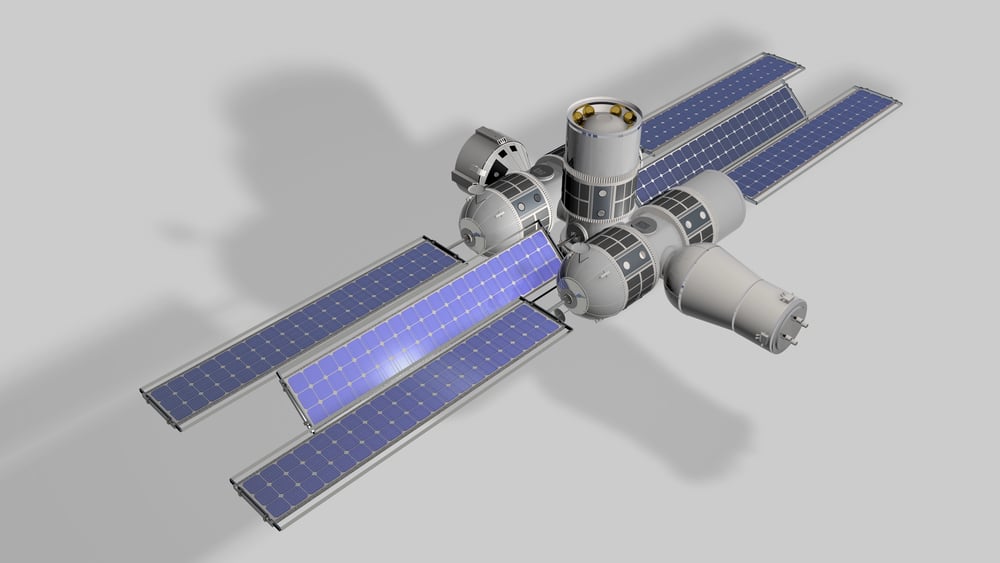
Scientists in the 1950s couldn’t figure out how to make rockets powerful enough for deep space travel, so they proposed something radical – spacecraft propelled by detonating nuclear bombs behind them. Each explosion would push against a massive plate with giant shock absorbers.
The math suggested these nuclear-propelled ships could reach 5% of light speed. Despite millions spent on research, minor problems like “raining radioactive fallout across Earth during launch” eventually killed the program.
The Flying Aircraft Carrier
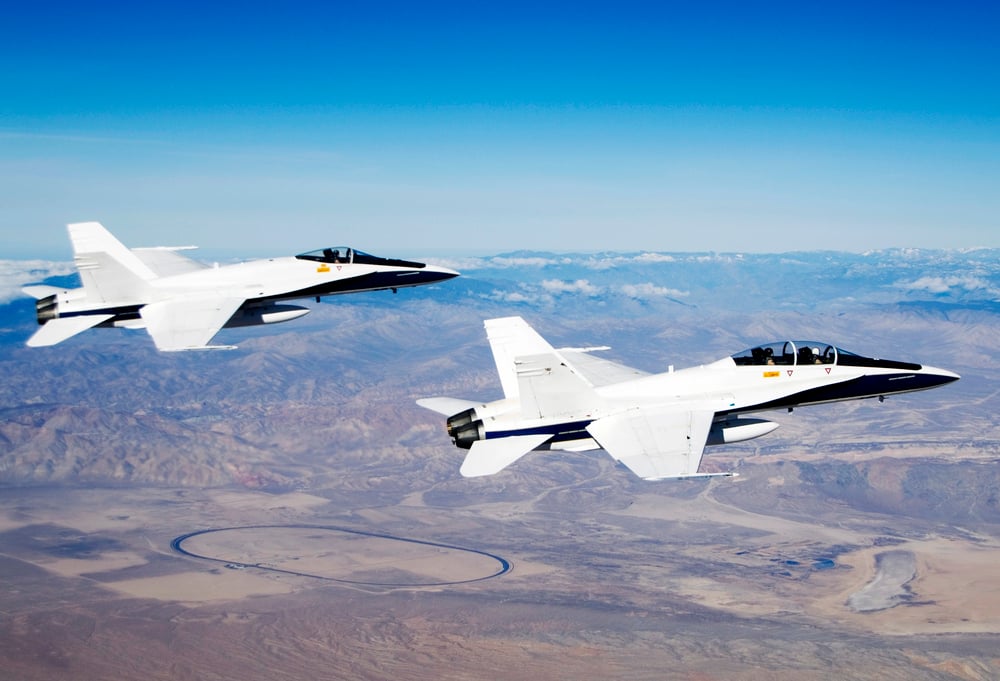
Before modern aircraft carriers dominated naval warfare, the U.S. Navy experimented with flying versions – converting giant airships into sky-based aircraft carriers. The USS Akron and USS Macon could launch and retrieve fighter planes in mid-air.
Each cost roughly $25 million in 1930s money (about $500 million today). Both ended catastrophically – the Akron crashed in 1933 during a storm, killing 73 crew members, while the Macon plunged into the Pacific two years later.
The Stargate Project

For over two decades, the U.S. military spent more than $20 million investigating whether psychics could help with espionage. The Stargate Project employed “remote viewers” who claimed to mentally travel anywhere in the world to spy on Soviet facilities or locate hostages.
Despite thousands of sessions and millions spent, a 1995 review concluded the program had produced absolutely zero actionable intelligence throughout its entire existence.
The Airborne Laser
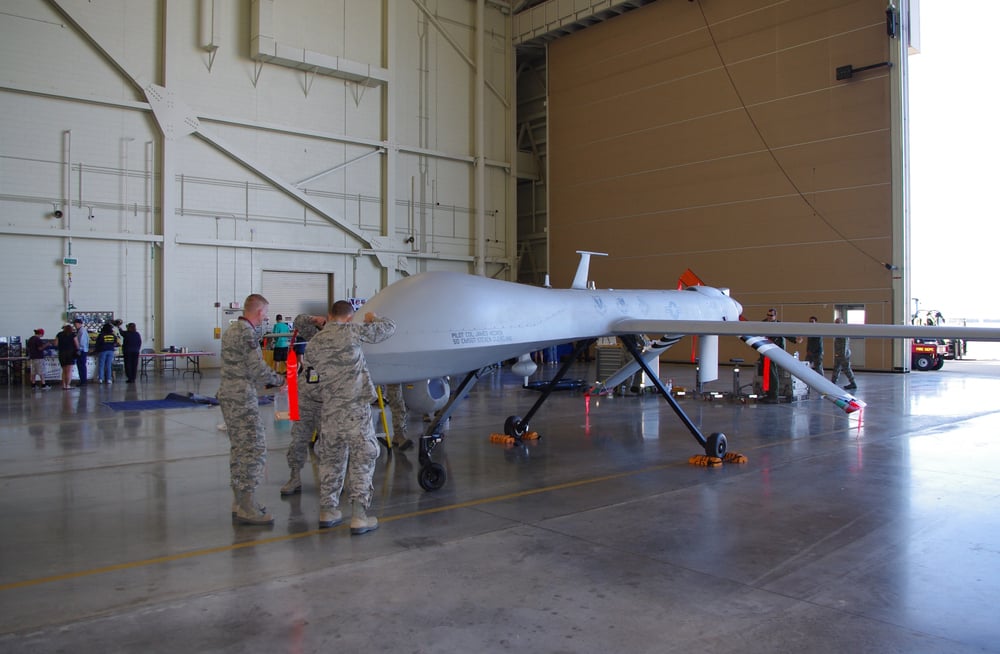
The Pentagon poured over $5 billion into the YAL-1, a modified Boeing 747 equipped with a chemical laser powerful enough to shoot down ballistic missiles. Engineers actually built and tested this real-life Death Star, successfully zapping test missiles.
However, the program collapsed in 2011 when officials recognized its fatal flaws – the laser only worked in perfect weather, couldn’t penetrate clouds, and had such limited range that dozens of these expensive planes would need to fly constantly near hostile nations.
The Fire Balloon Campaign

Japan launched a surprisingly innovative bombing campaign during World War II, releasing 9,300 hydrogen balloons carrying incendiary bombs to ride jet streams across the Pacific. These weapons aimed to start massive forest fires across the American West.
Despite the technical achievement and millions spent developing these intercontinental weapons, only about 300 balloons reached North America, causing minimal damage and just six known casualties.
The Christmas Bullet
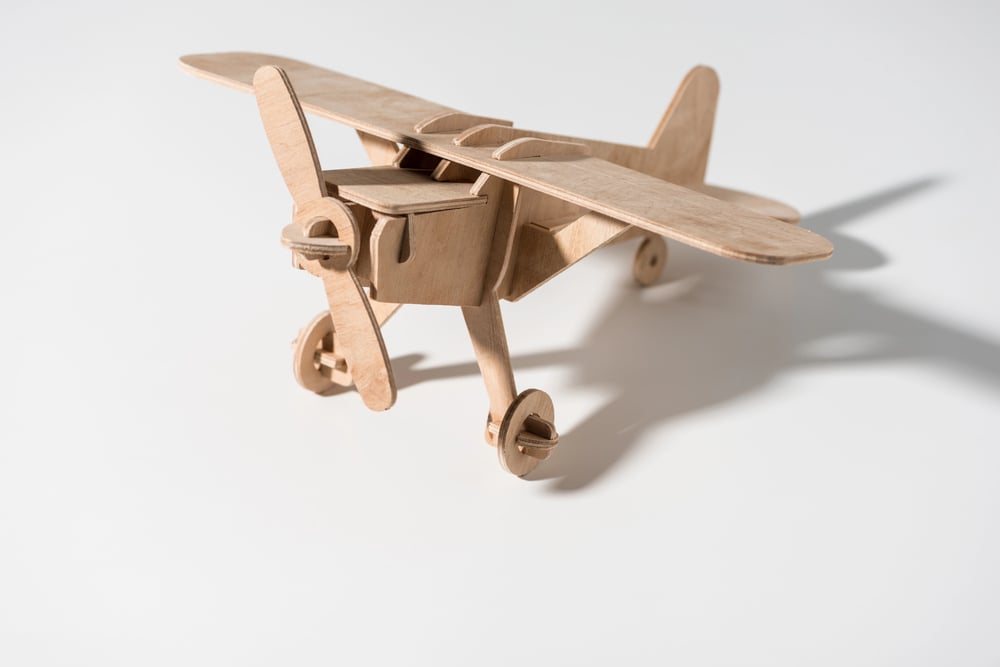
Possibly the worst aircraft ever built, the Christmas Bullet somehow received military funding in 1918 despite fundamental design flaws. Inventor William Christmas convinced Army officials that flexible wing spars would improve maneuverability.
Predictably, both prototypes crashed immediately when their wings folded during their maiden flights, killing both test pilots. The military quickly abandoned the project after these fatal demonstrations.
The Blue Peacock

British engineers developed nuclear landmines in the 1950s designed to be buried across northern Germany to slow potential Soviet invasions. When concerns arose about electronics failing in cold German winters, scientists proposed a uniquely bizarre solution: seal live chickens inside the nuclear devices with enough food and water to keep the components warm with body heat for several days.
The project was abandoned in 1958, though official records suggest the chicken proposal wasn’t entirely a joke.
The Bat Bomb

During World War II, a dental surgeon convinced military officials to fund a plan attaching tiny incendiary devices to bats that would be dropped over Japanese cities. The bats would naturally seek shelter in Japanese buildings, predominantly made of wood and paper, before timers triggered widespread fires.
After investing $2 million, the military canceled the program in favor of the Manhattan Project, though test results showed surprising effectiveness when the bats accidentally set fire to a U.S. air base.
The Rocket Belt

Personal jetpacks consumed military research funds throughout the 1960s as engineers worked to create individual flying devices for soldiers. After extensive development producing a functioning rocket belt that could lift a man for 21 seconds, military planners finally acknowledged the obvious problems: soldiers wearing noisy, unarmored flying devices would make perfect targets, couldn’t carry weapons effectively, and would quickly run out of fuel in the middle of battlefields.
The Habbakuk Aircraft Carrier
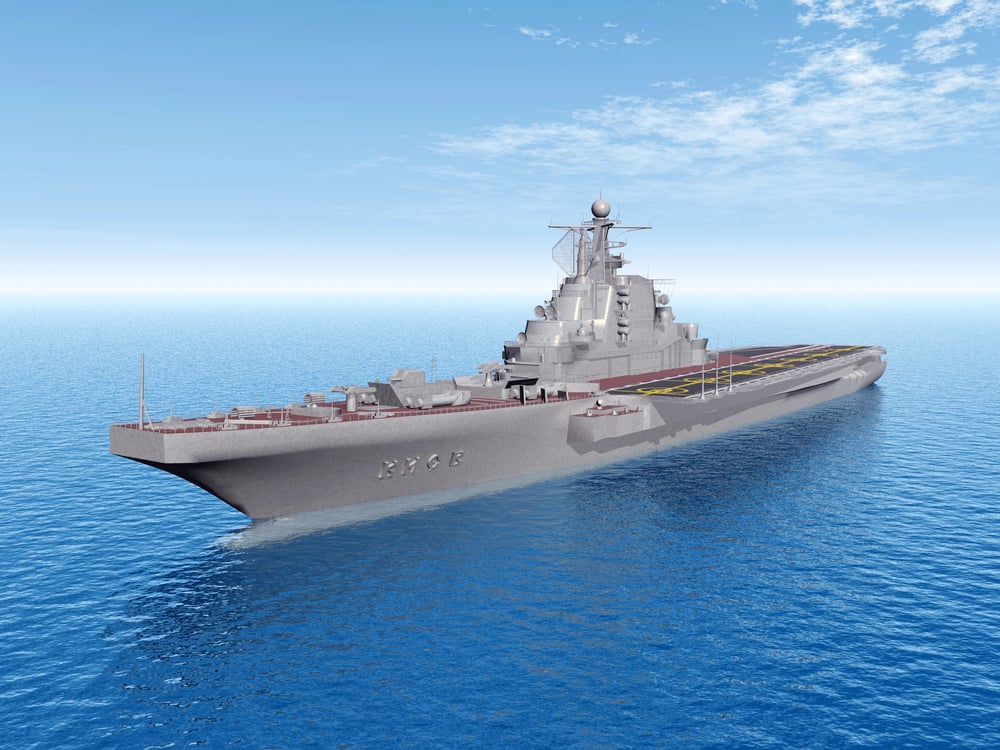
Winston Churchill became fascinated with the concept of massive aircraft carriers made from ice and wood pulp. Plans called for a 2,000-foot-long vessel that would be virtually unsinkable and carry 150 aircraft.
Engineers built a small prototype in a Canadian lake, but the project collapsed when calculations showed the vessel would require more steel for refrigeration equipment than conventional carriers, move at a snail’s pace, and melt if deployed anywhere warm.
Project Thor
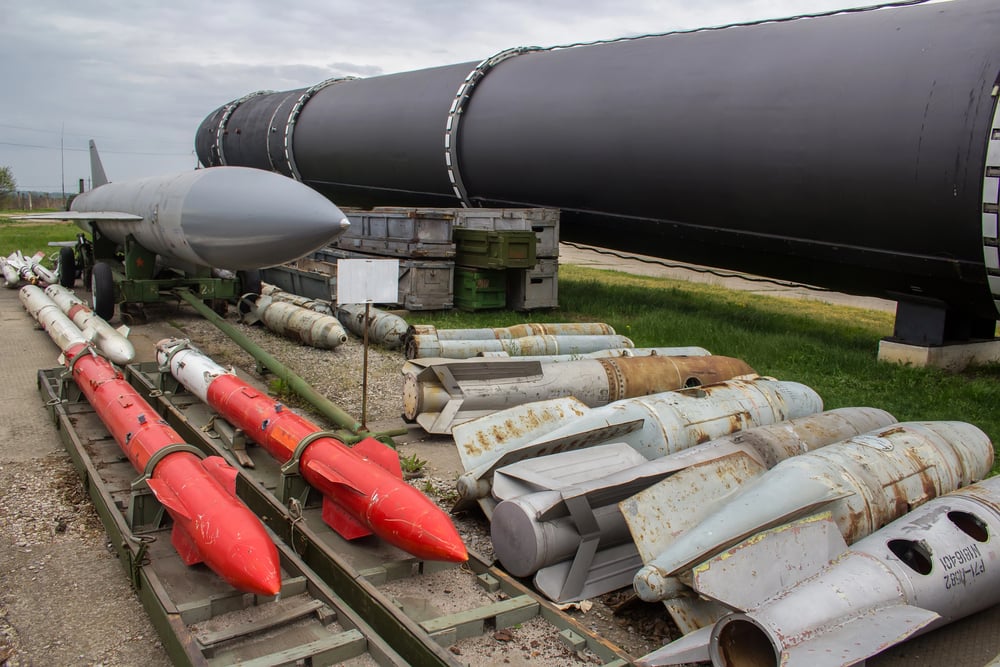
Military planners spent millions studying the feasibility of “Rods from God” – telephone pole-sized tungsten rods placed in orbit that could be dropped on targets. These simple weapons would strike at 36,000 feet per second with the force of nuclear weapons but without radiation.
The concept remains technically viable but prohibitively expensive – launching the heavy rods into orbit would cost more than the missiles they were meant to replace.
The Lun-class Ekranoplan

The Soviet Union invested billions developing massive “ground effect” vehicles – hybrid ship-aircraft that flew just above water surfaces. The enormous “Caspian Sea Monster” could carry nuclear missiles at 350 mph while using significantly less fuel than conventional aircraft.
Engineers built several successful prototypes before the Soviet Union’s collapse ended the program, leaving these strange craft abandoned at naval bases where they still fascinate military historians.
The Syrian Hamster Bomb Detector

DARPA invested $272,000 in 1999 studying whether Syrian hamsters could detect land mines and explosives. Scientists discovered these small rodents could be trained to freeze when smelling TNT and other compounds.
The program ended when someone eventually asked practical questions about battlefield deployment – like how soldiers would identify which hamster had detected explosives, how to prevent predators from eating the detection system, and whether hamsters could maintain focus amid gunfire.
The Incredible Waste and Innovation of Military Research

These strange military projects demonstrate the razor-thin line separating revolutionary breakthroughs from monumental wastes of money. Though these particular endeavors ultimately failed, they represent the military’s willingness to explore unconventional approaches to warfare’s persistent challenges.
Many transformative technologies we rely on today – GPS, the internet, radar systems – emerged from similarly experimental military research programs, suggesting that true innovation sometimes requires funding a few exploding bats and nuclear chickens along the way.
More from Go2Tutors!

- The Romanov Crown Jewels and Their Tragic Fate
- 13 Historical Mysteries That Science Still Can’t Solve
- Famous Hoaxes That Fooled the World for Years
- 15 Child Stars with Tragic Adult Lives
- 16 Famous Jewelry Pieces in History
Like Go2Tutors’s content? Follow us on MSN.