Photos of 15 Things Amazon Doesn’t Sell Anymore
Amazon has become the everything store, the place where you can buy a phone charger, groceries, and a kayak all in the same cart. But the retail giant wasn’t always this accommodating.
Over the years, Amazon has quietly pulled entire categories from its virtual shelves, sometimes for legal reasons, sometimes for ethical ones, and sometimes just because the business wasn’t worth the headache.
Some of these discontinued items might surprise you. Others will make perfect sense once you think about the liability issues.
Either way, these photos capture a slice of Amazon’s evolution from scrappy online bookstore to the carefully curated marketplace it is today.
Live Animals

Amazon once sold live ladybugs for garden pest control. The tiny beetles arrived in mesh bags, ready to devour aphids and save your roses.
They also sold live crickets for pet reptiles and fish. The logistics proved nightmarish.
Dead crickets on doorsteps don’t generate positive customer reviews. Live animal shipping requires temperature control, timing, and specialized packaging that made the whole operation more trouble than profit.
So Amazon stepped away from anything with a heartbeat.
Whole Cig Cartons

Marlboro Reds, Camel Lights, Newport Menthols — Amazon used to stock them all. Customers could order cartons and have them delivered just like any other product (though with age verification, naturally, since you had to be over 18 to complete the purchase, and the delivery required someone of legal age to sign for the package).
But the regulatory maze around nicotine sales across state lines became impossible to navigate cleanly. Different states have different tax structures, different shipping requirements, different vendor licensing rules.
And then there’s the public health angle: selling products designed to cause addiction and disease doesn’t align well with a company trying to build a family-friendly brand image. So the cig listings disappeared, and Amazon moved on to selling everything except the one thing that’s specifically designed to shorten your life span.
Realistic Toy Weapons
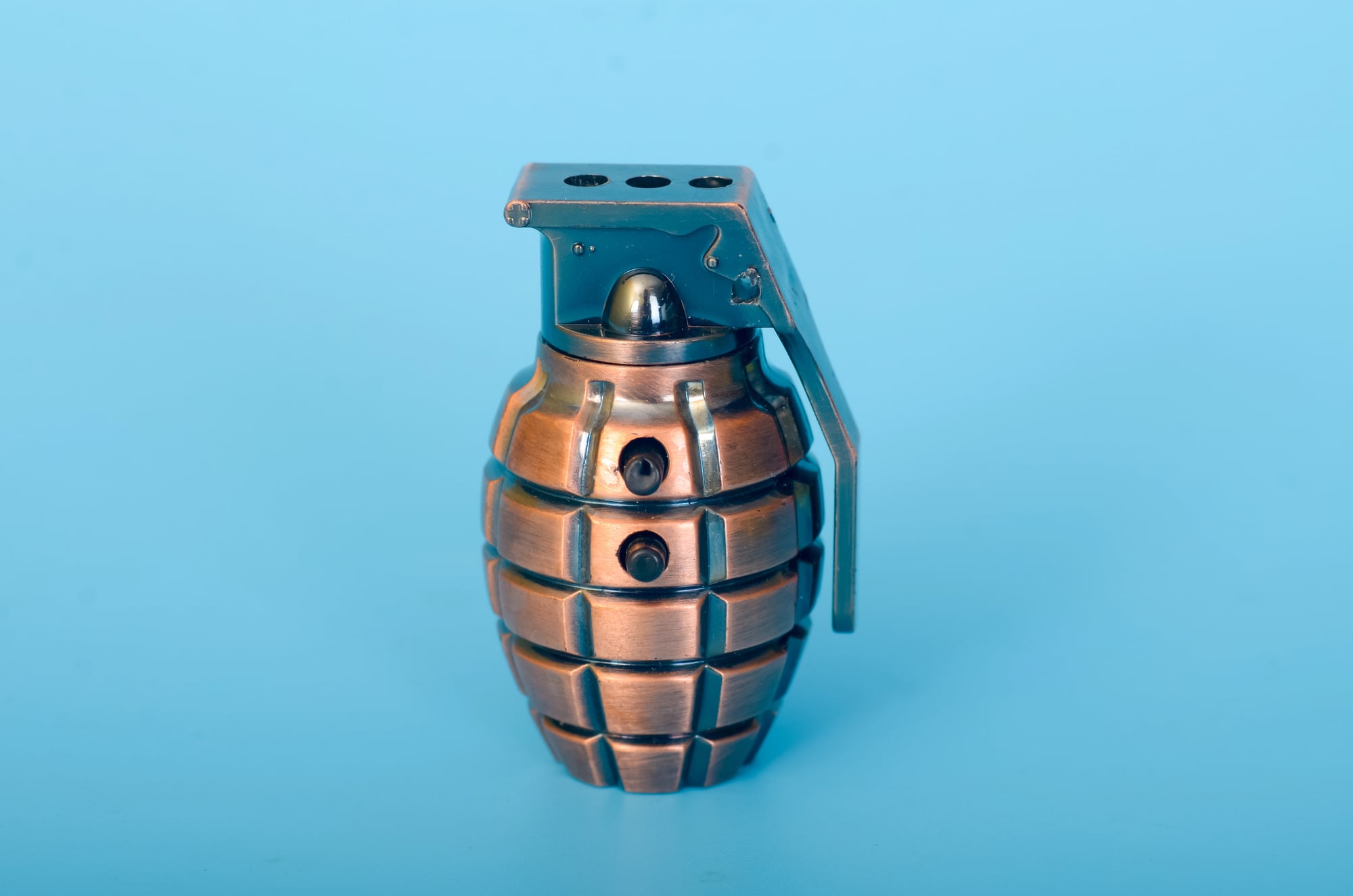
There’s something unsettling about how real these fake guns looked in photos. Black plastic pistols with orange tips barely visible in the product images.
Toy assault rifles that could pass for the real thing from across a street. Amazon removed them not because children were getting into trouble, but because adults were.
The line between toy and threat blurred too often in real-world situations. A delivery driver sees a package recipient holding what looks like a weapon.
A neighbor glimpses someone in their backyard with what appears to be a rifle. These misunderstandings don’t always end well.
Prescription Medications

This one seems obvious now, but Amazon briefly experimented with prescription drug sales. Photos of pill bottles lined virtual pharmacy shelves.
Customers could upload prescriptions and have medications delivered. The pilot program never expanded.
Prescription drugs require specialized storage, handling, and tracking that Amazon wasn’t equipped to manage at scale. Plus, the liability exposure was enormous.
One mislabeled bottle, one delivery to the wrong address, one medication interaction that wasn’t properly flagged — the lawsuits would never end.
Nazi Memorabilia
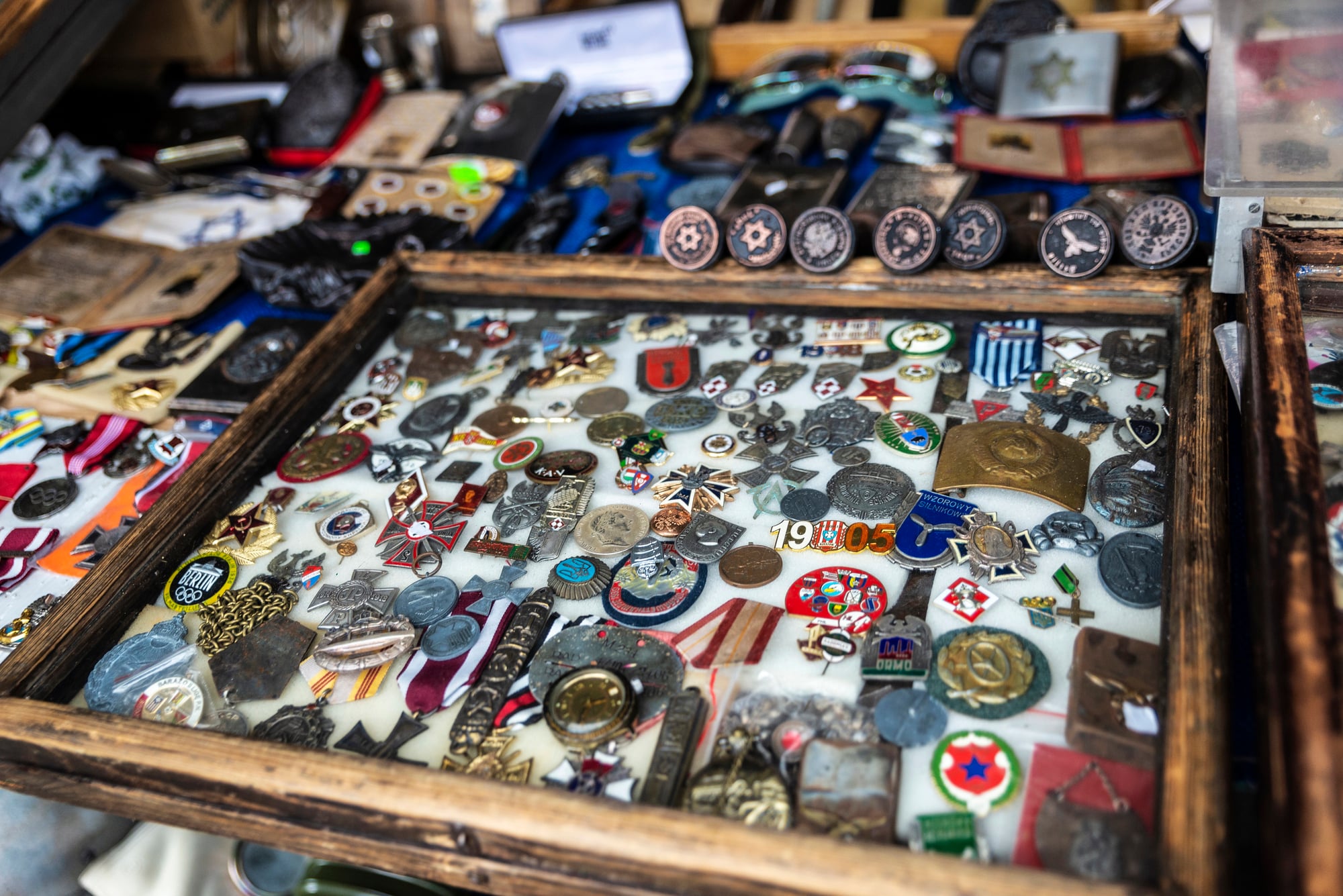
Authentic World War II artifacts have legitimate historical value (museums buy this stuff, after all), but Amazon discovered that the line between historical preservation and hate speech celebration gets uncomfortably thin when you’re talking about swastika armbands and SS daggers being sold to anonymous buyers on the internet.
The decision came down to brand protection. Amazon didn’t want to become known as the place where extremists shop for symbolic accessories.
So they pulled everything: the historically significant pieces along with the obvious hate merchandise. Better to avoid the category entirely than try to moderate each individual listing.
Fair enough.
Hoverboards
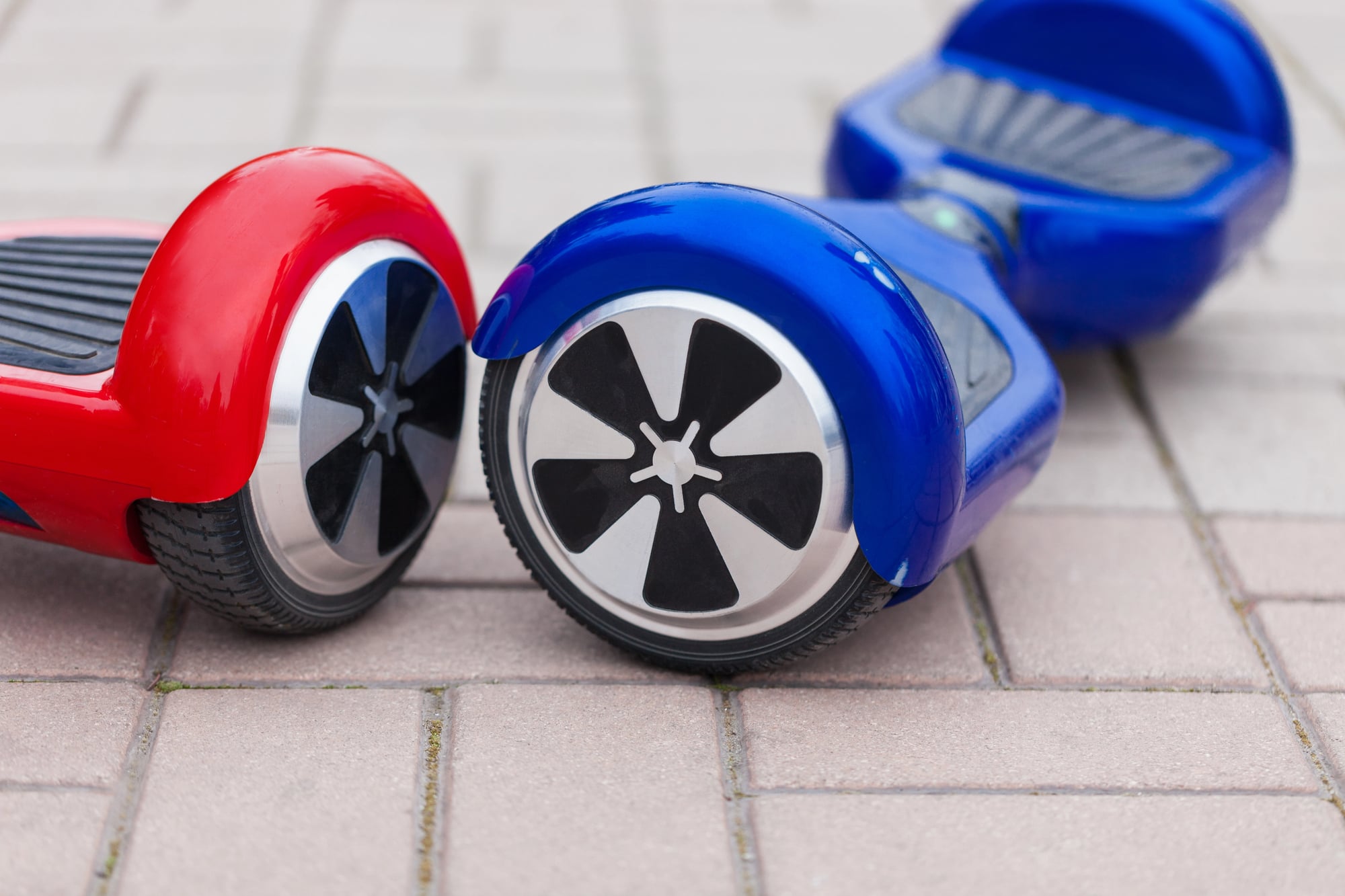
Remember when hoverboards were the must-have gift? Amazon sold hundreds of different models.
Two-wheeled, self-balancing, battery-powered transportation for the masses. Then they started exploding.
Literally. Cheap lithium batteries overheating in living rooms.
House fires traced back to charging hoverboards. Amazon pulled them all and implemented strict battery safety requirements that most manufacturers couldn’t meet.
Lock Picking Tools

Amazon used to sell complete lock picking sets with detailed instruction manuals. Tension wrenches, hook picks, rake picks — everything you needed to open locks without keys.
The legitimate uses exist. Locksmiths need these tools.
Security professionals test locks with them. Hobbyists enjoy the mechanical puzzle aspect.
But the illegitimate uses were obvious too. Amazon decided they didn’t want to be the supplier when someone’s house got burgled with tools bought on their platform.
Real Human Skulls

This one sounds fake, but medical supply companies really did sell authentic human skulls on Amazon. Used for anatomy education, medical training, artistic reference.
The skulls came from medical cadaver programs, all properly documented and legally obtained. Amazon pulled them after realizing that skull sales, while legal, create uncomfortable optics.
The customer service calls alone must have been interesting. “Hi, I ordered a human skull last week and it hasn’t arrived yet.”
Some conversations are just too weird for a mainstream retail platform.
Knockoff Designer Goods

Before Amazon cracked down on counterfeits, fake designer handbags filled search results. “Louis Vuitton-style” purses that looked identical to the real thing sold for $30 instead of $3,000.
The lawsuits from luxury brands forced Amazon’s hand. Protecting intellectual property became a business necessity, not just a legal obligation.
Now Amazon spends millions on anti-counterfeiting technology and has whole teams dedicated to removing fake listings.
Diet Pills with Banned Ingredients

Weight loss supplements containing ephedra, sibutramine, and other banned stimulants used to show up regularly in Amazon search results. The product photos looked professional and the marketing claims were bold.
Amazon removed them after realizing they had no way to verify what was actually inside each bottle. Unlike legitimate pharmaceutical companies, supplement manufacturers aren’t required to prove their ingredients are safe or effective.
The FDA warnings about heart attacks and strokes linked to certain diet pills made this category too risky to host.
Spray Paint
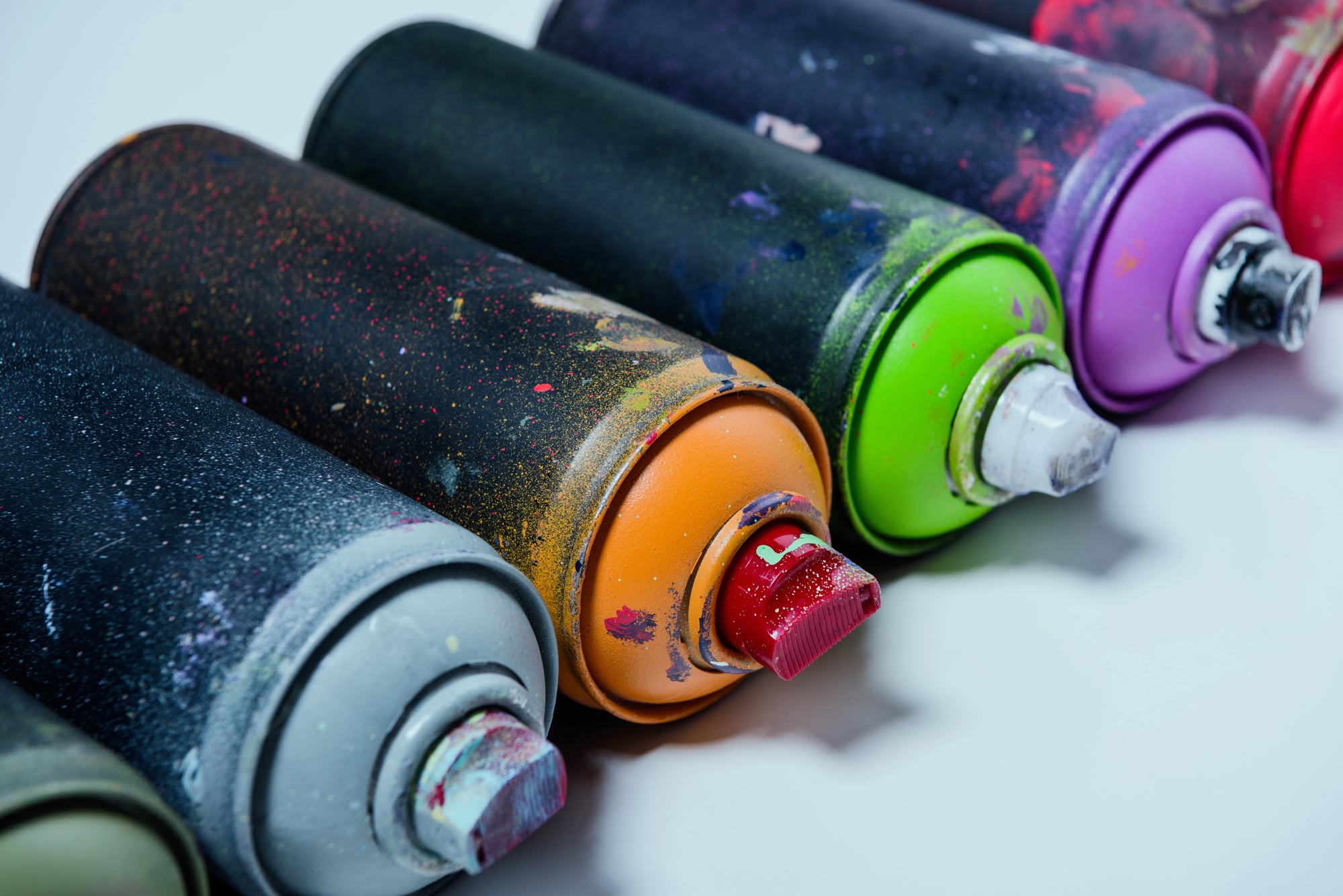
Regular old Krylon and Rust-Oleum spray paint used to be available with standard shipping. You could order a dozen cans in different colors and have them delivered to your door.
Shipping regulations killed this option. Aerosol cans are classified as hazardous materials for transportation purposes.
The pressurized containers can explode in hot trucks or during rough handling. Amazon decided the specialized shipping requirements weren’t worth the profit margins on $4 cans of paint.
Police Badge Replicas

Realistic police badges from major cities were once easy to find on Amazon. Detailed replicas of NYPD, LAPD, and FBI badges sold as “collector items” or “costume accessories.”
The obvious problem: people were buying them to impersonate law enforcement officers. Amazon pulled them all rather than try to distinguish between legitimate collectors and potential criminals.
Impersonating a police officer is a felony in every state, and Amazon didn’t want to be an accessory to that crime.
Chloroform
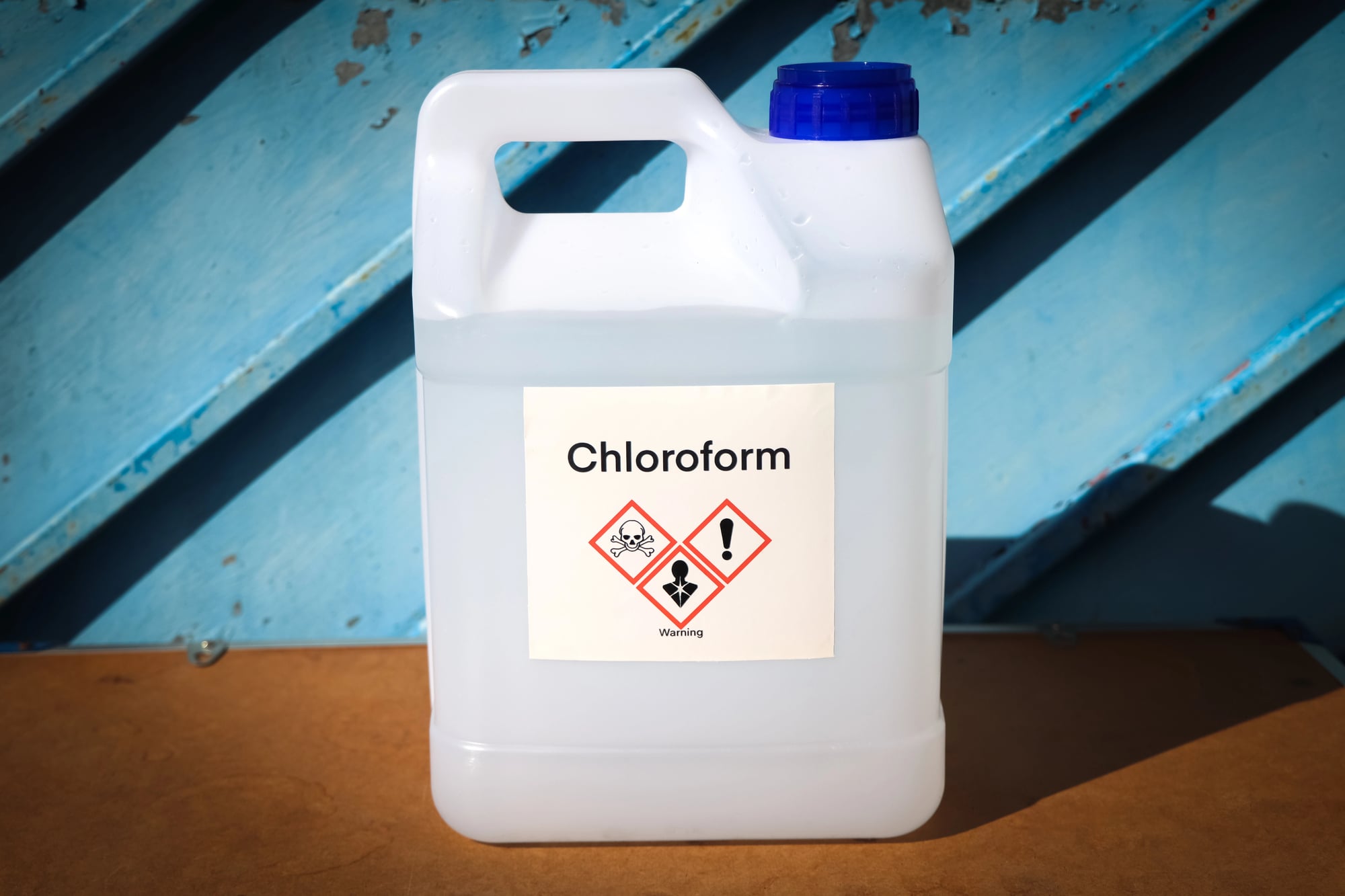
Industrial solvents and cleaning chemicals used to be available through Amazon’s business supplies section. Chloroform was listed alongside other laboratory chemicals for legitimate research and industrial use.
But chloroform has one very specific association in popular culture, and it’s not laboratory research. Amazon removed it along with other chemicals that have obvious potential for misuse.
The legitimate buyers can find other suppliers. The illegitimate buyers can find other hobbies.
Radar Detectors
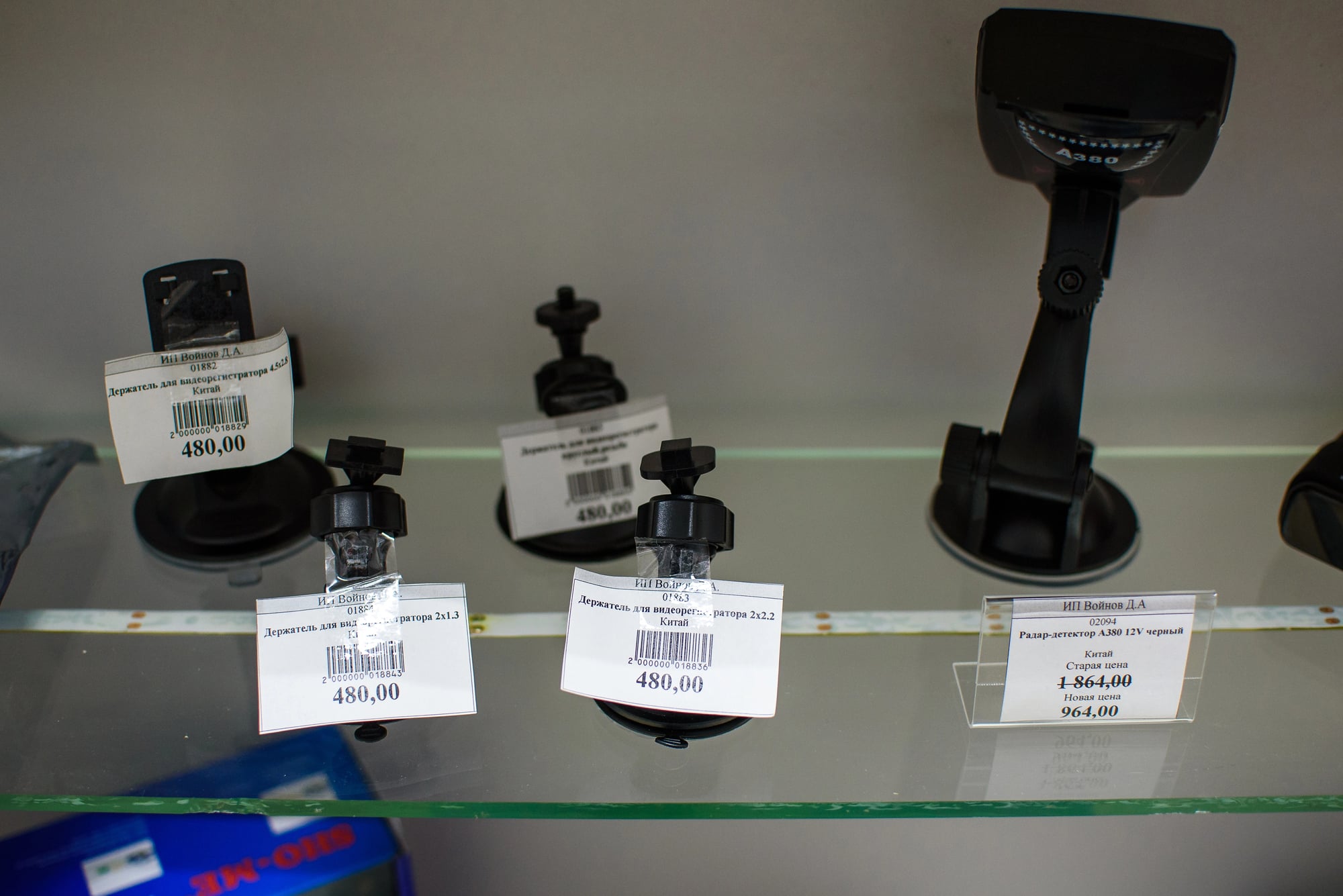
Cobra radar detectors, Escort models, Valentine One units — Amazon sold them all. The devices help drivers detect police speed enforcement equipment and avoid speeding tickets.
Legal issues vary by state. Some states ban radar detectors entirely.
Others allow them for passenger cars but not commercial vehicles. Amazon didn’t want to navigate the complex patchwork of local laws, so they stopped selling radar detectors altogether.
Uranium Ore
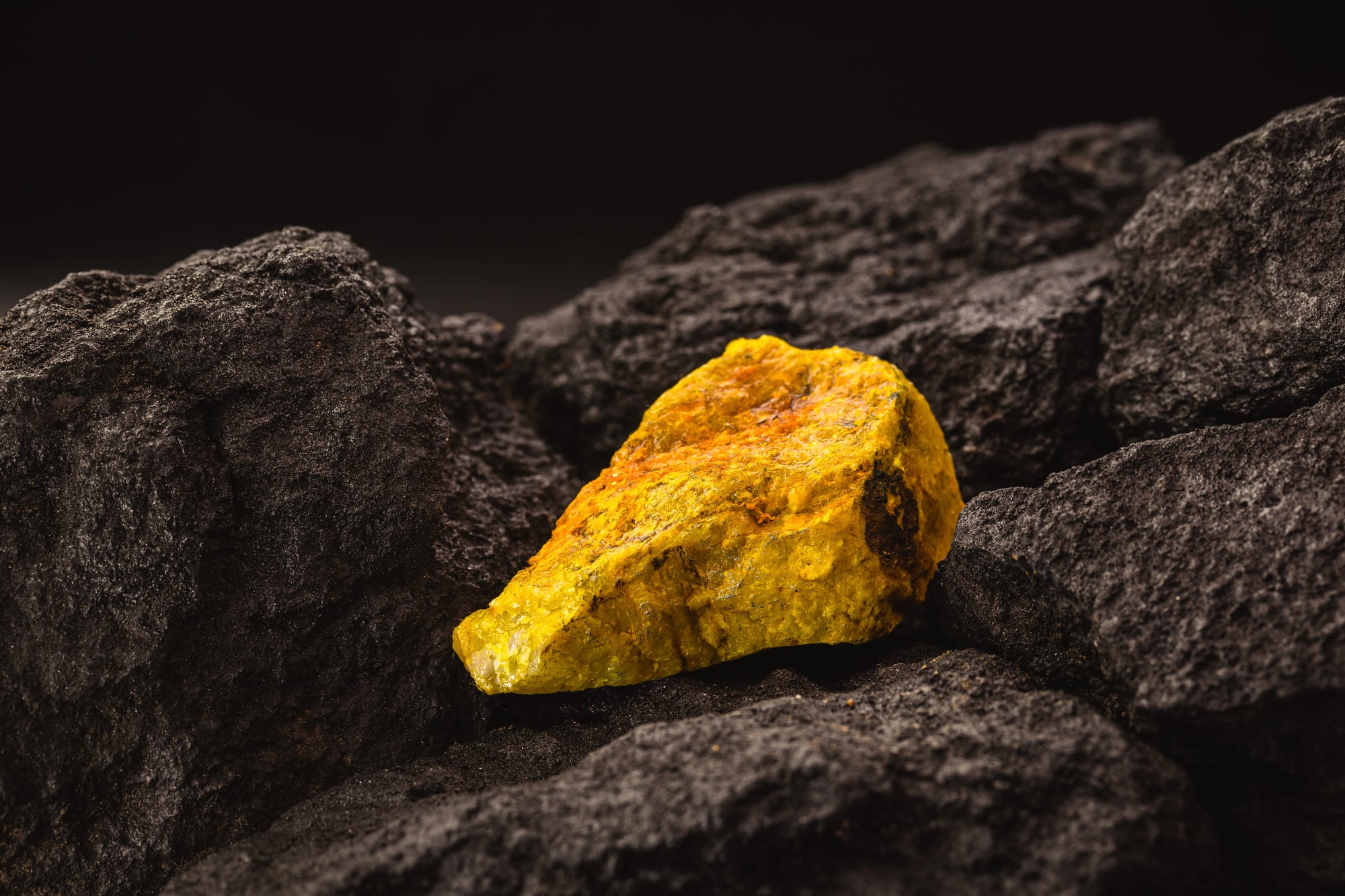
This sounds like a joke, but Amazon actually sold small samples of uranium ore for educational purposes. Science teachers bought them for geology lessons.
Mineral collectors wanted them for display cases. The samples were low-grade and relatively safe.
Amazon pulled uranium ore after realizing that selling radioactive materials, even harmless ones, creates regulatory complications they didn’t want to deal with. The Nuclear Regulatory Commission has opinions about who can sell uranium to whom, and Amazon decided those opinions were someone else’s problem to navigate.
When the Everything Store Has Limits

Amazon’s evolution from anything-goes marketplace to carefully curated retailer tells a larger story about corporate responsibility in the digital age. Each removed product category represents a decision about risk, liability, and brand protection.
Some choices seem obvious in hindsight. Others reveal how complicated it gets when you’re trying to be the everything store for everyone.
The photos of these discontinued items now exist mainly in internet archives and collector forums. They’re artifacts of a more chaotic time in e-commerce, when the rules were still being written and the consequences weren’t always clear until something went wrong.
More from Go2Tutors!

- The Romanov Crown Jewels and Their Tragic Fate
- 13 Historical Mysteries That Science Still Can’t Solve
- Famous Hoaxes That Fooled the World for Years
- 15 Child Stars with Tragic Adult Lives
- 16 Famous Jewelry Pieces in History
Like Go2Tutors’s content? Follow us on MSN.



