Fascinating Facts About the Elusive Snow Leopard
Snow leopards are some of the most mysterious creatures on Earth. These magnificent cats roam the highest mountain ranges in Central Asia, living in conditions that would challenge almost any other animal.
Their beauty is matched only by their elusiveness, earning them the nickname ‘ghost of the mountains.’ Here is a list of 15 fascinating facts about these remarkable big cats.
They Can’t Actually Roar

Unlike lions, tigers, and regular leopards, snow leopards cannot produce that classic roaring sound. Their throat structure is different, lacking the special elastic tissue that other big cats have in their vocal cords.
Instead, they make sounds like yowls, hisses, growls, and a unique puffing noise called a chuff. The chuff is actually a friendly, non-threatening sound they use to greet each other during rare social encounters.
Their Paws Work Like Natural Snowshoes
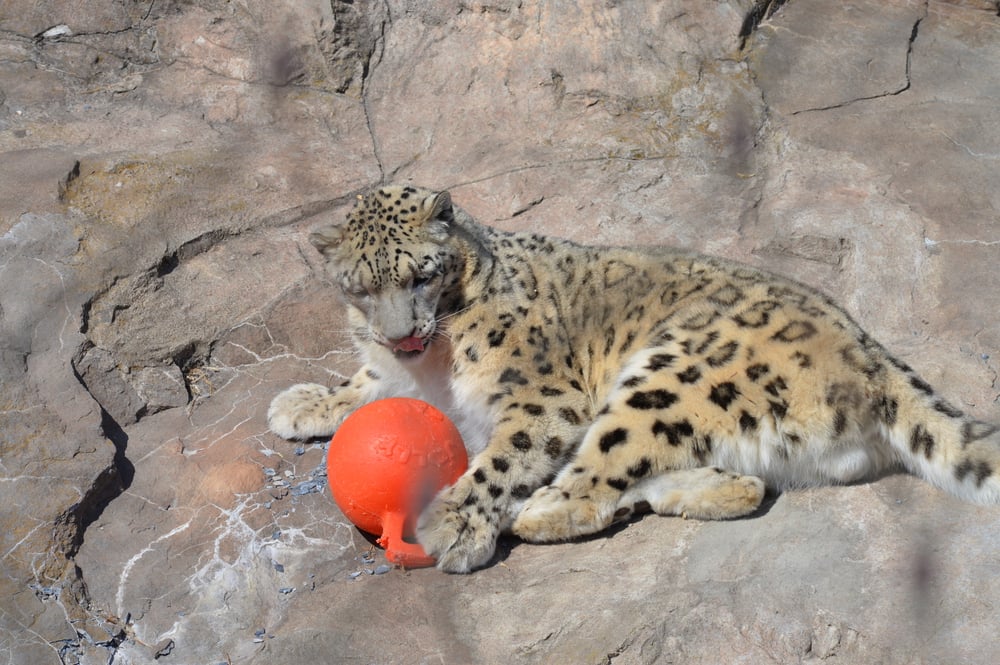
Snow leopards have oversized paws that can be two to three times wider than a human hand. These massive feet distribute their body weight evenly across snow and ice, preventing them from sinking as they walk.
The undersides of their paws are also covered in fur, which provides extra grip on steep, unstable surfaces and helps keep their feet warm in freezing temperatures.
Like Go2Tutors’s content? Follow us on MSN.
That Tail is Seriously Multifunctional

A snow leopard’s tail can be as long as its entire body, reaching up to 40 inches in length. This isn’t just for show. The tail acts as a counterbalance when the cat is navigating rocky terrain or making those death-defying leaps.
When temperatures drop at night, snow leopards curl their thick, furry tails around their bodies like a built-in scarf to stay warm while sleeping.
They’re More Closely Related to Tigers Than Leopards
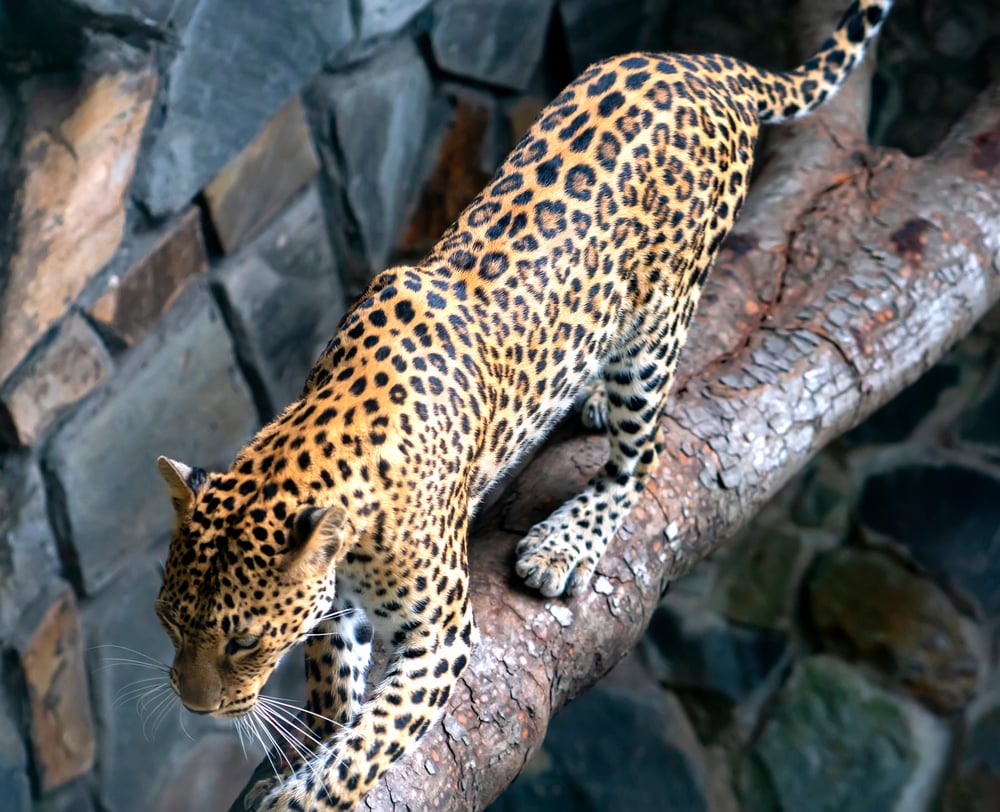
Despite having ‘leopard’ in their name, snow leopards are actually closer cousins to tigers. Scientists discovered this relationship through genetic studies, which changed how we classify these cats.
This explains some of their tiger-like features and behaviors, though they’ve obviously adapted quite differently to their high-altitude homes.
Snow Leopards Are Olympic-Level Jumpers

These cats have incredibly powerful hind legs that allow them to launch themselves up to 50 feet in a single leap. That’s roughly three times their body length.
They use this impressive jumping ability to catch prey on steep mountainsides and to navigate the treacherous terrain they call home. Their shorter front legs help them land these jumps with precision and maintain balance.
Like Go2Tutors’s content? Follow us on MSN.
Their Fur Changes Thickness with the Seasons
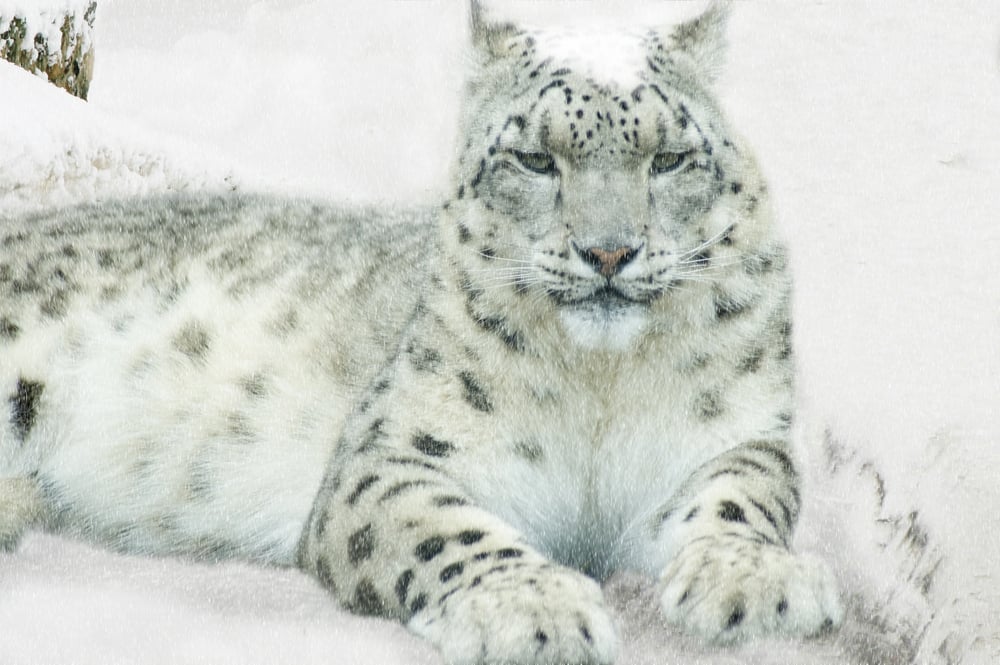
Snow leopards grow an extra-thick winter coat that can reach up to five inches long on their belly. When summer arrives, their fur becomes much finer and shorter to help them cope with warmer temperatures. This seasonal adaptation allows them to follow their prey up and down the mountains as animals migrate between elevations throughout the year.
They Hunt Prey Three Times Their Own Weight

Despite weighing only 60 to 120 pounds themselves, snow leopards can take down animals that weigh 200 to 300 pounds or more. Their main targets are blue sheep and ibex, but they’ll also hunt smaller animals like marmots and pikas.
Once they make a kill, they’ll stay with it for up to a week if undisturbed, getting multiple meals from a single hunt.
Their Wide Noses Are Built-In Air Warmers
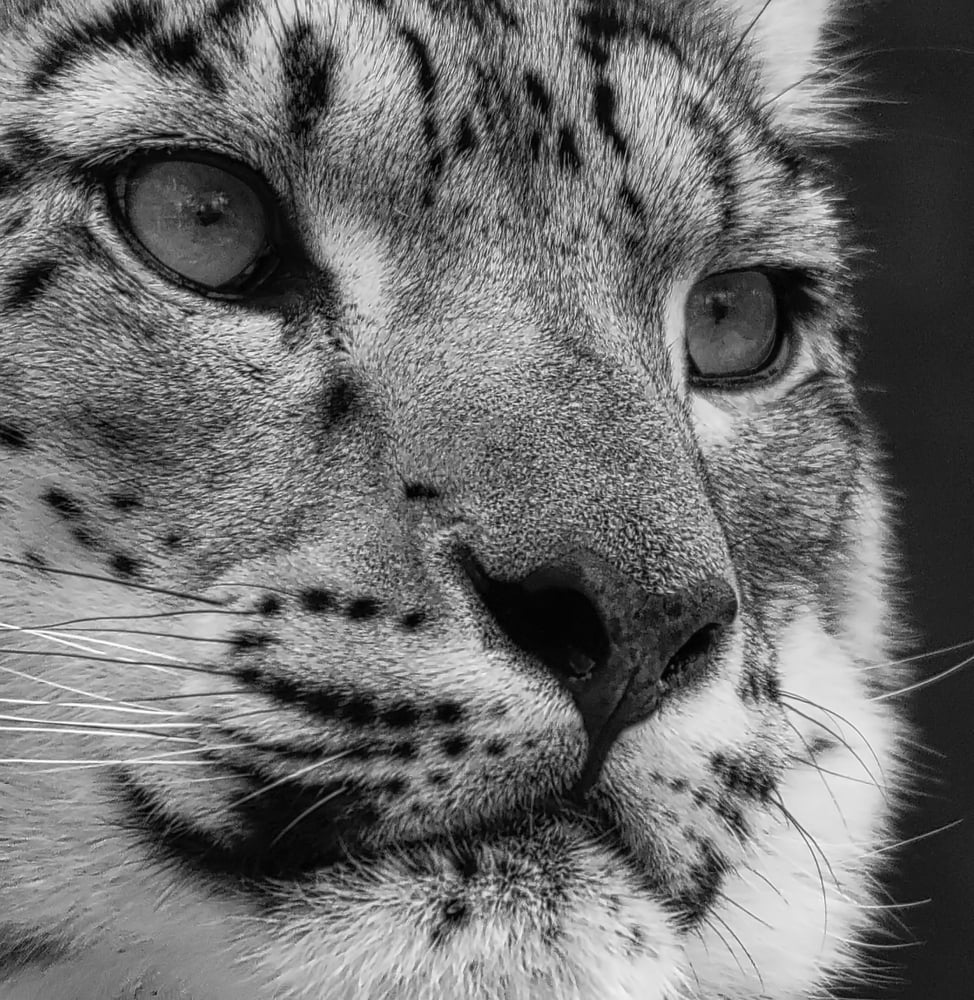
Snow leopards have unusually large nasal cavities compared to other cats. This adaptation serves a crucial purpose in their frigid habitat.
As they breathe in freezing mountain air, these enlarged passages warm the air before it reaches their lungs, protecting their respiratory system from the extreme cold that could otherwise cause damage.
They’re Incredibly Rare in the Wild

Researchers estimate there are only 3,900 to 6,400 snow leopards remaining in the wild today. Nobody knows the exact number because these cats are so elusive and their habitat is so remote and difficult to study.
They’re spread across 12 countries in Central Asia, but their territory covers about 770,000 square miles of some of the most inhospitable terrain on Earth.
Like Go2Tutors’s content? Follow us on MSN.
Snow Leopards Can Travel Over 25 Miles in One Night

These cats have been tracked covering enormous distances in remarkably short periods. One snow leopard was documented traveling 27 miles across open desert in a single night to reach another mountain range.
They regularly patrol territories that can exceed 380 square miles, depending on how much prey is available in their area.
They’re Active at Dawn and Dusk

Snow leopards are crepuscular animals, meaning they’re most active during twilight hours. They hunt primarily at dawn and dusk when many of their prey animals are also moving around.
This schedule also helps them avoid the coldest nighttime temperatures and the harshest midday conditions in their high-altitude environment.
Their Camouflage is Nearly Perfect
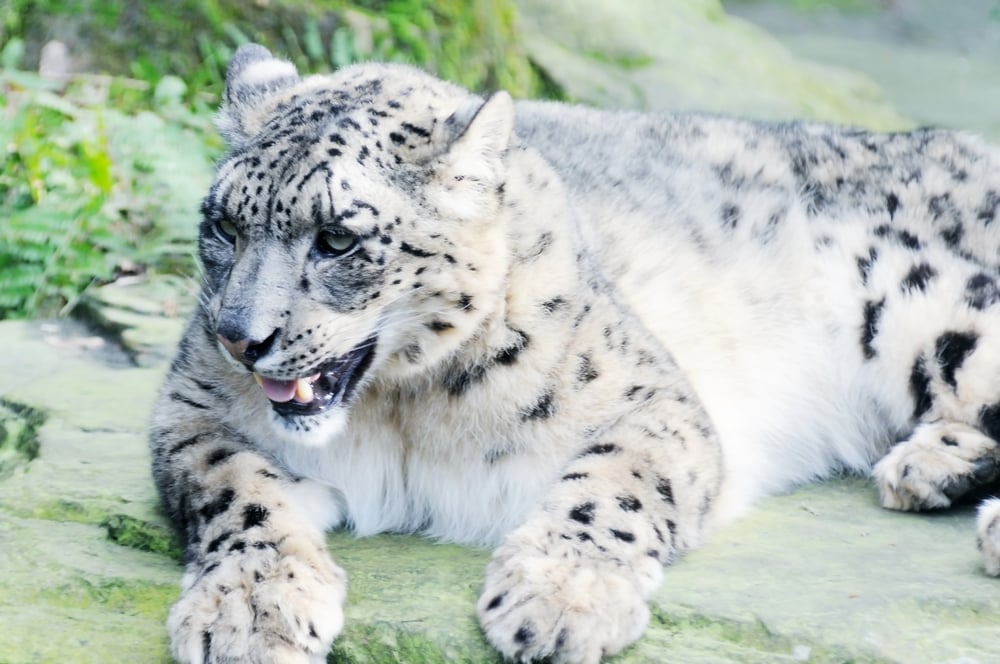
The snow leopard’s pale gray coat with dark rosettes and spots provides exceptional camouflage against rocky, snow-covered mountainsides. Their markings are less distinct than other big cats, which actually makes them harder to identify individually but incredibly difficult for prey to spot.
Even trained researchers with high-powered cameras struggle to locate these cats in their natural habitat.
Like Go2Tutors’s content? Follow us on MSN.
Mothers Raise Their Cubs Completely Alone

Female snow leopards are single parents who raise their young without any help from males. After a gestation period of about 93 days, they give birth to litters of two to four cubs.
The mother cares for her cubs alone for 18 to 24 months, teaching them everything they need to know about hunting and surviving in the mountains before they go off on their own.
They Live Higher Than Almost Any Other Cat
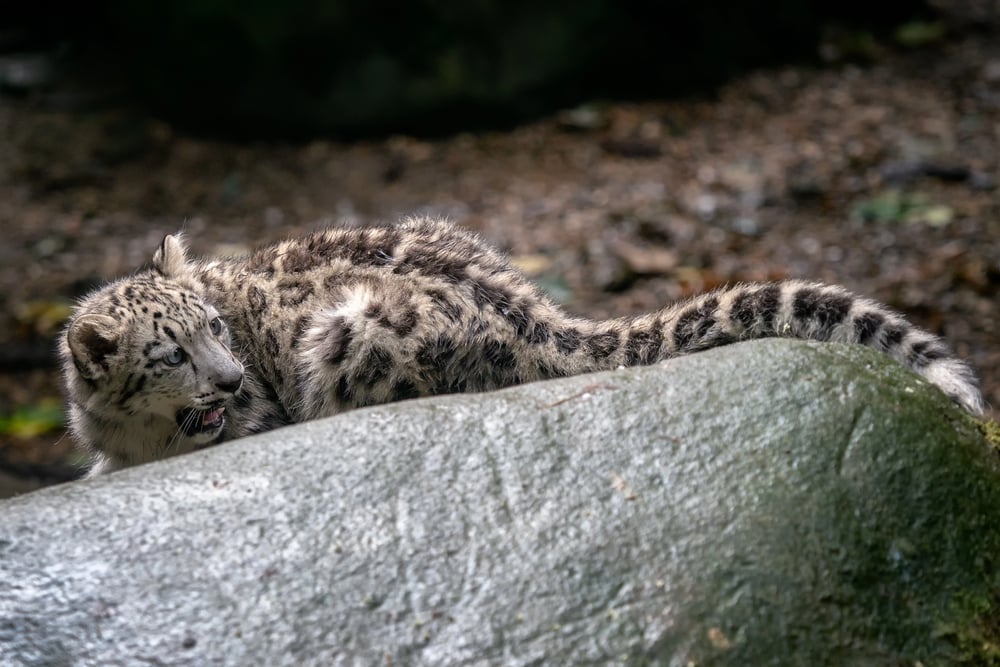
Snow leopards inhabit elevations between 9,800 and 14,800 feet above sea level in most of their range. In some areas, they’ve been spotted hunting as high as 18,000 feet during summer months.
The air at these altitudes contains significantly less oxygen than at sea level, yet these cats thrive in conditions that would leave most humans struggling to breathe.
There’s Never Been a Verified Attack on Humans

Despite being powerful predators capable of taking down large prey, snow leopards have never been confirmed to attack a person. They’re naturally shy and will almost always retreat when they encounter humans.
This gentle disposition toward people makes them even more special, though it hasn’t protected them from poaching and habitat loss driven by human activities.
Like Go2Tutors’s content? Follow us on MSN.
From Ancient Mountains to Uncertain Futures

These remarkable cats have survived in some of Earth’s harshest environments for millions of years, perfectly adapted to conditions that would defeat most other species. Today, they face threats their evolutionary history couldn’t prepare them for.
Climate change is altering their mountain habitats, illegal hunting continues despite protection efforts, and human development keeps pushing into their territories. Conservation organizations are working with local communities across Central Asia to protect these ghosts of the mountains, but the snow leopard’s future remains precarious.
Understanding and appreciating these incredible animals is the first step toward ensuring they continue to roam their high-altitude kingdoms for generations to come.
More from Go2Tutors!

- 16 Historical Figures Who Were Nothing Like You Think
- 12 Things Sold in the 80s That Are Now Illegal
- 15 VHS Tapes That Could Be Worth Thousands
- 17 Historical “What Ifs” That Would Have Changed Everything
- 18 TV Shows That Vanished Without a Finale
Like Go2Tutors’s content? Follow us on MSN.



