14 Things You Probably Didn’t Know Were Invented in Canada
Most people picture maple syrup and hockey when they think of Canadian inventions. Fair enough — those are pretty iconic. But Canada’s contribution to modern life runs much deeper than what shows up on the tourist postcards.
The country has quietly produced some of the most essential technologies, medical breakthroughs, and everyday conveniences that shape how people live today. Some of these discoveries changed entire industries overnight, while others solved problems so elegantly that the world quickly forgot they were ever problems at all.
The Insulin Treatment
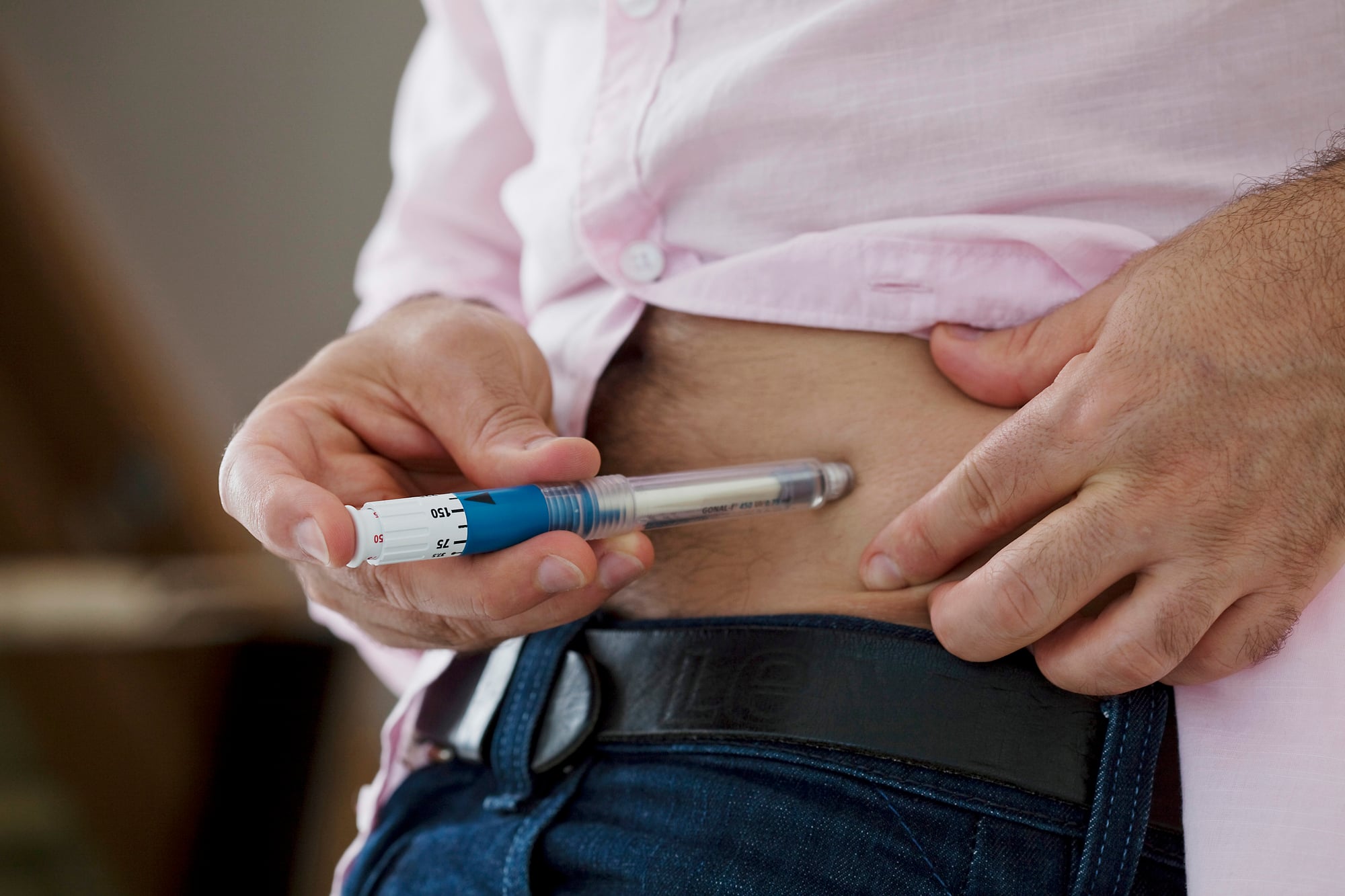
Frederick Banting was a young orthopedic surgeon with a stubborn idea: isolate the hormone that regulates blood sugar, and diabetes stops being a death sentence (which it was, before 1922, when his team at the University of Toronto succeeded in creating the first viable insulin treatment). The transformation was immediate and dramatic — children who had been wasting away began gaining weight within days of receiving injections.
And yet Banting, who could have become extraordinarily wealthy from this discovery, sold the patent to the University of Toronto for one dollar because he believed life-saving medicine shouldn’t be a luxury good; a decision that feels both impossibly noble and painfully naive when you consider how pharmaceutical companies operate today — though perhaps that says more about how the world changed than about whether Banting made the right choice.
The Snowmobile

Winter in rural Quebec has a way of teaching you exactly what you need. When Joseph-Armand Bombardier’s two-year-old son died because they couldn’t get him to the hospital through a blizzard, Bombardier spent the next decade perfecting a machine that could travel over snow reliably.
By 1937, he had his first commercial snowmobile. The machine didn’t just solve a transportation problem — it opened up an entirely new relationship with winter itself.
Standard Time

Before Sir Sandford Fleming, time was chaos. Every town set their clocks by the sun, which meant traveling by train required consulting dozens of different local times.
Fleming proposed dividing the world into 24 standard time zones, each exactly one hour apart. The idea was so obviously necessary that by 1929, most of the world had adopted it.
Time zones feel inevitable now, but someone had to think of them first.
The Electron Microscope
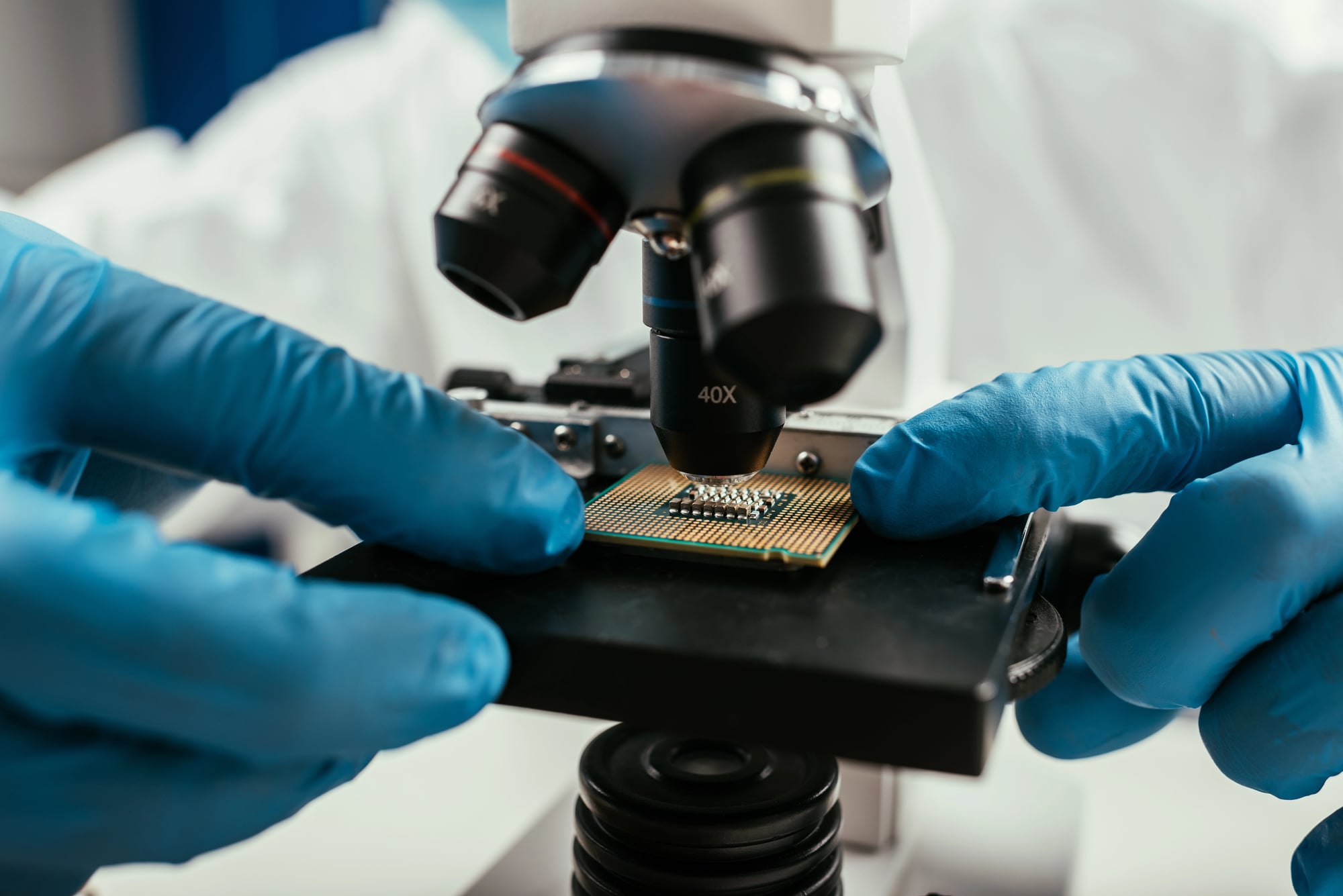
James Hillier was 22 years old when he built the first practical electron microscope at the University of Toronto in 1938 (working alongside Albert Prebus, though Hillier gets most of the credit since he continued developing the technology). The device could magnify objects 7,000 times — compared to 2,000 for the best optical microscopes of the era — and suddenly scientists could see viruses, examine the structure of metals, and explore a world that had been invisible until that moment.
But what’s remarkable isn’t just the technical achievement: it’s how quickly the microscope became indispensable to fields Hillier probably never considered while he was tinkering in the lab. Biology, medicine, materials science, electronics — entire industries now depend on being able to see things that are smaller than the wavelength of visible light.
Which is another way of saying that a graduate student’s thesis project accidentally became one of the most important scientific instruments of the 20th century.
The Pager
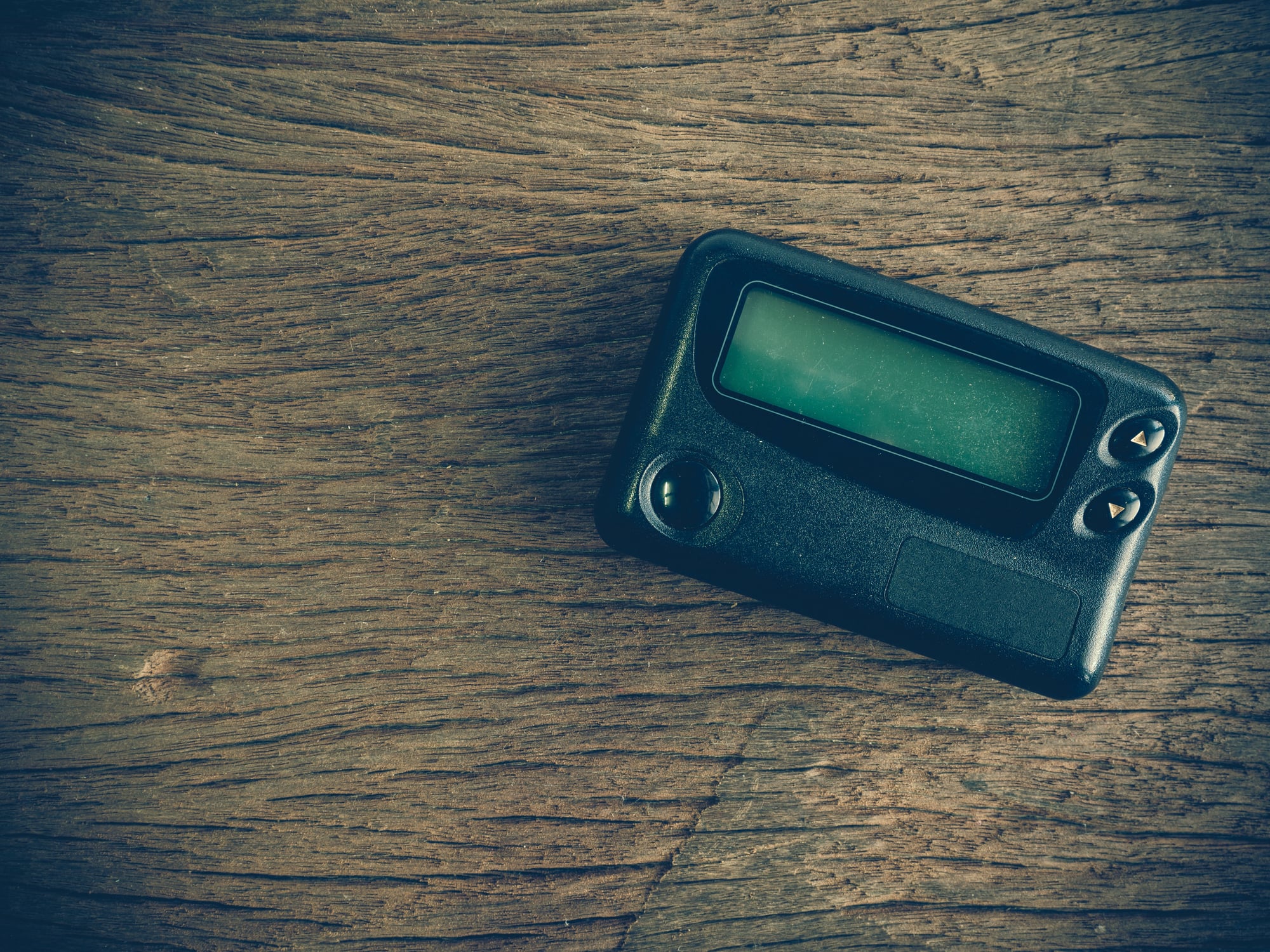
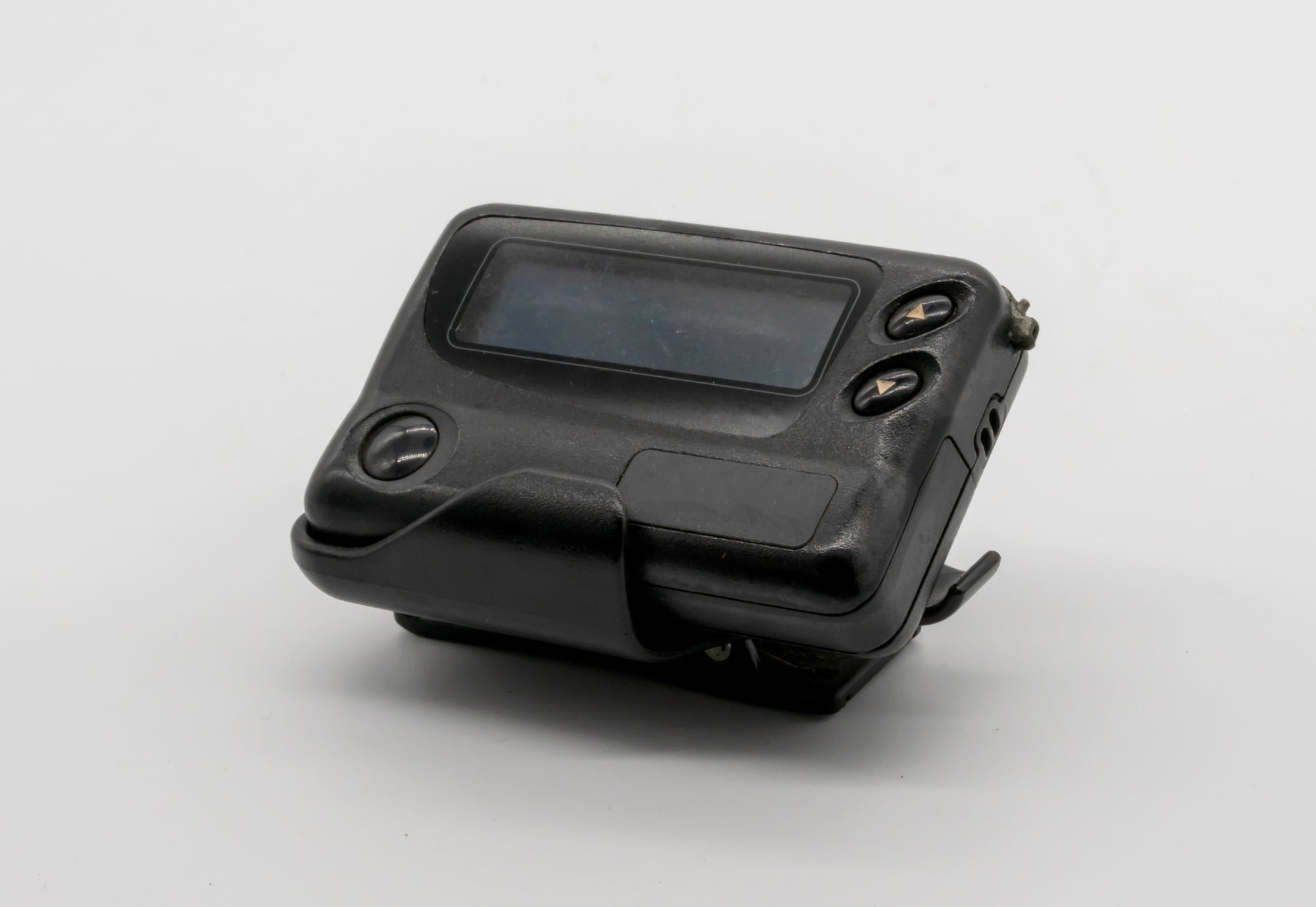
Alfred Gross didn’t set out to invent the pager — he was working on two-way radio communication in the 1940s when he realized you could send simple messages one direction much more efficiently than having full conversations both ways. The first pagers were massive, clunky devices used by doctors and emergency responders.
Nobody predicted that by the 1990s, every teenager would be clipped to one, frantically typing numeric codes to communicate with friends.
The Paint Roller

Norman Breakey watched house painters working with brushes and thought there had to be a faster way. His 1940 design was simple: a cylinder covered in absorbent material that could hold paint and spread it evenly across large surfaces.
The roller cut painting time in half. Breakey never made much money from the invention — other manufacturers copied his design before he could secure broad patent protection — but every weekend warrior with a room to paint owes him a debt.
Garbage Bags

The garbage bag exists because of a miscommunication, which feels appropriate somehow. Harry Wasylyk was trying to create a better way to line trash cans when a manufacturing error produced bags that were too large and too strong for that purpose — but perfect for holding an entire can’s worth of garbage when full.
The Union Carbide Company bought the idea in 1950, and suddenly taking out the trash became a task that didn’t require scrubbing the can afterward. Small improvements in daily life often matter more than grand innovations, and this was definitely one of those cases.
The Alkaline Battery
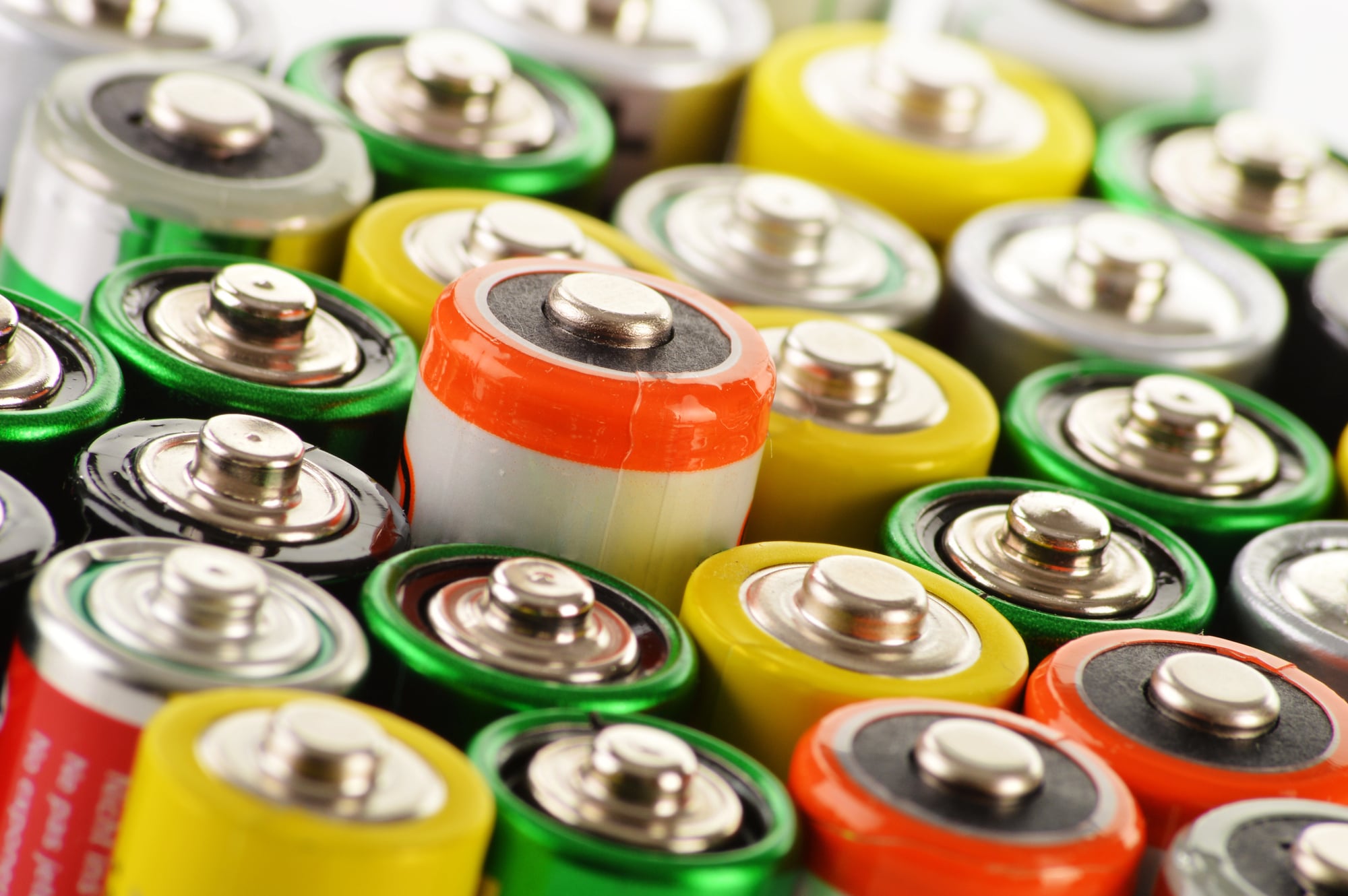
Lewis Urry was working at the Eveready Battery Company’s Canadian division in 1957 when he developed a battery chemistry that lasted significantly longer than existing zinc-carbon batteries. The alkaline battery could power devices for hours instead of minutes.
This wasn’t just an incremental improvement — it made portable electronics practical. Without Urry’s work, the Walkman, Game Boy, and countless other devices would have been too power-hungry to succeed commercially.
The Cardiac Pacemaker
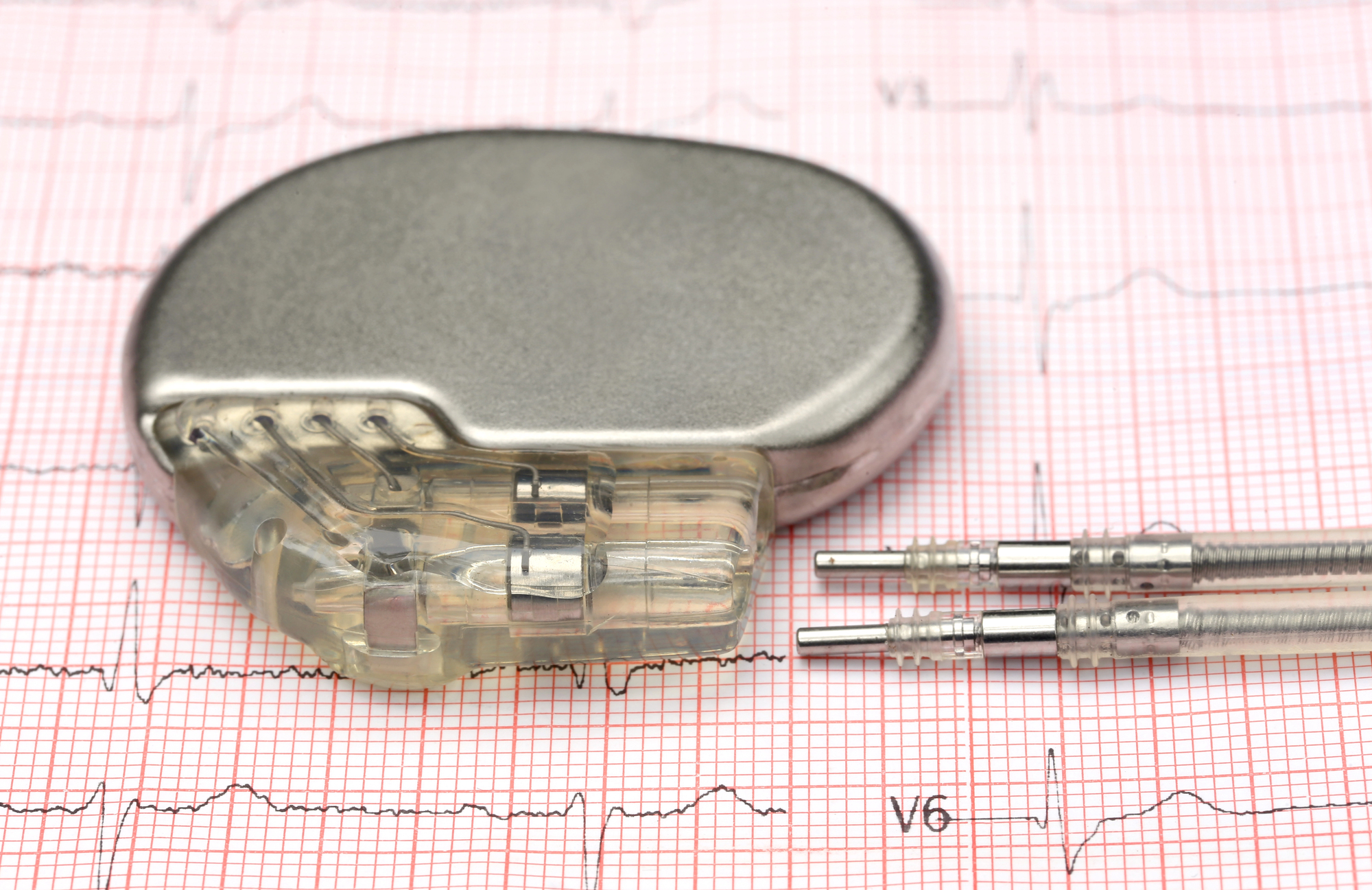
John Hopps wasn’t trying to save hearts when he discovered that electrical stimulation could restart a stopped heart — he was researching hypothermia for the National Research Council in 1950, studying how cold affected the human body, when he observed that hearts could be coaxed back to life with the right electrical impulse (a discovery that happened almost by accident when a colleague’s heart briefly stopped during an experiment and Hopps managed to restart it).
The first pacemaker was enormous, about the size of a television, and had to be plugged into a wall outlet, which meant patients were literally tethered to electrical sockets — not exactly practical for daily life, but it proved the concept worked.
So engineers spent the next decade shrinking the technology until it could fit inside the human body, and by 1960, the first implantable pacemakers were keeping people alive who would have died from heart rhythm disorders just ten years earlier.
The Prosthetic Hand

The Canadarm gets all the attention, but Canada’s most important robotic achievement might be the myoelectric prosthetic hand, developed at the University of New Brunswick in 1961. The device reads electrical signals from muscles in the residual limb and translates them into hand movements.
Users can grip, release, and manipulate objects just by thinking about the motion. It was the first prosthetic that responded to the user’s intentions rather than requiring mechanical manipulation.
The Blackberry
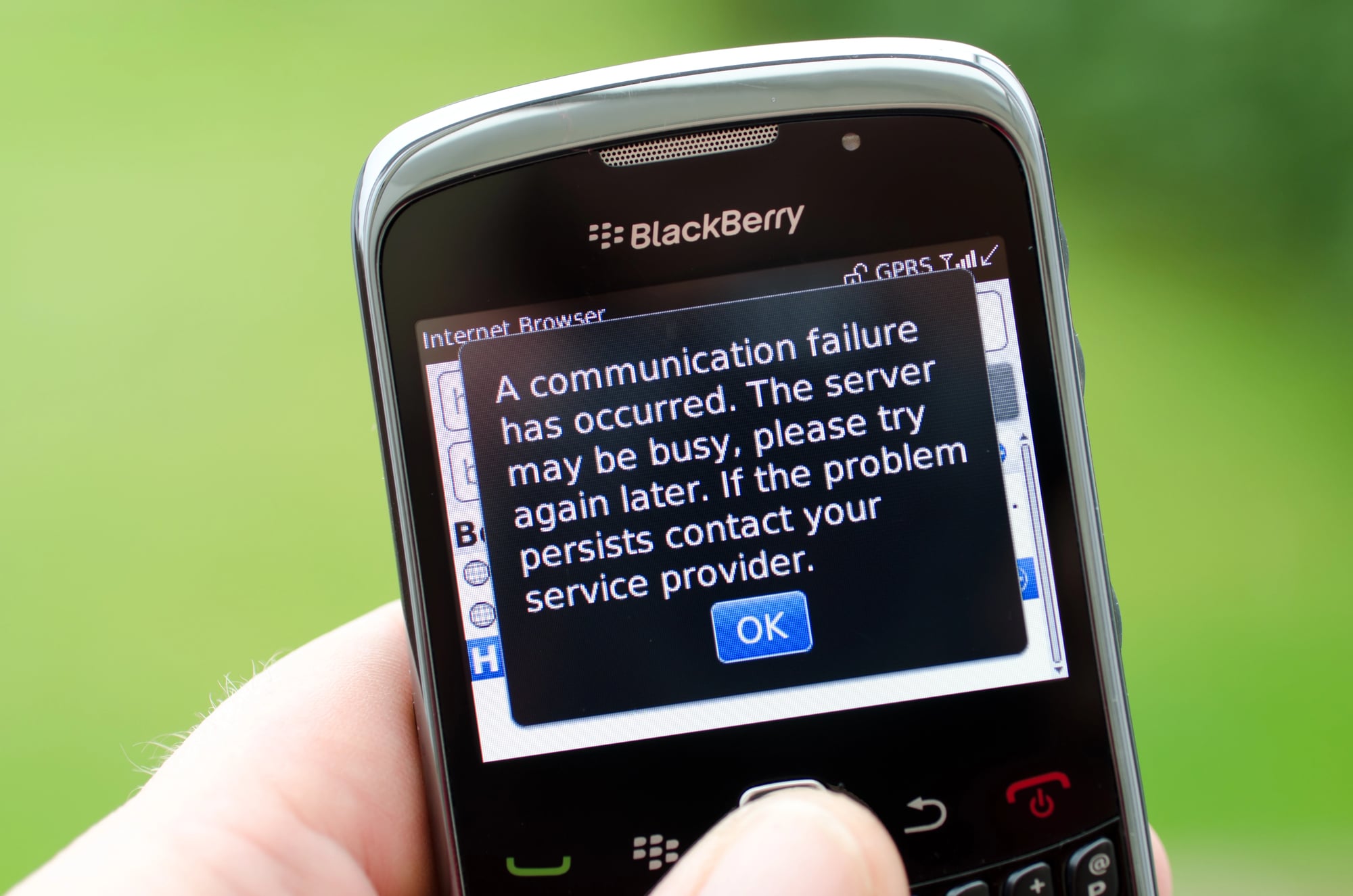
Research In Motion changed how people communicate by making email truly portable. The first Blackberry devices in the late 1990s weren’t phones — they were dedicated messaging machines with tiny keyboards and reliable push email.
Business executives became addicted to checking messages constantly, earning the device its “Crackberry” nickname. The iPhone eventually made Blackberry obsolete, but for nearly a decade, mobile email meant Blackberry.
The Java Programming Language

Java was created by James Gosling at Sun Microsystems, but Gosling is Canadian, educated at the University of Calgary and Carnegie Mellon (though he did his most famous work after moving to California, which raises the question of whether this counts as a Canadian invention — but given that the programmer’s training and foundational thinking happened in Canada, it seems fair to claim some credit). The language was designed to work on any computer system without modification — “write once, run anywhere” was the slogan.
Java became the backbone of enterprise software, web applications, and Android apps. It’s one of the most widely used programming languages in history, though most people who benefit from it daily have never heard of James Gosling.
The Wonderbra

The push-up bra existed before 1964, but Louise Poirier’s design for Canadelle revolutionized the engineering. Her Wonderbra used a specific arrangement of panels and underwire that created dramatic lift and cleavage enhancement.
The design was so effective that when it launched in the UK in 1994, it caused traffic accidents from distracted drivers looking at the advertising billboards. Victoria’s Secret eventually licensed the design, and push-up became the standard style for enhancing bras worldwide.
The Electric Oven
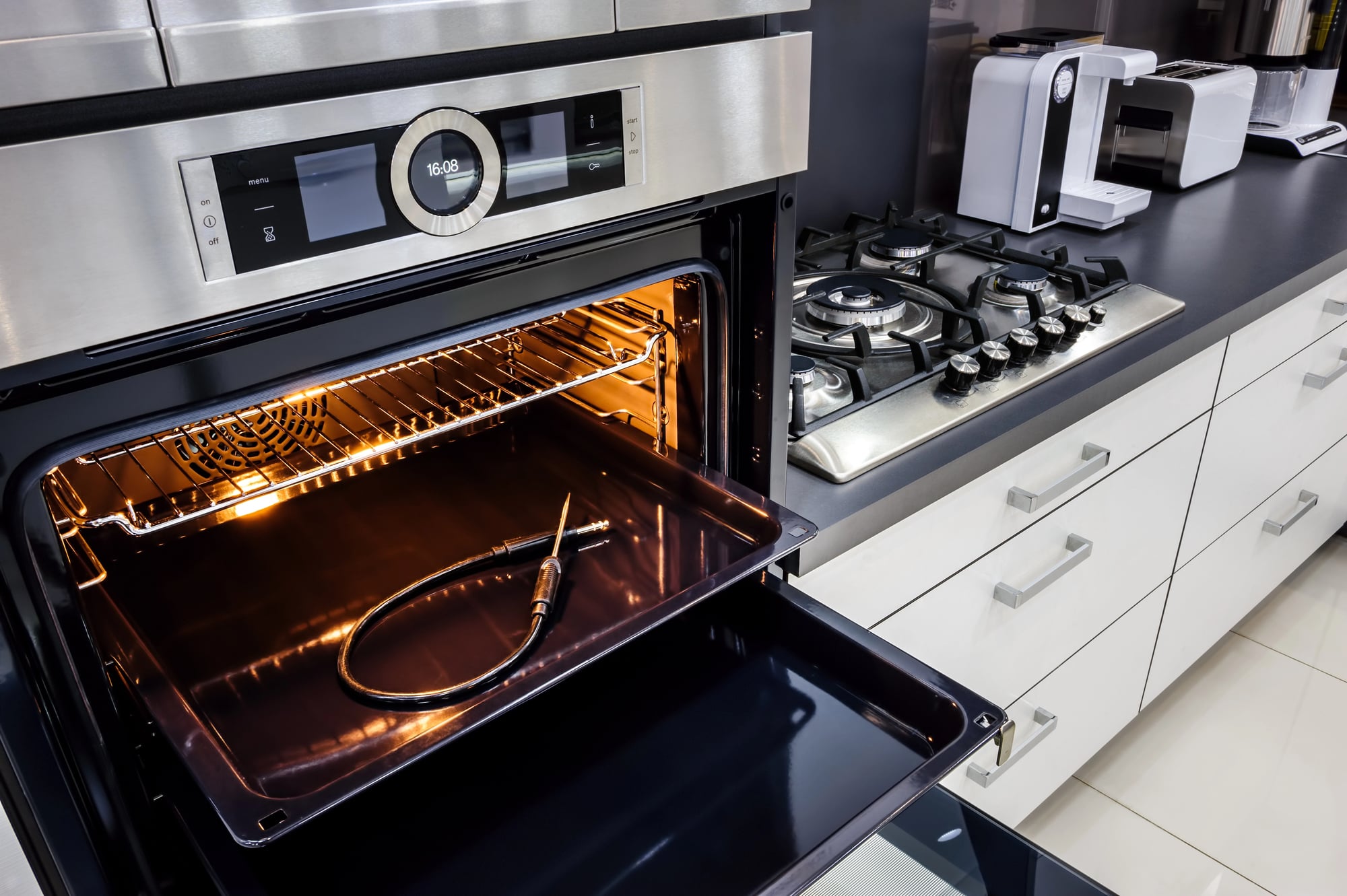
Thomas Ahearn installed the first electric oven in the Windsor Hotel in Ottawa in 1882. Electric cooking was cleaner than coal or wood, more precise than gas, and didn’t fill kitchens with smoke or fumes.
The technology took decades to become affordable for home use, but Ahearn proved it worked commercially. Every electric range in every kitchen today traces back to his Windsor Hotel experiment.
The Quiet Revolution In Your Pocket
These inventions share something beyond their Canadian origins — they solved problems so completely that the problems themselves became hard to remember. Time zones eliminated the chaos of local time. Insulin transformed diabetes from a death sentence into a manageable condition. The paint roller cut weekend projects in half. The garbage bag made trash disposal sanitary.
Canada’s gift to the world wasn’t flashy innovation — it was practical intelligence applied to everyday frustrations. The country produced inventors who looked at inconvenience and engineered it away, often so elegantly that their solutions became invisible infrastructure in modern life.
And perhaps that’s the most Canadian approach to innovation: make things work better, don’t make a big deal about it, and let the world quietly adopt your improvements.
More from Go2Tutors!

- The Romanov Crown Jewels and Their Tragic Fate
- 13 Historical Mysteries That Science Still Can’t Solve
- Famous Hoaxes That Fooled the World for Years
- 15 Child Stars with Tragic Adult Lives
- 16 Famous Jewelry Pieces in History
Like Go2Tutors’s content? Follow us on MSN.



