15 Strange Medical Tools From The Past
Modern medicine might seem intimidating with all its beeping machines and sterile instruments, but trust me, you’d much rather face today’s medical equipment than what doctors used centuries ago. Back then, medical ‘science’ was more like educated guessing mixed with a healthy dose of wishful thinking and some downright terrifying creativity.
From devices that looked more like torture instruments to tools that seemed designed by someone who’d never actually seen a human body, historical medical equipment tells quite the story. Here’s a look at 15 of the most bizarre medical tools that doctors actually used on real patients.
Trepanation Drill
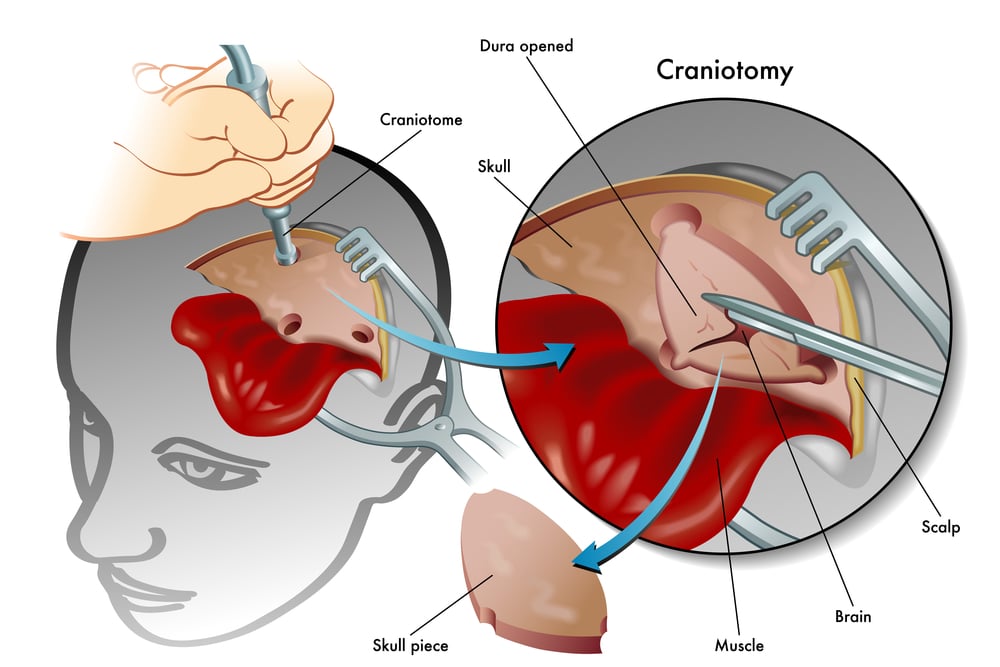
Imagine going to the doctor with a headache and having them suggest drilling an opening in your skull – that’s exactly what trepanation involved. This practice dates back to the Neolithic period, and archaeologists have found that 5-10 percent of ancient skulls show evidence of this procedure.
The hand-cranked drill would bore through the skull bone, supposedly to release evil spirits or relieve pressure, though many patients probably wished the spirits had just stayed put.
Artificial Leech
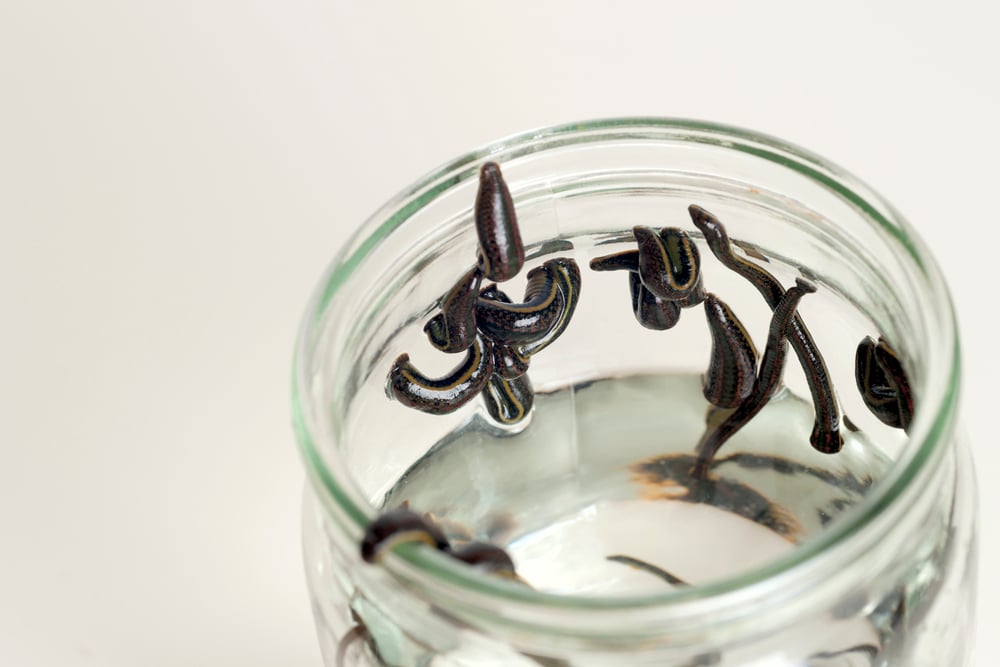
When real leeches weren’t available in the 1800s, doctors created mechanical versions with rotating knives and cylindrical syringes. These artificial leeches were commonly used in eye and ear surgery, featuring lancets to puncture the skin and a vacuum system to draw up blood.
Think of it as a medieval version of a blood bank withdrawal, except way more painful and infinitely less precise.
Plant Smoke Enema

Doctors in the 1750s thought blowing dried plant smoke into someone’s rectum could resuscitate drowning victims and treat various ailments. The device used a rectal tube connected to bellows that forced smoke toward the rectum, with the warmth supposedly promoting respiration.
Interestingly, this practice gave us the phrase ‘blowing smoke up someone’s rear end,’ though the original version was far more literal than today’s figurative usage.
Arrow Extractor

Medieval doctors didn’t just yank arrows out of wounded patients – they had a special scissor-like tool for the job. The device held the arrow shaft in its center while sharp blades facing outward cut through the surrounding skin, allowing the arrowhead to be removed with minimal additional damage.
It’s like having surgery and a haircut at the same time, except nobody asked for either.
Lithotome Caché
This 18th-century French device was designed to remove kidney stones through a process that sounds worse than the stones themselves. Doctors would insert a metal rod through the urethra, make an incision, then use this tool with concealed blades to reach the bladder and cut through tissue.
The name literally means ‘hidden knife,’ which should tell you everything about how patients felt when they discovered what was really happening.
Hernia Tool

In the 1850s, doctors realized the human body could heal better than they could stitch, so they created a tool that stayed inside hernia patients for about a week. After repairing the muscle tear, doctors would insert this device into the area where scar tissue would form around it to help seal the repair.
It’s basically like leaving a bookmark in your abdomen, except way less convenient and significantly more uncomfortable.
Ecraseur

This 19th-century device used wire loops or chains to strangle unwanted growths like tumors and hemorrhoids. The wire would be placed around the base of the growth and gradually tightened until it either cut through or cut off the blood supply completely.
Doctors argued this was less painful than cutting, though patients dealing with hemorrhoids probably had some strong opinions about that claim.
Scarificator
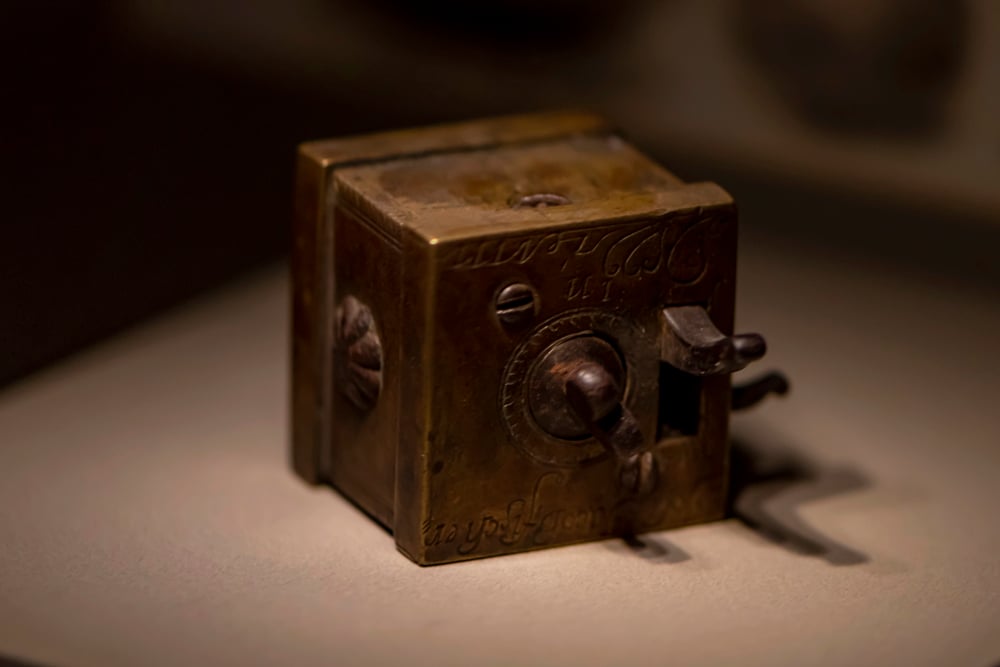
These bloodletting devices featured up to 10 spring-loaded blades that would quickly slice into the skin, followed by heated cups to create suction for faster blood removal. The spring mechanism made multiple cuts simultaneously, while special rounded glass cups applied over the wounds would help draw blood out when warmed.
It’s like a Swiss Army knife designed by someone who really, really believed in the healing power of making people lose blood.
Chain Osteotome
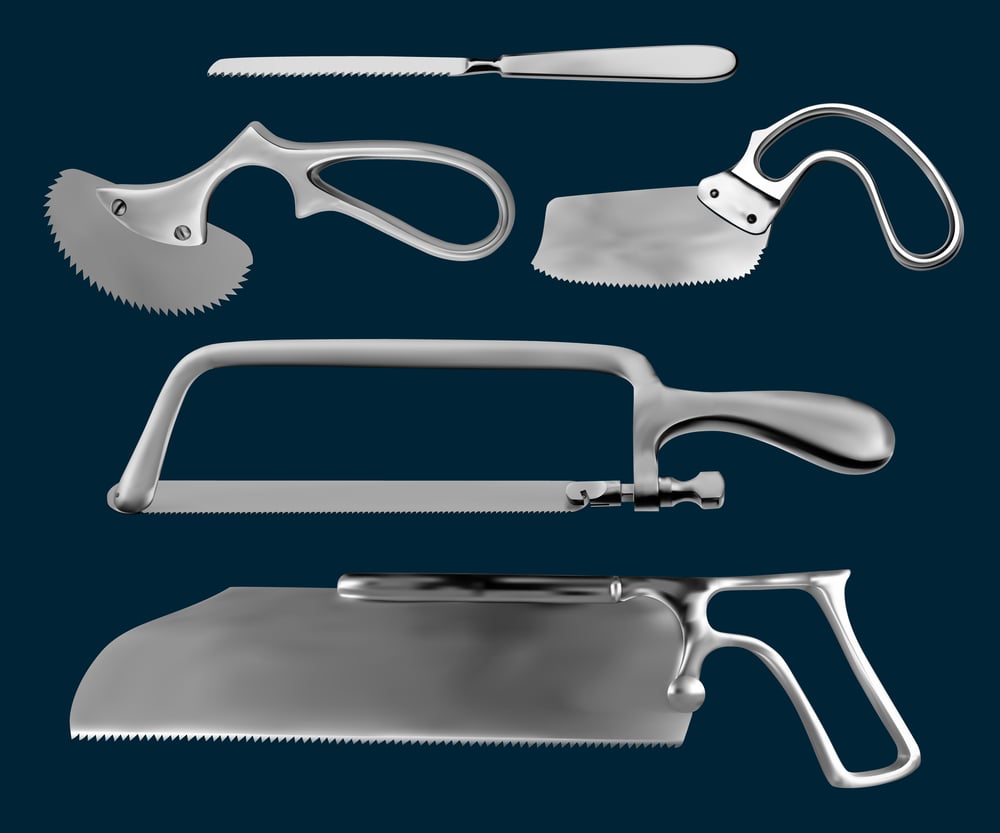
German inventor Bernard Heine created what was essentially a hand-operated chainsaw for cutting through bones in the early 1800s. Originally called the osteotome, this device won medical awards and was considered a marvel of its time, despite being tested on dogs first.
Just imagine explaining to a patient that their bone surgery would involve a contraption that looks like it belongs in a lumber yard.
Vaginal Speculum (1600s Version)
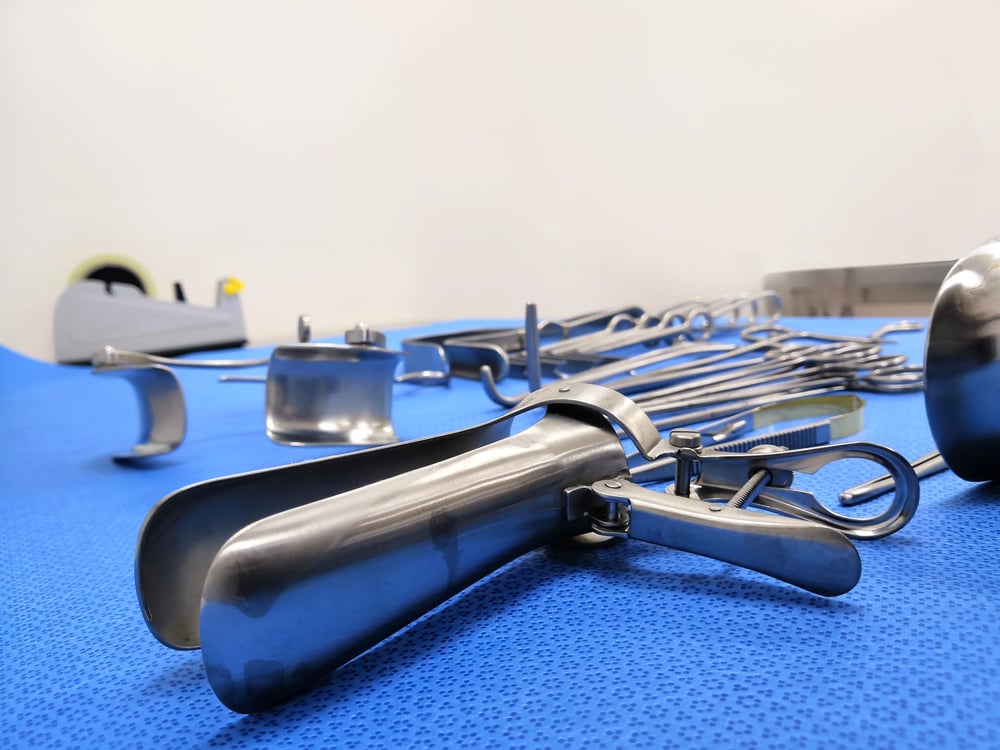
While specula have been used for thousands of years, the 17th-century European versions were particularly ornate and intimidating. These devices used a cranking motion to expand after insertion, allowing doctors better access to examine patients.
The elaborate decorative elements probably didn’t make the experience any more comfortable, but at least patients knew their doctor had style.
Bullet Extractor
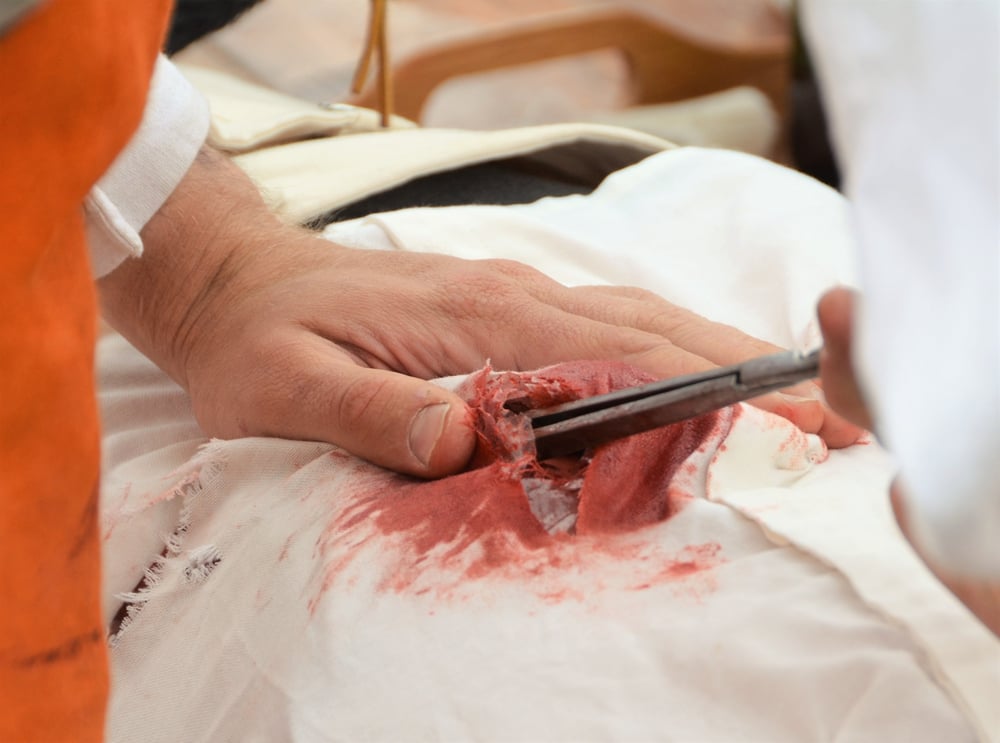
These elongated instruments could reach bullets embedded deep in a patient’s body using a screw tip mechanism. The extractor would be inserted into the wound and lengthened to pierce the bullet so it could be pulled out.
It’s essentially a very specialized cork screw, except instead of opening wine, you’re fishing metal out of someone’s torso.
Cervical Dilator
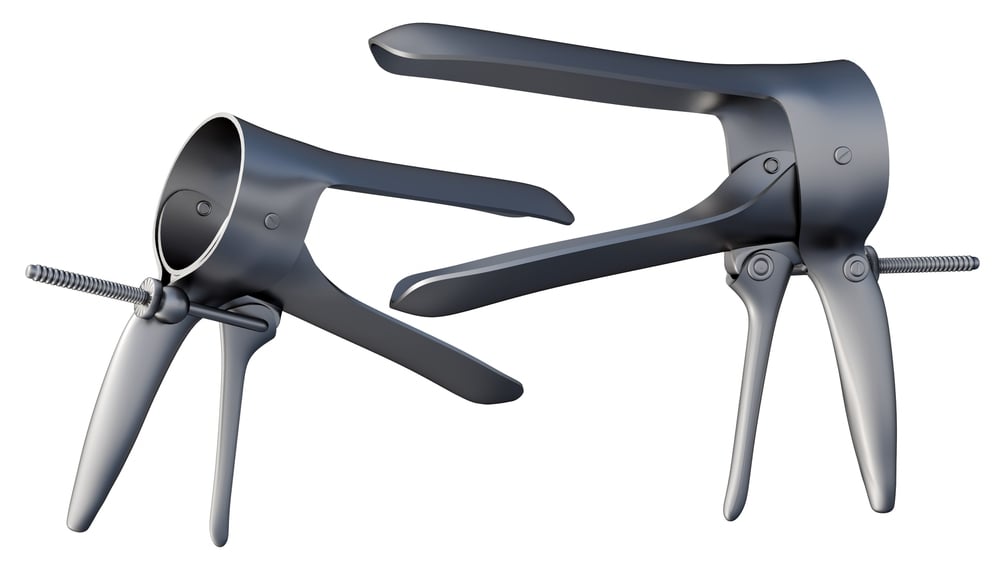
This device was designed to dilate a woman’s cervix during labor, with measurements marked on a scale by the handle. These dilators fell out of favor because they frequently caused the cervix to tear.
Sometimes medical ‘progress’ meant realizing that forcing things with mechanical devices wasn’t always the best approach to natural processes.
Tonsil Guillotine
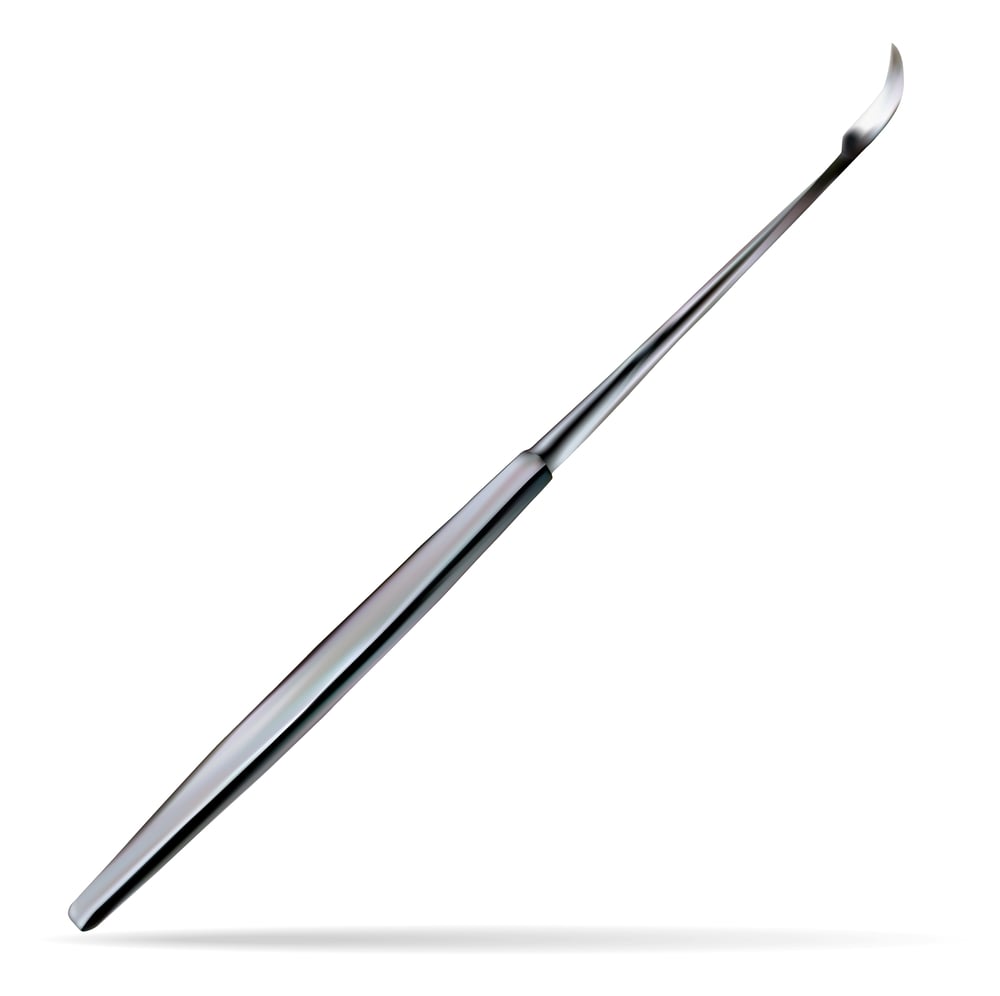
As the name suggests, this device was designed to quickly remove tonsils in one swift motion. Tonsil guillotines were eventually replaced by forceps and scalpels in the early 20th century due to high rates of hemorrhaging and their imprecise nature, which often left tonsil remnants behind.
The concept of precision surgery clearly hadn’t caught on when someone thought ‘guillotine’ was an appropriate word for medical equipment.
Skull Saw
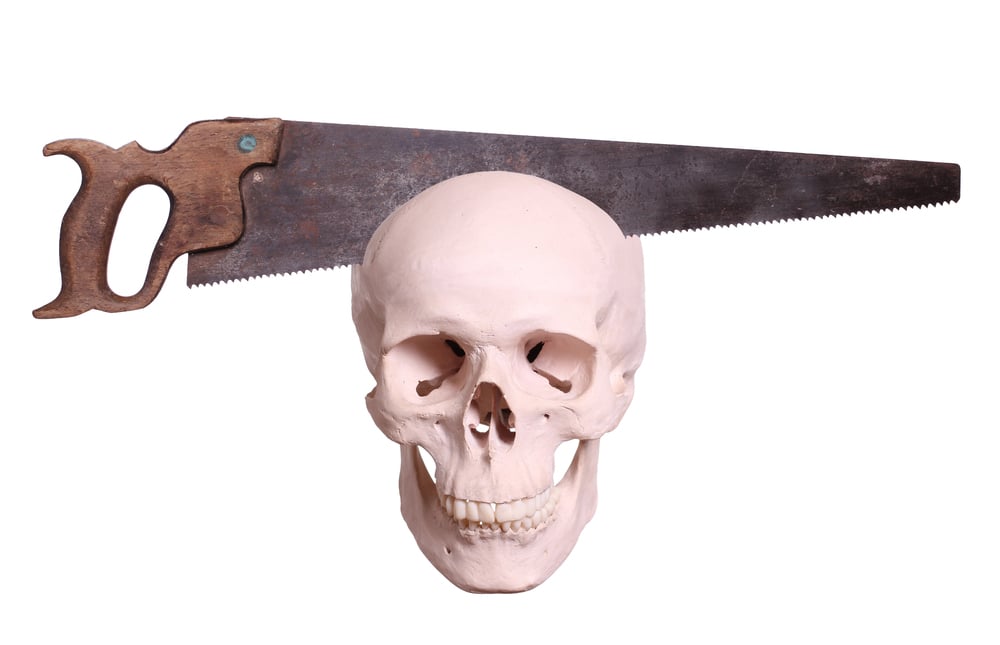
This hand-cranked saw from the 1830s-60s was specifically designed to cut through sections of the skull for surgical access. Three openings would be made in the patient’s skull, and this flexible wire chainsaw could be looped underneath using hook-like handles to remove bone fragments.
It looks like something you’d use to cut firewood, which probably wasn’t reassuring to patients who were already having their skulls opened.
Circumcision Knife (1770s)
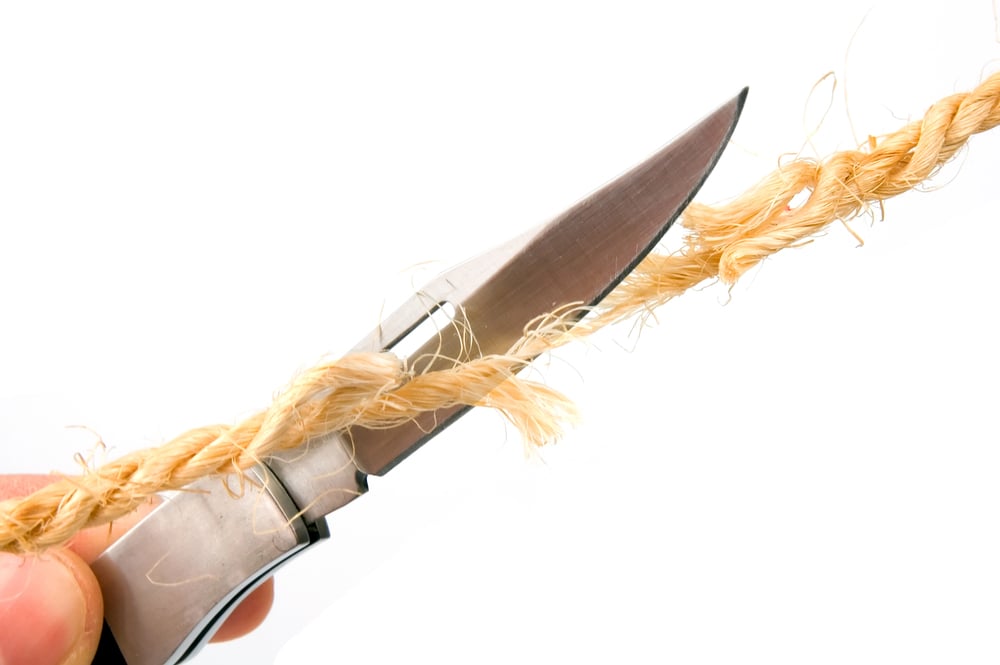
While ritual circumcision has been performed worldwide for various reasons throughout history, the instruments used in the 1770s were particularly elaborate. These knives were often ornately decorated and specifically designed for the procedure, though the craftsmanship probably didn’t make the experience any more pleasant for the patient.
The level of artistic detail put into these tools shows just how common and accepted these procedures were in their time.
When Sharp Instruments Became Sharper Minds

These bizarre medical tools remind us that medical progress isn’t just about better technology – it’s about better understanding of how the human body actually works. What seemed logical to doctors who believed in ‘humors’ and evil spirits makes little sense to us now that we understand germs, anatomy, and the importance of not drilling random openings in people’s heads.
Many of these instruments were created by people genuinely trying to help, working with the best knowledge they had at the time. Today’s medical tools might look just as strange to doctors 200 years from now, though hopefully they won’t involve quite as many spinning blades and hidden knives.
More from Go2Tutors!

- The Romanov Crown Jewels and Their Tragic Fate
- 13 Historical Mysteries That Science Still Can’t Solve
- Famous Hoaxes That Fooled the World for Years
- 15 Child Stars with Tragic Adult Lives
- 16 Famous Jewelry Pieces in History
Like Go2Tutors’s content? Follow us on MSN.