16 Common Things That Are Banned in Other Countries
There are many unexpected things to discover when traveling, but some of the most shocking things are discovering which commonplace objects are totally prohibited in some nations. In one location, something that seems completely normal could result in a hefty fine or even jail time in another.
Some surprisingly common items have been banned by governments worldwide, ranging from the chewing gum you casually put in your mouth to the baby gear you consider necessary. This is a list of 16 commonplace items that are illegal in different nations.
Chewing Gum
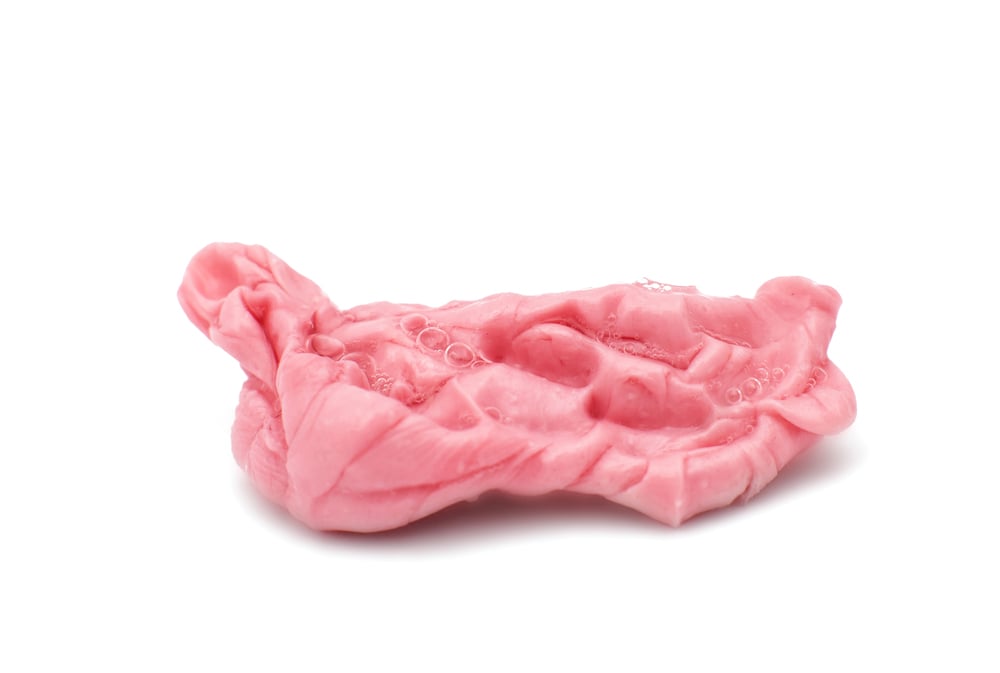
Singapore’s been serious about keeping chewing gum out since 1992. The government had enough of people sticking used gum everywhere — subway door sensors, elevator buttons, you name it.
Medical gum’s still allowed with a doctor’s prescription, yet recreational chewing remains strictly forbidden.
Baby Walkers

Canadian babies learn to walk without wheels these days. The country outlawed baby walkers back in 2004 after discovering they actually harm development rather than help it.
Studies showed these devices increased injury risks while delaying both motor skills and mental development — not exactly what parents had in mind.
Blue Jeans
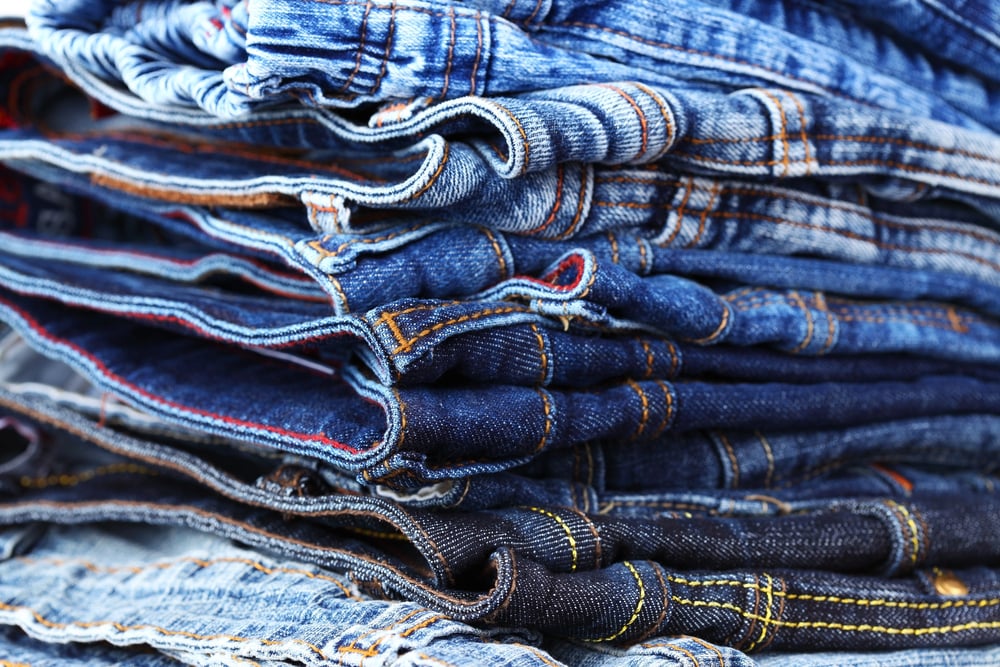
North Korea views blue jeans as American imperialism in fabric form. The government considers denim a symbol of Western cultural invasion, so citizens caught wearing jeans face serious consequences.
Fashion choices aren’t really choices when the state controls your wardrobe.
Flip-Flops on Capri

Capri, an island in Italy, dislikes having its tranquil atmosphere disturbed by loud shoes. Local officials want to maintain that peaceful charm, so visitors who disregard the flip-flop ban risk fines.
It seems that the tranquil atmosphere of the island is not complemented by the slapping sound of rubber soles.
Camouflage Clothing
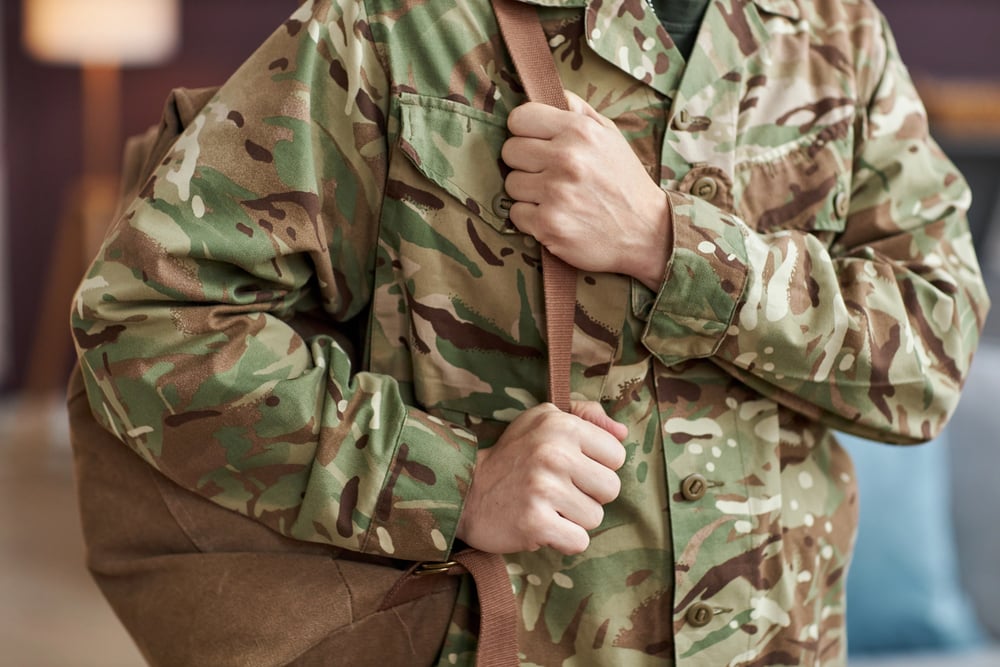
Jamaica, Barbados, and several other Caribbean nations reserve military patterns exclusively for their armed forces. Civilians can’t wear camouflage clothing — period.
Tourists wearing camo gear risk having their clothes confiscated along with paying substantial fines.
Kinder Surprise Eggs
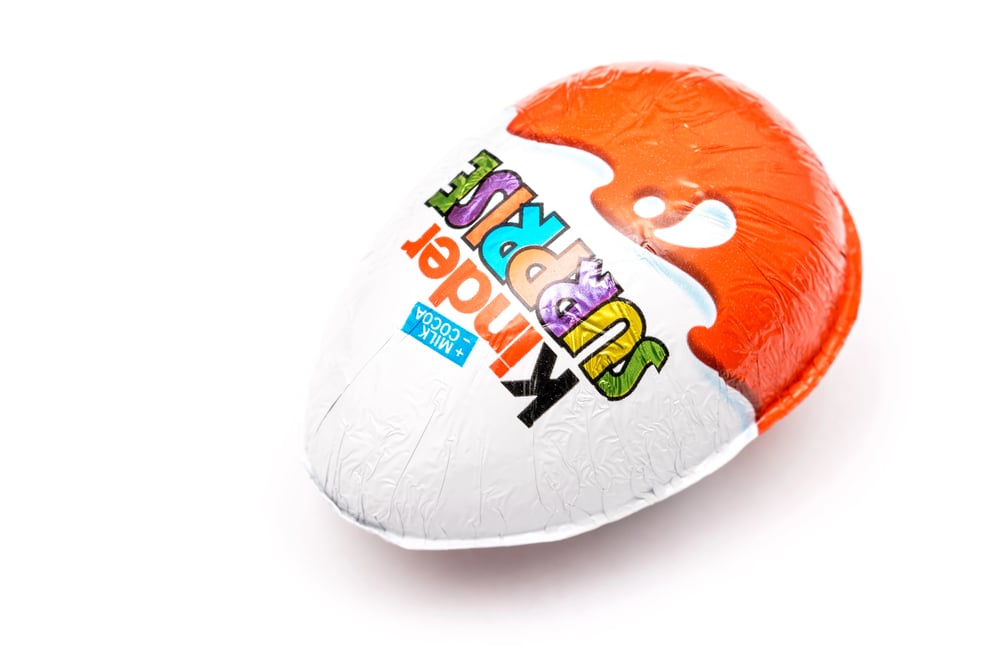
America’s food safety regulations don’t mesh well with toys hidden inside chocolate. The FDA considers Kinder Surprise eggs a choking hazard since they embed non-edible items within food products.
Americans get Kinder Joy eggs instead — where the toy stays separate from the chocolate.
Energy Drinks
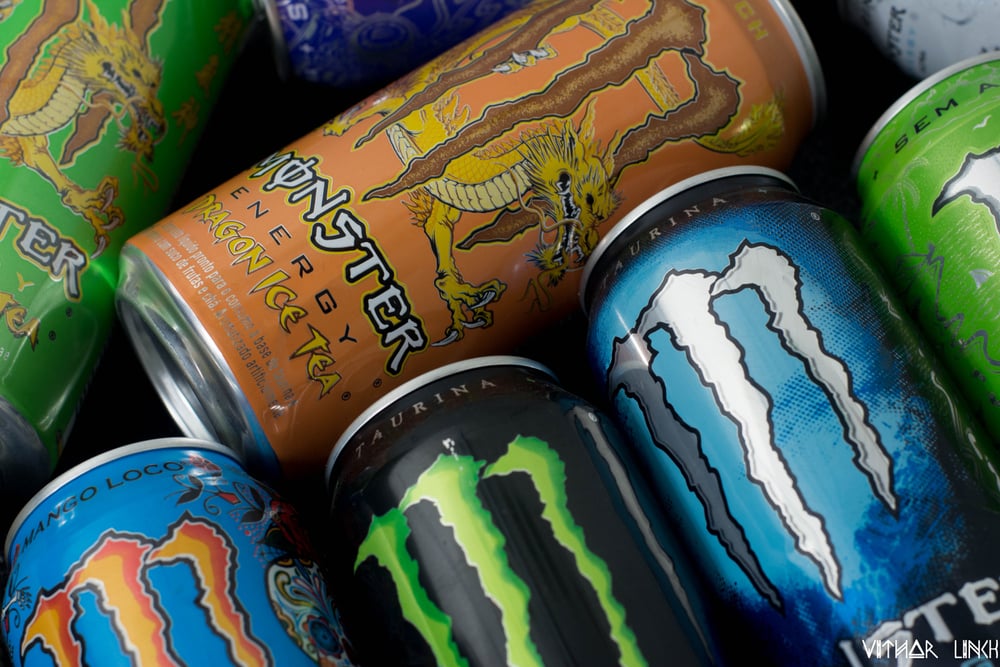
France temporarily banned Red Bull over concerns about caffeine and taurine content, treating it more like medicine than refreshment. Several Nordic countries maintain similar restrictions on high-caffeine energy drinks.
Health authorities worry these beverages pack too much punch for regular consumption.
Spanking

More than 60 countries have banned physical punishment of children — including parental spanking. Sweden pioneered this approach in 1979, with many European nations following suit.
Traditional disciplinary methods don’t get exemptions under these child protection laws.
Laser Pointers
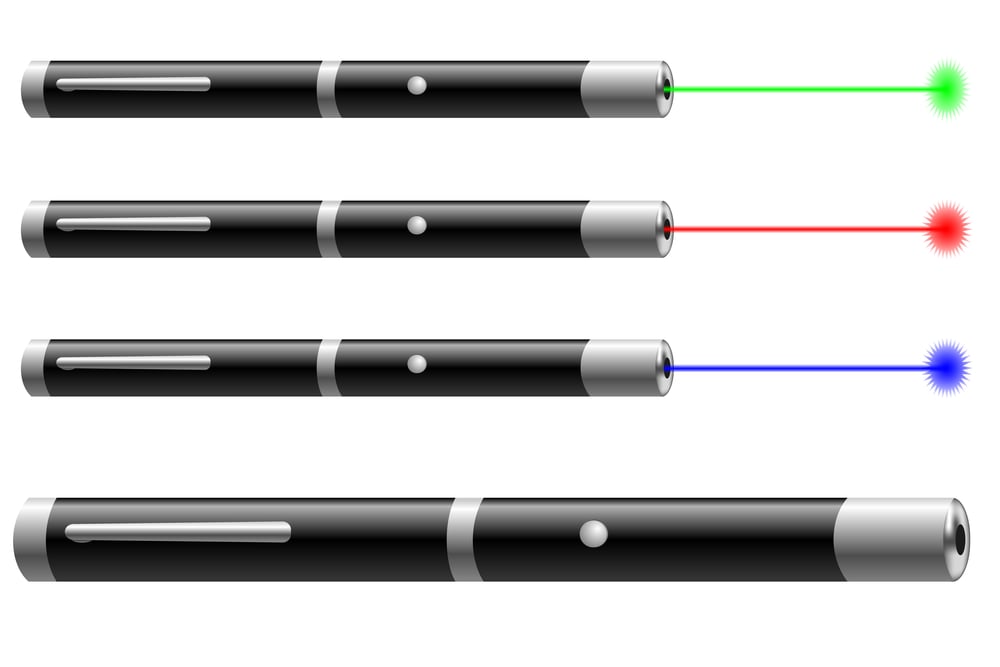
Australia requires permits for laser pointer purchases after people started targeting aircraft and vehicles with them. The general public can’t just buy these devices anymore — safety concerns outweighed convenience.
Similar restrictions exist in parts of the United States and other countries worried about misuse.
High Heels at Archaeological Sites
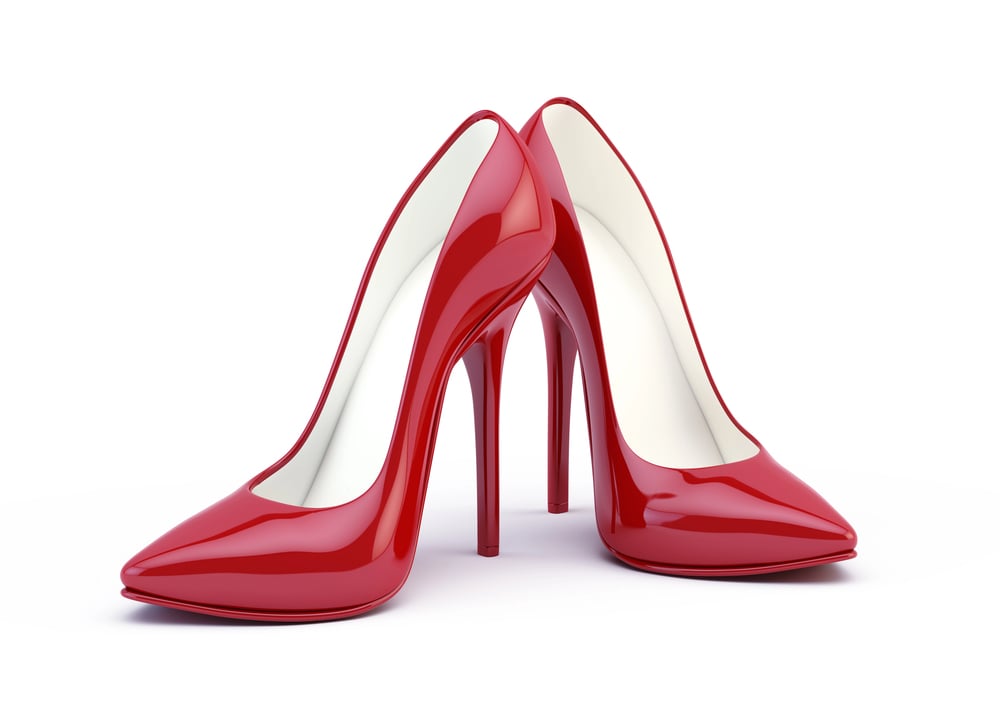
Greece protects its ancient monuments by banning high heels at archaeological sites. Pointed heels damage marble and stone structures that have survived millennia — preservation trumps fashion.
Visitors must wear flat, soft-soled shoes to explore these historical treasures.
Plastic Bags
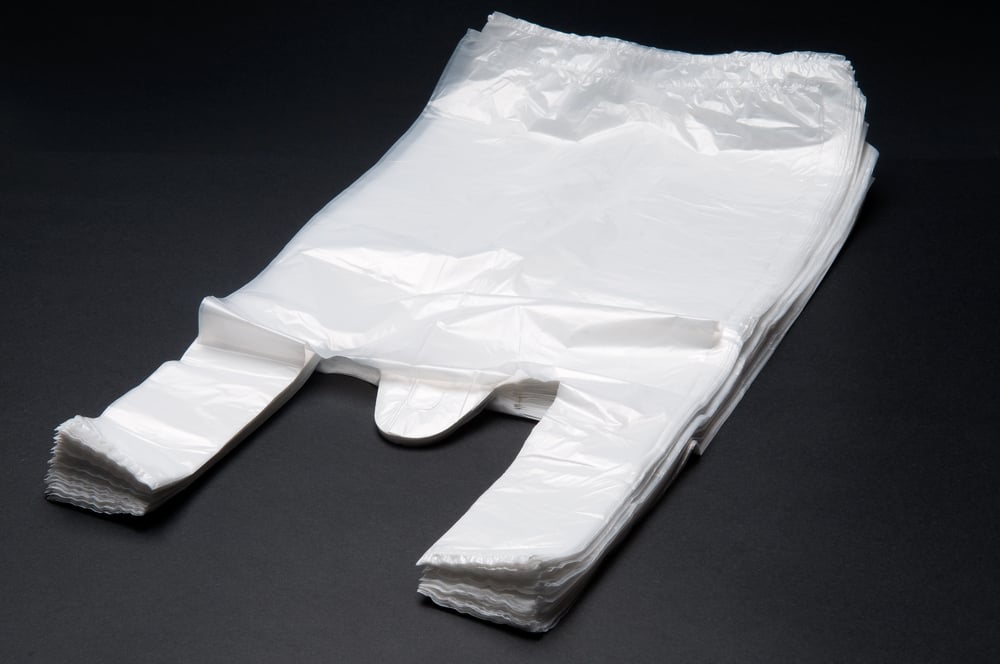
Over 70 countries have implemented restrictions on single-use plastic bags, yet Kenya takes the strictest approach. Violators there face up to four years in prison or hefty fines.
These environmental protection measures aim to reduce plastic pollution while protecting marine ecosystems.
Like Go2Tutors’s content? Follow us on MSN.
Vaping Products
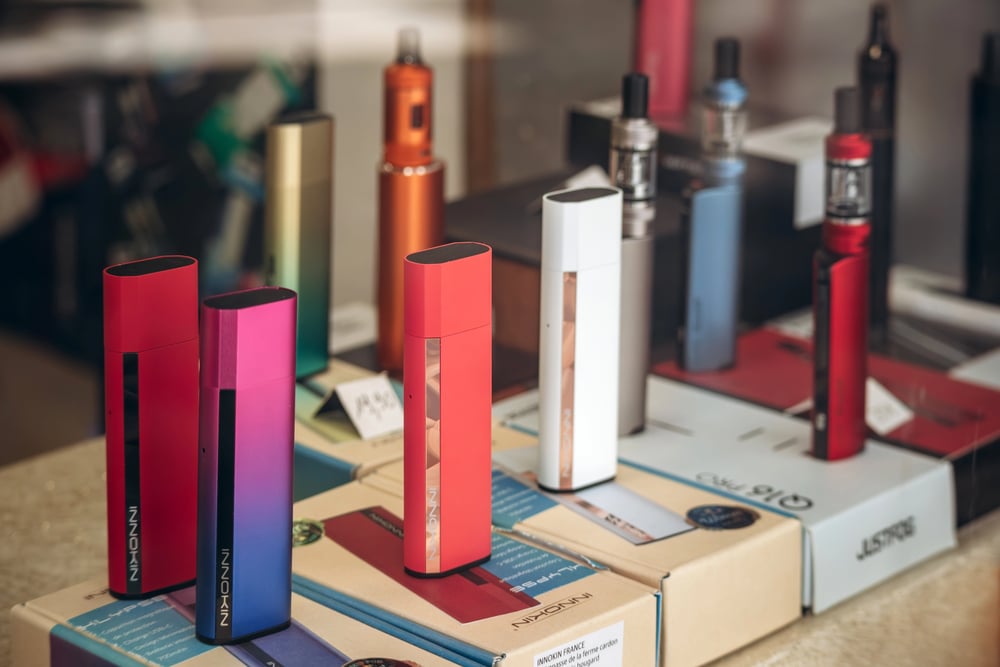
Thailand, Singapore, and India treat electronic vaping devices as illegal substances rather than alternatives to traditional products. Complete prohibitions mean travelers caught with vapes face serious legal consequences.
Some countries consider imprisonment an appropriate response to vaping violations.
Pokemon Go
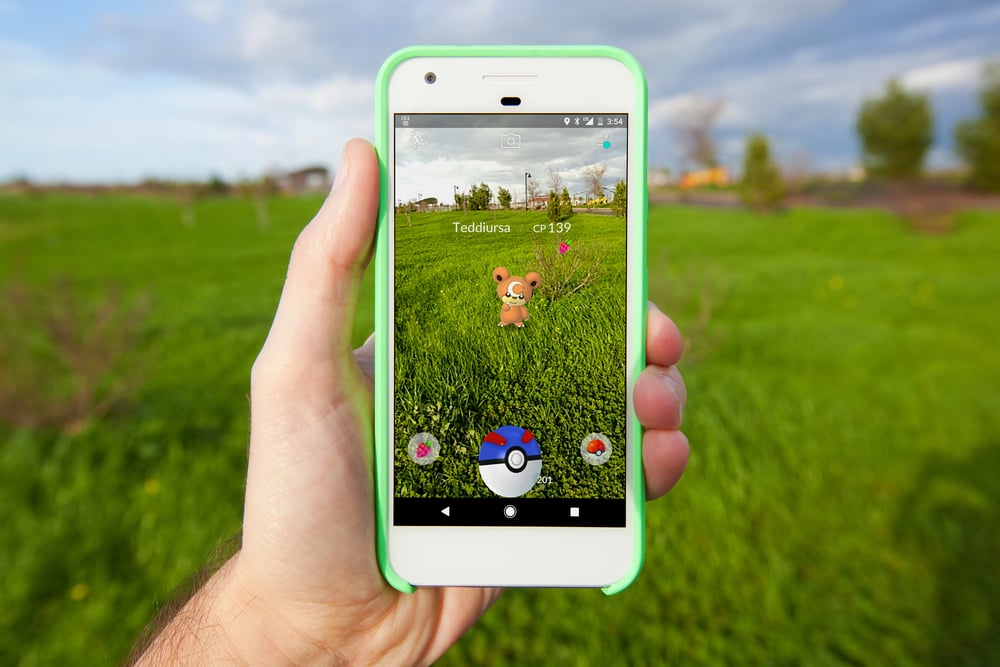
Iran banned Pokemon Go entirely, citing national security concerns about location data collection. Other countries restrict the game from sensitive government buildings and military installations, though they haven’t implemented complete prohibitions.
Virtual creature hunting apparently poses real-world security risks.
WeChat and TikTok

India banned TikTok and other Chinese apps over data privacy concerns, while the United States has considered similar restrictions. These platforms face scrutiny as potential national security threats due to foreign government influence.
Social media becomes complicated when international politics get involved.
Bulletproof Vests
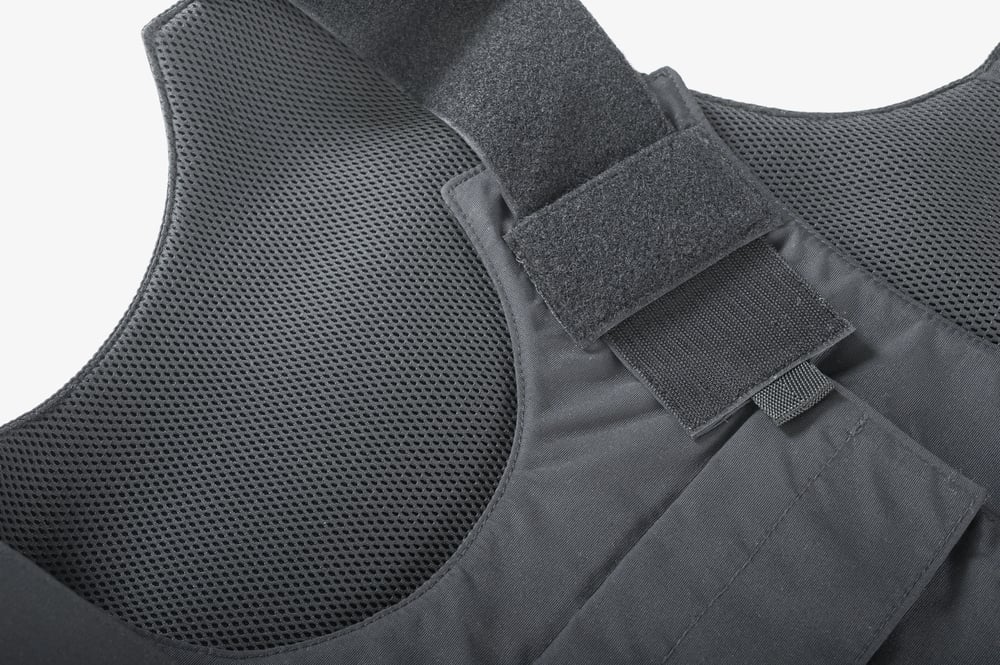
Australia and the UK restrict civilian ownership of body armor to prevent criminals from using protective gear during illegal activities. Special permits and demonstrated legitimate need are required for purchases.
Not everyone gets to play dress-up with military-grade protection.
Mullets

Iran’s dress code regulations ban men from having mullets, ponytails, or long hair, considering these hairstyles un-Islamic and incompatible with traditional values. Both barbers and customers face penalties for forbidden cuts.
Apparently, business in the front and party in the back doesn’t translate well across all cultures.
When Everyday Becomes Extraordinary

These restrictions demonstrate how societies view common items through vastly different lenses. What one culture embraces as harmless entertainment, another condemns as a serious threat to public order or traditional values.
Smart travelers research these regulations beforehand, avoiding awkward encounters with local law enforcement while ensuring their adventures remain memorable for positive reasons.
More from Go2Tutors!

- The Romanov Crown Jewels and Their Tragic Fate
- 13 Historical Mysteries That Science Still Can’t Solve
- Famous Hoaxes That Fooled the World for Years
- 15 Child Stars with Tragic Adult Lives
- 16 Famous Jewelry Pieces in History
Like Go2Tutors’s content? Follow us on MSN.