14 Truths About Whale Songs
The ocean’s depths harbor one of nature’s most captivating phenomena: whale songs. These underwater symphonies have puzzled scientists for decades, revealing secrets about communication, intelligence, and evolution.
From the haunting melodies that inspired the ‘Save the Whales’ movement to recent discoveries showing language-like patterns, whale songs continue to surprise researchers with their complexity and beauty.Recent scientific breakthroughs have transformed our understanding of these marine conversations, uncovering structures that mirror human language and revealing communication systems far more sophisticated than anyone imagined.
Here are 14 fascinating truths about whale songs that showcase the remarkable world of cetacean communication.
Whale Songs Follow Human Language Rules

Scientists recently discovered that humpback whale songs follow the same statistical patterns as human language, specifically Zipf’s law. This means the most common whale sound elements appear twice as often as the second most common ones, just like how ‘the’ appears twice as often as ‘of’ in English.
This discovery suggests that both whale songs and human language evolved to be easier to learn and transmit culturally.
Sperm Whales Create the Loudest Animal Sounds
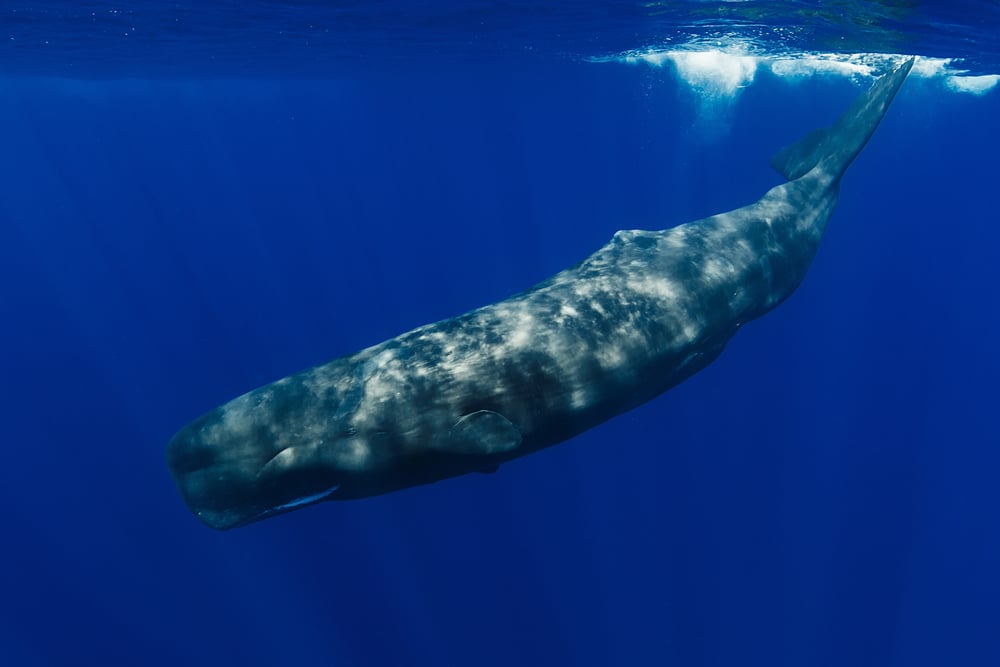
Sperm whales produce sounds reaching 230 decibels, making them technically the loudest animals on Earth.These clicks are powerful enough to stun giant squid prey and would be louder than a jet engine if heard in open air.
Interestingly, 19th-century whalers called them ‘carpenter fish’ because they could hear the loud knocking sounds through ship hulls.
Like Go2Tutors’s content? Follow us on MSN.
Blue Whales Sing Below Human Hearing

Blue whales produce some of the lowest-frequency sounds in the animal kingdom, often below the range of human hearing.These massive creatures, the largest animals ever, sing about thirteen distinct songs worldwide.
Researchers have noticed that blue whale songs have been getting deeper since the 1960s, though scientists aren’t sure why this frequency shift is occurring.
Whale Songs Travel Thousands of Miles

Whale songs can carry incredible distances through the ocean, sometimes traveling thousands of kilometers.Water conducts sound about 1,000 times farther than light underwater and more than four times faster than sound travels through air.
Low-frequency sounds travel the farthest because they’re less affected by water absorption, which is why blue whales can chat across entire ocean basins.
Only Male Humpbacks Sing Complex Songs
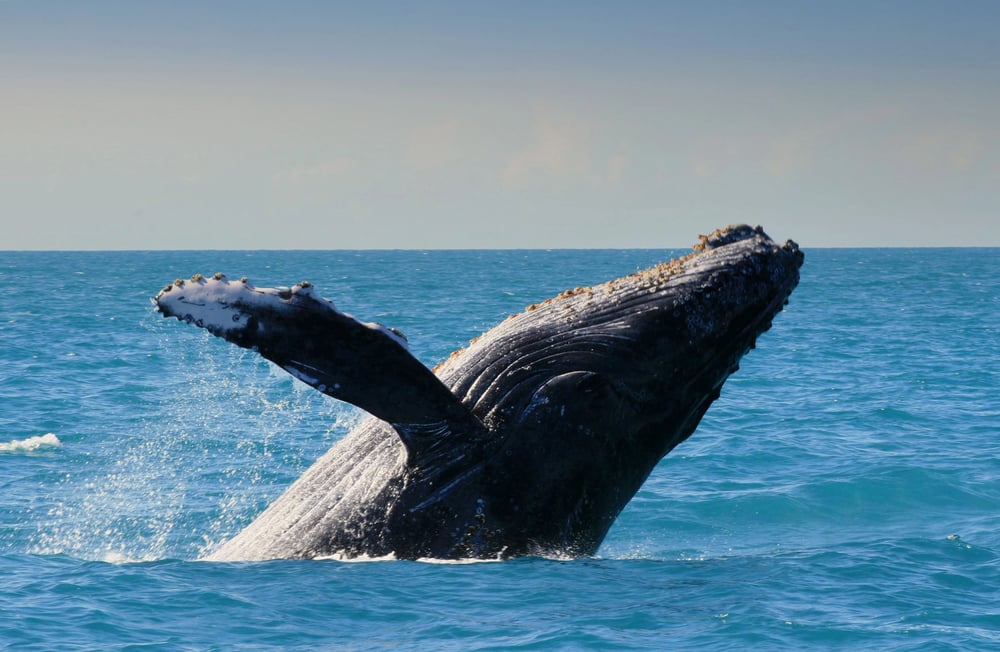
Only male humpback whales produce the complex, haunting songs we’re most familiar with, likely to attract females or compete with other males.In humpback populations, all males in a breeding area sing the same song, but this song can change completely within just one year.
Female humpbacks and calves make different sounds throughout the year, including grunts, groans, and cooing-like noises used for everyday communication.
Like Go2Tutors’s content? Follow us on MSN.
Whale Songs Change Like Hit Songs

Whale songs evolve over time like human music trends, with different species showing different rates of change.Scientists have discovered that whale populations from opposite sides of Africa meet in southern oceans to feed, where they ‘jam’ together and exchange musical elements, creating cultural transmission.
Humpback songs can transform completely in one year, while sperm whale dialects remain relatively stable over longer periods.
Whales Use Different Mechanisms to Make Sounds
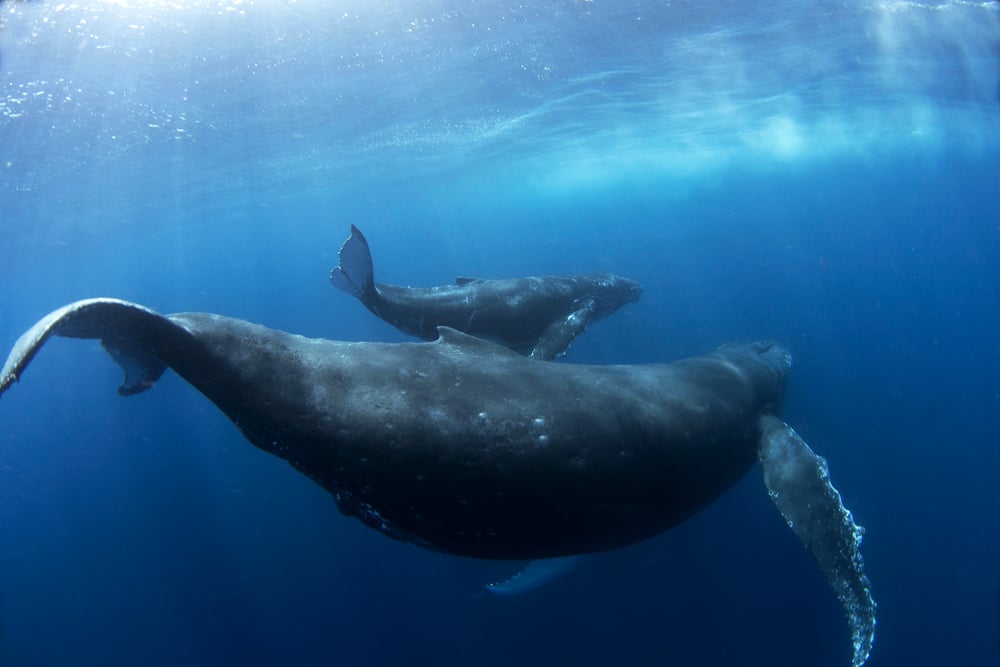
Baleen whales (like humpbacks and blues) use their larynx differently than toothed whales, blowing air through a U-shaped ridge of tissue that recycles air instead of using inhaled air.Toothed whales (including sperm whales and dolphins) create sounds by passing air through their nasal passages using vibrating tissue called phonic lips.
This difference explains why the two groups produce such distinct types of vocalizations.
Baby Whales Learn Songs Like Human Infants
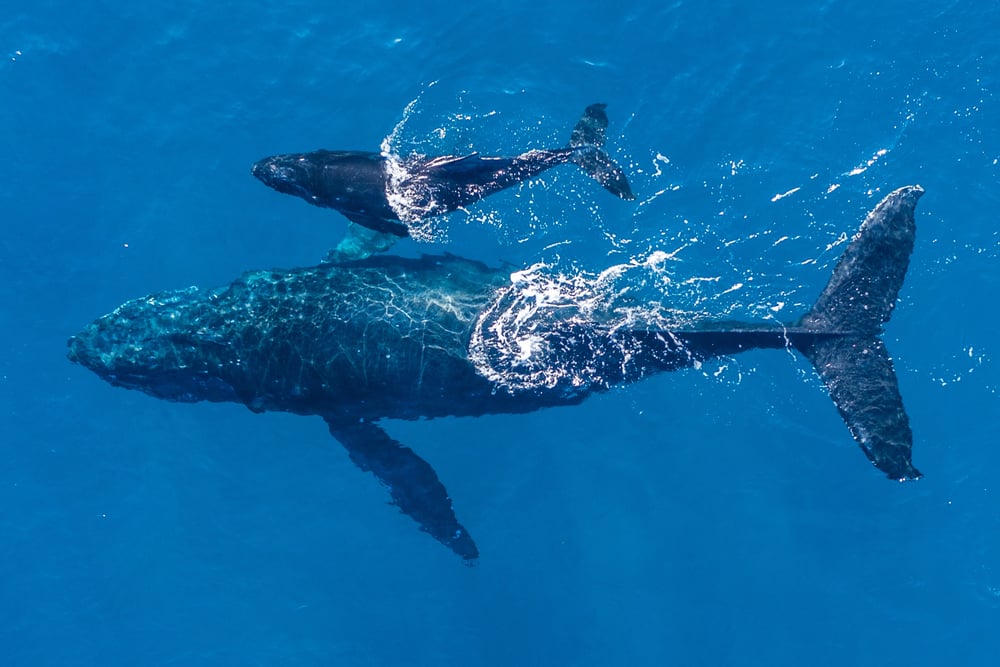
Scientists used methods inspired by how human babies learn language to analyze whale songs, discovering that whales may track statistical patterns in sounds to learn their communication systems.Researchers have recorded baby sperm whales making random clicks before gradually focusing on their family’s specific dialect, much like human infants babbling before forming words.
This learning process suggests whale communication is culturally transmitted rather than purely instinctual.
Like Go2Tutors’s content? Follow us on MSN.
Whale Songs May Serve as Echolocation

Some scientists propose that humpback whale songs might serve an echolocative purpose, though this theory remains controversial among researchers.The clicking sounds made by toothed whales are definitely used for navigation and hunting in dark ocean depths, allowing them to ‘see’ their environment through sound.
This dual purpose of communication and navigation makes whale vocalizations incredibly sophisticated multitool systems.
Whales Inspired the Conservation Movement

Roger Payne’s groundbreaking 1971 research documenting that whales could sing led directly to the Marine Mammal Protection Act and helped save several whale species from extinction.The famous ‘Songs of the Humpback Whale’ album released in 1970 became a bestseller and was even included on the Voyager spacecraft to represent Earth’s sounds to potential extraterrestrial life.
These recordings quickly influenced human musicians, with artists like Judy Collins incorporating whale songs into their music.
Whale Songs Have Musical Structures

Humpback whale songs contain individual ‘elements’ that combine into phrases, which string together into ‘themes’ that make up complete songs lasting up to 30 minutes.Male humpback whales have been described as ‘inveterate composers’ creating works that are ‘strikingly similar’ to human musical traditions.
Whale songs share patterns with human music rather than language, following statistical rules without expressing specific semantic meaning.
Like Go2Tutors’s content? Follow us on MSN.
Human Noise Pollution Disrupts Whale Communication

Shipping vessel sounds occur in the same frequency ranges as baleen whale songs, making it difficult for whales to communicate over long distances.Ocean noise pollution has increased by over 12 decibels since the mid-20th century, creating significant challenges for whale communication systems that evolved in quieter seas.
Understanding whale acoustics has become crucial for conservation efforts, helping scientists track whale movements and protect them from increasing underwater noise.
Whales May Add Musical Ornamentations
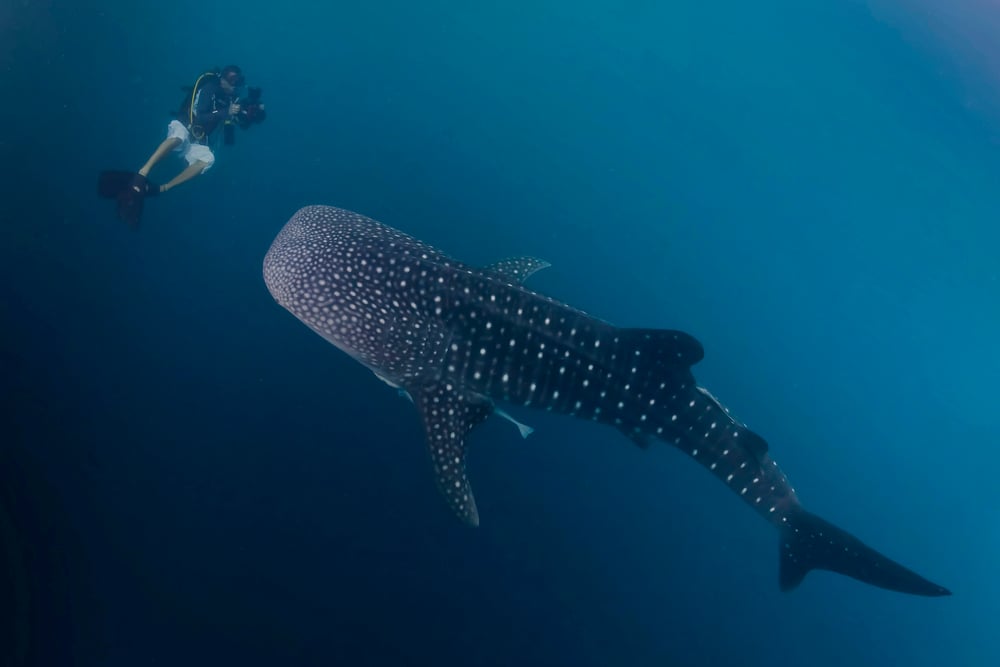
Sperm whales demonstrate a phenomenon called ‘rubato,’ changing the tempo of their click sequences when repeating them, with nearby whales responding by adjusting their own tempos.These intelligent creatures sometimes add extra clicks called ‘ornamentation’ to the end of their codas, similar to musical embellishments.
This suggests whale communication involves not just information exchange but also creative expression and social coordination.
The Mystery of Whale Aesthetics Remains Unsolved

Whether whales sometimes sing purely for aesthetic enjoyment or personal satisfaction remains ‘an untestable question’ according to scientists.While researchers know whale songs aren’t language in the human sense—they don’t refer to specific things like ‘Hey, there’s lots of krill over there’—the full meaning and purpose of these complex vocalizations continues to puzzle scientists.
The possibility that whales might create music for art’s sake adds another layer of mystery to these already fascinating creatures.
Like Go2Tutors’s content? Follow us on MSN.
Echoes from the Deep

The study of whale songs has revolutionized our understanding of animal intelligence and communication, revealing that the boundaries between human and non-human expression aren’t as clear as once believed.Rather than viewing human language as completely separate from other communication systems, scientists now recognize shared evolutionary solutions to the challenge of transmitting complex information through sound.
These discoveries from the ocean’s depths continue to challenge our assumptions about consciousness, culture, and the remarkable diversity of life on Earth.As researchers expand investigations into other culturally learning species like songbirds and elephants, whale songs may represent just the beginning of understanding how intelligence manifests across the animal kingdom.
More from Go2Tutors!

- 16 Historical Figures Who Were Nothing Like You Think
- 12 Things Sold in the 80s That Are Now Illegal
- 15 VHS Tapes That Could Be Worth Thousands
- 17 Historical “What Ifs” That Would Have Changed Everything
- 18 TV Shows That Vanished Without a Finale
Like Go2Tutors’s content? Follow us on MSN.



