14 Unusual Traditions of Royal Families in Asia
Royal families across Asia maintain traditions that would seem downright bizarre to outsiders. While European monarchies get most of the attention, Asian royals follow customs that blend ancient spirituality, elaborate ceremonies, and surprisingly modern philosophies.
These aren’t your typical crown-and-scepter routines. From emperors who plant rice paddies to kings who measure success by happiness instead of wealth, Asian monarchies operate on a completely different wavelength.
Here are 14 unusual traditions that show just how unique these royal families really are.
The Emperor Plants His Own Rice

Japan’s emperor personally plants rice in a special field within the Imperial Palace every May. Emperor Shōwa revived this modern ceremony in 1927, bringing back an ancient tradition.
The emperor handles every stage himself, from sowing seeds to planting seedlings and harvesting the grown plants. Some of this rice gets offered to the gods during the Niinamesai ritual in November, connecting the imperial family directly to Japan’s agricultural heritage and Shinto beliefs.
The Empress Raises Silkworms
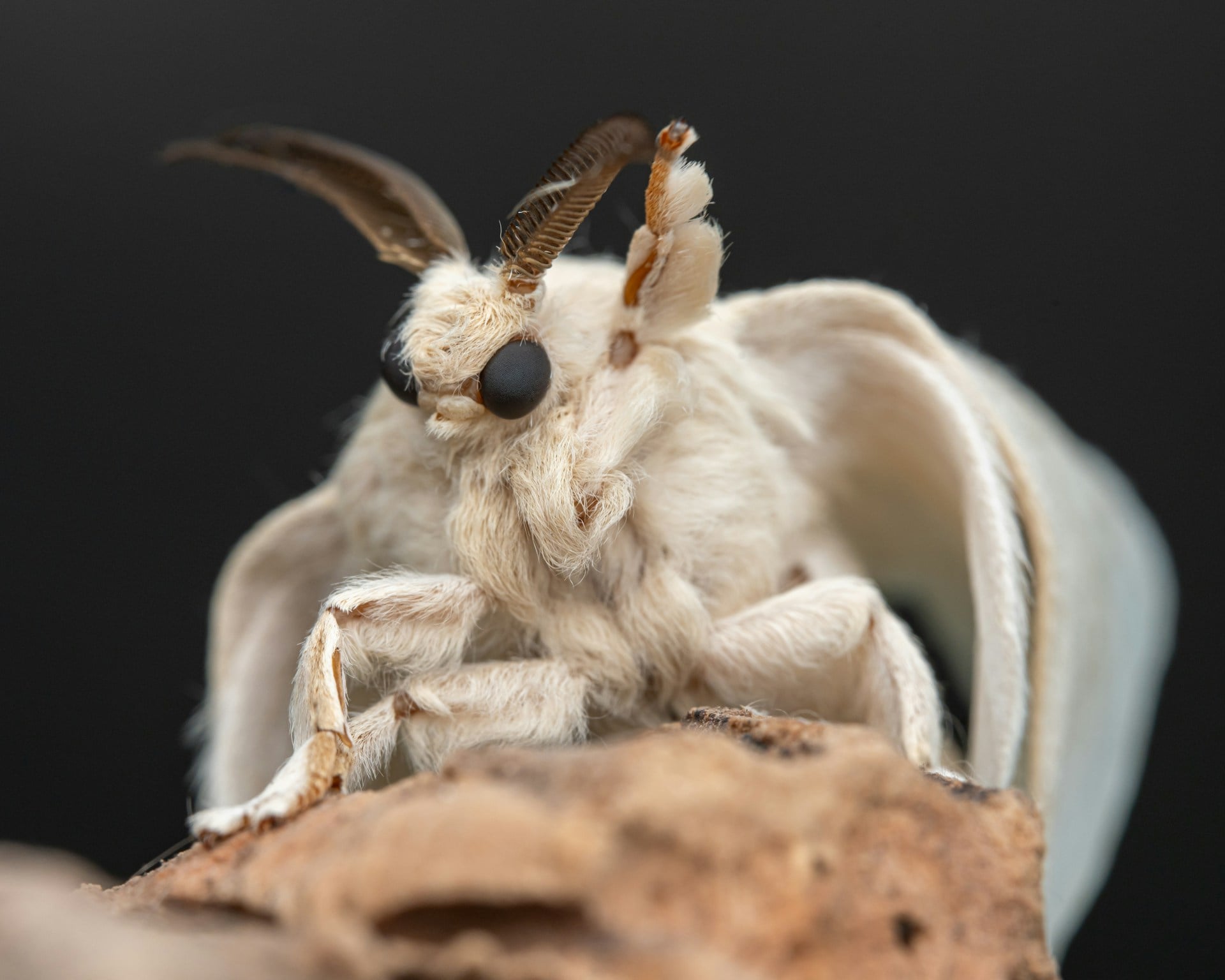
Japanese empresses have raised silkworms since 1871, tending them from spring through early summer. Empress Masako feeds these creatures and harvests their cocoons personally.
The silkworms are the species most closely related to those raised in ancient times, and their silk gets used to recreate classic textile works in the Shōsōin treasure house. It’s a hands-on tradition that keeps ancient craftsmanship alive through royal participation.
Sacred Oxen Predict the Harvest
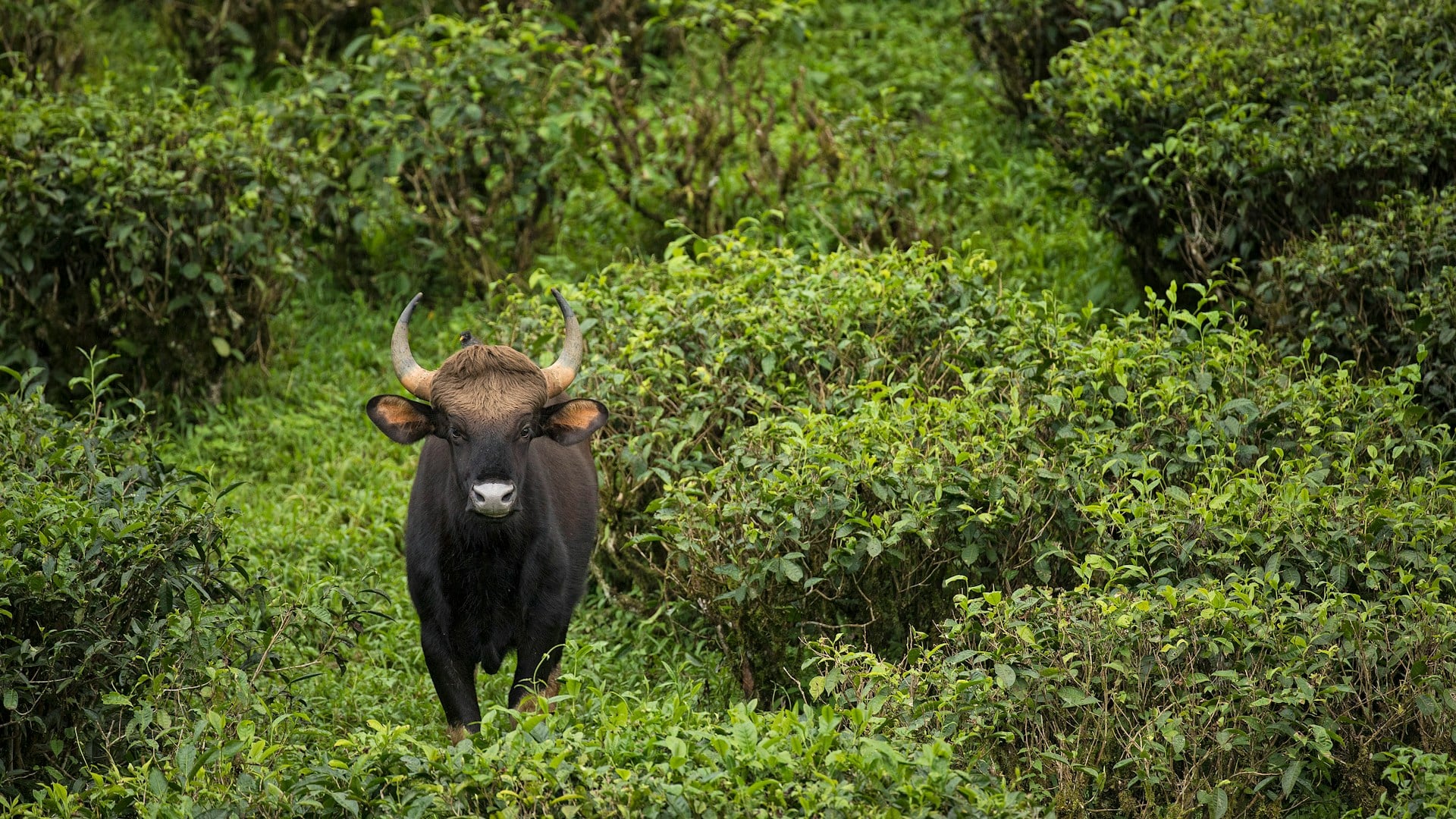
Thailand’s Royal Plowing Ceremony uses two sacred oxen to forecast the upcoming rice season. After the oxen plow a ceremonial furrow, court Brahmins scatter rice seeds while the animals get offered plates of rice, corn, beans, grass, water, and rice whisky.
Whatever the oxen choose to eat supposedly predicts which crops will thrive that year. This ancient rite marks the traditional beginning of the rice-growing season and has roots going back centuries.
Shadow Protocol in Japan

Female members of Japan’s imperial family observe symbolic court hierarchy where they traditionally avoid stepping on the emperor’s shadow. This reflects broader etiquette where women walk behind male family members and wait for them to exit vehicles first.
During press conferences, female royals are expected to speak less than their male counterparts. These behaviors demonstrate centuries of hierarchical customs that continue to shape imperial conduct today.
Malaysia’s Rotating Kingship

Malaysia has one of the world’s most unusual monarchy systems. The Yang di-Pertuan Agong, or Supreme Head of State, gets elected from nine hereditary state rulers and serves just five years before the position rotates to another sultan.
This system was established in 1957 when Malaysia gained independence, creating a truly unique constitutional arrangement where multiple royal families take turns leading the nation.
Funerals That Last Over 100 Days
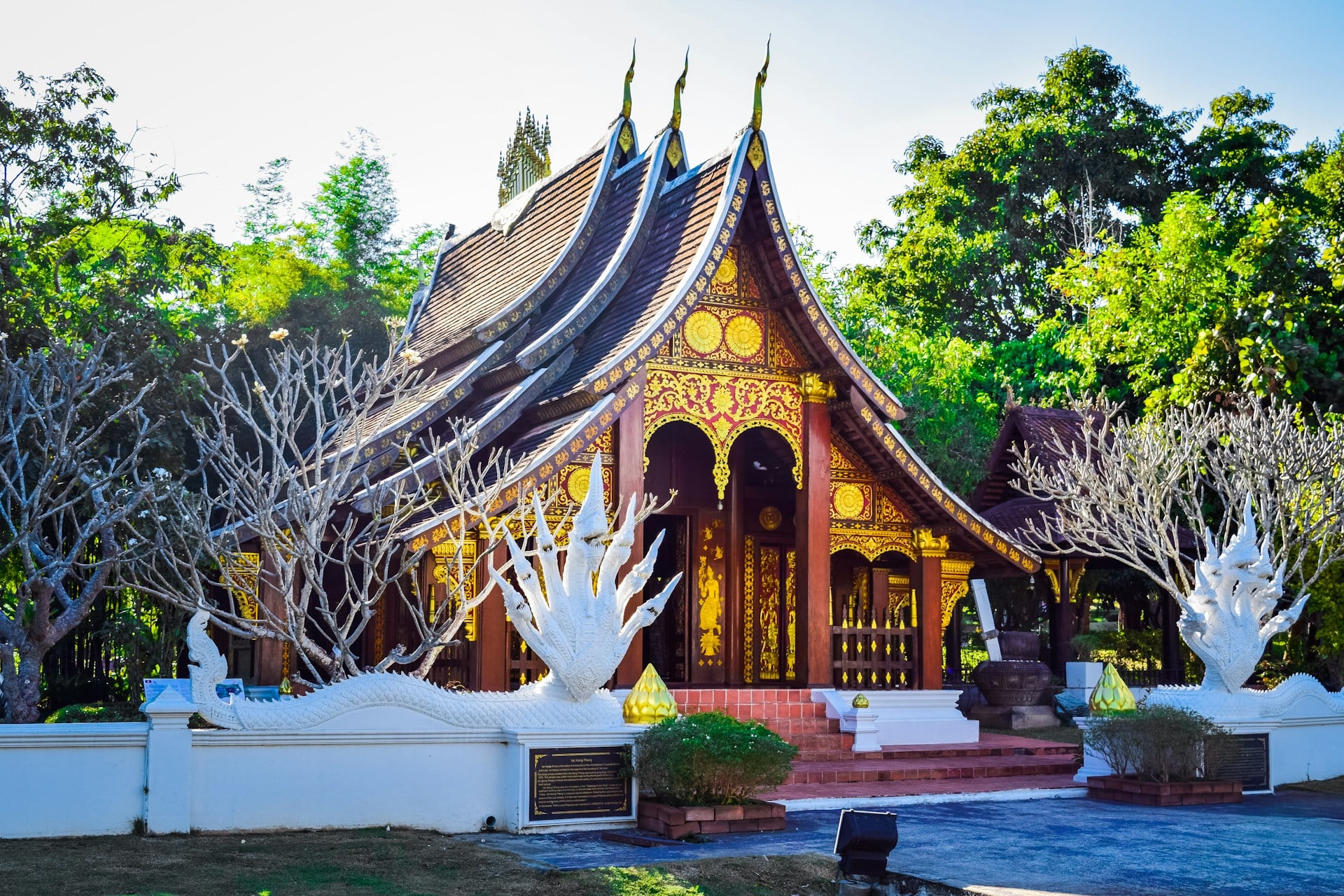
When high-ranking Thai royals pass away, their remains get placed in a special funerary urn called a kot instead of a coffin. The kot sits on display in a throne hall for at least 100 days, sometimes over a year, while Buddhist monks chant around-the-clock with daily rituals.
A tube runs from the kot to collect fluids as the body decomposes, which had to be masked by burning fragrant incense before modern embalming techniques.
Gross National Happiness Over GDP

Bhutan’s Fourth King introduced Gross National Happiness in 1972 as the country’s official development philosophy. Instead of measuring progress through economic growth alone, Bhutan tracks collective happiness through nine domains including psychological wellbeing, environmental conservation, and cultural preservation.
The GNH Commission uses screening tools to determine whether policies and projects should proceed based on their impact on national happiness. This philosophy became enshrined in Bhutan’s constitution in 2008.
The Emperor Has Dozens of Servants Per Royal

Japan’s imperial family employs over 1,000 staff members, working out to roughly 40-50 servants per royal. This includes a 24-piece traditional orchestra with 1,000-year-old instruments, 30 gardeners, 25 chefs, 40 chauffeurs, and 78 builders and electricians.
The emperor has four doctors on standby around the clock, five people managing his wardrobe, and 11 assisting with Shinto rites. There are even 30 archaeologists protecting the 895 imperial tombs and a dedicated silkworm breeder.
Sacred Water From 108 Sources
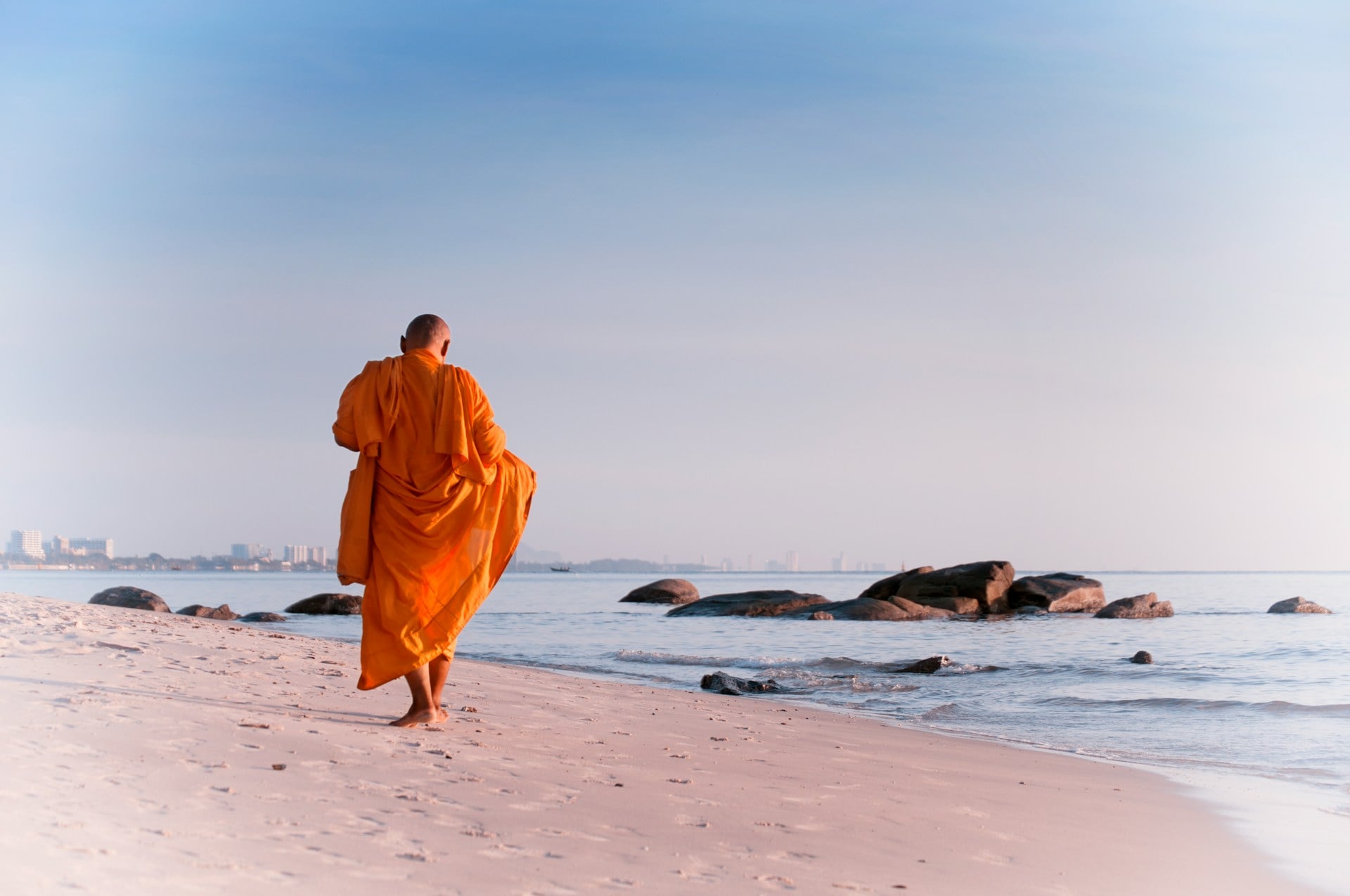
During Thai coronation ceremonies, the new king receives an elaborate purification ritual involving sacred water collected from 108 different sources across Thailand. This includes water from the four ancient ponds of Suphanburi and consecrated water from important Buddhist temples.
The king sits in a specially constructed pavilion while water gets poured over him from a canopy above, and members of the clergy, royal family, and government officials offer him water in small bowls as an act of blessing.
The King Visits Every Village
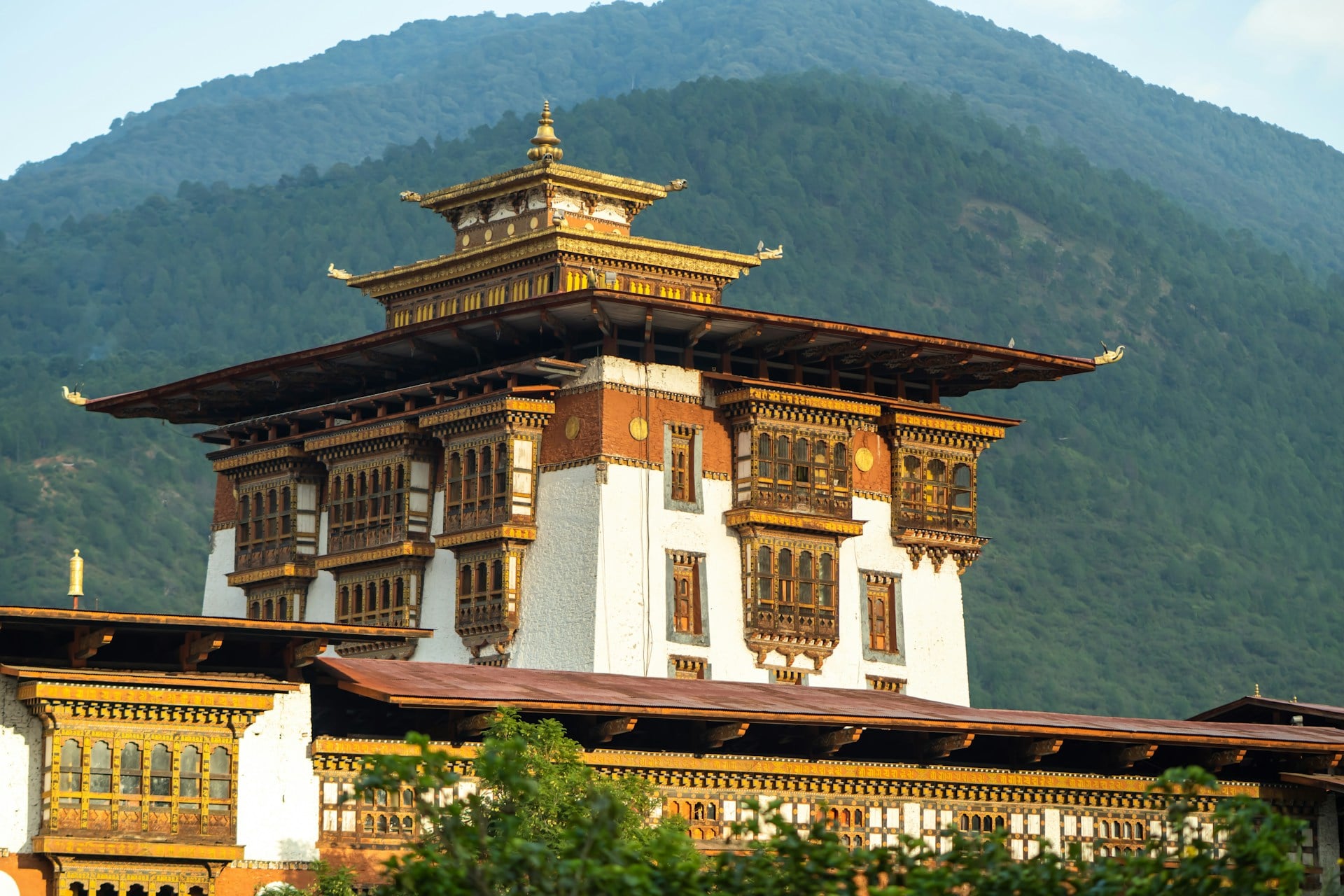
Bhutan’s King Jigme Khesar Namgyel Wangchuck, known as the People’s King, has traveled to every gewog (administrative block) in the country to meet villagers face-to-face. He hikes to remote communities in the mountains, guiding the nation through challenges while championing rural development and youth empowerment.
Unlike most monarchs who maintain distance from their subjects, this king literally walks among his people regularly. Nearly every home and business in Bhutan displays portraits of the royal family the way other nations hang national flags.
Royal Language Too Complex for Commoners
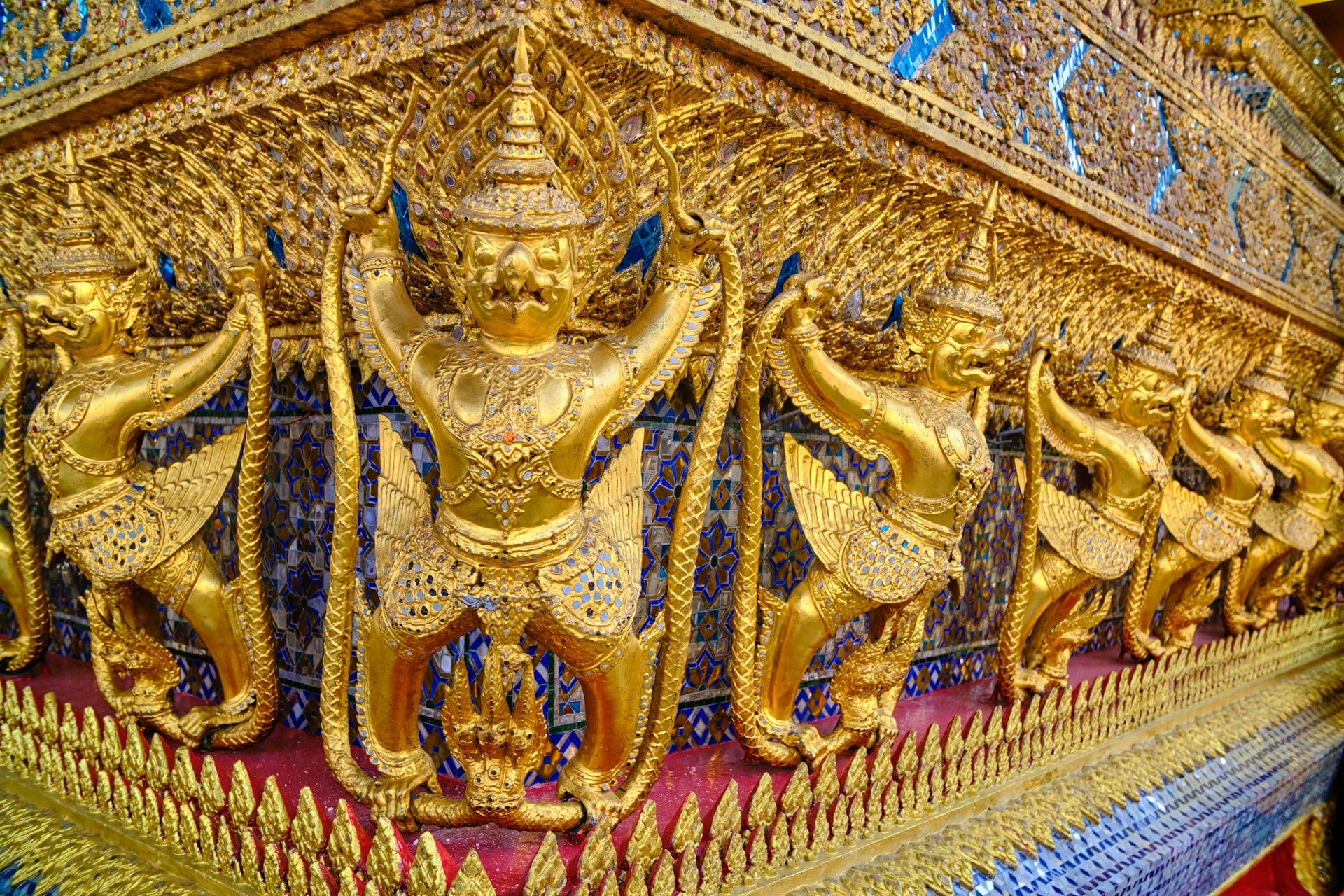
Thailand uses special polite language when discussing the royal family that’s so elaborate it requires translation for ordinary citizens to understand. When Queen Sirikit broke her ankle, the official royal communique had to be translated into simpler Thai so regular people could comprehend it.
This royal vocabulary represents centuries of linguistic evolution specifically designed to elevate the monarchy above everyday speech.
Three Sacred Treasures Never Seen
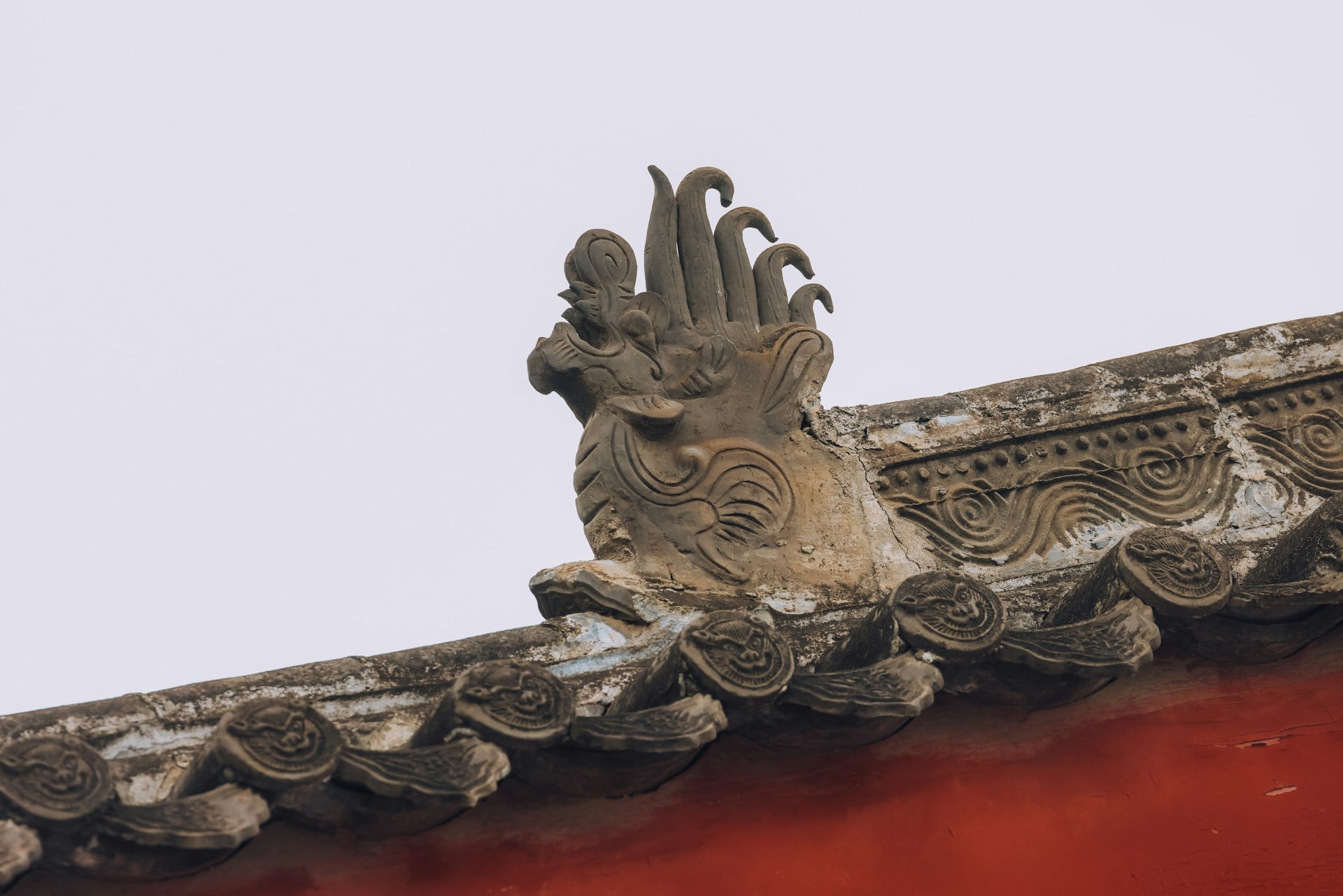
Japan’s imperial regalia consists of three sacred treasures supposedly passed down from the sun goddess Amaterasu: a sword, a mirror, and a jewel. These objects are kept at separate shrines and have never been seen by the public in modern times.
During enthronement ceremonies, the treasures are symbolically presented to the new emperor in a completely private ritual. These regalia represent the unbroken divine lineage and remain so sacred that even their exact appearance stays hidden from public view.
White Elephants as Royal Power Symbols
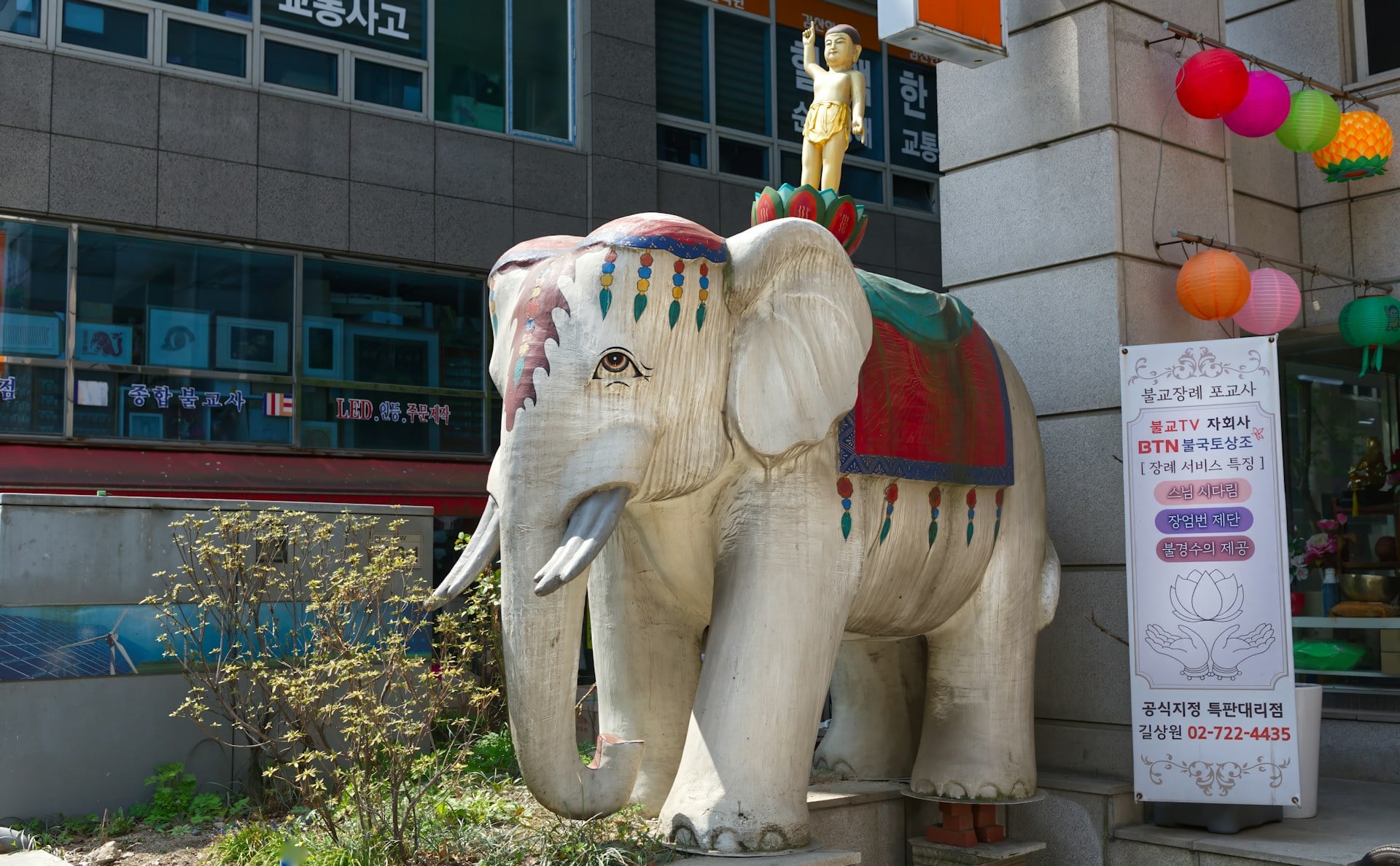
Thailand’s monarchy considers white elephants sacred symbols representing power, prosperity, and auspiciousness. The king keeps multiple white elephants, usually one representing each reign.
These rare animals hold such significance in Thai culture that they’re closely associated with royal authority. The current king maintains around 10 white elephants, and these living symbols of royal legitimacy remain an important part of Thai royal tradition.
Sword of Victory
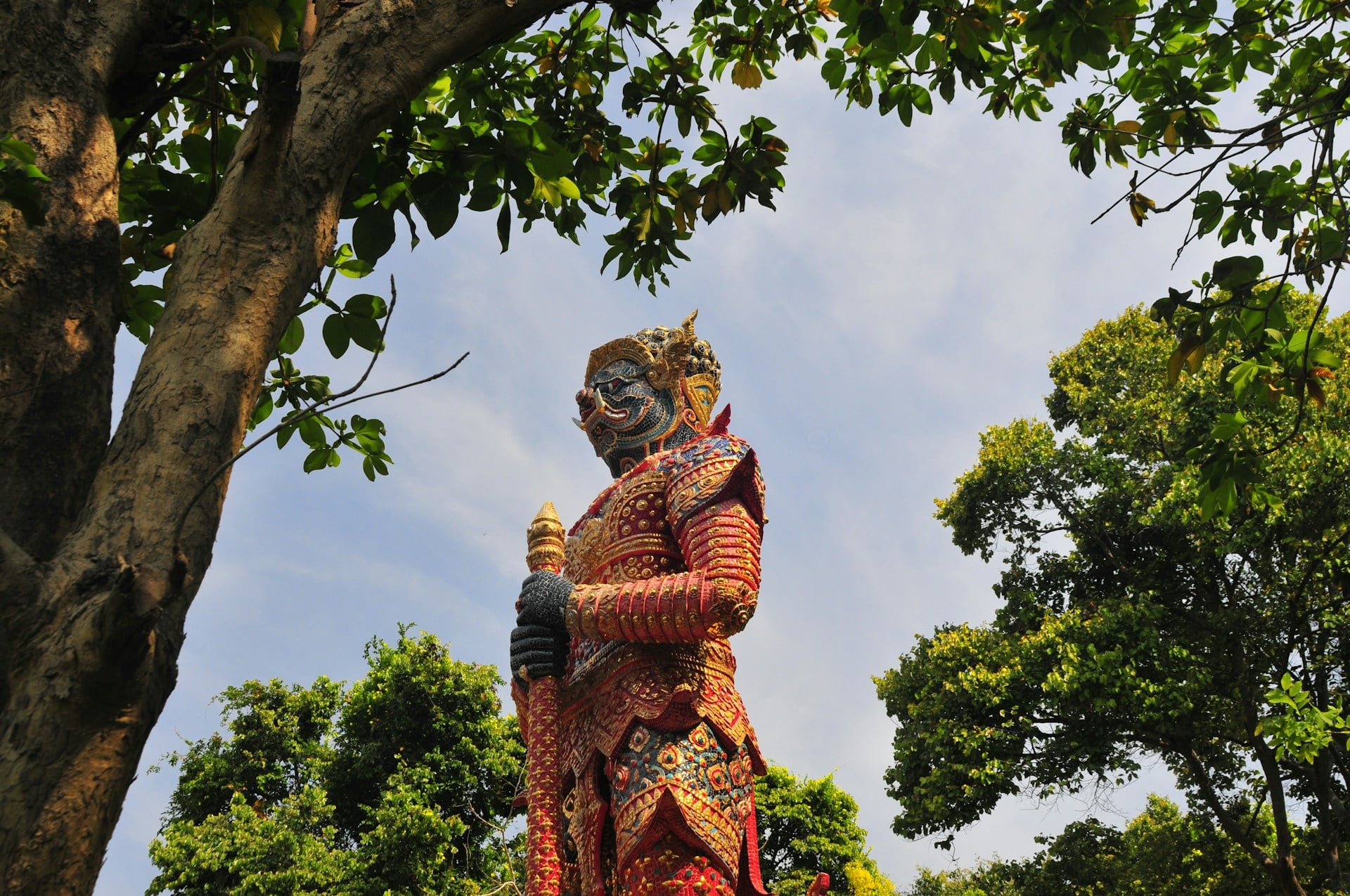
Thai kings receive the Sword of Victory during their coronation ceremony, a weapon discovered at Tonlé Sap in 1784 that represents military power. This sacred sword is part of the royal regalia created mostly during the reigns of King Rama I and Rama IV, after the previous set was lost when the Burmese sacked Ayutthaya in 1767.
The regalia is presently displayed in the Museum of the Grand Palace and is only used during the coronation ceremony at the beginning of each reign.
Keeping Tradition Alive Through Modern Times
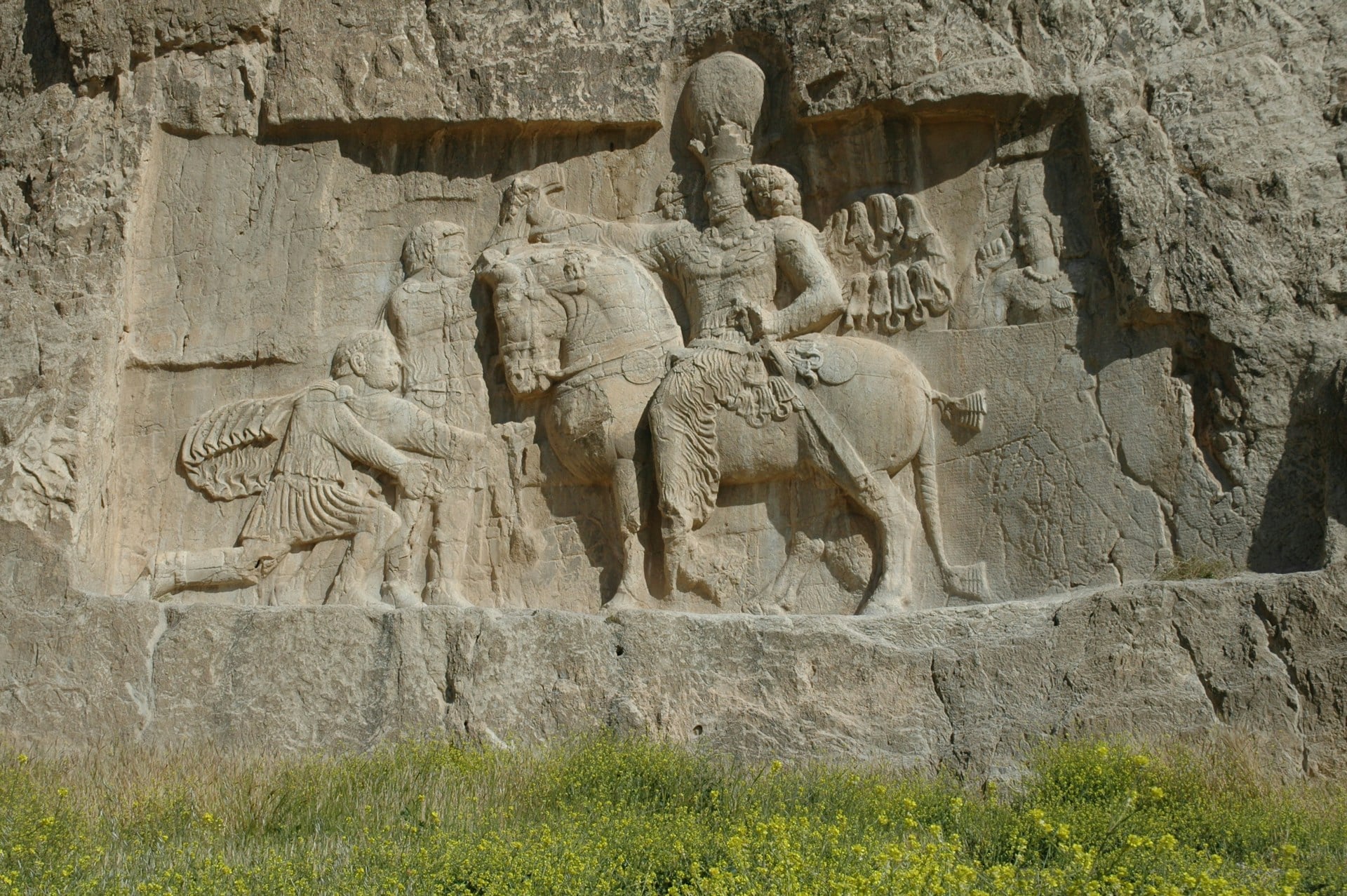
Asian royal families continue these unusual traditions even as their countries modernize rapidly. The ceremonies blend Hindu, Buddhist, and indigenous beliefs in ways that have evolved over centuries.
While some protocols seem restrictive by contemporary standards, they preserve cultural identity and provide stability in rapidly changing societies. These monarchies prove that ancient customs can coexist with democracy, technology, and modern governance when they’re rooted in genuine cultural significance rather than mere pageantry.
More from Go2Tutors!

- The Romanov Crown Jewels and Their Tragic Fate
- 17 Halloween Costumes Once Considered Taboo
- Famous Hoaxes That Fooled the World for Years
- 15 Child Stars with Tragic Adult Lives
- 16 Famous Jewelry Pieces in History
Like Go2Tutors’s content? Follow us on MSN.



