18 Movies That Made People Leave The Theatre
Stories on screen usually pull you in, one moment after another. Still, a few do just the reverse – without falling short, mind you.
Instead, they press so hard that watching becomes almost too much. It might be their raw force, awkward truths, or wild turns nobody sees coming.
Each one challenges how long an audience will stay seated, eyes open, breath held. Leaving a theater doesn’t mean the film failed.
It might hit too hard, arrive too fast, or unfold in ways that freeze thought instead of guiding it. A person stands up because their mind has already left ten minutes ago.
Here’s a closer look at 18 films that became known for making audiences leave before the credits rolled.
The Exorcist
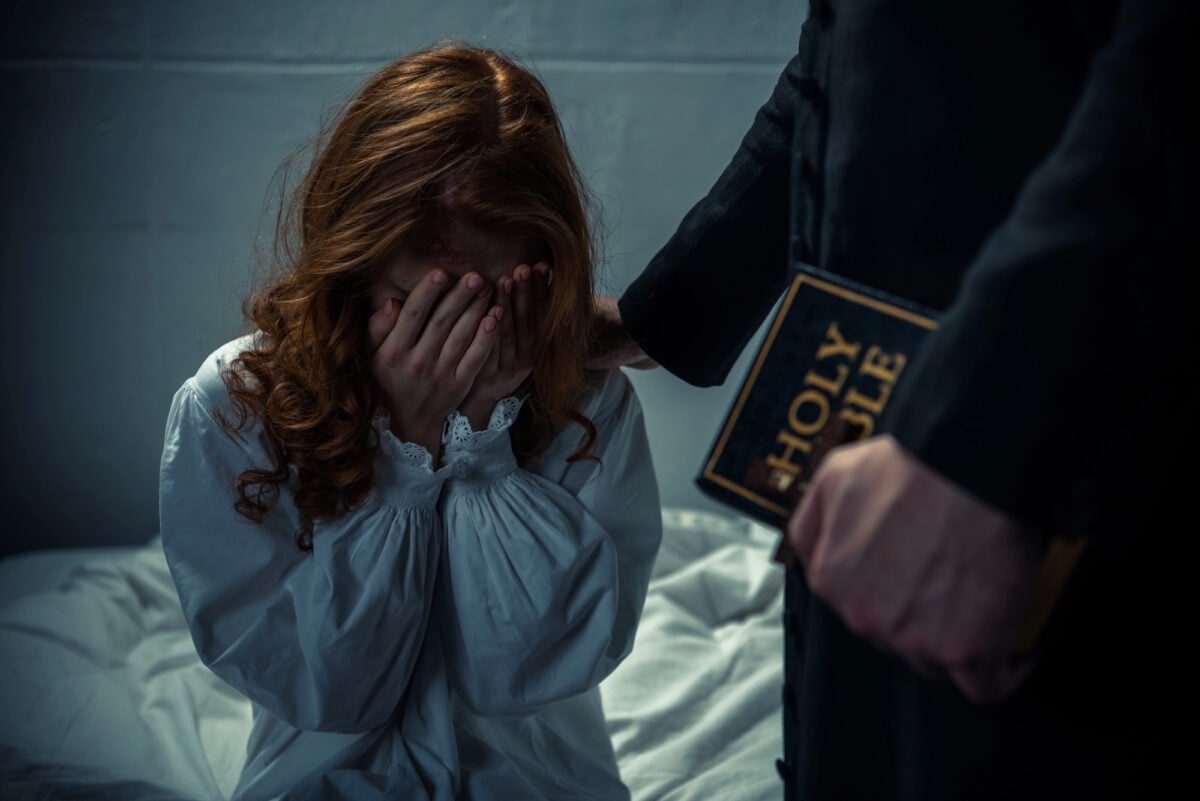
That opening night in 1973 wasn’t just another movie premiere – people reacted like something had shifted. Walkouts happened more than once because the scenes hit too close, almost lifelike in their dread.
Instead of relying on wild effects, it leaned into quiet unease, making escape feel impossible. Still, its mark on culture stuck around long after credits rolled.
Horror turned inward that year, showing terror lives in the mind first.
A Clockwork Orange

Stanley Kubrick’s A Clockwork Orange challenged audiences with its portrayal of violence and control. The film’s stylized presentation made its content even more unsettling, creating a strange contrast that many found difficult to sit with.
Some viewers walked out, not because they didn’t understand it, but because they did. Still, its influence on cinema and culture remains significant.
It continues to provoke discussion decades later.
The Blair Witch Project

The Blair Witch Project introduced a style that felt almost too real for comfort. Its handheld footage and minimal structure created a sense of unease that built gradually rather than relying on sudden moments.
For some viewers, the constant tension became overwhelming, leading them to leave early. Even so, the film’s success reshaped the horror genre.
It showed how suggestion could be more powerful than spectacle.
Irreversible
Irreversible is often cited as one of the most difficult films to watch. Its reverse narrative structure and intense scenes create a disorienting and emotionally heavy experience.
Many viewers found the content too distressing, leading to walkouts during screenings. Still, the film’s intention was to confront rather than entertain.
That approach ensured it would leave a lasting impression, whether appreciated or avoided.
The Passion Of The Christ

Mel Gibson’s The Passion of the Christ drew strong reactions for its graphic depiction of its subject matter. The intensity of certain scenes led some viewers to leave theatres, unable to continue watching.
Even so, the film resonated deeply with others, becoming a major success. It highlighted how deeply personal reactions to film can be.
What is meaningful for some can be overwhelming for others.
Antichrist

Lars von Trier’s Antichrist is known for its unsettling atmosphere and challenging themes. The film blends psychological tension with moments that many viewers found difficult to watch.
Its deliberate pacing adds to the discomfort, allowing scenes to linger longer than expected. Still, it remains a significant work within its genre.
Its reputation alone is often enough to prepare—or deter—audiences.
Mother!

Mother! divided audiences almost immediately upon release. Its symbolic storytelling and escalating tension created a viewing experience that felt chaotic and intense.
Some viewers left theatres as the film became more overwhelming, unsure of what they were watching. Even so, its bold approach sparked conversation and analysis.
It’s a film that demands interpretation rather than offering clear answers.
The Texas Chain Saw Massacre
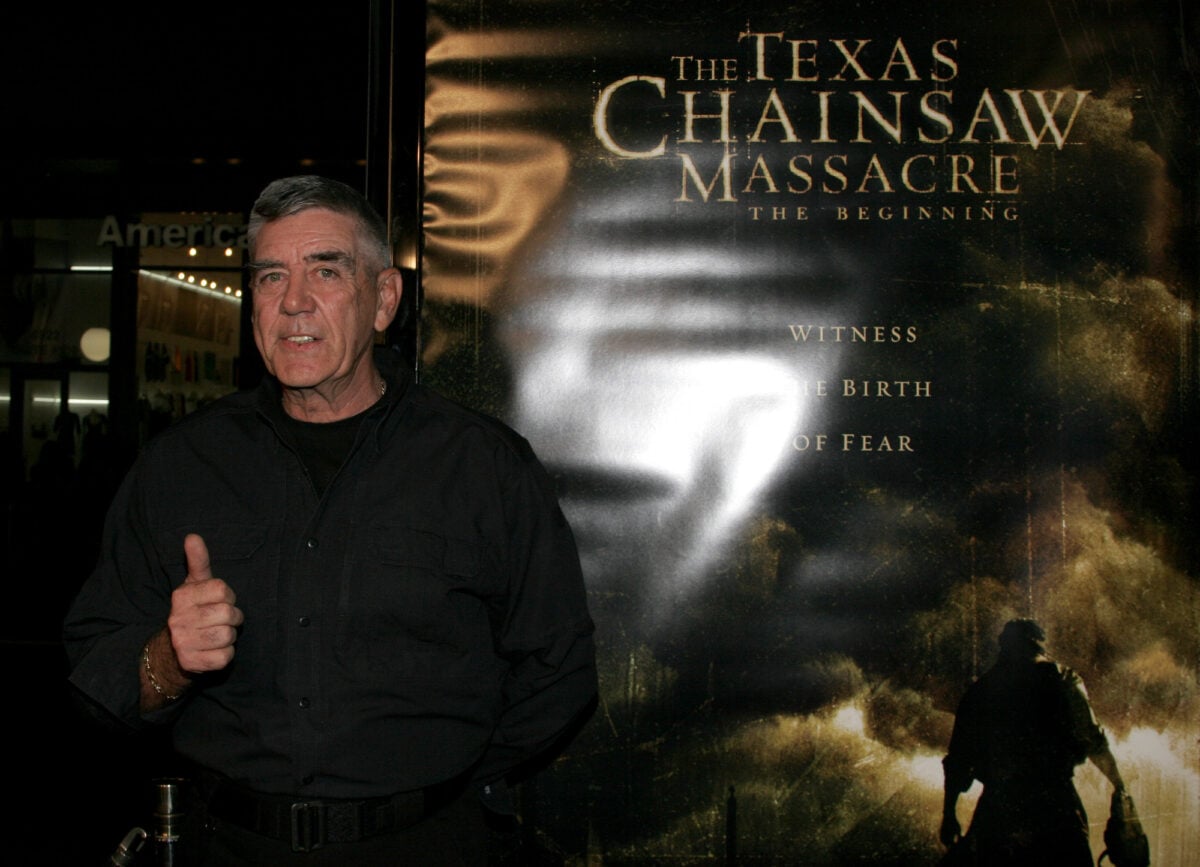
When The Texas Chain Saw Massacre first appeared, it shocked audiences with its raw and relentless tone. The film’s gritty style made it feel disturbingly real, amplifying its impact.
Many viewers weren’t prepared for that level of intensity. Still, it became a defining moment in horror cinema.
Its influence can be seen in countless films that followed.
Enter The Void

Gaspar Noé’s Enter the Void offers a visually immersive experience that can be difficult to process. Its unique perspective and extended sequences create a sense of disorientation.
Some viewers found the style overwhelming, leading to walkouts during screenings. Even so, the film stands out for its ambition.
It prioritizes experience over traditional storytelling.
Joker

Joker sparked strong reactions for its portrayal of isolation and psychological decline. While widely praised, some viewers found its tone too heavy or unsettling.
The film doesn’t offer easy relief, maintaining a steady intensity throughout. Still, its impact on audiences and culture was immediate.
It showed how a character study could resonate on a large scale.
The Human Centipede
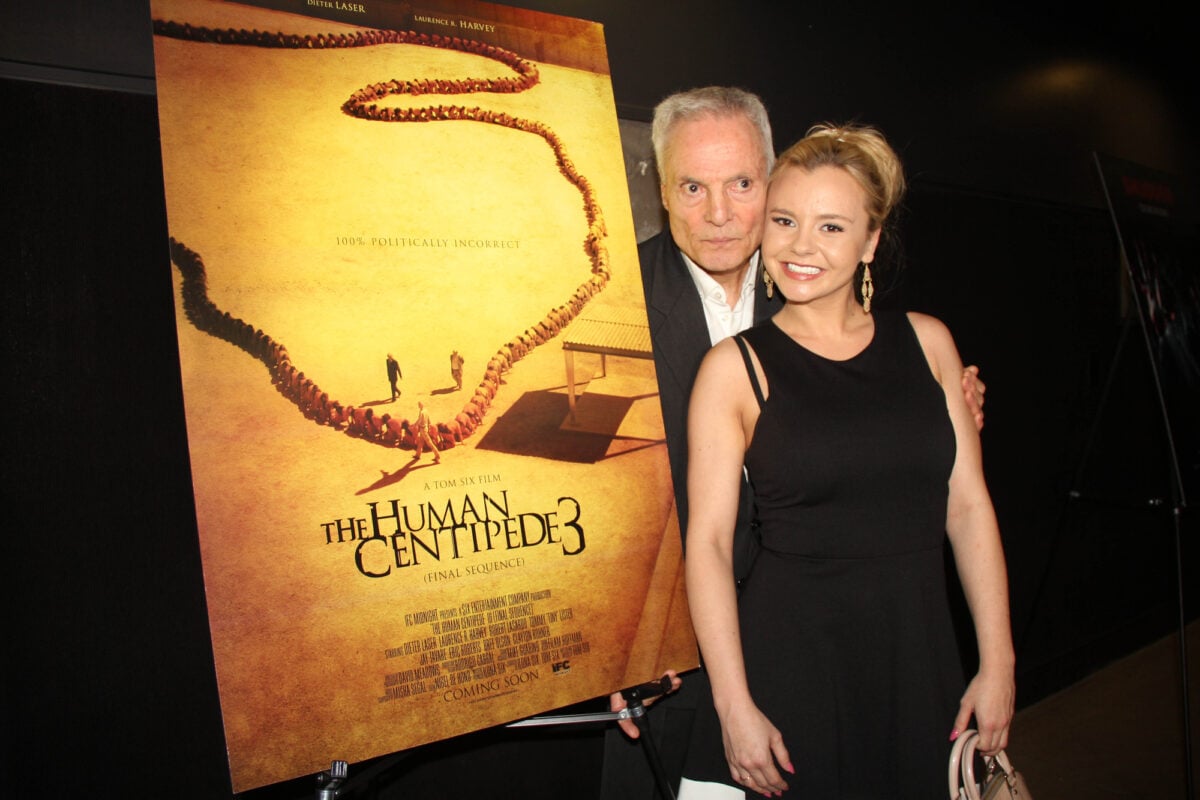
Few films have gained notoriety as quickly as The Human Centipede. Its premise alone was enough to deter many viewers, while others left theatres after realizing what the film involved.
The shock factor became its defining feature. Even so, it remains a cultural reference point for extreme cinema.
Its reputation often precedes it.
Requiem For A Dream

Requiem for a Dream is known for its intense portrayal of addiction and its consequences. The film builds steadily toward a conclusion that many viewers find emotionally overwhelming.
Some chose to leave rather than experience its full impact. Still, it’s widely regarded as a powerful piece of storytelling.
Its ability to evoke strong reactions is part of its legacy.
Paranormal Activity
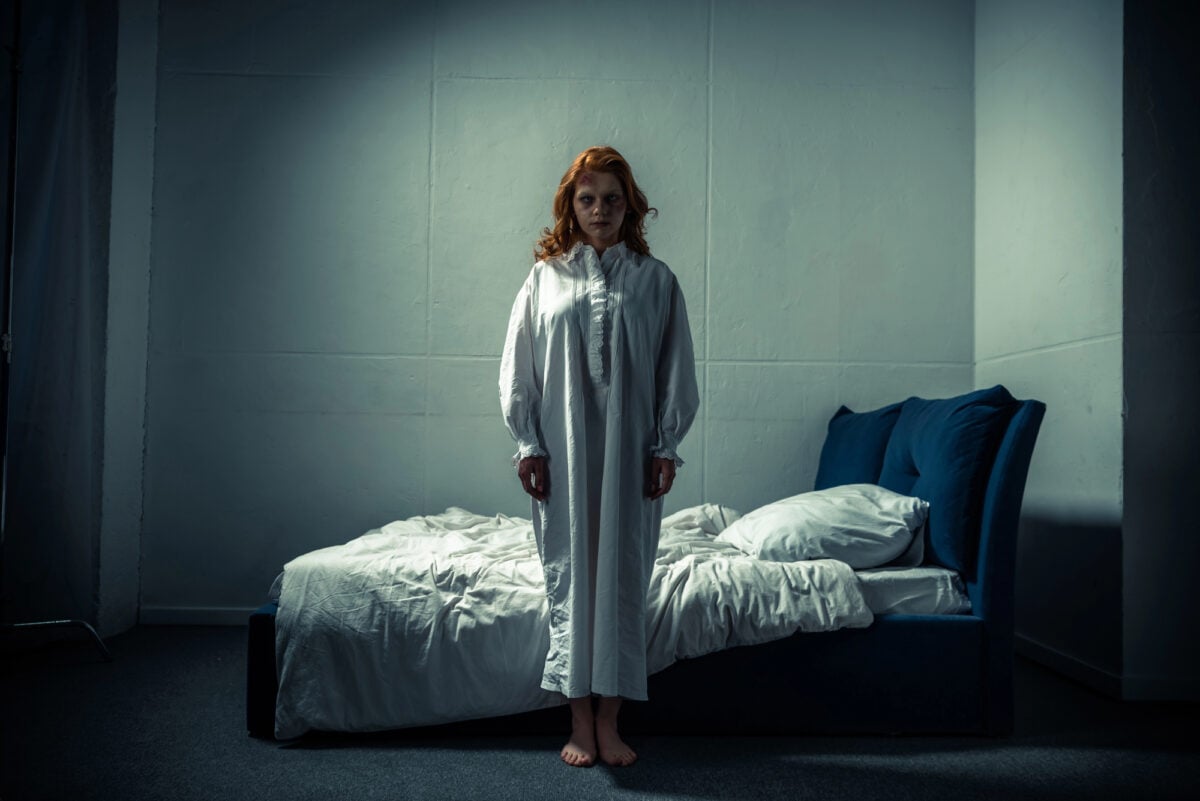
Paranormal Activity relied on subtle tension rather than obvious spectacle. Its slow build created a sense of dread that lingered throughout the film.
For some viewers, that sustained tension became too much. Even so, the film’s success proved the effectiveness of minimalism in horror.
It turned everyday settings into something unsettling.
The Witch
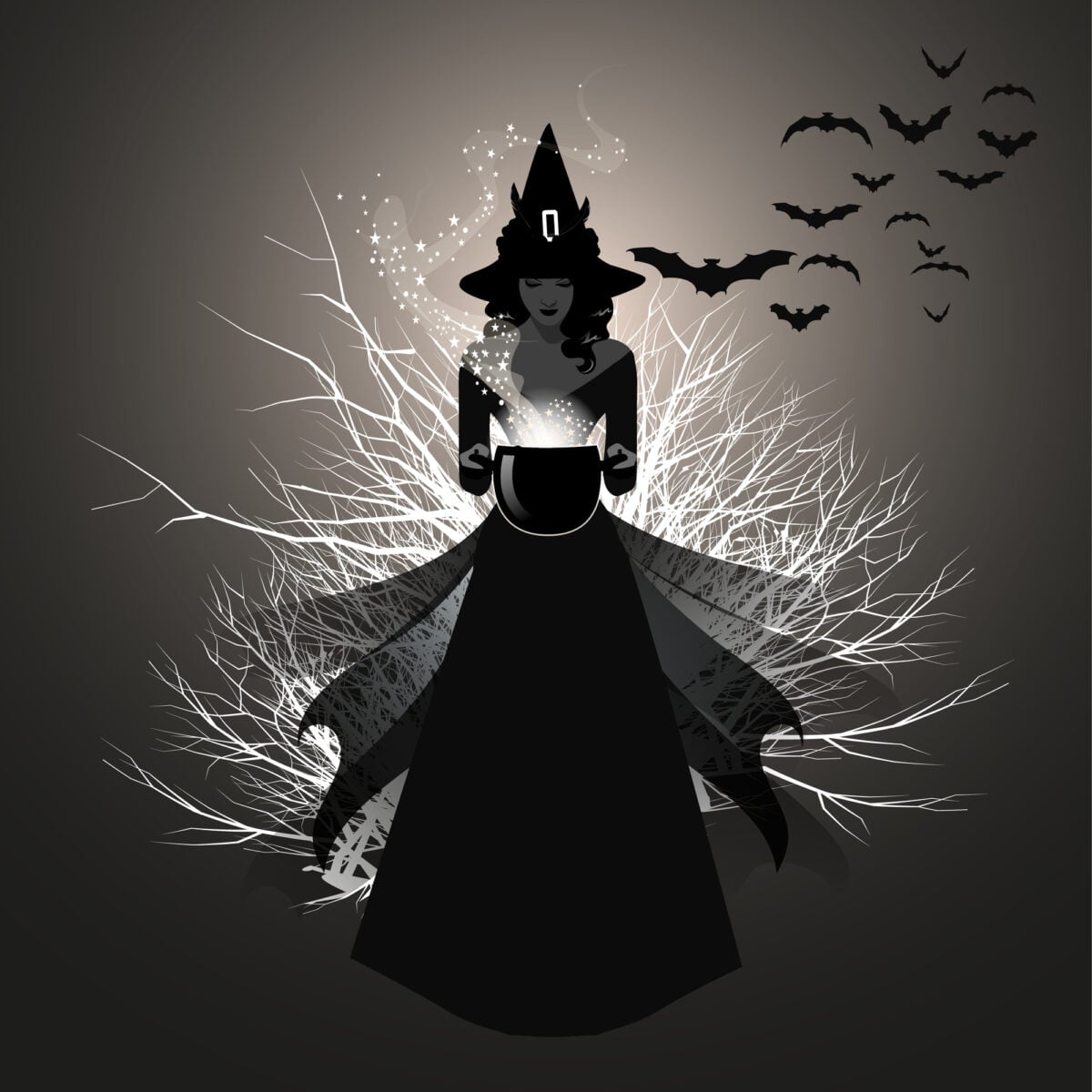
The Witch offers a slow, atmospheric approach to horror that focuses on unease rather than action. Some viewers found its pacing challenging, leading to walkouts driven more by discomfort than fear.
Still, its commitment to tone and detail earned it critical acclaim. It stands as an example of how restraint can be just as impactful as intensity.
Funny Games

Funny Games intentionally challenges its audience by breaking conventional storytelling rules. Its approach can feel confrontational, almost as if it’s addressing the viewer directly.
This led some to leave theatres, unwilling to engage with its tone. Even so, its purpose was to provoke thought rather than comfort.
It remains one of the most discussed films of its kind.
The Lighthouse

The Lighthouse combines striking visuals with a deeply unsettling atmosphere. Its dialogue, pacing, and psychological focus create a unique viewing experience.
Some viewers found it difficult to follow or sit through, leading to early exits. Still, its artistic approach has been widely praised.
It’s a film that values mood as much as narrative.
Raw

Stillness filled rooms where people once laughed. A single scene reshaped what audiences expected from screen stories.
Though some walked out, others sat frozen, eyes locked. Transformation here felt less like change, yet more real than most dramas claim.
Praise arrived slowly at first, then poured in without pause. What looked uncomfortable became unforgettable.
Not every viewer stayed, but those who did carried something after.
Hereditary

What sticks isn’t jump scares but the quiet dread that settles in slowly. Some viewers walked out – not because they feared blood, but because pain felt too familiar.
Grief shapes every frame, turning a house into something heavier than walls and wood. Respect grew over time, even among those who once dismissed horror as shallow.
Long after the credits fade, unease remains, like a note played just below hearing.
When Films Push Too Far
Stories such as these show what happens when tales stop holding back. Not because they aim to shock, but because they push past familiar edges.
Reactions flare up, not always comfortable ones. Leaving your seat might mean discomfort – yet also recognition.
The screen holds a mirror, even when you turn away. Tension lingers now just as it did before.
While creators test new moods and ideas, what feels gripping to one person might feel too much to another – lines shift without warning. Watching these movies brings back a simple truth: comfort is not the goal of every story on screen, often the moments that push hardest are also the ones you remember most.
More from Go2Tutors!

- The Romanov Crown Jewels and Their Tragic Fate
- 13 Historical Mysteries That Science Still Can’t Solve
- Famous Hoaxes That Fooled the World for Years
- 15 Child Stars with Tragic Adult Lives
- 16 Famous Jewelry Pieces in History
Like Go2Tutors’s content? Follow us on MSN



