Mall stores that vanished without a trace
Shopping malls used to be the heartbeat of American retail, packed with stores that seemed like they’d be around forever. Kids begged their parents for trips to the mall, teenagers hung out at the food court, and families spent entire Saturdays browsing through their favorite shops.
But somewhere along the way, many of those beloved stores quietly disappeared, leaving behind nothing but memories and empty storefronts. Let’s take a walk down memory lane and revisit the stores that once dominated mall corridors across the country.
These weren’t just places to shop—they were destinations.
Borders
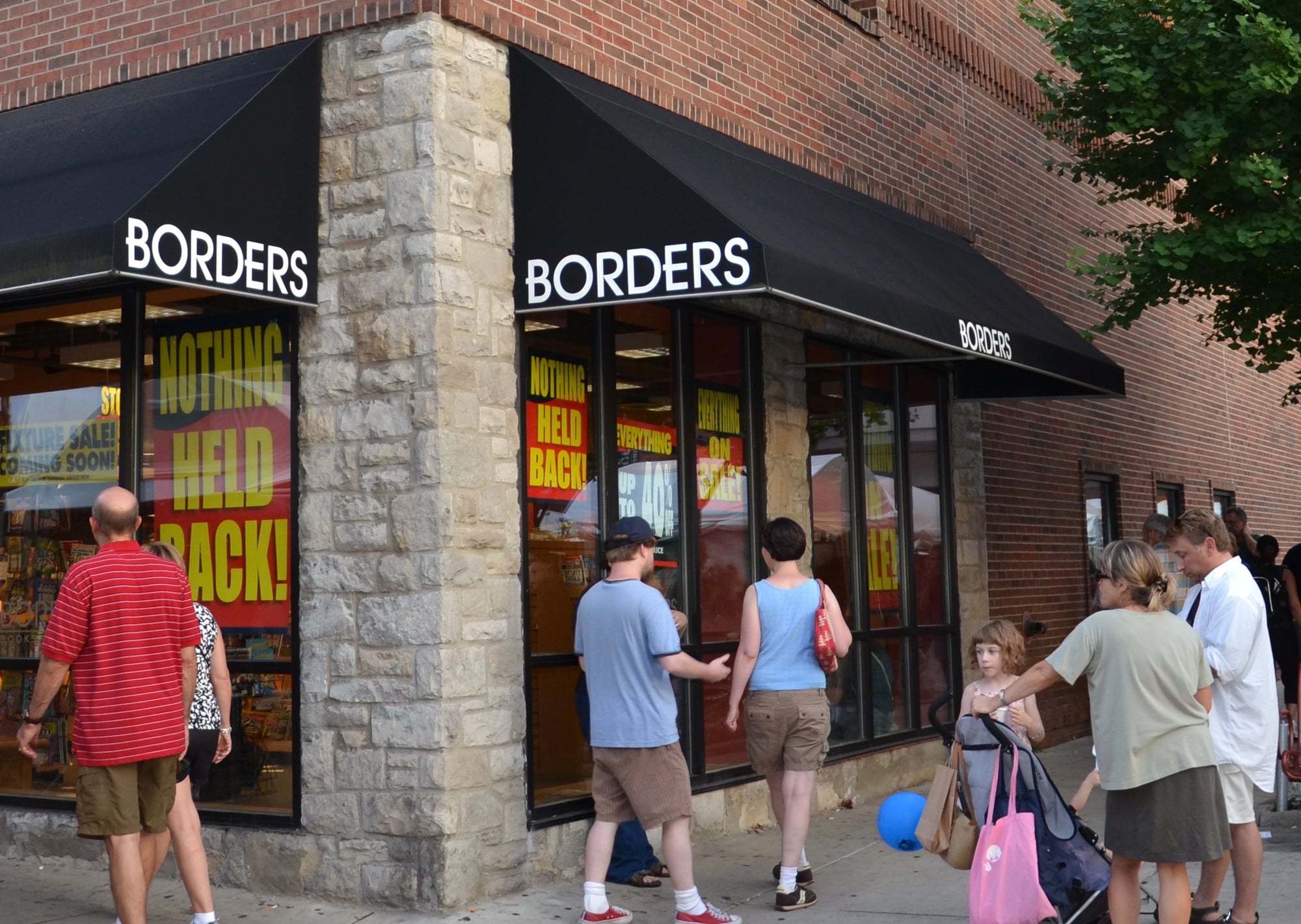
The bookstore chain competed with Barnes & Noble for years before closing all 399 stores in 2011. Borders had comfortable chairs, a solid music section, and that coffee shop smell that made browsing feel like an event.
The company made some bad bets on inventory and failed to adapt quickly enough to digital reading, which cost them dearly. Walking into Borders on a weekend afternoon meant escaping into worlds of books, CDs, and magazines for hours.
Waldenbooks
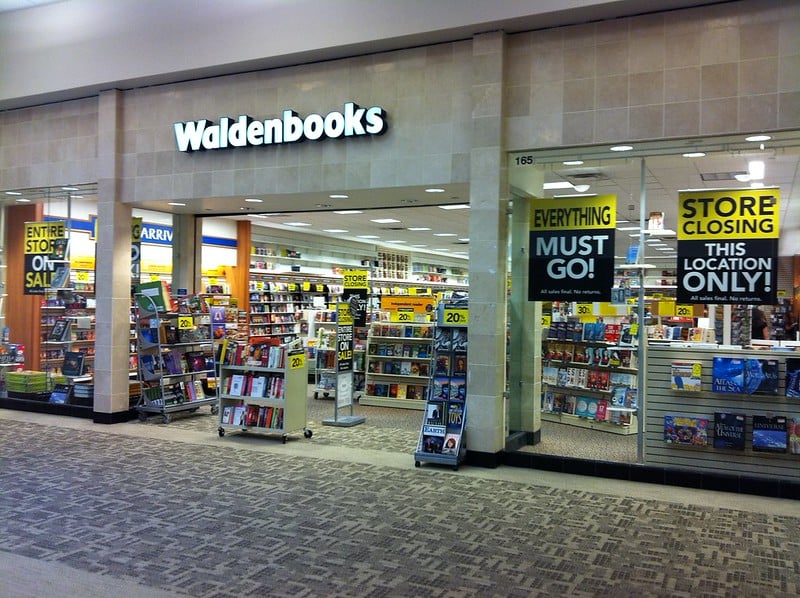
This smaller bookstore was a mall staple for decades before Borders Group shut it down in 2011. Waldenbooks focused on bestsellers and popular titles, making it perfect for grabbing a paperback before a long trip.
The stores were compact compared to the big-box bookstores but always managed to pack in an impressive selection. Many people bought their first Stephen King novel or Sweet Valley High book at a Waldenbooks counter.
Sam Goody
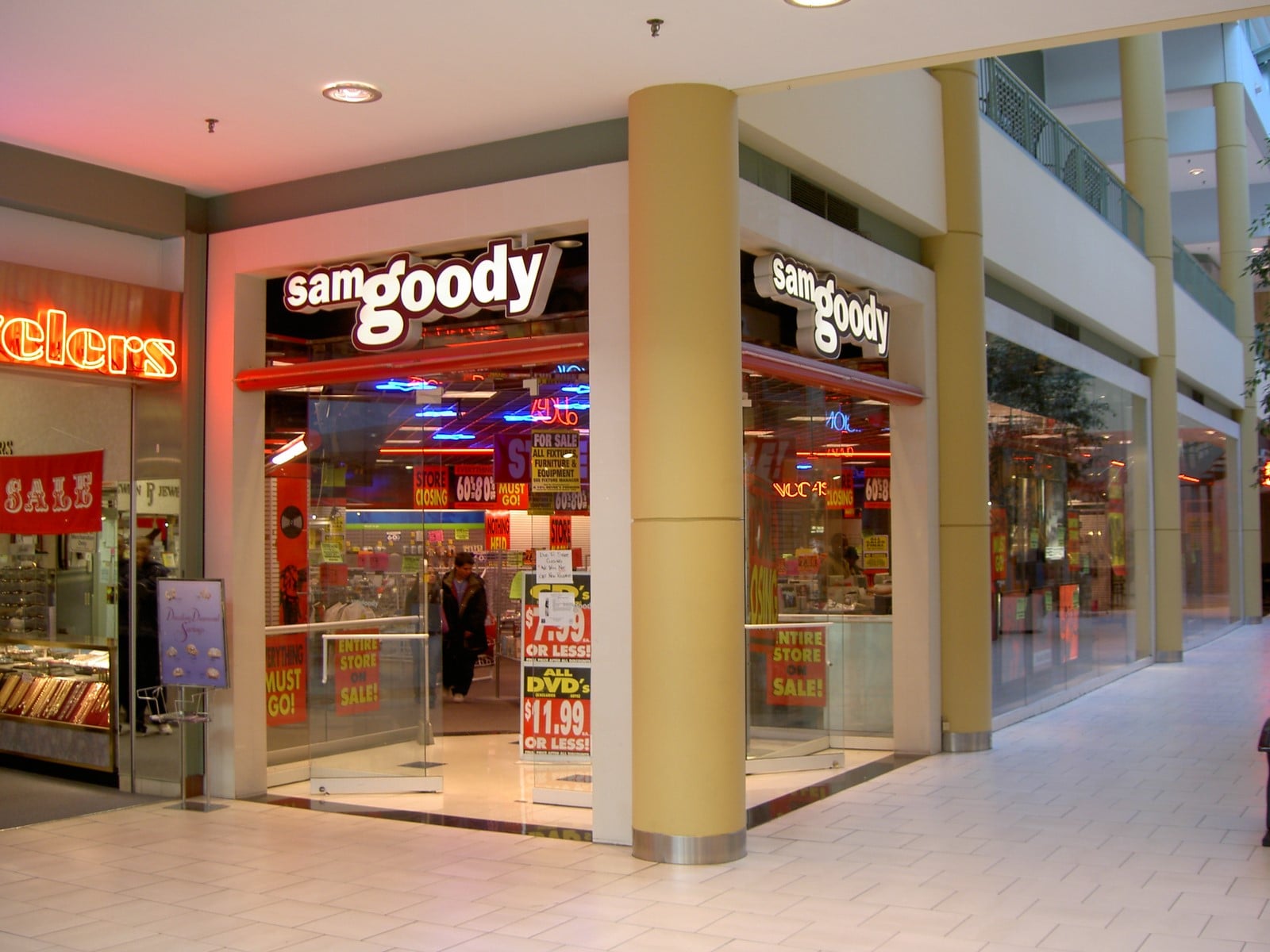
The music and entertainment retailer disappeared in the late 2000s as digital downloads killed the physical media business. Sam Goody sold CDs, cassettes, VHS tapes, and later DVDs, becoming the go-to spot for the latest album releases.
Employees often knew every genre inside and out and could recommend obscure bands that weren’t getting radio play. The store’s listening stations let customers preview albums before buying, which felt revolutionary at the time.
The Limited
This women’s clothing store was everywhere in the 1980s and 1990s before shuttering its standalone locations in 2017. The Limited offered professional work clothes and casual wear that felt sophisticated without being stuffy.
The brand’s founder, Leslie Wexner, built a retail empire that included Victoria’s Secret and Bath & Body Works, but The Limited itself couldn’t keep up with fast fashion competitors. Those distinctive shopping bags with the store’s logo were once status symbols in themselves.
Structure
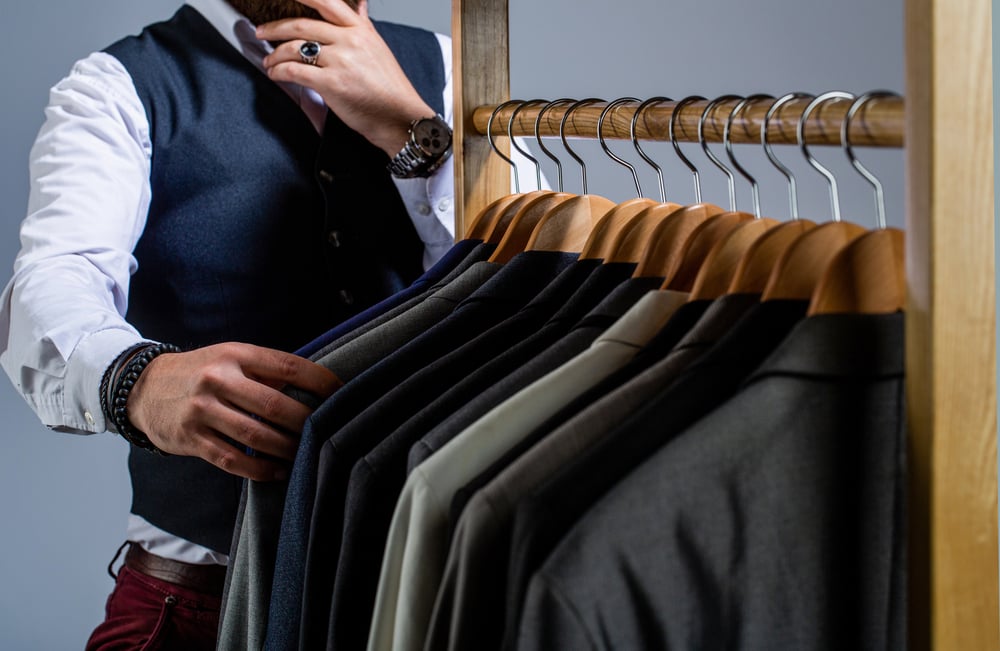
The men’s clothing store from The Limited brand operated from 1989 to 2003 before rebranding as Express Men. Structure sold button-down shirts, khakis, and blazers that were perfect for young professionals starting their careers.
The stores had a clean, minimalist design that made shopping feel less overwhelming than department stores. Many guys bought their first interview outfit at Structure.
Merry-Go-Round
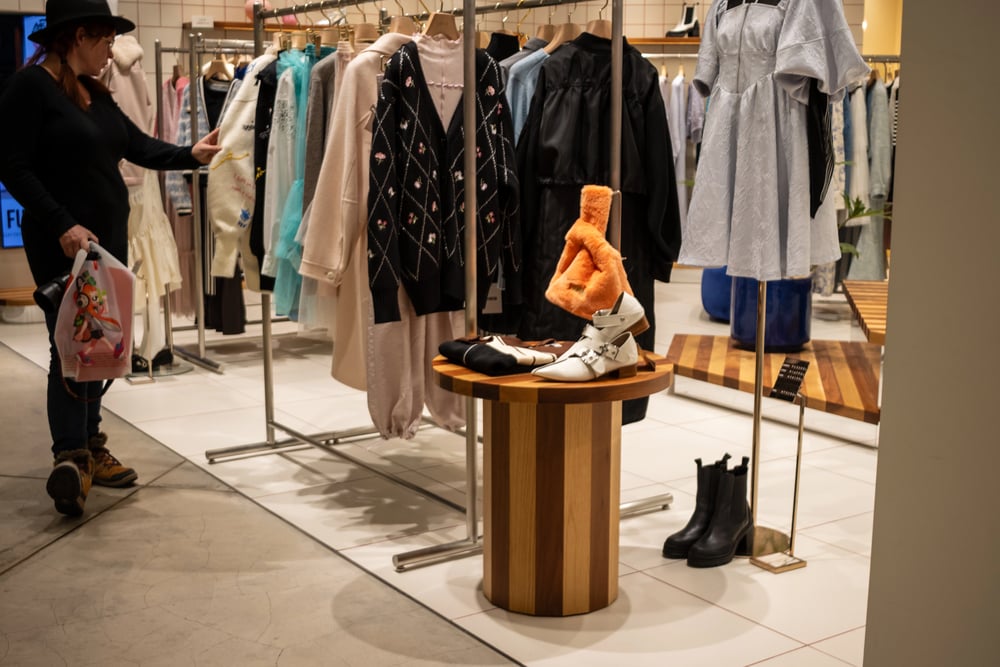
This trendy clothing store targeted teenagers and young adults before filing for bankruptcy in 1994. Merry-Go-Round sold edgy fashion that parents often hated, from ripped jeans to band t-shirts and chunky boots.
The stores cranked loud music and had employees who looked like they’d just stepped off a music video set. Shopping there felt rebellious, even if you were just buying a pair of jeans.
Chess King
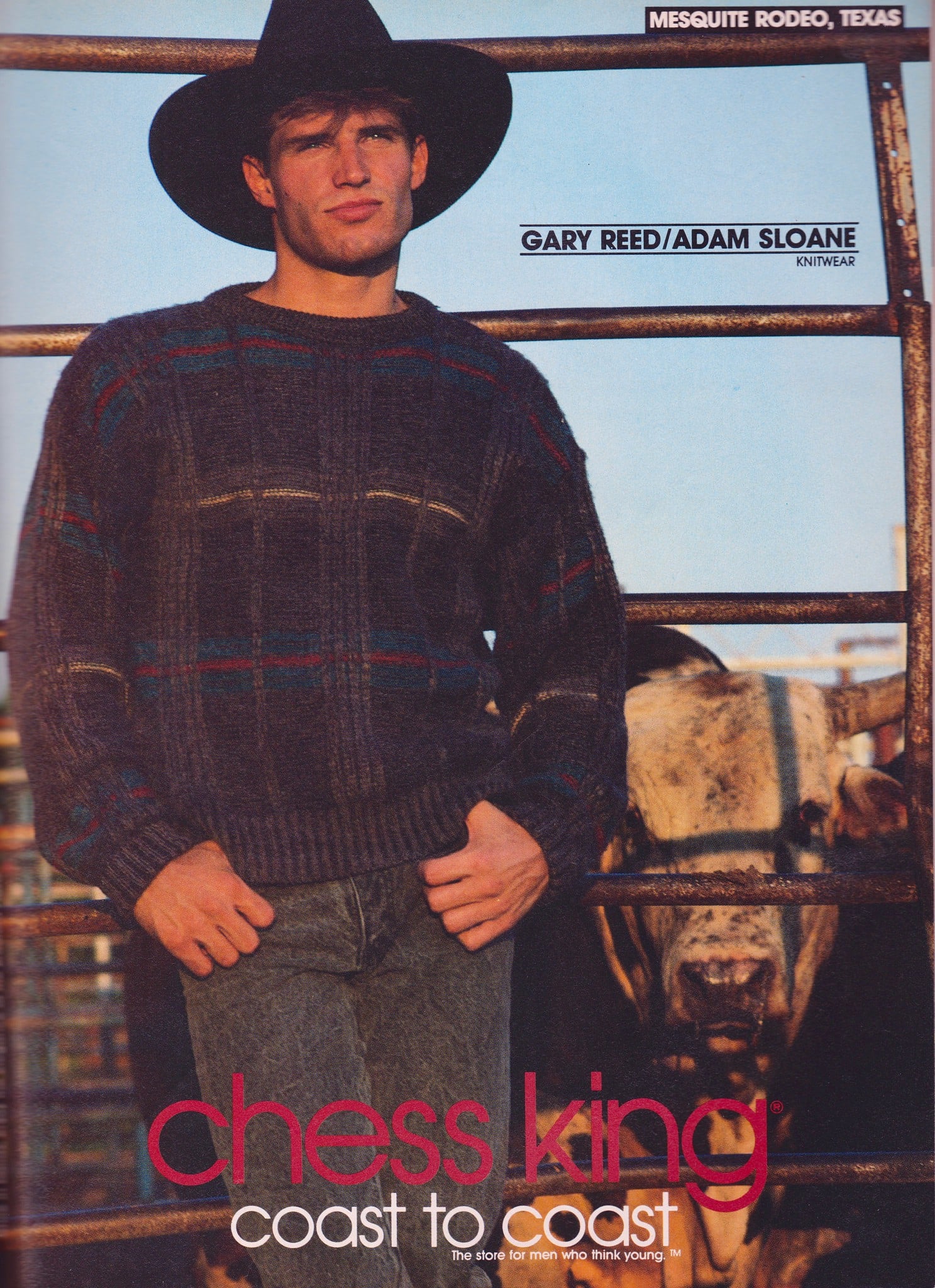
The men’s fashion chain specialized in flashy, trend-forward clothing before closing in 1995. Chess King sold shiny shirts, parachute pants, and accessories that screamed 1980s excess.
The stores attracted guys who wanted to stand out at the club or school dance. Looking back at old Chess King catalogs now feels like opening a time capsule of questionable fashion choices.
B. Dalton
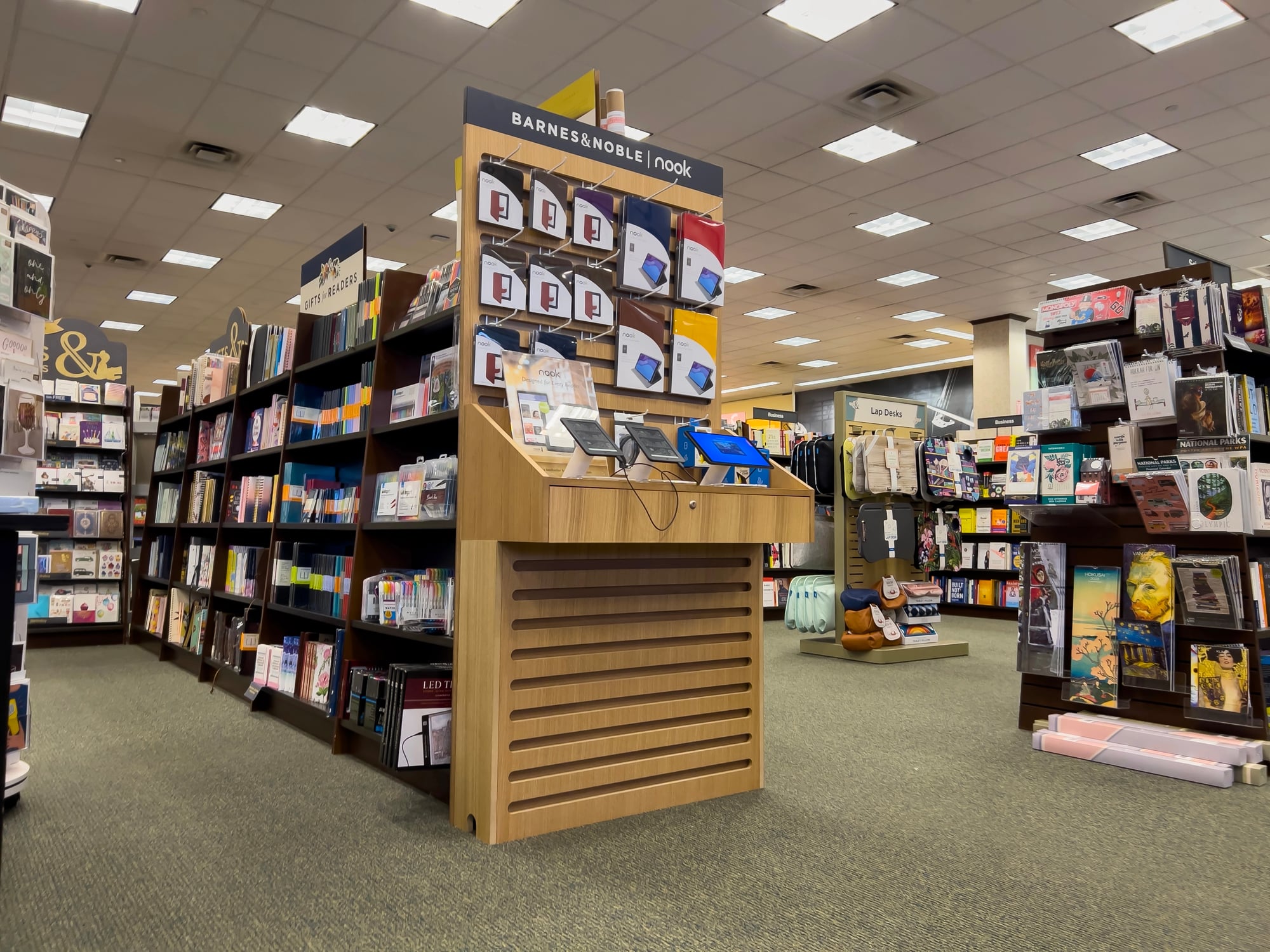
This bookstore chain was acquired by Barnes & Noble and gradually phased out by 2010. B. Dalton stores were smaller than Borders but still offered a solid selection of fiction, non-fiction, and magazines.
The stores often ran promotions and discounts that made book buying more affordable for regular people. Many readers discovered their favorite authors while browsing B. Dalton’s new releases section.
RadioShack
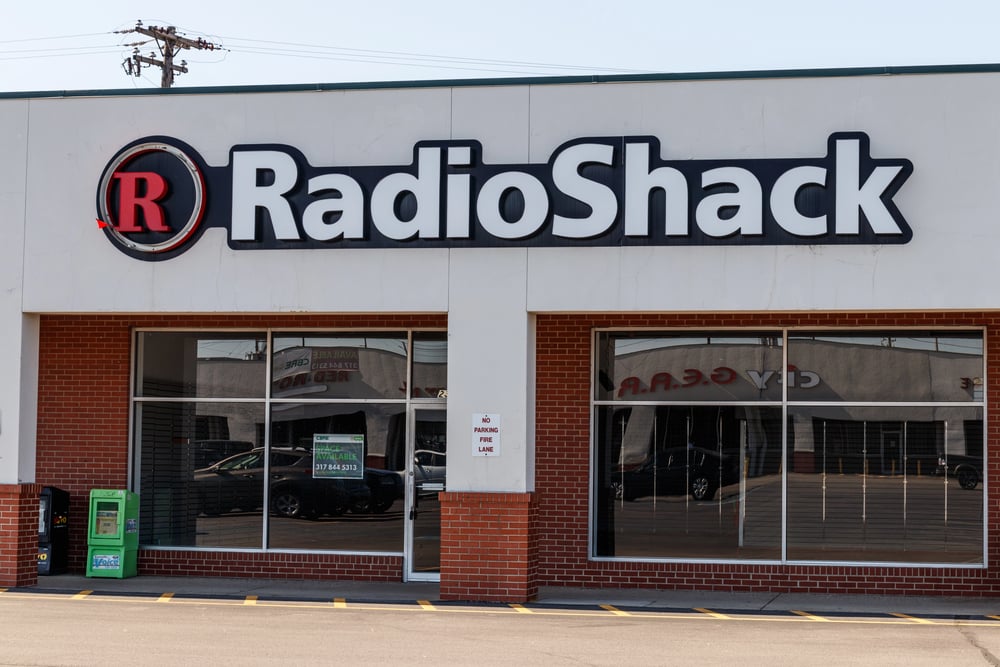
The electronics retailer struggled for years before closing most locations in the mid-2010s. RadioShack sold everything from batteries and cables to computers and remote-controlled cars.
The staff could answer almost any technical question and help customers find obscure parts for DIY projects. People who needed a specific adapter or component on short notice knew RadioShack would probably have it.
Wet Seal
The fast-fashion retailer targeted teenage girls before closing its remaining stores in 2017. Wet Seal sold trendy clothes at prices that allowance money could actually cover.
The stores were usually packed with middle and high school students hunting for the perfect outfit for Friday night. Many young women learned how to put together a complete look by mixing and matching Wet Seal pieces.
Arden B.
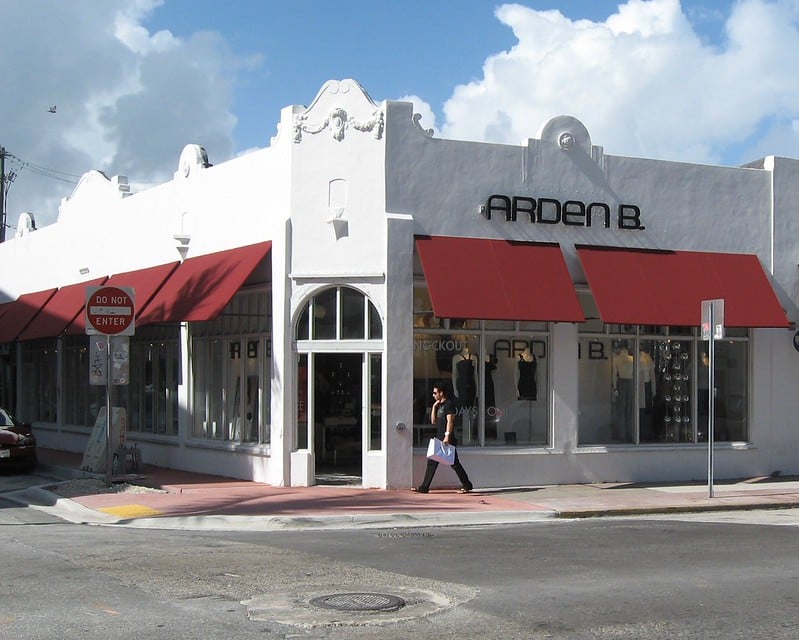
This women’s fashion brand offered dressier options than most mall stores before closing in 2015. Arden B. sold cocktail dresses, work clothes, and going-out tops that felt more upscale than Forever 21.
The stores catered to women in their twenties and thirties who wanted something polished without department store prices. Finding the right dress for a wedding or date night often led shoppers straight to Arden B.
Delia’s
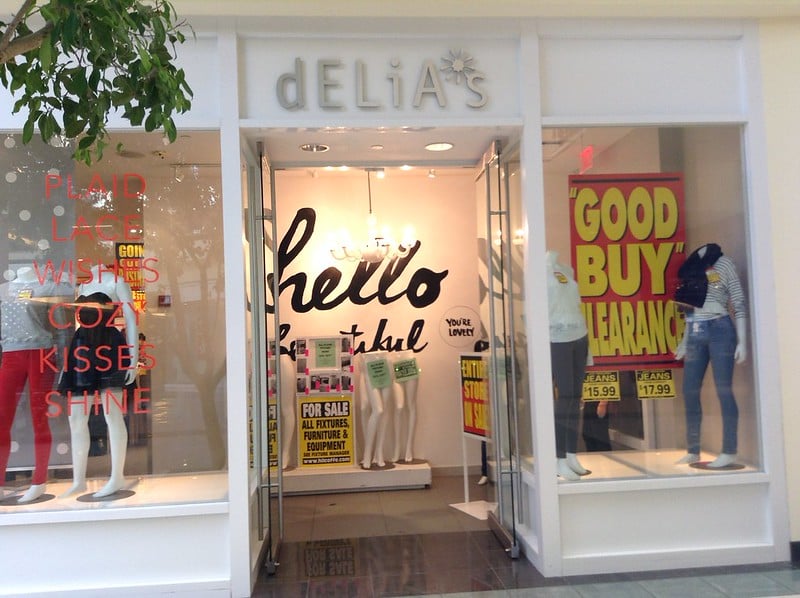
The clothing catalog and retail chain focused on teenage girls before shuttering stores in 2014. Delia’s catalogs arrived in mailboxes like fashion magazines, and girls would dog-ear pages for hours marking what they wanted.
The stores sold everything from platform shoes to choker necklaces and baby tees. Owning something from Delia’s meant you were keeping up with the coolest trends.
A&S (Abraham & Straus)

This department store chain operated primarily in New York before merging with Macy’s in the 1990s. A&S was a family tradition for many shoppers, offering everything from clothes to housewares under one roof.
The stores had that classic department store feel with different sections for different needs. Parents would split up to tackle their shopping lists while kids waited by the escalators.
Ames
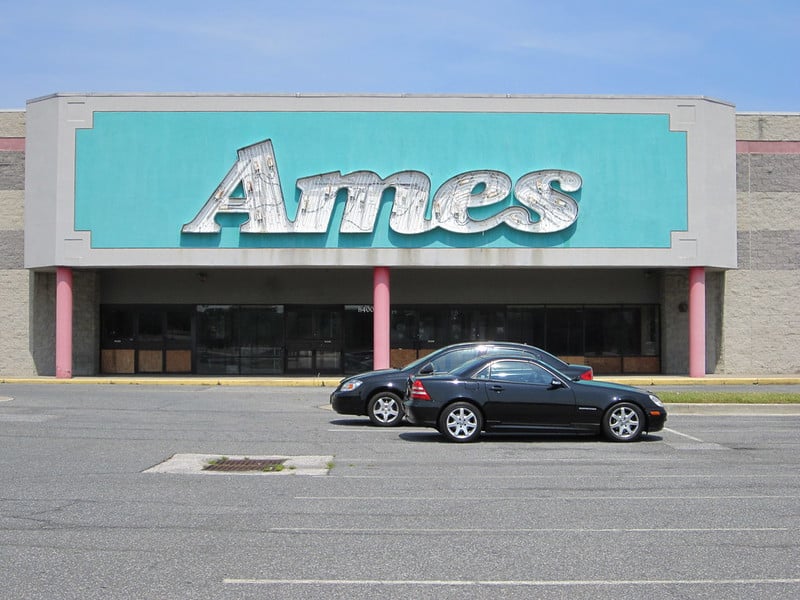
The discount department store competed with Walmart and Target before filing for bankruptcy in 2002. Ames offered lower prices on everyday items, making it popular with budget-conscious families.
The stores weren’t fancy but they got the job done when you needed school supplies, basic clothes, or household goods. Many small towns lost a major shopping option when their local Ames closed down.
Camelot Music
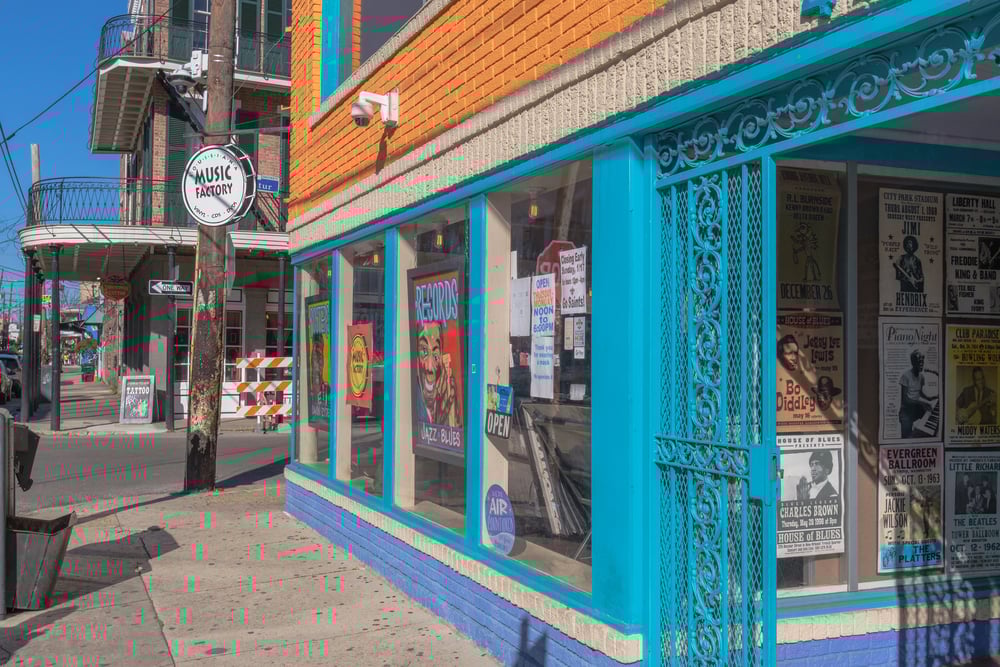
This music retailer sold CDs, cassettes, and vinyl before disappearing in the early 2000s. Camelot Music stores were smaller than Sam Goody but still packed an impressive selection into tight spaces.
The staff were serious music fans who could debate the best albums of any decade. Buying a new CD at Camelot and reading the liner notes on the drive home was a weekly ritual for music lovers.
Warner Bros. Studio Store
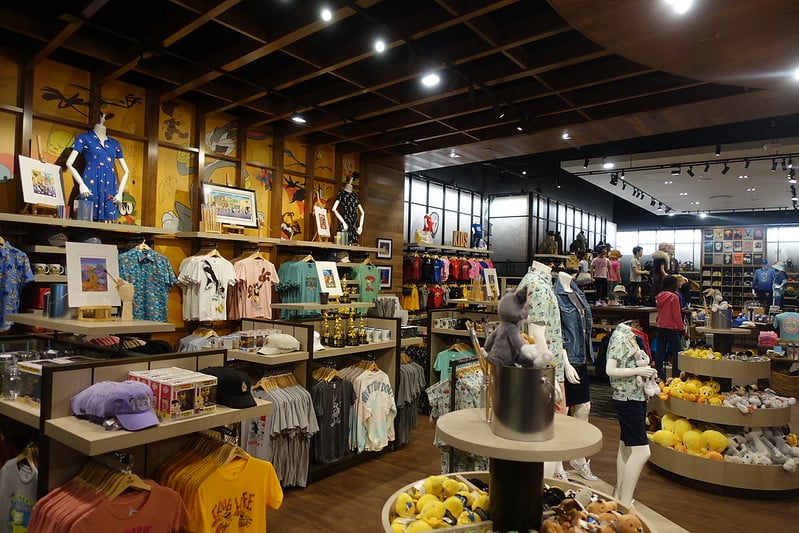
Walking into one of those shops felt like stepping right into a cartoon scene, where characters jumped off shelves. Inside, shelves overflowed with items tied to Warner Bros., all approved by the studio itself.
Children pulled adults through the doors, eager to see fresh Batman figures or clothes from Space Jam. Bright colors and familiar faces surrounded every corner, thanks to designs featuring Tweety and Bugs.
Before shutting down in 2001, these locations showed films could fuel storefronts without middlemen handling distribution.
Successories

Back when most of its shops shut down in the two thousands, the shop selling pep items moved posters, reads, and small presents. Eagles flying above peaks – those were the images on Successories prints, matched with terms such as ‘persistence’ or ‘collaboration’.
Folks adored the cheerful quotes – or thought they were totally cringey, nothing in between. During the nineties, nearly every workspace stall and college bedroom had one of these wall hangings stuck up somewhere.
When shopping was different

Experiences filled those spaces, far beyond mere product displays – something digital carts struggle to match. Hanging out there meant being noticed, testing fits in dressing rooms, stumbling upon unknown labels during casual strolls near shop windows.
Adaptation slipped through the cracks for certain chains; others vanished into larger corporations over time. Each one shaped how America shopped, leaving traces even now.
Buildings remain, yet hallways seem dimmer when favorite signs no longer glow.
More from Go2Tutors!

- The Romanov Crown Jewels and Their Tragic Fate
- 13 Historical Mysteries That Science Still Can’t Solve
- Famous Hoaxes That Fooled the World for Years
- 15 Child Stars with Tragic Adult Lives
- 16 Famous Jewelry Pieces in History
Like Go2Tutors’s content? Follow us on MSN.