15 ’70s Playgrounds Fixtures That Were Wildly Dangerous
Remember those carefree days when playgrounds weren’t designed by safety engineers but by people who apparently wanted to toughen kids up? The 1970s playground experience was essentially a childhood survival course disguised as recreation. Parents would drop their children off at these metal and concrete wonderlands with nary a worry, while today’s equivalent would probably trigger an immediate call to child protective services.
Here is a list of 15 vintage playground fixtures that somehow passed as acceptable back in the day but would horrify modern safety inspectors.
Giant Metal Slides
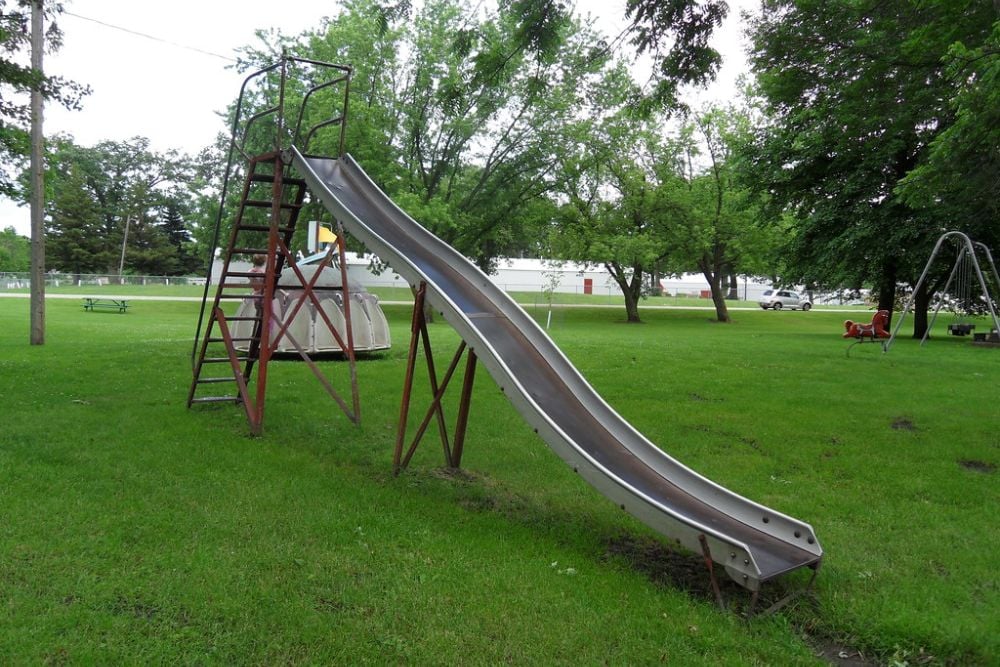
These towering silver beasts could reach heights of 12 feet or more with minimal side rails. On sunny summer days, they transformed into scorching metal chutes that could burn bare legs on contact.
Children would emerge at the bottom with static-charged hair and occasionally minor burns, which was apparently just part of the expected playground experience back then.
Merry-Go-Rounds

These spinning platforms of peril were essentially centrifuges for children. Kids would cling desperately to metal bars while their strongest friend spun the contraption to dizzying speeds. The real danger came when momentum threw riders off, sending them skidding across concrete or gravel.
Even more concerning was the gap beneath where small limbs could get caught while the heavy metal disc continued rotating.
Concrete Tunnels
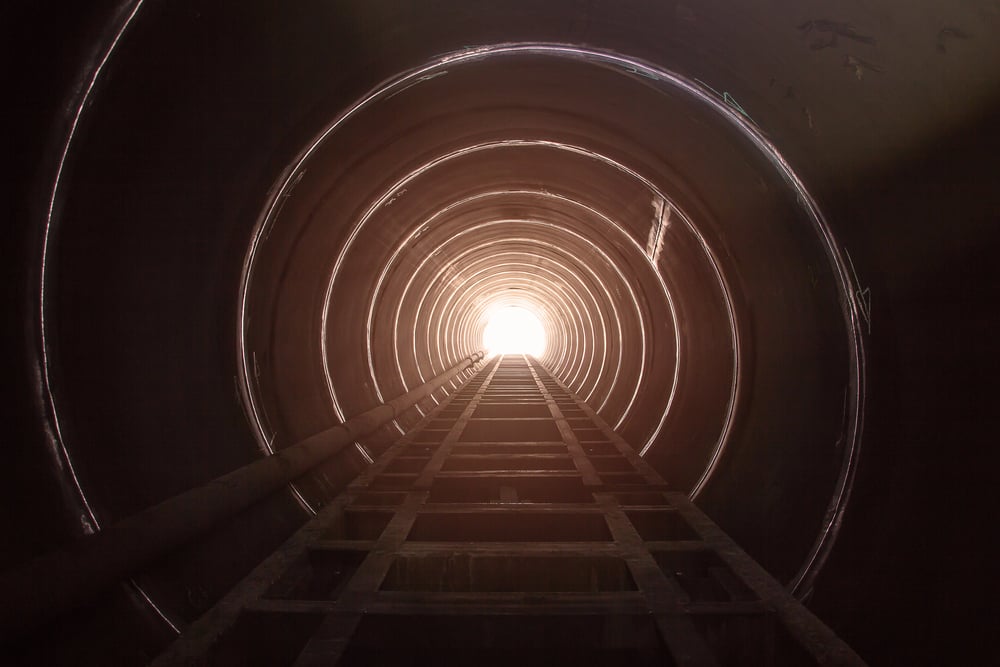
Massive concrete pipes, often donated by local construction companies, were positioned as crawl-through tunnels with zero padding or safety considerations. Their rough interiors would scrape knees and elbows, while the concrete heated up like an oven in the summer months.
These industrial castoffs frequently developed sharp edges and cracks over time, adding extra hazard to an already questionable playground feature.
Witch’s Hat

This cone-shaped metal swing with a central pivot point invited groups of children to hang on while it tilted precariously in all directions. The real danger lay underneath, where the heavy metal edge would slam against the ground with enough force to crush anything in its path.
Children needed to develop lightning-quick reflexes to avoid having their feet caught beneath this medieval-looking contraption.
Metal Jungle Gyms

These dome-shaped climbing structures were typically made of bare metal with no safety surface beneath them. Just hard-packed dirt or, if you were lucky, some patchy grass. Falls from the top could mean a 10-foot drop onto unforgiving ground.
The hollow metal bars would also conduct heat and cold to extremes, becoming untouchable in summer or freezing fingers to them in winter.
Giant Stride

This particularly dangerous apparatus featured a tall center pole with hanging chains that children would grab before running in circles to become airborne. Kids would literally fly through the air at impressive heights, with nothing but momentum keeping them from crashing into each other or the center pole.
Landing zones? Those weren’t even a consideration in the wild playground days of the ’70s.
Asphalt Surfaces
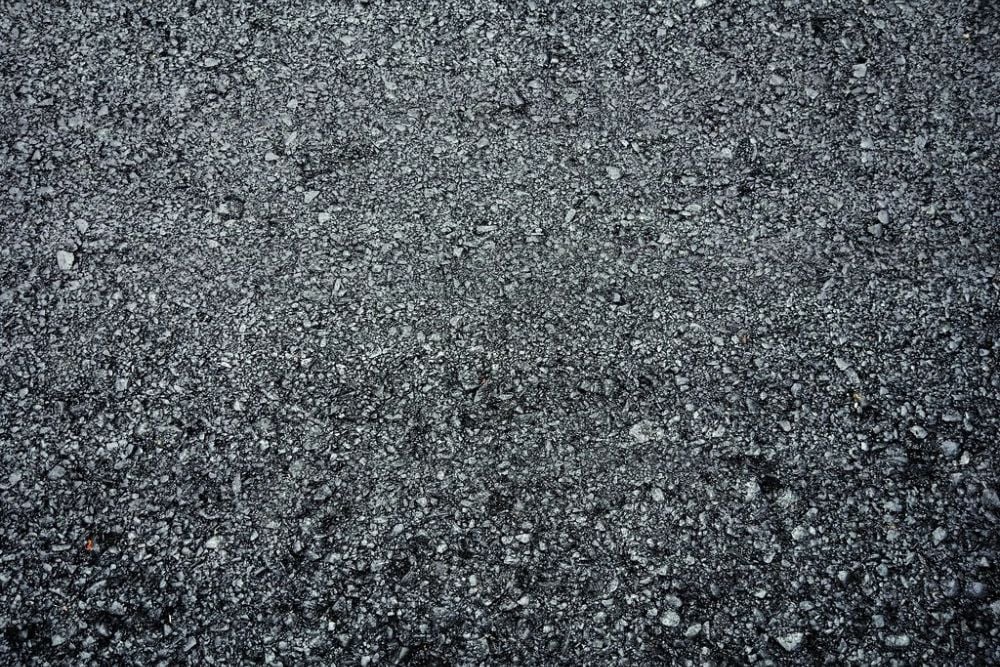
Before the era of rubber matting and engineered wood fiber, playgrounds were commonly paved with asphalt right up to the base of equipment. This unforgiving surface guaranteed that any fall would result in serious abrasions at a minimum.
The dark surface would also absorb heat, making the entire playground area sweltering on hot days and turning minor trips into painful encounters with what was essentially standby sandpaper.
See-Saws with No Shock Absorption
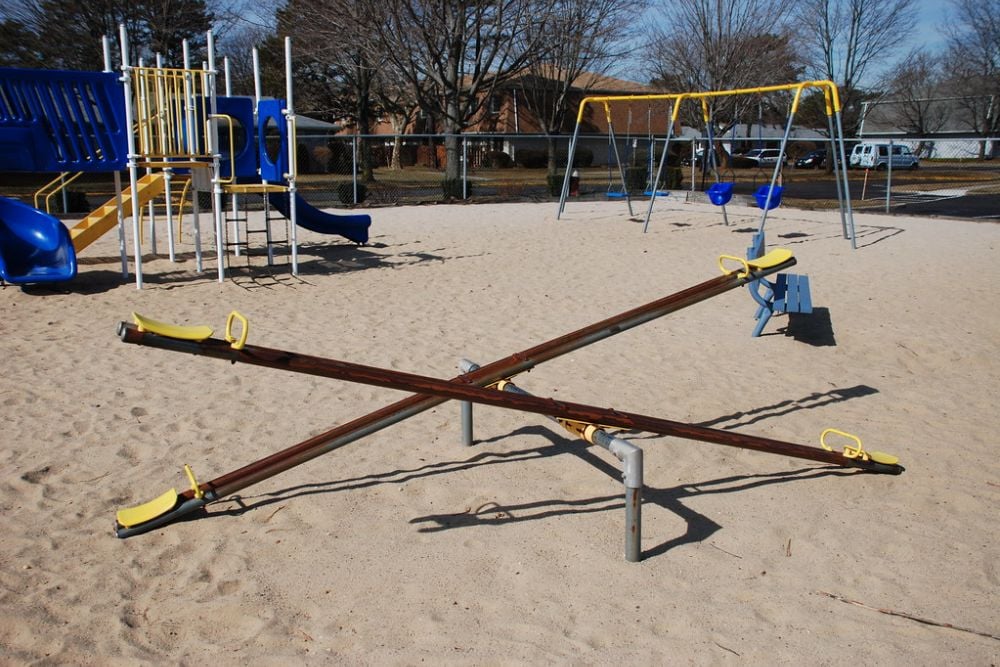
The classic teeter-totter of yesteryear featured a simple board balanced on a fulcrum with metal handles. When one child decided to hop off without warning, their partner would crash painfully to the ground.
Even worse, the handles were often just exposed metal pipes that would pinch fingers or become slippery with rain. The jarring impact when hitting the ground could easily result in compression injuries to the spine.
Metal Animal Springers
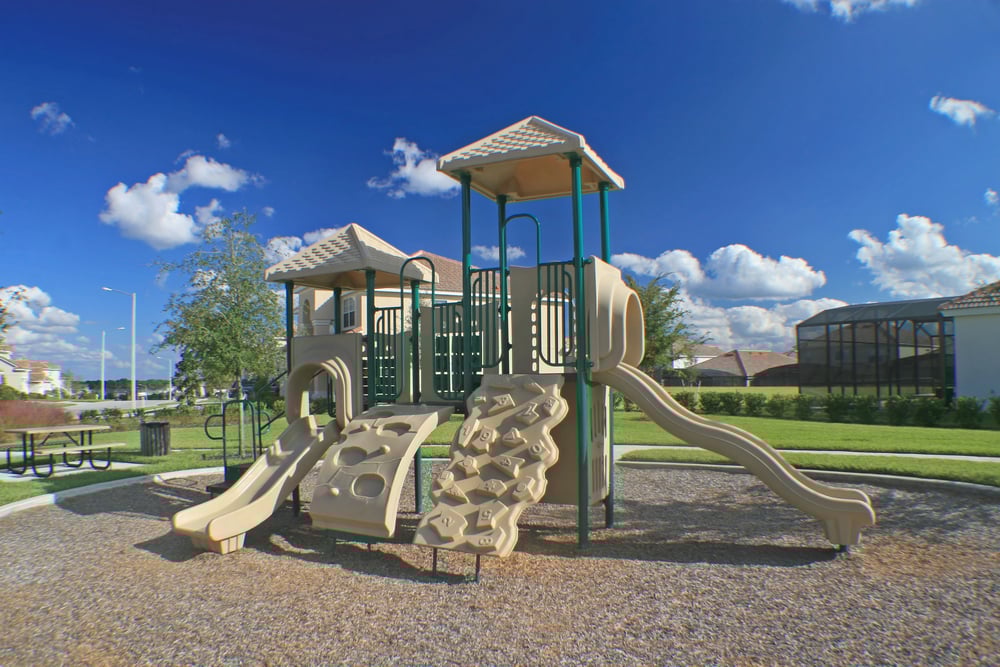
These beloved animal-shaped riding toys were mounted on extremely tight springs that could pinch small fingers with surprising force. The metal components would heat up in the sun, and the violent rocking motion could easily throw an unsuspecting child forward onto the hard metal head or backward onto the ground.
The exposed springs created perfect finger traps just waiting for curious youngsters.
Spinning Poles

These vertical poles allowed children to build momentum and spin around at increasing speeds with no safety measures. Kids would inevitably let go and be flung across the playground, hopefully not into another piece of equipment or another child.
The metal surface would become slick with use, making grip increasingly difficult just as centrifugal force became most dangerous.
Chain Walks
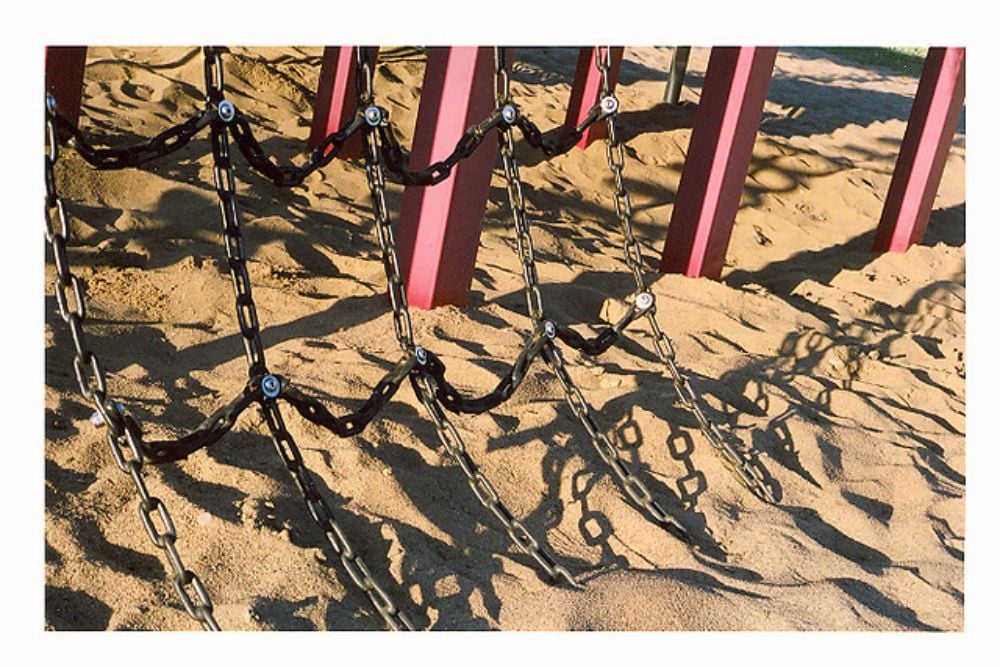
Two parallel chains strung between posts invited children to balance while holding a third chain above. Falls meant landing awkwardly between the chains or hitting the ground with limbs tangled.
The chains themselves would often develop sharp, rusty edges over time, adding tetanus risk to the already precarious balancing challenge that hovered several feet above hard ground.
Towering Rocket Ships
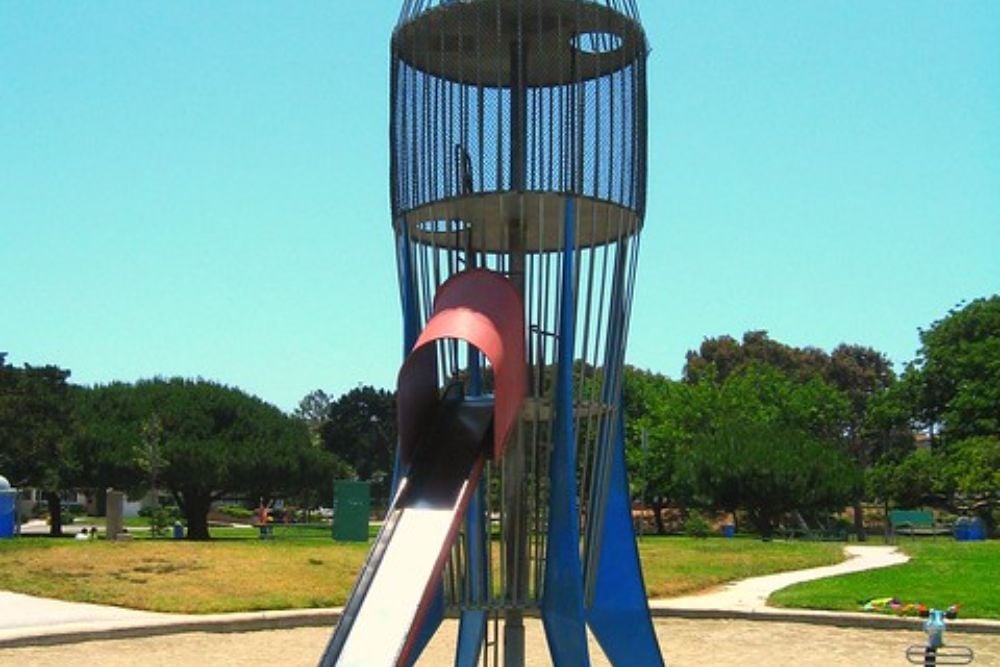
These multi-story metal rocket-shaped climbers could reach heights of 20 feet or more. Children would ascend narrow internal ladders to tiny platforms with minimal guardrails.
The enclosed metal spaces would become searingly hot in summer, and the height combined with widely spaced bars created fall hazards that would make today’s playground designers faint. The pointed tops added an extra element of danger for particularly ambitious climbers.
Metal Swings with Sharp Edges
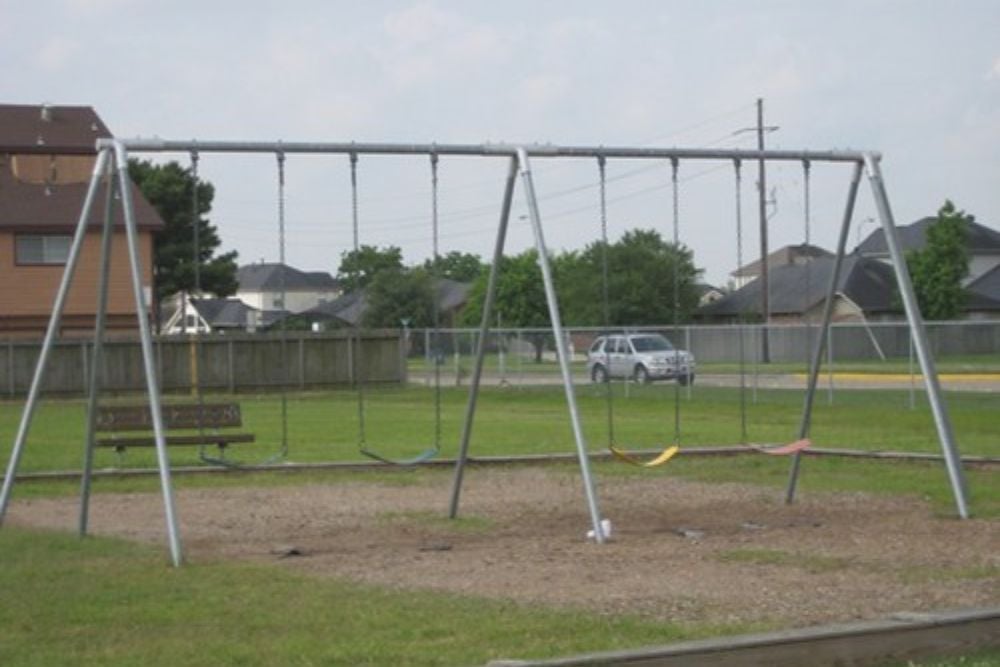
Swing seats were often made of hard materials like wood or metal rather than flexible rubber. The chains or metal links weren’t covered, perfect for pinching small fingers or catching long hair.
When these heavyweight swings hit an unsuspecting child crossing through the swing zone, the impact could cause serious injuries. The S-hooks connecting chains frequently developed dangerous gaps that could trap clothing or body parts.
Log Rolls
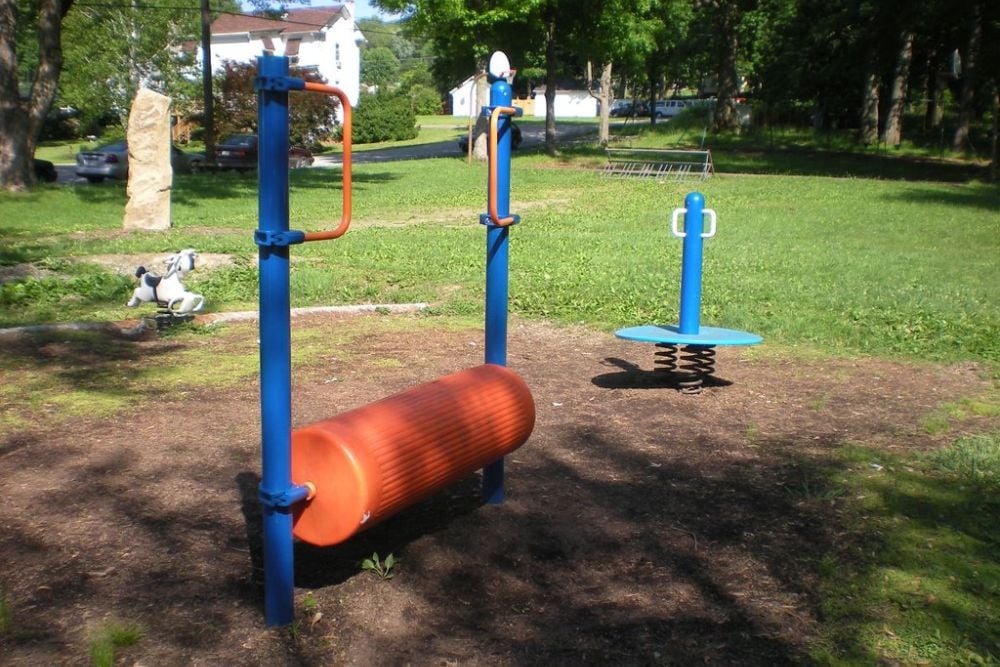
These rotating wooden cylinders invited children to test their balance while the log turned beneath their feet. With no safety surfacing below and nothing to hold onto above, falls were inevitable and often painful.
The wooden surface would splinter over time, adding the risk of painful slivers to the already challenging balancing act. Wet weather would make the surface impossibly slick, turning an already difficult feature into a guaranteed fall.
Homemade Equipment
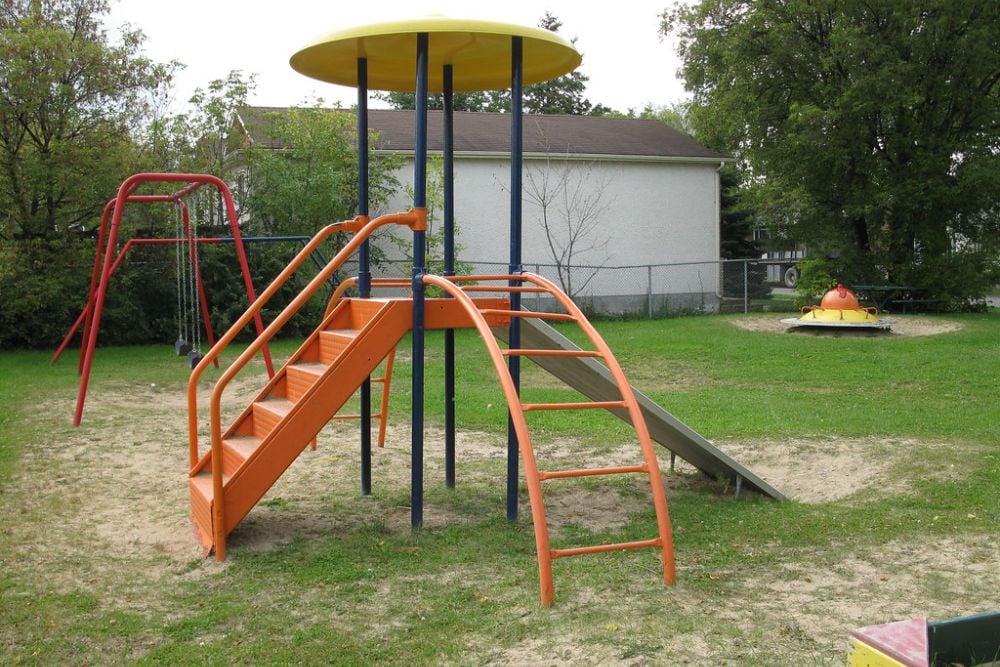
Many neighborhood playgrounds featured DIY structures built by well-meaning parents or community members with no knowledge of safety standards. Old tires stacked into climbing towers, repurposed lumber with exposed nails, and makeshift zip lines with fraying ropes were common sights.
These amateur constructions often deteriorated quickly in the elements, creating structural hazards alongside their inherent design flaws.
Surviving Childhood: A Different Era
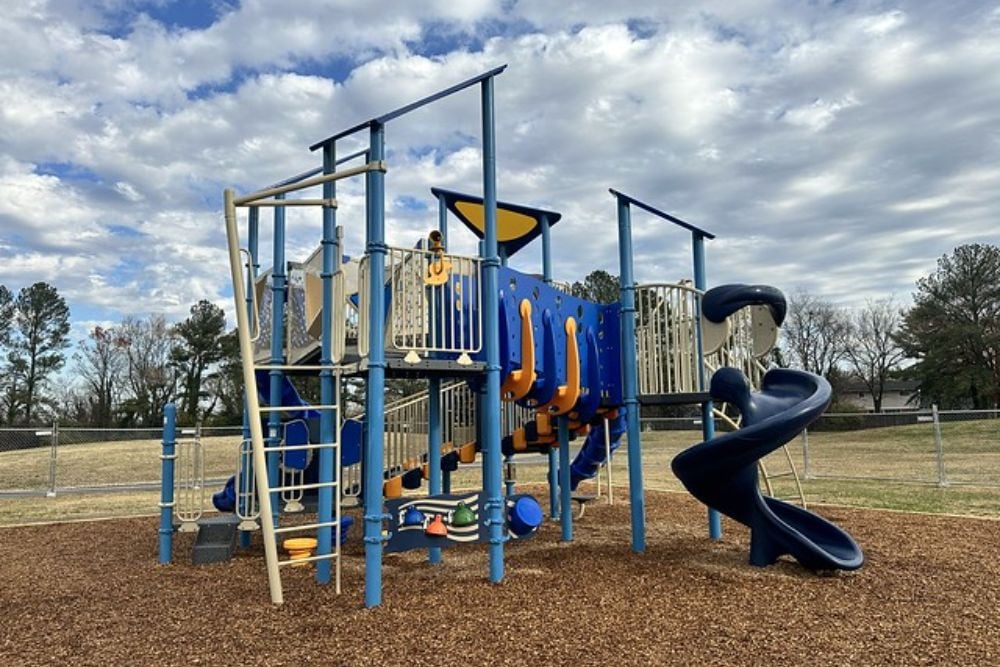
The playgrounds of the 1970s reflected a fundamentally different approach to childhood risk and development. While today’s carefully engineered play spaces prioritize safety above all else, these vintage danger zones somehow produced generations who look back with nostalgia rather than horror.
Perhaps there’s something to be said for the resilience these challenges built, though few parents today would willingly trade modern safety features for the character-building properties of a 12-foot metal slide in July. The playground evolution reminds us that our understanding of acceptable risk continues to change with each generation, even as children’s fundamental need for active play remains constant.
More from Go2Tutors!

- The Romanov Crown Jewels and Their Tragic Fate
- 13 Historical Mysteries That Science Still Can’t Solve
- Famous Hoaxes That Fooled the World for Years
- 15 Child Stars with Tragic Adult Lives
- 16 Famous Jewelry Pieces in History
Like Go2Tutors’s content? Follow us on MSN.