15 Covers That Tanked Magazine Sales
Magazine covers serve as the face of a publication, the first impression that can either draw readers in or push them away. While most magazine editors aim to create eye-catching, provocative images that boost sales, sometimes this strategy spectacularly backfires.
When a cover crosses certain lines – whether political, cultural, or simply tasteless – the consequences can be swift and devastating. Here is a list of 15 magazine covers that managed to alienate readers so dramatically that subscription numbers plummeted virtually overnight.
The New Yorker’s Post-9/11 Cover
The New Yorker’s September 2001 black-on-black depiction of the Twin Towers’ silhouette following the terrorist attacks struck many as inappropriately minimalist during a time of national mourning. What the magazine intended as somber artistic commentary was interpreted by many subscribers as callous and detached from the emotional weight of the tragedy.
Thousands of readers canceled their subscriptions in protest, claiming the magazine had failed to capture the gravity of the situation.
Rolling Stone’s Boston Bomber Cover
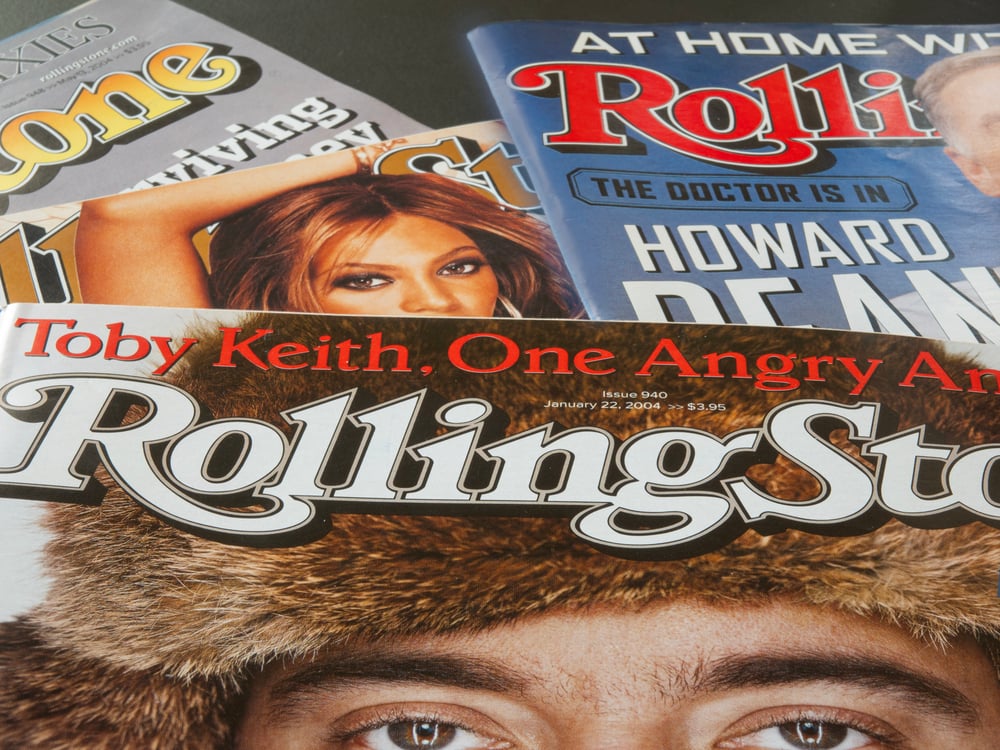
The Boston Marathon bomber Dzhokhar Tsarnaev was featured on the cover of Rolling Stone in 2013, which many felt glorified terrorism. The cover image featured a handsome young man with unkempt hair and a dreamy look, much like the magazine’s usual rock-star treatment.
Readers who believed the magazine had crossed an ethical line by ostensibly elevating a terrorist canceled their subscriptions in droves, and major shops such as CVS and Walgreens refused to carry the issue.
Like Go2Tutors’s content? Follow us on MSN.
Esquire’s ‘Worst Congress Ever’
Esquire’s 2006 cover boldly branded the incumbent U.S. Congress as ‘The Worst Congress Ever’ featuring scathing caricatures of senior leaders from both parties. The aggressive political remark, while meant to reflect growing public frustration, alienated subscribers across the political spectrum.
Conservative readers perceived it as liberal media bias, while many political moderates felt the hyperbole hampered serious discussions about the administration.
Time’s ‘Transgender Tipping Point’

When Time magazine featured transgender actress Laverne Cox on a 2014 cover announcing ‘The Transgender Tipping Point,’ the publication simultaneously gained new readers while losing a significant portion of its conservative subscriber base. More traditional readers in America’s heartland canceled subscriptions en masse, sending angry letters about ‘moral values’ and ‘inappropriate content for family homes.’
The cover represented a pivotal moment in mainstream media representation, though at considerable cost to Time’s circulation numbers.
Vanity Fair’s Controversial Caitlyn Jenner Debut
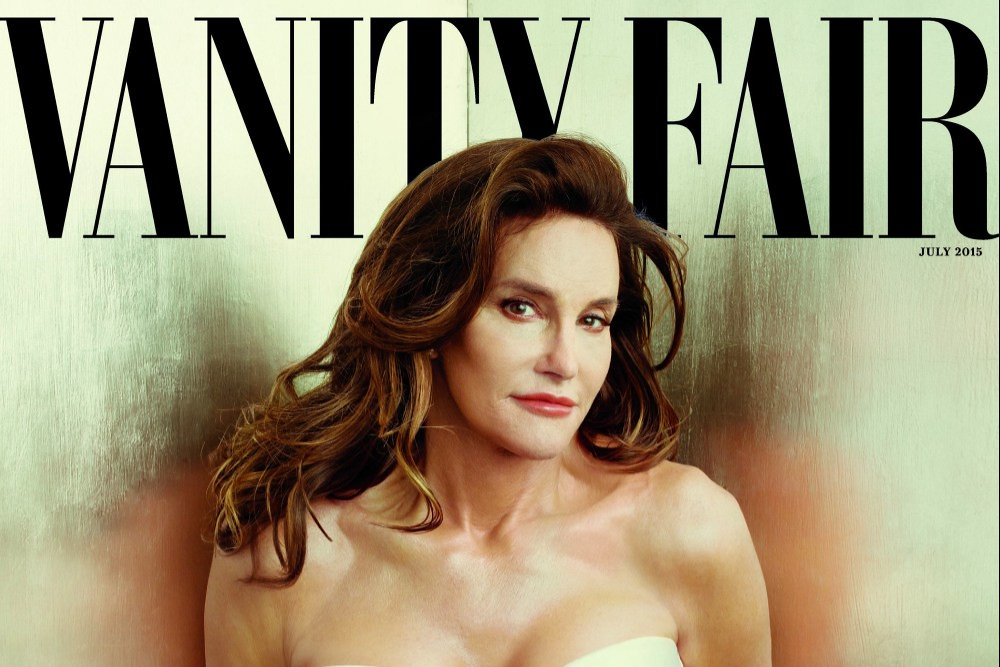
Vanity Fair’s 2015 cover featuring Caitlyn Jenner’s public debut post-transition proved highly divisive among the magazine’s readership. While the issue sold exceptionally well on newsstands and was culturally significant, it triggered a substantial wave of subscription cancellations from conservative readers.
The glossy glamour-shot approach to Jenner’s transition struck some long-time subscribers as sensationalistic rather than journalistic, leading to an estimated 15% drop in renewals in the following quarter.
Sports Illustrated’s Swimsuit Edition Evolution

Sports Illustrated’s 2022 swimsuit edition featuring plus-size models constituted a striking departure from the magazine’s typical design, causing an immediate subscriber outcry. Long-time readers, accustomed to conventional beauty standards in the yearly special edition, canceled memberships by the thousands, believing the magazine had succumbed to ‘woke culture.’
The journal stood by its inclusive policy despite losing roughly 20% of its subscription base within weeks.
National Geographic’s ‘Gender Revolution’

A transgender child on the cover of National Geographic’s January 2017 ‘Gender Revolution’ special edition sparked a lot of debate among its typically conservative readership. The educational approach to gender identity discovery resulted in massive cancellations from religious schools and families who had subscribed for years.
Executives from the parent firm later admitted that they had expected some resistance but were taken aback by the size of the subscription drop.
The Atlantic’s ‘Christianity in Crisis’

The Atlantic’s provocative 2018 cover story ‘Christianity in Crisis’ featured stark imagery questioning the future of the religion in modern America. Conservative Christian subscribers interpreted the cover as an attack on their faith rather than a nuanced exploration of institutional challenges.
The resulting backlash led to thousands of cancellations, particularly from religious institutions and church libraries that had maintained subscriptions for decades.
Newsweek’s ‘Diana at 50’ Cover

Newsweek’s 2011 digitally altered cover showing Princess Diana at age 50 walking alongside Kate Middleton was universally panned as tasteless exploitation. The cover, which manipulated images to show how Diana might have aged had she lived, prompted immediate subscription cancellations from readers who found it ghoulish and disrespectful.
The magazine’s attempt at a hypothetical narrative about Diana’s life in the social media age backfired dramatically, contributing to Newsweek’s already declining print relevance.
New York Magazine’s Bernie Madoff Issue

New York Magazine’s 2009 cover featuring a photoshopped image of Bernie Madoff’s face on the Joker character from Batman caused a severe reader backlash. The attempt to sensationalize the financial criminal’s impact was viewed as trivializing the very real suffering of thousands who lost their life savings in his Ponzi scheme.
Subscription cancellations came primarily from finance industry professionals who felt the cover made light of serious financial crimes.
Playboy’s No-Nudity Experiment
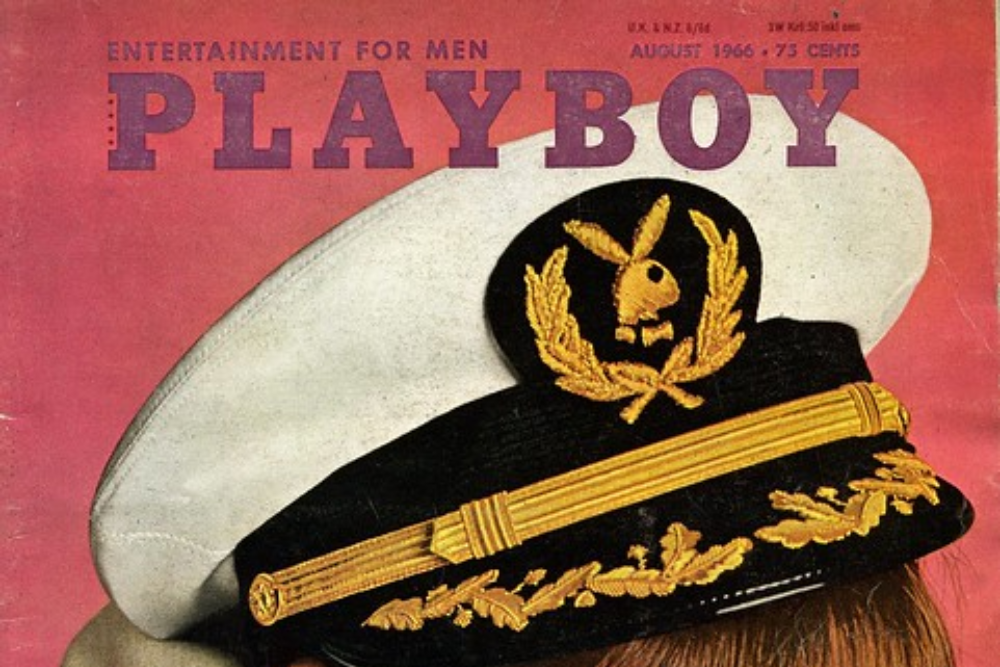
When Playboy announced it would eliminate full nudity with its March 2016 issue, the dramatic pivot away from its core identity confused longtime readers and failed to attract the mainstream audience executives had hoped for. Subscriptions plummeted by over 30% within six months as traditional readers abandoned the publication while the intended new demographic showed little interest.
The magazine ultimately reversed course in 2017, admitting the strategy had been a significant miscalculation.
The Economist’s Brexit Cover

The Economist’s bleak 2016 post-Brexit vote cover depicted the United Kingdom as a sinking ship with a tattered Union Jack sail, infuriating pro-Leave British readers. The respected financial publication faced immediate cancellations from subscribers who felt the cover betrayed political bias rather than the magazine’s typically measured analysis.
British subscription rates dropped by nearly 12% in the aftermath, with angry readers calling the imagery ‘unpatriotic’ and ‘condescending.’
Fortune’s ‘Wall Street Eats Its Young’
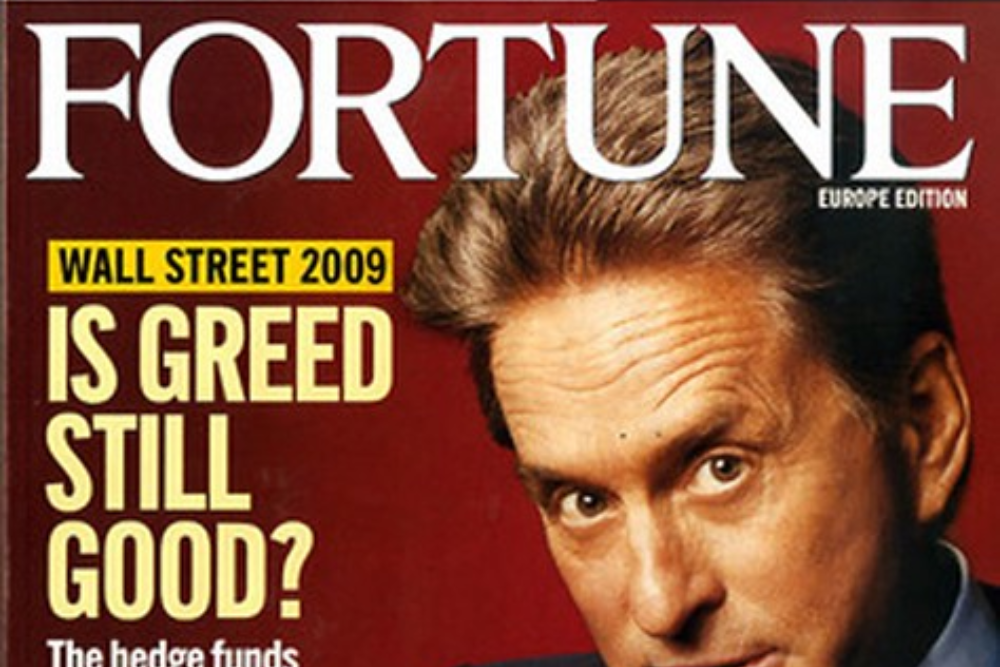
Fortune magazine’s 2013 cover featuring Wall Street executives portrayed as cannibalistic monsters devouring young professionals prompted significant backlash from its core financial sector audience. The provocative imagery, coupled with an exposé on toxic workplace cultures in investment banking, led to mass subscription cancellations from corporate accounts.
Financial institutions withdrew bulk subscriptions that had previously filled their reception areas and client lounges, resulting in a 17% circulation drop.
Vogue’s Controversial Kamala Harris Cover

Vogue’s February 2021 cover portraying Vice President-elect Kamala Harris in casual wear against a green and pink backdrop provoked immediate criticism. Subscribers and reviewers alike condemned the design and informal presentation as demeaning to Harris’s historic achievement.
While the debate mostly played out on social media, the magazine suffered a considerable decline in renewals in the following months as readers voiced disappointment with what many regarded as undermining an important cultural moment.
Entertainment Weekly’s ‘Dawson’s Creek’ Kiss

Entertainment Weekly’s 2000 cover depicting a gay kiss between two male ‘Dawson’s Creek’ characters was the first major mainstream magazine cover to feature such a scene. The magazine lost thousands of subscriptions from the homes of devout individuals and religious bookstores across middle America overnight.
Retail chains in several states refused to carry the issue, creating distribution problems adding to the subscription debacle.
Lessons in First Impressions
These magazine cover disasters demonstrate the delicate balance publications must strike between provocation and alienation. While controversial covers often generate initial attention and newsstand sales, they can simultaneously destroy the loyal subscriber base that provides financial stability.
In today’s digital media landscape, these cautionary tales remind publishers that a single misjudged image can instantly sever the reader-publication relationship built over years. As magazines continue navigating shifting cultural currents, the covers that adorn their issues remain powerful symbols that can either strengthen reader loyalty or send it plummeting with a single unfortunate choice.
More from Go2Tutors!

- The Romanov Crown Jewels and Their Tragic Fate
- 13 Historical Mysteries That Science Still Can’t Solve
- Famous Hoaxes That Fooled the World for Years
- 15 Child Stars with Tragic Adult Lives
- 16 Famous Jewelry Pieces in History
Like Go2Tutors’s content? Follow us on MSN.



