16 Diet Trends That Quickly Disappeared
Remember when everyone you knew was suddenly drinking celery juice every morning? Or when your coworker wouldn’t stop talking about eating like a caveman? The world of nutrition is constantly evolving, with new eating plans gaining explosive popularity before disappearing just as quickly.
Diet trends come and go faster than seasonal fashion. Some leave lasting impacts on how we think about nutrition, while others vanish without a trace. Here is a list of 16 diet crazes that briefly captured public imagination before fading into obscurity.
Cabbage Soup Diet

This ultra-restrictive plan promised dramatic weight loss through consuming mainly cabbage soup for seven days straight. People flocked to grocery stores for cabbage in the early 2000s, attracted by claims of losing up to 10 pounds in a week.
The monotonous menu and lack of nutritional balance quickly led to its downfall, with most nutritionists warning about muscle loss and the inevitable weight rebound once normal eating resumed.
Baby Food Diet

Celebrities allegedly sparked this bizarre trend where adults replaced one or two daily meals with tiny jars of pureed baby food. The portion-controlled, low-calorie approach briefly captivated the Hollywood crowd around 2010.
The infantilizing experience of eating mushed carrots from tiny jars lost its appeal when people realized they were hungry all the time and missing the psychological satisfaction of actually chewing their food.
Blood Type Diet
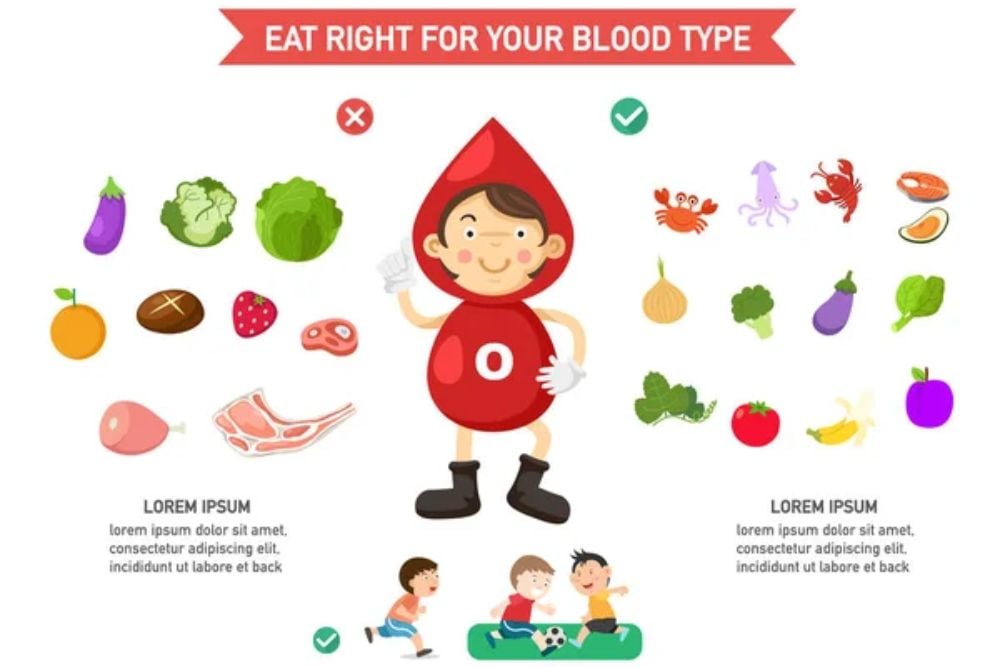
Based on the theory that your blood type determines which foods your body processes most efficiently, this plan categorizes foods as beneficial, neutral, or harmful for each blood type. Creator Peter D’Adamo claimed that Type O individuals should eat high-protein diets while Type A individuals should be vegetarians.
Despite the pseudoscientific appeal of personalization, researchers found no evidence supporting these claims, and the complicated food restrictions proved too cumbersome for long-term adherence.
Cookie Diet

This commercially packaged plan involved eating specially formulated cookies throughout the day followed by one regular meal. The cookies contained a proprietary blend of proteins supposedly designed to control hunger while significantly restricting calories.
The novelty of ‘doctor-approved’ cookie consumption initially attracted dieters tired of vegetable-heavy plans, but the expensive products and severely limited food choices eventually led most people to crumble under the restrictions.
Master Cleanse

Also known as the Lemonade Diet, this liquid fast consisted of drinking a mixture of lemon juice, maple syrup, cayenne pepper, and water for 10 days. Beyoncé famously used it to lose weight for a movie role, triggering widespread interest in this extreme approach.
The drastic calorie restriction led to quick weight loss that was primarily water and muscle mass, while the complete absence of solid food and protein made it impossible to maintain for more than brief periods.
Werewolf Diet

This lunar-based eating plan claimed that fasting according to moon phases could help ‘detoxify’ the body and accelerate weight loss. Proponents suggested that the moon’s gravitational pull affects body water just as it does ocean tides.
The bizarre premise attracted attention from those seeking mystical approaches to weight management, but the lack of scientific backing and the extreme fasting protocols meant this howling diet trend quickly waned like the moon itself.
Sleeping Beauty Diet

This troubling trend involved using sedatives to sleep through hunger pangs, operating on the simplistic premise that ‘if you’re not awake, you can’t eat.’ Attributed to Elvis Presley in the 1970s, the dangerous practice briefly resurfaced in the 2010s.
Medical professionals immediately condemned the approach for its dangerous abuse of medication and complete failure to address actual nutritional needs or develop healthy eating patterns.
Tapeworm Diet
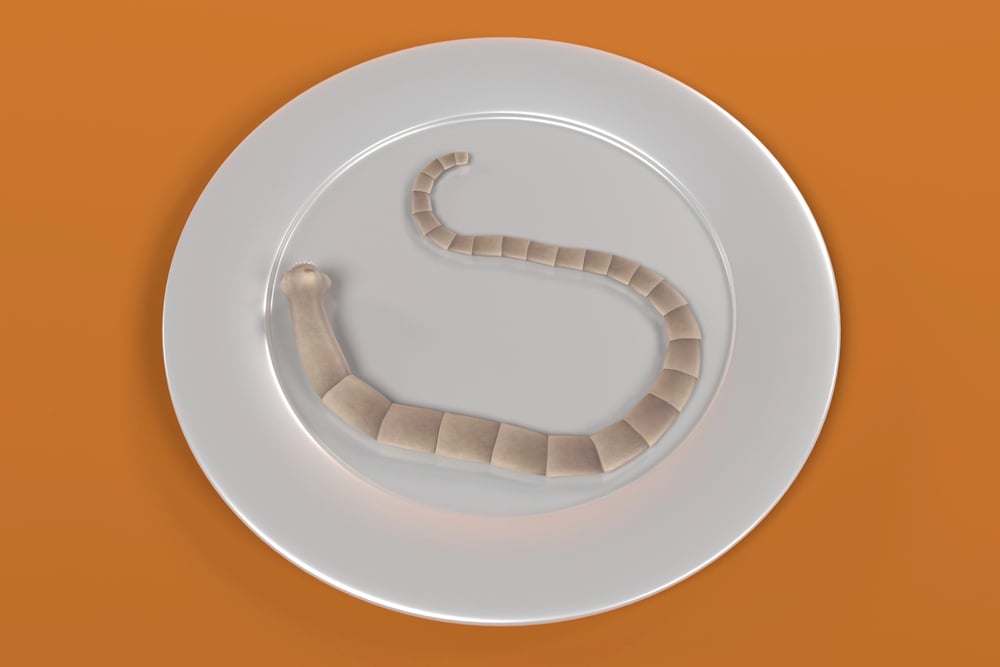
Perhaps the most disturbing entry on this list involved the intentional ingestion of tapeworm eggs to create an internal parasite that would consume calories. This dangerous practice dates back to the early 1900s but experienced brief, horrifying revivals whenever mentioned in the media.
The severe health risks, including intestinal blockages and neurological damage, quickly overshadowed any potential weight loss benefits, with medical authorities consistently warning against this potentially fatal approach.
Grapefruit Diet
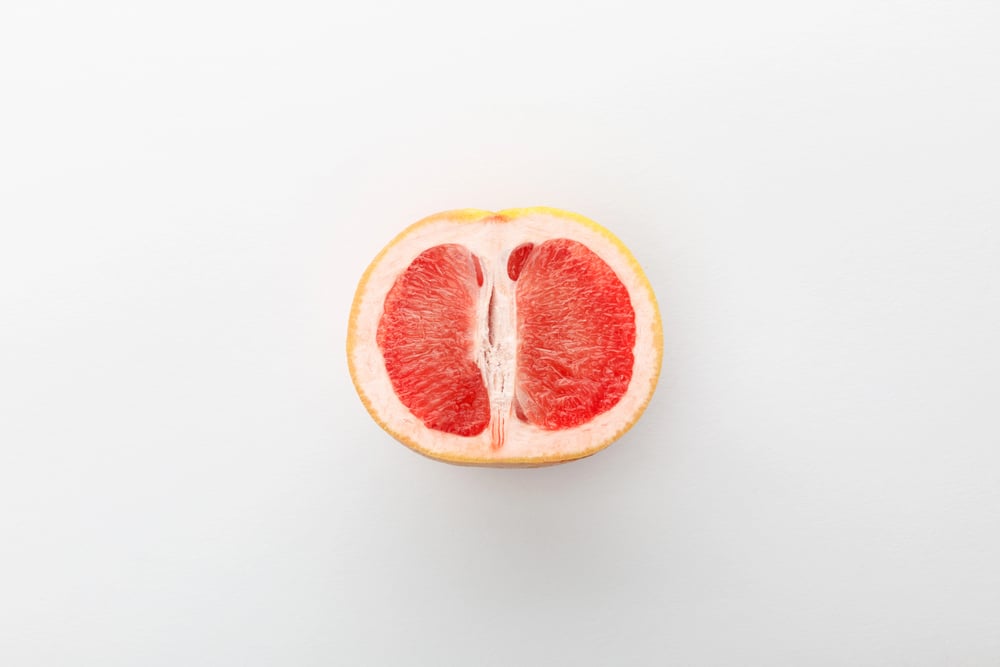
This citrus-centered plan claimed that grapefruit contains special enzymes that burn fat when consumed before meals. Versions have circulated since the 1930s under names like the Hollywood Diet.
The extremely low calorie allowance (typically around 800 daily) and repetitive meals made it effective short term but impossible to maintain, while the promised fat-burning properties of grapefruit remain scientifically unproven despite decades of persistent claims.
Cotton Ball Diet

Models and teens briefly popularized this dangerous practice of consuming cotton balls soaked in juice to create fullness without calories. The trend spread through social media around 2013 before medical professionals raised alarms about intestinal blockages and malnutrition.
The cotton, often treated with chemicals and impossible for humans to digest, posed serious health hazards that thankfully limited this trend’s longevity despite its viral social media spread.
Rainbow Diet

This colorful approach involved eating foods of a different color each day of the week, supposedly targeting different body systems. Aesthetically pleasing photos of color-coordinated meals briefly flooded Instagram around 2017-2018.
The arbitrary color rules lacked nutritional logic and often led to wildly unbalanced intake, with participants growing tired of trying to find blue foods for Monday or being limited to only red options on Tuesday.
Mono Diet

This extreme approach involves eating only one food item for extended periods—bananas, potatoes, or even just milk. Adherents claimed it simplified decision-making and gave digestive systems a ‘break.’
The extreme restriction typically led to rapid but unhealthy weight loss followed by equally rapid regain, with nutritionists warning about severe nutrient deficiencies from such limited dietary variety.
The Five-Bite Diet

Created by a physician, this plan allowed participants to skip breakfast and take just five bites of food at lunch and dinner regardless of what the food was. The severe calorie restriction promised quick results without food restrictions.
The unsustainable approach left followers perpetually hungry and focused unhealthily on counting bites rather than nutritional value, with experts noting it essentially normalized disordered eating patterns.
Morning Banana Diet
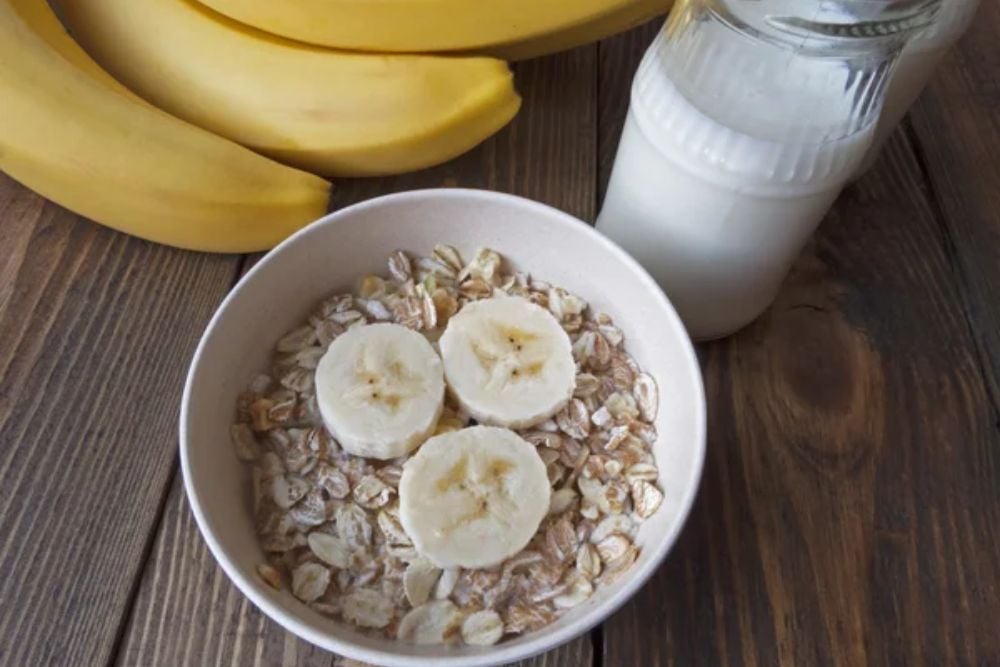
This Japanese phenomenon claimed that eating bananas and room-temperature water for breakfast, followed by normal meals and an early dinner, would lead to weight loss. The simple protocol and promise that no exercise was required led to banana shortages in Japan in 2008.
The realistic limitations soon became apparent—simply eating one food for breakfast doesn’t counteract overall caloric intake, and results proved disappointing without additional lifestyle changes.
Breatharianism

This extreme fringe movement claimed humans could survive on air and sunlight alone, eliminating the need for food entirely. Despite obvious physiological impossibility, it periodically attracts media attention when proponents make outlandish claims.
Several followers have died attempting to follow this dangerous non-diet, while others promoting it have been caught secretly eating, revealing the lethal fraud behind this recurring pseudoscientific concept.
The Ice Diet

This strange approach suggested eating ice as a ‘negative calorie’ food since the body must expend energy warming the ice to body temperature. Proponents claimed eating a liter of ice would burn about 160 calories.
While technically true that cold water requires energy to warm, the minimal effect couldn’t meaningfully impact weight, and dentists warned about potential tooth damage from chronically chewing ice as a weight loss strategy.
Enduring Nutrition Wisdom
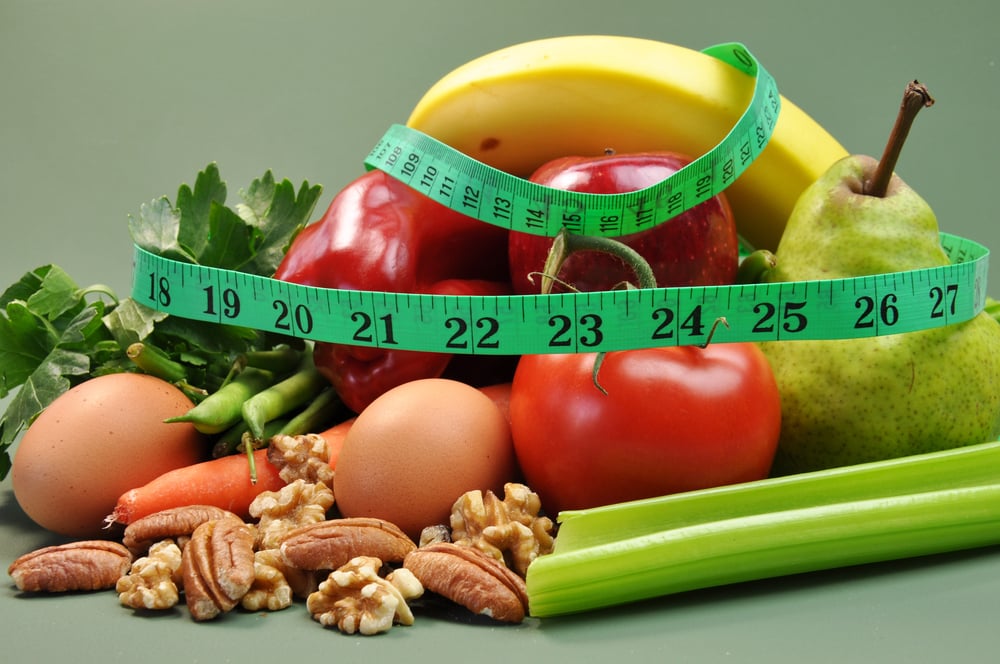
These flash-in-the-pan diets remind us that sustainable nutrition isn’t found in extreme approaches or magical food combinations. The most effective eating patterns have always been balanced, flexible, and focused on whole foods rather than gimmicks.
While headline-grabbing diets will continue to emerge and fade, our bodies’ fundamental nutritional needs remain remarkably consistent across trends and time periods.
More from Go2Tutors!

- The Romanov Crown Jewels and Their Tragic Fate
- 13 Historical Mysteries That Science Still Can’t Solve
- Famous Hoaxes That Fooled the World for Years
- 15 Child Stars with Tragic Adult Lives
- 16 Famous Jewelry Pieces in History
Like Go2Tutors’s content? Follow us on MSN.