15 Abandoned Prisons With Disturbing Secrets
Abandoned prisons carry an eerie weight that few other structures can match. These crumbling fortresses once held society’s most dangerous criminals, witnessed brutal executions, and contained secrets that would shock even the most hardened observers. Unlike regular abandoned buildings, these facilities seem to trap the echoes of human suffering within their decaying walls.
The stories locked inside these forgotten institutions reveal a darker side of justice that many would prefer to forget. Here is a list of 15 abandoned prisons with disturbing secrets that continue to haunt their empty corridors.
West Virginia Penitentiary

The West Virginia Penitentiary in Moundsville operated from 1866 to 1995 and earned a reputation as one of the most violent correctional facilities in America. During its 119-year history, approximately 998 men perished within these walls, with 36 of those being homicides.
The prison’s basement recreation room, nicknamed ‘The Sugar Shack’ by inmates, became infamous for illegal gambling, drug deals, and murder. The facility performed hangings that sometimes went horribly wrong, including one prisoner who was accidentally harmed, leading the state to rule hanging as cruel and unusual punishment in 1951.
Eastern State Penitentiary

Eastern State Penitentiary in Philadelphia was once the most expensive public building in the U.S. when it opened in 1829. This facility pioneered the controversial solitary confinement system, keeping prisoners in complete isolation for years at a time.
The psychological torture of this system broke many inmates’ minds long before their sentences ended. Bank robber Willie Sutton famously escaped through a tunnel in 1945, but most prisoners weren’t so fortunate.
Like Go2Tutors’s content? Follow us on MSN.
Alcatraz Federal Penitentiary

San Francisco’s Alcatraz had a gruesome 29-year history where escape was impossible and information about travesties was carefully hidden from the public. Guards routinely beat inmates with chains, kicks, knives, electric shocks, and even guns, with these torture methods not becoming widely known until years after the prison’s closing.
The island prison housed some of America’s most notorious criminals, including Al Capone, who spent his final prison years here as his mental health deteriorated from untreated syphilis. The isolation and brutal treatment drove many prisoners to madness, with some attempting dangerous escape plans that ended in death.
Old New Mexico State Penitentiary

The Old New Mexico State Penitentiary experienced one of the most terrifying riots in American correctional history on February 2 and 3, 1980, when inmates overran the prison building. During this brutal uprising, 12 guards were taken hostage and 33 inmates lost their lives in acts of extreme violence.
The riot lasted 36 hours before police regained control, but the damage revealed the prison’s severe overcrowding and the dangerous ‘snitch system’ that had enraged prisoners. Parts of the facility were shut down immediately after, with the remaining structures now used to store movie props.
Garcia Moreno Prison

Ecuador’s Garcia Moreno Prison, with more than 140 years of history, held everyone from petty thieves to politicians and ex-presidents. The facility became notorious when a jealous prisoner harmed his wife in front of their two children during a visit.
Designed to hold only 300 inmates, the prison was grotesquely overcrowded with 2,600 prisoners when it finally closed in 2014. The cramped conditions led to constant violence, with inmates creating disturbing murals and messages that visitors can still see today during tours of the abandoned facility.
Like Go2Tutors’s content? Follow us on MSN.
Pentridge Prison

Australia’s Pentridge Prison, built in 1850 for 650 prisoners, ended up housing 1,000 inmates who were forced to break surrounding blue stone to build the road from Melbourne to Sydney. The prison shut down in 1997 after various riots and scandals rocked the institution.
Australia’s most infamous criminal, Ned Kelly, was imprisoned at Pentridge, and his remains were discovered in a mass grave at the prison in 2009. When parts of the prison were torn down for housing developments, workers had to dig up and identify bones of prisoners, sending unidentified remains to the morgue.
Sinop Prison
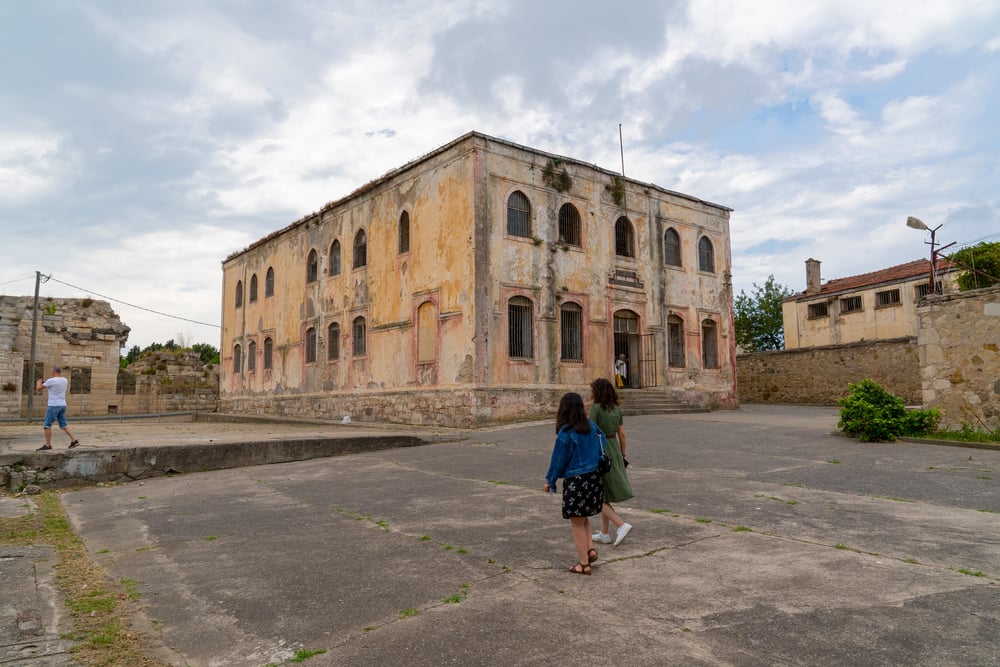
Sinop Prison, established in 1887 within Turkey’s Sinop Fortress, was one of the oldest prisons in the country. The prison’s location created brutal conditions, as its proximity to the sea made the air constantly moist and cold, making it difficult for prisoners to even light a match.
The facility became known for housing intellectuals, including journalists, politicians, teachers, and poets who opposed the government. A separate building with nine halls was added in 1939 specifically for juvenile prisoners, subjecting children to the same harsh maritime conditions that plagued adult inmates.
Goli Otok Prison

The rocky island outcrop known as Goli Otok, sometimes called the ‘Croatian Alcatraz,’ housed a collection of abandoned prison buildings after the Soviet Union fell. When the first prisoners arrived during World War I, the island was completely bare and barren, forcing Russian prisoners of war to build their own shelters and settlements.
Yugoslavia formally declared the entire island a high-security, top-secret prison and labor camp in 1949, forcing prisoners into hard labor regardless of weather conditions that could reach 104°F or drop to freezing temperatures. The isolation and extreme conditions broke many prisoners both physically and mentally.
Like Go2Tutors’s content? Follow us on MSN.
Essex County Jail

Located in New Jersey, the Essex County Jail was abandoned in 1970 after a new local jail was built, leaving the old structure to decay with fire damage and drug-taking squatters. Despite maintaining a spot on the National Register of Historic Places, the building fell into complete disrepair.
The facility became a dangerous haven for criminal activity, with its deteriorating structure hiding evidence of illegal activities. Squatters turned the former cells into drug dens, creating a different kind of prison that trapped people in addiction rather than serving justice.
Tuchthuis Prison
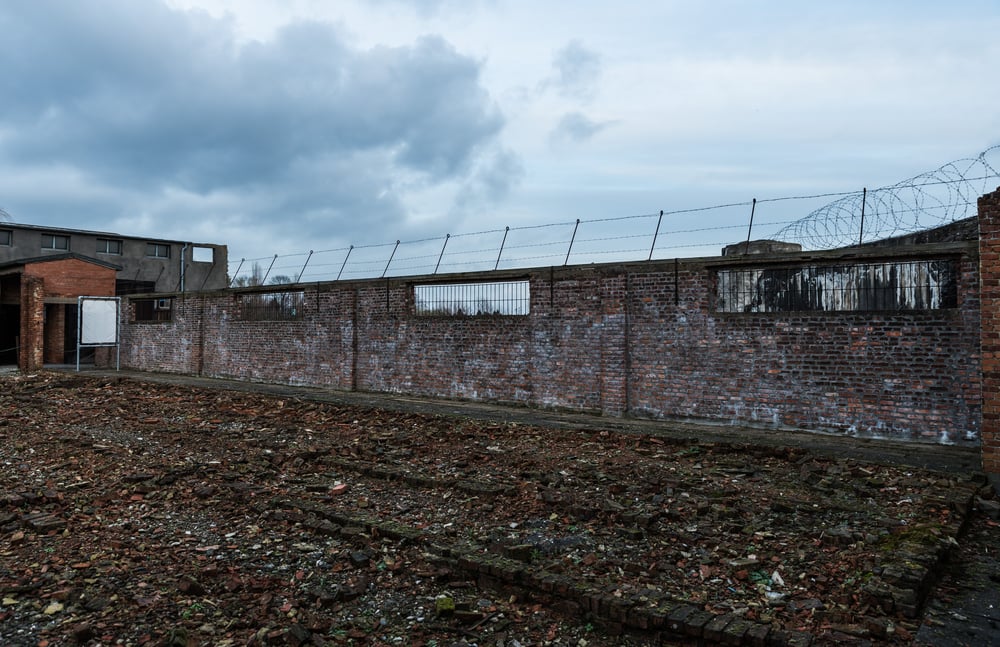
Built in 1779, Belgium’s Tuchthuis Prison was once the biggest institution of its kind in the country, serving multiple purposes as a prison, hospital, and military school. German forces occupied the building during World War II, leaving behind graffiti, swastikas, and family letters inside the cells that remained when the prison was sealed in the 1950s.
The facility was completely abandoned in the 1970s, but the haunting messages and symbols left by both prisoners and occupying forces created a disturbing time capsule of human suffering across multiple eras.
Rummu Prison

Estonia’s Rummu Prison was built in the late 1930s within a limestone quarry and became partially submerged when the Soviet Union collapsed and the area flooded. When pumping stopped after abandonment, the quarry filled with groundwater, creating an underwater prison that visitors can now explore by boat or diving.
The submerged prison walls, machinery, and buildings create a surreal underwater landscape, but the site has become dangerous with pieces of metal, barbed wire, and rebar spikes lurking beneath the surface. Two people have died at the site, including a teenage girl who injured her back and a man who drowned.
Like Go2Tutors’s content? Follow us on MSN.
Patarei Prison
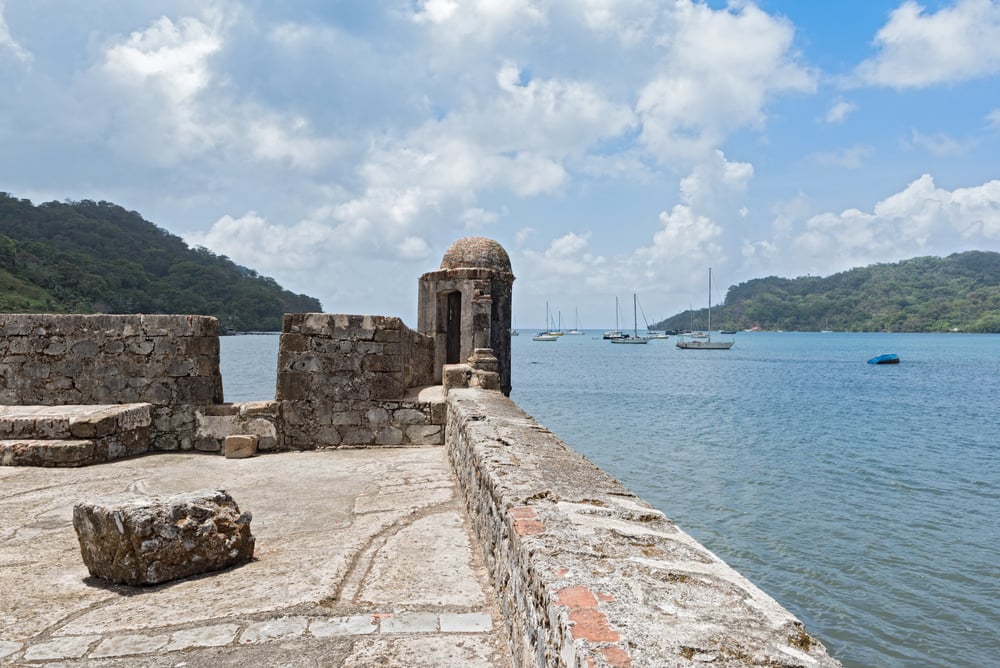
Estonia’s Patarei Prison was originally built as a sea fortress in the 1800s to protect Russian sailing routes before being converted into a prison in 1919. The facility housed death row inmates throughout its history, with executions taking place within its walls, adding to the prison’s infamous reputation.
By March 1945, the prison held 3,620 inmates despite having a capacity of only 1,200, creating desperately overcrowded and filthy conditions. Many prisoners were purged during the 1940s, and after the war, the Soviets emptied the prison and sent surviving inmates to gulags in the east.
Procida Prison

This Italian prison on the island of Procida sits high atop a cliff with some of the best views of the Bay of Naples, but the scenic location couldn’t make up for the horrid conditions inside. Thirty to forty men were forced to share a single ‘cell,’ and they also had to share a bathroom that was essentially a bucket passed around once a day.
The overcrowding created a health nightmare, with diseases spreading rapidly among prisoners who had no escape from the filthy conditions. The beautiful coastal views became a cruel reminder of the freedom that prisoners would never experience again.
Old Idaho Penitentiary

The Old Idaho Penitentiary operated from 1872 to 1973 and is now a museum where visitors can explore the original cells and gallows. The facility held Harry Orchard, who assassinated former Idaho Governor Frank Steunenberg in 1905.
The prison’s gallows remained active for decades, with public executions drawing crowds of locals who came to watch the condemned meet their end. The facility’s isolation in the Idaho desert made escape nearly impossible, and many prisoners died from the harsh conditions and violence rather than completing their sentences.
Like Go2Tutors’s content? Follow us on MSN.
Ohio State Reformatory

Ohio State Reformatory, famous for its role in ‘The Shawshank Redemption,’ closed in 1990 but remains a popular tourist spot. The massive Gothic structure housed thousands of prisoners over its operational years, with many dying from violence, disease, and harsh conditions.
The prison’s imposing architecture was designed to intimidate and break the spirit of inmates, with towering cell blocks that made prisoners feel insignificant. The facility’s dark history includes numerous murders, riots, and failed escape attempts that left many prisoners dead in the surrounding countryside.
The Shadow of Justice’s Past
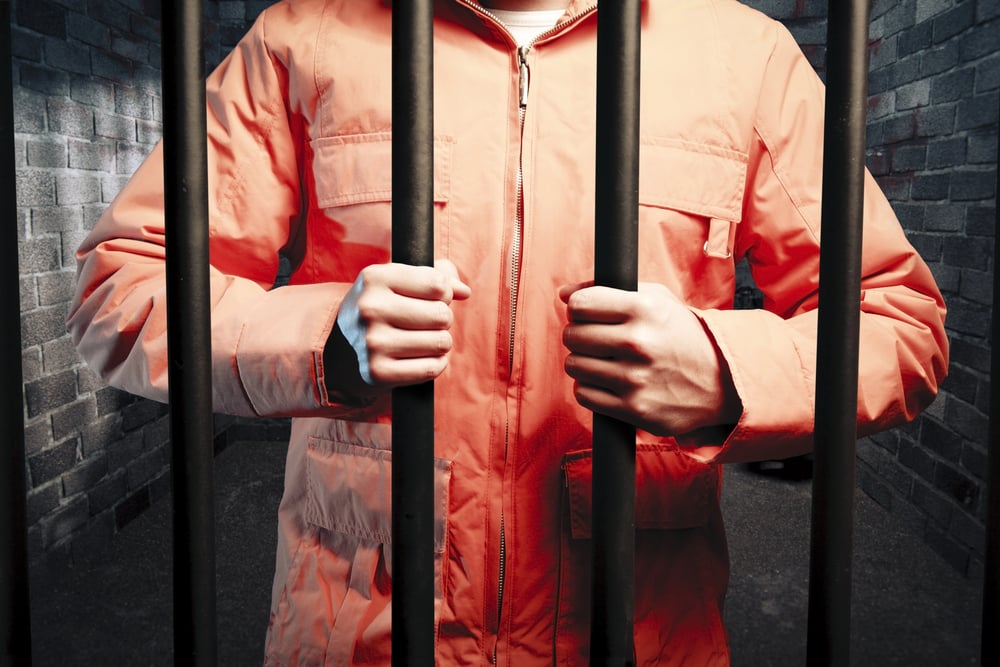
These abandoned prisons represent a brutal chapter in criminal justice history that modern society has largely moved beyond. While some have been repurposed as museums and tourist attractions, offering glimpses into the past, others remain untouched and slowly being reclaimed by nature.
The disturbing secrets within their walls serve as stark reminders of how far correctional systems have evolved, even as debates about prison reform continue today. What makes these places truly unsettling isn’t just their violent histories, but how they reveal the thin line between justice and vengeance that societies have struggled to navigate for centuries.
More from Go2Tutors!

- 16 Historical Figures Who Were Nothing Like You Think
- 12 Things Sold in the 80s That Are Now Illegal
- 15 VHS Tapes That Could Be Worth Thousands
- 17 Historical “What Ifs” That Would Have Changed Everything
- 18 TV Shows That Vanished Without a Finale
Like Go2Tutors’s content? Follow us on MSN.