15 Cartoon Theme Parks That Never Opened
The theme park industry thrives on spectacular visions and massive financial gambles. Disney’s phenomenal success and Universal’s cinematic attractions prove that cartoon-based entertainment can generate billions in revenue, yet behind every triumphant opening lies a graveyard of abandoned concepts.
Entertainment executives have pitched some genuinely wild ideas over the decades — from underwater cartoon adventures to villain-themed kingdoms. Most of these ambitious projects never survived the transition from boardroom presentations to actual construction sites.
Corporate priorities shift, budgets evaporate, and market conditions change faster than construction timelines allow. Here are 15 cartoon theme parks that sounded absolutely incredible but never opened their gates.
Cartoon Network Studios Theme Park

Time Warner executives envisioned something spectacular for Pennsylvania in the late 1990s — a 200-acre Cartoon Network paradise. Different zones would celebrate The Powerpuff Girls, Dexter’s Laboratory, and Johnny Bravo with custom roller coasters and interactive character experiences.
The concept art looked amazing, though corporate bean counters eventually decided the investment carried too much risk. Existing properties seemed safer than building an entirely new destination from scratch.
Warner Bros.’ Looney Tunes Land Expansion

Warner Bros. developed incredibly detailed plans for expanding its Gold Coast facility during the early 2000s. The centerpiece would’ve been a massive Bugs Bunny roller coaster — probably the most elaborate cartoon-themed ride ever conceived.
Tweety and Sylvester interactive experiences would’ve surrounded the main attraction. Budget constraints hit hard, though, and the expansion never made it past the planning phase despite years of development work.
Sony’s Hotel Transylvania Haunt Park

Sony Pictures Animation had a genuinely clever idea during Hotel Transylvania’s peak popularity. They pitched a seasonal spooky park near Los Angeles featuring haunted hotel walkthroughs and monster-themed roller coasters designed specifically for family audiences.
The kid-friendly fright zones would’ve been perfect for Halloween entertainment. Disappointing merchandise sales killed the momentum, and Sony quietly shelved the entire concept without much public announcement.
Nickelodeon Studios Orlando Expansion
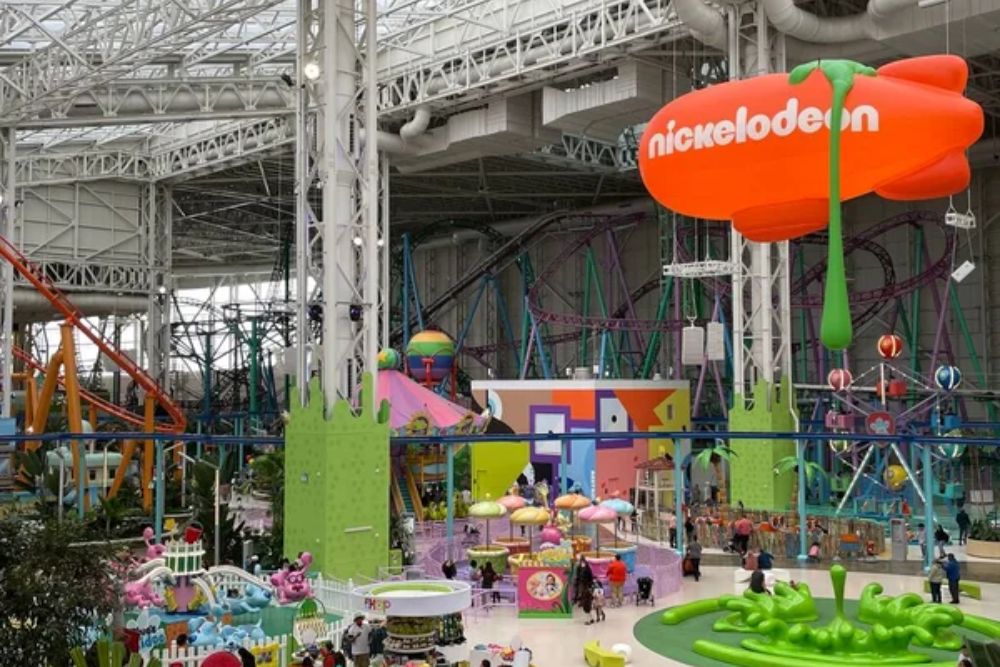
Nickelodeon’s Florida studios were originally supposed to become something much bigger than production facilities. Plans called for 50 acres of SpongeBob SquarePants underwater adventures alongside elaborate Rugrats playground areas that would’ve rivaled Disney’s best family attractions.
Corporate restructuring at Viacom during the early 2000s changed everything — expansion plans got axed while executives focused on streamlining existing operations.
Jay Ward’s Rocky and Bullwinkle Theme Park

Los Angeles nearly got a Rocky and Bullwinkle theme park during the early 1990s nostalgia boom. Moose-and-squirrel stunt shows would’ve been the headline attraction, complemented by Boris and Natasha villain-themed rides that played up the characters’ bumbling schemes.
The concept relied heavily on retro cartoon charm, yet interest fizzled faster than anyone expected. Early design stages never progressed into serious development discussions.
MGM’s Pink Panther Paradise

MGM flirted with Pink Panther attractions in Las Vegas during the character’s 1990s cultural relevance. The mini-park concept featured slapstick stunt shows, detective-themed mazes, and enough pink decorations to overwhelm anyone’s visual senses.
Market research probably revealed what executives feared — younger audiences didn’t connect with the character like previous generations had. The project remained conceptual while MGM pursued more contemporary entertainment options.
Fox’s Simpsons Springfield Theme Park

Before Universal secured The Simpsons rights, Fox developed comprehensive plans for recreating Springfield in California. Visitors would’ve experienced Moe’s Tavern, the Kwik-E-Mart, and Springfield Elementary School as fully interactive environments rather than simple photo opportunities.
The scope was genuinely ambitious — basically building an entire fictional town from scratch. Funding challenges prevented Fox from moving forward, eventually leading them to license the property to Universal instead.
Universal’s DreamWorks Animation Land

Universal Studios Hollywood seriously considered dedicating an entire land to DreamWorks properties like Shrek, Kung Fu Panda, and Madagascar. A dragon-themed roller coaster would’ve anchored the area alongside an elaborate Kung Fu Panda martial arts show featuring live performers and special effects.
Space limitations at the Hollywood location created logistical nightmares, though, and internal disagreements led to smaller individual attractions being chosen instead.
Sony’s Smurfs Village Theme Park

Sony Pictures created surprisingly detailed blueprints for a New Jersey Smurfs park during the early 2010s franchise revival. Mushroom house attractions, Papa Smurf’s interactive laboratory, and Gargamel’s castle would’ve provided family-friendly entertainment across multiple themed areas.
The live-action films’ poor box office performance convinced Sony that demand wasn’t strong enough to justify the massive investment required for theme park development.
Disney’s Villains Kingdom Park

Disney Imagineers floated an absolutely fascinating concept during the early 2010s — an entire park dedicated exclusively to animated villains. Maleficent’s imposing castle would’ve dominated the skyline while Ursula’s underwater lair provided immersive dark ride experiences.
A journey through various villain territories would’ve showcased Disney’s most memorable antagonists. Leaked concept art generated tremendous online excitement, yet Disney worried about frightening their core demographic of younger visitors.
Turner’s Captain Planet Eco-Park
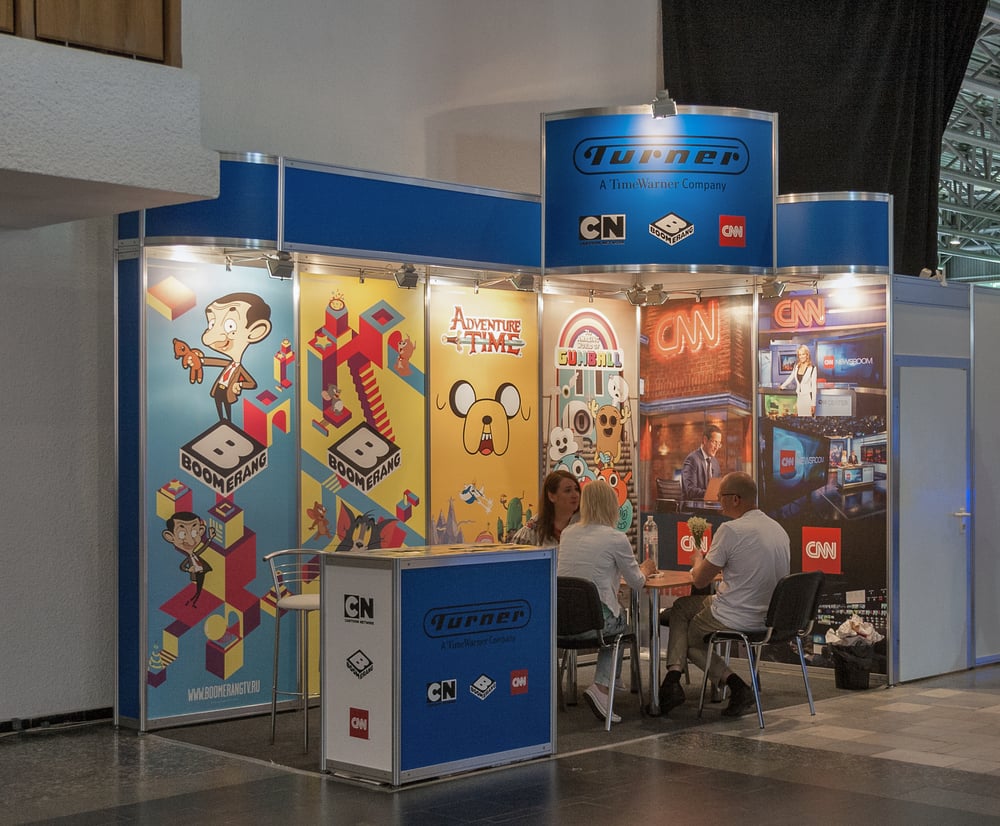
Turner Broadcasting planned something genuinely educational during the early 1990s environmental movement — a Captain Planet theme park in Georgia. Renewable energy demonstrations would’ve been combined with pollution-fighting interactive experiences throughout the facility. The concept was ahead of its time in many ways.
Ted Turner’s personal financial difficulties during the late 1990s forced the company to abandon this ambitious educational entertainment venture.
Universal’s Scooby-Doo Spooky Island

Universal Studios explored Scooby-Doo-themed attractions after the early 2000s live-action films surprised everyone with their box office success. Spooky Island from the first movie provided the perfect inspiration for haunted house attractions, ghost chase experiences, and mystery-solving interactive games.
Licensing complications proved more challenging than expected, while declining film popularity made the investment seem increasingly risky over time.
Universal’s Pokémon Park Proposal
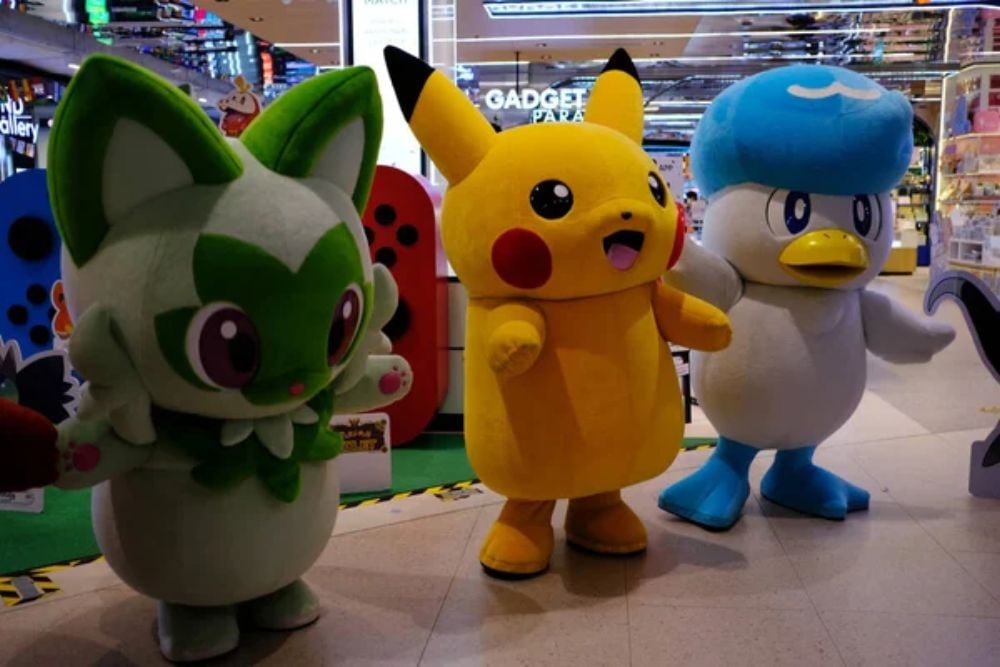
Universal Studios Florida once had plans to transform their aging KidZone area into comprehensive Pokémon-themed land. Interactive battle experiences, Team Rocket chase attractions, and a life-sized Poké Center would’ve created an immersive environment for franchise fans.
Development progressed surprisingly far during the early 2000s before being abandoned in favor of more reliable intellectual properties. Harry Potter and Despicable Me ultimately proved safer investments than the unpredictable world of anime licensing.
Nickelodeon Universe at Jazzland

Hurricane Katrina’s destruction of Six Flags New Orleans created unexpected redevelopment opportunities that attracted ambitious proposals. Nickelodeon presented one of the most comprehensive renovation plans, seeking to transform the abandoned facility into Nickelodeon Universe featuring SpongeBob, Dora the Explorer, and Avatar: The Last Airbender attractions.
The concept gained serious momentum around 2009 before city politics and funding complications prevented any actual progress.
20th Century Fox World Theme Park

20th Century Fox announced an $850 million Dubai theme park in 2015, partnering with Al Ahli Holding Group to create attractions based on The Simpsons, Ice Age, and Futurama. The sprawling complex would’ve competed directly with other major Dubai entertainment destinations while showcasing Fox’s most popular animated properties.
Market saturation concerns in Dubai’s increasingly competitive theme park landscape led to indefinite postponement in 2018 — ultimately resulting in complete cancellation despite initial enthusiasm.
The Reality Behind the Magic

These abandoned projects illustrate how challenging theme park development really is, even when beloved cartoon characters anchor the concept. Financial constraints destroy some dreams while corporate restructuring kills others.
Occasionally, market research reveals that public enthusiasm doesn’t translate into sustainable attendance figures. The industry demands enormous capital investments with uncertain returns — cartoon magic can’t guarantee success when hundreds of millions of dollars hang in the balance.
Licensing agreements, construction timelines, and shifting consumer preferences all influence whether ambitious concepts become magical destinations or remain fascinating footnotes. While these 15 parks never welcomed their first visitors, they demonstrate the incredible creativity and ambition that continues driving the entertainment industry forward.
More from Go2Tutors!

- The Romanov Crown Jewels and Their Tragic Fate
- 13 Historical Mysteries That Science Still Can’t Solve
- Famous Hoaxes That Fooled the World for Years
- 15 Child Stars with Tragic Adult Lives
- 16 Famous Jewelry Pieces in History
Like Go2Tutors’s content? Follow us on MSN.