15 Ads That Captured ’90s Supermodel Culture
The 1990s marked a revolutionary shift in advertising where supermodels became household names and fashion campaigns turned into cultural phenomena. This decade witnessed the rise of the ‘Big Five’ supermodels and a new era where models weren’t just faces selling clothes—they were icons shaping entire cultural movements.
The 1990s were a peak time for fashion campaigns, they highlighted thought provoking imagery and featured the biggest supermodels in the world such as Kate Moss and Claudia Shiffer. This era in fashion was most famous for the advent of the ‘supermodel’ which saw this group catapulted to stardom. Here’s a list of 15 advertising campaigns that perfectly captured the essence of ’90s supermodel culture.
Kate Moss for Calvin Klein Obsession

On December 3, 1993, that shift took centre stage when supermodel Kate Moss became the face of Calvin Klein’s Obsession fragrance campaign. Rather than replicate young romance in a studio, Klein sent an 18-year-old Moss and then boyfriend, 20-year-old photographer Mario Sorrenti to create what would become one of the most influential campaigns of the decade.
The raw, intimate imagery challenged traditional beauty standards and introduced the world to Kate Moss’s magnetic presence.
Eva Herzigová’s Wonderbra Campaign
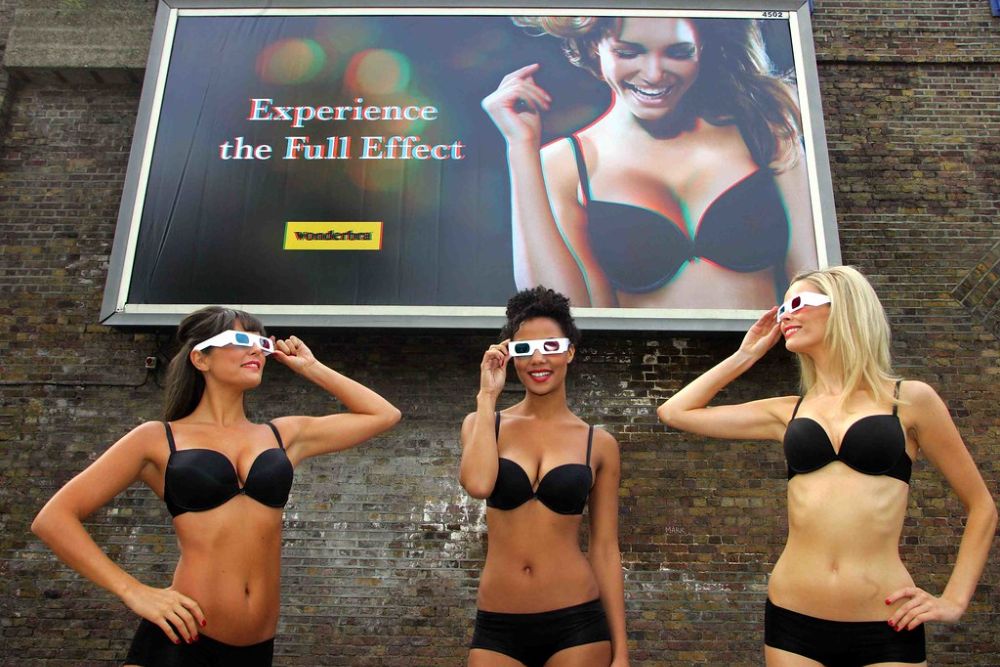
The Hello Boys advert from 1994 featuring supermodel Eva Herzigová turned the tide for Wonderbra in the battle of the bras against the Gossard Ultrabra. Previously considered the old-fashioned choice, this billboard reversed the fortunes of the brand, and has been voted the most iconic poster of the ’90s.
The cheeky tagline and Herzigová’s confident pose made this campaign impossible to ignore on billboards across the world.
Like Go2Tutors’s content? Follow us on MSN.
Cindy Crawford for Pepsi
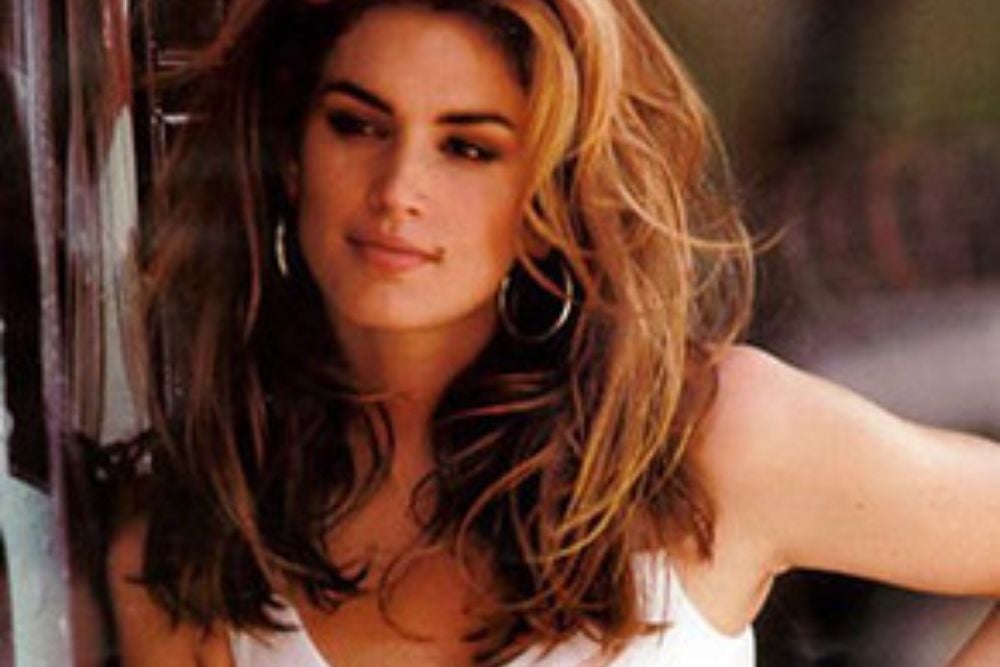
Another great moment in ’90s marketing is Pepsi’s 1992 Super Bowl commercial featuring uber-famous supermodel Cindy Crawford exiting a red sports car, sauntering over to a vending machine to buy a Pepsi, and taking a big drink from the newly redesigned can. This 30-second spot became an instant classic, perfectly capturing Crawford’s all-American appeal while selling soda to millions of viewers who couldn’t take their eyes off the screen.
Versace’s Glamour Squad Campaigns

Throughout the ’90s, Versace became synonymous with supermodel glamour by featuring multiple icons in single campaigns. The brand’s ads regularly showcased Linda Evangelista, Naomi Campbell, Christy Turlington, and Cindy Crawford together, creating a sense of exclusivity and high fashion that made everyone want to be part of their glamorous world.
These campaigns epitomized the excess and confidence that defined the decade.
Calvin Klein’s Controversial Jeans Ads

Beyond the fragrance campaigns, Calvin Klein pushed boundaries with provocative jeans advertisements featuring young models in suggestive poses and minimal clothing. These campaigns generated massive controversy and media attention, which only amplified their cultural impact.
The brand understood that shocking audiences was just as effective as traditional beauty shots when it came to getting people talking.
Like Go2Tutors’s content? Follow us on MSN.
Guess Jeans Black and White Romance

Guess perfected the art of storytelling through fashion advertising with their cinematic black-and-white campaigns. These ads often featured dramatic scenarios with beautiful models in passionate embraces or mysterious situations, creating a fantasy world that made wearing Guess jeans feel like stepping into a movie.
The brand’s aesthetic became so recognizable that it influenced an entire generation’s understanding of American style.
Chanel No. 5 Elegance

While perfume advertising had always been aspirational, Chanel No. 5’s ’90s campaigns elevated the game by featuring top supermodels in sophisticated, almost artistic settings. These ads weren’t just about selling fragrance—they were about selling an entire lifestyle of Parisian elegance and sophistication.
The campaigns reinforced Chanel’s position as the ultimate luxury brand.
Revlon’s Supermodel Spokesmodels
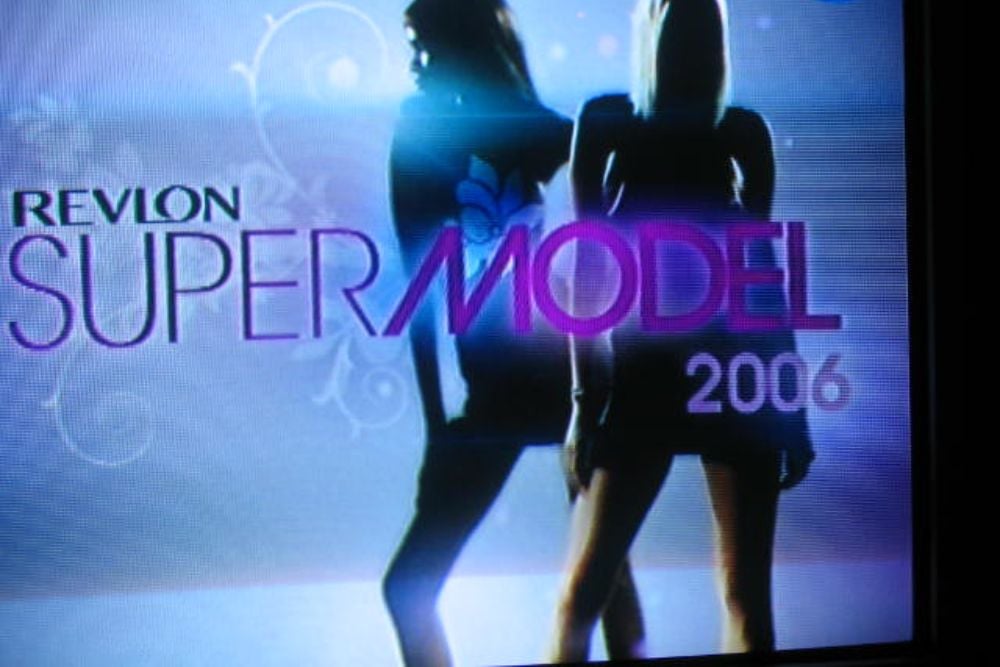
Revlon revolutionized cosmetics advertising by signing exclusive deals with supermodels like Cindy Crawford and Claudia Schiffer as brand ambassadors. Rather than just featuring models in single campaigns, these partnerships created ongoing relationships that made consumers feel like they could achieve supermodel beauty with the right makeup.
The strategy was so successful that it became the standard approach for beauty brands.
Like Go2Tutors’s content? Follow us on MSN.
Victoria’s Secret Angels Campaign

Victoria’s Secret transformed lingerie advertising by creating the ‘Angels’ concept, turning their models into characters with wings and halos. This campaign didn’t just sell underwear—it sold fantasy and empowerment, making their fashion shows must-see television events.
The Angels became as famous as movie stars, proving that the right marketing could turn any product into entertainment.
Diesel’s Edgy Anti-Fashion Stance

Notably, the brand collaborated with renown artist David Lachapelle in one of their early campaigns with a photo of two gay sailors kissing on a dock which later became one of the most famous fashion adverts to circuit the 90s. Provocative but playful, Diesel turned our attention to much more than just jeans.
Their campaigns celebrated individuality and rebellion, perfectly capturing the alternative spirit that was emerging alongside mainstream fashion.
MAC Cosmetics Diversity Push

MAC broke new ground by featuring models of all ethnicities and alternative beauty types in their campaigns, challenging the industry’s narrow beauty standards. Their ‘All Ages, All Races, All Genders’ philosophy was revolutionary for the time and helped establish the brand as inclusive and forward-thinking.
These campaigns proved that diversity wasn’t just morally right—it was also great for business.
Like Go2Tutors’s content? Follow us on MSN.
Gap’s Khaki Commercials
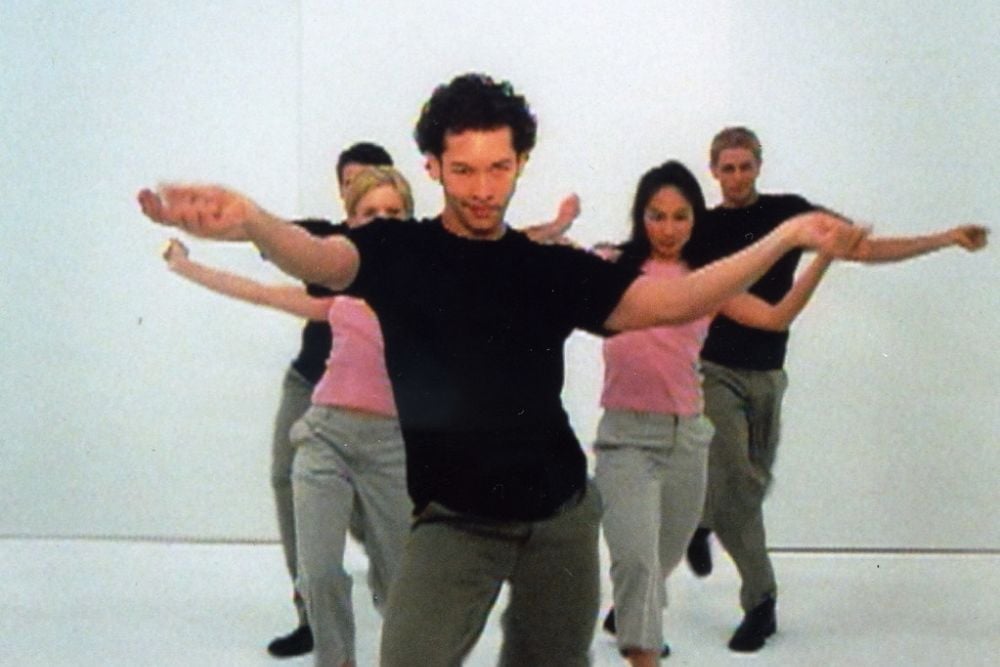
Gap’s khaki campaigns featured supermodels and celebrities dancing and moving in simple, well-fitted basics, making casual wear feel effortlessly cool. These ads democratized fashion by showing that you didn’t need designer clothes to look stylish—you just needed the right attitude.
The campaigns were so successful that they turned Gap into one of the most recognizable clothing brands in the world.
Jean Paul Gaultier’s Unconventional Beauty
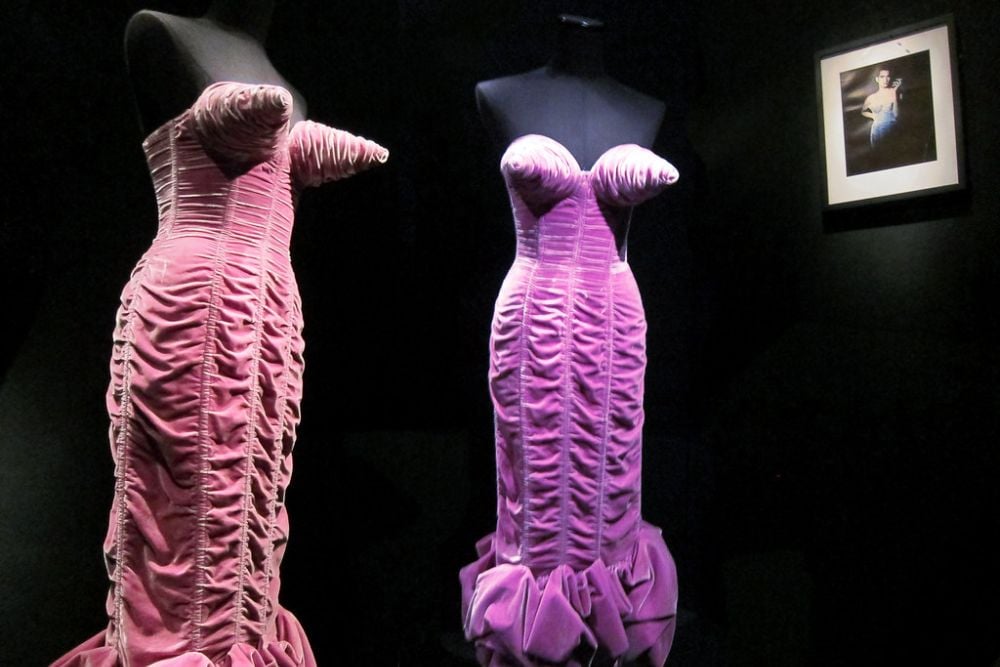
Gaultier’s advertising campaigns celebrated unconventional beauty and pushed gender boundaries, often featuring androgynous models or unexpected styling choices. These ads challenged viewers’ perceptions of what fashion and beauty could be, paving the way for more experimental approaches in later decades.
The designer’s fearless creativity made his campaigns must-see art pieces.
Tommy Hilfiger’s All-American Dream

Tommy Hilfiger’s campaigns captured the preppy, all-American aesthetic that dominated ’90s fashion, featuring models in sailing clothes, varsity jackets, and red-white-and-blue color schemes. These ads sold more than clothes—they sold an aspirational lifestyle of yacht clubs and Ivy League colleges.
The brand’s patriotic imagery resonated with consumers who wanted to embody American confidence and success.
Like Go2Tutors’s content? Follow us on MSN.
L’Oréal’s ‘Because You’re Worth It’ Evolution

L’Oréal evolved their famous tagline by featuring supermodels who embodied confidence and self-worth, making their message about empowerment rather than just beauty products. These campaigns suggested that using L’Oréal wasn’t about changing yourself—it was about celebrating who you already were.
The psychological approach was sophisticated and effective, helping establish the brand as a leader in the beauty industry.
When Supermodels Ruled the World

The advertising campaigns of the 1990s didn’t just sell products—they created a cultural moment where supermodels became more famous than the clothes they wore. Guess ads reflected and shaped the narratives of individuality and self-expression, resonating with consumers who were keen to break free from traditional gender roles.
Even today, the nostalgia surrounding vintage Guess ads showcases their lasting impact on contemporary fashion and marketing. These campaigns established templates that advertisers still follow today, proving that the right combination of beauty, attitude, and timing can create marketing magic that lasts for decades. The ’90s taught us that selling a dream is often more powerful than selling a product.
More from Go2Tutors!

- 16 Historical Figures Who Were Nothing Like You Think
- 12 Things Sold in the 80s That Are Now Illegal
- 15 VHS Tapes That Could Be Worth Thousands
- 17 Historical “What Ifs” That Would Have Changed Everything
- 18 TV Shows That Vanished Without a Finale
Like Go2Tutors’s content? Follow us on MSN.