Foods Banned in Certain Countries
We can learn a lot about our communities from the food we eat. Our customs, health standards, and even sense of humor are all reflected in it.
However, something that is entirely acceptable in one nation may be prohibited in another. Some bans stem from cultural beliefs, some from safety concerns, and some are just the result of peculiar laws that have persisted.
These 13 foods are prohibited in some countries.
Chewing Gum

Singapore is famous for being spotless — and chewing gum once threatened that image. In the early 1990s, discarded gum stuck to train doors and sidewalks, creating costly messes across the city.
The government’s solution was drastic but effective: a nationwide ban on gum sales. It’s still one of the world’s strictest food regulations, though therapeutic gums for dental and medical use are allowed with a prescription.
Travelers can carry small amounts for personal use, but local stores won’t stock it. Despite sounding extreme, the rule worked — Singapore’s subway runs smoothly, and the streets gleam.
What started as a war on litter has become part of the country’s identity.
Kinder Surprise Eggs
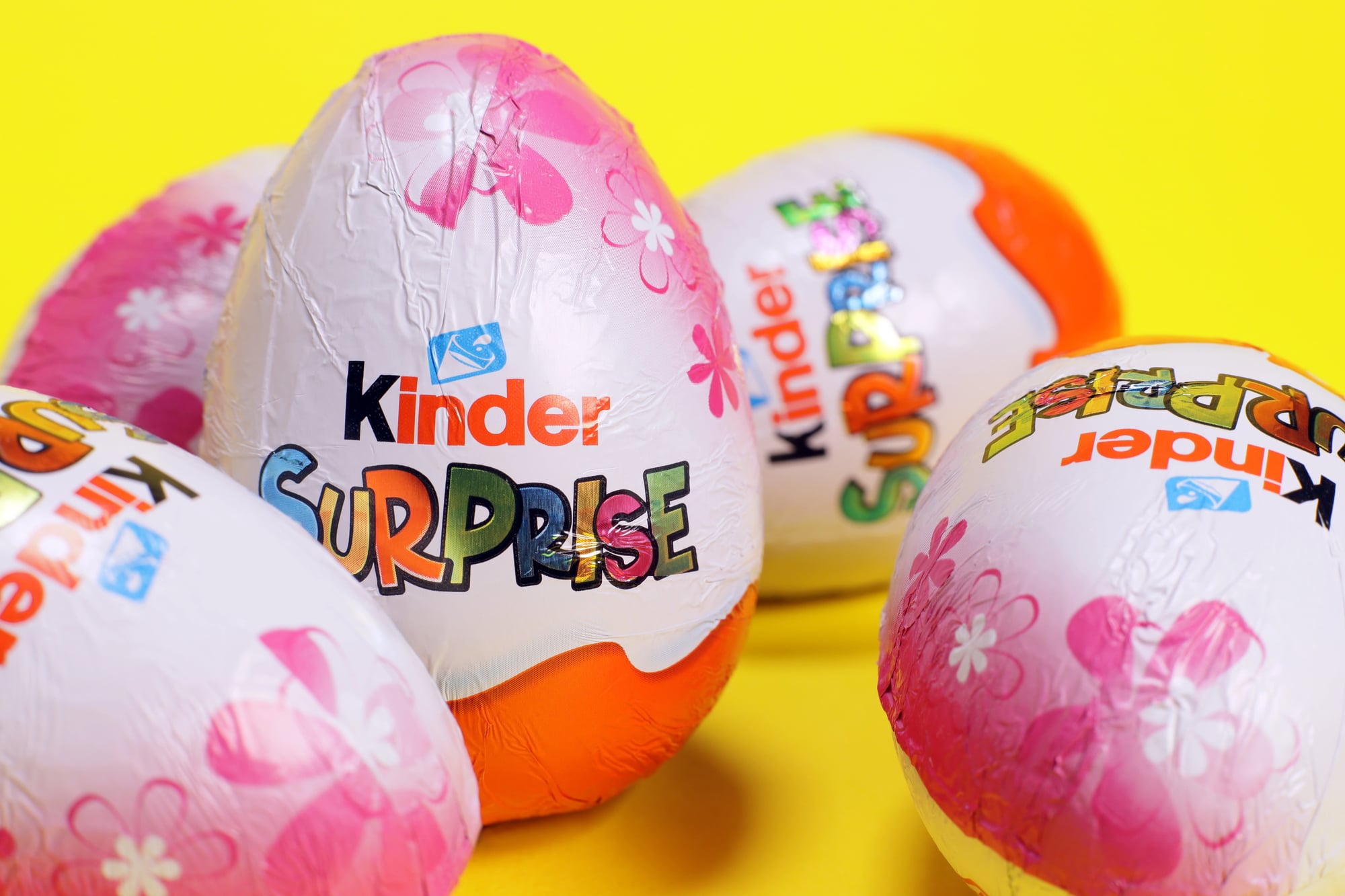
Kinder Surprise Eggs are adored around the world — except in the United States. American law prohibits embedding non-food objects inside food because of choking hazards.
The rule dates back decades, and while it’s rarely challenged, it means those chocolate eggs with hidden toys remain off American shelves. In response, the company released Kinder Joy, a split treat where the chocolate and toy stay separate.
It’s safer but lacks the same surprise factor. Collectors still trade vintage toys online, proving that nostalgia often outlasts regulation.
The rest of the world bites into Kinder Surprises every Easter, while U.S. customs officers occasionally confiscate them like contraband candy.
Haggis
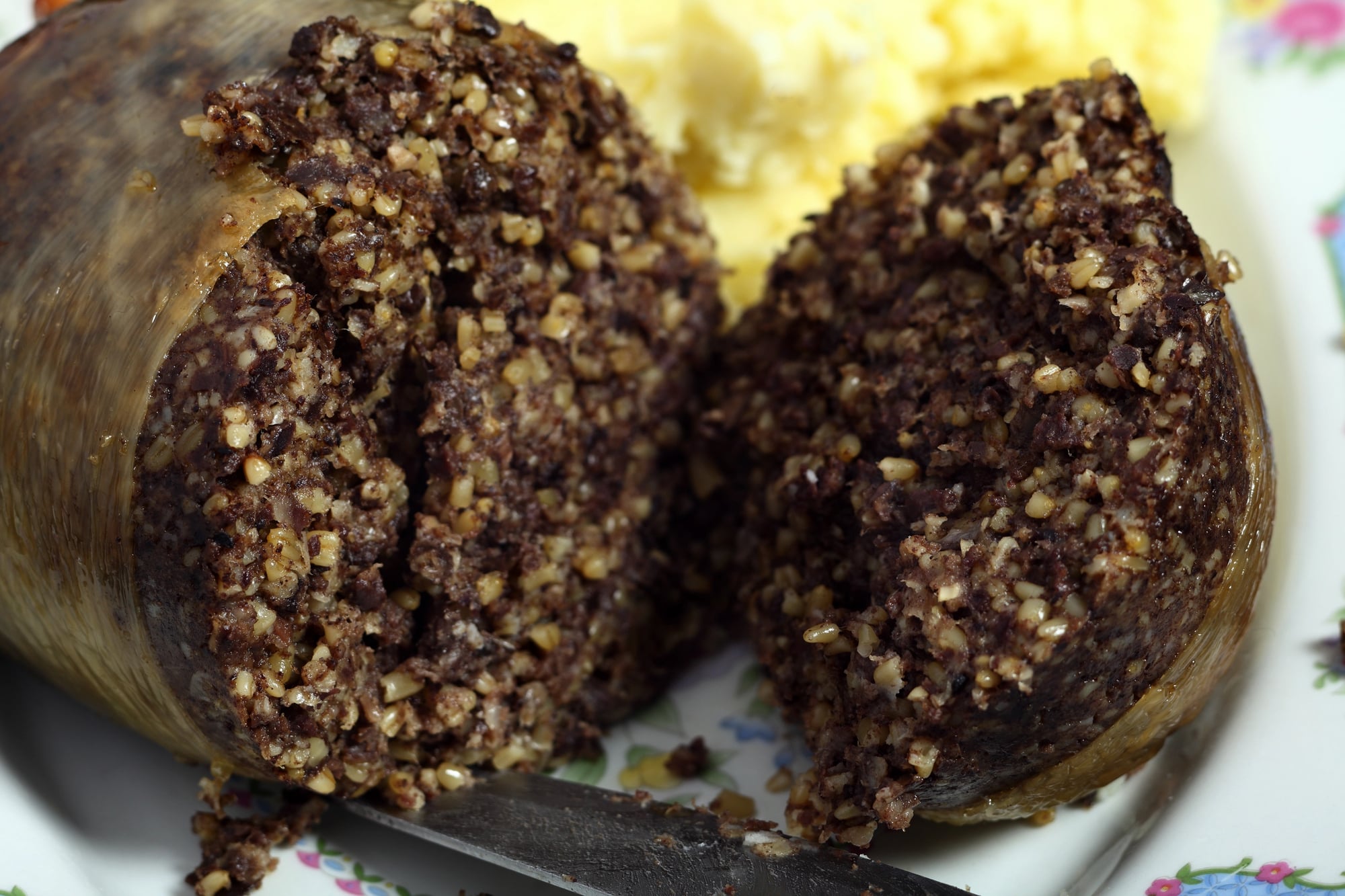
For Scots, haggis isn’t just food — it’s a national symbol. But authentic haggis has been banned in the U.S. since 1971 because it contains sheep lung, an ingredient the FDA won’t allow in human food.
Officials worry about possible contamination during slaughter. To Scots abroad, the ban feels like culinary exile.
Chefs have created lung-free versions to work around the rule, but they admit it’s not quite the same. Every few years, campaigns pop up to lift the restriction, usually around Burns Night, when Scottish communities gather to celebrate poetry and haggis alike.
For now, the dish remains illegal in its truest form — a stubborn reminder that even tradition must answer to bureaucracy.
Foie Gras
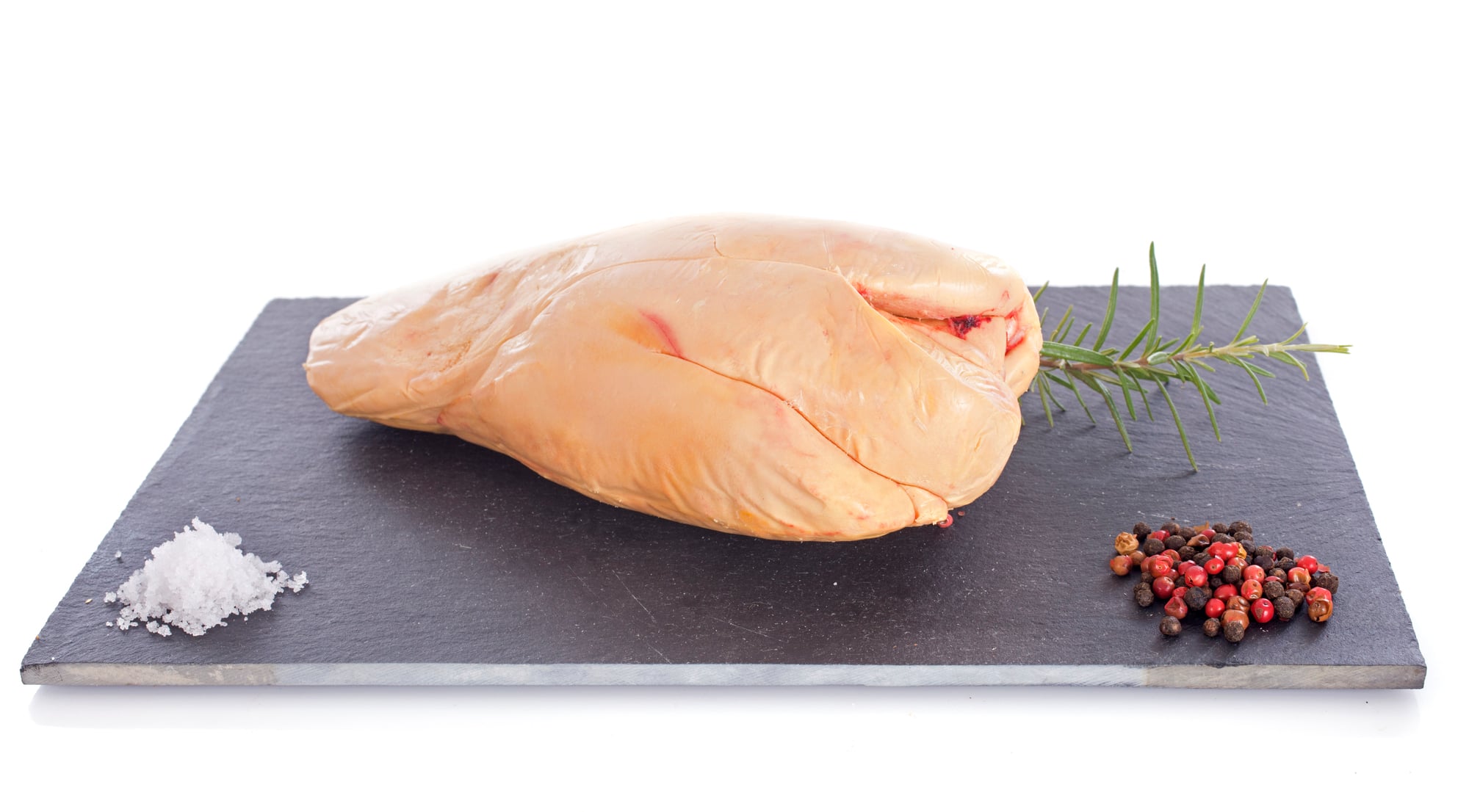
Foie gras is both luxury and controversy served on a silver plate. Made by force-feeding ducks or geese to enlarge their livers, it’s seen by many as inhumane.
India banned it entirely in 2014, while several U.S. states and cities have done the same. Supporters argue it’s part of French culinary heritage and point to small farms that claim humane practices.
Critics call it animal cruelty disguised as delicacy. The debate surfaces every few years, especially when chefs push back against restrictions.
In places where it’s still legal, foie gras often appears quietly on menus — proof that food ethics are rarely black and white.
Samosas
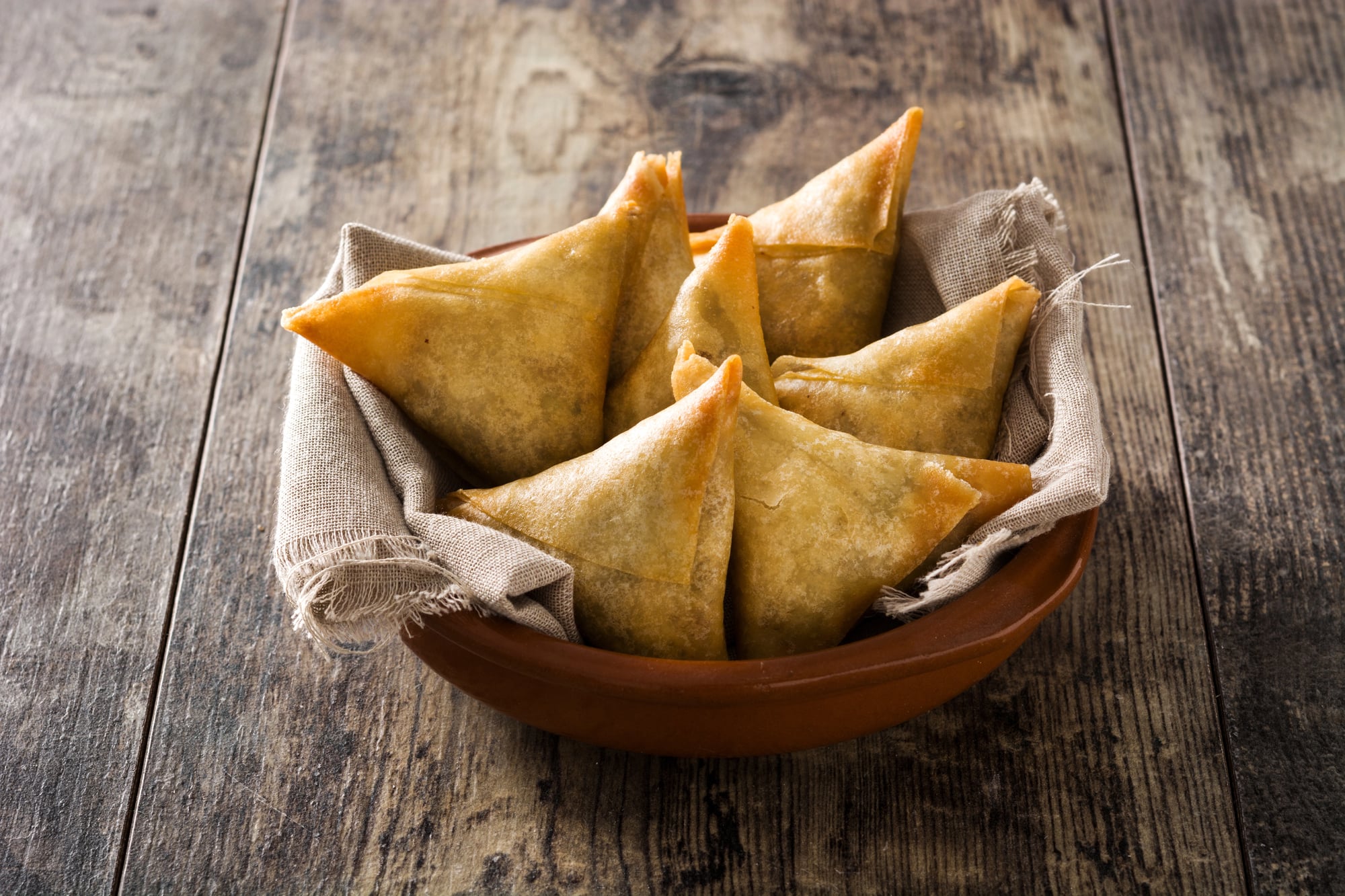
Somalia’s short-lived samosa ban is one of the strangest in food history. During the late 2000s, the militant group Al-Shabaab briefly outlawed the snack, claiming its triangular shape symbolized Christianity’s Holy Trinity.
Vendors risked punishment if caught selling them. For a time, markets went quiet and bakers switched to other pastries.
When the ban faded, samosas returned to the streets, once again fried, filled, and shared at gatherings. The story has since become folklore — a bizarre reminder of how politics can twist even the simplest comfort food.
Today, Somali cooks serve them proudly, their golden edges a quiet symbol of normal life restored.
Unpasteurized Milk
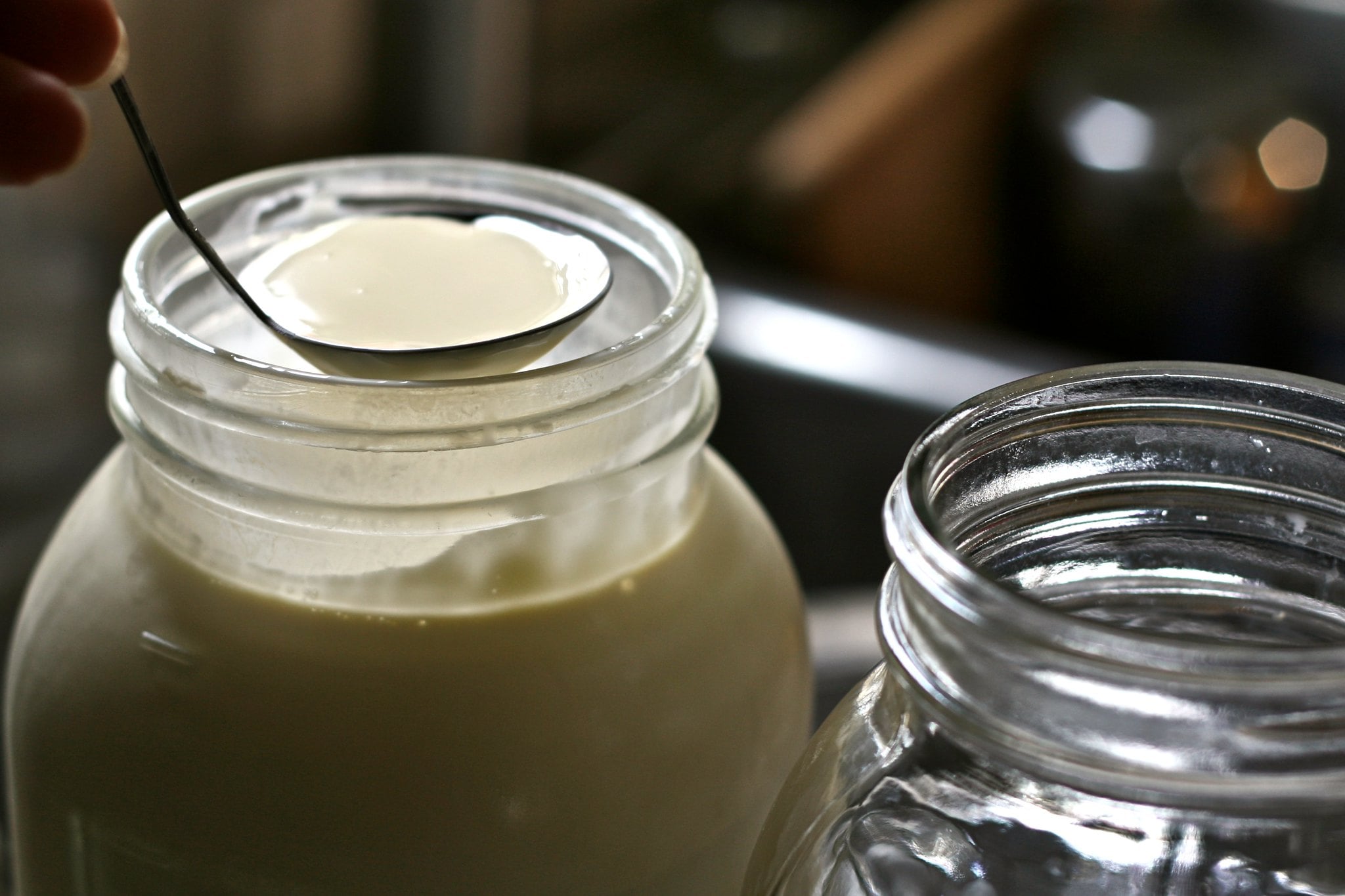
Raw milk has a devoted following, but in Canada and Australia it’s firmly outlawed. Authorities argue that unpasteurized milk can harbor bacteria like E. coli and listeria, making it risky for public sale.
Supporters swear it tastes richer and contains beneficial enzymes lost during pasteurization. The debate often flares online, with farmers pushing for “food freedom” and regulators standing their ground.
Despite underground trading and private farm shares, the ban remains. For everyday consumers, it’s easier — and safer — to stick with pasteurized cartons.
In both countries, the issue has become a clash between personal choice and public health.
Farmed Salmon
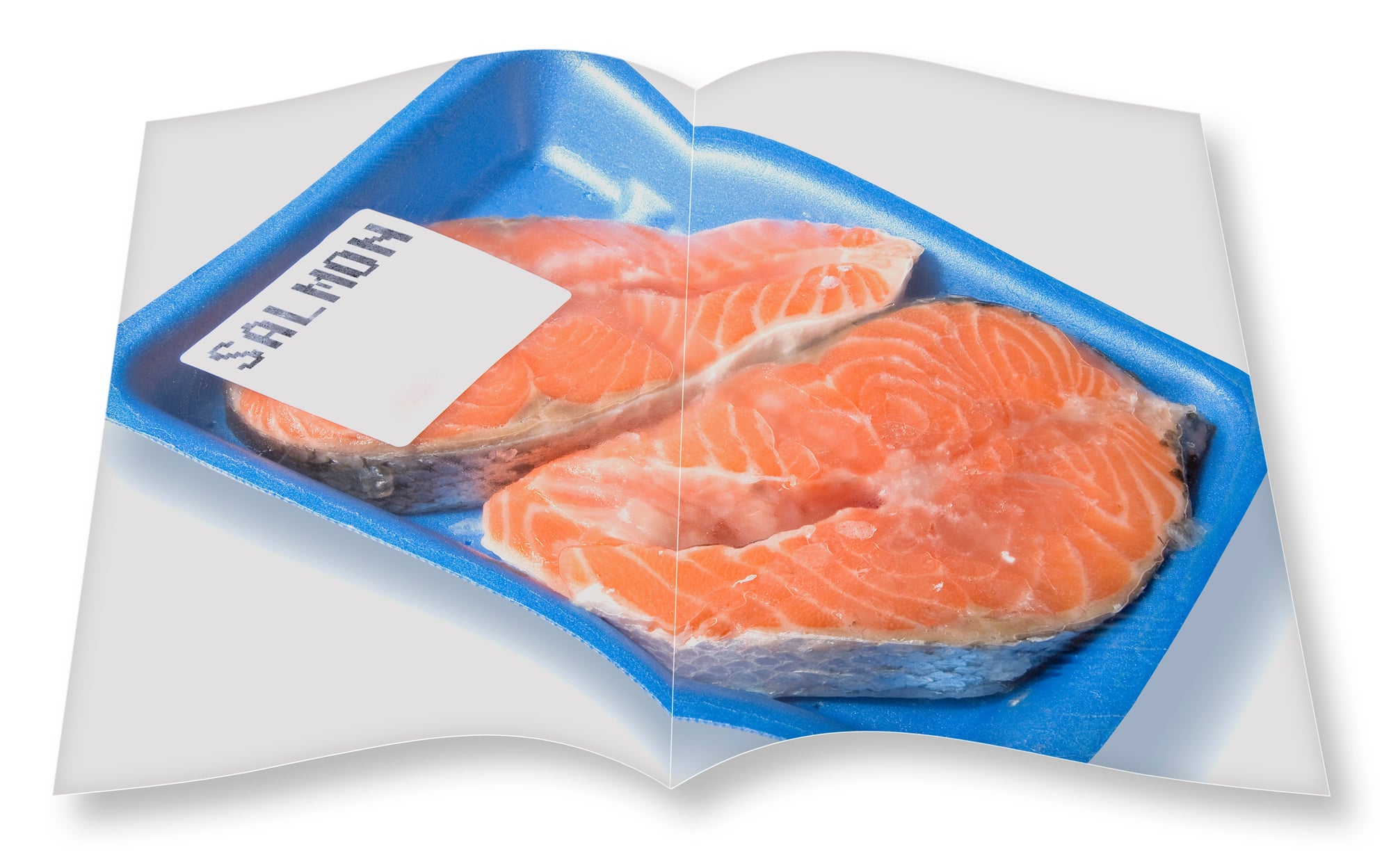
Not all seafood makes the cut. Australia and New Zealand heavily restrict imports of farmed salmon treated with dyes or antibiotics.
The worry is that chemical feed additives might linger in the fish and, ultimately, on dinner plates. Local fisheries are allowed but operate under strict environmental codes to prevent pollution.
Both nations prefer their salmon wild, clean, and traceable. Shoppers rarely notice the difference at markets, yet the policy reflects a bigger theme: a desire to protect native ecosystems and maintain trust in local food.
In the age of global trade, that’s no small task.
Pop-Tarts with Artificial Dyes
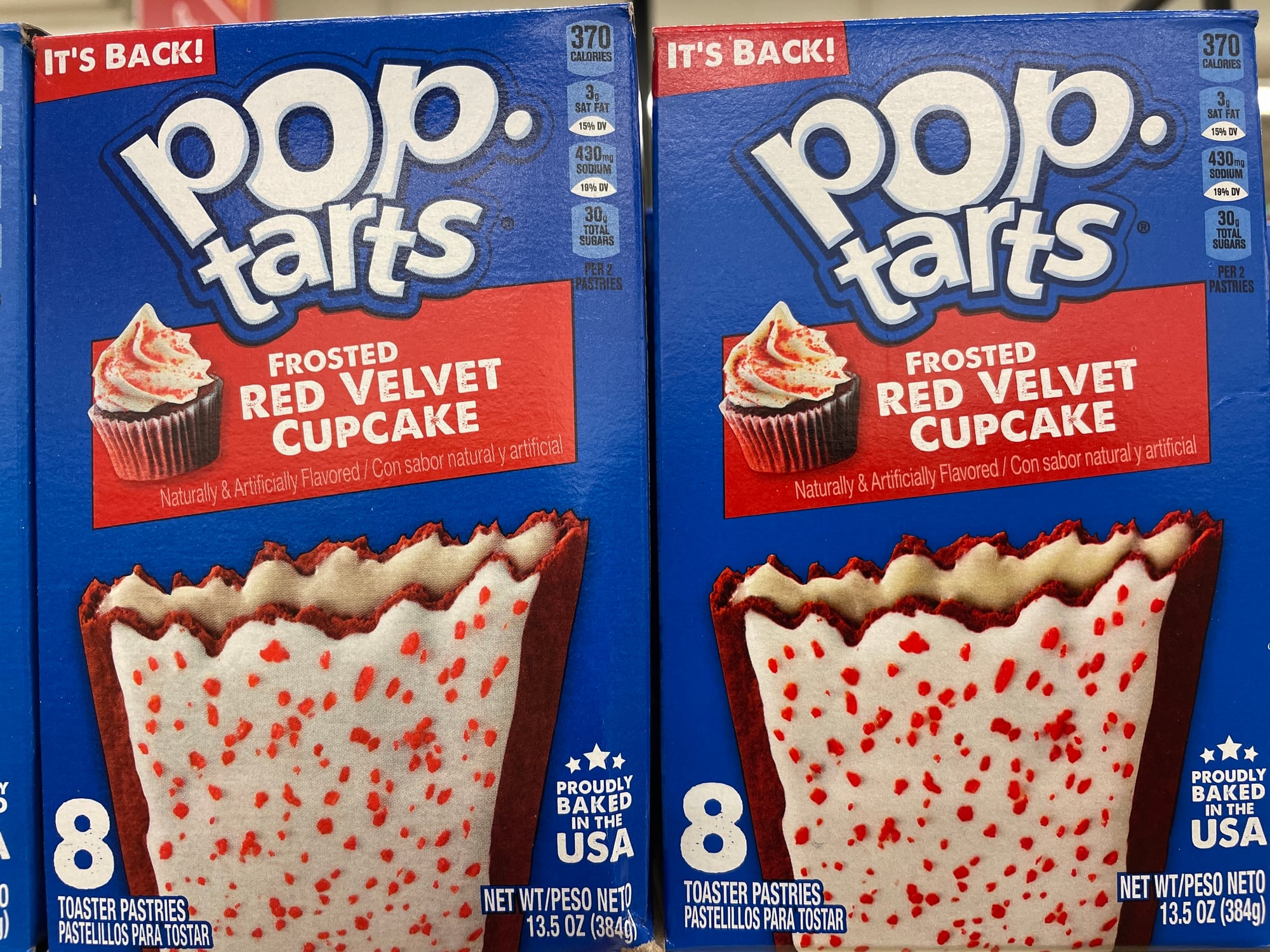
While Pop-Tarts are a staple breakfast food in the United States, some European countries have banned their brightest varieties. The problem is with artificial colorings like Red 40, Yellow 5, and Yellow 6, which are required to have warning labels in the EU due to their association with behavioral problems in children.
Businesses rework their recipes with natural substitutes to sell abroad. Although it’s a minor adjustment, it reveals a significant shift in the way regulators assess risk.
Neon frosting is nostalgic in America but alarming in Europe. It’s entertaining for anyone going overseas to observe how pale the pastries appear on the other side of the Atlantic.
Raw-Milk Cheese
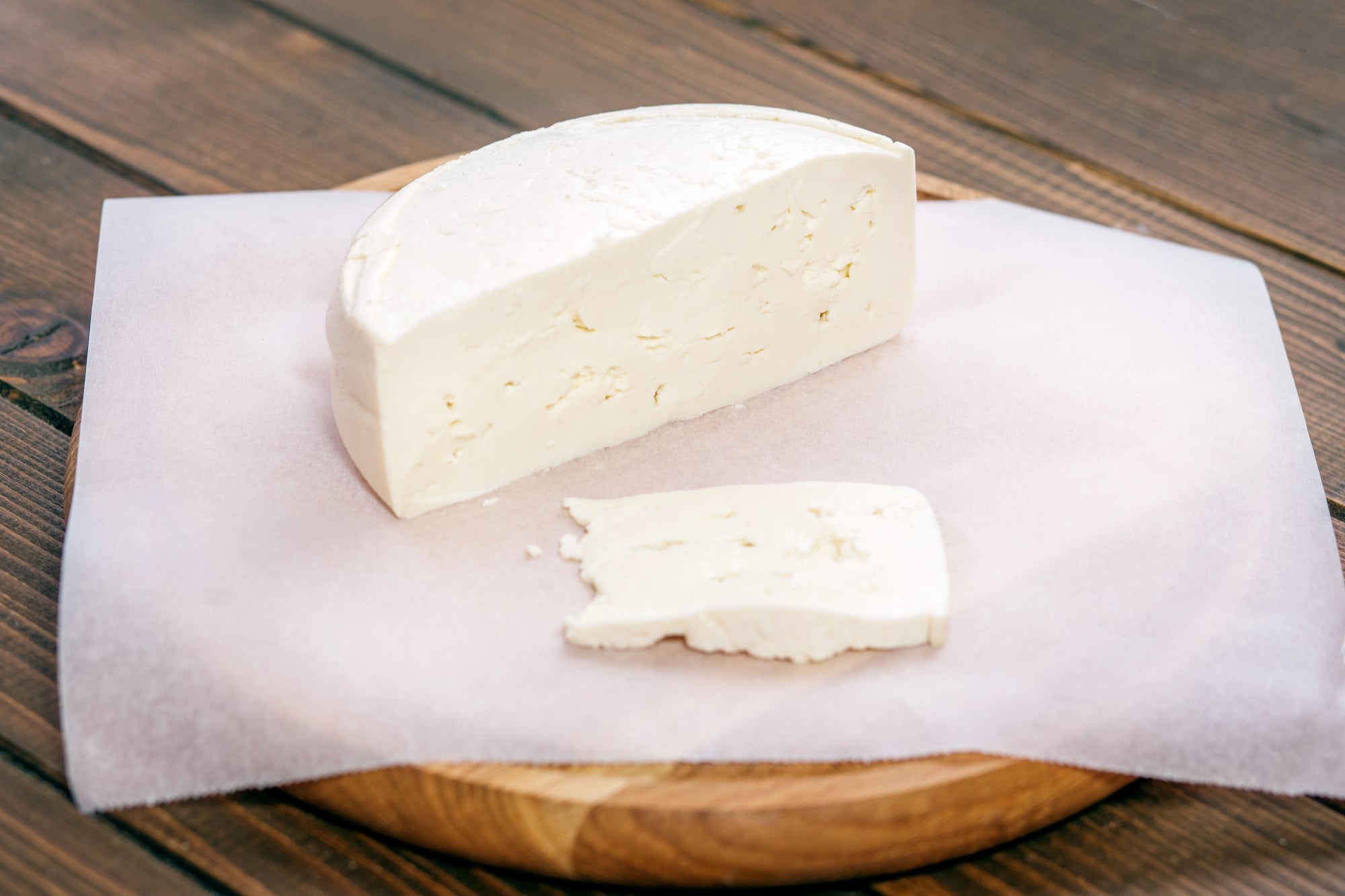
Cheese lovers agree: unpasteurized brie and camembert have flavors pasteurized ones can’t touch. But in the U.S., raw-milk cheese must be aged at least 60 days before sale, while Australia forbids most altogether.
Officials cite bacteria risk; artisans argue aging naturally controls it. The rule frustrates traditional cheesemakers who say pasteurization flattens character and history.
In France, by contrast, cheese is treated almost like art — raw, complex, and protected by law. The contrast shows how food can become a national value.
What Americans view as risky, the French see as sacred.
Chlorinated Chicken
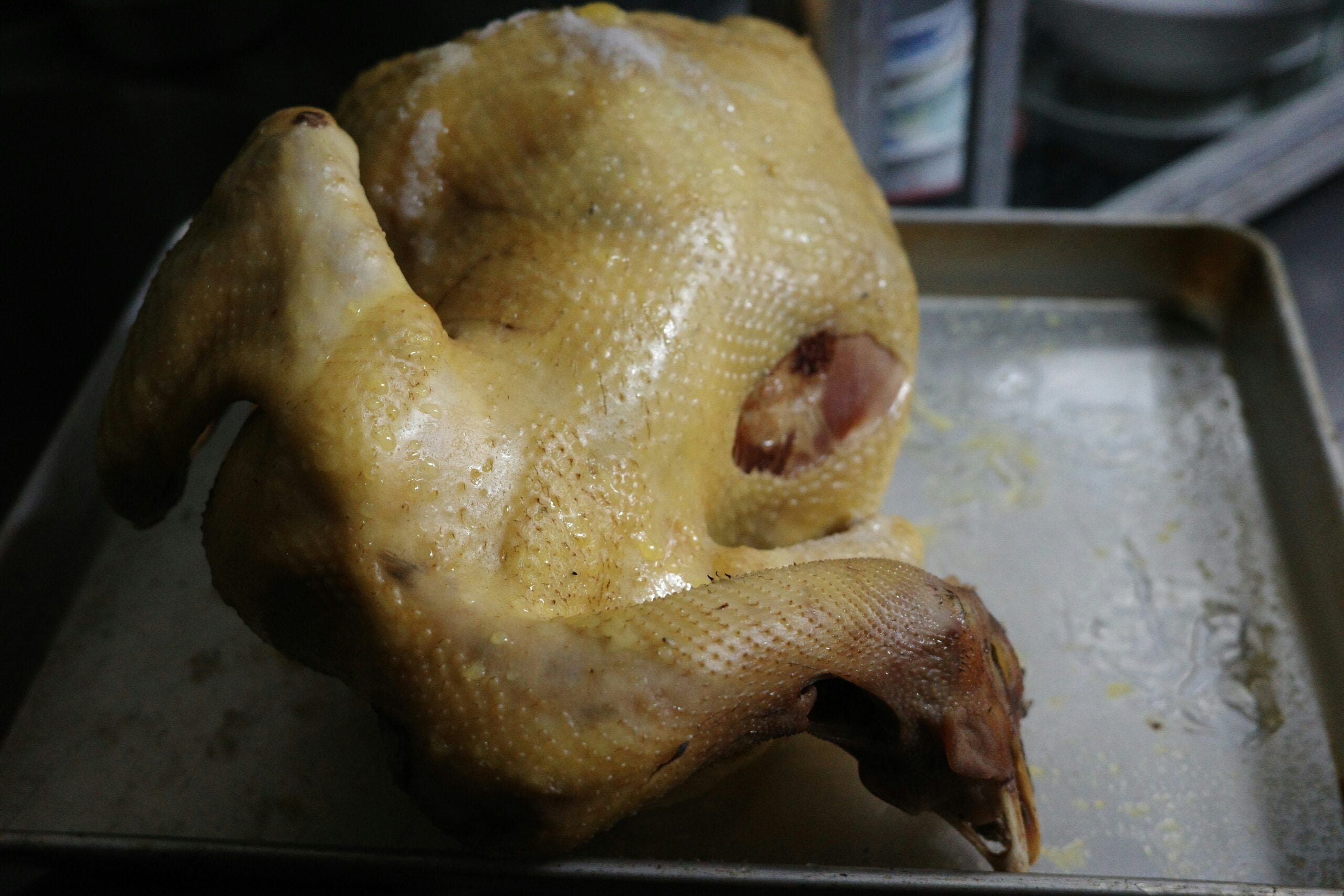
Nothing stirs up trade talks quite like chicken. The U.S. allows poultry to be rinsed in chlorine to kill bacteria, but the European Union calls the method unnecessary and potentially misleading.
They argue it hides poor hygiene earlier in the process. The result: a ban on U.S. chicken imports and years of diplomatic tension.
For consumers, it’s barely noticeable — Americans enjoy it without worry, while Europeans refuse it on principle. The disagreement underscores how trust in food systems differs worldwide.
It’s not really about the chicken; it’s about who you trust to keep it clean.
Sassafras Oil

Long before modern sodas, root beer got its flavor from sassafras oil — until scientists discovered that its main compound, safrole, could damage the liver in high doses. The U.S. banned the oil in the 1960s, transforming a household staple into a chemical cautionary tale.
Companies replaced it with artificial flavors, preserving the drink’s nostalgia while keeping regulators happy. Herbalists still use small amounts of sassafras leaves for non-food purposes, but the original oil is gone from kitchens.
It’s a quiet example of how changing science can rewrite culinary history overnight.
Pufferfish
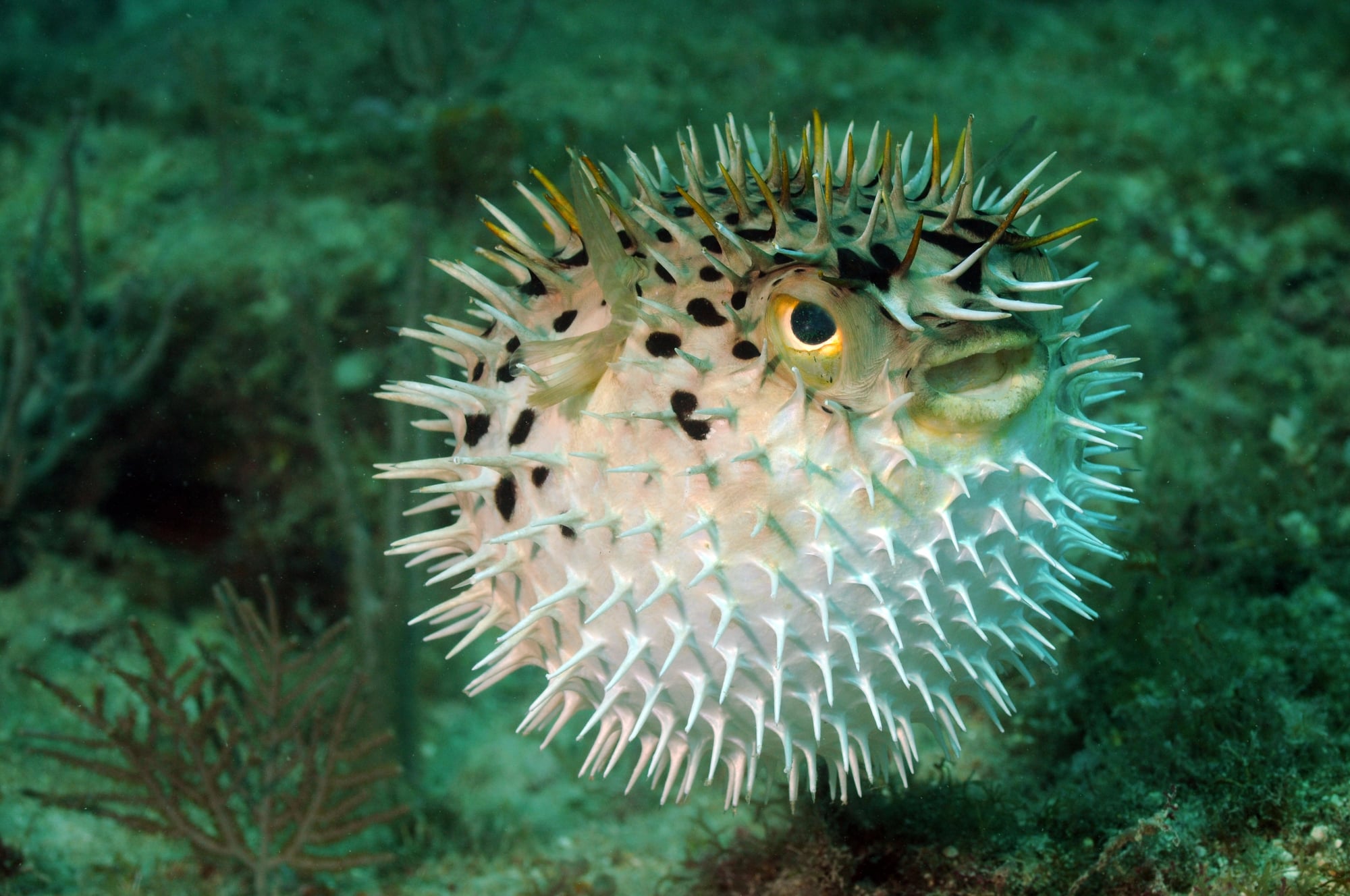
Japan’s legendary fugu is the ultimate test of trust between chef and diner. Prepared correctly, it’s a delicacy; one slip, and it’s deadly.
The fish’s organs contain tetrodotoxin, a neurotoxin far more potent than cyanide. Japanese chefs train for years and require special licenses to serve it.
The European Union banned the fish entirely after several poisoning incidents abroad. Still, travelers continue to seek it out, treating fugu dinners like a culinary rite of passage.
It’s proof that for some, danger only makes the experience more tempting — and that one country’s delicacy can be another’s banned substance.
Absinthe
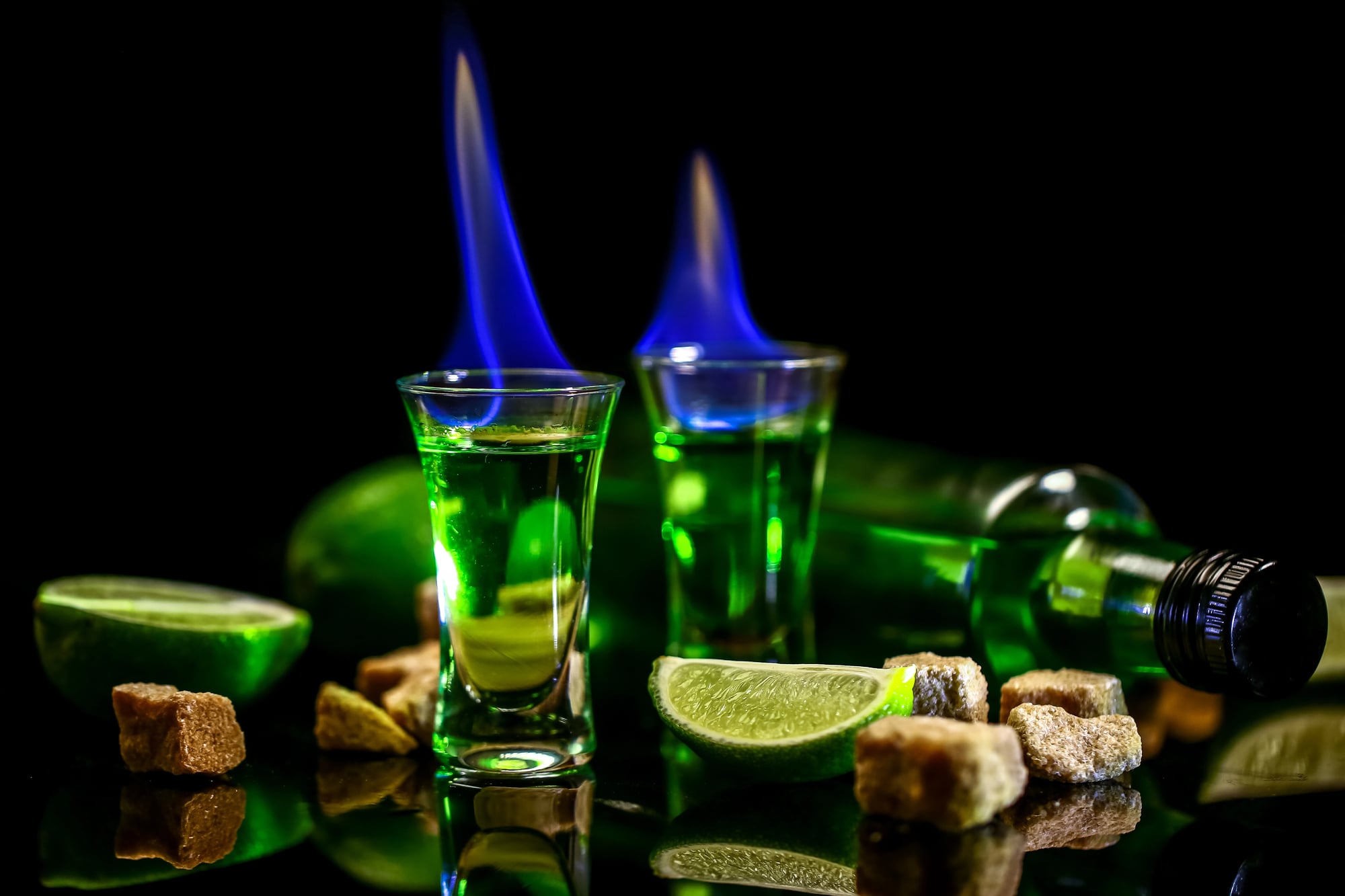
Absinthe once fueled the bohemian spirit of 19th-century Europe — and alarmed its politicians. Blamed for everything from madness to moral decay, the green spirit was banned across much of the West by 1915.
The problem was thujone, a compound in wormwood wrongly accused of causing hallucinations. The ban lasted nearly a century in the U.S., lifted only in 2007 under strict limits.
Modern absinthe is legal but tightly regulated, and its mythic reputation endures. Artists still romanticize it, bars market it as “the forbidden drink,” and historians remind us it was really just strong liquor caught in a cultural panic.
When Taste Meets Taboo

Every food ban reveals something about the values of a nation. While Europe prefers caution, Singapore values order, and others draw boundaries based on faith or ethics.
Public health is protected by some regulations, while politics or national pride are reflected in others. What is considered normal in one location may be startling in another.
Furthermore, these prohibited foods serve as a reminder that taste is never just about flavor but also about belief, history, and identity, even as global trade continues to blend our cuisines.
Bans change as cultures do. Perhaps someday gum will be back on Singaporean shelves or real haggis will reach America.
In the interim, these forbidden foods serve as cultural markers, demonstrating that food is about more than just what we eat; it also reflects who we are when we decide to forbid it.
More from Go2Tutors!

- The Romanov Crown Jewels and Their Tragic Fate
- 13 Historical Mysteries That Science Still Can’t Solve
- Famous Hoaxes That Fooled the World for Years
- 15 Child Stars with Tragic Adult Lives
- 16 Famous Jewelry Pieces in History
Like Go2Tutors’s content? Follow us on MSN.



