13 Desert Cultures That Defied Harsh Environments
Throughout human history, some of the most remarkable civilizations emerged not in lush, resource-rich environments, but in scorching deserts where survival itself seemed impossible. These cultures didn’t just survive—they thrived, developing ingenious adaptations that transformed barren landscapes into cradles of innovation.
\Here is a list of 13 desert cultures that developed extraordinary methods to overcome extreme environments, turning apparent limitations into unique cultural strengths.
Nabataeans
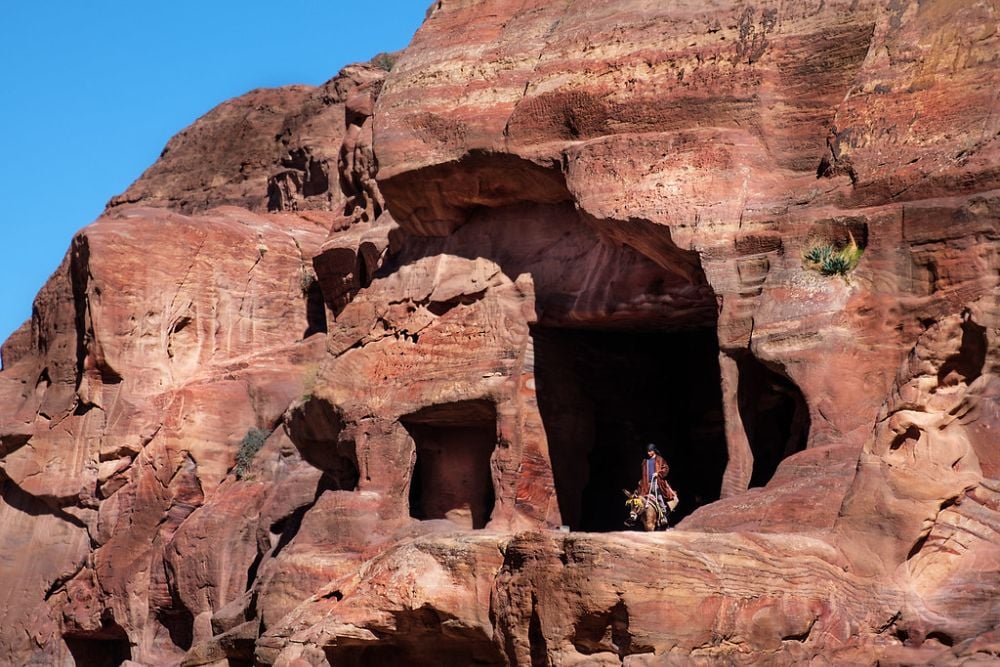
Modern engineers are still impressed by the Nabataeans’ mastery of water harvesting in Jordan’s dry regions. They created what was effectively an artificial oasis in the desert by carving intricate canals and cisterns into the sandstone to collect every valuable drop of rainfall.
Their technological brilliance is demonstrated by the fact that their main city, Petra, flourished as a trading hub despite receiving less than 6 inches of rainfall annually.
Tiwanaku
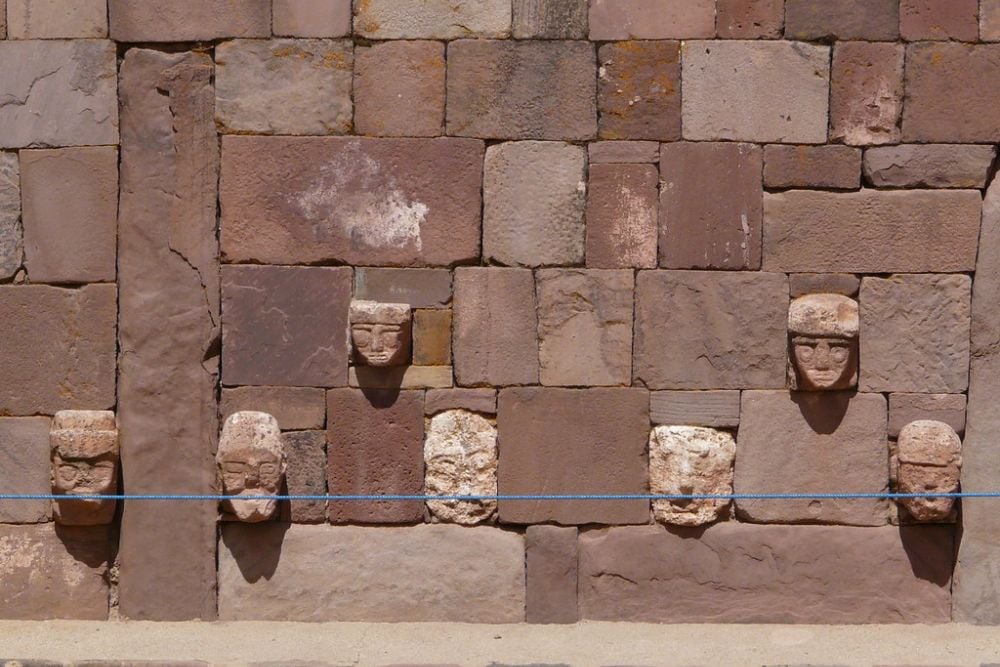
High in the Andean desert plateau, the Tiwanaku civilization transformed an environment that seems completely inhospitable to agriculture. They developed raised field systems called “sukakollos” – that captured nighttime heat in water-filled trenches, protecting crops from frost in the high-altitude environment.
This clever engineering allowed them to farm at elevations over 12,000 feet where daily temperature swings often exceed 50 degrees.
Hohokam
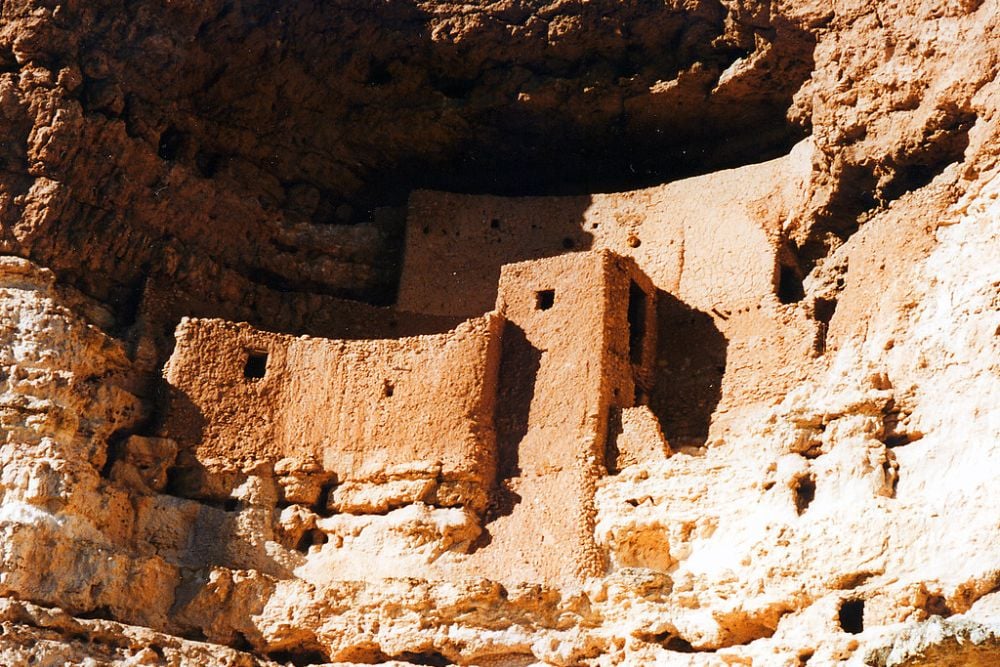
The Hohokam people turned the Sonoran Desert into productive farmland through one of America’s earliest irrigation networks. They dug over 500 miles of canals – some extending more than 10 miles from their source – to direct water from the Salt and Gila rivers.
Their agricultural system wasn’t just extensive; it supported large settlements in what is now Arizona for over a millennium.
Garamantes
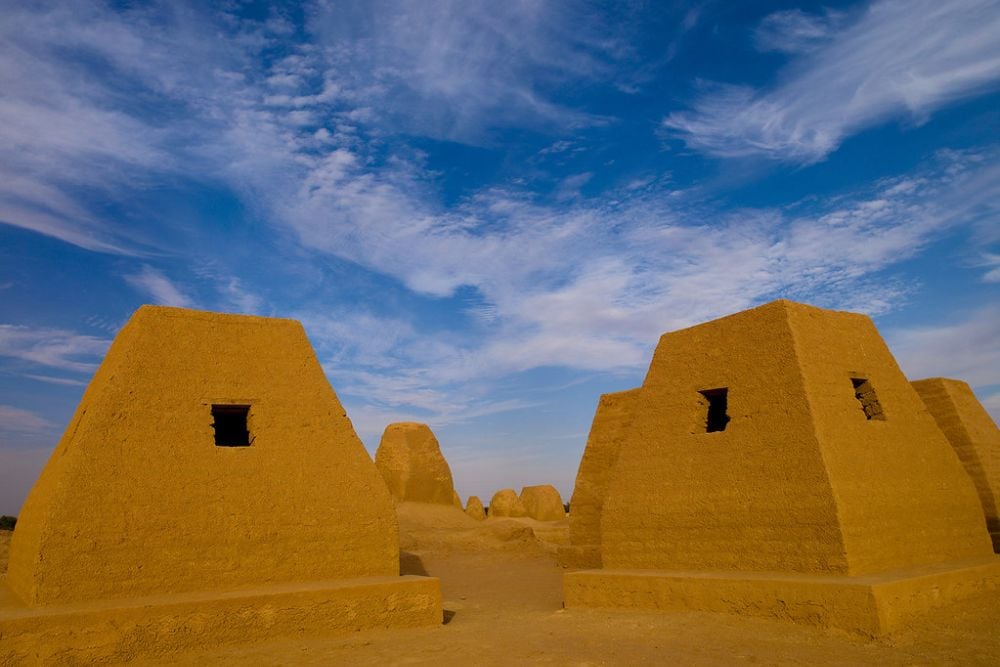
Deep in the Sahara, the Garamantes built a civilization based on a hidden resource—ancient fossil water. They constructed an elaborate underground tunnel system called ‘foggara’ that tapped into aquifers beneath the desert surface.
These hand-dug tunnels stretched for miles under the Libyan desert – functioning like subterranean rivers – and allowed the Garamantes to cultivate dates, grapes, and various grains despite living in one of Earth’s most hostile environments.
Tuareg
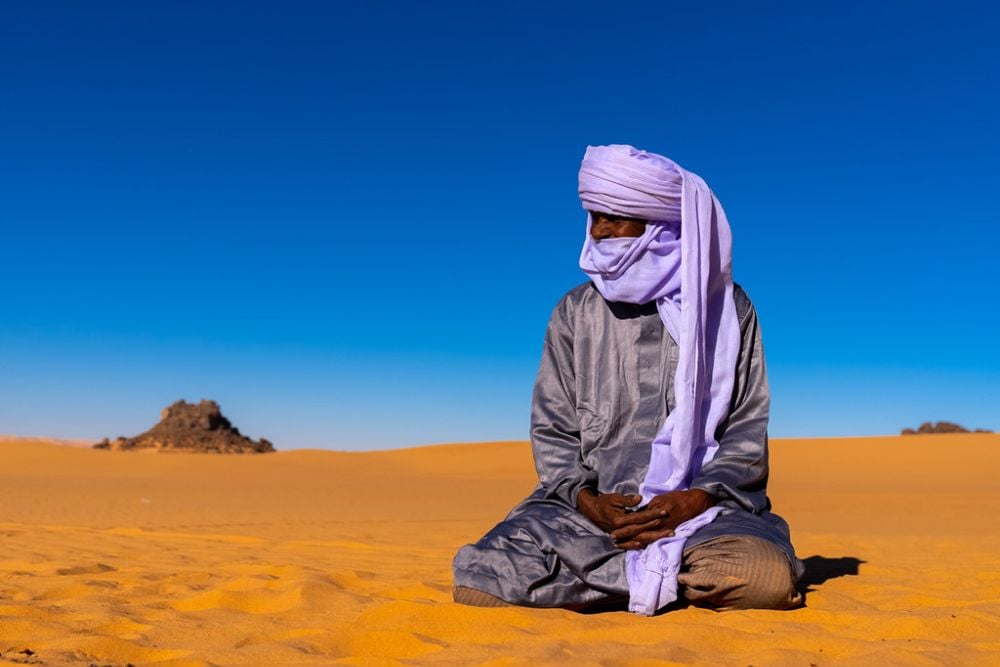
The Tuareg developed a cultural adaptation to desert life that was social rather than technological. Their nomadic lifestyle allowed them to follow seasonal patterns across the Sahara, never staying long enough to deplete resources in any single location.
They’re renowned for their celestial navigation skills, which made them legendary guides capable of crossing seemingly trackless sand expanses using only stars as reference points.
Aboriginal Australians

In Australia’s central deserts, Aboriginal cultures developed sophisticated knowledge systems that encoded information about water sources into songlines and oral traditions. These mental maps enabled them to navigate across vast distances between scattered water holes – a skill crucial for survival.
They could extract moisture from roots and stems when surface water wasn’t available – knowledge passed down through generations that made life possible in one of the world’s oldest deserts.
Pueblo Peoples
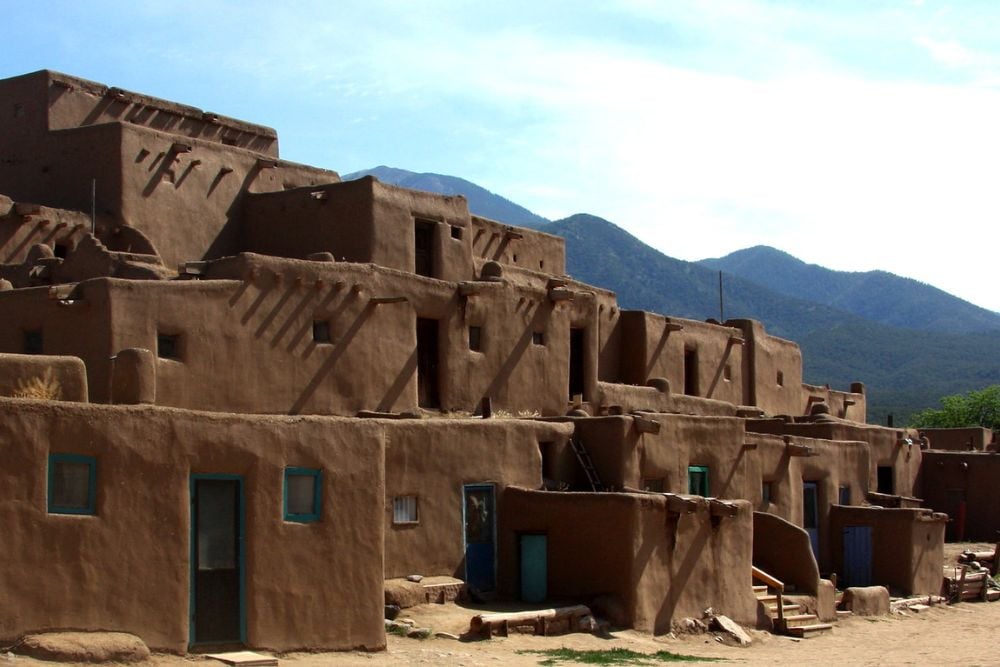
The Pueblo cultures of the American Southwest built multi-story dwellings that provided natural climate control in their harsh desert environment. Their thick adobe walls absorbed heat during scorching days – then released it slowly at night – creating naturally regulated indoor temperatures.
This passive environmental control system worked on principles similar to modern climate regulation, though developed centuries earlier through careful observation and adaptation.
Moroccan Berbers
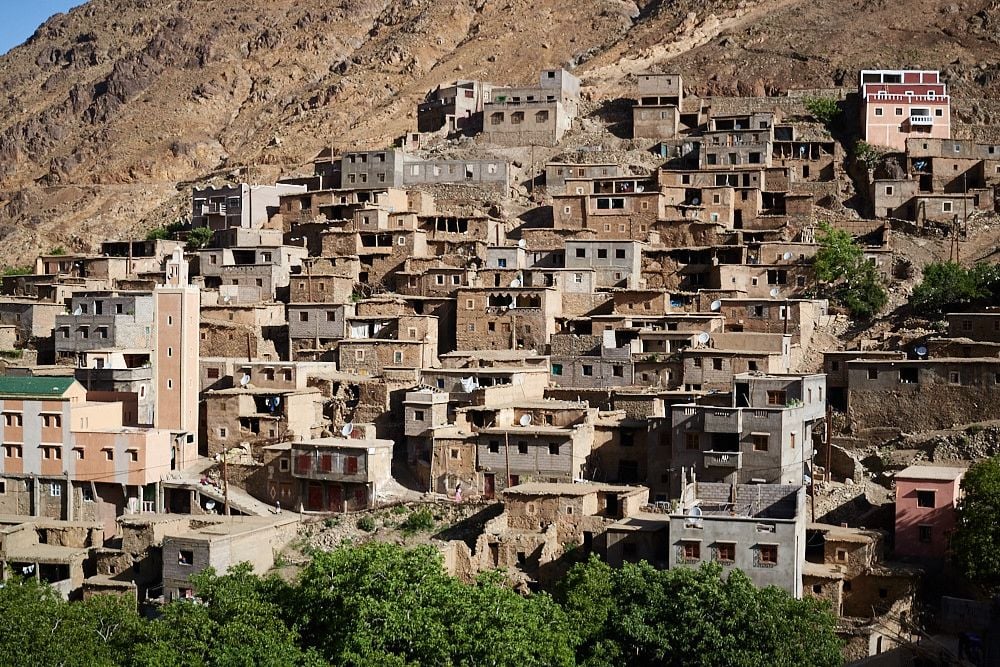
Berber communities in Morocco’s Atlas Mountains created khettara – underground water tunnels similar to Persian qanat systems. These structures transported water from mountain sources to desert communities using nothing but precisely calculated gravity.
The tunnel designs maintained consistent water flow while minimizing evaporation – a critical feature when dealing with the intense desert heat that could quickly claim any exposed water.
Nazca
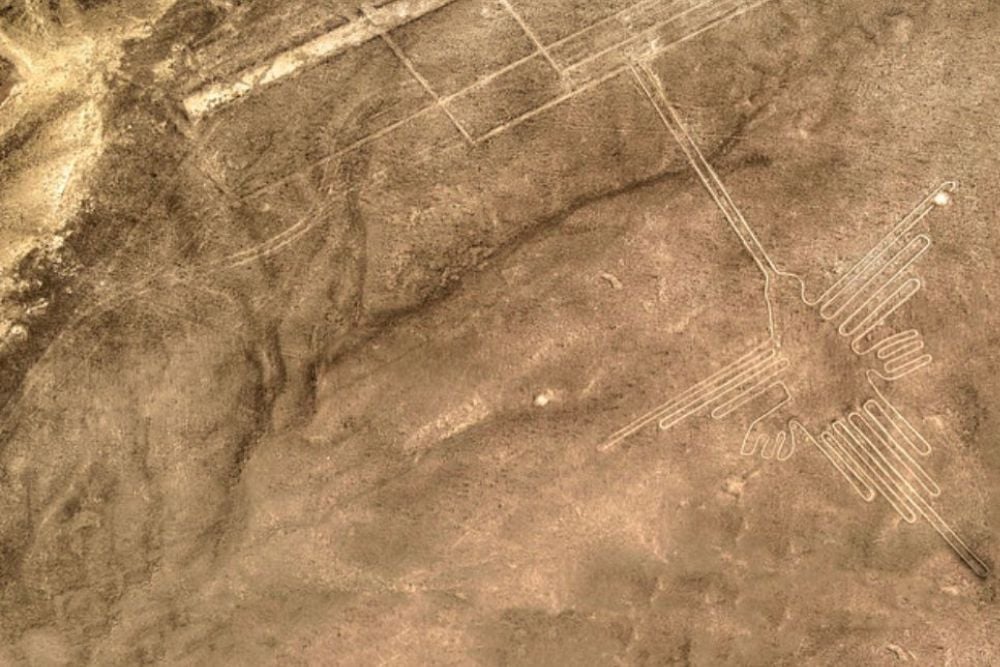
The Nazca civilization of Peru’s coastal desert developed unique underground aqueducts called puquios that remain functional today. These spiral-shaped wells connected to subterranean water channels, providing year-round access to water in one of Earth’s driest regions.
There’s growing evidence suggesting the famous Nazca lines might’ve been related to their sophisticated hydrological knowledge, though this connection remains an area of ongoing research.
Zapotec
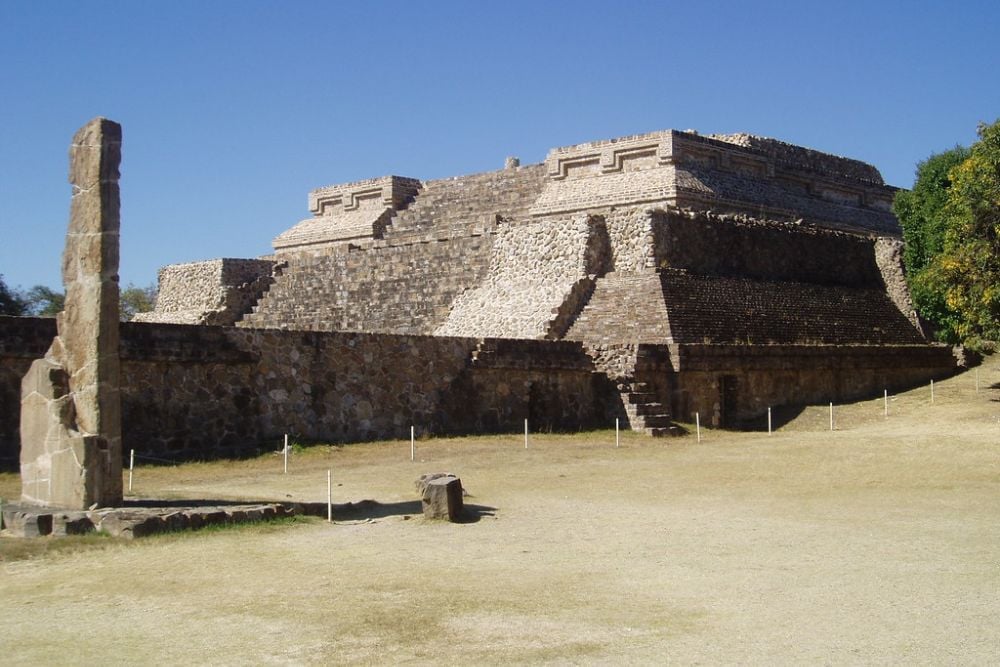
The Zapotec culture transformed Mexico’s Valley of Oaxaca through terraced farming that prevented erosion and conserved precious water. They developed specialized agricultural techniques for different microclimates within their territory, allowing them to grow diverse crops despite limited rainfall.
Many of their agricultural adaptations proved so effective that modern farmers in the region continue using variations of these ancient methods today.
San People
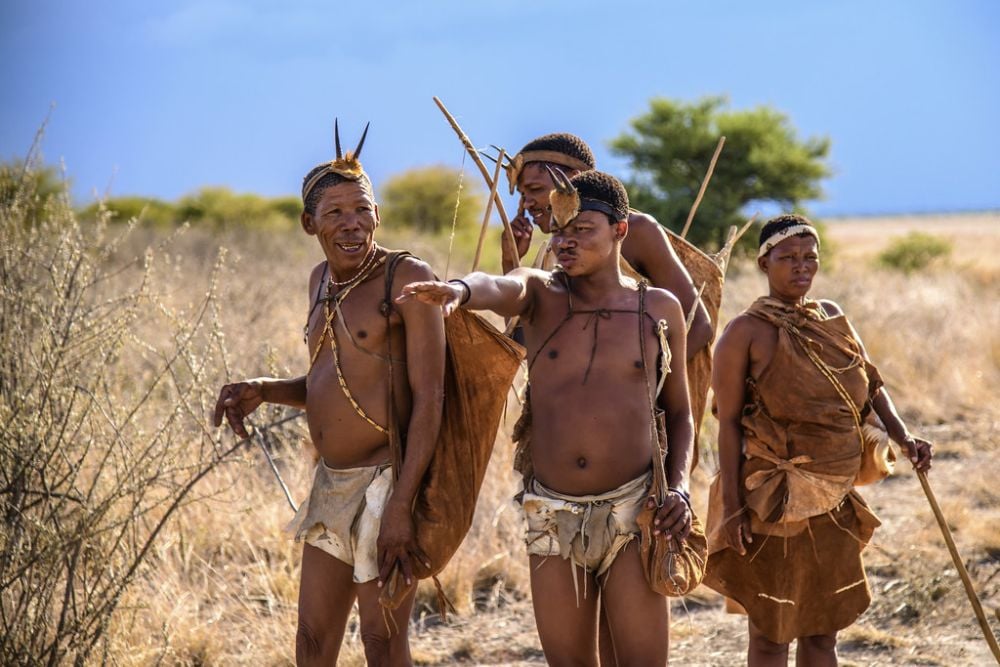
The San of the Kalahari developed remarkable physiological adaptations to water scarcity, becoming capable of surviving on minimal water intake. They learned to harvest water from plant sources like the tsamma melon, which provided both hydration and nutrition.
Their hunting techniques employed persistence hunting—following prey until it collapsed from heat exhaustion while the hunters remained cool through specialized sweating adaptations.
Bedouin
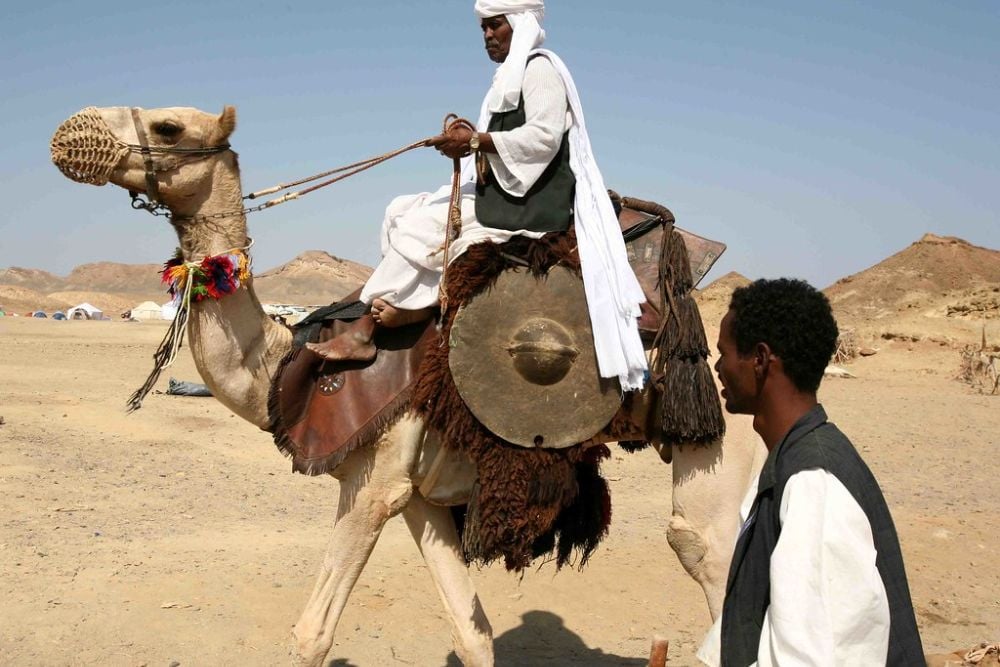
Bedouin nomads have navigated the Arabian deserts for millennia using a combination of extensive oral knowledge and social adaptations. Their tribal structure created mutual aid networks that spread risk across the community, making individual survival much more likely.
Their deep understanding of desert ecology allowed them to locate grazing lands that appeared barren to outsiders but could support their herds.
Inca Desert Communities

While most associate the Inca with mountain environments, they also mastered desert agriculture along Peru’s coast. They developed sunken fields called ‘wachaques’ that reached down to the water table, creating microenvironments where crops could grow despite minimal rainfall.
These ingenious gardens transformed what appeared to be unusable land into productive agricultural space through careful engineering.
Desert Innovation Legacy
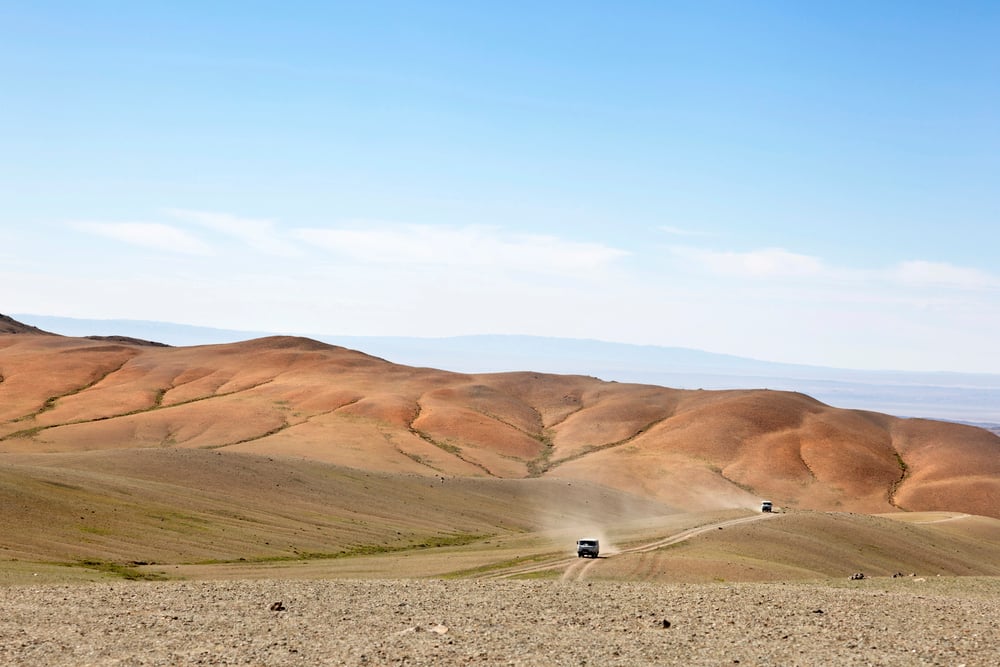
What connects these remarkable desert societies isn’t just their environmental challenges but their creative responses. Their innovations weren’t merely technical solutions but became central aspects of cultural identity, religious practice, and social organization.
These civilizations remind us that human ingenuity often reaches its peak not where resources are abundant, but where they must be carefully managed and conserved. These desert cultures demonstrate that limitations often drive the most remarkable innovations.
Many of their water management techniques now inform modern sustainable development projects, proving that ancient wisdom sometimes offers solutions to contemporary challenges. As climate change makes more regions drought-prone, these time-tested adaptations may become increasingly relevant to our shared future.
More from Go2Tutors!

- The Romanov Crown Jewels and Their Tragic Fate
- 13 Historical Mysteries That Science Still Can’t Solve
- Famous Hoaxes That Fooled the World for Years
- 15 Child Stars with Tragic Adult Lives
- 16 Famous Jewelry Pieces in History
Like Go2Tutors’s content? Follow us on MSN.



