World Migratory Bird Day Facts to Know
Twice a year, something extraordinary happens across the planet. Birds by the billions lift off from familiar ground and navigate thousands of miles to places they’ve never seen but somehow know how to find.
World Migratory Bird Day, celebrated on the second Saturday in May and October, honors these remarkable journeys that connect continents and remind us that nature operates on a scale far grander than our daily lives. The day brings attention to the challenges these travelers face and the conservation efforts needed to keep their ancient routes open.
The origins of World Migratory Bird Day

World Migratory Bird Day started in 2006. The United Nations Environment Programme created it to raise awareness about migratory birds and their conservation needs.
Simple as that. The timing wasn’t random.
May coincides with peak spring migration in the Northern Hemisphere, when billions of birds are actively moving toward breeding grounds.
Two celebrations each year
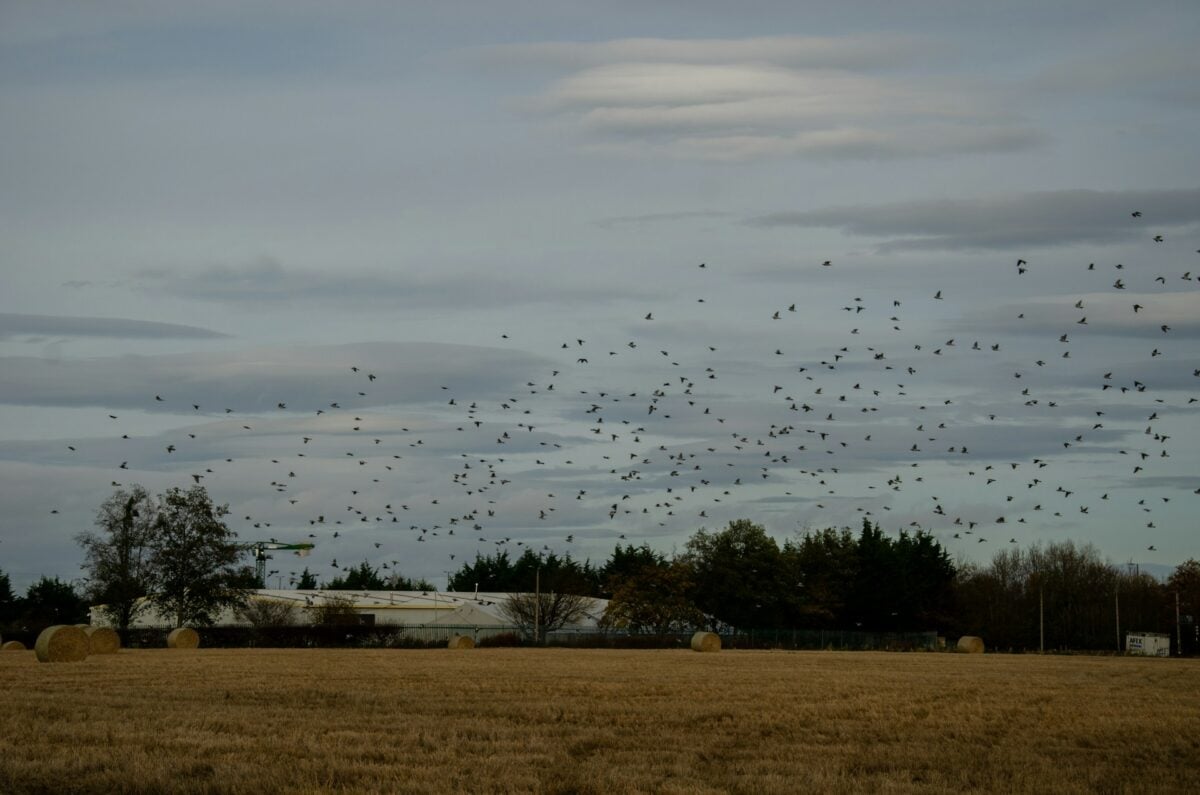
Most people don’t realize World Migratory Bird Day happens twice annually. May focuses on northward spring migration, while October highlights the southward journey to wintering grounds.
And yet this makes perfect sense when you consider that migration never stops — it just changes direction based on the season, which means there’s always something worth celebrating somewhere on the planet.
Over 40% of all bird species migrate
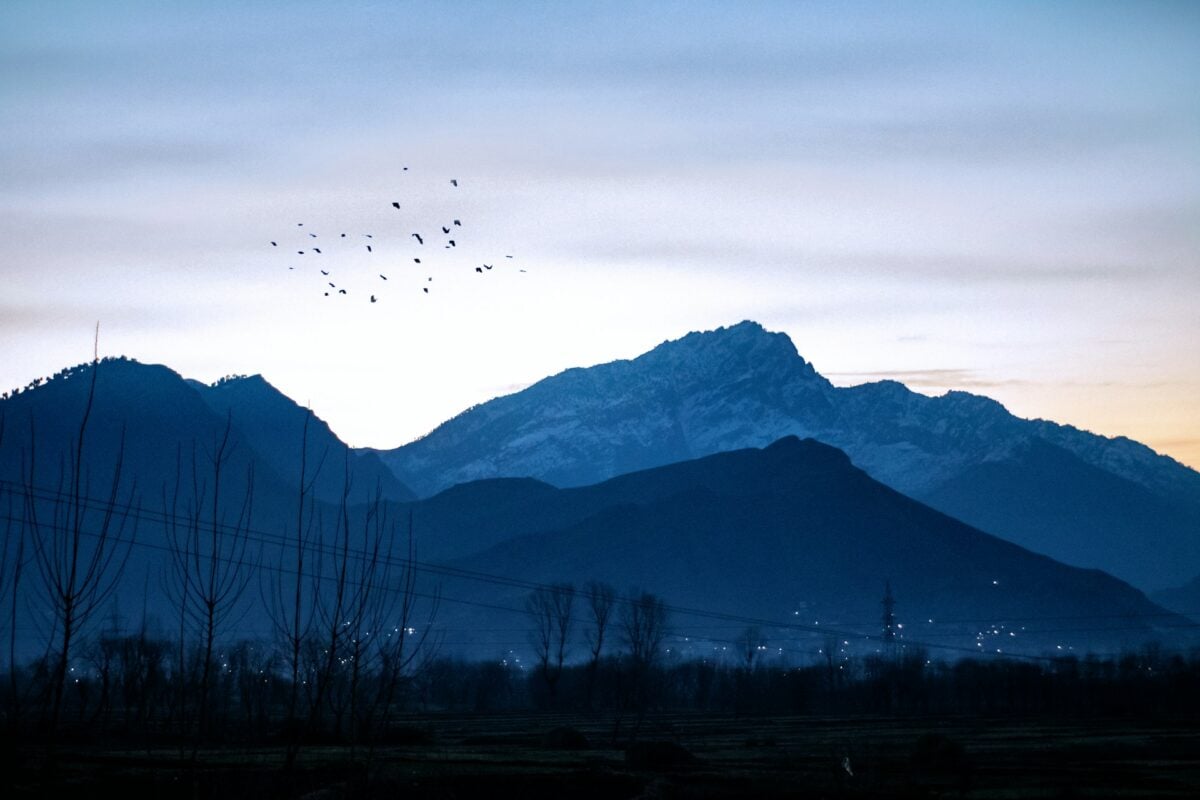
Migration isn’t some quirky behavior limited to a few adventurous species. More than 4,000 of the world’s roughly 10,000 bird species are migratory.
That’s nearly half of all birds on Earth regularly packing up and moving thousands of miles based on nothing more than seasonal instinct. These aren’t short hops to the next county over.
Many species travel between continents, crossing oceans, deserts, and mountain ranges that would challenge even modern aircraft.
The Arctic Tern holds the distance record

If frequent flyer miles applied to birds, the Arctic Tern would be platinum status for life. This small seabird migrates roughly 44,000 miles annually — from Arctic breeding grounds to Antarctic feeding areas and back again.
That’s nearly twice around the Earth’s circumference, and they do it every single year of their 30-year lifespan. To put this in perspective: an Arctic Tern that lives three decades will fly the equivalent distance of three round trips to the moon.
The bird weighs about as much as four AA batteries, which makes the accomplishment even more absurd.
Birds navigate using magnetic fields
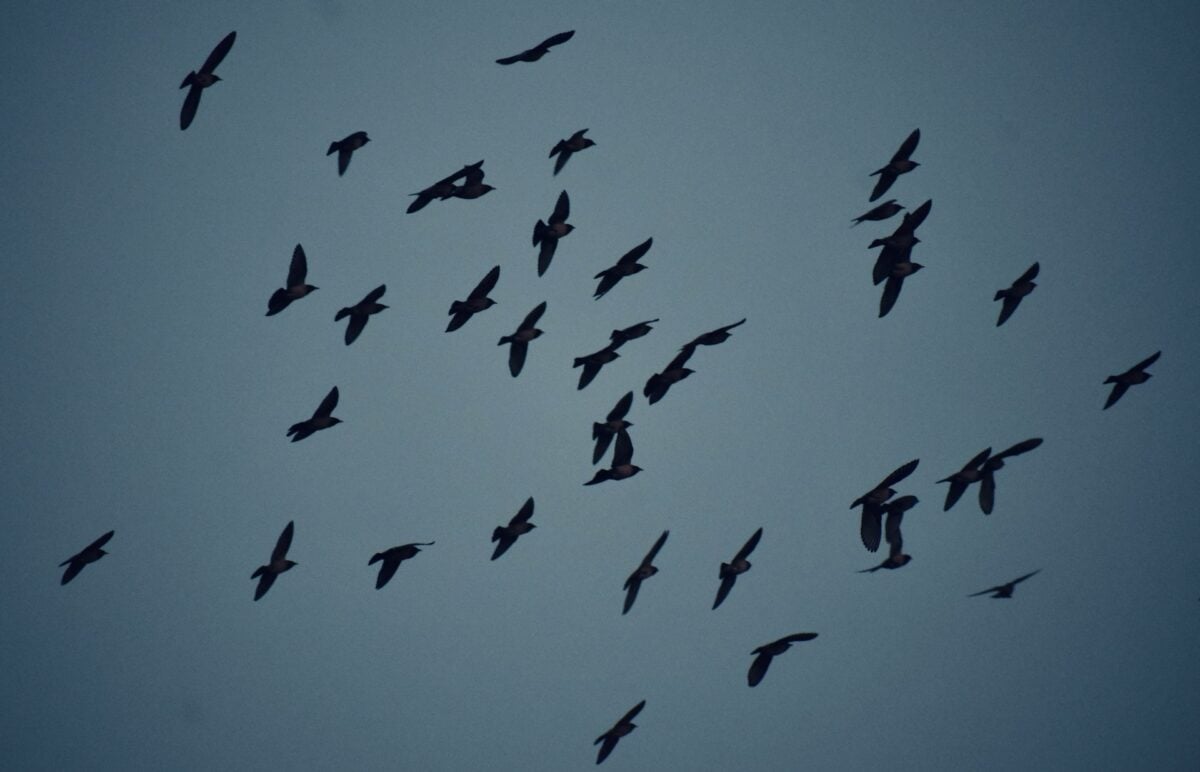
There’s something almost mystical about watching a flock of birds know exactly which direction to fly without GPS, road signs, or any visible landmarks. Scientists have discovered that many migratory birds can actually sense the Earth’s magnetic field through specialized cells in their beaks and eyes — a biological compass that never needs calibration and works perfectly in complete darkness or over featureless ocean.
But that’s not their only navigation tool: they also use the sun’s position, star patterns, and even infrasound (low-frequency sound waves that travel vast distances) to stay on course. It’s as if they carry an entire navigation suite that makes human technology look clunky by comparison.
Climate change disrupts migration timing

Migration timing evolved over millions of years to sync with food availability, weather patterns, and breeding conditions. Climate change throws this delicate timing off balance.
Spring arrives earlier in many regions, which means insects emerge before birds arrive to eat them. Fall lingers longer, confusing birds about when to head south.
Some species adapt by shifting their schedules, but others can’t adjust fast enough. The result is a growing mismatch between when birds arrive and when their food sources are actually available.
Millions die from building collisions annually

Cities present a deadly obstacle course for migrating birds, and the carnage is staggering. Glass windows reflect sky and vegetation, creating illusions that birds can’t distinguish from the real thing.
Communication towers, with their blinking lights and guy wires, disorient night-flying migrants and cause massive collisions during peak migration periods. The numbers are sobering: an estimated 365 million to 1 billion birds die from building strikes in North America alone each year.
That’s not a conservation problem — it’s a conservation crisis that urban planning and building design could largely solve if anyone bothered to prioritize it.
Light pollution affects night migrants

Most people think of migration as a daytime activity, but roughly 80% of migratory birds actually travel at night. Darkness provides cooler temperatures, fewer predators, and calmer winds — perfect conditions for long-distance flight.
But artificial light disrupts this ancient pattern in ways that would be almost comical if they weren’t so deadly. Night migrants use star patterns for navigation, but city lights create a competing celestial display that pulls birds off course.
They circle lit buildings and communication towers until exhaustion forces them to the ground, often in completely unsuitable habitat. So urban light pollution doesn’t just waste energy and disrupt human sleep — it actively kills wildlife that evolved long before electricity existed.
Some birds fast during migration

The Bar-tailed Godwit deserves recognition for pure endurance. This shorebird flies nonstop from Alaska to New Zealand — a 7,000-mile journey over open ocean that takes eight days without landing, eating, drinking, or sleeping.
They essentially shut down non-essential body functions and burn stored fat for the entire trip. Other long-distance migrants employ similar strategies, fasting for days or weeks while maintaining flight.
Their bodies become incredibly efficient fuel-burning machines, converting fat reserves with precision that makes hybrid car engines look wasteful.
Young birds migrate without their parents

Here’s something that challenges everything you think you know about animal behavior: many young migratory birds make their first journey to wintering grounds completely alone, with no experienced adults to guide them. They hatch in summer, spend a few months learning to fly and feed themselves, then embark on a multi-thousand-mile journey to places they’ve never seen, using nothing but genetic programming.
It’s the equivalent of giving a teenager a rough map and telling them to drive cross-country to a relative’s house they’ve never visited, except the journey involves crossing oceans and deserts without roads, gas stations, or any backup plan.
Habitat loss threatens migration routes

Migration routes depend on a chain of suitable stopover sites where birds can rest and refuel during their journeys. Break too many links in that chain, and the entire route becomes unusable.
Wetland drainage, forest clearing, and urban development have eliminated crucial stopover habitat throughout major migration corridors. The numbers tell the story: North America has lost more than half of its wetlands since European settlement, and grassland bird populations have declined by 53% since 1970.
These aren’t just statistics — they represent the systematic destruction of infrastructure that millions of birds depend on for survival.
Conservation efforts span international borders
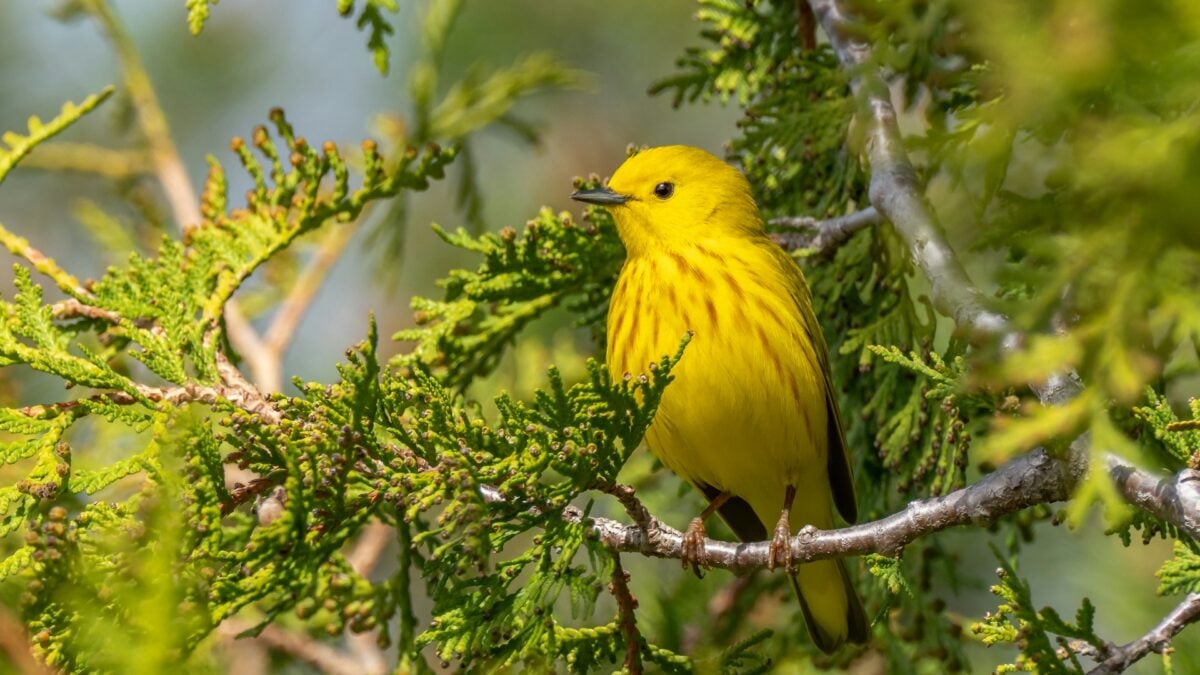
Bird migration connects countries, continents, and political systems that rarely agree on anything else. A warbler that breeds in Canadian forests might winter in Colombian coffee plantations, making stopovers in Texas and Mexico along the way.
Protecting that species requires coordination between four different countries with different languages, economies, and environmental priorities. The most successful conservation efforts recognize this reality and work across borders to protect entire migration routes rather than individual sites.
It’s diplomacy through wildlife protection — finding common ground by focusing on species that belong to everyone and no one at the same time.
The future depends on human choices

Migration represents something rare in the modern world: a natural phenomenon that still operates on a planetary scale, connecting Arctic tundra to tropical rainforests through the simple act of birds following ancient routes. But these connections are fragile, and they’re breaking down faster than they can be repaired.
The future of migration doesn’t depend on the birds — they’ve been making these journeys successfully for millions of years. It depends entirely on whether humans decide that a world with billions of birds crossing continents twice a year is worth preserving.
That choice gets made every time someone decides where to build, how to light a building, or which habitat to protect. Migration continues because we allow it to continue, which makes every one of us part of the story.
More from Go2Tutors!

- The Romanov Crown Jewels and Their Tragic Fate
- 13 Historical Mysteries That Science Still Can’t Solve
- Famous Hoaxes That Fooled the World for Years
- 15 Child Stars with Tragic Adult Lives
- 16 Famous Jewelry Pieces in History
Like Go2Tutors’s content? Follow us on MSN.