17 Warning Systems Animals Use to Survive Threats
The animal kingdom operates like a massive intelligence network where survival depends on split-second communication. From ocean depths to rainforest canopies, creatures have developed sophisticated warning systems that would make any military strategist jealous.
Here’s a list of 17 remarkable warning systems that animals use to alert others about danger and boost their chances of survival.
Alarm Calls

Prairie dogs possess what scientists consider the most sophisticated language in the animal world outside of humans. These small rodents use different barks to describe specific threats with incredible detail — a prairie dog can tell its neighbors whether the approaching danger is a hawk, coyote, or human, even describing the predator’s size and speed.
The calls are so precise that researchers can identify what type of threat approaches just by listening. It’s like having a live news broadcast about local dangers.
Chemical Signals
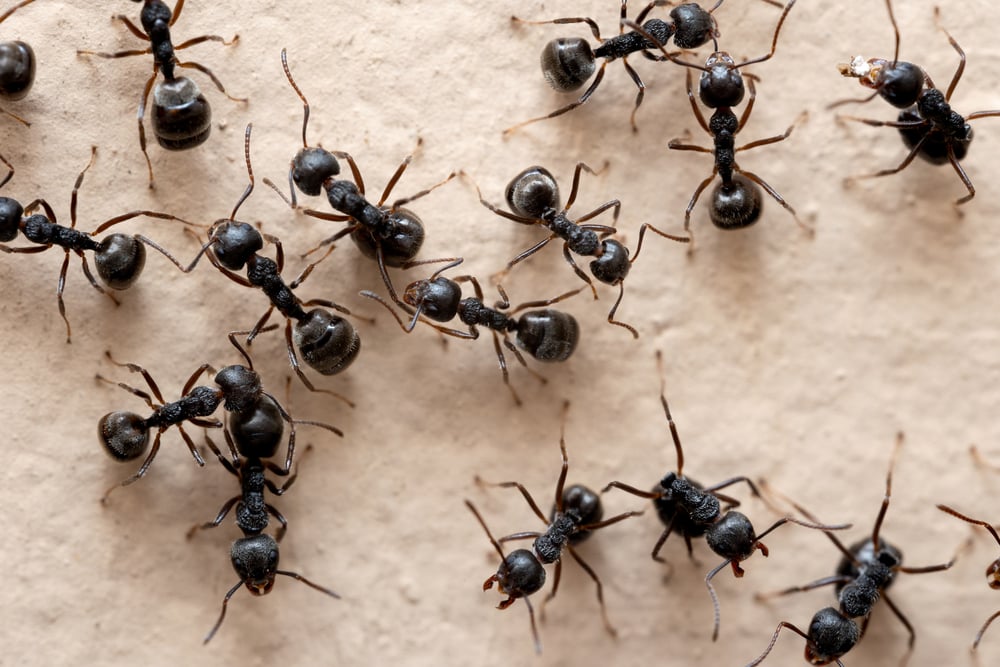
When an ant discovers danger, it releases pheromones that create an invisible trail of warning for colony members. These chemical messages communicate everything from ‘food source contaminated’ to ‘evacuate immediately’ — and the scent lingers long enough for other ants to receive the message even after the original messenger has moved on.
Some ant species layer different pheromones to create complex messages about multiple threats simultaneously.
Like Go2Tutors’s content? Follow us on MSN.
Tail Flagging
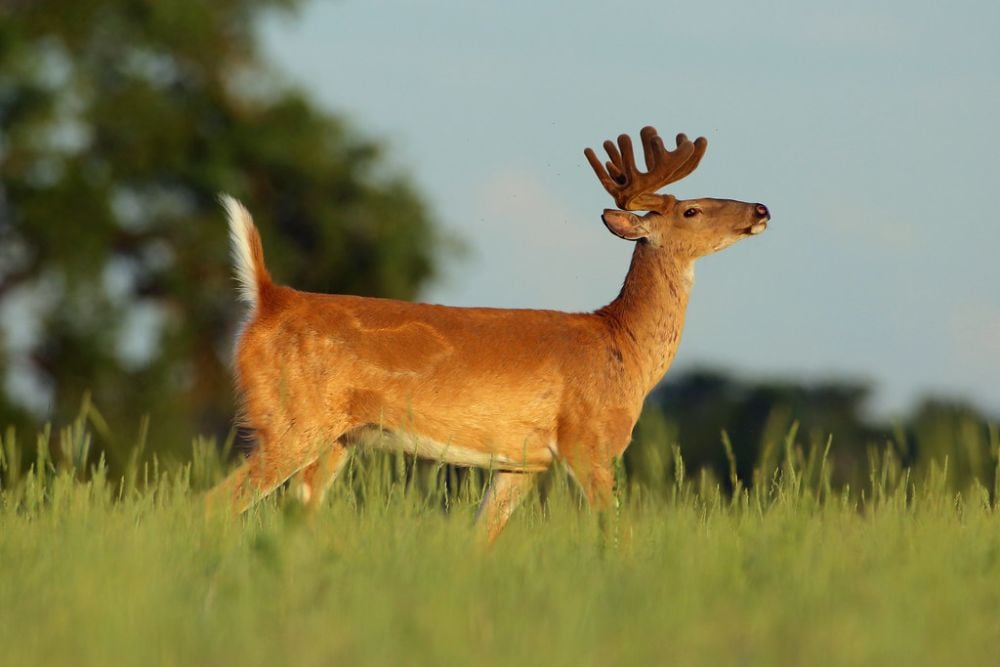
White-tailed deer flash their bright white tails like emergency beacons when they sense predators nearby. This visual signal serves dual purposes: warning other deer while letting predators know they’ve been spotted.
The flagging motion is so distinctive that other animals — including birds and smaller mammals — have learned to recognize it as a universal danger signal.
Electric Fields
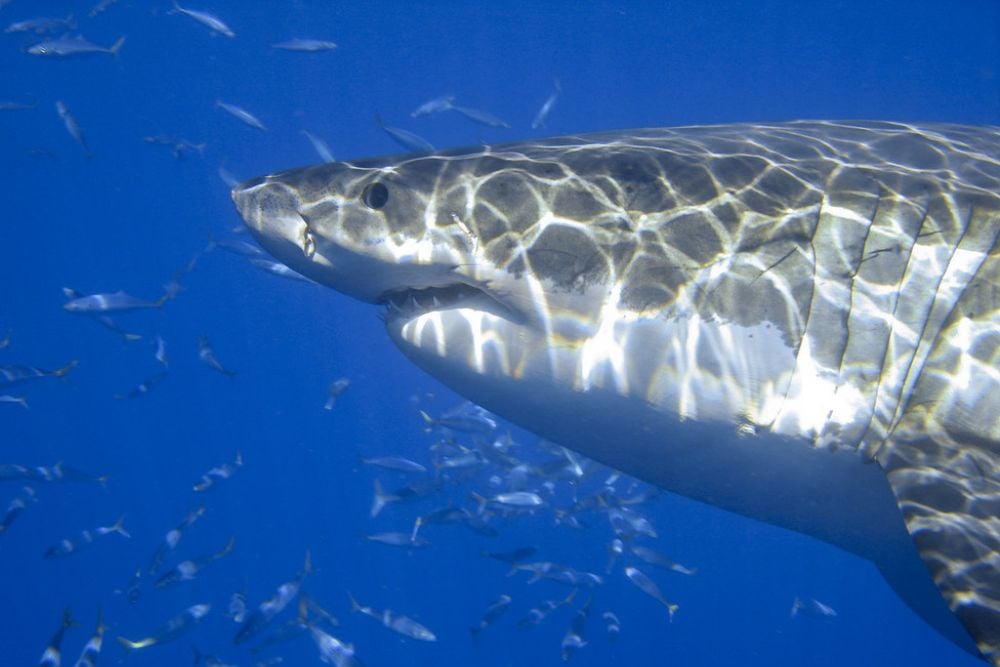
Sharks and rays detect electrical fields generated by all living creatures, yet they also use this ability to sense when other animals are stressed or panicked. When prey fish experience fear, their electrical output changes dramatically — other fish in the area pick up on these altered electrical signals and interpret them as warnings about nearby predators.
Think of it as nature’s version of a panic button that automatically alerts the neighborhood.
Bioluminescence
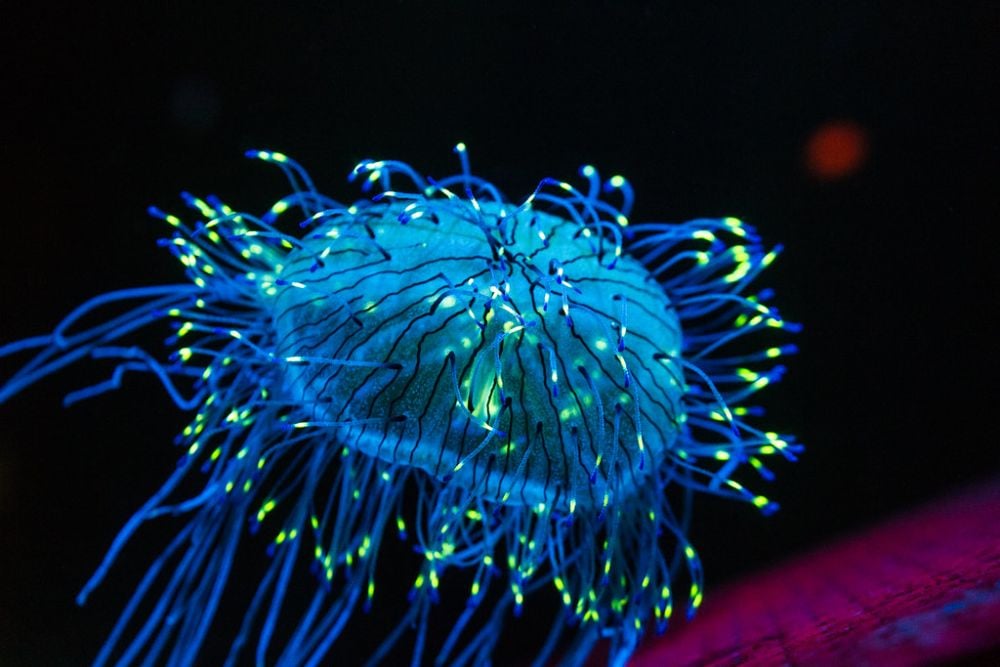
Deep-sea creatures like jellyfish create dramatic light shows when threatened, though this isn’t just for show. The sudden burst of bioluminescence serves as both a distress signal to nearby creatures and a way to startle predators — some species create patterns that mimic larger, more dangerous animals, while others produce lights that attract even bigger predators to deal with their current threat.
Like Go2Tutors’s content? Follow us on MSN.
Drumming and Vibrations
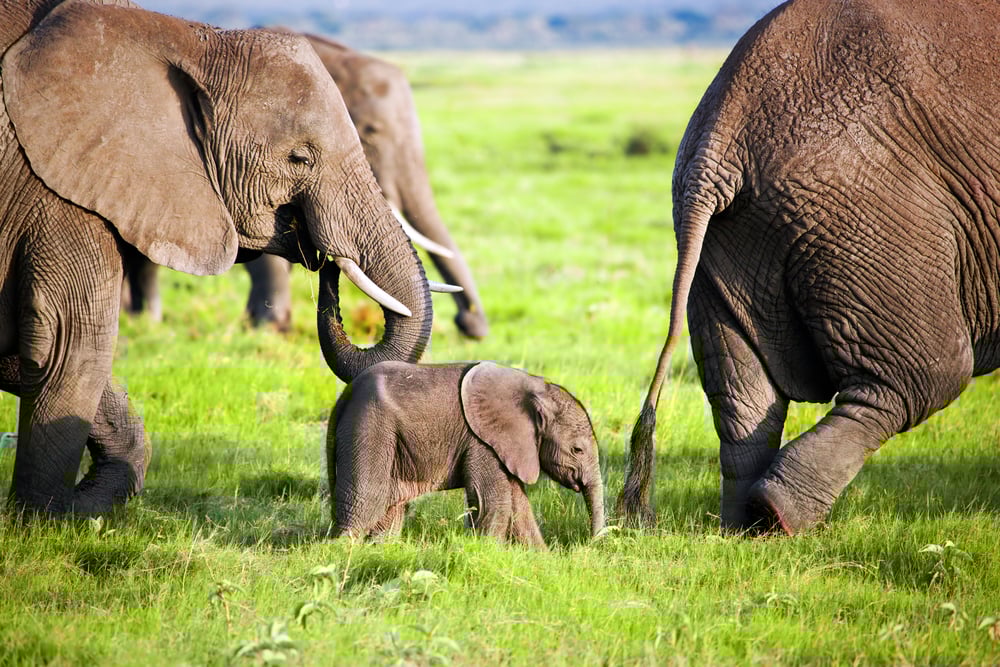
Elephants communicate danger through infrasonic rumbles that travel through the ground for miles. These low-frequency vibrations carry detailed information about threats — including direction and distance of danger — and other elephants feel these messages through their feet and trunks.
This allows entire herds to coordinate escape routes long before a threat becomes visible.
Mobbing Behavior

Small birds like crows and jays coordinate group attacks on predators through complex systems of calls and movements. When one bird spots a hawk or owl, it releases a specific call that brings other birds rushing to the scene — the group then harasses the predator with dive-bombing attacks and loud calls, effectively broadcasting the threat’s location to every animal within hearing range.
Scent Marking
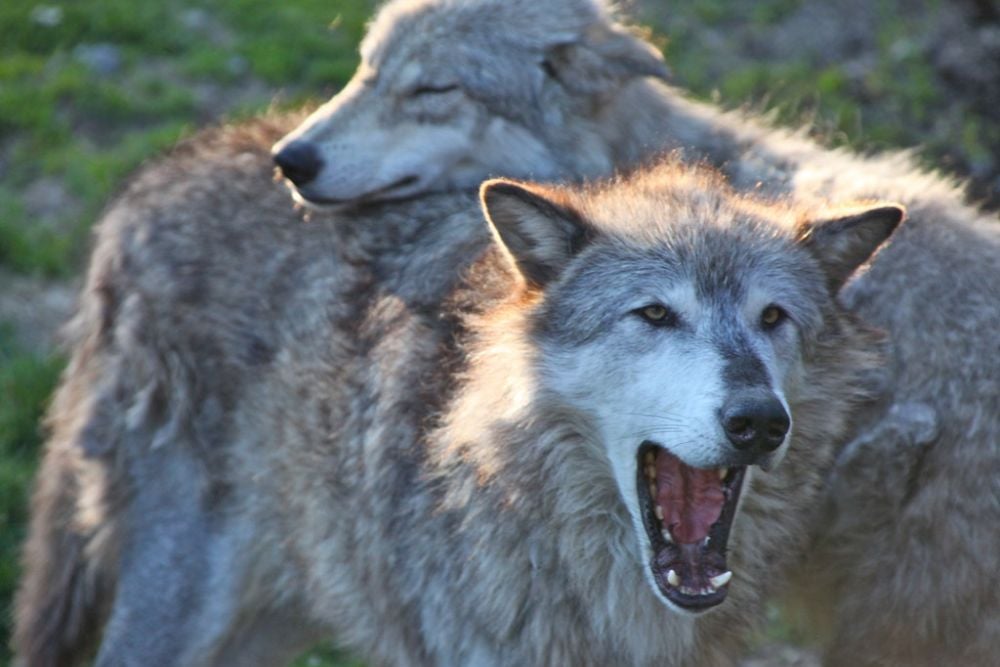
Wolves and other canines leave scent marks that function like neighborhood watch signs — warning other pack members about territorial intrusions or recent predator activity. These chemical messages persist for days or weeks, creating a communication network that operates even when the animals aren’t present.
The scents carry information about the individual who left them, timing, and emotional state.
Like Go2Tutors’s content? Follow us on MSN.
Color Changes
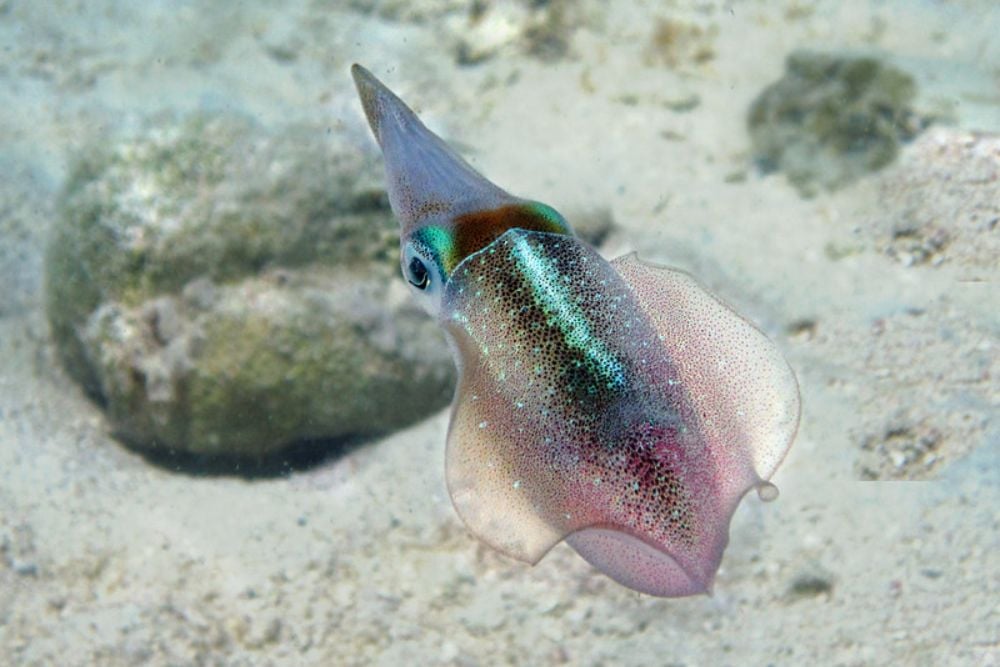
Chameleons and cuttlefish don’t just change colors for camouflage — they also use rapid color shifts to communicate an alarm to others of their species. A chameleon that suddenly displays bright warning colors essentially shouts ‘danger’ to any other chameleons in the vicinity.
The speed and intensity of color change indicate threat severity.
Freeze Responses
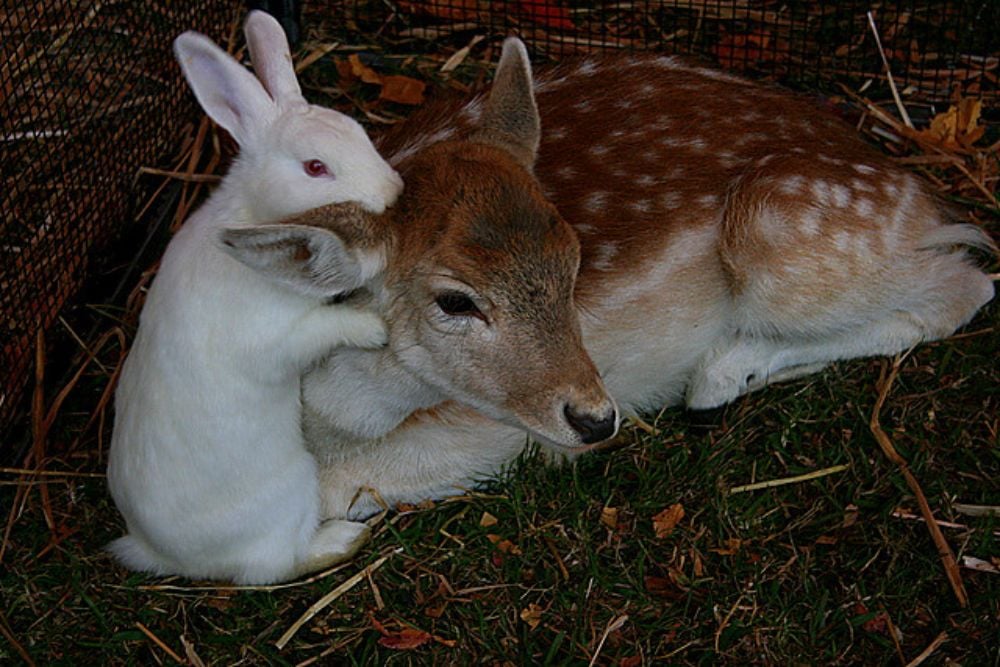
When rabbits and deer suddenly freeze in place, they’re not just hiding — they’re sending a clear message to other animals that something dangerous lurks nearby. This collective freezing behavior creates a domino effect throughout the area, with animals of different species all stopping their activities simultaneously.
The sudden silence serves as a warning system spanning multiple animal communities.
Sound Mimicry
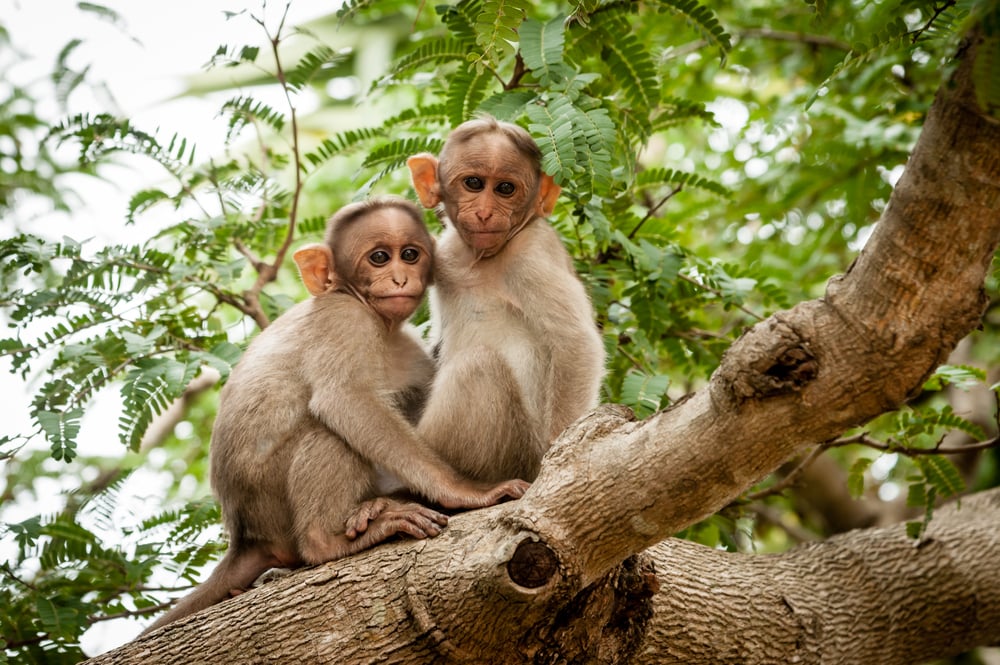
Some animals have learned to imitate alarm calls of other species to spread warnings more effectively. Certain monkeys can mimic bird alarm calls, while some birds have learned to replicate mammal warning sounds.
This cross-species communication creates a more comprehensive warning network that keeps entire ecosystems informed about potential threats. It’s essentially nature’s version of a multilingual emergency broadcast system.
Like Go2Tutors’s content? Follow us on MSN.
Formation Changes
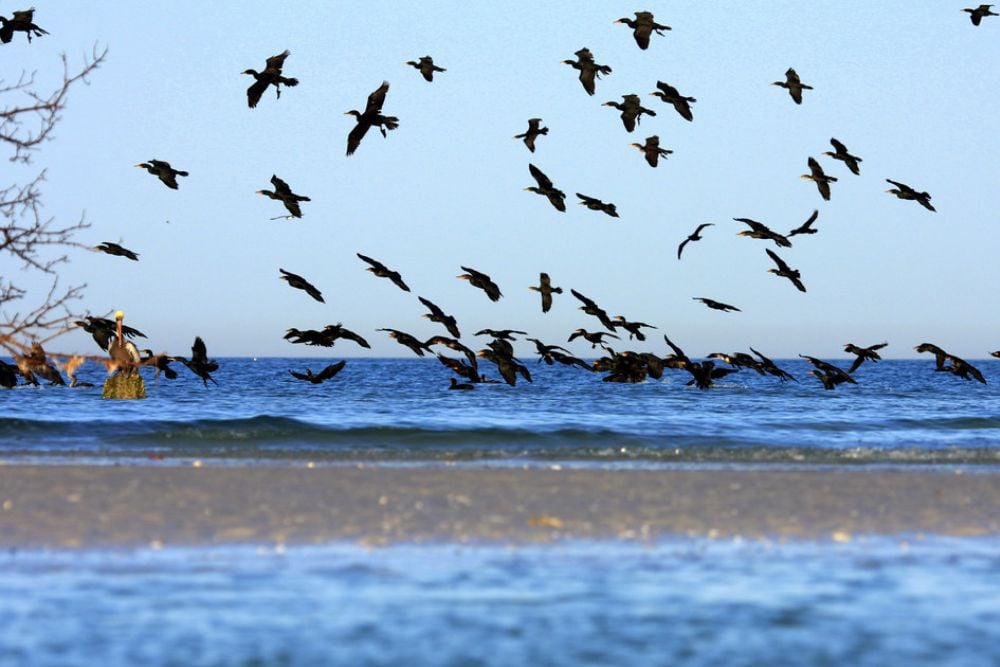
Schools of fish and flocks of birds alter their movement patterns to signal danger to the group. When a fish school suddenly tightens into a defensive ball or a bird flock shifts from loose formation to tight clustering, these changes communicate immediate threat information.
The visual cue proves so effective that it can trigger protective responses in animals that haven’t even seen the original danger.
Posture Displays
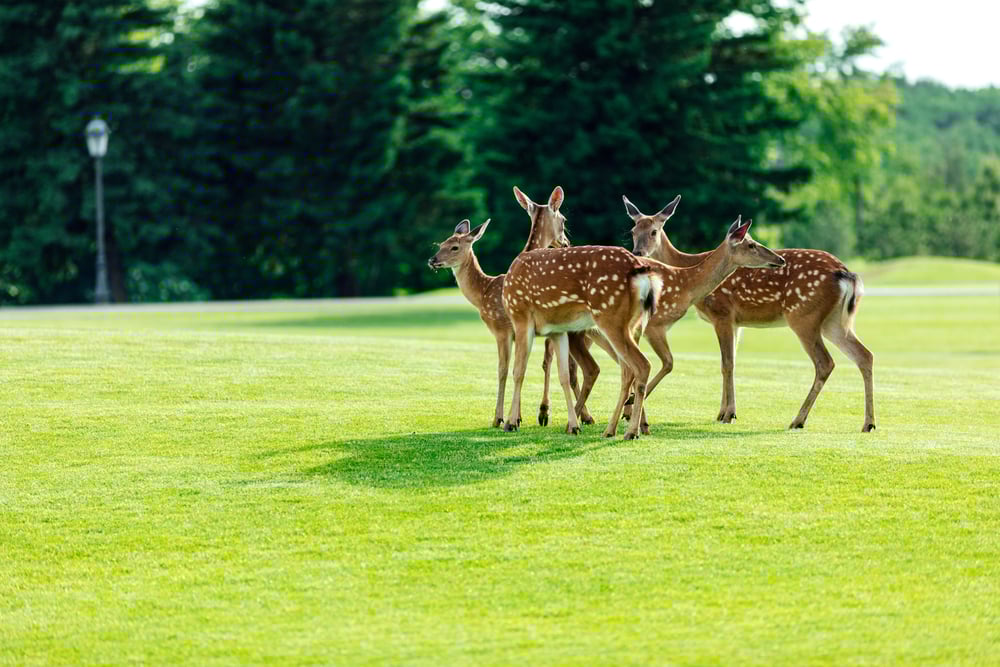
Many animals use specific body positions to warn others about nearby threats. A deer that stands tall with ears forward and muscles tensed broadcasts alertness to other deer in the area.
Meerkats adopt upright sentinel postures that signal they’re actively watching for danger, allowing other group members to focus on feeding while staying informed about security status.
Territory Abandonment
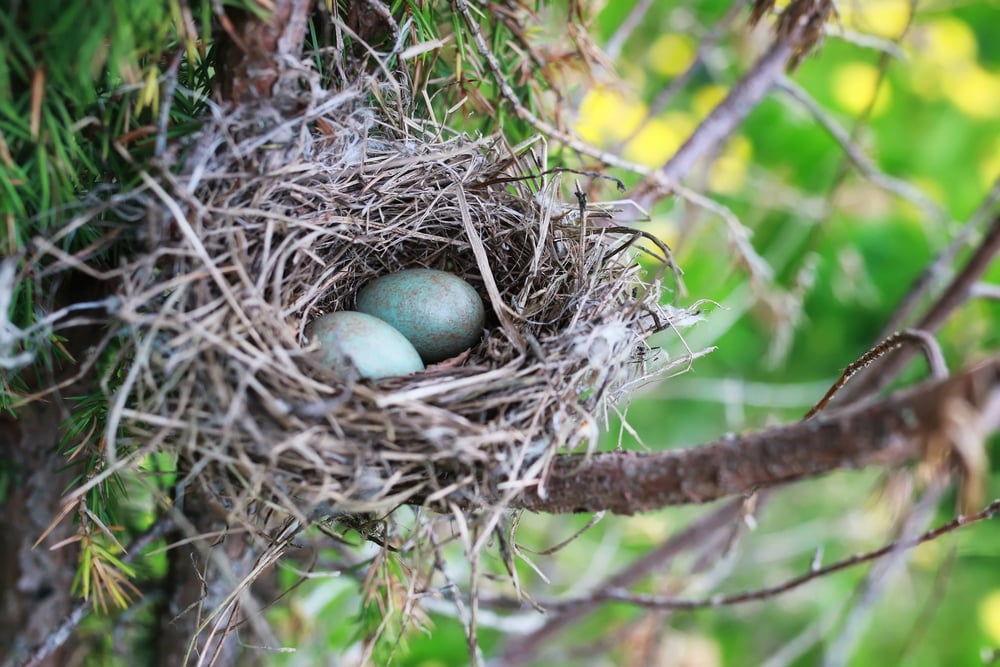
When animals suddenly vacate their normal territories or feeding areas, this behavior serves as a powerful warning to other creatures. Birds that abandon their nests outside of normal migration periods signal serious environmental threats.
Other animals in the area recognize this unusual behavior as a red flag and often follow suit by leaving the area themselves.
Like Go2Tutors’s content? Follow us on MSN.
Distress Calls

The piercing distress calls of captured or injured animals serve as warnings to others of their species about active predation in the area. These calls differ distinctly from normal vocalizations and carry an urgency that other animals immediately recognize.
Even animals of different species often respond to these calls by increasing their vigilance or moving away from the area.
Cooperative Vigilance
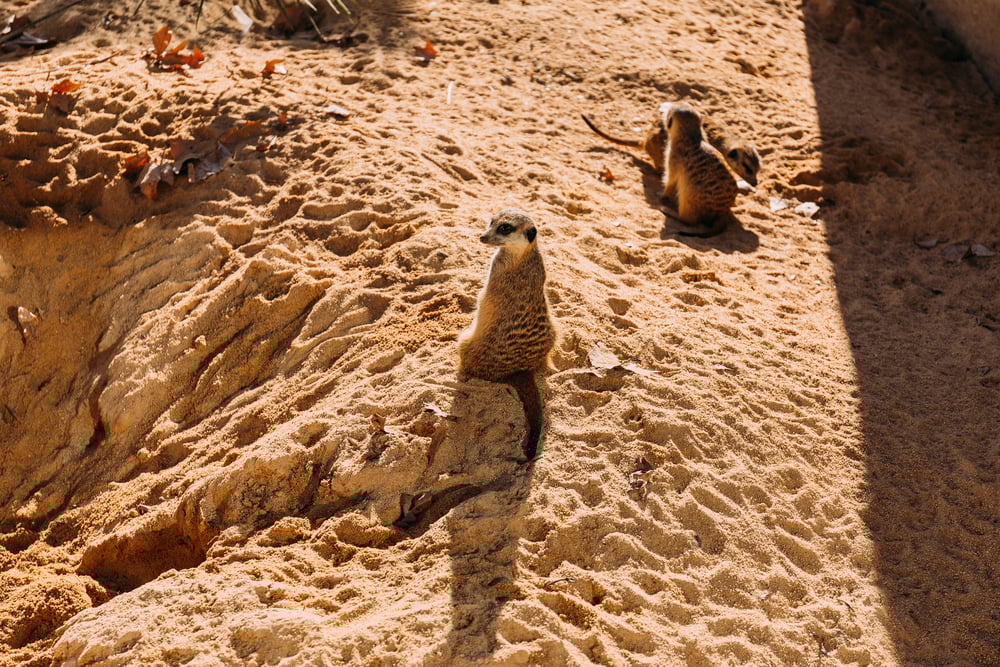
Prairie dogs, meerkats, and many other social animals establish formal sentinel systems where individuals take turns watching for predators while others feed or rest. The sentries use specific calls to indicate ‘all clear’ or various levels of threat.
This rotation system ensures continuous monitoring and creates a reliable early warning network for the entire group.
Environmental Cues
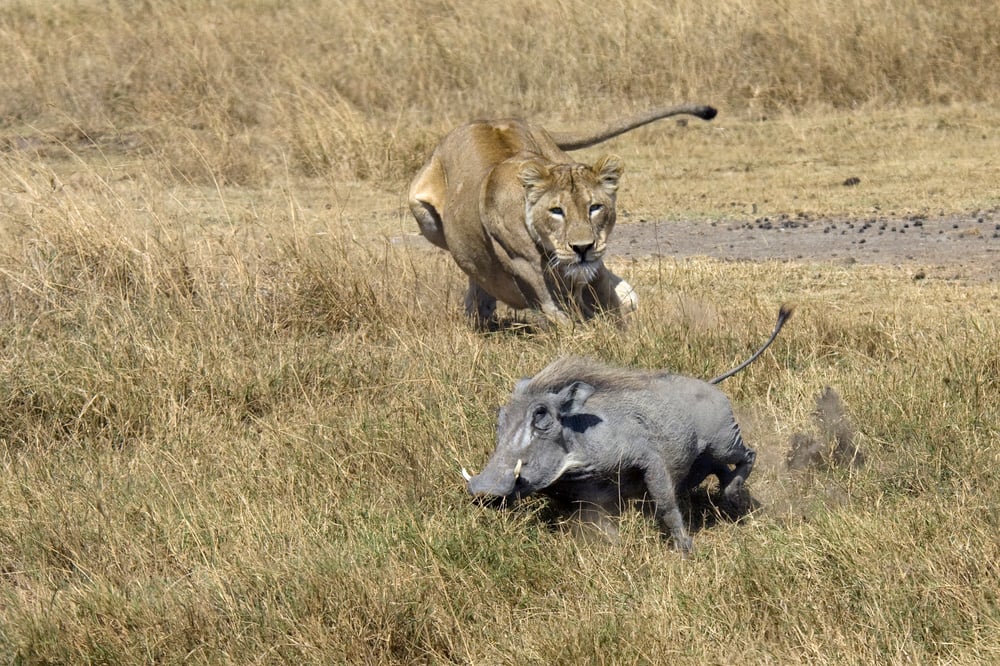
Animals monitor changes in their environment that might indicate approaching danger, such as sudden wind shifts that could carry predator scents or unusual bird flight patterns. These environmental indicators often provide the earliest warnings about threats that haven’t yet become directly visible.
Experienced animals can read these subtle cues and alert others before danger becomes imminent.
Like Go2Tutors’s content? Follow us on MSN.
The Invisible Networks That Keep Nature Alive
These warning systems represent millions of years of evolutionary refinement, creating communication networks that operate with remarkable efficiency and accuracy. Modern technology continues to study these natural alert systems, finding applications in everything from military communications to early warning systems for natural disasters.
The sophistication of animal communication reminds us that survival often depends not on individual strength but on the ability to share critical information with others when it matters most.
More from Go2Tutors!

- 16 Restaurant Chains That Went Too Fast
- 12 Things Sold in the 80s That Are Now Illegal
- 15 Strange Things People Have Tried to Ban (And Failed)
- 16 Collectibles People Tossed Out Too Soon
- 17 Myths from Your Childhood That Were Actually Based on Real Things
Like Go2Tutors’s content? Follow us on MSN.