15 Ancient Roads Used Until Today
Ancient civilizations built roads to last, and many of their engineering marvels continue serving travelers thousands of years later. These weren’t just dirt paths—they were sophisticated transportation networks featuring precise engineering, durable materials, and strategic planning that modern highway departments still admire. From Roman military highways to medieval pilgrimage routes, these ancient thoroughfares have adapted to serve everything from horse-drawn carts to modern automobiles.
The remarkable longevity of these roads speaks to both the skill of their builders and the enduring logic of their routes through challenging terrain. Here is a list of 15 ancient roads that continue carrying traffic and connecting communities across the world today.
Via Appia

The Appian Way, built starting in 312 BCE, remains one of Rome’s most famous roads and still carries traffic between Rome and southern Italy. Modern Highway SS7 follows much of the ancient route, though travelers can explore original Roman stone sections complete with ancient milestones.
This ‘Queen of Roads’ originally connected Rome to Brindisi, serving as a crucial military and trade artery for over 350 miles.
Watling Street

Watling Street cuts across England from Dover to Wroxeter, following a route that predates Roman conquest but was formalized by Roman engineers around 43 CE. Today’s A5 highway traces much of this ancient path, connecting London to Wales while passing through historic towns that grew up around Roman settlements.
The road served as a major thoroughfare for medieval pilgrims heading to Canterbury and continues as one of Britain’s primary routes.
Like Go2Tutors’s content? Follow us on MSN.
Via Aurelia

Via Aurelia hugs Italy’s western coast from Rome to France, and modern travelers still use this scenic route via Highway SS1. Built around 241 BCE, the road originally served Roman legions moving toward Gaul but evolved into a vital commercial link between Italian ports.
Drivers today enjoy the same coastal views that Roman merchants witnessed over two millennia ago.
Camino de Santiago

The Way of St. James has guided pilgrims across northern Spain to Santiago de Compostela for over 1,000 years, maintaining its original medieval route. Modern pilgrims walk the same paths used by countless travelers throughout history, staying in updated versions of medieval hostels and crossing ancient bridges.
The route received UNESCO World Heritage status and attracts over 300,000 walkers annually who follow yellow arrows marking the traditional path.
Via Francigena
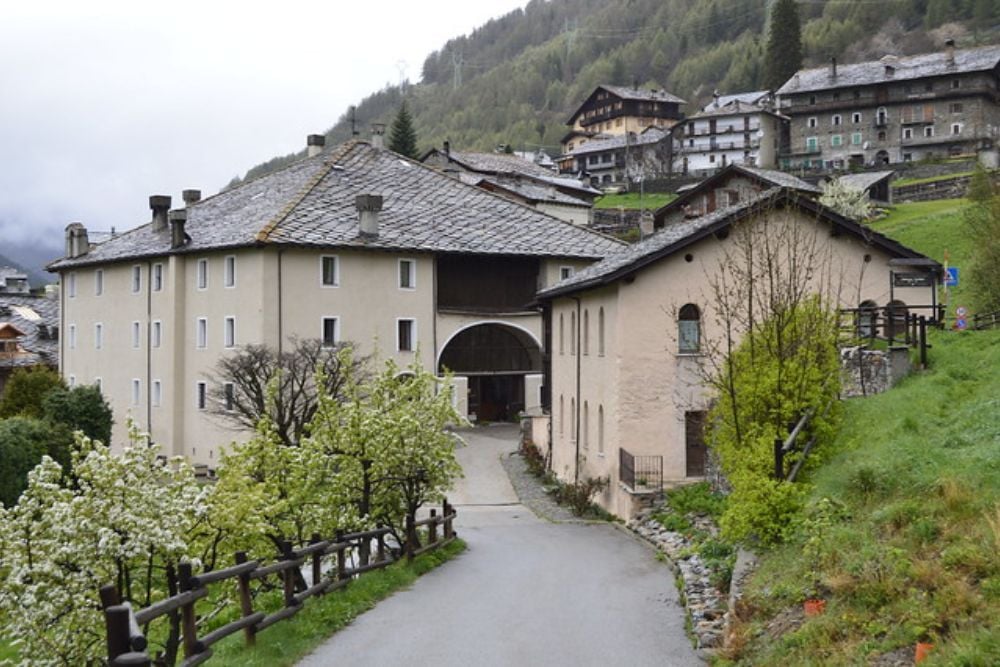
This medieval pilgrimage route connects Canterbury to Rome, following paths that Sigeric the Serious, Archbishop of Canterbury, documented in 990 CE. Today’s Via Francigena passes through England, France, Switzerland, and Italy, largely following the same route medieval pilgrims used.
Modern walkers can obtain a ‘passport’ and collect stamps at towns along the way, just like pilgrims did centuries ago.
Like Go2Tutors’s content? Follow us on MSN.
Fosse Way

Fosse Way runs arrow-straight across England from Exeter to Lincoln, demonstrating Roman surveying skills that impress engineers today. Much of this ancient road survives as modern highways A46 and A37, maintaining the Romans’ precise northeast-southwest alignment across 240 miles.
Archaeological evidence suggests the road was built around 47 CE as a military frontier before becoming a civilian thoroughfare.
Great North Road
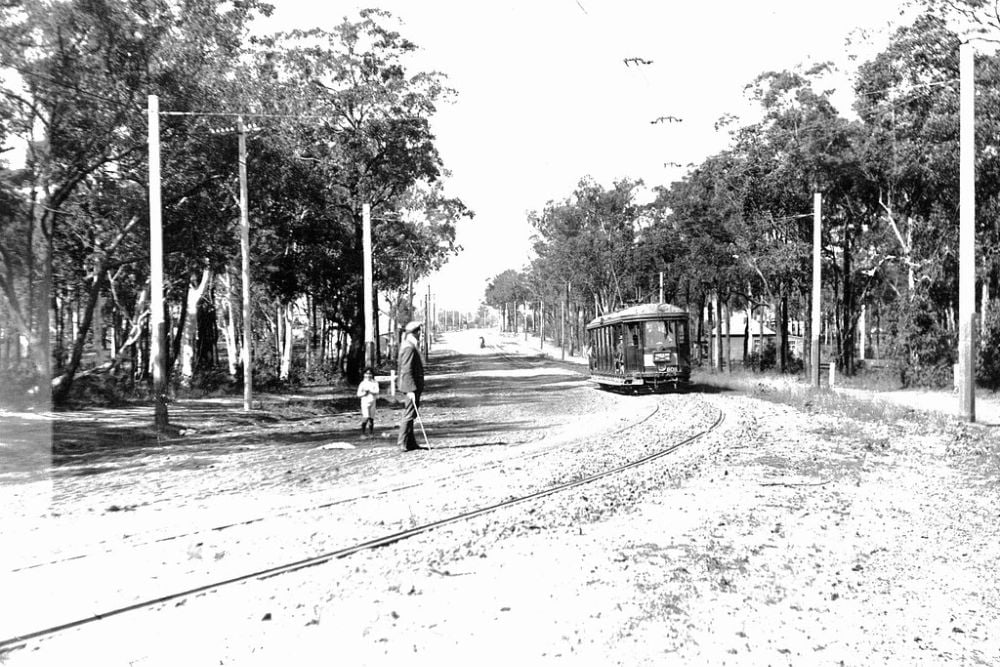
England’s Great North Road connected London to Edinburgh along a route used since Roman times, serving as the backbone of English commerce and communication for centuries. Today’s A1 highway follows this historic path, though modern bypasses have redirected traffic around many ancient market towns.
The road gained fame in literature and history as the route for mail coaches, cattle drives, and royal processions between England and Scotland.
Via Domitia
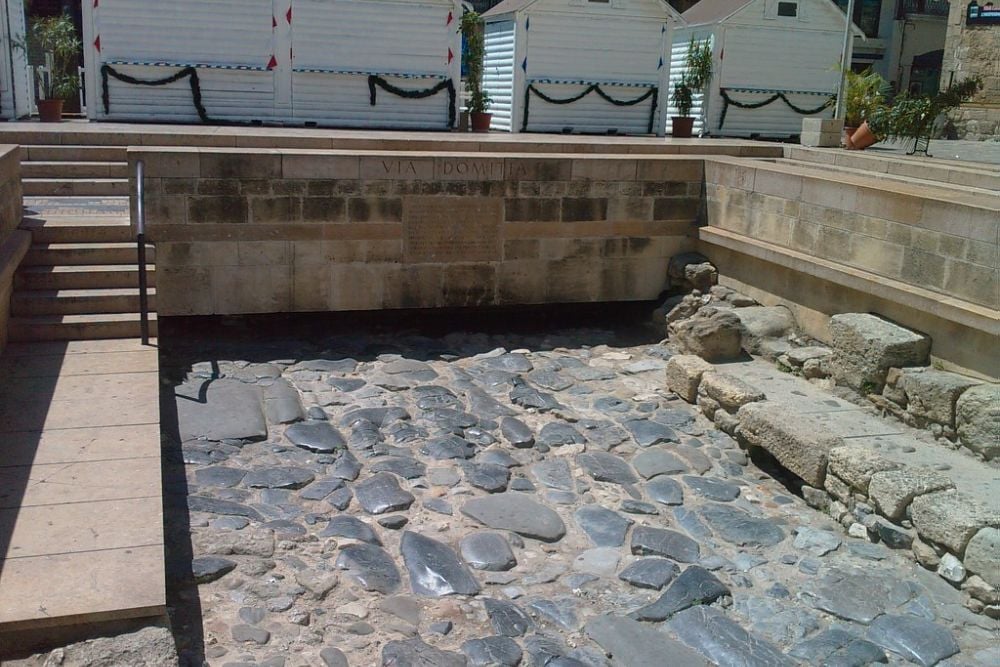
Via Domitia was Rome’s first road in Gaul, built in 118 BCE to connect Italy with Spain through southern France. Modern travelers can drive along portions of this ancient route, particularly between Nîmes and the Spanish border, where Roman milestones still mark distances.
The road passed through major Roman cities like Narbonne and served as a crucial link in Rome’s expansion into western Europe.
Like Go2Tutors’s content? Follow us on MSN.
King’s Highway

Jordan’s King’s Highway follows a route mentioned in the Bible and used continuously for over 5,000 years, connecting Damascus to the Gulf of Aqaba. Modern Highway 35 traces much of this ancient path, serving as Jordan’s main north-south artery while passing Biblical sites and Crusader castles.
The road’s strategic importance hasn’t diminished—it remains vital for trade and transportation between Jordan’s major cities.
Silk Road Segments
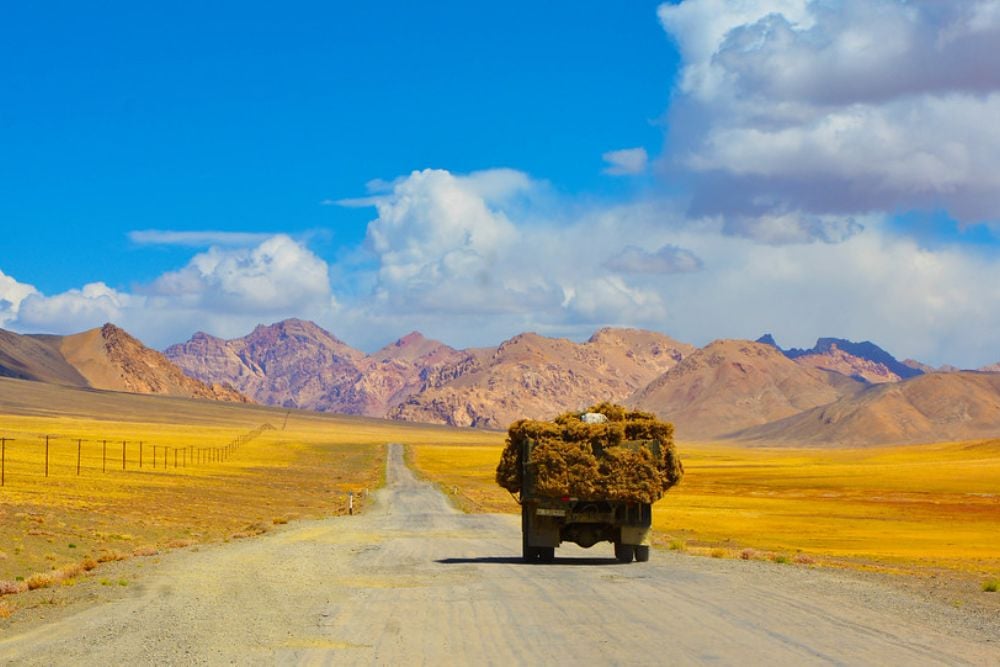
Various segments of the ancient Silk Road network still serve as modern highways across Central Asia, particularly through mountain passes where alternative routes remain limited. The Karakoram Highway between Pakistan and China follows ancient caravan routes, while sections in Uzbekistan and Iran maintain their historical importance for regional trade.
These routes connect the same cities that Marco Polo visited, though modern travelers enjoy paved surfaces instead of camel tracks.
Inca Road System
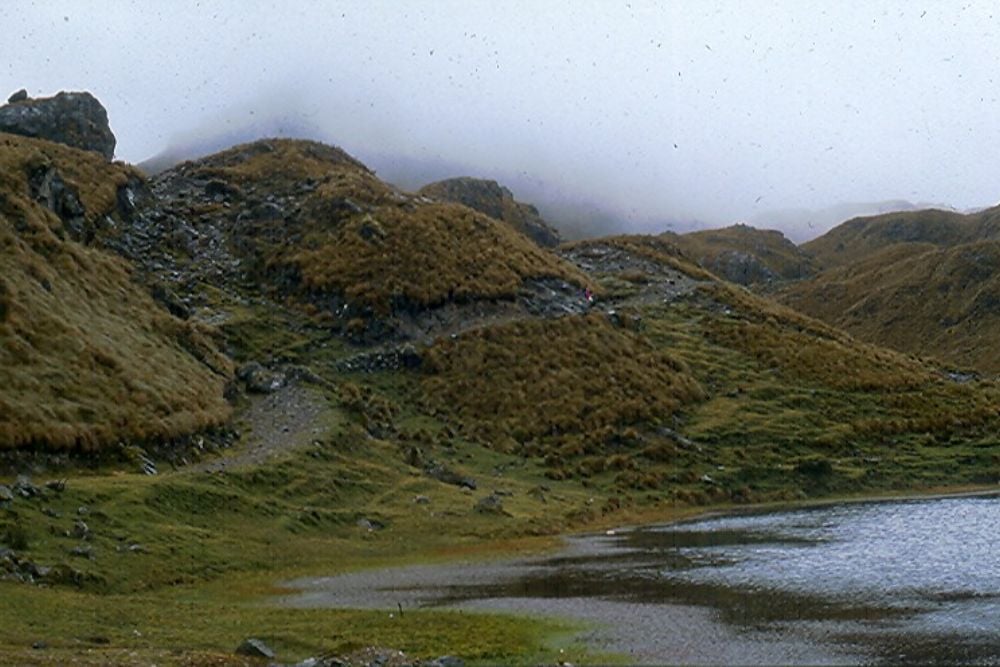
Peru’s Inca road network, known as Qhapaq Ñan, includes sections still used by local communities in the Andes Mountains. The famous Inca Trail to Machu Picchu represents just one small portion of a system that once connected the entire Inca Empire across treacherous mountain terrain.
Modern hikers follow the same stone-paved paths that Inca messengers used to carry news across the empire at remarkable speed.
Like Go2Tutors’s content? Follow us on MSN.
Via Salaria

The Salt Road connected Rome to the Adriatic Sea, following routes salt merchants used to transport this precious commodity from coastal salt works. Today’s SS4 highway traces much of this ancient route through the Sabine Hills, serving modern communities that grew up around Roman settlements.
The road’s name reflects its original purpose—’via salaria’ literally means ‘salt road’ in Latin.
Ridgeway

England’s Ridgeway claims to be Britain’s oldest road, with evidence of use dating back 5,000 years along chalk ridges that provided dry paths through marshy lowlands. Today’s Ridgeway National Trail follows much of this prehistoric route for 87 miles from Wiltshire to Buckinghamshire, passing ancient monuments like Uffington White Horse.
The path continues serving walkers, cyclists, and horse riders just as it served Bronze Age traders.
Via Emilia

Via Emilia runs straight as an arrow from Piacenza to Rimini across northern Italy, built by Roman consul Marcus Aemilius Lepidus in 187 BCE. Modern Highway SS9 follows this route almost exactly, connecting cities that bear Roman names like Parma, Reggio Emilia, and Modena.
The road’s precision helped establish the geometric street patterns still visible in Italian cities today.
Like Go2Tutors’s content? Follow us on MSN.
Ermine Street

Ermine Street connected London to York and Lincoln, serving as one of Britain’s most important Roman roads before becoming a major medieval thoroughfare. Today’s A1 incorporates much of this route, particularly the section from London northward, maintaining the road’s role as England’s primary north-south artery.
The name ‘Ermine Street’ comes from the Earningas tribe whose territory the road crossed, not from the white fur that lined medieval robes.
Paths That Transcend Time

These enduring roads prove that good engineering and smart route selection can outlast empires, religions, and entire civilizations. While the vehicles have changed from ox carts to automobiles, the fundamental need to move people and goods efficiently across difficult terrain remains constant throughout human history.
Each surviving ancient road tells a story of the communities it connected and the travelers who wore its stones over countless generations. Today’s GPS systems and satellite imagery often confirm what ancient engineers knew intuitively: the shortest distance between two points frequently follows the path of least resistance through natural landscapes.
More from Go2Tutors!

- 16 Historical Figures Who Were Nothing Like You Think
- 12 Things Sold in the 80s That Are Now Illegal
- 15 VHS Tapes That Could Be Worth Thousands
- 17 Historical “What Ifs” That Would Have Changed Everything
- 18 TV Shows That Vanished Without a Finale
Like Go2Tutors’s content? Follow us on MSN.