16 Supreme Court Cases That Changed Daily Life
Most people think the Supreme Court only matters to lawyers and politicians, but that couldn’t be further from the truth. The justices’ decisions ripple through every aspect of American life in ways that would surprise you. Your morning routine, your kids’ school experience, even your weekend plans—all shaped by cases decided decades ago.
Sometimes a single court case can flip society on its head. Here is a list of 16 Supreme Court cases that fundamentally changed how Americans live their daily lives.
Brown v. Board of Education (1954)
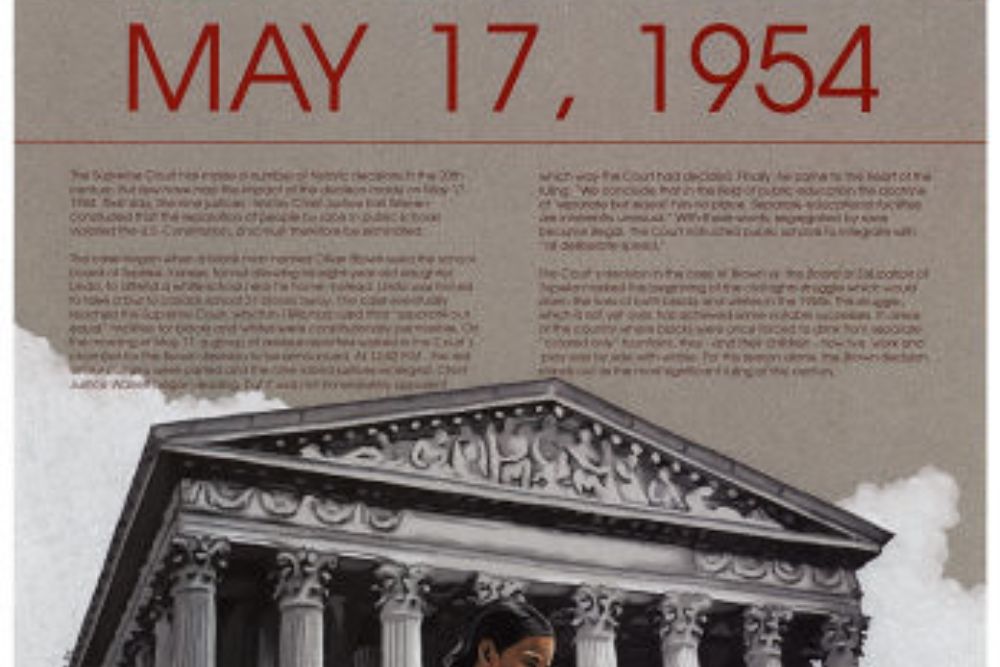
Before 1954, schools across America operated under the twisted logic of ‘separate but equal.’ Black and white children attended different schools, supposedly equal in quality but obviously not. The Supreme Court finally called this what it was—discrimination.
The ruling forced schools nationwide to integrate, creating the diverse classrooms we see today. Your child’s ability to attend school with kids from all backgrounds? That started with this case.
Gideon v. Wainwright (1963)
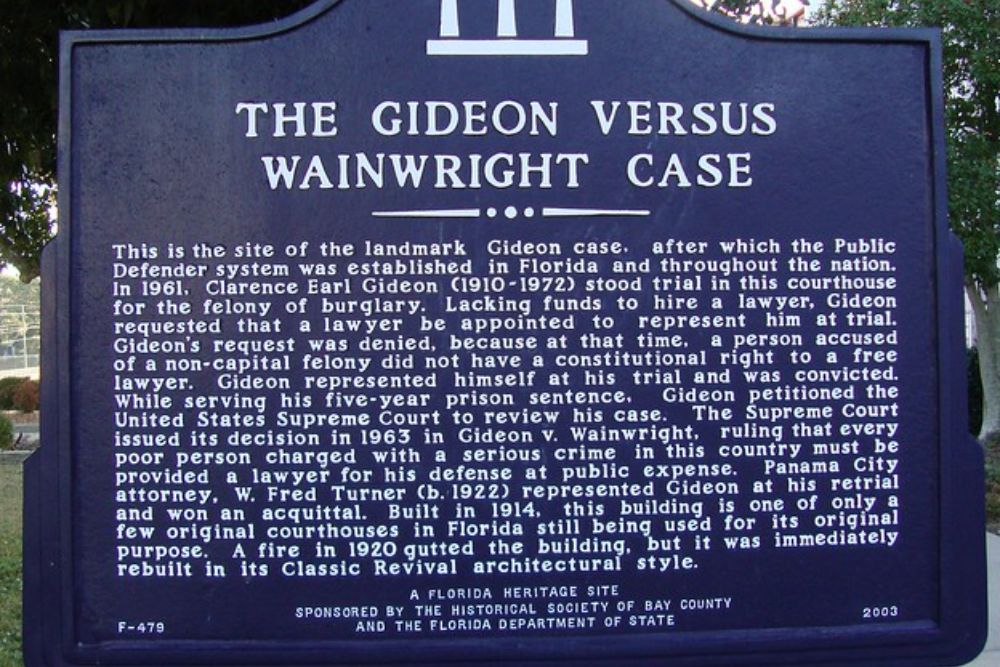
Picture this: you’re accused of a crime but can’t afford a lawyer. Tough luck, the system used to say. Clarence Gideon changed all that when he petitioned the Supreme Court from his prison cell, arguing that poor defendants deserved legal representation too.
Now every arrest comes with the promise of an attorney if you can’t afford one. It’s become such a basic right that we take it for granted.
Like Go2Tutors’s content? Follow us on MSN.
Miranda v. Arizona (1966)
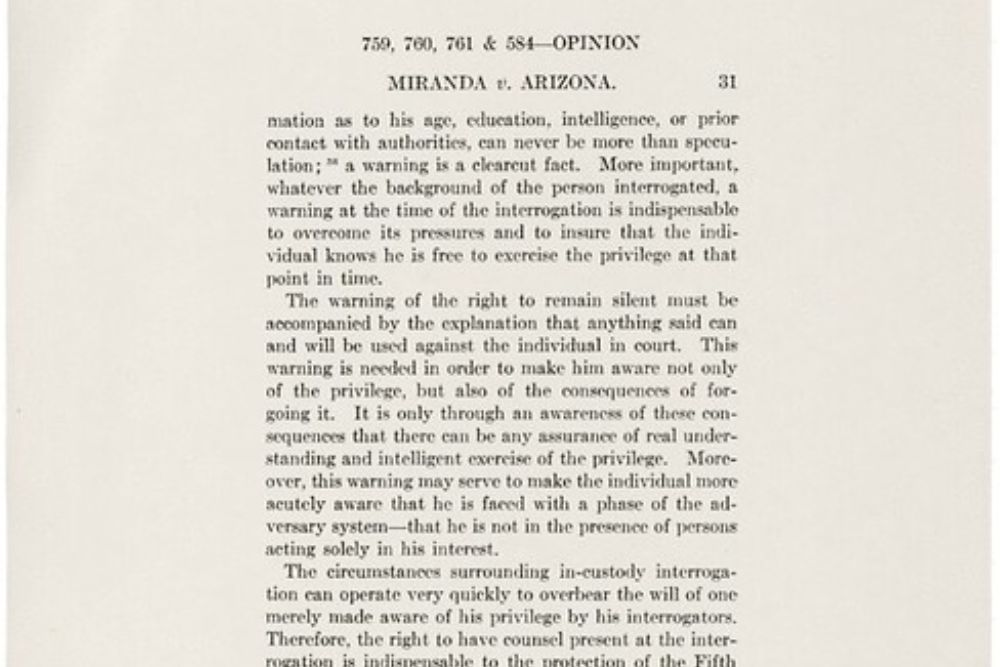
‘You have the right to remain silent.’ Even kids know these words from TV shows, but they exist because Ernesto Miranda didn’t know his rights during police questioning. The Court decided that wasn’t fair—suspects needed to understand their constitutional protections before talking to police.
Now these warnings are as American as apple pie, recited in police stations across the country every single day.
Roe v. Wade (1973)
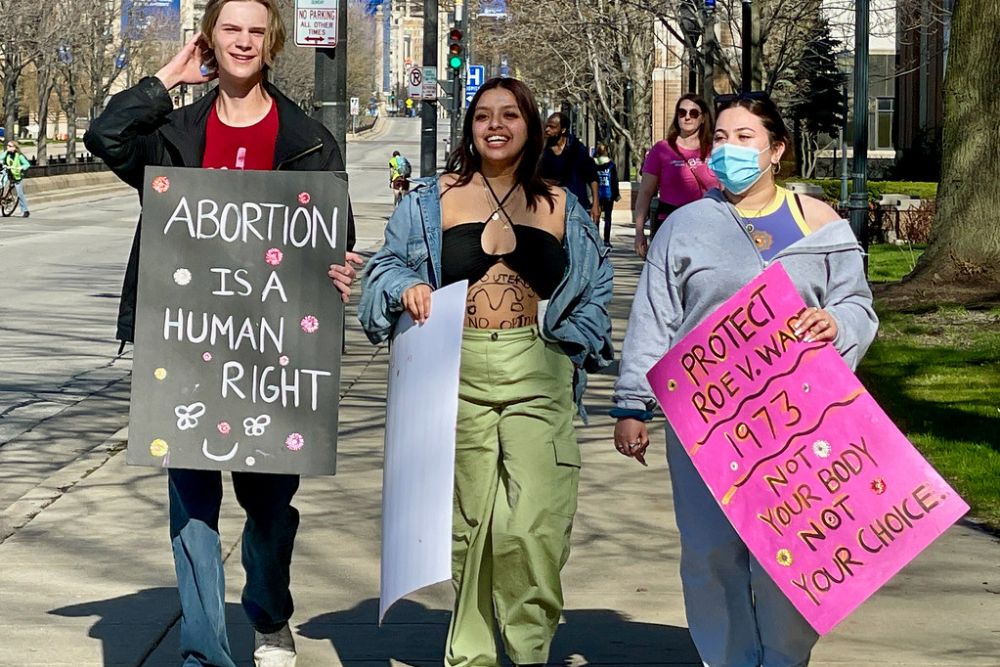
For nearly five decades, this case defined reproductive rights in America. The justices ruled that women had a constitutional right to make their own pregnancy decisions, at least during the first trimester.
Family planning, medical practice, political campaigns—everything changed. Women could suddenly make choices about their bodies without the government looking over their shoulders.
New York Times v. Sullivan (1964)
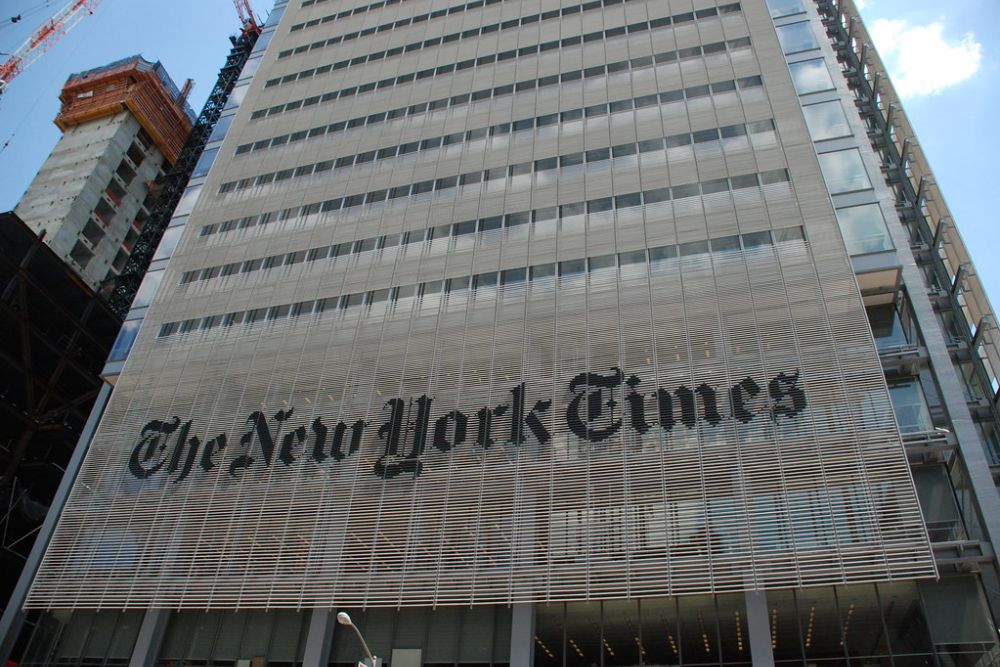
Politicians used to shut down negative coverage by threatening newspapers with lawsuits. The Supreme Court put an end to that practice, making it incredibly difficult for public figures to win libel cases.
They’d have to prove ‘actual malice’—that reporters knew they were lying or didn’t care about the truth. This protection unleashed modern journalism’s aggressive coverage of politicians and celebrities.
Like Go2Tutors’s content? Follow us on MSN.
Tinker v. Des Moines (1969)
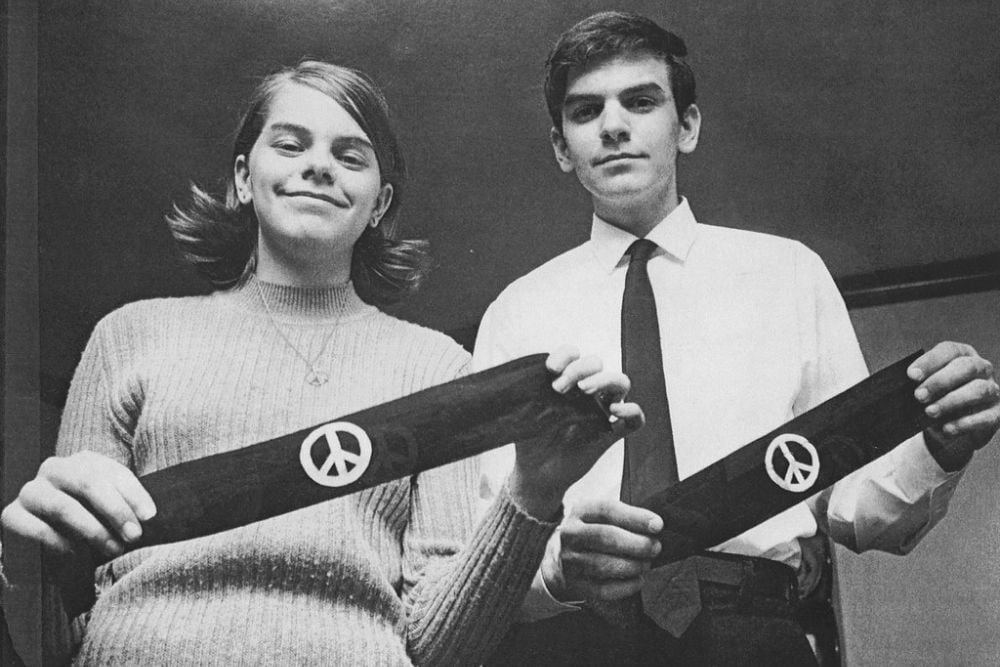
Three students wore black armbands to school, protesting the Vietnam War. The principal suspended them, but the Supreme Court backed the kids up. Students don’t lose their free speech rights just because they walk through the school door, the justices declared.
Today’s student activists—wearing political shirts, organizing walkouts—they’re exercising rights that Mary Beth Tinker helped secure.
Mapp v. Ohio (1961)
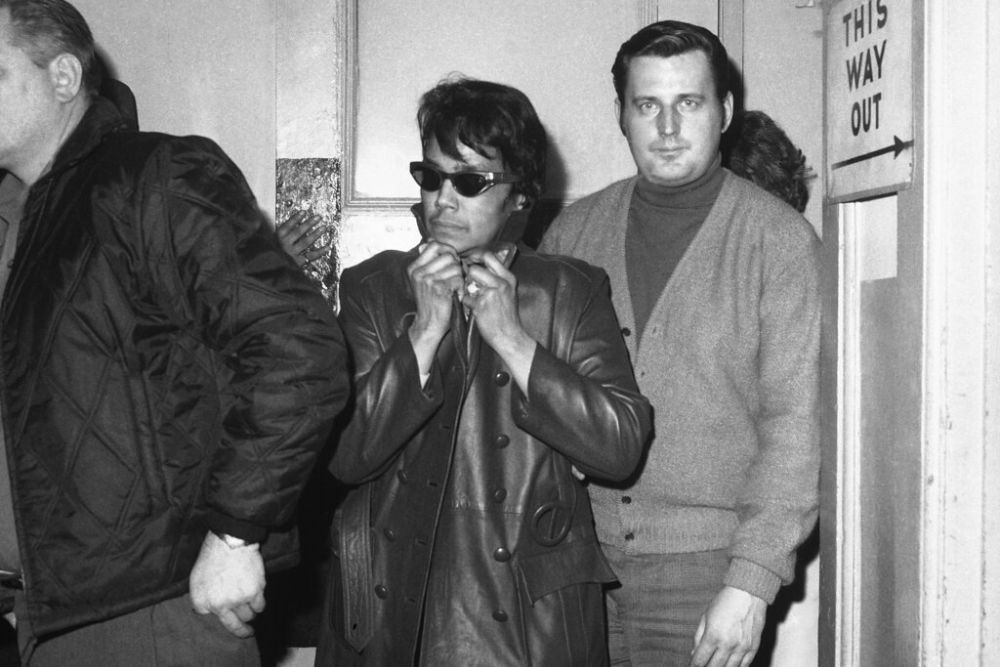
Police used to search homes and cars pretty much whenever they felt like it, then use whatever they found in court. Dollree Mapp fought back when Cleveland cops ransacked her house without a proper warrant.
The Court sided with her, creating the ‘exclusionary rule’—illegally obtained evidence can’t be used against you. Now police need solid reasons before they can search your stuff.
Engel v. Vitale (1962)
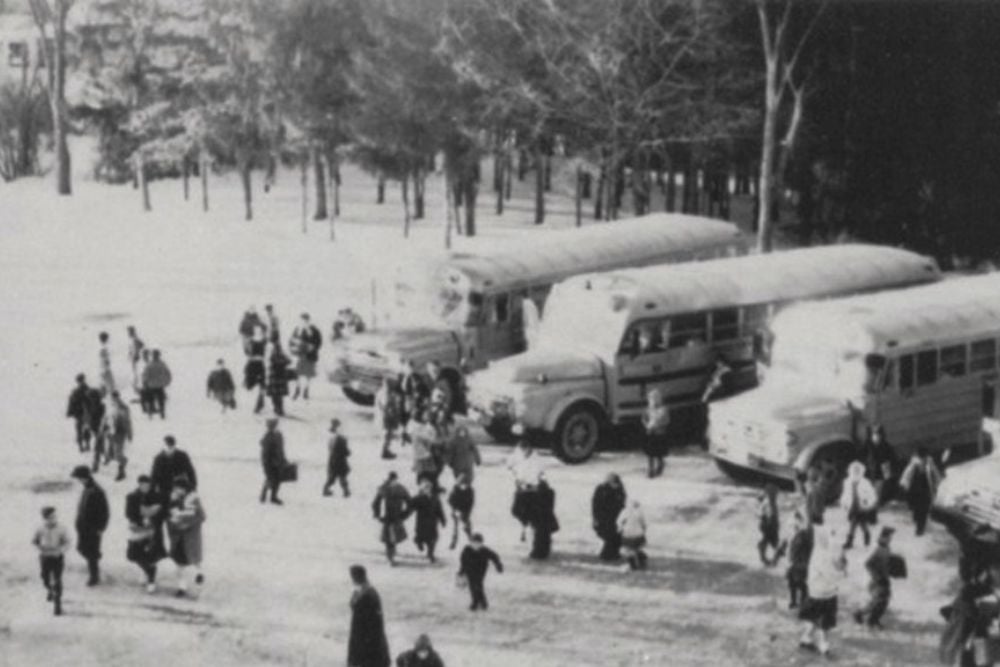
Every morning in New York schools, kids recited a state-written prayer. Parents challenged this practice, and the Supreme Court agreed it violated the First Amendment.
Government-sponsored prayer had no place in public schools, period. This decision kicked off decades of church-state separation battles, but it established that public education must stay neutral on religion.
Like Go2Tutors’s content? Follow us on MSN.
Griswold v. Connecticut (1965)
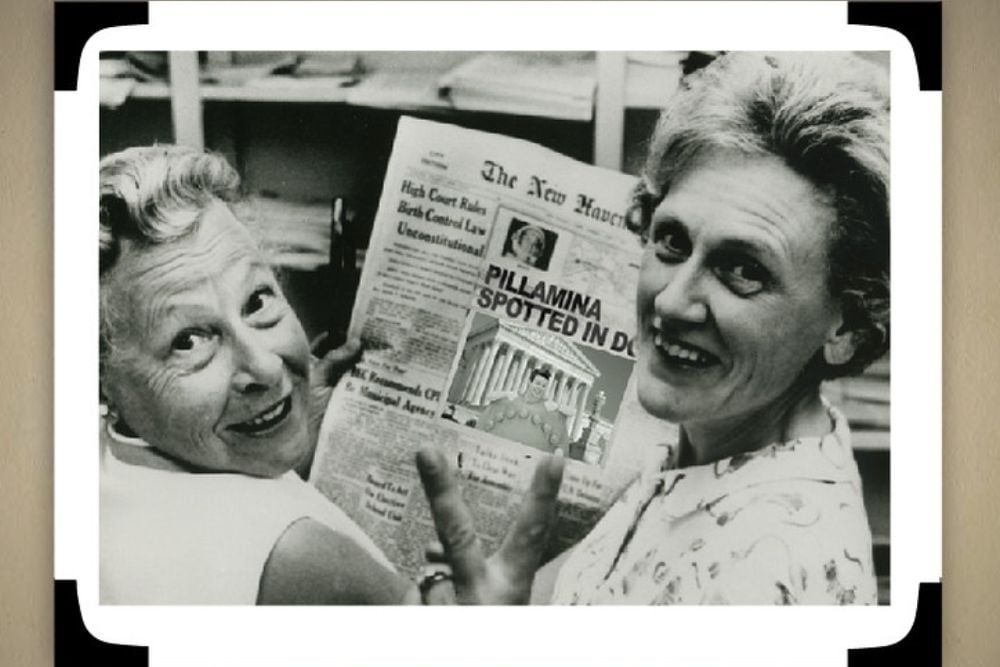
Connecticut actually banned married couples from using birth control—and meant it. Estelle Griswold ran a Planned Parenthood clinic and got arrested for helping couples access contraception.
The Supreme Court found a constitutional right to privacy that protected intimate decisions between spouses. This case opened the door to thinking about privacy rights that aren’t explicitly written in the Constitution.
Loving v. Virginia (1967)
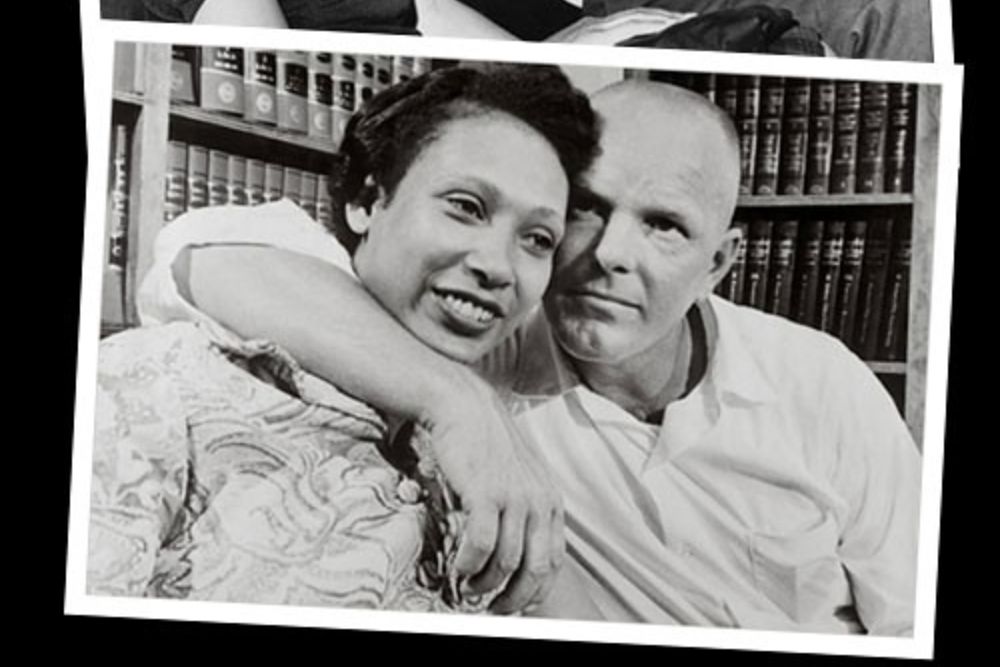
Richard and Mildred Loving were criminals in Virginia simply because they were married—he was white, she was black. Sixteen states banned interracial marriage, forcing couples to choose between love and legal residence.
The Supreme Court unanimously struck down these laws, declaring marriage a fundamental right. Interracial couples today owe their freedom to the Lovings’ courage.
Terry v. Ohio (1968)
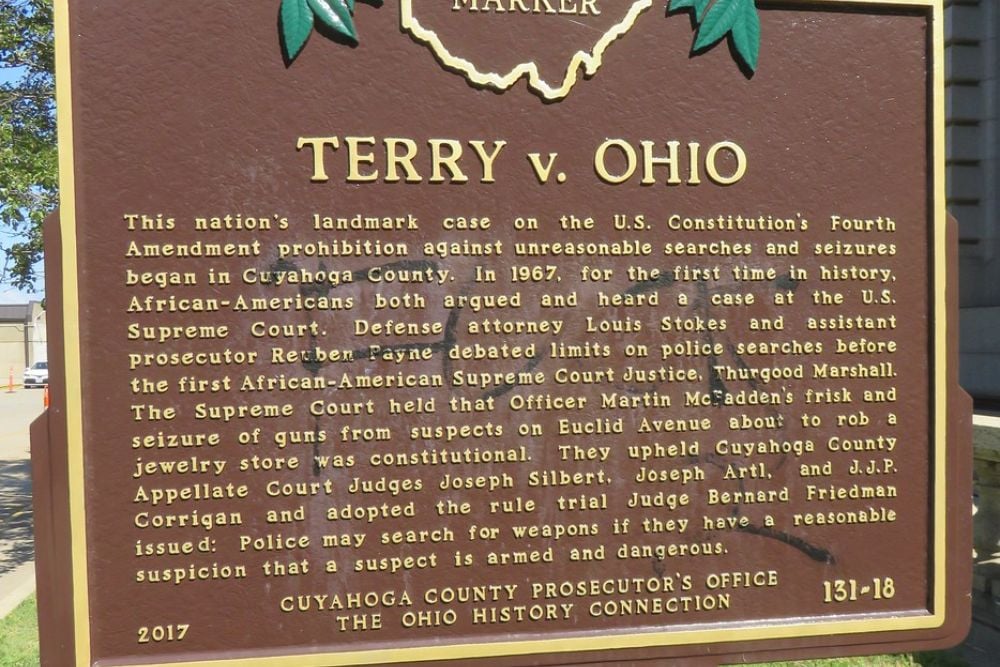
A Cleveland detective noticed three men casing a store and decided to pat them down for weapons. John Terry challenged this search, but the Supreme Court created an exception to warrant requirements.
Police could now ‘stop and frisk’ people based on reasonable suspicion of criminal activity. These ‘Terry stops’ happen thousands of times daily across America, balancing public safety with constitutional rights.
Like Go2Tutors’s content? Follow us on MSN.
Katz v. United States (1967)
FBI agents bugged a phone booth to catch Charles Katz making illegal gambling calls. The government argued they didn’t need a warrant because they weren’t technically inside his property.
The Supreme Court disagreed, ruling that people have reasonable expectations of privacy even in public spaces. This decision updated the Fourth Amendment for the modern world and influences digital privacy debates today.
Baker v. Carr (1962)
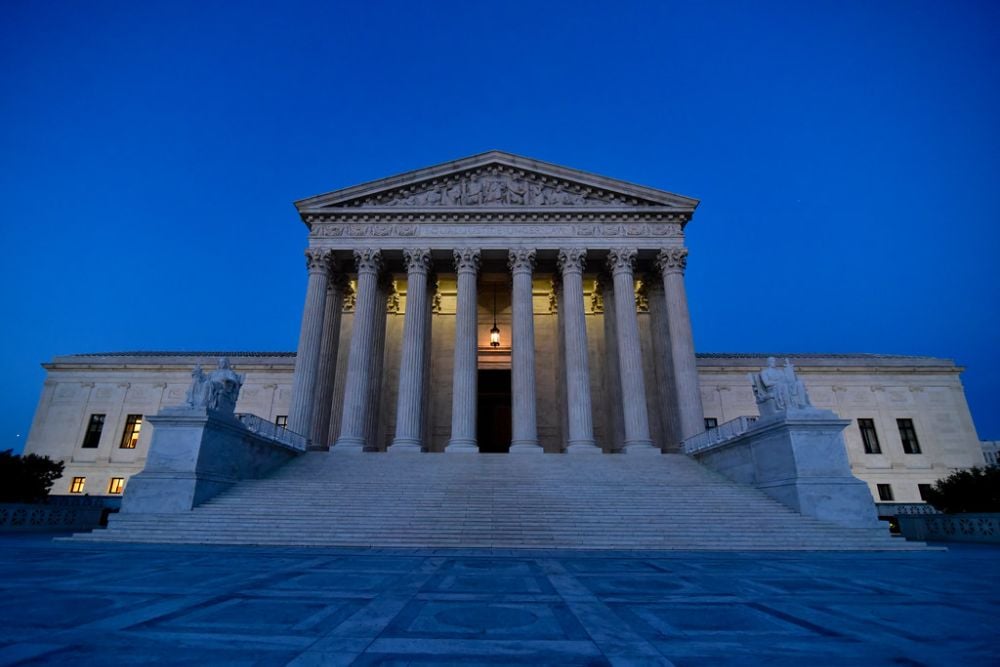
Tennessee hadn’t redrawn its legislative districts in 60 years, giving rural voters way more power than city dwellers. The Supreme Court forced states to regularly redraw electoral maps to ensure equal representation.
‘One person, one vote’ became the new standard. Your vote carries the same weight as someone in a different part of your state because of this ruling.
Heart of Atlanta Motel v. United States (1964)
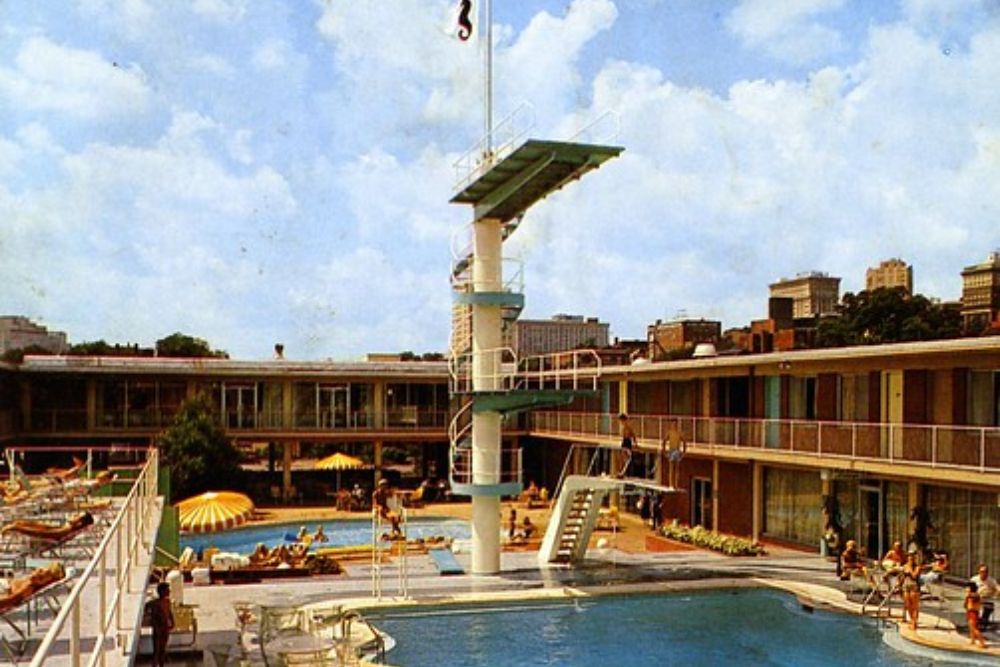
A Georgia motel refused to rent rooms to Black travelers, claiming the Civil Rights Act violated their property rights. The Supreme Court upheld the law, ruling that businesses serving the public couldn’t discriminate based on race.
The integrated restaurants, hotels, and movie theaters Americans enjoy today exist because the Court prioritized civil rights over business owners’ preferences.
Like Go2Tutors’s content? Follow us on MSN.
Wisconsin v. Yoder (1972)
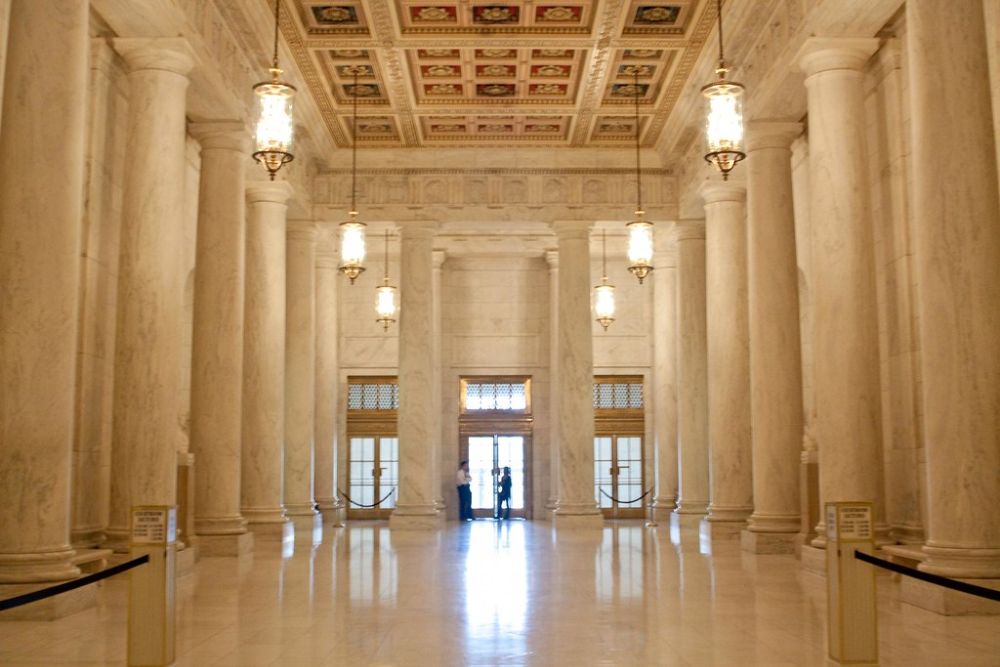
Amish parents wanted to pull their kids out of school after eighth grade, but Wisconsin’s compulsory education law said no. The Supreme Court sided with the Amish, recognizing that religious freedom sometimes overrides government requirements.
This case established important precedents for religious exemptions that affect everything from education to healthcare today.
Kyllo v. United States (2001)
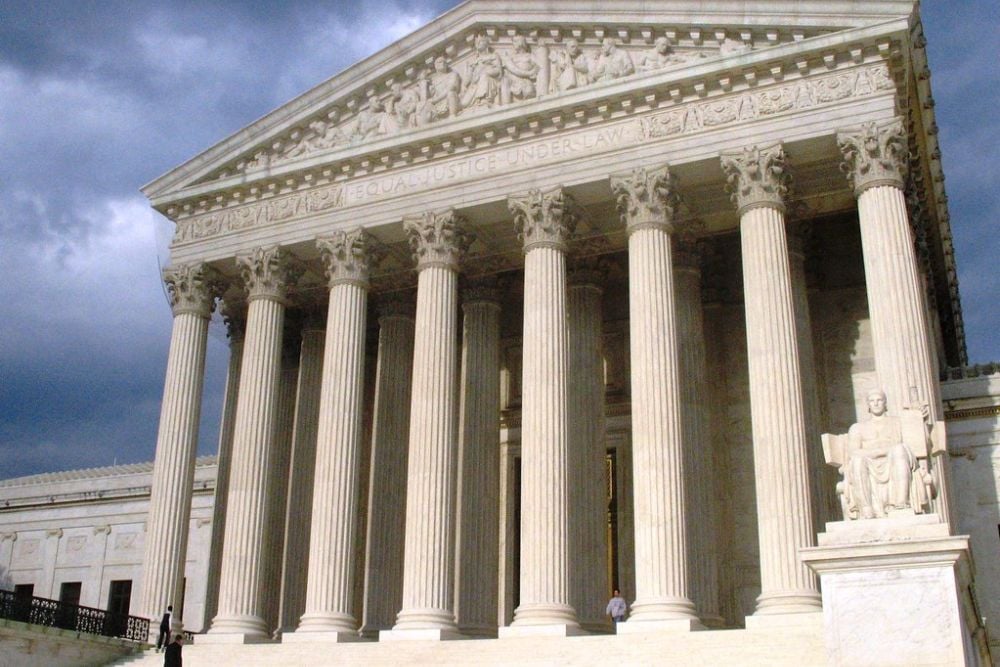
Police used thermal imaging to detect heat patterns from Danny Kyllo’s house, hoping to catch him growing marijuana. The Supreme Court ruled this high-tech surveillance required a warrant, just like a physical search.
As technology advances, this decision helps protect privacy rights against increasingly sophisticated law enforcement tools.
How Nine Justices Shape Your World
These cases prove that the Supreme Court isn’t some distant institution—it’s actively shaping American life every single day. From your morning commute to your evening news, from your child’s classroom to your weekend plans, the justices’ decisions touch everything.
Understanding these rulings helps explain why American society works the way it does and why every Supreme Court appointment matters so much.
Like Go2Tutors’s content? Follow us on MSN.
More from Go2Tutors!

- 16 Historical Figures Who Were Nothing Like You Think
- 12 Things Sold in the 80s That Are Now Illegal
- 15 VHS Tapes That Could Be Worth Thousands
- 17 Historical “What Ifs” That Would Have Changed Everything
- 18 TV Shows That Vanished Without a Finale
Like Go2Tutors’s content? Follow us on MSN.