15 Archaeological Discoveries That Rewrote History
Every now and then, archaeologists uncover something so extraordinary that it forces us to completely rethink what we thought we knew about the past. These aren’t just interesting artifacts sitting in museum cases—they’re game-changers that have rewritten textbooks and challenged long-held beliefs about human civilization.
From ancient cities that shouldn’t exist to technologies that seemed impossible for their time, these discoveries have turned our understanding of history upside down. Here is a list of 15 archaeological finds that completely changed how we view our past.
Göbekli Tepe

This Turkish site knocked the archaeological world sideways when it was properly excavated in the 1990s. Built around 9,500 BCE, Göbekli Tepe predates Stonehenge by about 6,000 years and was constructed before agriculture even existed.
The massive stone pillars, some weighing 16 tons, were carved and arranged by hunter-gatherers who supposedly lacked the social organization for such projects, forcing us to completely reconsider the capabilities of prehistoric societies.
Troy
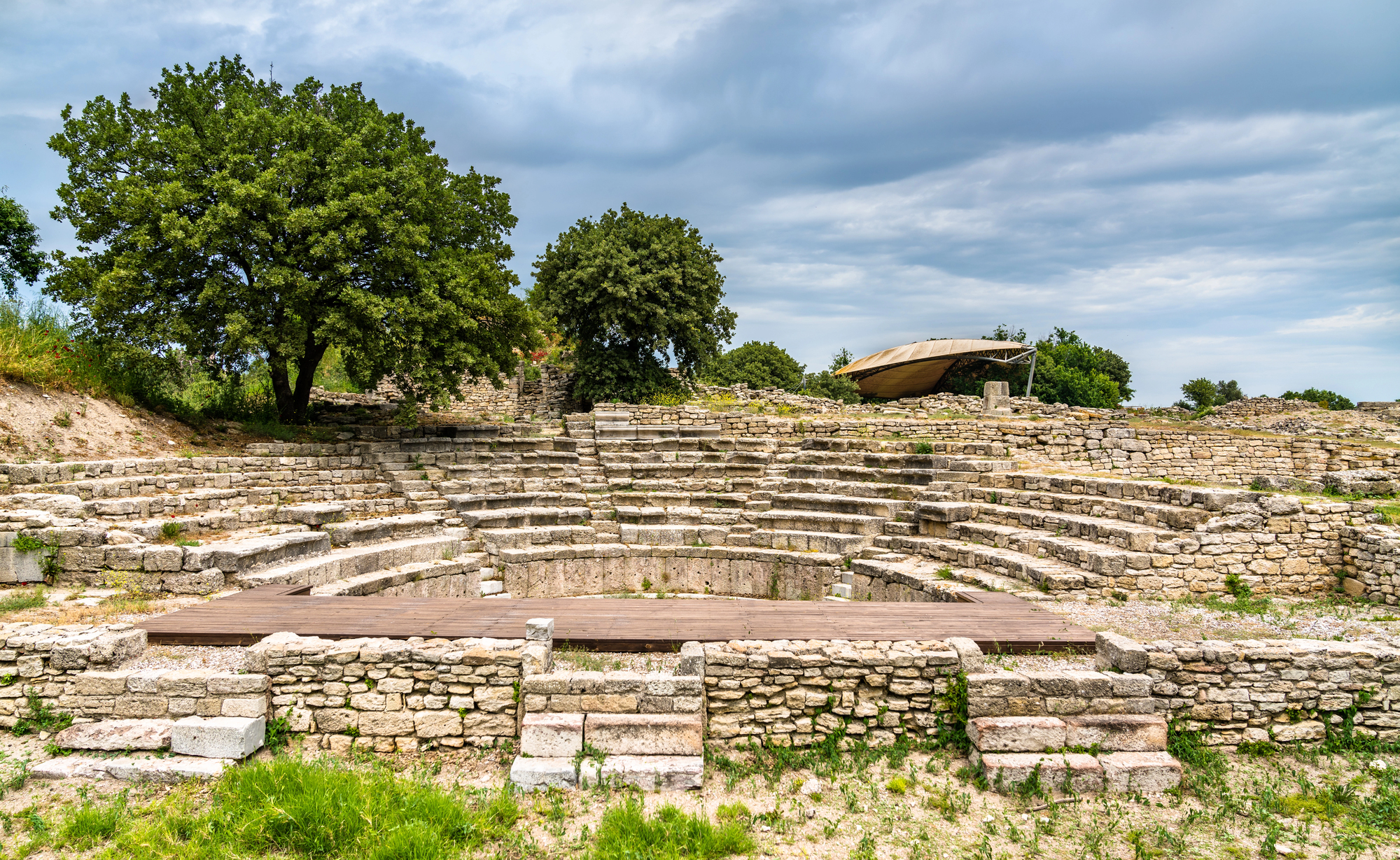
For centuries, scholars dismissed Homer’s ‘Iliad’ as pure fiction, assuming Troy was just a legendary city. Heinrich Schliemann changed all that in the 1870s when he discovered the actual ruins of Troy in modern-day Turkey.
The discovery proved that many ancient texts we’d written off as mythology actually contained historical truths, revolutionizing how archaeologists approach ancient literature and oral traditions.
Pompeii
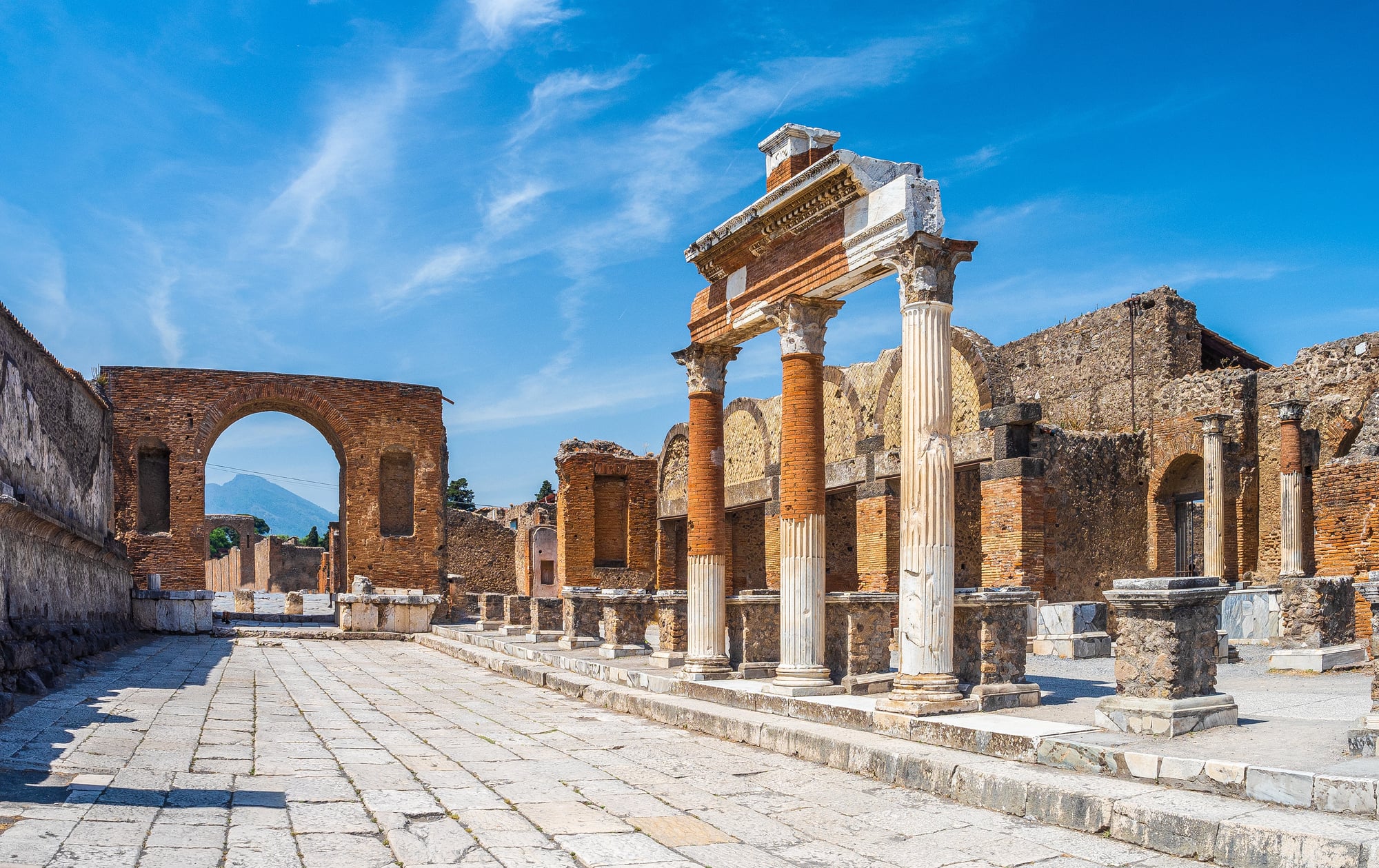
When Mount Vesuvius buried Pompeii in 79 CE, it accidentally created the world’s most detailed snapshot of Roman daily life. The volcanic ash preserved everything from loaves of bread still in ovens to graffiti on walls.
Before Pompeii, our understanding of Roman life came mainly from the writings of the wealthy elite, but this discovery showed us how ordinary Romans actually lived, worked, and played.
Tutankhamun’s Tomb
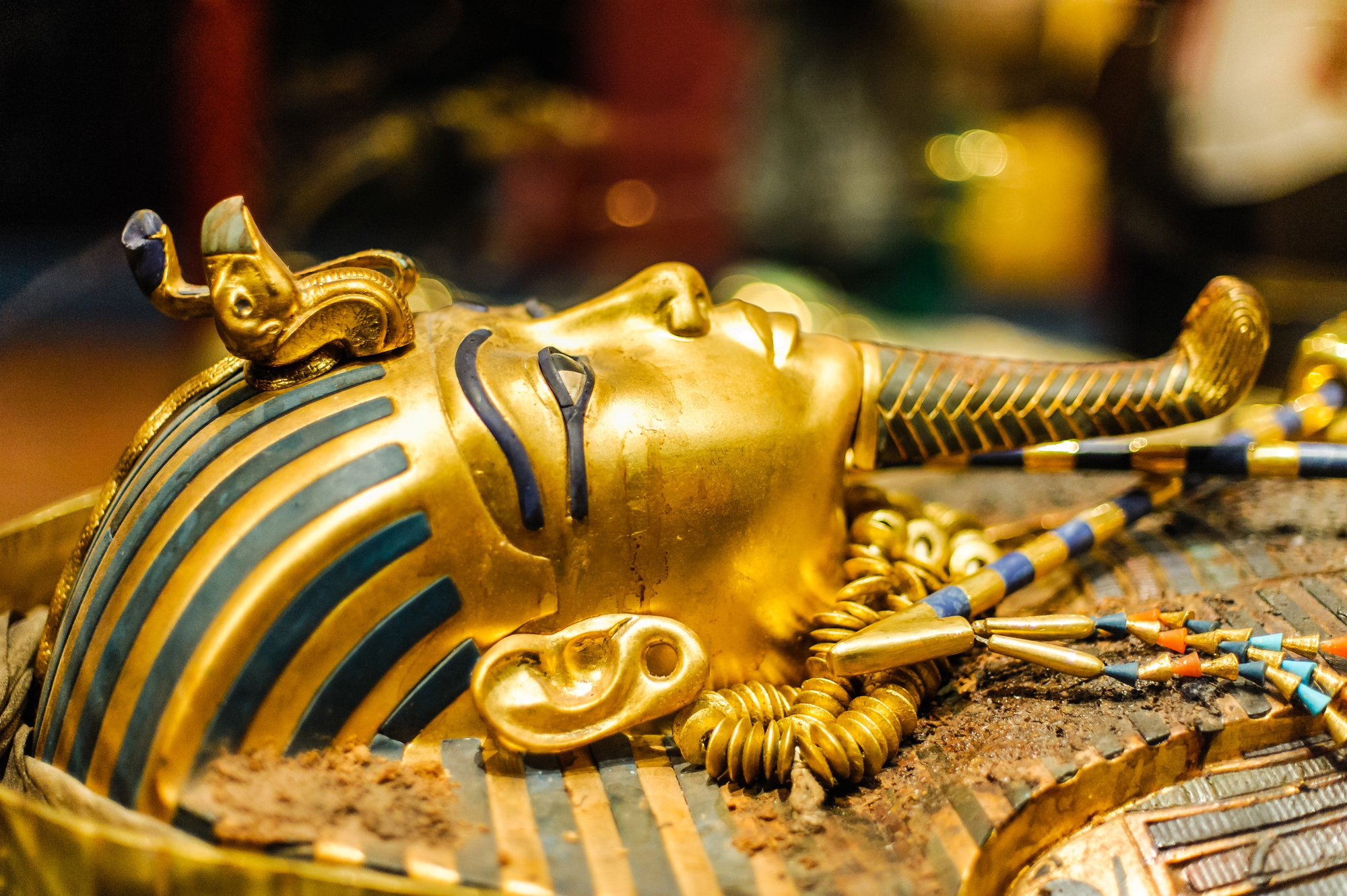
Howard Carter’s 1922 discovery of King Tut’s intact tomb was like finding a time capsule from ancient Egypt. Unlike other royal tombs that had been looted over the millennia, this one contained over 5,000 artifacts in pristine condition.
The treasures revealed the incredible wealth and artistic sophistication of the New Kingdom period, while Tut’s mummy provided insights into royal burial practices and ancient Egyptian medicine.
The Rosetta Stone

Without this black granite slab discovered in 1799, we might still be unable to read ancient Egyptian hieroglyphs. The stone contained the same text written in three scripts: hieroglyphs, Demotic, and ancient Greek.
Since scholars could read Greek, they finally had the key to unlock Egyptian writing, opening up thousands of years of recorded history that had been sitting in plain sight but were completely incomprehensible.
Machu Picchu

When Hiram Bingham brought Machu Picchu to international attention in 1911, it challenged everything archaeologists thought they knew about Inca engineering capabilities. Perched 8,000 feet above sea level on a narrow ridge, the city featured precisely cut stone blocks fitted together without mortar, sophisticated drainage systems, and agricultural terraces that still function today.
The discovery showed that pre-Columbian civilizations achieved architectural feats that seemed almost impossible without modern technology.
The Dead Sea Scrolls

A Bedouin shepherd’s chance discovery in 1947 unearthed manuscripts that were 1,000 years older than any previously known copies of biblical texts. Hidden in caves near Qumran, these scrolls contained books of the Hebrew Bible, along with previously unknown religious texts that shed new light on Judaism during the Second Temple period.
They revolutionized biblical scholarship and our understanding of early Christianity’s roots.
Lucy

When Donald Johanson found Lucy’s remains in Ethiopia in 1974, she became the most famous early human ancestor in the world. This 3.2-million-year-old skeleton showed that our ancestors were walking upright much earlier than previously thought.
Lucy proved that bipedalism evolved before large brains, completely changing the timeline of human evolution and our understanding of what made us uniquely human.
Terracotta Army

Chinese farmers digging a well in 1974 stumbled upon one of the most spectacular archaeological finds ever made. The thousands of life-sized clay soldiers guarding China’s first emperor revealed the incredible scale of ancient Chinese civilization and craftsmanship.
Each warrior had unique facial features and details, showing a level of artistry and organization that demonstrated the Qin Dynasty’s power and sophistication far exceeded what historians had imagined.
Çatalhöyük
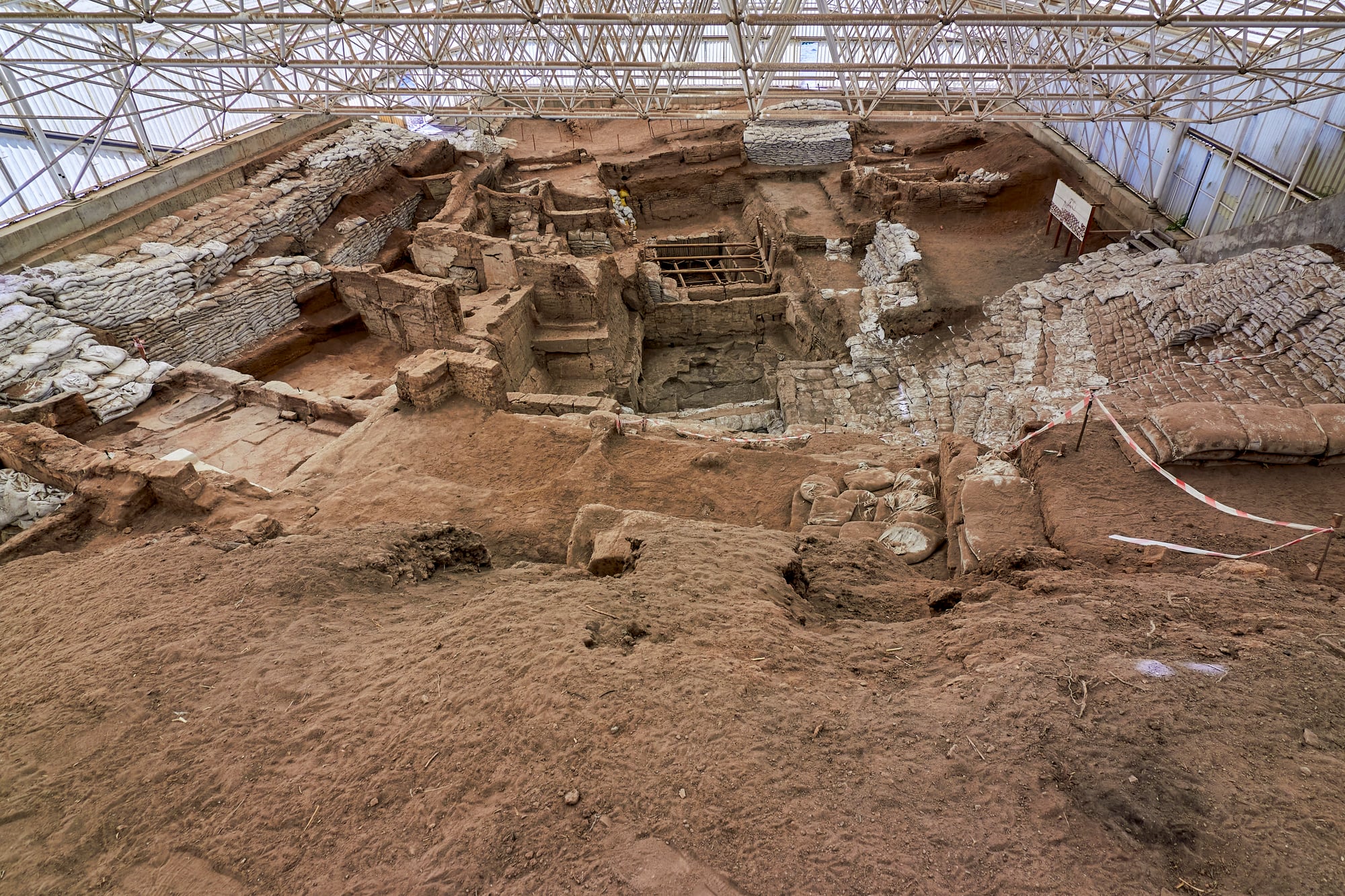
This 9,000-year-old settlement in Turkey showed archaeologists what some of the world’s first cities actually looked like. With no streets or ground-level doors, residents entered their homes through holes in the roof and traveled across rooftops.
The discovery revealed that early urban planning was far more creative and complex than anyone had assumed, and that large-scale settlements developed much earlier than previously believed.
Olduvai Gorge

Louis and Mary Leakey’s decades of work at this Tanzanian site fundamentally changed our understanding of human origins. Their discoveries of early human fossils and stone tools proved that humanity originated in Africa, not Asia as many scientists had believed.
The site provided a clear timeline of human evolution spanning nearly two million years, establishing Africa as the cradle of mankind.
Sutton Hoo

This early medieval burial site in England completely transformed our view of the so-called ‘Dark Ages.’ The 1939 excavation revealed a sophisticated Anglo-Saxon ship burial filled with treasures from across Europe and beyond.
The intricate metalwork, imported goods, and lavish grave goods showed that post-Roman Britain wasn’t the backward, isolated place historians had imagined, but rather part of a complex international trade network.
Cave Paintings at Lascaux

When four French teenagers discovered these 17,000-year-old cave paintings in 1940, they revealed that Ice Age humans were far more sophisticated artists than anyone had imagined. The detailed depictions of animals showed an advanced understanding of perspective, shading, and movement.
These weren’t crude scratches on walls—they were masterful artworks that proved our Paleolithic ancestors had complex symbolic thinking and artistic abilities.
Antikythera Mechanism
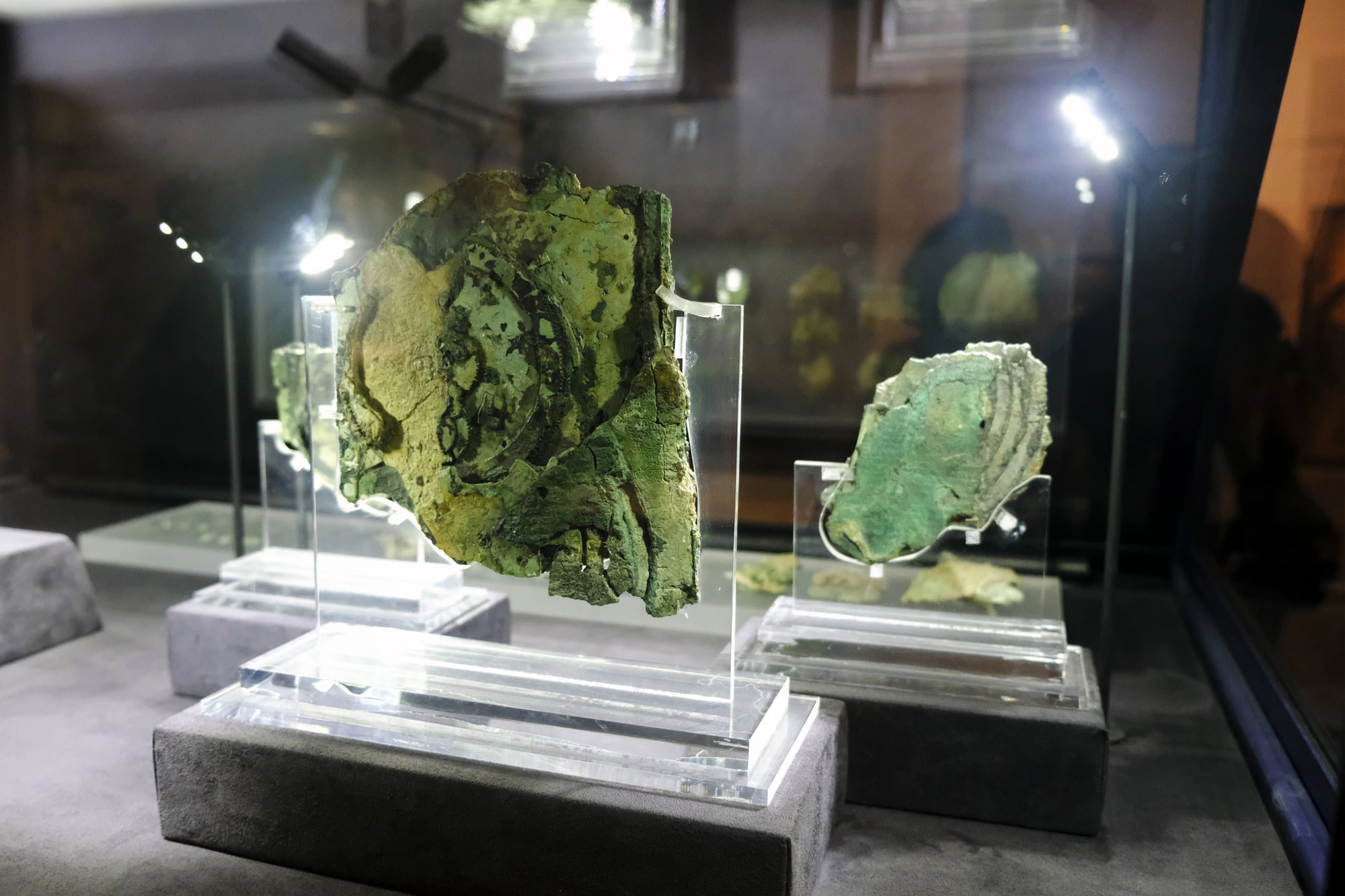
Greek sponge divers found this corroded bronze device in an ancient shipwreck in 1901, but it took decades to understand what they’d discovered. This 2,000-year-old ‘computer’ could predict eclipses, track planetary movements, and calculate the timing of the Olympic Games.
The mechanism showed that ancient Greeks had mechanical and mathematical knowledge that historians thought didn’t exist until the medieval period, completely revising our timeline of technological development.
Kennewick Man
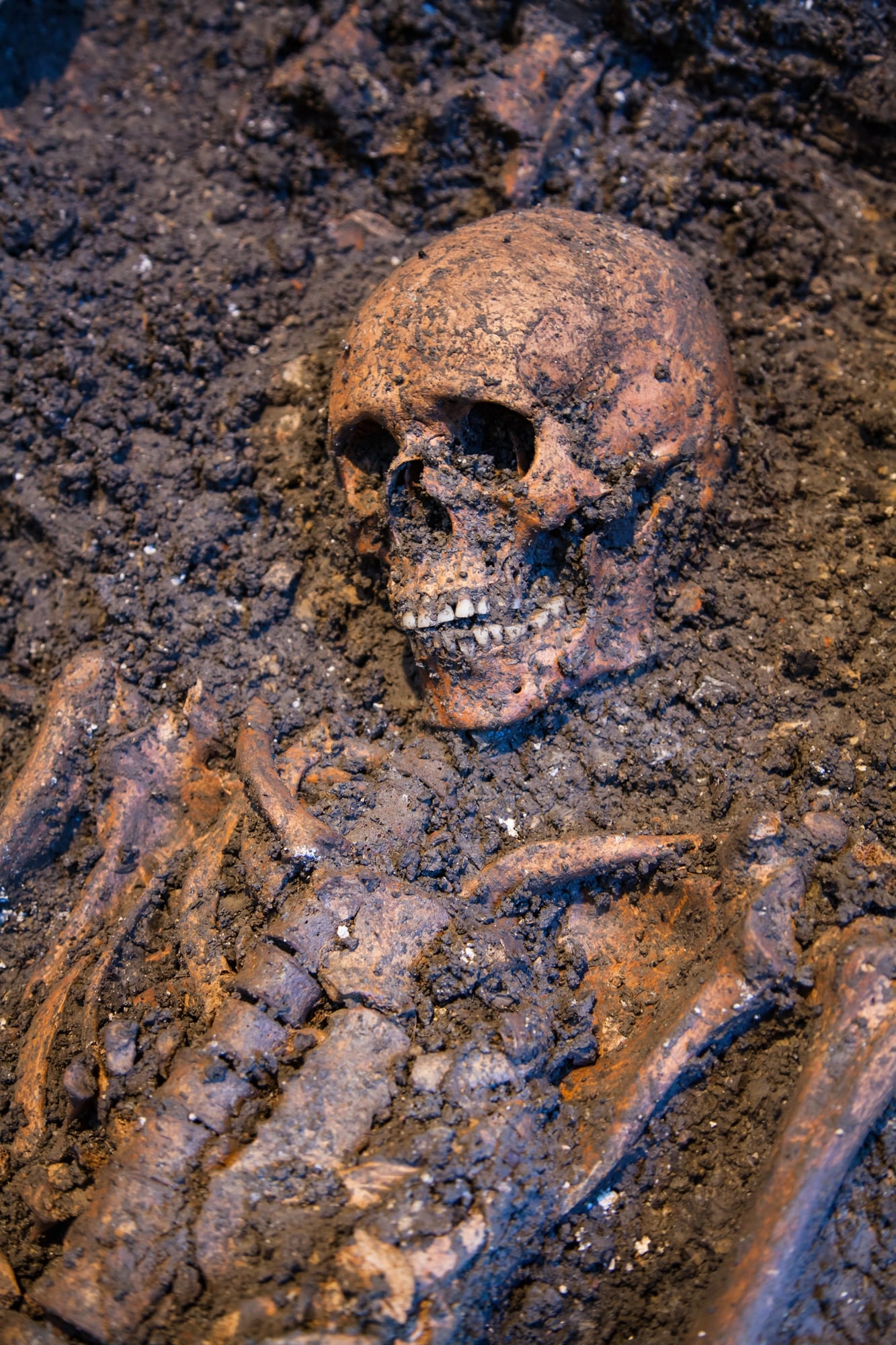
When this 9,000-year-old skeleton was found along the Columbia River in 1996, it sparked both scientific excitement and legal battles. Kennewick Man’s features didn’t match those of modern Native Americans, suggesting that the peopling of the Americas was far more complex than the simple land-bridge migration story.
The discovery opened up new questions about who the first Americans were and how they got here, challenging established theories about New World colonization.
The Past Keeps Surprising Us

These discoveries remind us that history is far from settled, and the ground beneath our feet still holds countless secrets waiting to reshape our understanding of the past. Each find forces us to question our assumptions and admit that ancient peoples were often far more capable, creative, and connected than we ever imagined.
The next earth-shaking discovery could happen tomorrow, proving once again that the past is never quite what we think it is.
More from Go2Tutors!

- The Romanov Crown Jewels and Their Tragic Fate
- 13 Historical Mysteries That Science Still Can’t Solve
- Famous Hoaxes That Fooled the World for Years
- 15 Child Stars with Tragic Adult Lives
- 16 Famous Jewelry Pieces in History
Like Go2Tutors’s content? Follow us on MSN.