Interesting Facts About Famous Amusement Parks
Amusement parks have been making memories and breaking records for over a century.
From their humble beginnings as trolley destinations to today’s immersive wonderlands, these parks have evolved into cultural landmarks that draw millions of visitors each year.
Behind the screams and thrills lie fascinating stories that even seasoned park-goers might not know.
Here’s a closer look at some of the most intriguing facts about the world’s most famous amusement parks.
The World’s Oldest Operating Park Started as a Pleasure Garden

Long before modern theme parks existed, Bakken in Denmark opened to the public in 1583 as a pleasure garden known for its natural spring waters.
What began as a simple gathering spot transformed gradually over centuries into what we recognize today as an amusement park.
The park has maintained one tradition for over 200 years: Pierrot the white-faced clown visits every single day.
Unlike the flashy mega-parks that dominate the industry now, Bakken keeps things refreshingly simple.
The vendors are small, independent businesses, and the park’s oldest ride is a wooden roller coaster from 1932.
The place feels less like a corporate entertainment machine and more like stepping into a time capsule that somehow kept evolving without losing its soul.
Trolley Companies Invented Theme Parks to Sell More Electricity
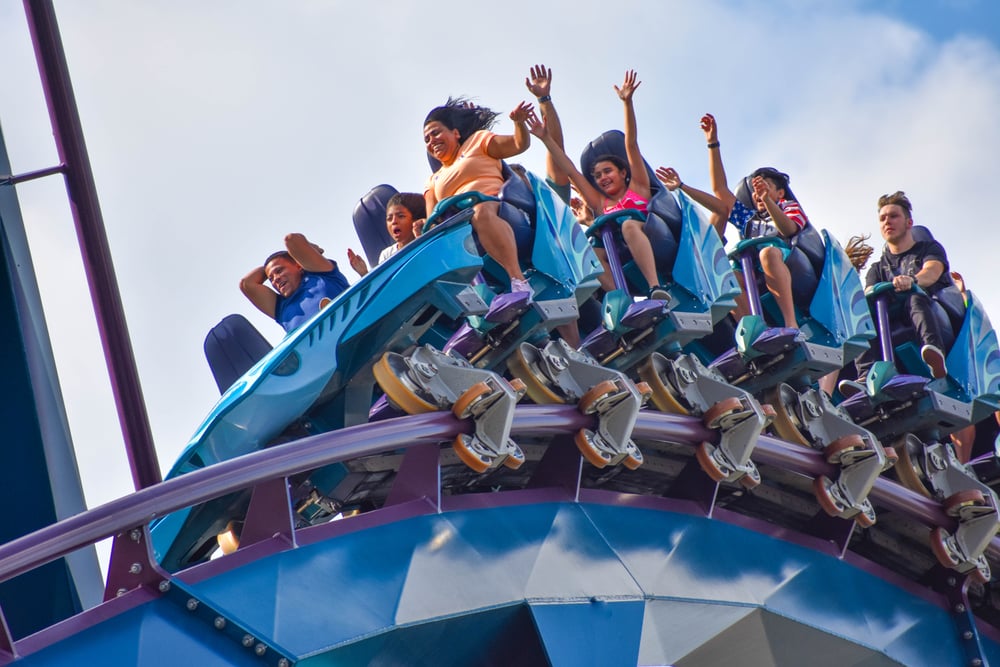
Electric trolley companies in the 1890s paid flat rates for power regardless of actual usage, so they needed to boost ridership during slow evening and weekend hours.
Their solution? Build small parks at the ends of trolley lines with rides, picnic areas, and games.
The concept spread quickly across the country, and attractions started resembling modern amusement parks, with early descriptions mentioning river-floating rides called aquaramas and roller coasters dubbed ‘Railway to the Moon’.
Coney Island became one of the most famous areas to spring up from this well-thought-out rail line strategy.
Families saw it as an affordable seaside escape after long work weeks.
It turns out the foundation of American amusement culture was basically a utility company’s side hustle that got wildly out of hand.
Disneyland’s Opening Day Was an Absolute Disaster
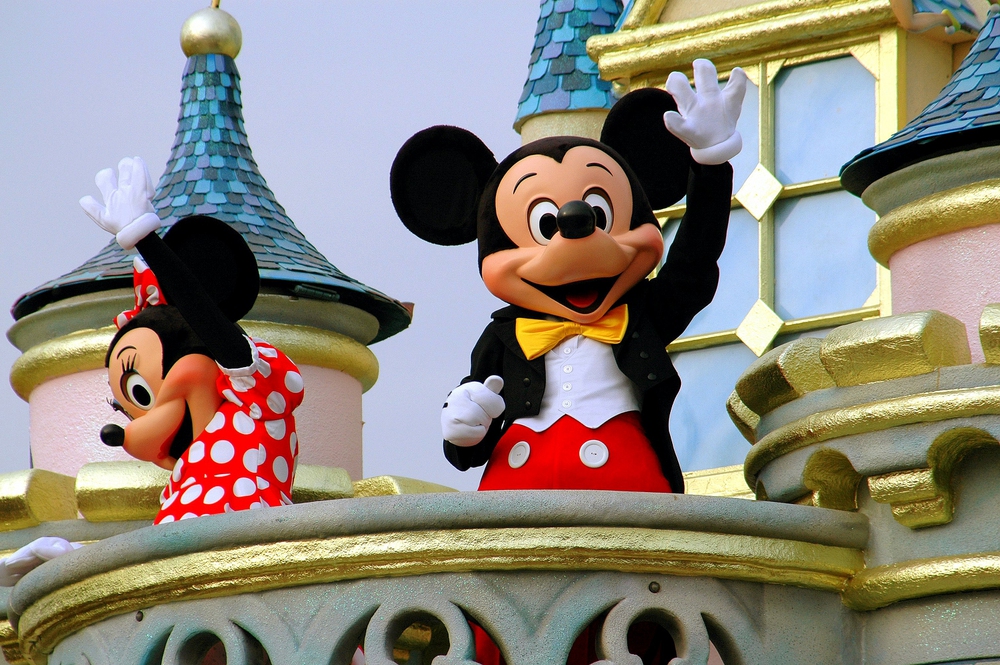
After just one year of construction and a $17 million investment, Disneyland opened on July 17, 1955, for an invite-only press preview expecting around 11,000 guests.
Over 28,000 people showed up, with roughly half using counterfeit tickets or climbing over fences to get in.
Southern California suffered a record heat wave with temperatures over 100 degrees, and a plumbers’ strike left many drinking fountains dry.
The freshly poured asphalt on Main Street was so soft that women’s high heels sank right into it.
Walt Disney himself woke up from a nap locked inside his apartment above the firehouse and had to yell for help.
Workers were still frantically painting right up until guests arrived, and Tomorrowland was basically empty disappointment with large, partially finished exhibition halls.
Park employees privately called it ‘Black Sunday,’ though guests loved what little was ready.
When reporters asked about the incomplete sections, Disney delivered what became one of his most famous lines, explaining that Disneyland would never truly be finished.
Cedar Point Has Built a Roller Coaster Empire
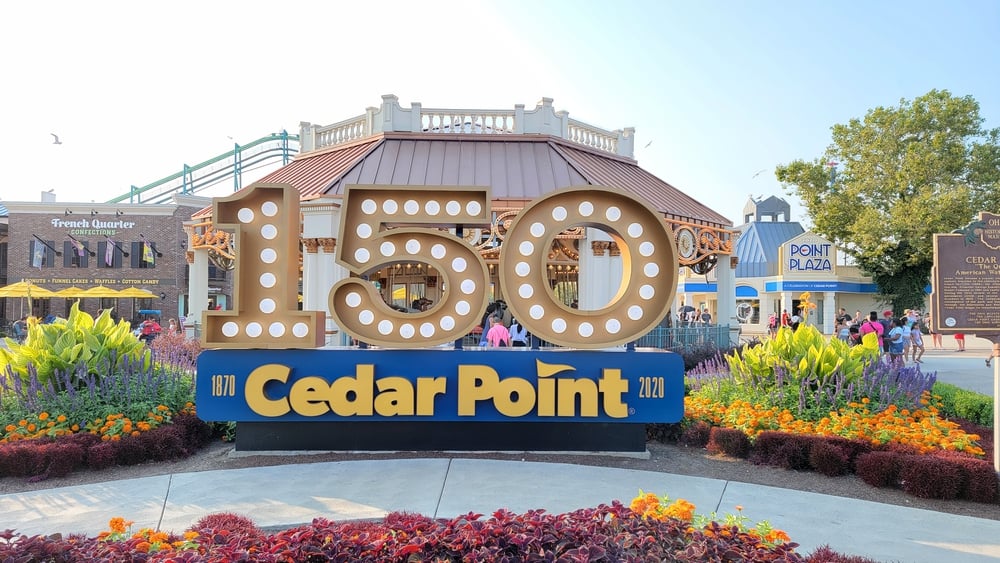
Cedar Point introduced Magnum XL-200 in 1989 as the world’s first hypercoaster, exceeding 200 feet in height and reaching speeds greater than 70 mph.
Park officials noted that big steel made a significant difference, and with Magnum they started branding themselves as a serious roller coaster destination.
The park built the first giga coaster, Millennium Force, in 2000, climbing 310 feet and reaching 93 mph, breaking five world records upon debut.
In 2003, Top Thrill Dragster opened as the world’s tallest and fastest coaster at 420 feet and 120 mph.
When Steel Vengeance debuted in 2018, it set 10 world records, including being the world’s first hyper-hybrid coaster.
The park received the Golden Ticket Award for Best Amusement Park in the World for 16 consecutive years from 1997 to 2013.
That kind of dominance doesn’t happen by accident.
It’s the result of decades spent pushing engineering boundaries and basically daring competitors to keep up.
Six Flags Started as a Texas History Lesson

Six Flags Over Texas opened on August 5, 1961, named for the six nations that have governed Texas throughout its history since the 1600s.
The park was divided into six themed areas representing Spain, Mexico, France, the Republic of Texas, the United States, and the Confederate States of America, with a strong focus on Hispanic and Old West heritage.
Interestingly, the park was never intended to last beyond a few years and was meant as a temporary money-maker for an industrial district.
Everyone, including founder Angus Wynne, was surprised when attendance shattered expectations during the first 45-day season.
Six Flags pioneered all-inclusive pricing, letting guests pay one price for unlimited rides, which was revolutionary at the time.
During opening year, adult tickets cost $2.75, children paid $2.25, hamburgers sold for 50 cents, and sodas cost a dime.
The park also unveiled the world’s first log flume ride in 1963.
What started as a real estate developer’s quick cash grab became an industry giant that would eventually operate parks across North America.
Universal Studios Hides Easter Eggs Everywhere
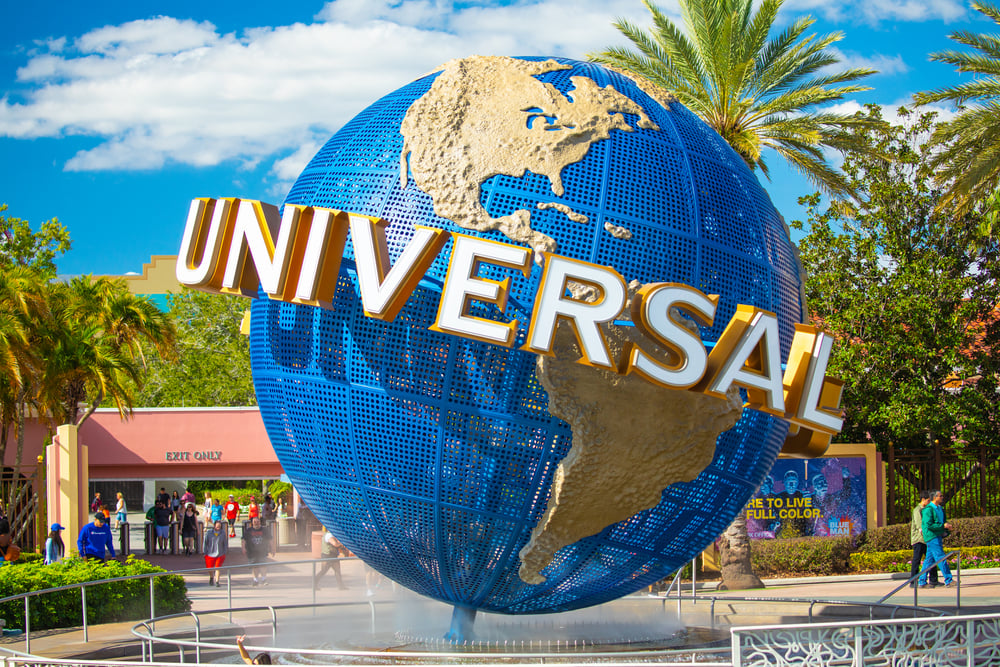
Real banana trees are planted next to the path at Despicable Me Minion Mayhem, adding authentic detail to the Minion-themed experience.
There’s a phone outside the Kwik-E-Mart in Springfield that occasionally rings, and if you answer it, you’ll hear different Simpsons characters on the other line each time.
On Hollywood Rip Ride Rockit, you can unlock over 60 secret songs by holding down the logo on the screen for 5-10 seconds, which reveals a keypad for three-digit codes.
References to Jaws are hidden throughout Diagon Alley since it directly replaced the opening day attraction, including an album in a record shop window labeled ‘Here’s to Swimmin’ with Bowlegged Women’ by the Quint Trio.
Steven Spielberg makes a surprise cameo on the Men in Black: Alien Attack ride as an alien wearing a baseball cap and reading a newspaper.
The attention to detail transforms a simple park visit into a treasure hunt for people who enjoy looking beyond the obvious attractions.
Walt Disney Revolutionized Park Cleanliness
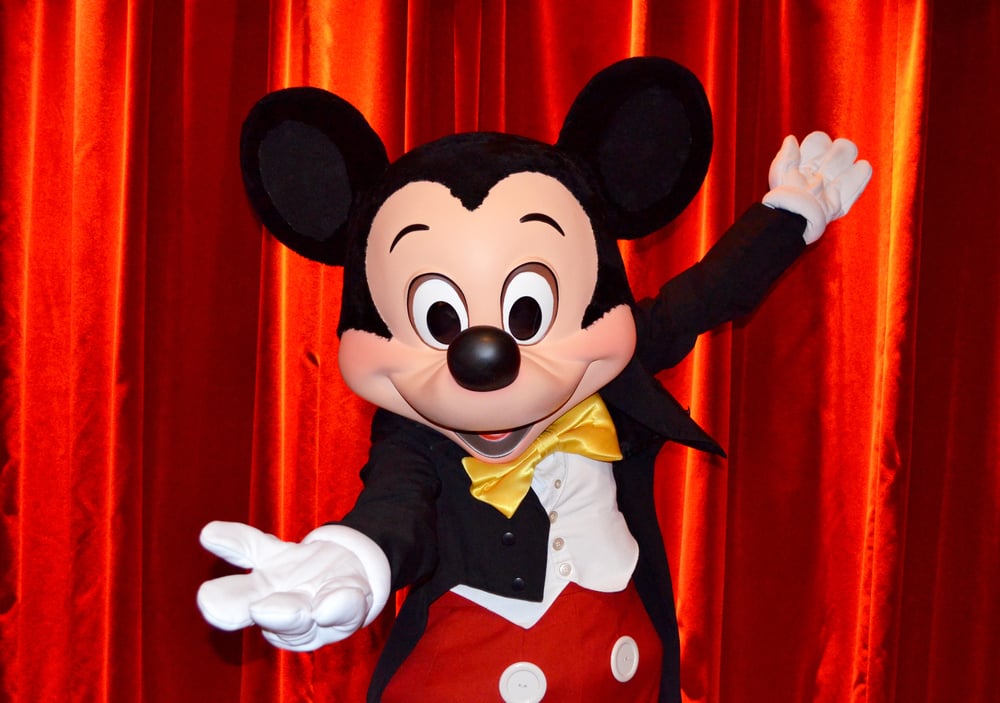
Walt Disney invented rectangular trash cans with flap lids to keep his parks looking clean and smelling good.
He also established the optimal spacing between trash cans at 30 feet.
This wasn’t just an aesthetic obsession.
Disney understood that cleanliness directly affected how guests experienced his parks.
The 30-foot rule came from observing how far people would walk while holding trash before giving up and dropping it.
Disneyland also employs roughly 200 cats as Cast Members who receive food, veterinary care, and spaying services while keeping the mouse population under control.
Yes, the home of Mickey Mouse ironically relies on feral cats to handle actual rodent problems.
It’s the kind of practical solution that doesn’t make it into the magical promotional materials but keeps the parks running smoothly behind the scenes.
Lake Compounce Survived Nearly Two Centuries
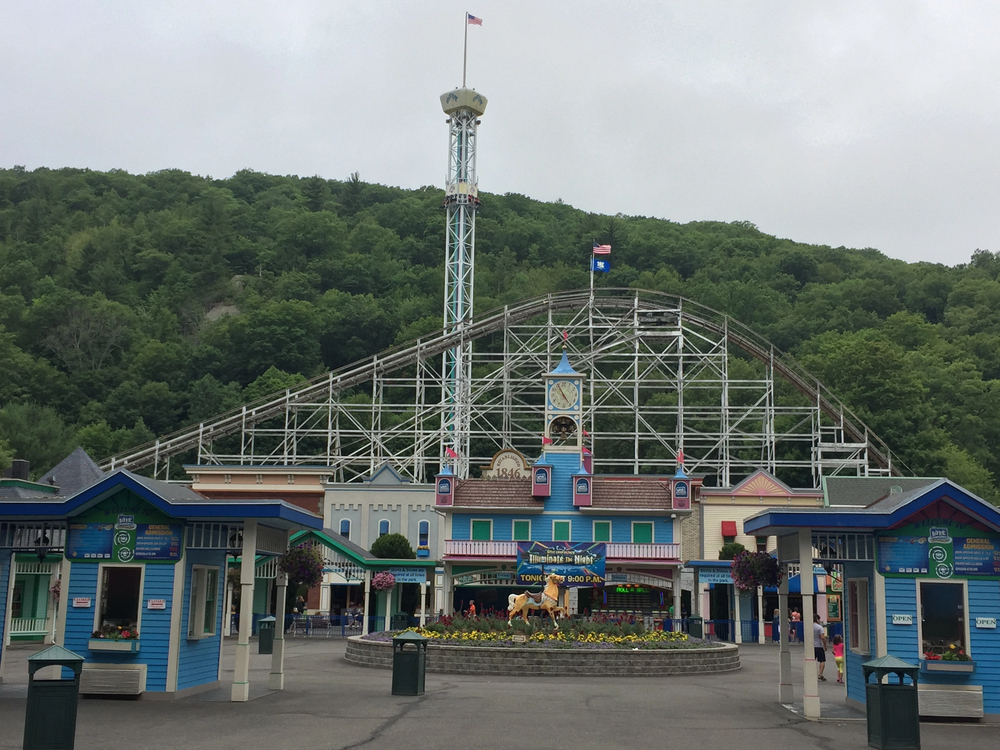
Lake Compounce in Bristol, Connecticut, may be the oldest continuously operating amusement park in the United States, open since 1846.
The park started with people gathering to see scientific experiments and operated as a picnic park with frequent public barbecues.
In 1895, Bristol and Plainville Tramway Company began service, and the park got its first permanent structure with a restaurant and ballroom.
Think about that timeline for a second.
This place opened when James K. Polk was president, before the California Gold Rush, and it’s still selling tickets today.
The park has weathered the Civil War, two World Wars, the Great Depression, and countless economic downturns.
While flashier parks come and go, Lake Compounce just keeps quietly operating in Connecticut, outlasting basically everything except cockroaches and bad reality television.
The First Ferris Wheel Was Built to Rival the Eiffel Tower
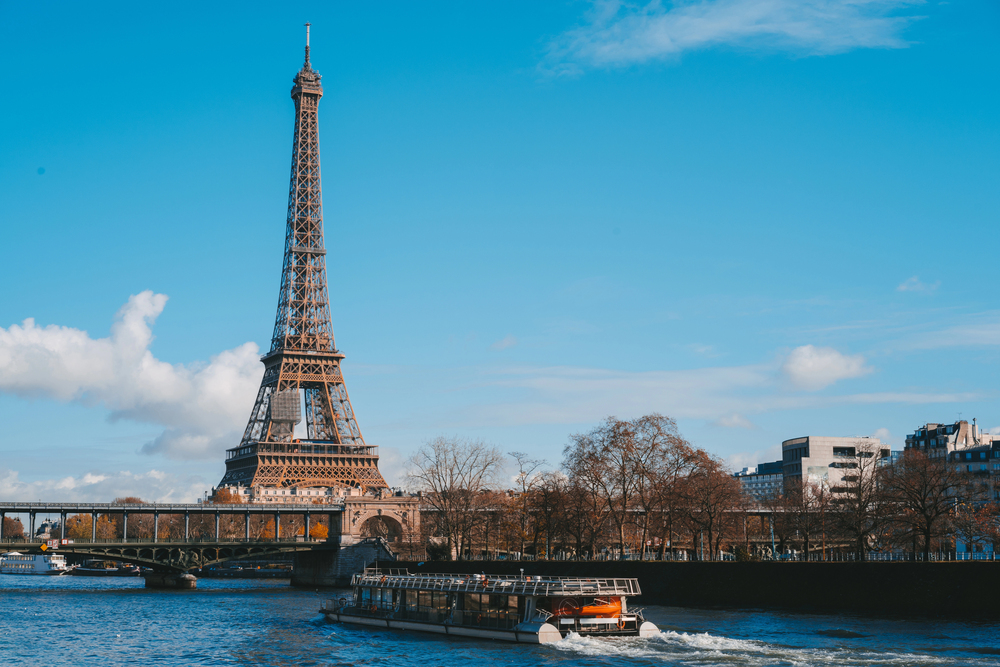
At the 1893 Columbian Exposition in Chicago, architects wanted something spectacular enough to rival the Eiffel Tower, which had debuted just years before.
The world’s first Ferris Wheel debuted at the exposition as a 264-foot behemoth that welcomed over 1.4 million guests in its carriages over five months.
The wheel was an engineering marvel that represented America’s determination to prove it could build something as iconic as what Europe produced.
It wasn’t just about creating a ride.
It was about making a statement.
The Ferris Wheel succeeded so brilliantly that it became the standard centerpiece for parks and fairs worldwide.
Every time you see one lighting up a skyline, you’re looking at descendants of that ambitious attempt to one-up the French.
Why They Still Matter

These stories reveal something important about amusement parks beyond their function as entertainment venues.
They’re living archives of innovation, cultural shifts, and human ambition.
The trolley companies are building parks to sell electricity.
Disney turned a catastrophic opening into an empire.
Cedar Point relentlessly chasing engineering records.
Each park carries forward traditions and lessons that shape how we experience leisure today.
Next time you’re standing in line for a coaster or watching fireworks over a castle, remember that you’re participating in a legacy that stretches back centuries.
The parks change and evolve, but they remain places where people escape reality, make memories, and occasionally discover that the real magic lies in the details hiding just beneath the surface.
More from Go2Tutors!

- The Romanov Crown Jewels and Their Tragic Fate
- 17 Halloween Costumes Once Considered Taboo
- Famous Hoaxes That Fooled the World for Years
- 15 Child Stars with Tragic Adult Lives
- 16 Famous Jewelry Pieces in History
Like Go2Tutors’s content? Follow us on MSN.