Weirdest Collectible Fads of the 90s-2000s
The 90s and early 2000s were a strange time for anyone with a pulse and an allowance.
Kids everywhere became obsessed with collecting the most random items imaginable, from rubber bands shaped like animals to virtual pets that required constant feeding.
These weren’t just toys—they were cultural phenomena that swept through schools like wildfire, causing playground hierarchies to shift based on who had the rarest pieces.
Looking back, it’s hard to believe how seriously we took these collections.
Parents fought each other in stores, items sold for thousands on eBay, and schools actually had to ban certain products because they were too distracting.
Here are some of the weirdest collectible fads that defined those decades.
Beanie Babies

These small stuffed animals filled with plastic pellets became the collecting craze that defined the 90s.
Ty Inc. deliberately created scarcity by retiring certain designs and limiting production runs, which sent collectors into a frenzy.
At the height of the madness in 1997, Beanie Babies accounted for nearly 10 percent of all eBay sales, with some rare editions selling for over $1,500.
People genuinely believed these would fund their retirement, insuring individual stuffed animals for thousands of dollars before the bubble inevitably burst.
Pogs
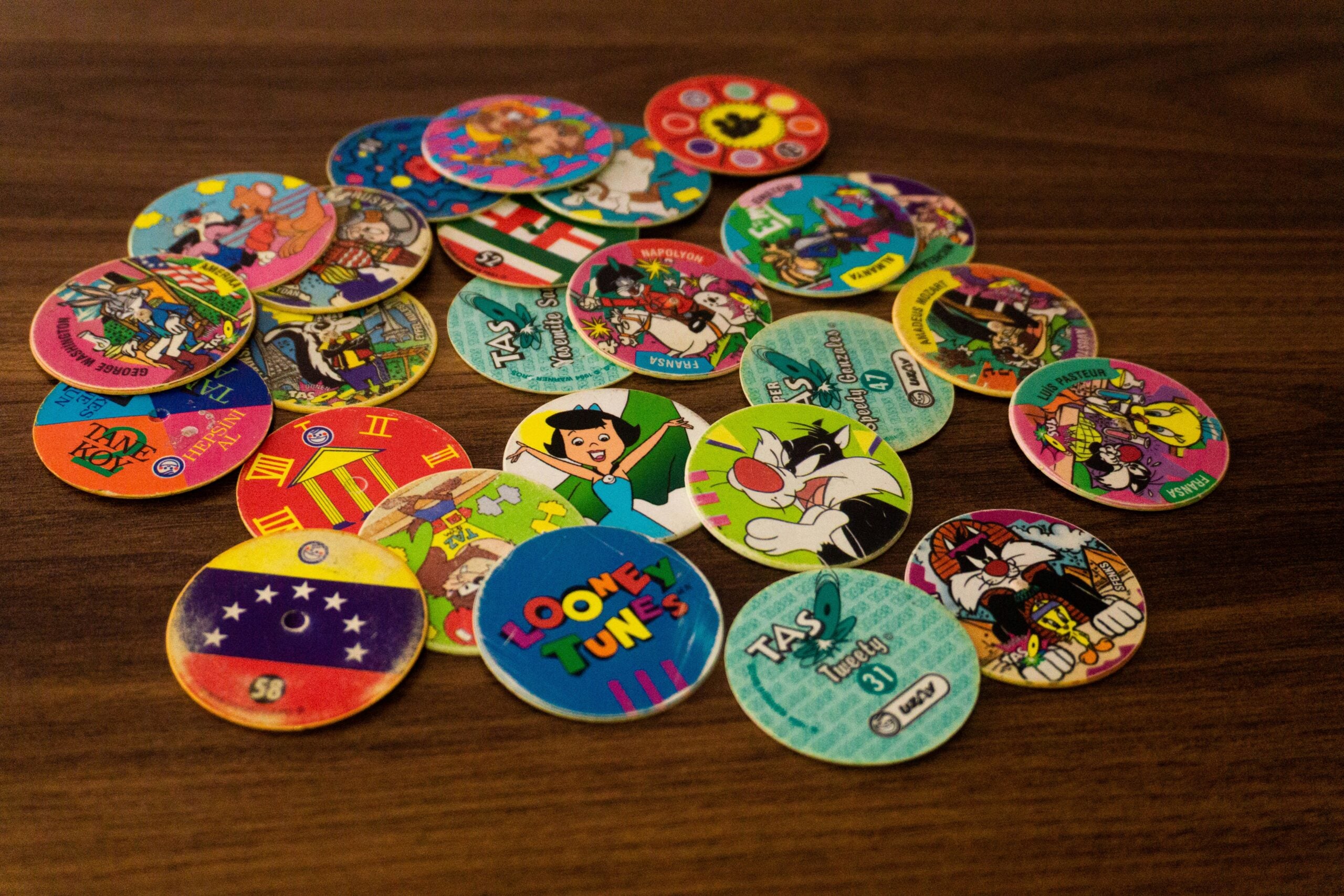
These were literally just cardboard circles with pictures on them, yet kids treated them like currency.
The game involved stacking Pogs and slamming them with heavier discs called slammers, but most collectors ignored the actual game entirely.
They just wanted more circles with cool designs—skateboarding bigfoots, holographic patterns, whatever looked impressive.
The fad burned bright and fast, with the Canada Games Company going out of business by 1997 after the craze died.
Furbies

Part gerbil, part owl, all nightmare fuel—Furbies were the creepy robotic pets that every kid wanted for Christmas 1998.
They started speaking gibberish called Furbish and gradually learned English over time, which was unsettling enough.
What made them truly terrifying was their tendency to randomly activate in the middle of the night with their giant eyes wide open.
The NSA even banned them from their offices in 1999 over concerns they might record classified information, which says everything about how weird these things were.
Tamagotchi

These egg-shaped digital pets from Japan became an obsession when they hit American stores in 1997.
Kids had to feed, clean, and play with their virtual creatures multiple times a day or watch them die from neglect.
Schools banned them because students kept checking on their pets during class, and some kids genuinely mourned when their Tamagotchis passed away.
It was like having a real pet, except the guilt was somehow worse when you forgot to feed a bunch of pixels.
Troll Dolls
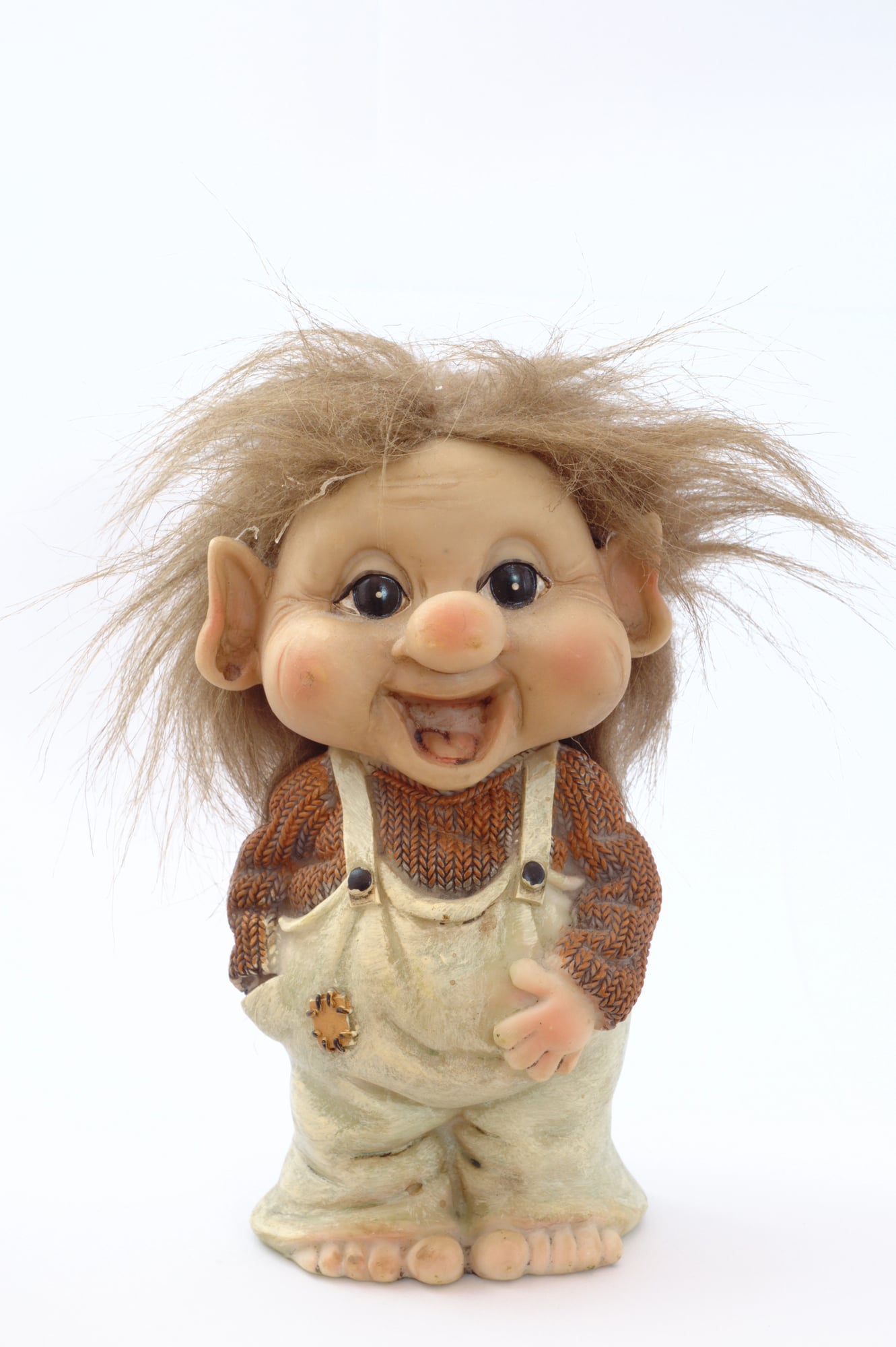
Originally created in 1959, these wild-haired creatures made a massive comeback in the 90s.
Their distinctive rainbow hair sticking straight up and pot-bellied bodies made them instantly recognizable.
The craze got so intense that the original inventor restored his U.S. copyright to regain full control of the market.
Trolls were cool enough for teenagers to collect without embarrassment, making them one of the few fads that crossed age boundaries successfully.
Polly Pocket

These tiny dolls came in compact-sized cases, with figures and accessories less than an inch tall.
The sets featured elaborate miniature worlds that fit in your palm, and trading pieces with friends determined your social status among elementary school girls.
Today’s safety-conscious parents would never allow such obvious choking hazards, but in the 90s, kids carried these tiny treasures everywhere without a second thought.
Slap Bracelets
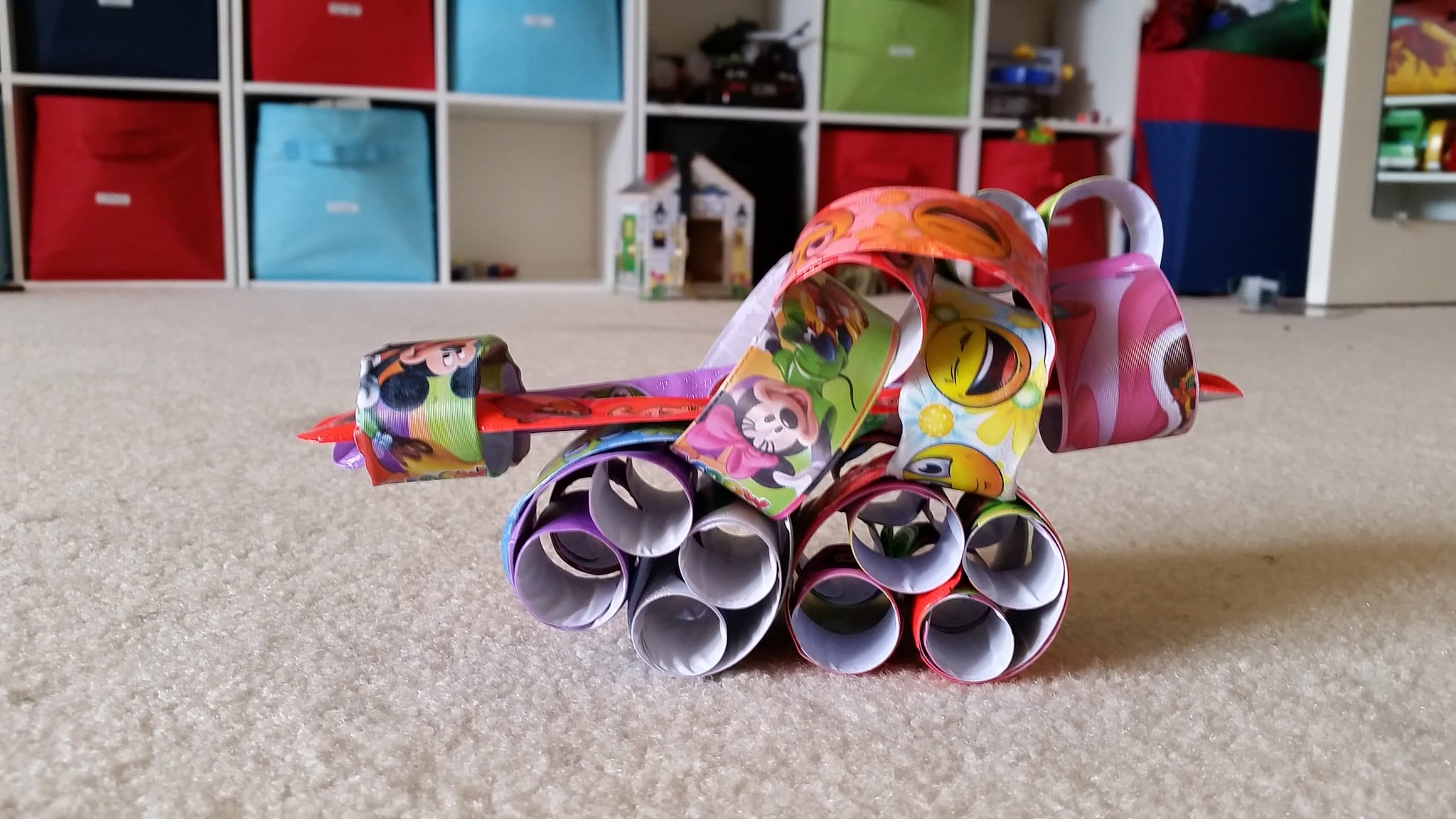
These colorful metal strips covered in fabric would curl around your wrist with a satisfying snap when slapped against your arm.
Kids collected dozens in different patterns and colors, constantly slapping them onto any available surface—including other people.
Schools eventually banned them after reports of injuries and concerns about the exposed metal edges cutting students, but not before everyone owned at least five.
Silly Bandz
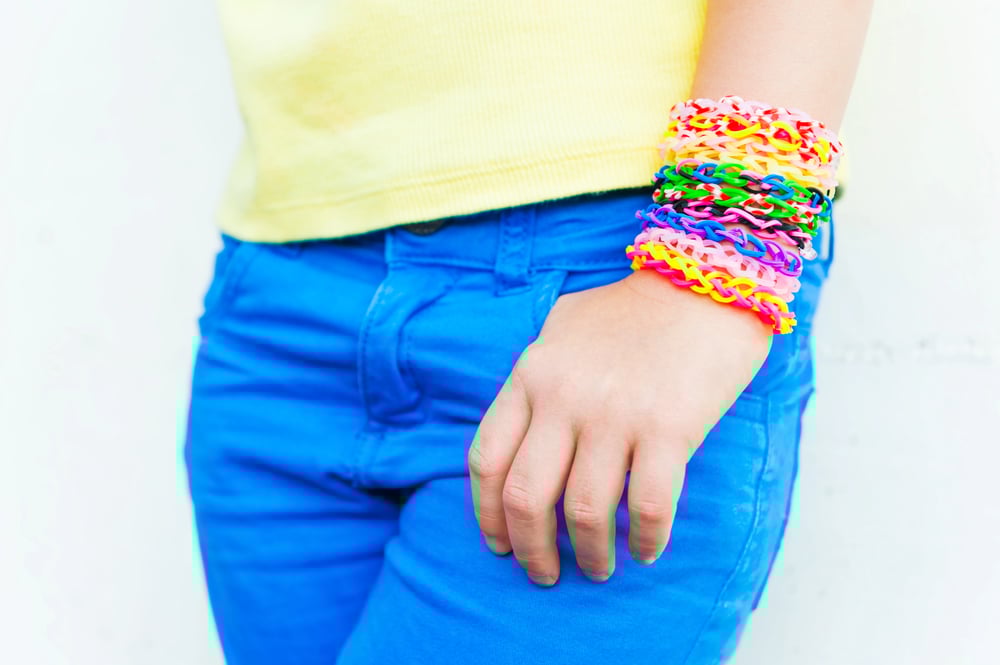
Robert Croak invented these silicone rubber bands shaped like animals, objects, and pop culture icons in 2008, and they exploded by 2009.
Kids wore dozens at once, trading them like currency and collecting themed packs featuring everything from Justin Bieber to Marvel superheroes.
The company went from shipping 20 boxes daily to 1,500, making Croak briefly one of the luckiest entrepreneurs alive.
Schools banned them for being distracting, but that only made kids want them more.
Webkinz

These plush toys came with secret codes that unlocked virtual versions in an online world called Webkinz World.
Launched in 2005, they combined physical collecting with digital gameplay, letting kids care for virtual pets, decorate rooms, and earn KinzCash through minigames.
The brilliance was that every new plush purchase added more content to your online account, encouraging endless collecting.
At its peak in the mid-2000s, millions of users made Webkinz a genuine cultural phenomenon.
Bratz Dolls

MGA Entertainment launched these fashion dolls in 2001 to compete with Barbie, featuring oversized heads, heavily made-up faces, and attitude-filled personalities.
The four original dolls—Yasmin, Cloe, Jade, and Sasha—were deliberately designed to look edgier than anything Mattel offered.
By 2006, Bratz had captured 40 percent of the fashion doll market, spawning movies, TV shows, music albums, and video games that made them a legitimate threat to Barbie’s throne.
Beyblades

These were essentially weaponized spinning tops that kids launched at each other in battles.
Originally released in Japan in 1999, they hit Western markets in 2002 alongside an anime series that explained the elaborate battle system.
Each Beyblade had different stats for attack, defense, and stamina, making strategic collecting important for serious competitors.
Kids treated Beyblade tournaments like professional sports, and the franchise remains popular with loyal fans today.
Mighty Beanz
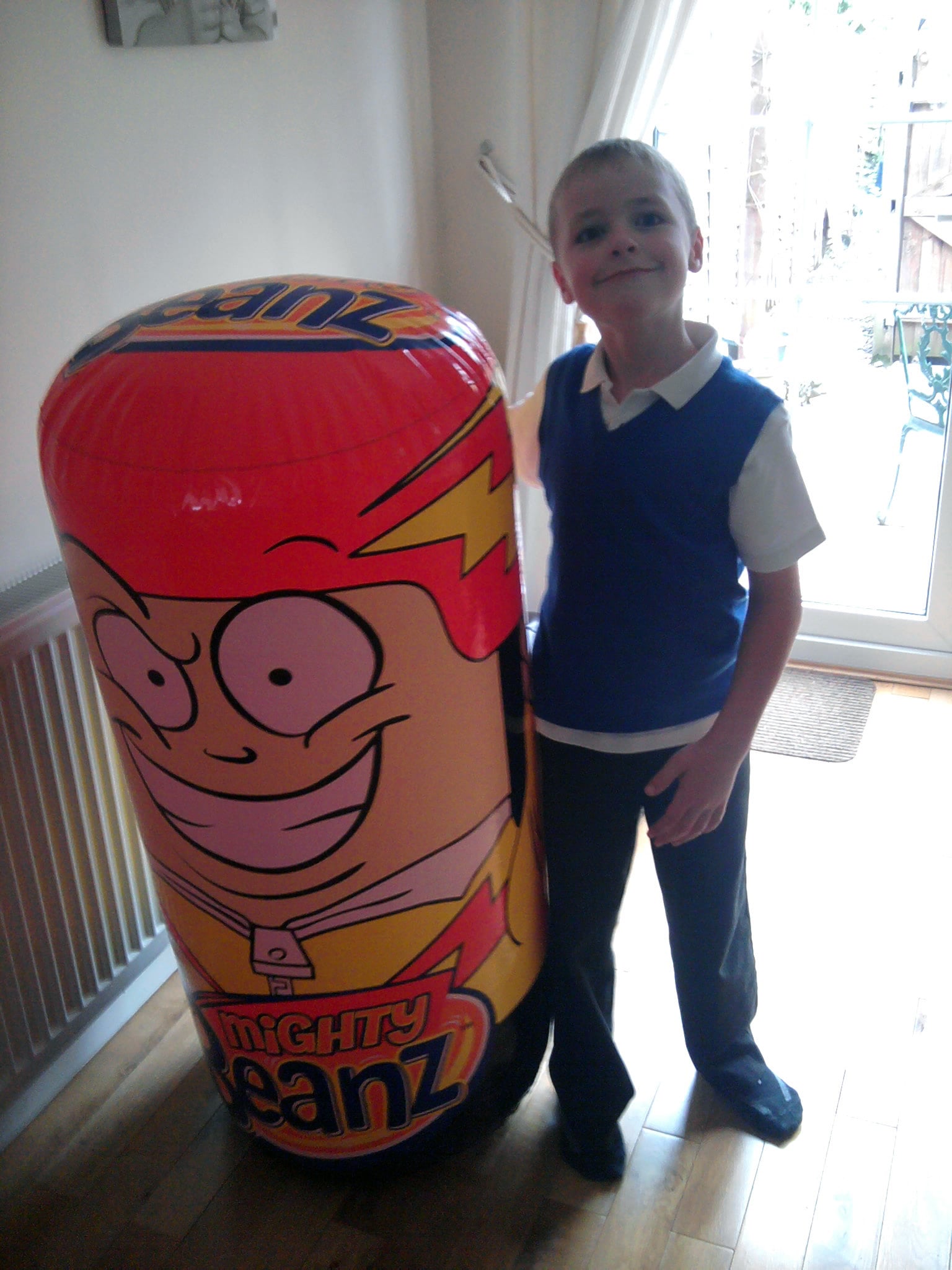
These pill-shaped plastic capsules contained metal BBs that made them flip and flop when manipulated correctly.
Released in 2002, they rode the collectibles trend started by Pokemon, with each bean designed to look like characters from pop culture.
They had a desperate quality about them—clearly trying to capitalize on the collecting craze rather than offering genuine play value.
The fact that Fortnite Mighty Beanz exists today proves some companies never learn.
Tech Deck Fingerboards
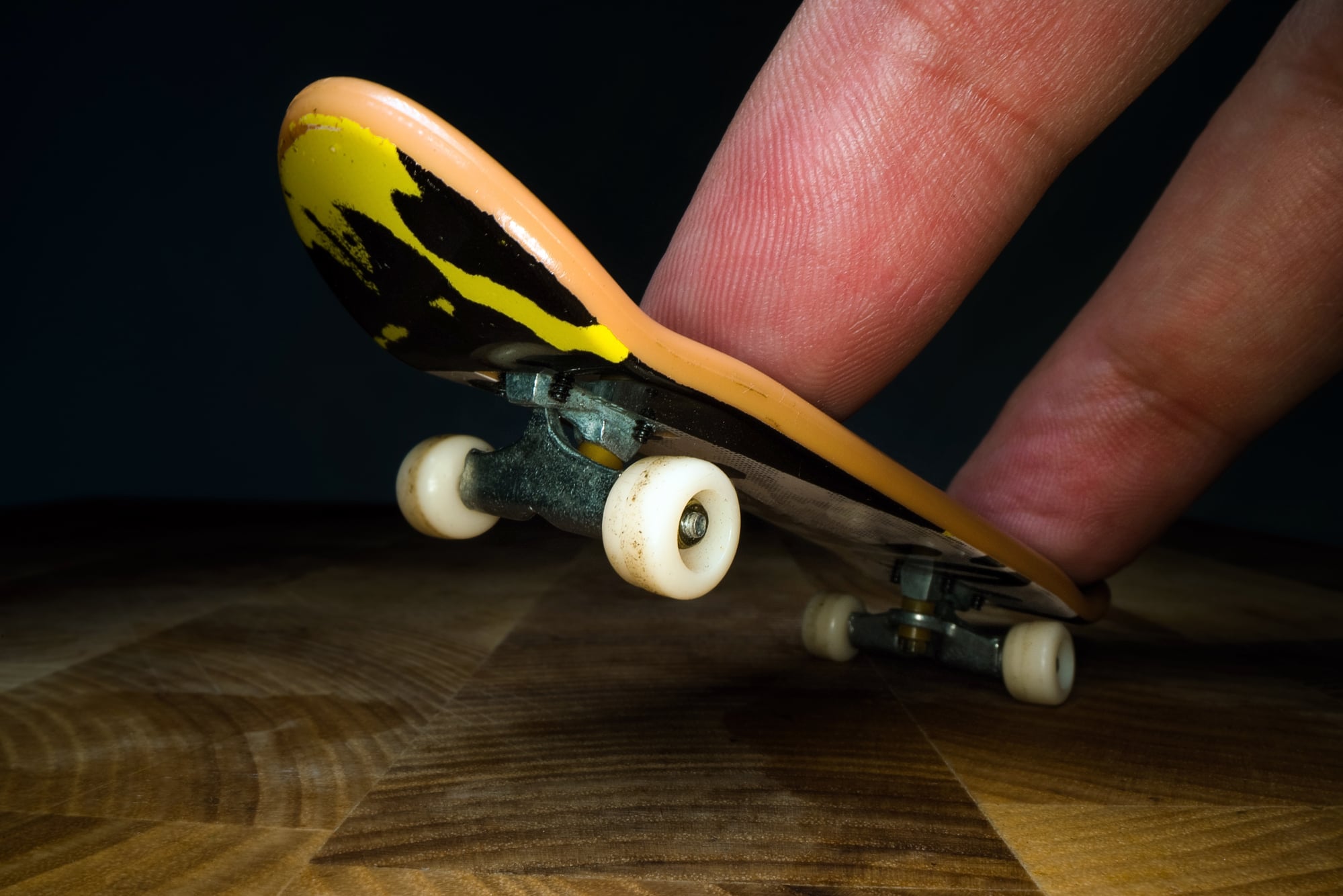
These miniature skateboards let kids perform tricks with their fingers on tiny ramps and rails.
Collectors obsessed over getting boards with authentic company graphics from real skateboard brands like Element and Baker.
The hobby attracted a surprisingly dedicated following who built elaborate finger-skateparks and filmed trick videos.
For kids who couldn’t afford real skateboarding or lived where it wasn’t practical, Tech Decks offered a scaled-down alternative.
Littlest Pet Shop

Hasbro bought this franchise and transformed it into a collectible empire featuring 3,000 unique tiny pets.
Each plastic animal had oversized heads and distinctive bobblehead designs that made them instantly recognizable.
The brand spawned two TV shows, video games, and a virtual pet website, creating an entire universe around these palm-sized creatures.
Trading rare pets became serious business among elementary school collectors.
Heelys

These shoes had wheels embedded in the heels, letting kids transition from walking to rolling with a simple shift in weight.
They became wildly popular in the early 2000s, with kids rolling through malls and schools before adults realized how dangerous they were.
Concerns about injuries to both riders and innocent bystanders led to many bans, but Heelys remained the coolest way to get around for kids who mastered the technique.
When the Collecting Stopped
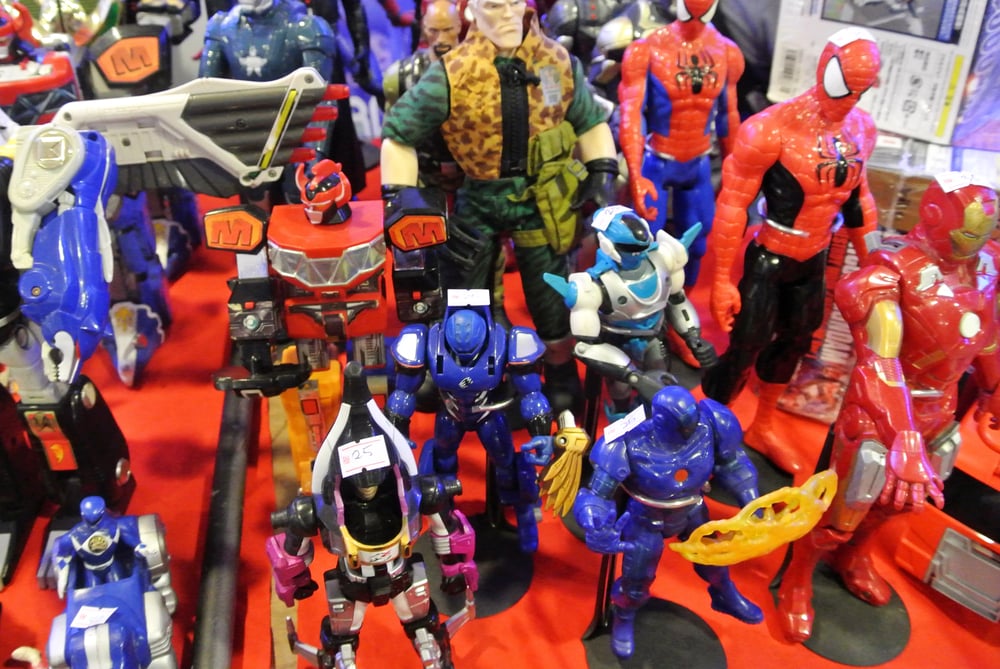
The collectible fads of the 90s and 2000s taught an entire generation about artificial scarcity, speculative markets, and buyer’s remorse.
Most of these items that were supposed to fund college educations now sit in storage bins or sell for pennies at garage sales.
What made these fads special wasn’t their lasting value but the communities they created and the memories of trading, showing off collections, and desperately wanting whatever everyone else had.
These weird obsessions shaped how millennials think about trends, value, and the fleeting nature of what’s considered cool.
More from Go2Tutors!

- The Romanov Crown Jewels and Their Tragic Fate
- 17 Halloween Costumes Once Considered Taboo
- Famous Hoaxes That Fooled the World for Years
- 15 Child Stars with Tragic Adult Lives
- 16 Famous Jewelry Pieces in History
Like Go2Tutors’s content? Follow us on MSN.