Major World Events That Happened Very Close Together
History has a strange way of clustering its biggest moments.
Sometimes events that seem completely unconnected happen so close together that it feels almost deliberate.
It’s like the universe decided to pack all the drama into one tight window.
These overlaps create weird footnotes in history books and make you wonder if certain years were just cursed or blessed with an unusual amount of action.
Let’s look at some major world events that crashed into each other on the timeline in ways that seem almost too convenient to be real.
The Titanic sank weeks before a major coal strike
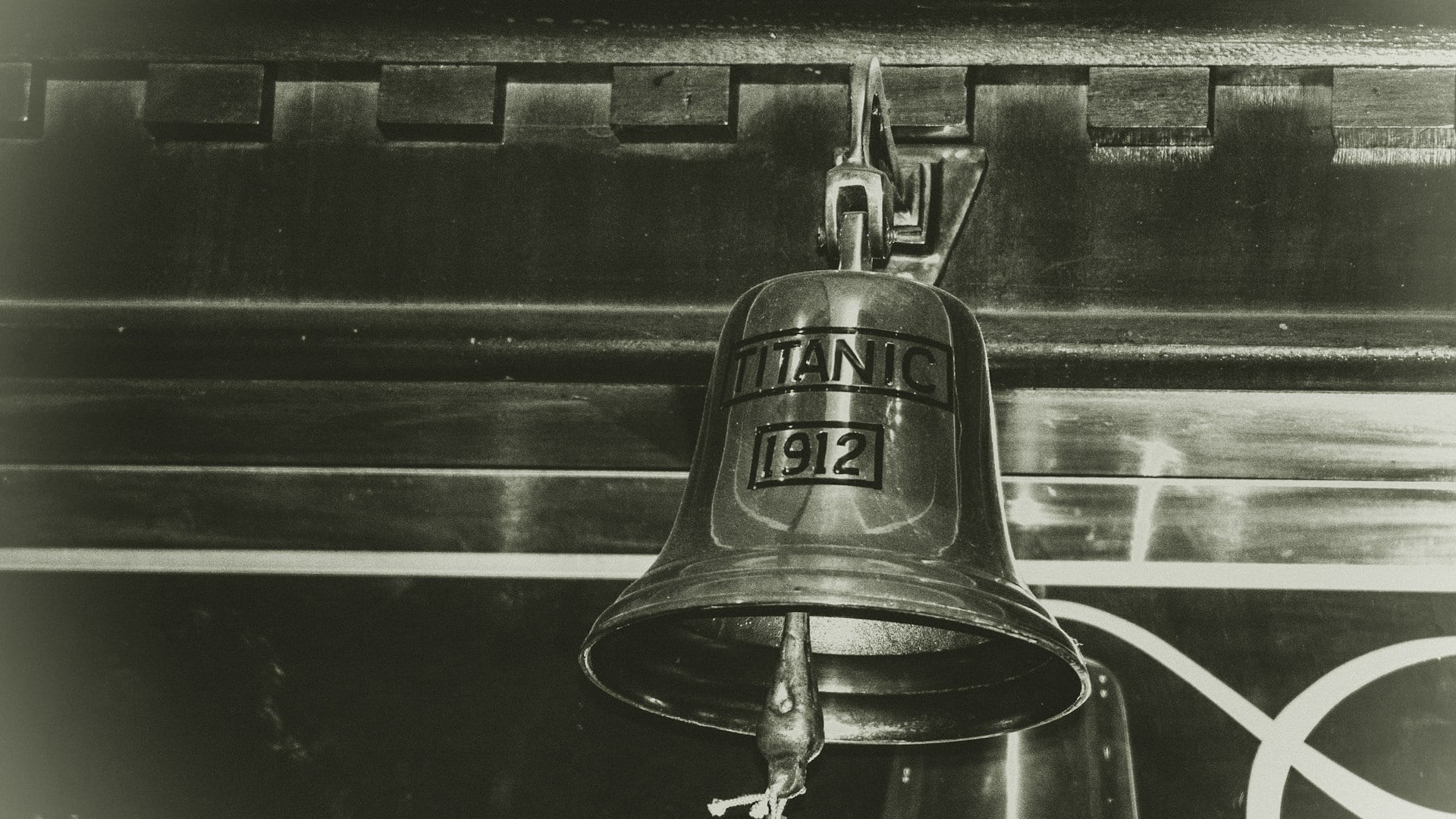
The Titanic hit an iceberg and sank on April 15, 1912, killing over 1,500 people in what became the most famous maritime disaster in history.
Less than a month later, on May 1, British coal miners launched a massive strike that crippled the country’s economy and nearly brought down the government.
The strike involved over a million workers and lasted for weeks, causing energy shortages across Britain.
The timing meant newspapers were still filled with Titanic survivor stories when the coal crisis hit.
Both events fed into growing concerns about industrial safety and workers’ rights.
Some historians argue the Titanic disaster actually helped the strike gain public sympathy because it highlighted how wealthy industrialists valued profit over safety.
World War I and the Spanish flu pandemic overlapped
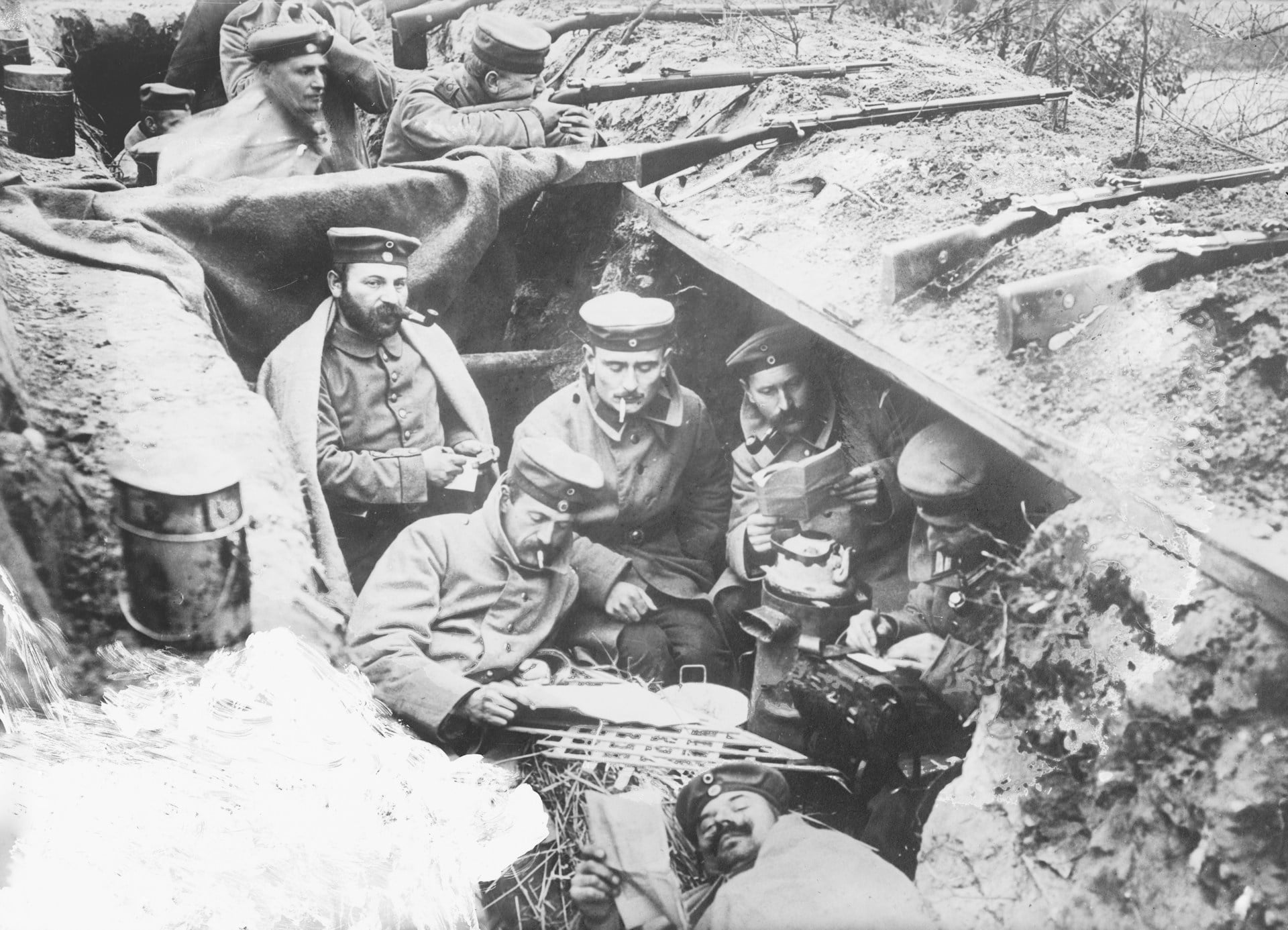
The 1918 influenza pandemic killed somewhere between 50 and 100 million people worldwide while World War I was still raging.
The war actually helped spread the disease because troops moved constantly between countries, carrying the virus with them.
Soldiers lived in crowded, unsanitary conditions that turned military camps into breeding grounds for infection.
The flu hit so hard that it killed more American soldiers than combat did.
Some military historians think it affected the war’s outcome by weakening certain armies more than others.
Both catastrophes ended around the same time in late 1918, leaving the world dealing with a staggering death toll from two completely different causes.
Martin Luther King Jr. and Robert Kennedy were assassinated two months apart
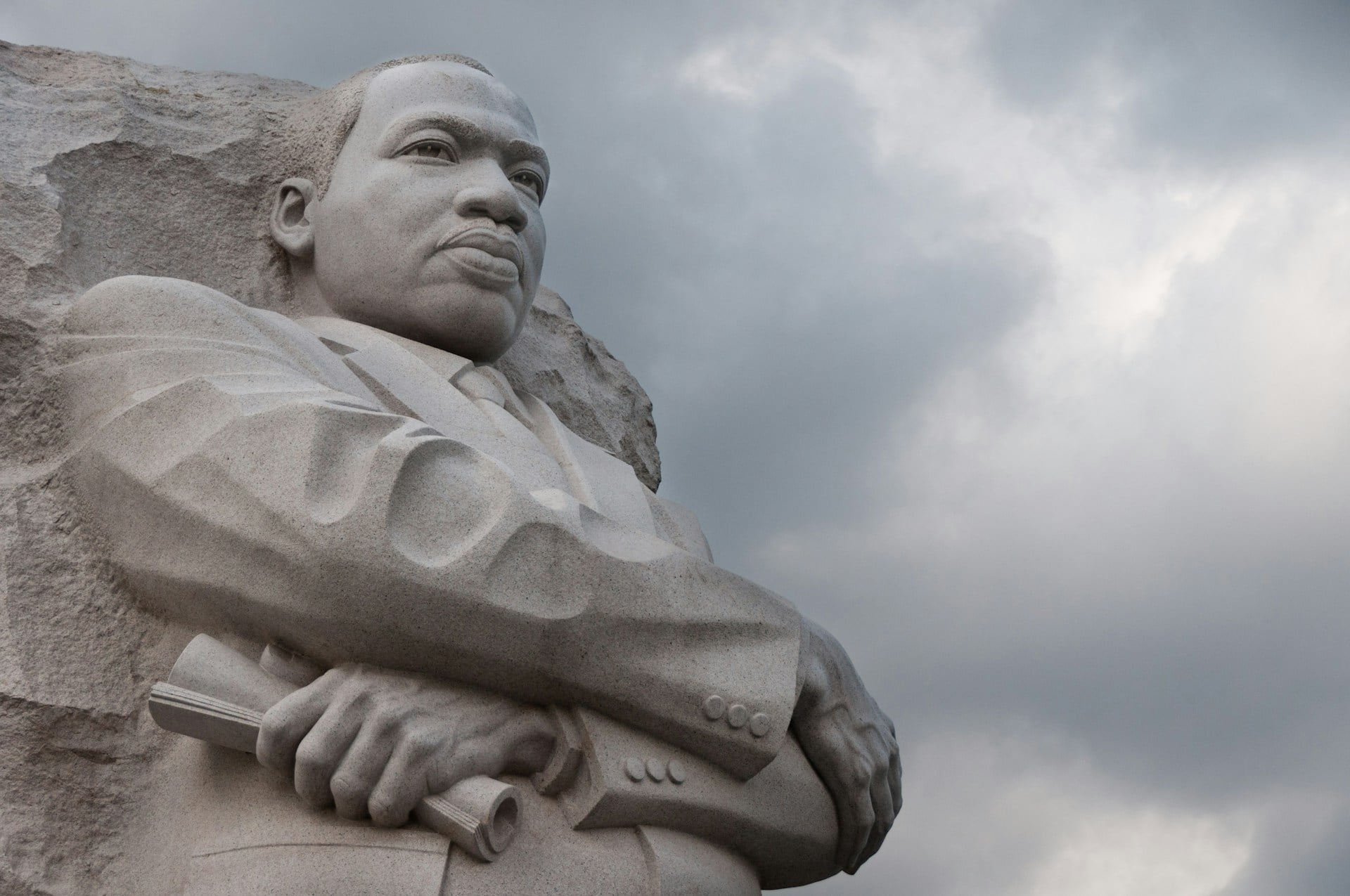
April 4, 1968, brought the assassination of Martin Luther King Jr. in Memphis, triggering riots in over 100 American cities.
Just 63 days later, on June 5, Robert Kennedy was shot in Los Angeles right after winning the California primary in his presidential campaign.
He died the next day.
The two killings happened during one of the most turbulent years in American history.
That same year included the Tet Offensive in Vietnam and violent protests at the Democratic National Convention.
Many Americans felt like the country was coming apart.
These back-to-back assassinations of two progressive leaders seemed to confirm those fears.
The summer of 1968 became a cultural reference point for chaos and loss that still resonates today.
Three major writers died within months in 2016

The year 2016 took Harper Lee in February, then Elie Wiesel in July, and finally Dario Fo in October.
Lee wrote “To Kill a Mockingbird,” one of the most assigned books in American schools.
Wiesel survived the Holocaust and wrote “Night,” becoming one of the most important voices on genocide and human rights.
Fo won the Nobel Prize for Literature and used theatre to challenge political corruption in Italy.
Losing three literary giants in one year felt particularly harsh to the publishing world.
Each had shaped how millions of people understood justice, memory, and power through their writing.
The French and American Revolutions happened almost simultaneously

France’s revolution kicked off in 1789, just six years after the American Revolution officially ended with the Treaty of Paris in 1783.
George Washington became the first U.S. president in April 1789.
That same year Parisians stormed the Bastille in July.
The timing wasn’t coincidental because the French government had bankrupted itself helping America fight Britain.
That contributed to the financial crisis that sparked their own revolution.
Many of the same Enlightenment ideas about liberty and democracy fueled both uprisings.
Some of the same people even participated in both, including the Marquis de Lafayette, who fought in America then returned home to help lead the French Revolution.
Mount St. Helens erupted during the Moscow Olympics boycott

May 18, 1980, brought the catastrophic eruption of Mount St. Helens in Washington State, killing 57 people and causing billions in damage.
This happened right as the United States was organizing a boycott of the 1980 Summer Olympics in Moscow to protest the Soviet invasion of Afghanistan.
The boycott involved 65 countries and became one of the Cold War’s most visible confrontations.
American media coverage bounced between the natural disaster at home and the political crisis abroad.
Both events highlighted American power and vulnerability in different ways.
One showed nature’s force and the other demonstrated the limits of political pressure.
India and Pakistan gained independence one day apart
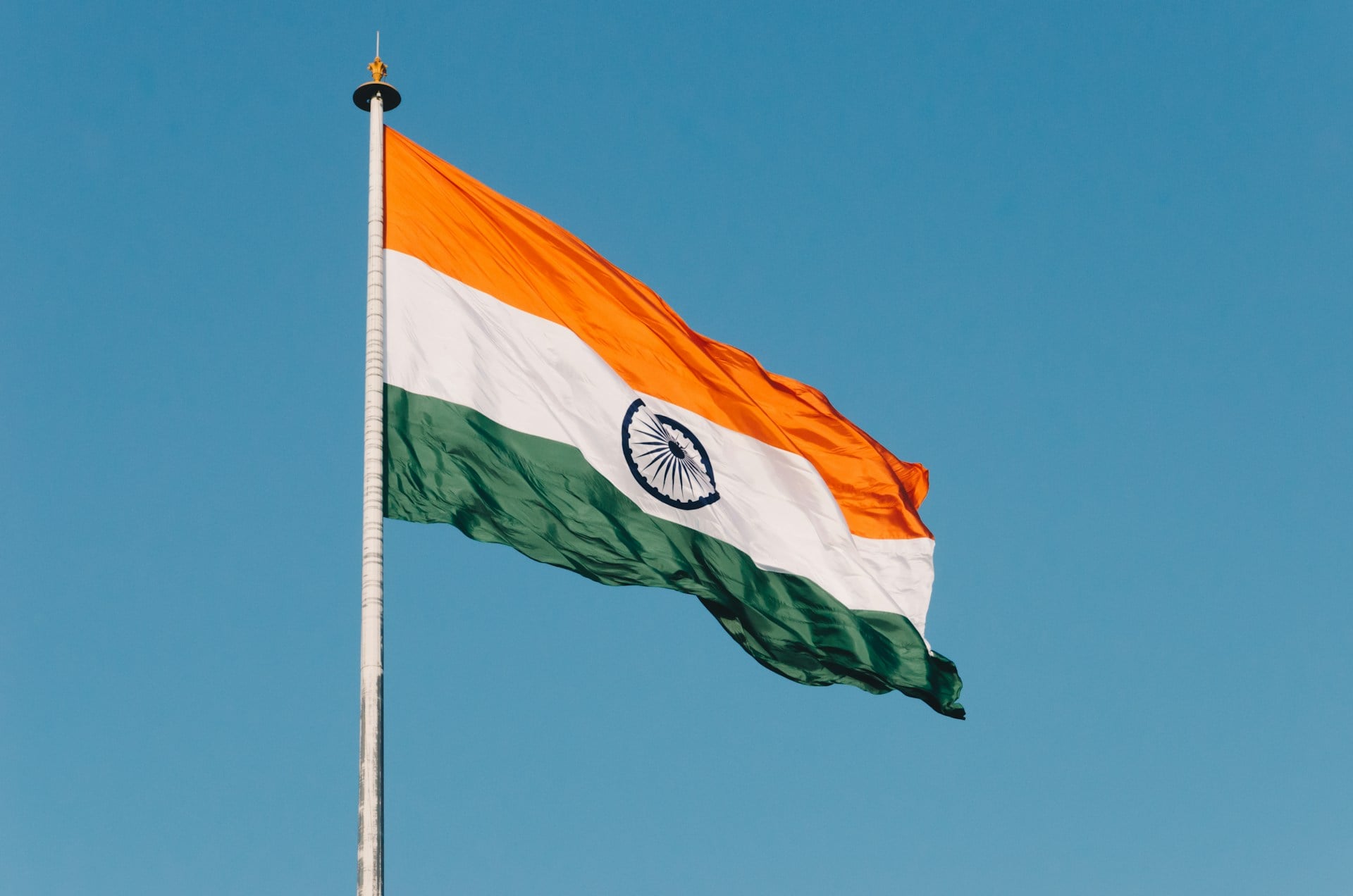
British India split into two nations at midnight on August 14-15, 1947, with Pakistan becoming independent on the 14th and India on the 15th.
The partition displaced somewhere between 10 and 20 million people and killed between one and two million in religious violence.
Both countries celebrate their independence days on different dates even though the actual moment of independence happened within 24 hours.
The British had ruled the subcontinent for nearly 200 years.
Their departure happened so quickly that border disputes created conflicts that continue today.
The rushed timeline meant nobody had adequate plans for the massive population transfers that followed.
The Berlin Wall fell weeks before the Malta Summit

November 9, 1989, saw East Germany open the Berlin Wall, allowing free movement between East and West Berlin for the first time in 28 years.
Less than three weeks later, on December 2-3, President George H.W. Bush and Soviet leader Mikhail Gorbachev met in Malta for a summit that effectively ended the Cold War.
The wall’s fall had happened so recently that both leaders were still processing what it meant for global politics.
Malta became the symbolic endpoint of decades of tension between superpowers.
The rapid pace of change meant 1989 compressed events that normally would have taken years into just a few weeks.
Two space shuttles exploded within 17 years
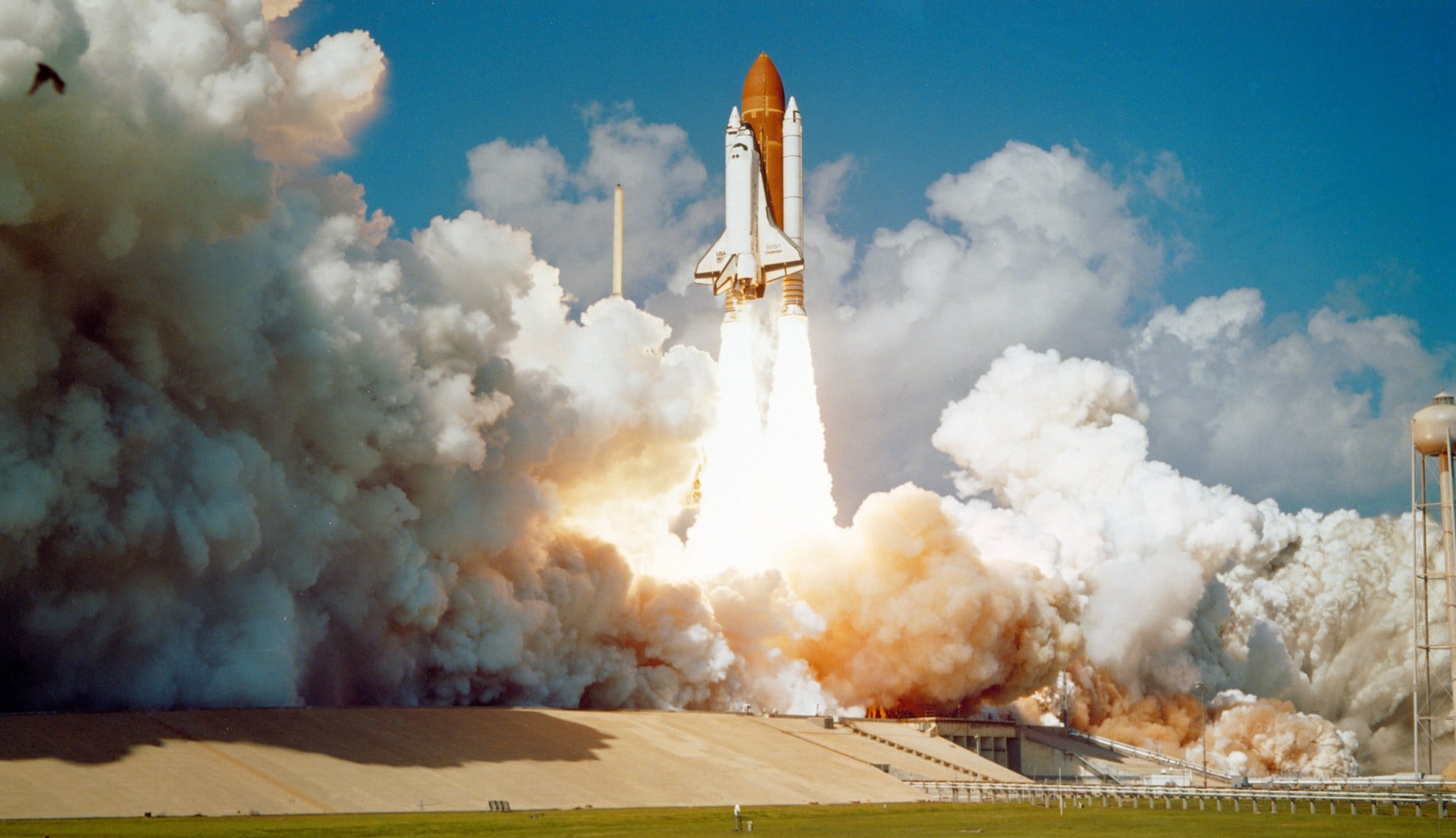
The Challenger disaster happened on January 28, 1986, killing all seven crew members just 73 seconds after launch.
Columbia broke apart during re-entry on February 1, 2003, also killing all seven astronauts aboard.
Both disasters happened in winter and both involved fundamental design flaws that NASA engineers had warned about but were ignored.
The Challenger explosion was visible to thousands of spectators, including schoolchildren watching because teacher Christa McAuliffe was on board.
Columbia’s destruction was less visible but equally shocking because people thought NASA had fixed its safety culture after Challenger.
The fact that both accidents could have been prevented made them even more tragic.
The Great Depression started right before the Dust Bowl
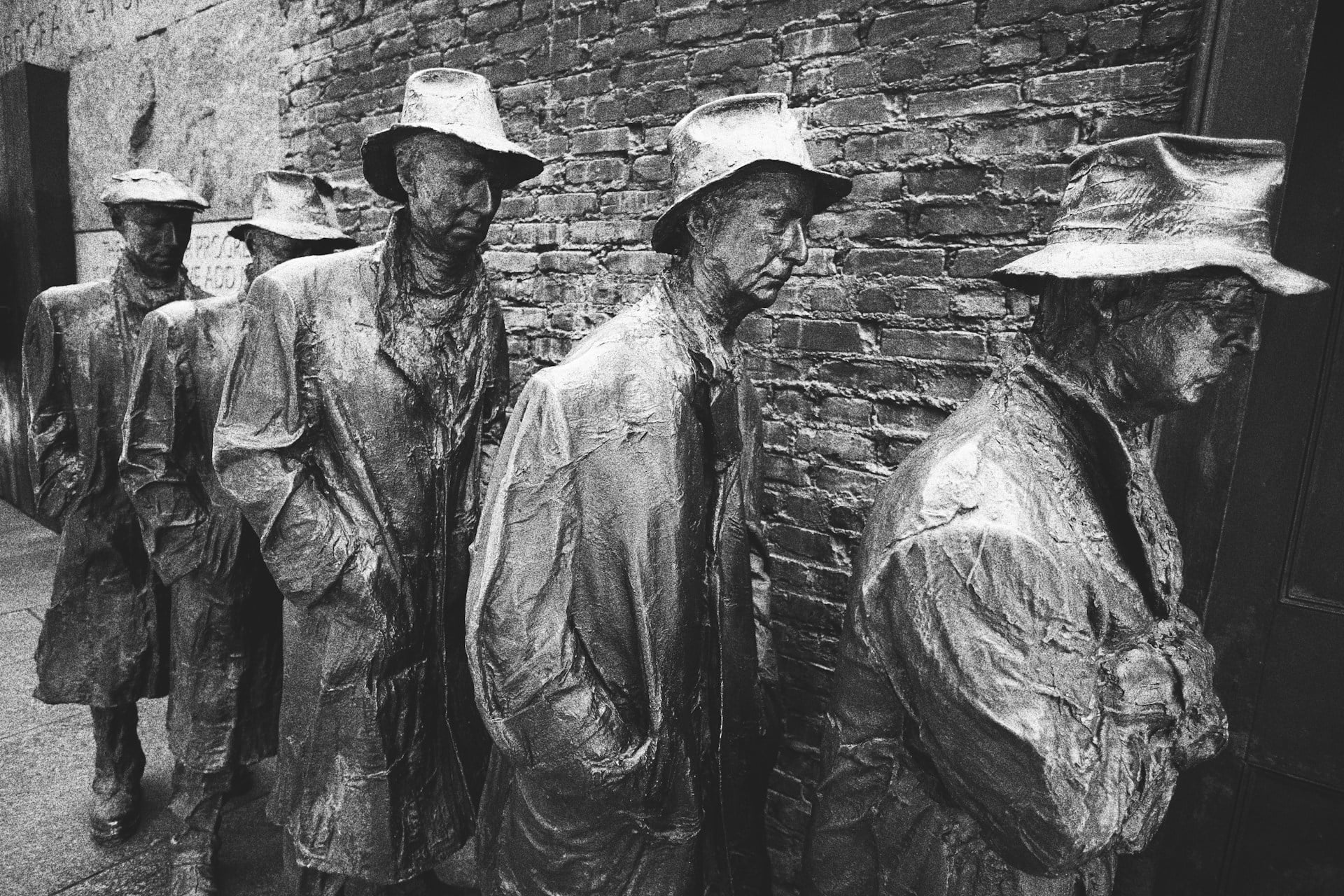
The stock market crashed in October 1929, triggering the Great Depression.
Within a few years, severe drought hit the American Great Plains, creating the Dust Bowl that peaked from 1934 to 1936.
Farmers who were already struggling economically because of the Depression suddenly couldn’t grow crops because of environmental disaster.
Massive dust storms called “black blizzards” buried farms and forced hundreds of thousands of people to migrate west.
The combination of economic collapse and environmental catastrophe created a crisis that fundamentally changed American agriculture and government policy.
Neither problem caused the other, but their overlap made both worse.
Princess Diana died days before Mother Teresa

Princess Diana was killed in a car crash in Paris on August 31, 1997, creating a global outpouring of grief.
Mother Teresa died of a heart attack just five days later on September 5.
Both women were known for humanitarian work and had met several times.
The timing meant Diana’s funeral on September 6 happened the day after Mother Teresa died.
Mother Teresa’s funeral on September 13 came while people were still mourning Diana.
Media coverage struggled to handle two massive stories about beloved public figures dying within days of each other.
Some people saw symbolic meaning in the overlap, though it was purely coincidental.
The moon landing happened during Woodstock’s planning
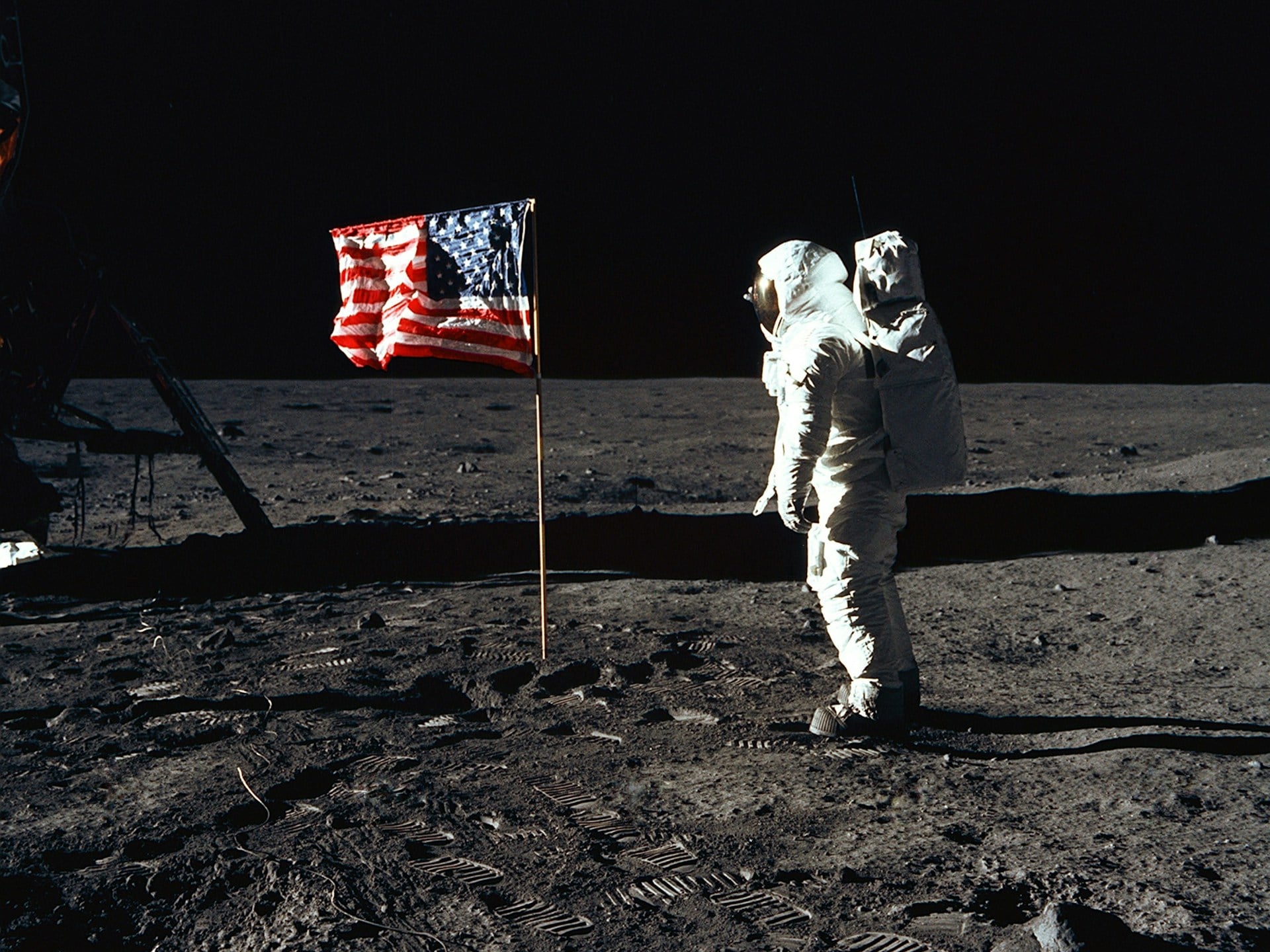
Apollo 11 landed on the moon on July 20, 1969, putting humans on another celestial body for the first time.
Less than a month later, from August 15-18, the Woodstock music festival brought nearly 400,000 people to a farm in upstate New York.
Both events defined the 1960s in completely different ways.
One represented technological achievement and Cold War competition while the other symbolized counterculture and anti-establishment sentiment.
The space program cost billions and involved government and military precision.
Woodstock was chaotic, muddy, and celebrated the exact opposite values.
Having both happen within weeks showed how fragmented American culture had become.
Two major earthquakes hit within 24 hours in 2015

A magnitude 7.8 earthquake struck Nepal on April 25, 2015, killing nearly 9,000 people and destroying hundreds of thousands of buildings.
The next day, a magnitude 7.5 earthquake hit Papua New Guinea.
While the Papua New Guinea quake happened in a less populated area and caused fewer casualties, the back-to-back disasters stretched international relief organizations thin.
Both quakes resulted from tectonic activity along the Pacific Ring of Fire, but they weren’t directly connected.
Relief agencies had to prioritize resources between two major disasters happening simultaneously on opposite sides of Asia.
The timing highlighted how unprepared the world is for multiple catastrophes at once.
The Russian Revolution happened during World War I

Russia’s February Revolution in 1917 overthrew the Czar while Russian armies were still fighting Germany on the Eastern Front.
The October Revolution later that year brought the Bolsheviks to power and led directly to Russia withdrawing from World War I.
The timing meant Russia was simultaneously fighting a foreign war and experiencing complete political collapse at home.
Millions of Russian soldiers deserted the front to return home during the revolutionary chaos.
Germany took advantage of Russia’s internal crisis to gain territory, which freed up German troops to fight on the Western Front.
The revolution’s timing affected World War I’s outcome and shaped European politics for the next 70 years.
Elvis Presley and Groucho Marx died two days apart
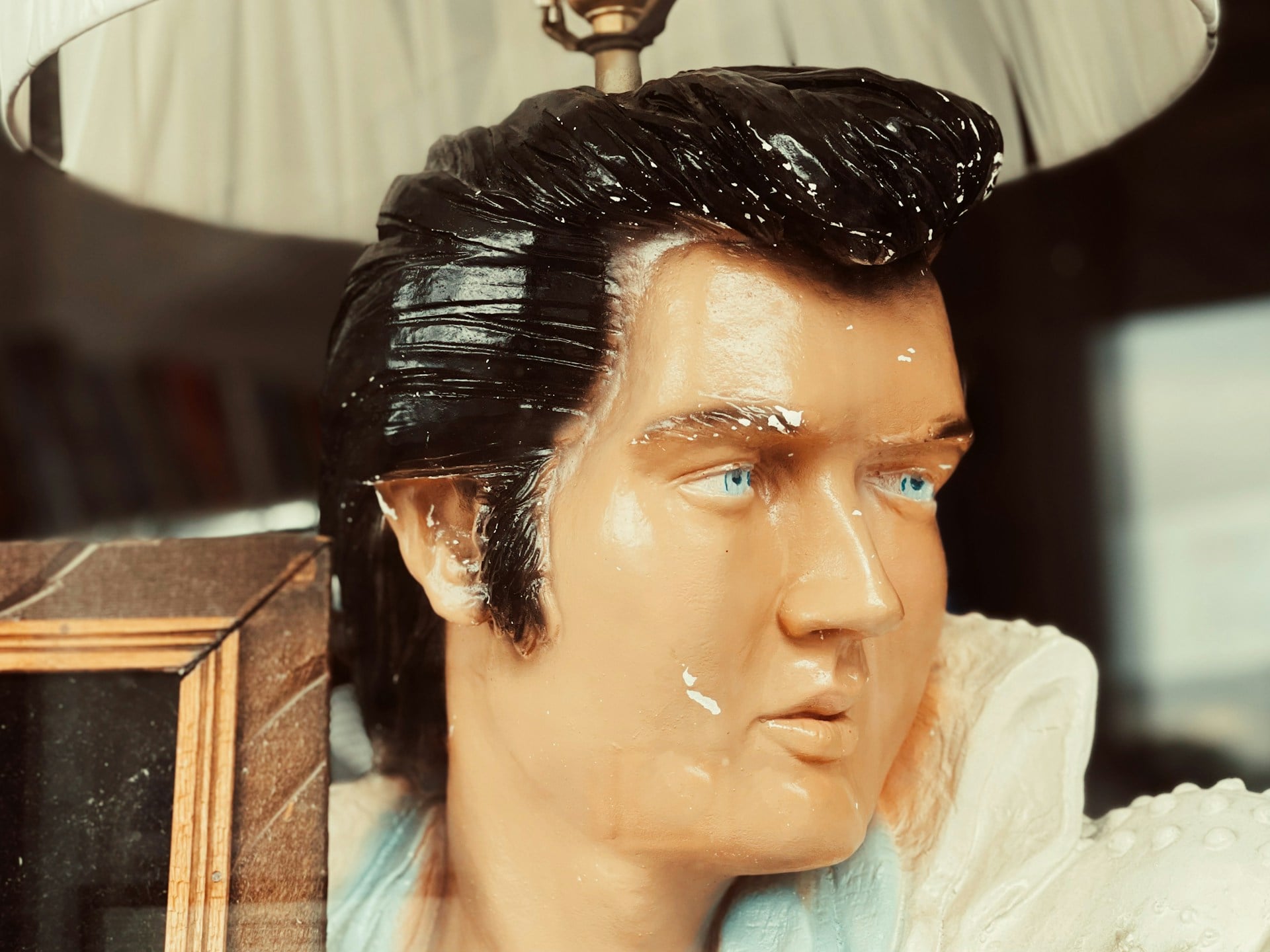
Elvis Presley died on August 16, 1977, at age 42, shocking the world and marking the end of rock and roll’s first era.
Two days later, Groucho Marx died at age 86 on August 19.
Marx had been a comedy legend since the 1920s, spanning vaudeville, Broadway, movies, radio, and television.
The deaths of two such different entertainment icons within 48 hours felt like a generational shift.
Elvis’s death got far more media coverage because it was sudden and he was younger.
That actually annoyed some of Marx’s friends who felt he deserved equal attention.
Both men had revolutionized American entertainment in their own ways.
Losing them together closed two important chapters simultaneously.
The Chernobyl disaster happened weeks before the Challenger report
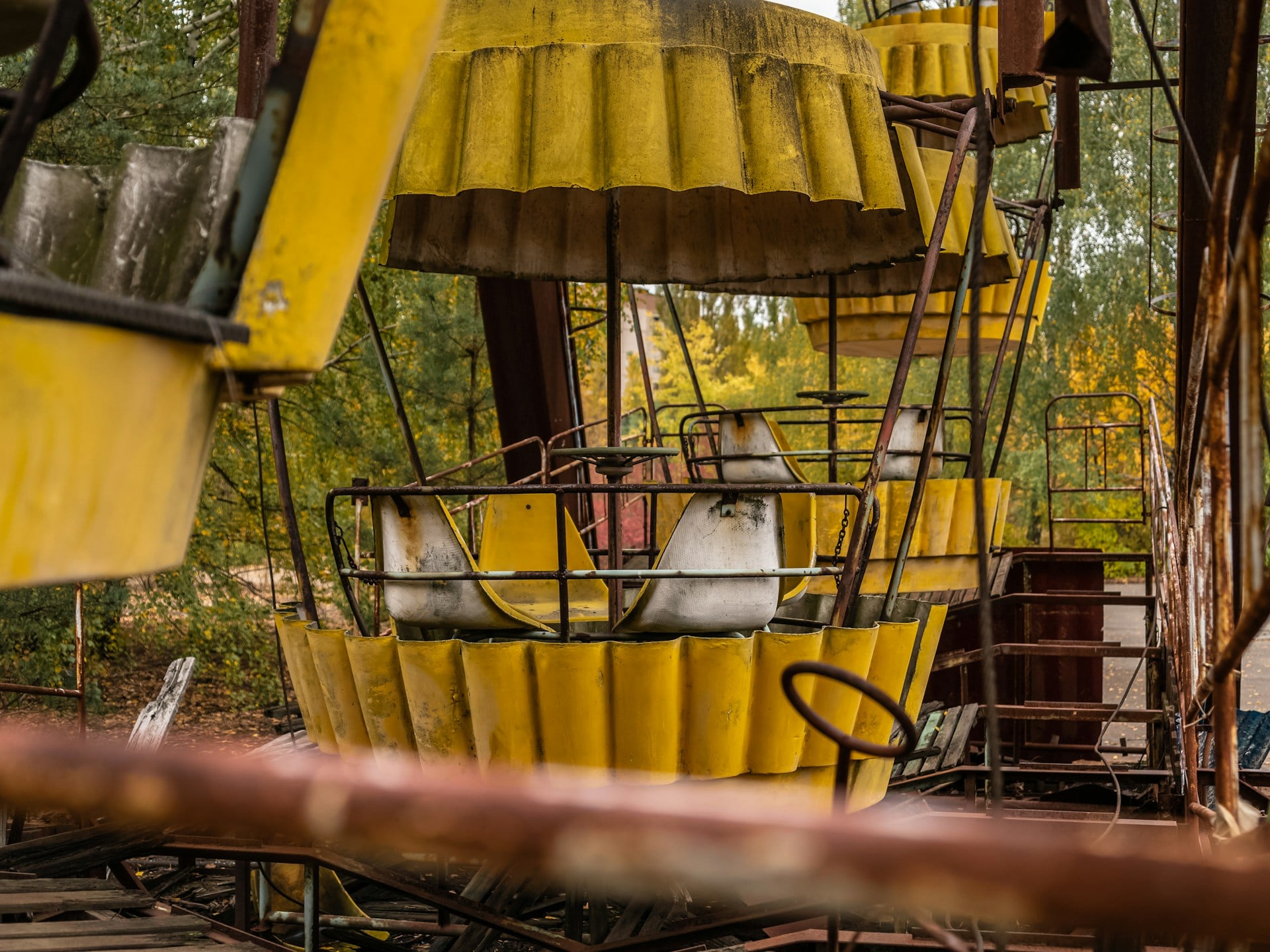
The Chernobyl nuclear reactor exploded on April 26, 1986, causing the worst nuclear accident in history.
The Presidential Commission investigating the Challenger disaster released its report on June 6, just six weeks later.
Both catastrophes resulted from organizations ignoring safety warnings and prioritizing schedules over caution.
Chernobyl’s fallout spread radiation across Europe and forced the evacuation of entire cities.
The Challenger report documented how NASA management had dismissed engineer concerns about O-ring failures in cold weather.
Having two major technological disasters investigated simultaneously made 1986 feel like a year when humanity’s faith in complex systems took a serious hit.
When history accelerates

These clustering moments reveal something about how we experience time and remember events.
When major happenings pile up, they amplify each other’s impact and create periods that feel historically dense.
It’s like the universe compressing years of change into days or weeks.
People who lived through these overlaps often describe feeling overwhelmed as if they couldn’t process one shock before the next one hit.
These coincidences also create strange connections in our collective memory.
We permanently link events that had nothing to do with each other except timing.
The calendar doesn’t care about our capacity to handle chaos.
Sometimes history just decides to happen all at once.
More from Go2Tutors!

- The Romanov Crown Jewels and Their Tragic Fate
- 17 Halloween Costumes Once Considered Taboo
- Famous Hoaxes That Fooled the World for Years
- 15 Child Stars with Tragic Adult Lives
- 16 Famous Jewelry Pieces in History
Like Go2Tutors’s content? Follow us on MSN.



