Foods People Assume Are Old But Are Modern Inventions
It strikes as oddly amusing when you settle in with a dish seeming old, humble, tied to distant customs, yet learn it actually began just a few generations back, maybe closer than expected. Dishes often wear a cloak of age they haven’t earned, appearing timeless though their roots are shallow, unnoticed by nearly everyone who eats them.
Truth hits hard. Food brands, cooks, maybe even ad teams – they craft moments that stick like old memories. Dishes called ancient? Often born last century. Their origins hum with drama, sometimes luck, always human choices. The past tastes richer when you know who shaped it.
Fortune Cookies
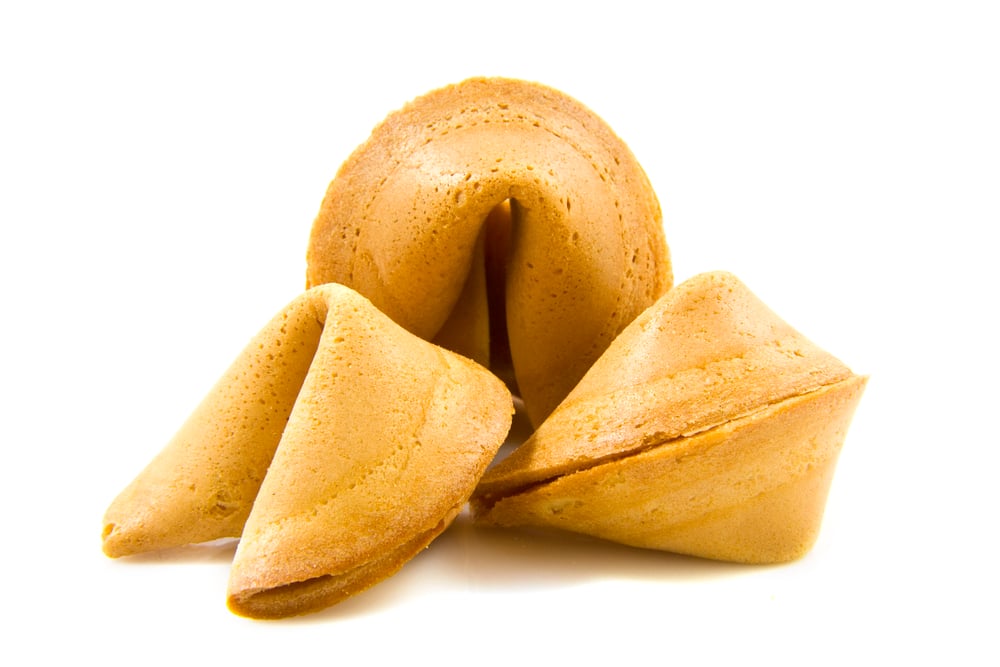
Turns out those little paper-filled treats aren’t from old-world traditions at all – someone thought up the idea right here in America, back before radio became common. Somewhere near San Francisco, folks who’d moved from Japan probably baked the first ones, sliding notes inside while experimenting with new flavors.
The country it’s falsely linked to didn’t start using them until decades passed, nudged by movies and tourists bringing ideas home. Now factories across this nation stack millions daily, shaping crisp shells around tiny predictions more than three times a hundred million each twelve months.
Caesar Salad

Back then, nobody expected a classic would come from shortage. A cook named Caesar Cardini mixed greens under pressure during a holiday rush in Tijuana.
His roots were Italian, though the dish took shape far from Italy. That night, shelves held nearly nothing – just crisp romaine, some bread cubes, basic pantry items. From that scramble, something sharp and satisfying emerged. The mix caught on fast, spreading through dining rooms without warning.
Ranch Dressing

Seems like ranch dressing has always been around, yet it started just in 1954. A guy called Steve Henson came up with it – worked as a plumber before trading tools for cattle.
His first batch? Whipped up at a guest ranch way up in Alaska. Later he packed up, headed west to California, where things really took off. The mix found its home inside bottles labeled Hidden Valley. These days, nothing beats it on salads across the country. Not bad for a flavor born less than seven decades back.
Pad Thai

A stir-fried noodle meal now seen as Thailand’s signature dish actually arrived just decades ago. Back in the 1930s and 1940s, authorities pushed it hard.
Their goal? Less reliance on plain rice. Instead, they wanted one shared plate everyone could call their own. Earlier noodles in the region carried strong Chinese flavors. They lacked what you’d name a distinct Thai character. So this famous recipe didn’t grow slowly through family kitchens. It emerged more from political choices than old tradition.
Chicken Tikka Masala

Chicken tikka masala might seem like an ancient Indian classic, yet experts say it probably began in Britain – maybe the 1970s. Glasgow could be its birthplace, where a cook reportedly poured a smooth tomato sauce over dry tandoori pieces for one diner’s taste.
That tweak caught on fast across the UK, even earning praise from a top diplomat who called it a national favorite. Centuries shape India’s vast food traditions, though this dish isn’t part of them.
Nachos
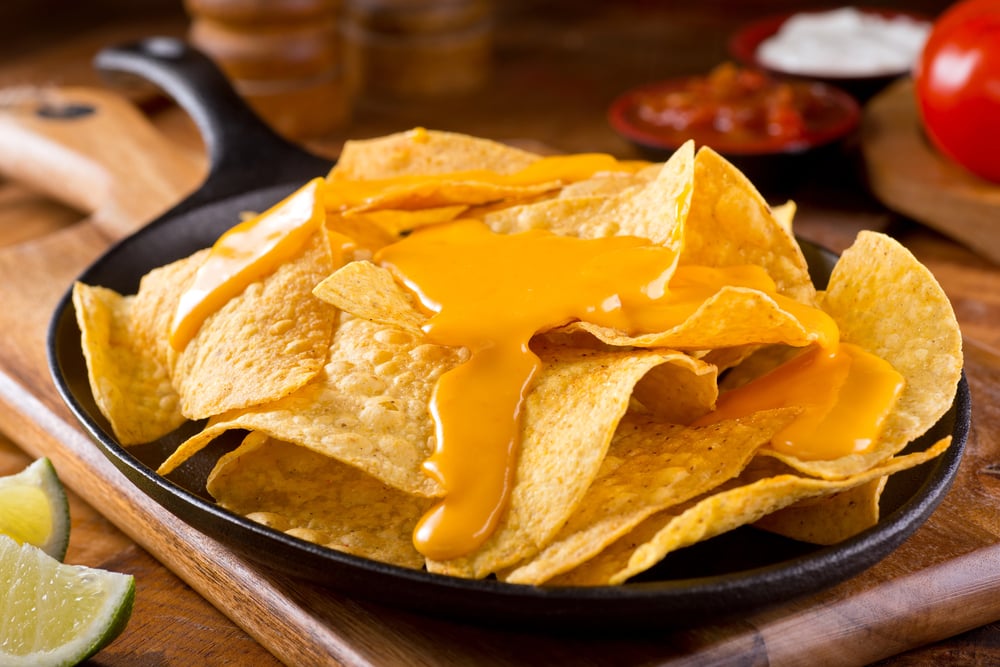
Back in 1943, something new came about when a cook called Ignacio Anaya stepped into a quiet kitchen. With customers still arriving late, he started pulling out scraps – chips made from corn, some melted cheese, sliced jalapeños pulled from a jar.
He didn’t plan it; the moment just unfolded that way. Folks who tasted it remembered the flavor – and the name stuck because it carried his nickname. Word traveled fast across border towns, then moved eastward with time. By chance more than design, a snack appeared where none had ever been before. Nowhere on the planet had seen anything like it prior to that night.
Sushi Rolls (American Style)
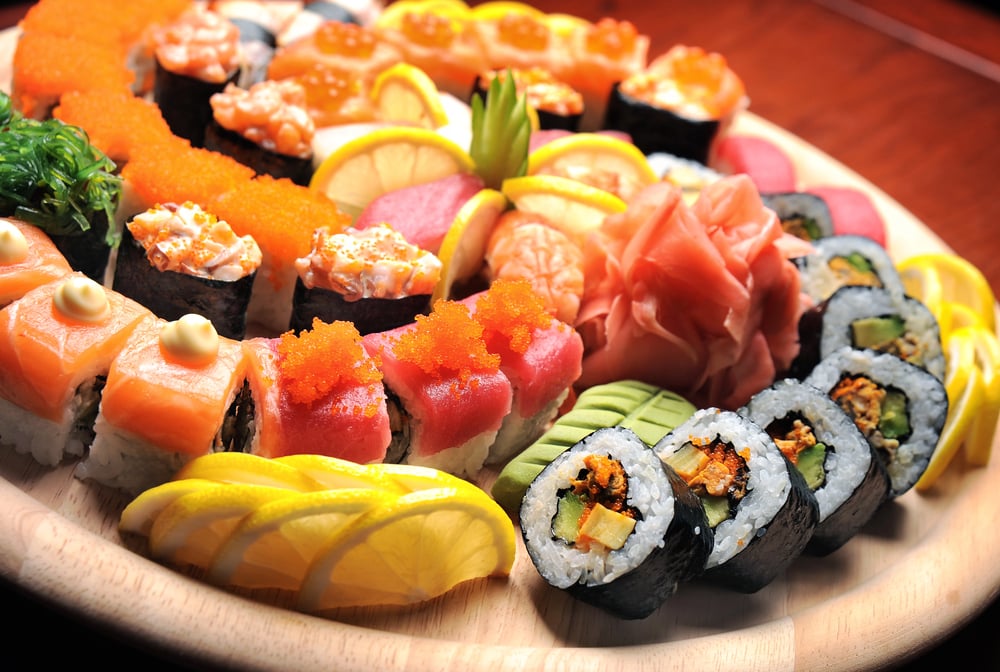
Sushi as known in Japan carries deep roots, yet the kind seen in U.S. restaurants – like the California roll – emerged across North America in the sixties and seventies. Since a lot of people there hesitated at eating raw seafood, cooks reached for avocado as a substitute while hiding the seaweed beneath the rice layer.
That small shift sparked something wide-reaching. Eventually, even Japan began serving versions inspired by this overseas twist.
Croissants Are French Food

Though croissants taste like they belong in a Parisian morning, their roots lie far to the east. Baked light and layered by French hands, yes – yet born from an Austrian idea instead.
A twist on the kipferl, a centuries-old shape with curved edges, crossed into France around 1800. Once there, slow changes happened – more butter, finer folds, careful baking rhythms. What emerged later was crisp outside, tender within, known now worldwide. The French shaped its fame. Vienna gave it form.
Breakfast Cereal

The idea of pouring grain flakes into a bowl every morning was not a natural food tradition that developed over centuries. It was invented in the late 1800s by American health reformers, most notably John Harvey Kellogg and C.W. Post, who promoted cereal as a clean and healthy alternative to heavy, meat-based breakfasts.
The entire concept was a deliberate invention, built on nutrition ideology and backed by aggressive advertising. Before that shift, most people simply ate bread, porridge, or leftovers to start the day.
The Turducken
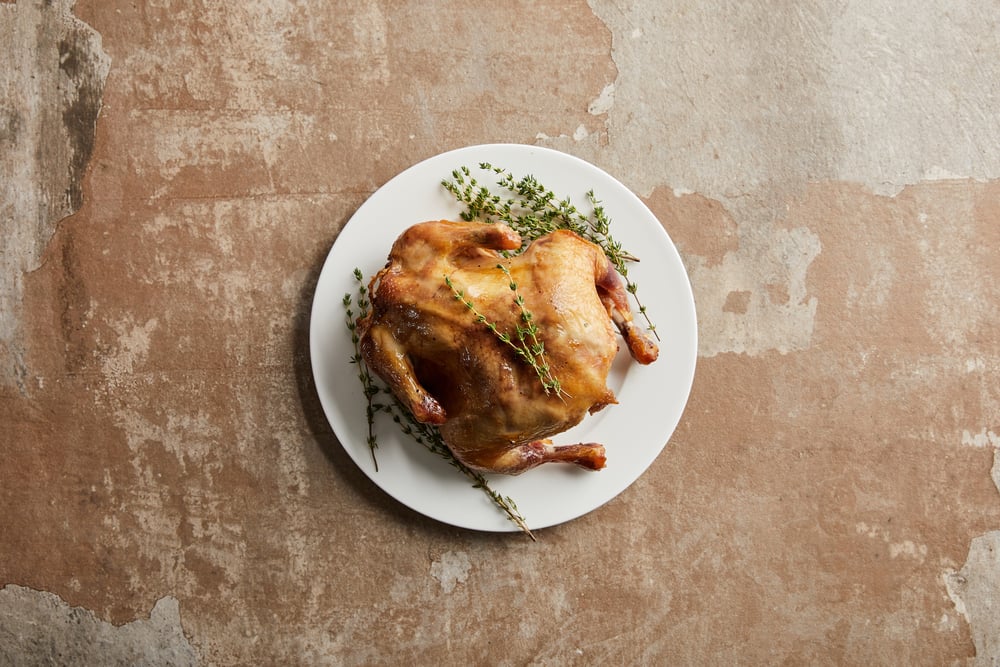
The turducken, a chicken stuffed inside a duck stuffed inside a turkey, sounds like it came straight from a medieval royal feast. It was actually popularized in the United States during the 1970s and 1980s, with Louisiana chef Paul Prudhomme often credited with bringing it into the mainstream.
While the general idea of stuffing one bird inside another existed in very old cuisines, it was extremely uncommon and nothing like the turducken Americans know today. This is firmly a modern American food invention dressed up in old-fashioned clothing.
Kettle Chips

Thick, crunchy, and rough around the edges, kettle chips look like something a farmer made by hand in the 1800s. The reality is that they were developed and commercially produced in the 1970s and 1980s, with the rustic appearance being a very intentional branding decision.
Companies wanted mass-produced chips to feel artisan and handcrafted. It worked better than anyone expected, and the category has grown steadily ever since.
Soft Pretzels
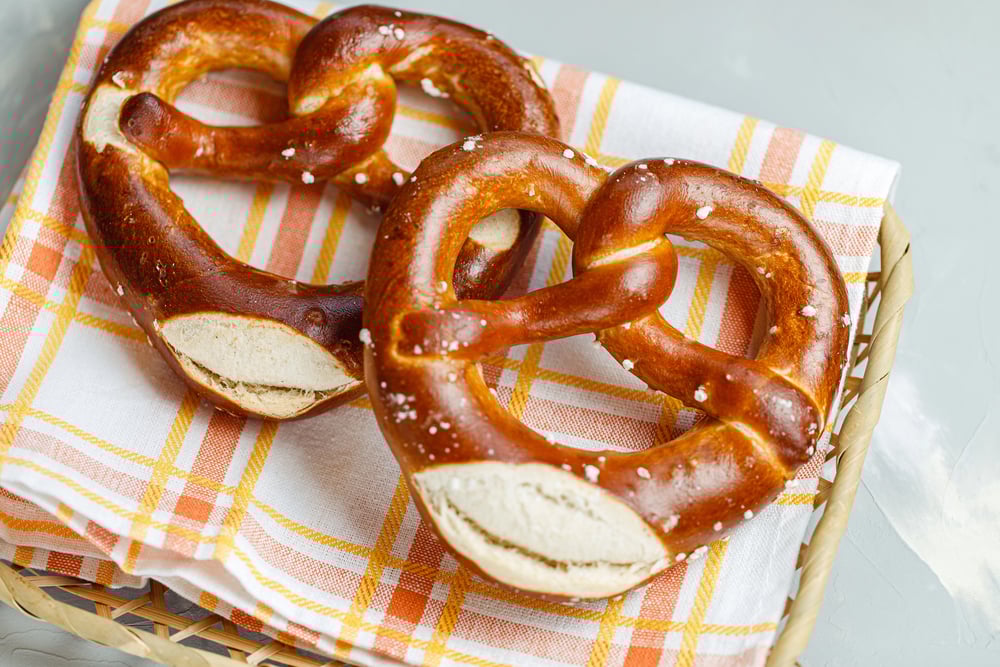
Hard pretzels do have genuine European roots stretching back centuries, but the soft pretzel as a popular American street and stadium food is a much more recent creation. Philadelphia’s strong soft pretzel culture really took shape after commercial bakers started mass-producing them in the early 1900s.
Before that, pretzels in America were mostly a regional bakery item with very limited reach. The giant, salted soft pretzel people grab at sporting events is a product of modern food production, not old-world tradition.
Artificial Vanilla Flavoring

Vanilla as a flavor goes back centuries, originally sourced from orchids native to Mexico. But the vanilla flavor found in most packaged foods today, including cookies, cakes, and ice cream, does not come from actual vanilla pods.
Artificial vanillin was first synthesized in 1874 and quickly became a far cheaper substitute for the real thing. Right now, around 99% of the vanilla flavoring used in commercial food production is synthetic. That warm, familiar ‘classic’ vanilla taste is largely a 19th-century laboratory product.
Canned Tomatoes in Italian Cooking
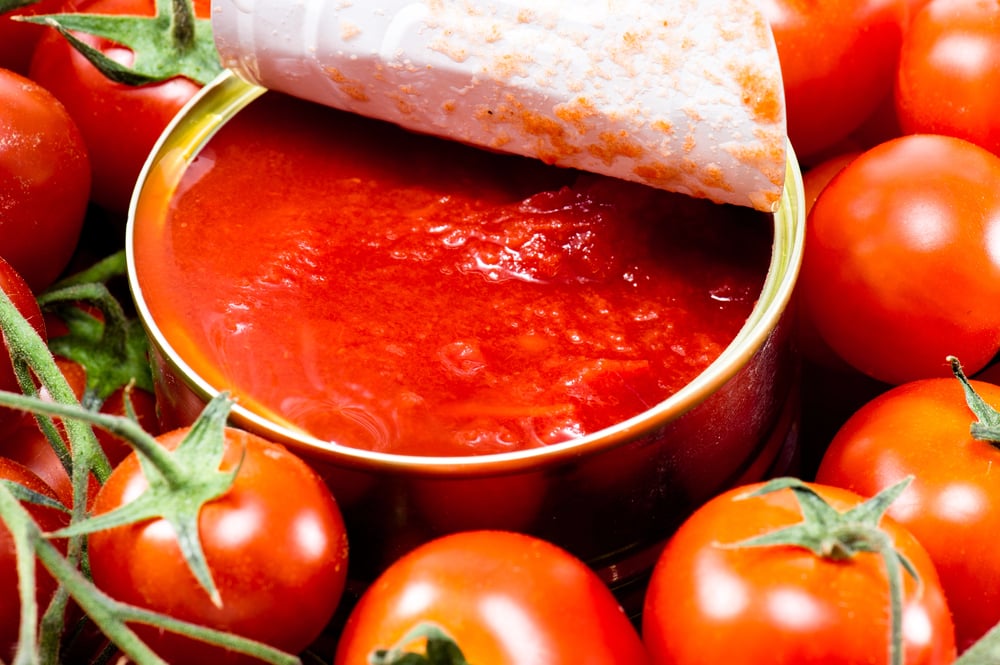
Using canned tomatoes in Italian cooking feels like a tradition stretching back hundreds of years, but canning technology only became practical in the 19th century. Before that, Italian cooks preserved tomatoes through drying or other methods, and many ‘traditional’ recipes relied on fresh tomatoes entirely.
The widespread use of canned tomatoes in both Italian and Italian-American cooking is really a product of industrial food manufacturing from the 1900s onward. The recipe might be old; the tin it came from is not.
Energy Drinks

Energy drinks feel like a product of the 21st century, tied to extreme sports and late-night gaming sessions. But the concept has been around since the 1960s, when a Japanese drink called Lipovitan launched in 1962.
Red Bull came along in 1987 in Austria and entered the U.S. market in 1997. The category is older than most people in their 30s. What changed over time is mostly the packaging, marketing, and caffeine content.
Hummus and Pita as a Western Snack Pairing

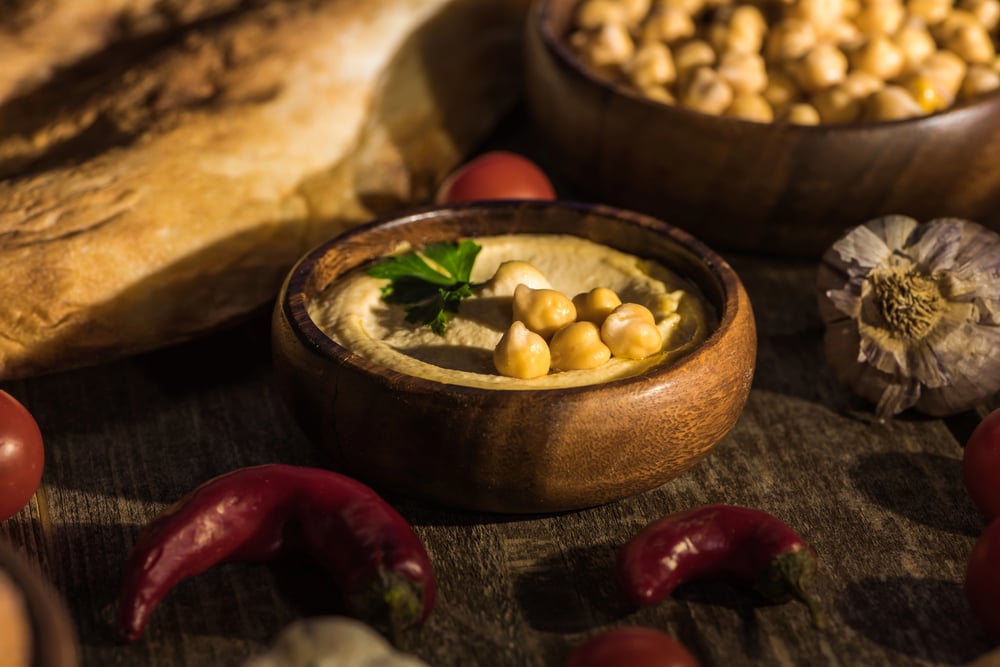
Pita bread is ancient, and hummus has real history behind it too. But the specific habit of serving store-bought hummus alongside soft pita as a casual snack or restaurant appetizer in Western countries is a trend that really only took hold in the 1980s and 1990s.
Packaged hummus only became widely available in American grocery stores around that time. The ‘timeless mezze platter’ that feels so deeply traditional at modern restaurants is, in large part, a recent product of food marketing.
What ‘Traditional’ Really Means
Food tradition moves faster than most people think. A dish can go from brand new to ‘classic’ within a single generation, especially when it tastes good and gets repeated often enough.
Pad Thai took roughly 30 years to feel like an ancient staple. Fortune cookies took about the same time to feel authentically Chinese to most Americans. The next great ‘traditional’ food might already be sitting in someone’s kitchen right now, waiting for a good story and enough time to feel like it has always been there.
More from Go2Tutors!

- The Romanov Crown Jewels and Their Tragic Fate
- 13 Historical Mysteries That Science Still Can’t Solve
- Famous Hoaxes That Fooled the World for Years
- 15 Child Stars with Tragic Adult Lives
- 16 Famous Jewelry Pieces in History
Like Go2Tutors’s content? Follow us on MSN.