15 Army Medals With The Most Unique And Striking Designs
Military honors tell stories through metal and ribbon. While some medals follow predictable patterns of eagles and laurel wreaths, others break the mold entirely.
These designs capture attention not just for their craftsmanship, but for the unexpected creative choices that make them unmistakable at first glance.
Medal Of Honor
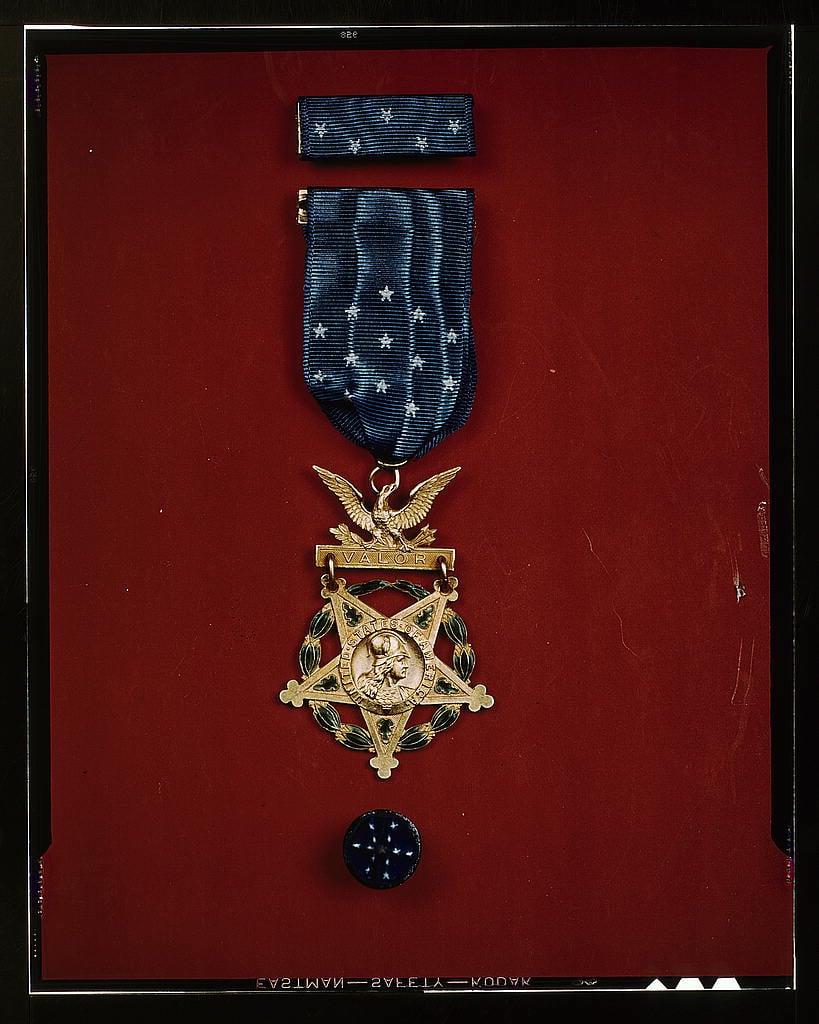
The Medal of Honor doesn’t look like other military decorations because it was never meant to. Where most medals hang from simple ribbons, this one suspends from a pale blue silk ribbon that feels more ceremonial than martial.
The five-pointed star design, surrounded by a wreath of green enamel oak leaves, creates something that looks almost delicate for the nation’s highest military award.
Distinguished Service Cross
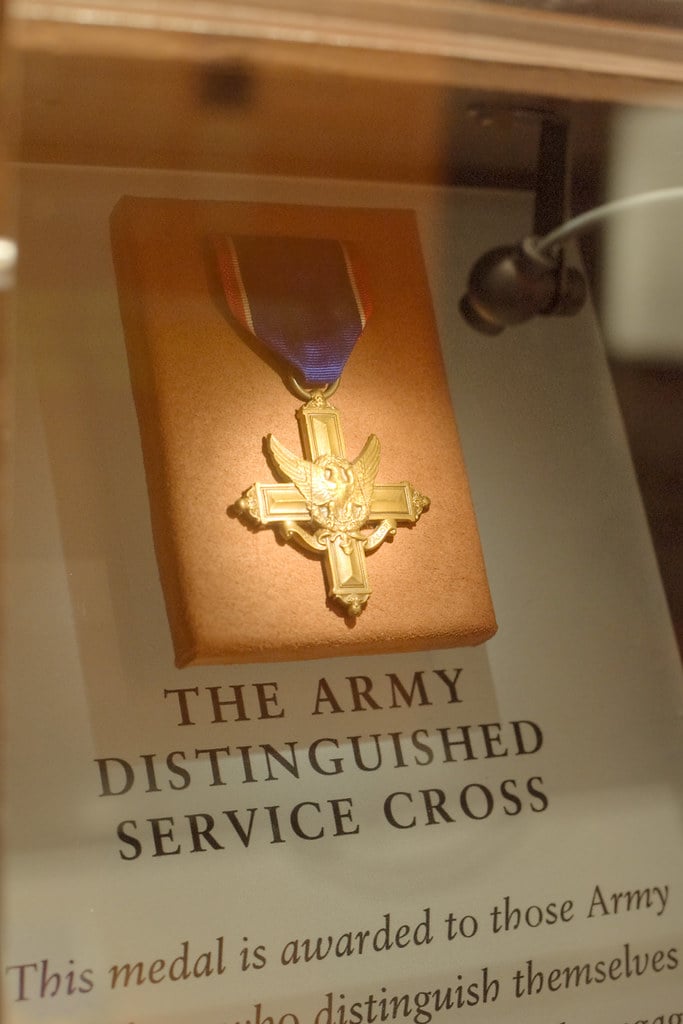
Most military medals try to look imposing. The Distinguished Service Cross does the opposite.
The bronze cross sits simply against a ribbon of red, white, and blue stripes, but the proportions feel deliberate in a way that makes you look twice. No elaborate flourishes, no gold plating – just clean lines that somehow carry more weight than medals twice its size.
Silver Star
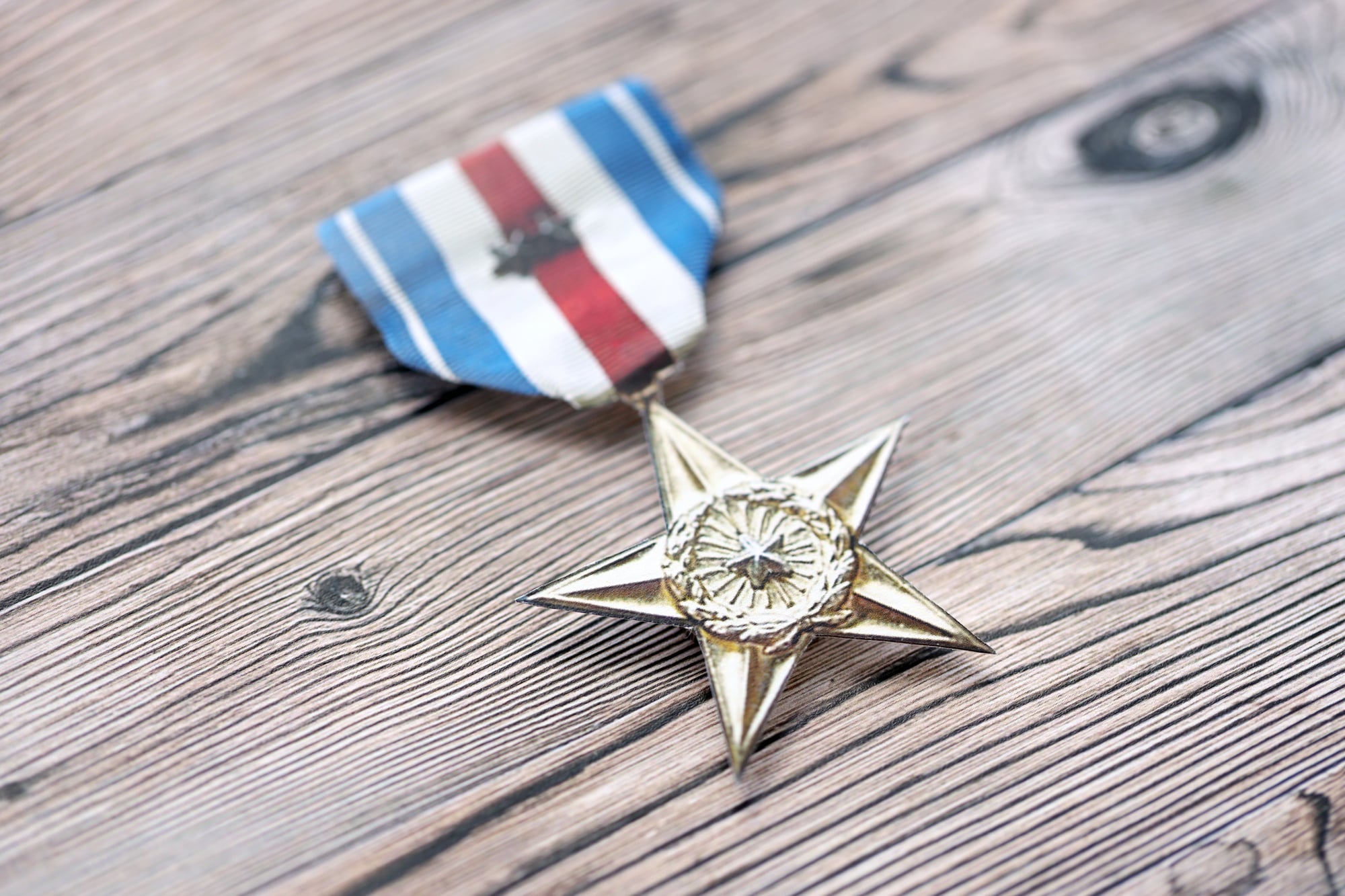
The Silver Star proves that sometimes the most obvious choice (a five-pointed silver star, naturally) becomes iconic precisely because of its restraint, though the way it catches light makes it impossible to ignore when pinned to a uniform. And the ribbon – those thin red, white, and blue stripes arranged in a pattern that’s almost nautical – feels like it belongs on something maritime rather than terrestrial, which (when you think about it) makes perfect sense for a medal that recognizes acts of courage that feel otherworldly.
The star itself hangs without any additional ornamentation, no wreath or backing or elaborate suspension – just the star, doing what stars do: shining.
Bronze Star Medal
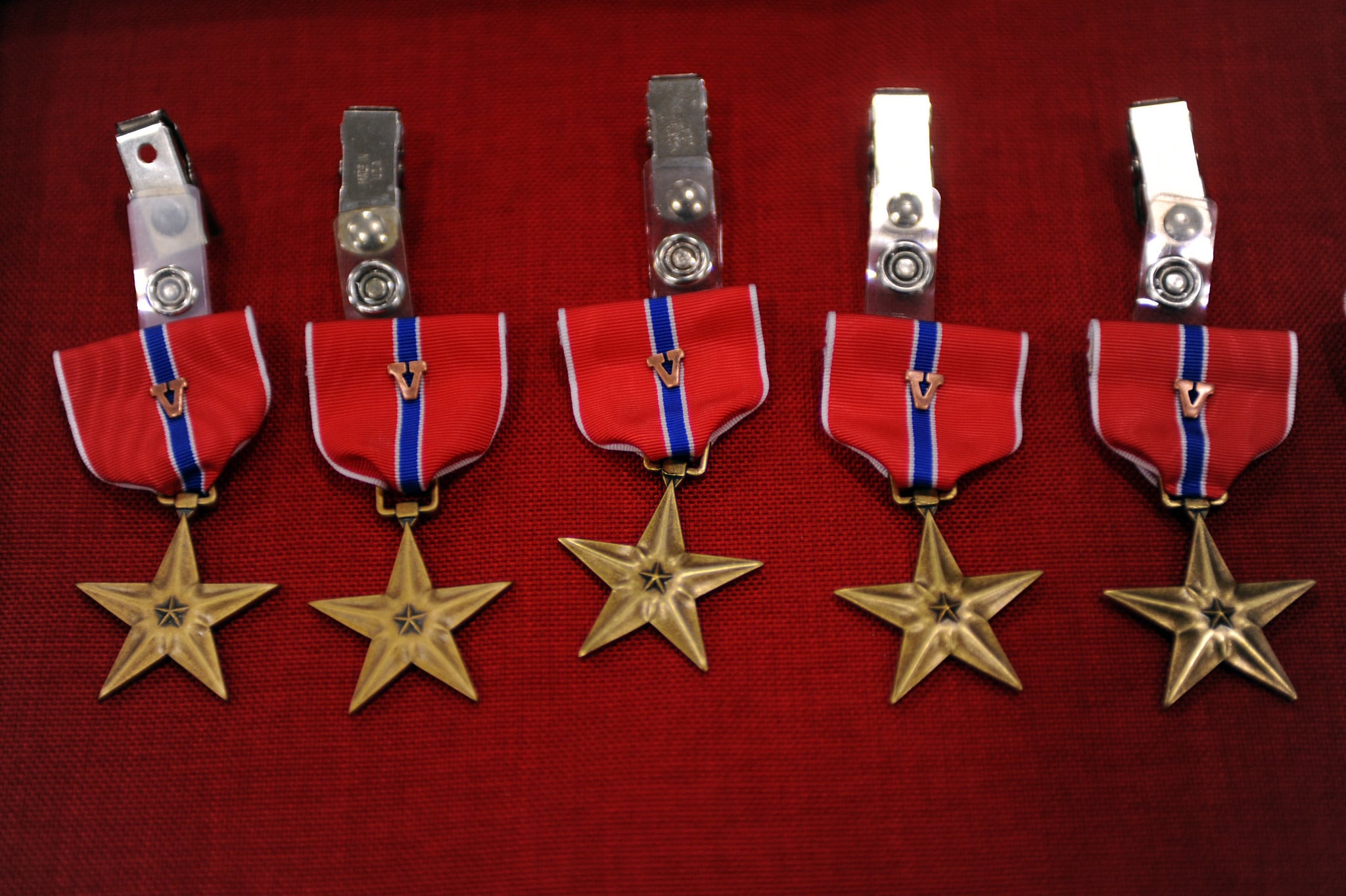
There’s something almost rebellious about the Bronze Star’s design. Military medals typically reach for gold or silver, but this one embraces bronze with an confidence that borders on stubborn.
The star itself contains a smaller bronze star at its center, surrounded by rays that extend to each point. It’s a design that doubles down on its own symbolism rather than trying to be something else.
Purple Heart
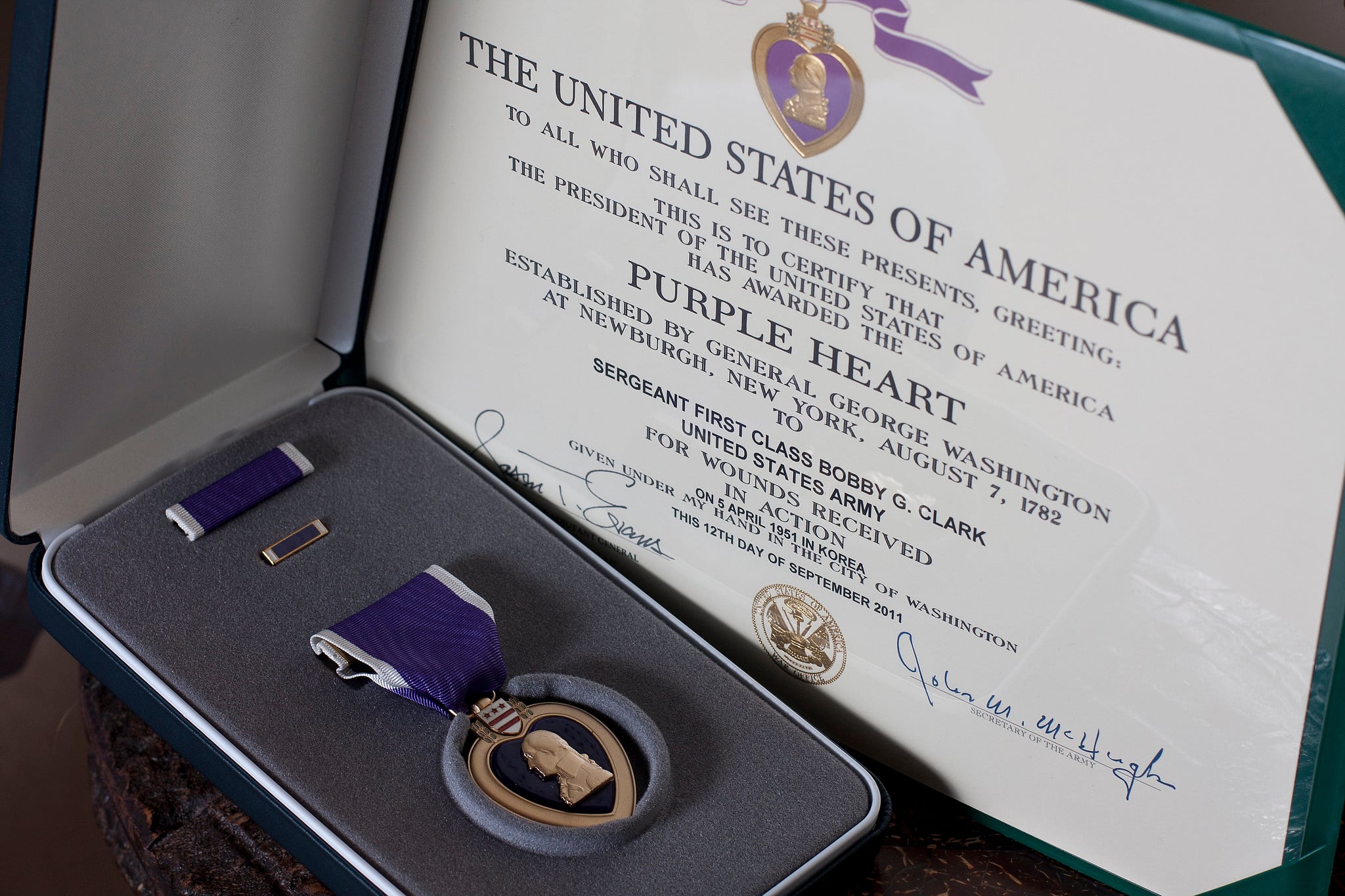
The Purple Heart is instantly recognizable among rows of circular and star-shaped medals, and the heart shape alone makes it unforgettable. The profile of Washington in the center, surrounded by purple enamel, creates something that looks more like a piece of historical jewelry than a modern military decoration.
The fact that it’s awarded for wounds received in combat gives the heart shape an additional layer of meaning that feels almost too literal to be accidental. Established in its current form in 1932, the Purple Heart became the oldest military decoration still in use by the United States armed forces.
Air Medal
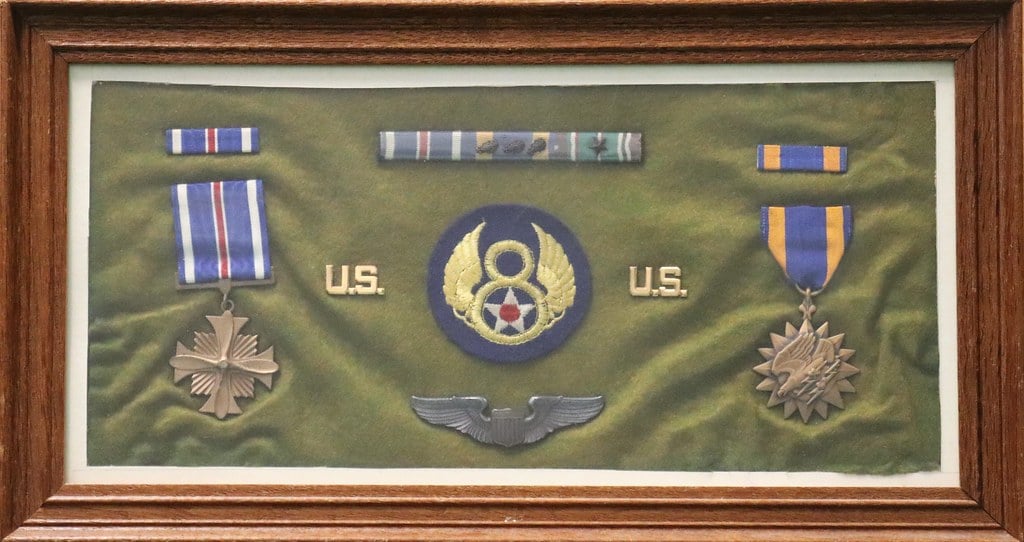
Flying has always existed somewhere between mechanical precision and pure poetry, and the Air Medal captures that tension in a way that feels almost accidental – the compass rose design with its sixteen points radiating outward suggests both navigation and explosion, order and chaos, the careful plotting of flight paths and the spectacular unpredictability of aerial combat. The bronze compass sits against a ribbon of ultramarine blue and golden orange stripes that evoke both sky and sunset, though the colors feel slightly off from what you’d expect, as if the designer was working from memory rather than observation.
But that’s what makes it work: it doesn’t try to literally represent flight so much as capture the feeling of it.
Army Commendation Medal
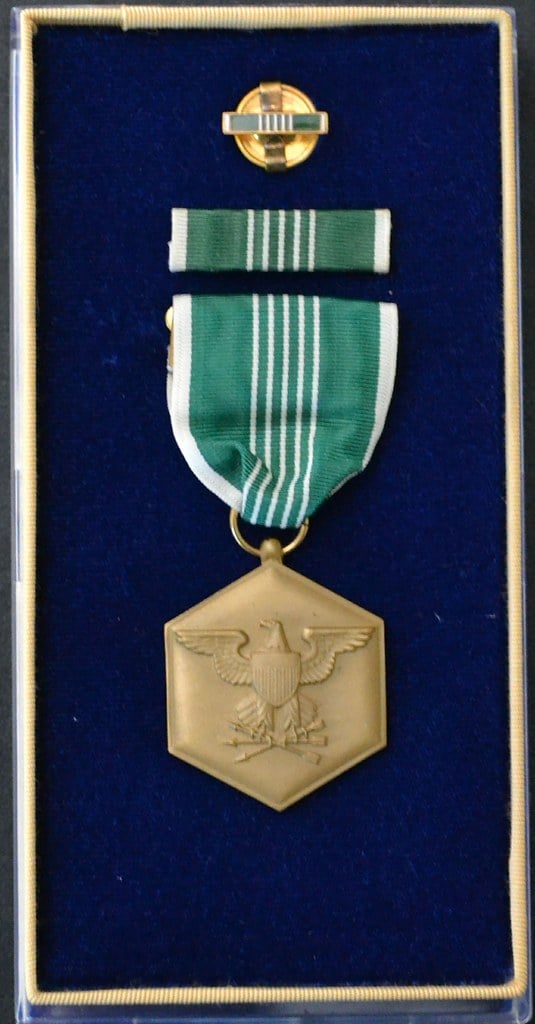
The Army Commendation Medal succeeds because it refuses to take itself too seriously. The hexagonal bronze medal features an eagle in flight, but the proportions feel almost playful compared to the stern eagles found on other military decorations.
The ribbon’s alternating green and white stripes create a clean, almost civilian look that stands out among the more traditional military color schemes.
Army Achievement Medal
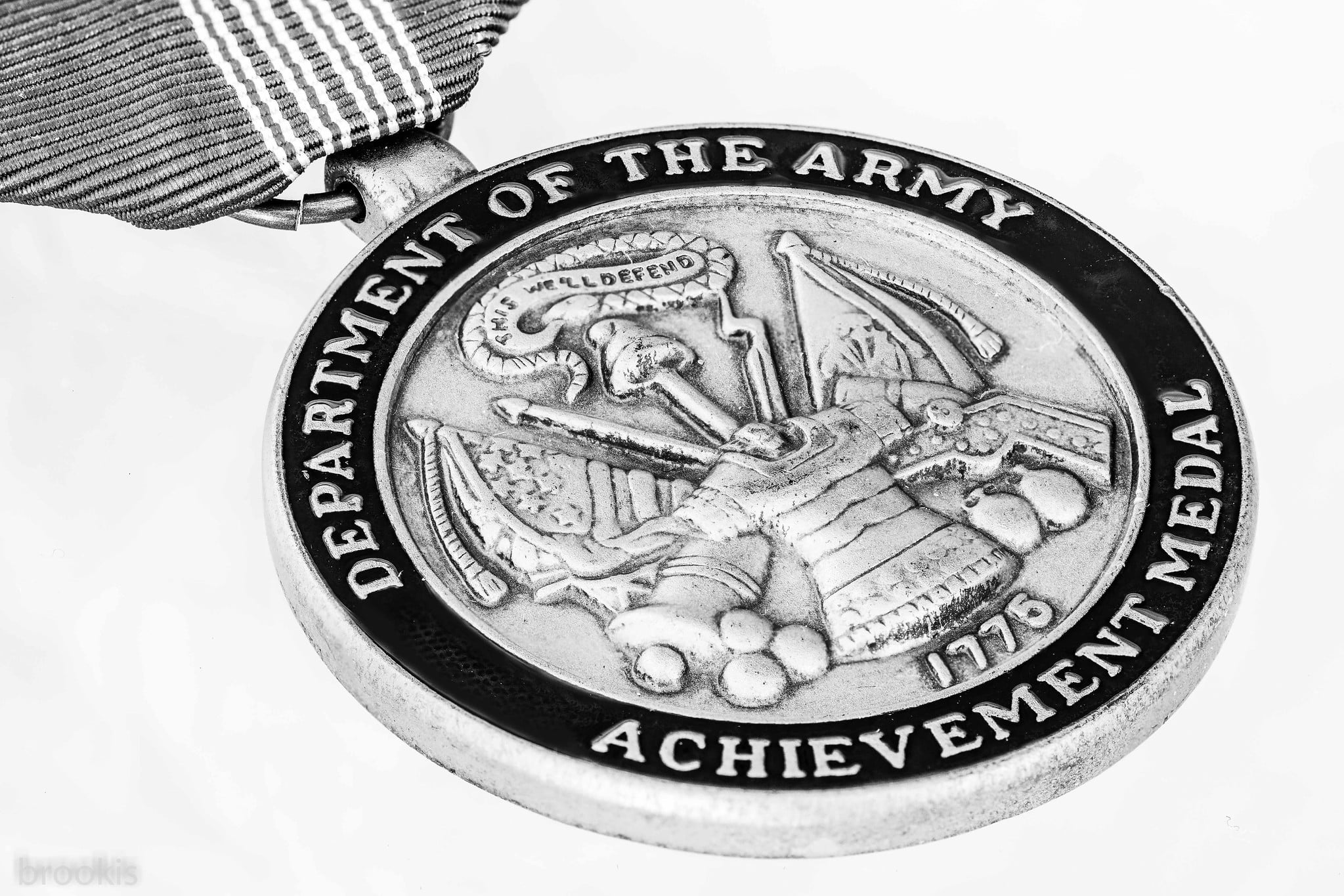
The Army Achievement Medal gets overlooked, which is exactly why it deserves attention. The design features a four-pointed star with each point containing different military symbols – crossed cannons, a tank, an airplane, and a ship.
It’s busy in a way that most military medals avoid, but the complexity works because each element tells part of a larger story about joint military operations.
Joint Service Commendation Medal
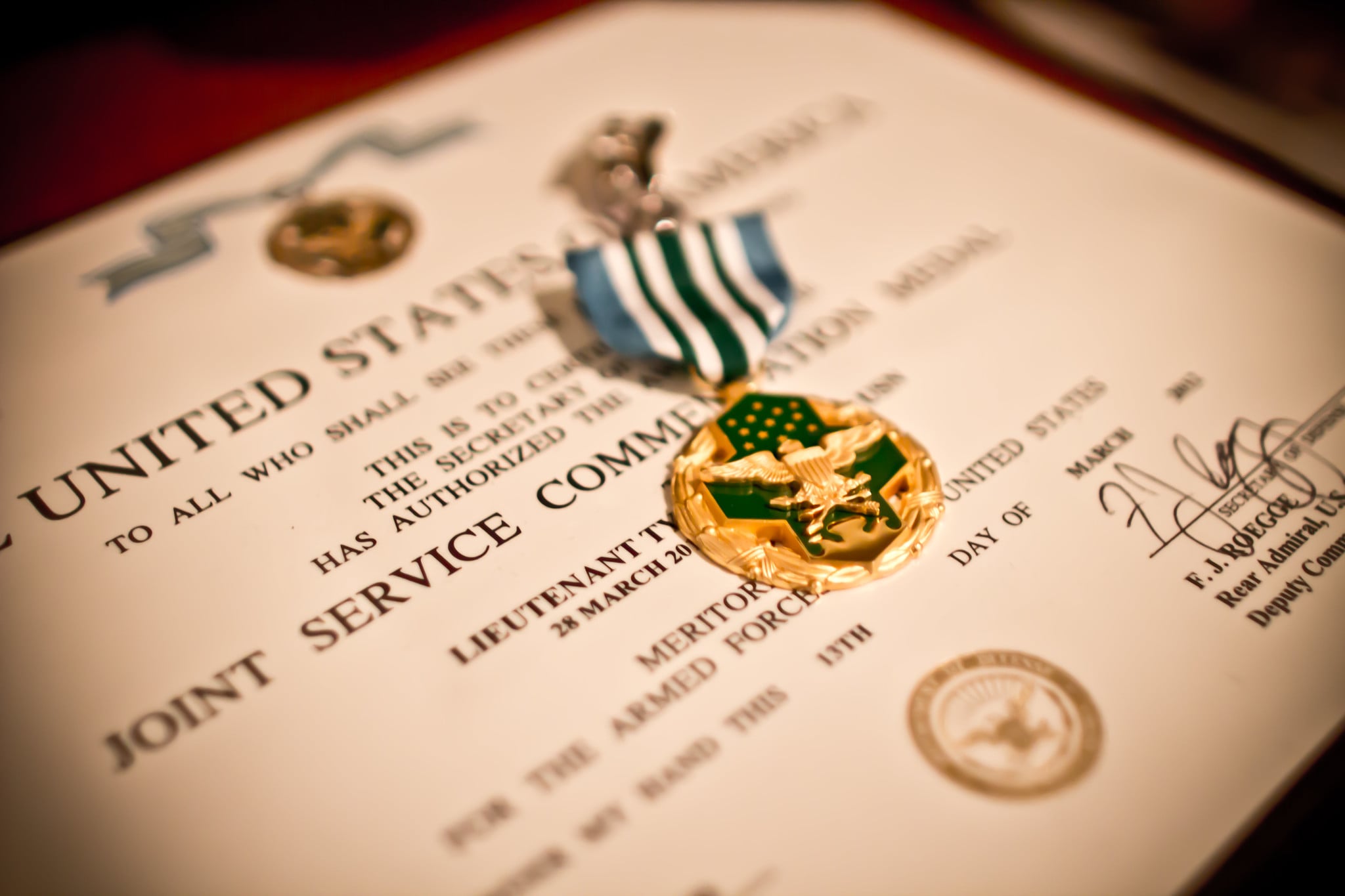
Joint operations require compromise, and the Joint Service Commendation Medal reflects that reality in its design, though not in ways that feel watered down or committee-driven – instead, the bronze medal features an eagle with wings spread over representations of land, sea, and air operations, creating something that acknowledges complexity without being overwhelmed by it. The ribbon combines colors from each service branch (Army green, Navy blue, Air Force blue, and Marine red) in thin stripes that somehow avoid looking like a flag from a small European nation.
So the overall effect suggests cooperation rather than competition. The eagle itself looks less aggressive than most military eagles, more like it’s conducting an orchestra than preparing for battle.
Joint Service Achievement Medal
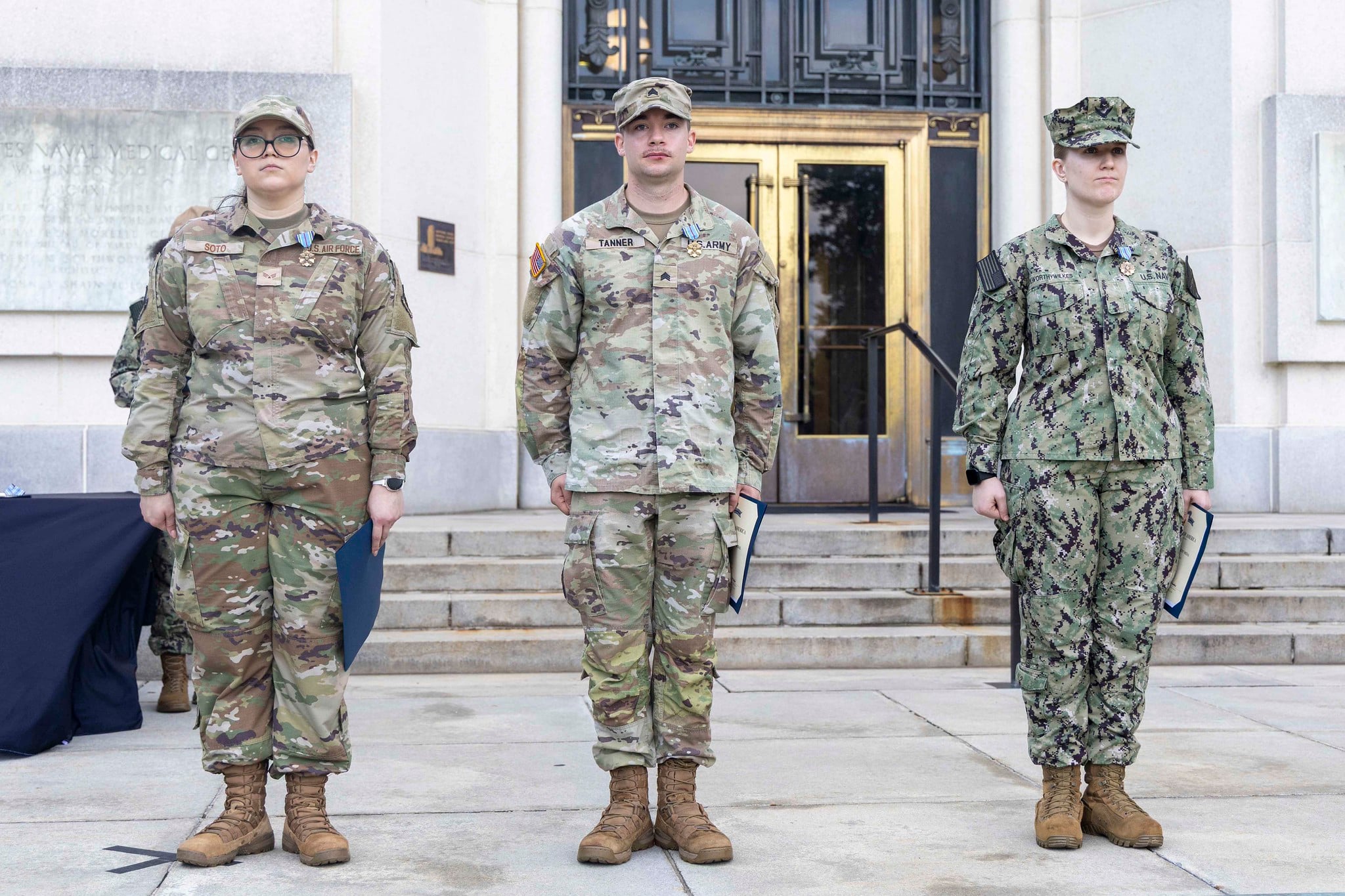
The Joint Service Achievement Medal takes a minimalist approach that feels almost Scandinavian in its restraint. The design centers around a stylized eagle with wings that extend nearly to the edges of the circular bronze medal.
The ribbon’s alternating purple and white stripes create an unexpectedly regal appearance that sets it apart from more traditional military color schemes.
Army Good Conduct Medal
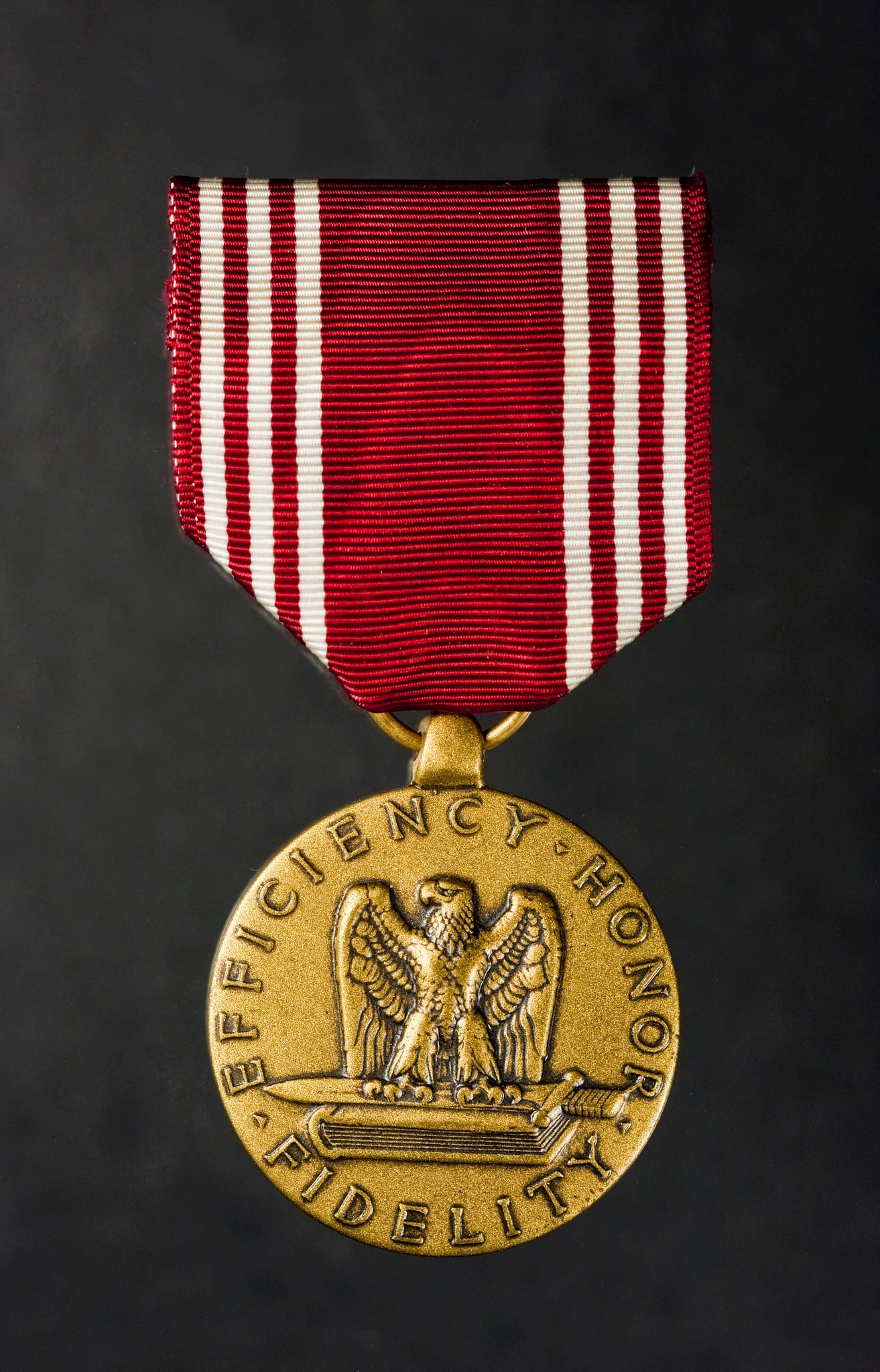
Good conduct sounds boring until you see how the medal represents it. The design features a standing eagle perched on a fasces (a bundle of rods) with the word “HONOR” inscribed below.
The symbolism feels Roman in its directness, while the ribbon’s simple red center stripe flanked by white and blue creates one of the cleanest looks in military decorations. It’s a medal that makes virtue look dignified rather than dull.
National Defense Service Medal
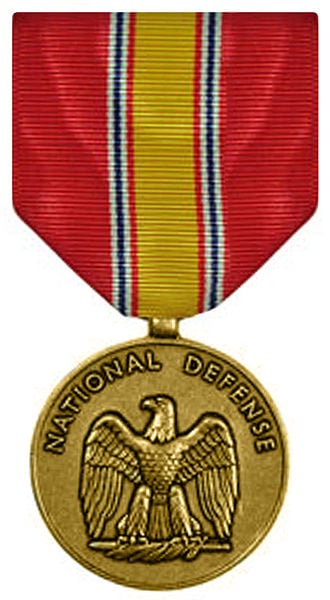
The National Defense Service Medal might be the most geometric military decoration ever created, with its bronze medal featuring a shield flanked by sprays of oak and laurel leaves arranged in perfect symmetry, creating something that looks more like an Art Deco architectural element than traditional military regalia. The ribbon’s red, white, and blue stripes are arranged in a pattern that manages to suggest the American flag without copying it directly (a trick that sounds simple but proves surprisingly difficult in practice).
But the real genius lies in how the design suggests readiness rather than action – this is a medal for being prepared to serve, not for having served in a specific conflict. The shield dominates the composition, sturdy and protective rather than aggressive.
Antarctic Service Medal
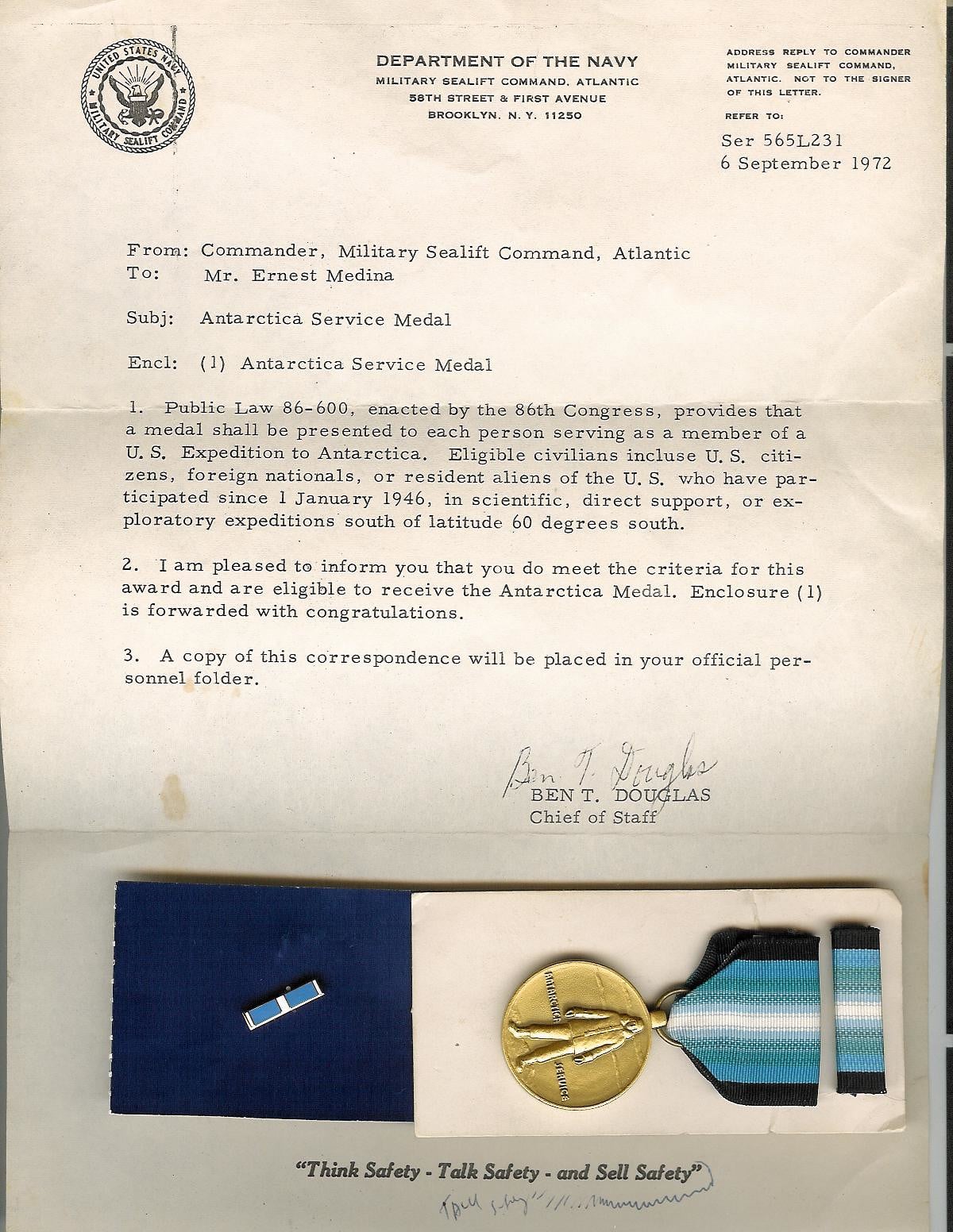
Antarctica deserves its own medal, and the Antarctic Service Medal delivers exactly what the continent demands: something that looks like it belongs in a museum of polar exploration. The bronze medal features a stylized penguin (yes, really) standing on ice, surrounded by the inscription “COURAGE, SACRIFICE, DEVOTION.”
The ribbon’s orange and blue stripes evoke sunrise over ice fields. It’s the only military medal that features a penguin, which automatically makes it the most distinctive.
Armed Forces Expeditionary Medal
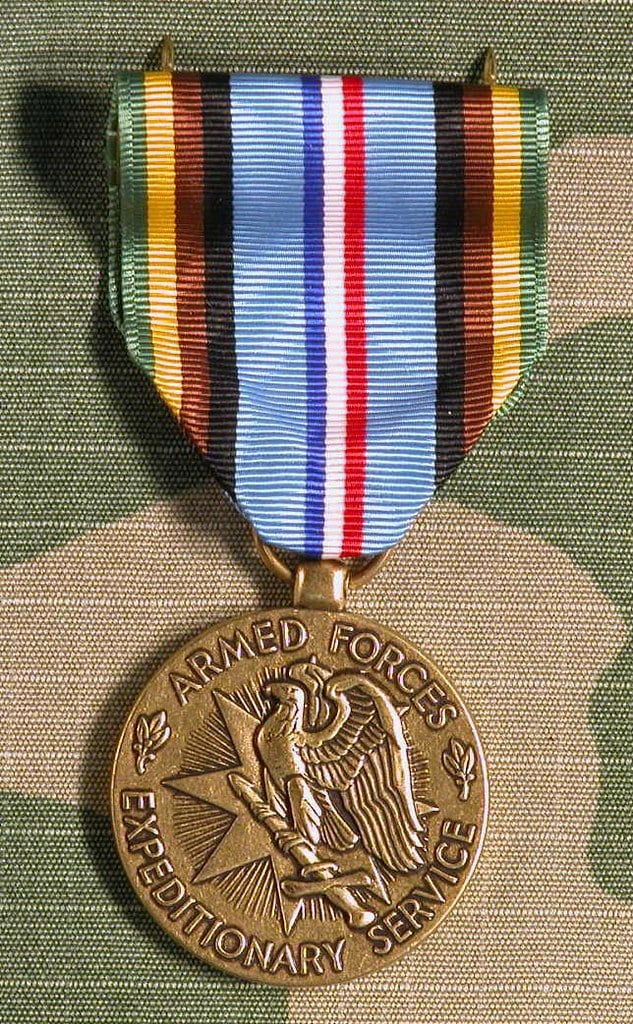
The Armed Forces Expeditionary Medal takes the unusual approach of featuring a compass rose as its central design element, with an eagle superimposed over the top. The combination suggests both navigation and military strength, exploration and protection.
The ribbon’s yellow center stripe flanked by green, red, and blue creates one of the more vibrant color combinations in military decorations.
Meritorious Service Medal
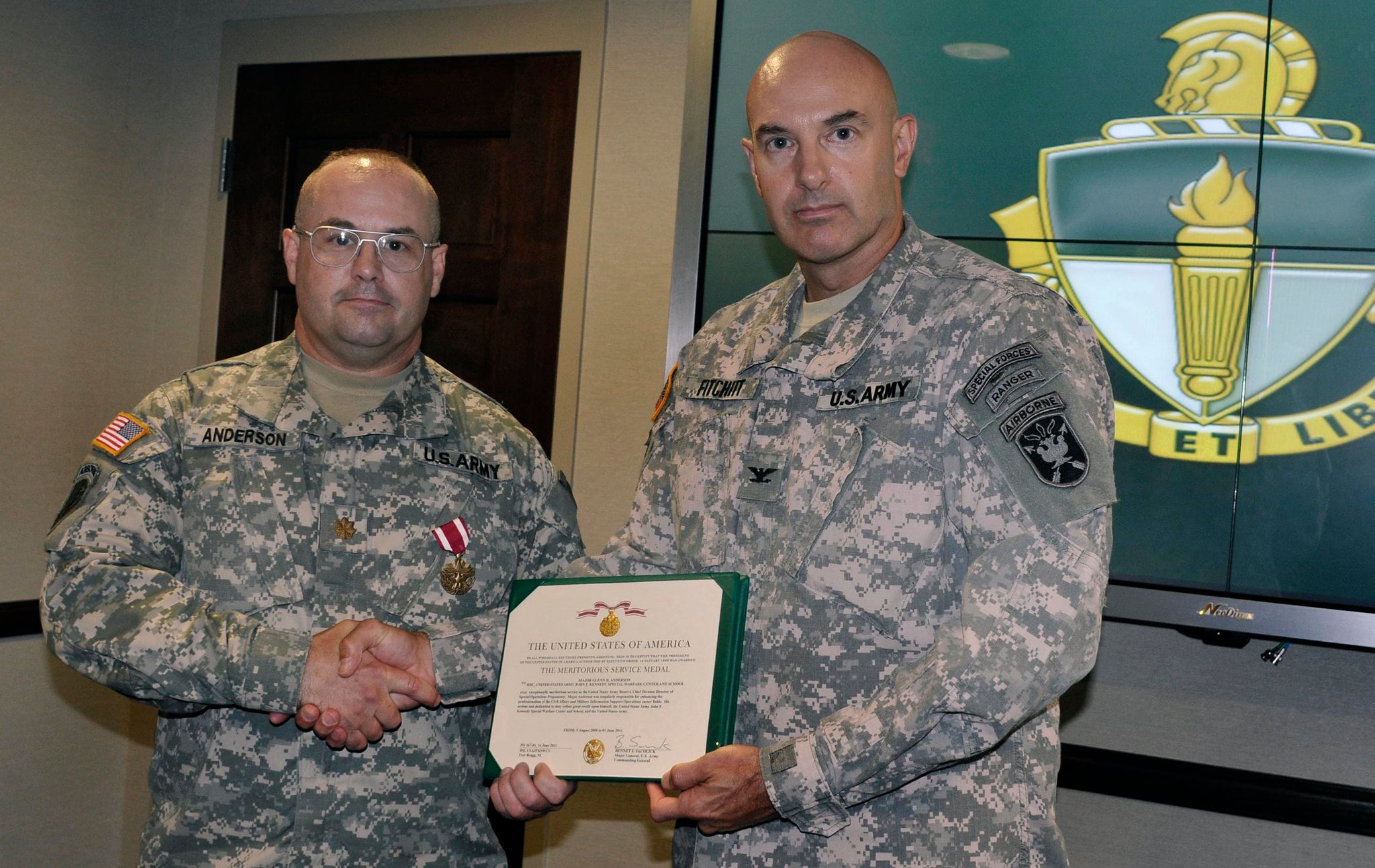
The Meritorious Service Medal closes this list with a design that feels almost corporate in its professionalism, which turns out to be exactly right for a medal that recognizes outstanding non-combat achievement, the kind of behind-the-scenes excellence that keeps military operations running smoothly but rarely makes headlines. The bronze medal features an eagle with wings spread over six smaller stars arranged in a circular pattern, creating something that suggests both authority and teamwork.
And the ribbon – those burgundy and white stripes – looks serious without being somber, important without being flashy. It’s the visual equivalent of a well-tailored business suit: understated, but undeniably impressive when you know what to look for.
Recognition Beyond The Battlefield
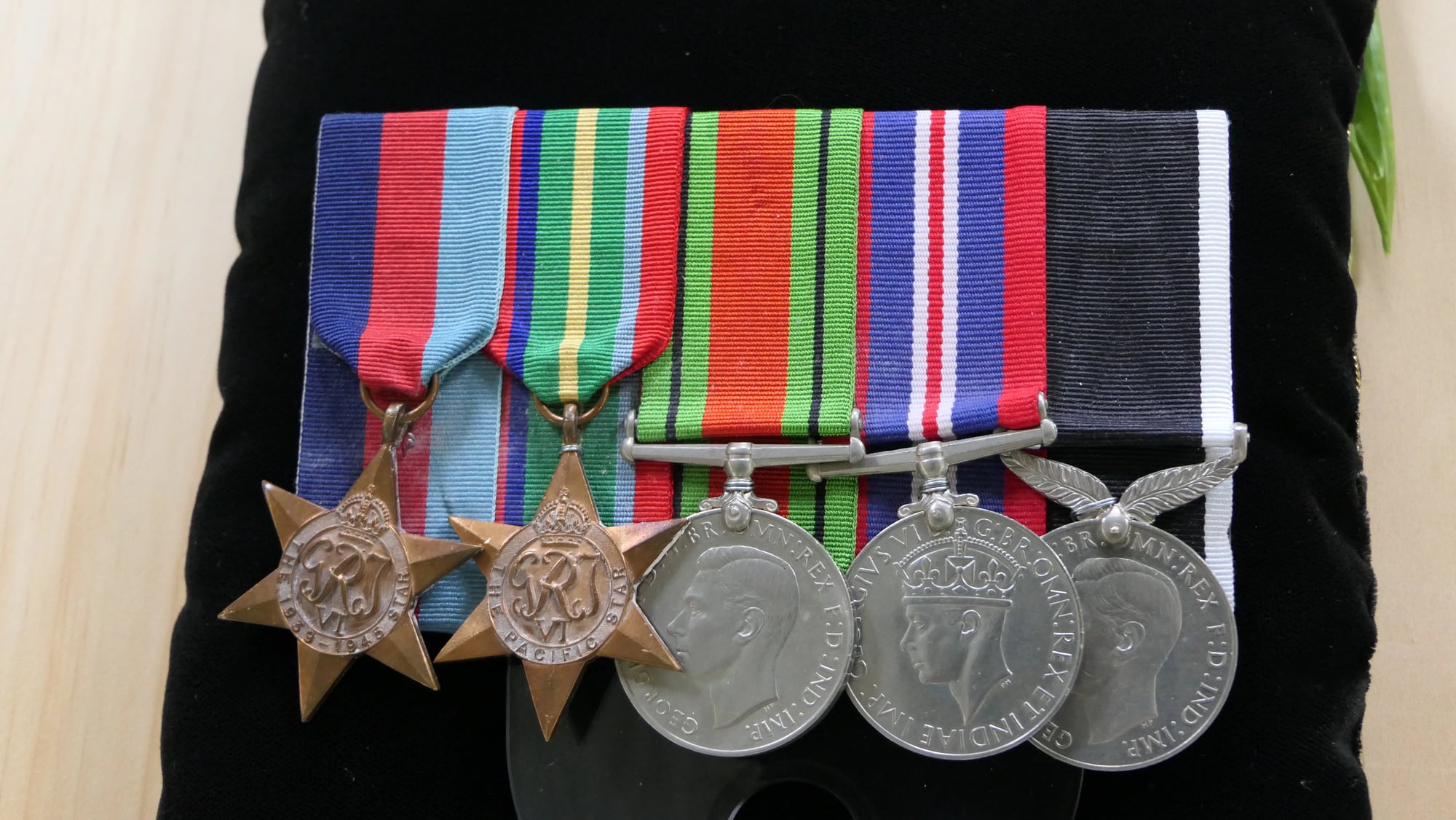
These medals prove that military design can be both functional and beautiful, ceremonial and personal. Each one carries stories of service that deserve to be told through more than words alone.
The best military decorations understand that recognition requires more than just acknowledgment – it demands artistry that honors both the deed and the person who performed it.
More from Go2Tutors!

- The Romanov Crown Jewels and Their Tragic Fate
- 13 Historical Mysteries That Science Still Can’t Solve
- Famous Hoaxes That Fooled the World for Years
- 15 Child Stars with Tragic Adult Lives
- 16 Famous Jewelry Pieces in History
Like Go2Tutors’s content? Follow us on MSN.