17 Little-Known Laws That Still Exist
Outdated regulations that have somehow persisted into the present day are found in legal codes across the United States. Despite their obvious obsolescence, these forgotten statutes frequently persist despite the fact that most laws have defined goals.
Legislative fossils are preserved reminders of historical issues, cultural changes, or merely oversight by the government. Here is a list of 17 peculiar laws that still apply in modern society, despite their peculiarity or seeming pointlessness.
Tying Giraffes to Lamp Posts

Atlanta, Georgia still maintains a statute making it illegal to tie a giraffe to any street lamp or telephone pole. This peculiar legislation dates back to the early 1900s – when traveling circuses regularly passed through southern towns.
The impressive height of giraffes would sometimes damage overhead electrical wires when secured to poles, creating genuine hazards for local residents.
Ice Cream Cone in Pocket

It is technically illegal to carry an ice cream cone in your back pocket, according to a strange clause in Kentucky’s legal code. This peculiar regulation was first implemented in the 1800s when horse thieves came up with inventive ways to evade dirty clothes.
They wouldn’t actually be ‘stealing’ horses because they would just follow the alluring aroma of the tasty snacks they put in their pockets.
Walking Backwards After Sunset

Connecticut maintains a municipal regulation prohibiting backwards walking after sunset without reasonable cause. Though rarely enforced, this law emerged from legitimate public safety concerns – specifically during the pre-streetlight era when reversed ambulation could result in serious accidents.
Modern illumination infrastructure has rendered this restriction practically meaningless, though it persists in several local codes.
Forks and Fishing

Harassing aquatic life is expressly prohibited by Washington state’s fishing statutes, which also specifically prohibit using forks to catch fish in freshwater streams. Despite its humorous appearance, this protection raises important environmental issues.
The goal of legislation is to protect delicate ecosystem balance by protecting endangered fish populations from unconventional or potentially hazardous catching practices.
No Handshaking After Swimming

Shaking hands with someone who has just done swimming is prohibited by ordinance in a number of New Hampshire districts. This regulation dates back to public health campaigns in the early 20th century, when medical officials were concerned about the spread of aquatic pathogens.
It is not just a matter of social politeness. These issues have been almost resolved by modern water treatment methods, yet the rule is still in place.
Pet Tigers in Apartments

New York City’s administrative code specifically prohibits – by exact name – keeping tigers in residential apartments. What seems like obvious common sense became necessary legislation after several documented incidents in the early 2000s when residents actually maintained wild felines in urban dwellings.
The regulation now explicitly identifies tigers rather than relying on general exotic animal provisions.
No Eating Fried Chicken With Utensils

Gainesville, Georgia maintains one of America’s most peculiar culinary regulations: it’s technically unlawful to consume fried chicken using anything except your fingers. This statute began as a promotional publicity stunt in 1961 but remains officially codified decades later.
Local lore includes a humorous incident where authorities ‘arrested’ a tourist for using a fork with her chicken dinner.
Silly String Prohibition

Southington, Connecticut’s municipal code contains a specific ban on using aerosol string products in public spaces. Municipal authorities implemented this regulation after experiencing significant maintenance challenges following community celebrations.
The synthetic polymer creates substantial environmental concerns and municipal sanitation expenses that prompted its explicit prohibition.
Whale Hunting Inland

Tennessee legislation contains a curious statute: hunting whales is expressly forbidden, despite the state being completely landlocked hundreds of miles from any ocean. This legal anomaly represents legislative overreach, where lawmakers adopted comprehensive wildlife protection codes without removing geographically irrelevant sections.
No Tennessee resident has ever faced prosecution for this geographically impossible violation.
Moose From Aircraft

Alaska’s hunting regulations include an oddly specific prohibition—pushing moose from aircraft is strictly forbidden. Yet this unusual restriction addresses actual historical incidents when unethical hunters would use aircraft to drive wildlife toward waiting hunting parties.
Contemporary conservation frameworks have established stringent limitations surrounding mechanically assisted hunting methods.
Parking Meter Feeding
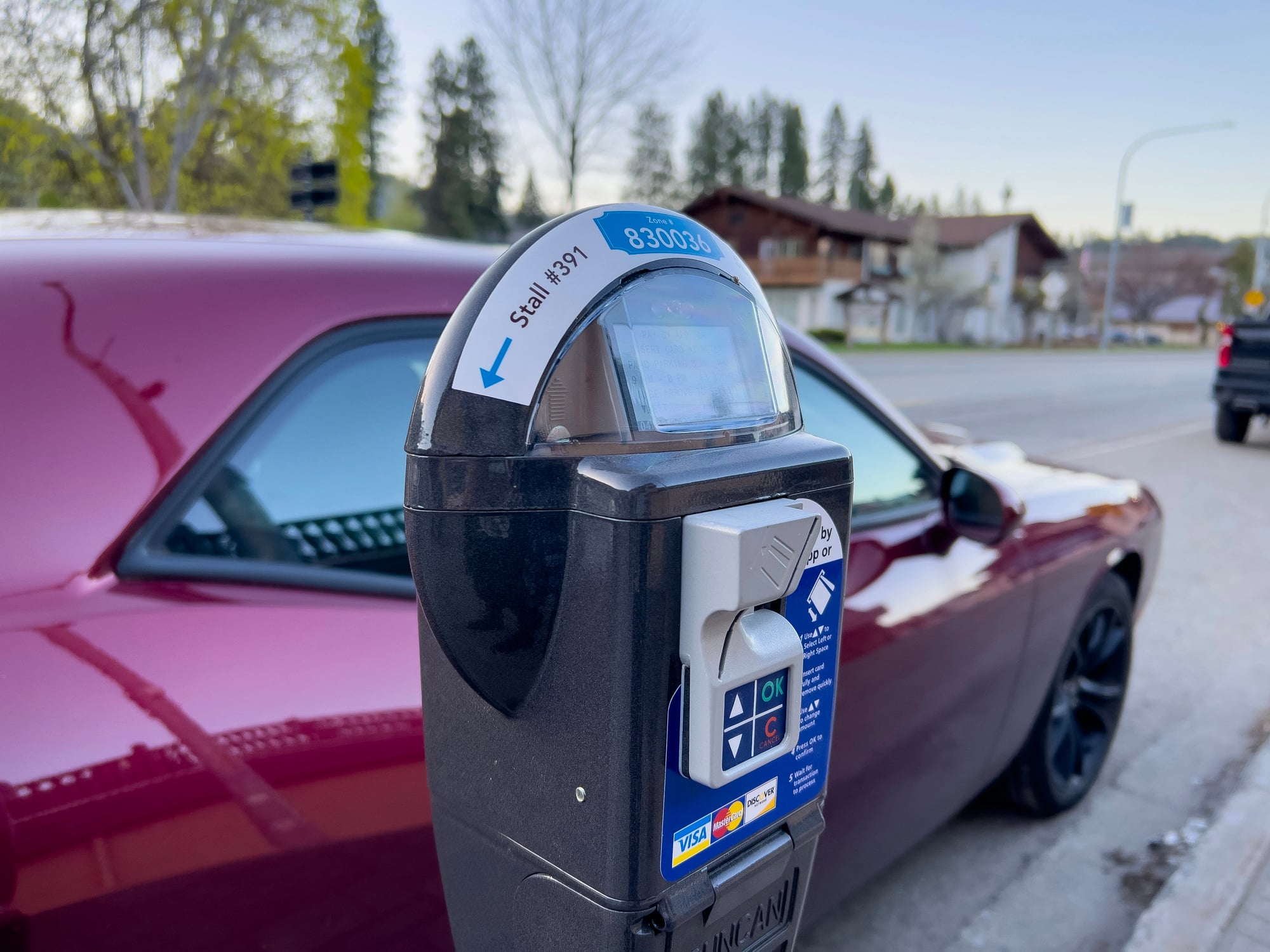
Numerous metropolitan areas maintain ordinances prohibiting the practice of adding coins to expired or nearly-expired parking meters that aren’t yours. While seemingly counterintuitive, these regulations serve practical urban management purposes.
Parking authorities implemented these restrictions to ensure appropriate turnover of limited parking inventory in congested downtown zones.
No Backyard Flamingos

Madison, Wisconsin previously maintained aesthetic regulations prohibiting plastic lawn flamingos from adorning front yards until policy reversal in 2009. This restriction originated from community appearance standards regarding neighborhood aesthetics.
Officials eventually rescinded the ban when the pink decorative birds transformed from perceived tacky ornamentation into celebrated cultural symbols.
Unmarried Skydiving

Florida still technically maintains an archaic statute where unmarried women who skydive on Sundays could face potential penalties. This regulation originated from historical “blue laws” designed to enforce appropriate sabbath conduct according to prevailing religious standards.
Though completely unenforced in contemporary society, it remains technically valid within state legislation.
Illegal Garage Sales

In America, homeowners are generally prohibited from hosting more than two or three garage sales each year by residential zoning rules. These restrictions aren’t random; they stop residential buildings from operating as illegal retail spaces.
It may be necessary for homeowners who sell frequently to obtain the appropriate business license and to pay the relevant sales taxes.
Donut Sharing Prohibited

Lehigh, Nebraska maintains a curious local regulation against sharing donuts with neighbors residing on identical streets. This unusual restriction emerged during 1950s public health initiatives addressing communal food sharing during localized disease outbreaks.
Contemporary food safety protocols have obviously superseded such concerns, yet the statute persists unchanged.
Collecting Rainwater

Colorado and several western jurisdictions previously maintained complete prohibitions against collecting precipitation falling on private property until recent legislative reforms. These seemingly restrictive policies reflect complex water appropriation frameworks in drought-susceptible regions.
Recent amendments now permit limited collection practices, though substantial regulations still govern permissible water harvesting volumes.
No Walking While Eating

Carmel, California maintains municipal regulations prohibiting ice cream consumption while traversing public sidewalks. The restriction originated during the 1920s municipal beautification campaigns designed to prevent melting dairy products from creating sidewalk sanitation issues.
Despite modern waste management capabilities, this regulation continues within current municipal statutes.
The Persistence of Peculiarity

These legal oddities serve as a reminder that statutory frameworks frequently survive the circumstances that led to their creation or their original intent. As society changes, regulations that once addressed valid concerns might become intriguing anachronisms.
These legislative curiosities, despite their seldom enforcement, provide intriguing insights into our regulatory past and the occasionally peculiar interplay between governmental power and daily existence.
More from Go2Tutors!

- The Romanov Crown Jewels and Their Tragic Fate
- 13 Historical Mysteries That Science Still Can’t Solve
- Famous Hoaxes That Fooled the World for Years
- 15 Child Stars with Tragic Adult Lives
- 16 Famous Jewelry Pieces in History
Like Go2Tutors’s content? Follow us on MSN.