Defunct Car Brands That Once Led the Industry
Today’s American automotive scene is very different from what it was a few decades ago. A sea of Fords, Chevys, Toyotas, and Hondas can be seen when you walk through any parking lot.
If you go back fifty or sixty years, however, you would see DeSotos, Packards, and Studebakers occupying those same spots. These weren’t short-lived experiments or obscure startups.
They were well-known companies that proudly sat in driveways across the nation, employed thousands of people, and sponsored racing teams. But they disappeared, one by one.
There is more to the tale of these lost brands than misfortune or business failures. It’s about how everyone else was forced out by the harsh economics of auto manufacturing, changing consumer preferences, and the constant pressure from Detroit’s Big Three.
These are automakers that used to rule American roads but are now only remembered and seen at vintage auto shows.
Oldsmobile

Founded in 1897 by Ransom Eli Olds, Oldsmobile was literally the oldest American car brand when General Motors finally pulled the plug in 2004. Olds built the first mass-produced gasoline car—the 1901 Curved Dash—and later cranked out innovations like the first automatic transmission and the legendary Rocket V8 engine that made muscle cars possible.
But by the 1990s, GM’s strategy of ‘badge engineering’ turned Oldsmobiles into slightly tweaked Chevys and Buicks, and when customers realized they were paying extra for essentially the same car with a different grille, they walked away.
Pontiac
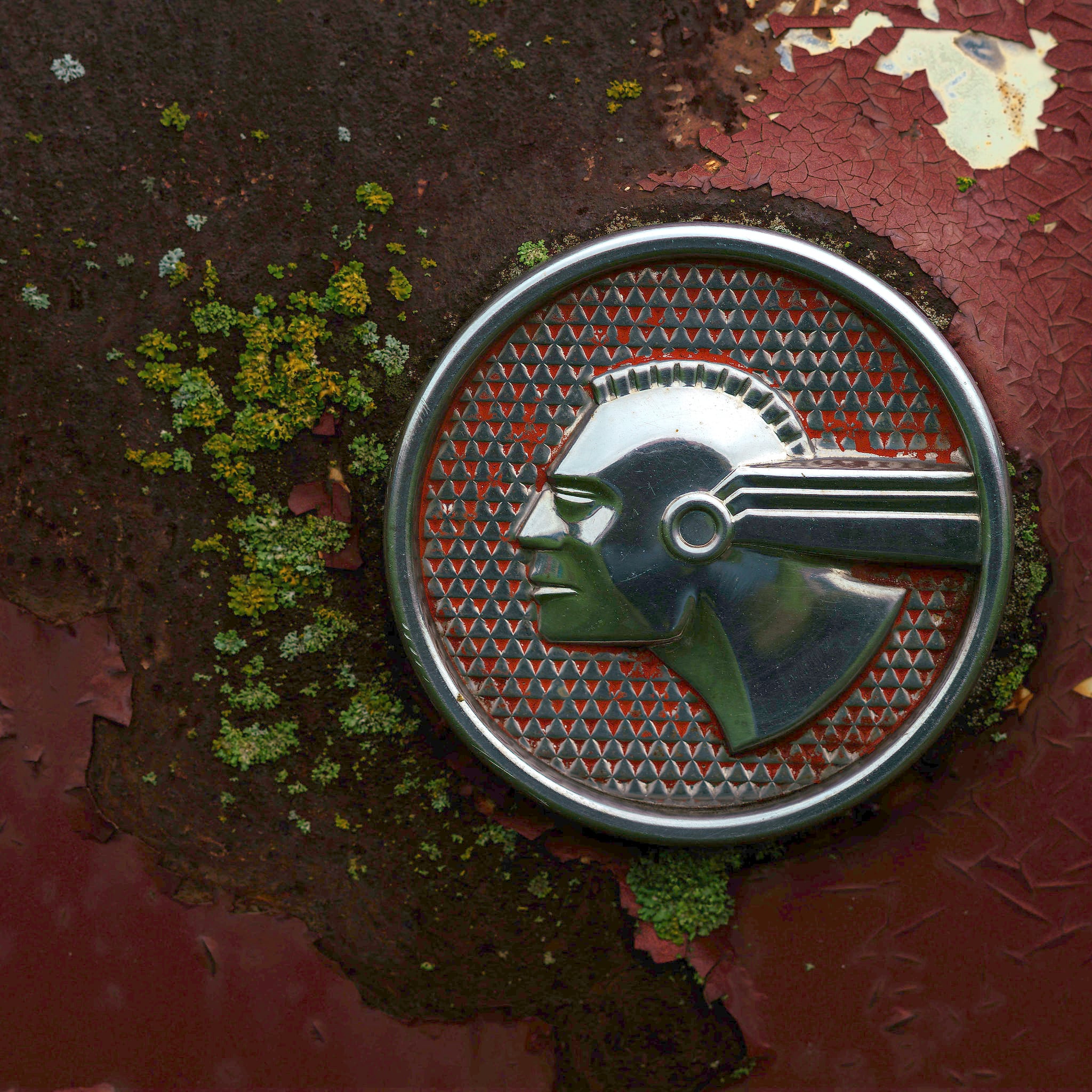
Pontiac was the brand that made driving exciting, starting in 1926 as an affordable alternative to luxury cars before transforming into GM’s performance division in the late 1950s. Under visionary leaders like John DeLorean, Pontiac gave America iconic muscle cars like the GTO, Firebird, and Trans Am—vehicles that looked fast even when standing still.
The 1970s energy crisis and safety regulations chipped away at its performance image, and by the 2000s Pontiac had lost its identity, churning out rebadged Chevrolets until GM’s 2009 bankruptcy sent it to the automotive graveyard.
Like Go2Tutors’s content? Follow us on MSN.
Plymouth

Walter Chrysler launched Plymouth in 1928 to beat Ford and Chevrolet in the affordable car market, and it worked brilliantly—Plymouth became Chrysler’s volume seller and climbed to third place in American car sales by the 1930s. The trouble started in the 1970s when Chrysler began treating Plymouth like a parts bin special, selling rebadged Dodges and Mitsubishis with Plymouth badges slapped on.
Customers noticed the game, sales tanked, and Chrysler discontinued Plymouth in 2001 after 73 years, ending a brand that had once saved the company from extinction.
DeSoto
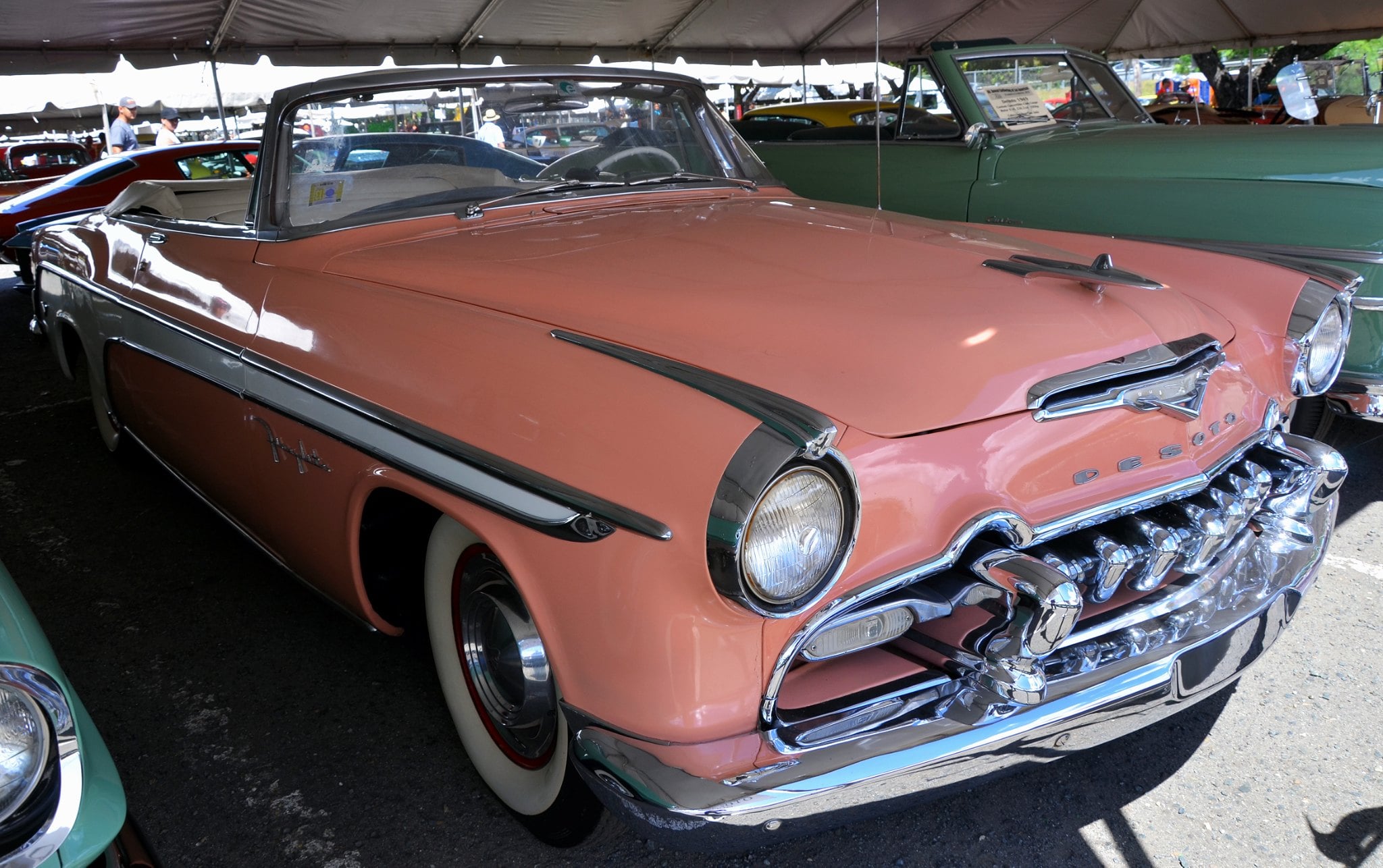
DeSoto had the misfortune of being squeezed from day one—Chrysler created the brand in 1928 to compete in the mid-price market, but just months later bought Dodge, which competed in the exact same price range. The mid-1950s brought a brief moment of glory when designer Virgil Exner’s ‘Forward Look’ made DeSotos stunning, with sales hitting nearly 180,000 in 1957.
Then the 1958 recession slashed sales by 60 percent overnight, and Chrysler announced DeSoto’s end in November 1960, with the final 1961 models leaving dealers stuck with unsold inventory and no compensation.
Mercury
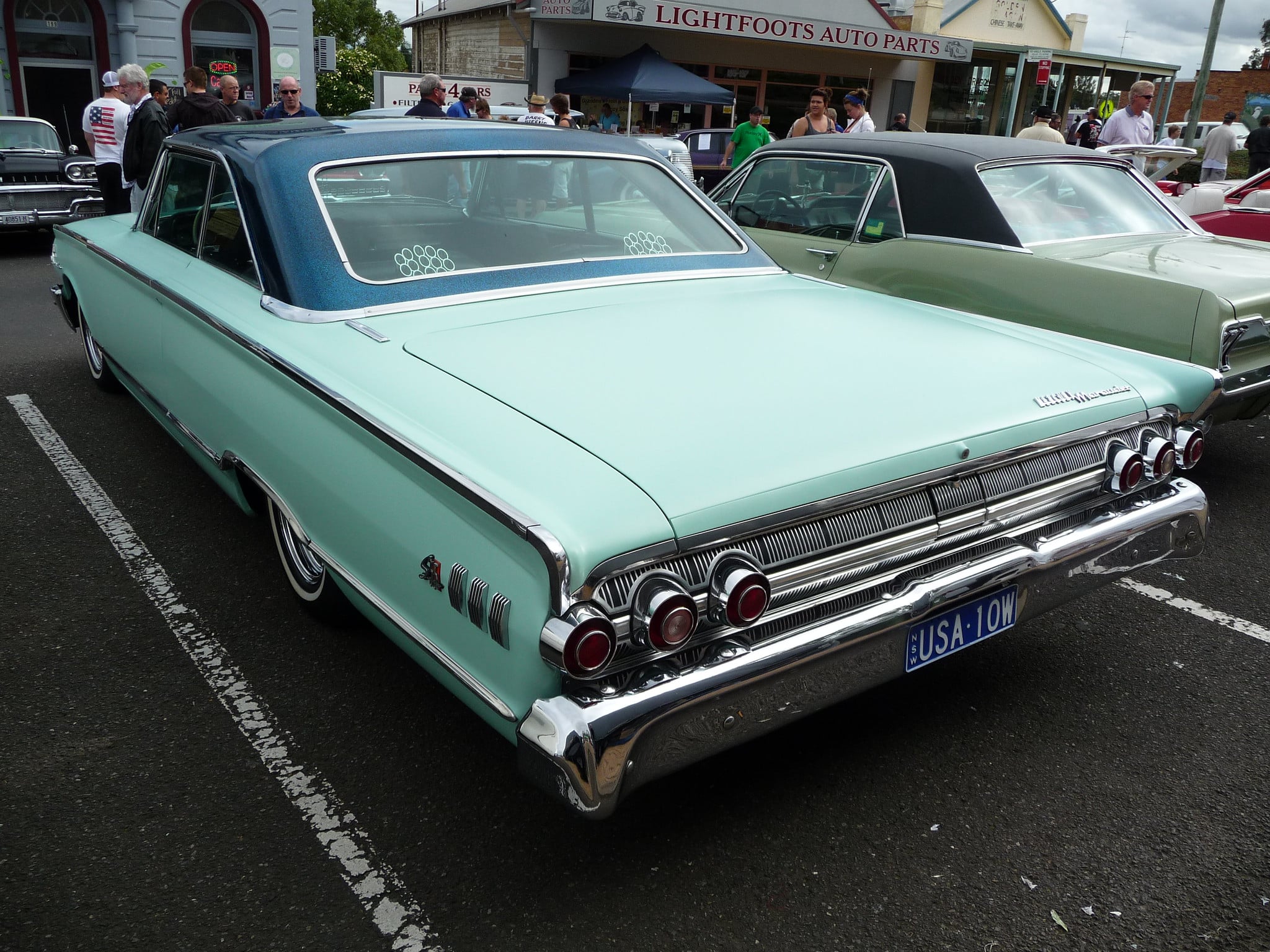
Ford created Mercury in 1938 to fill the gap between affordable Fords and luxury Lincolns, and for decades this strategy worked reasonably well. But Mercury never developed a strong identity of its own—it just offered slightly fancier versions of Ford models with different badges and trim.
As customers increasingly asked why they should pay more for essentially the same car, Ford had no good answer and discontinued the brand in 2011 after 72 years.
Like Go2Tutors’s content? Follow us on MSN.
Packard
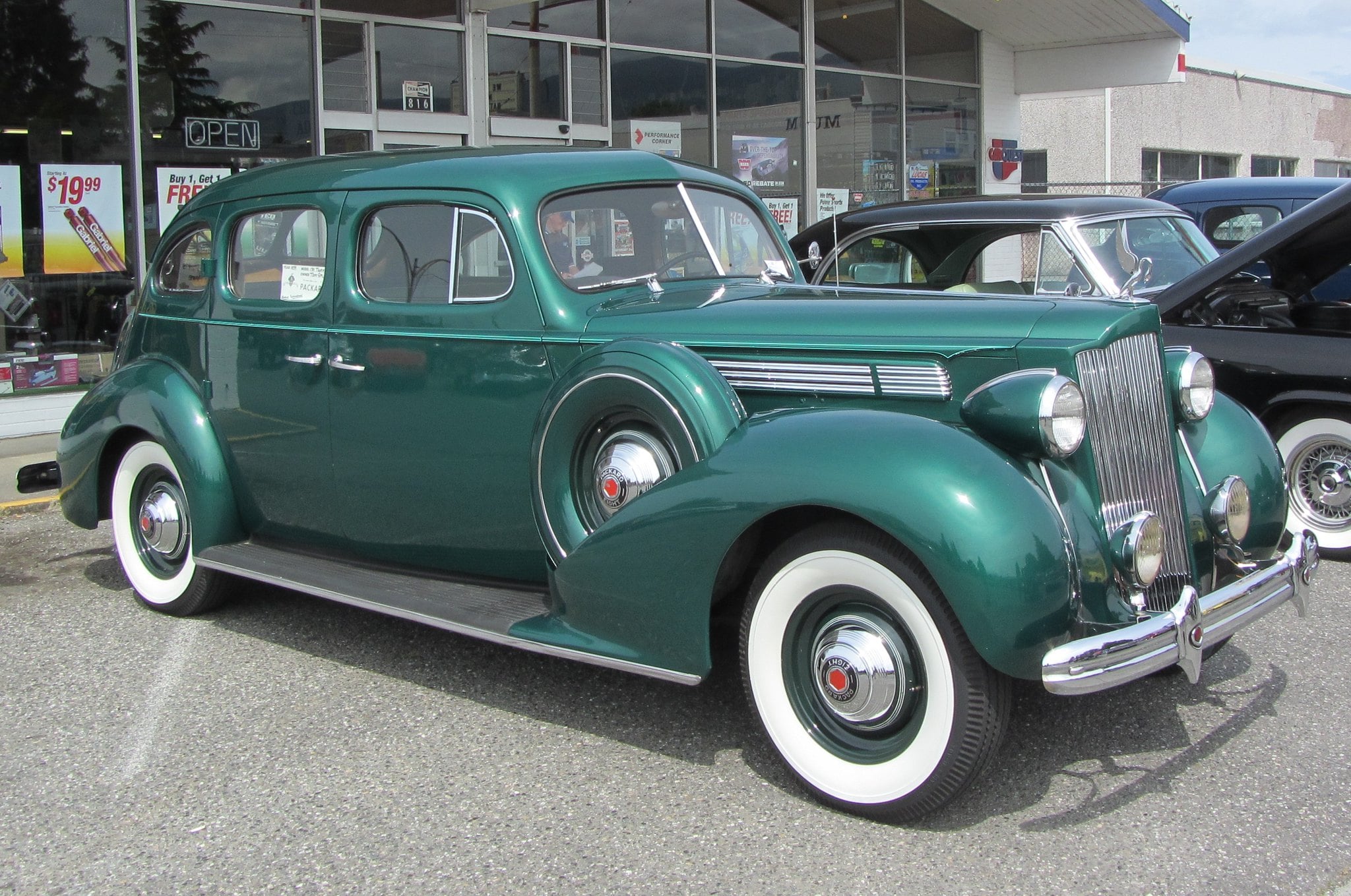
Packard stood at the pinnacle of American luxury from its 1899 founding, building cars that cost four times as much as an Oldsmobile and competing with Cadillac for the wealthiest customers. The postwar years brought disaster when Packard started building cheaper models that destroyed its luxury image, then came the catastrophic 1954 merger with Studebaker that drained Packard’s cash reserves.
Detroit production ended in 1956, and Packard-badged Studebakers were built until 1958, a sad final chapter for America’s once-premier luxury brand.
Studebaker

The Studebaker brothers started building covered wagons in 1852, helping settlers push westward across America, then jumped into car production in 1904 and built a reputation for quality and reliability. Financial troubles and brutal price wars between Ford and GM in the early 1950s forced Studebaker into the disastrous Packard merger in 1954, and the combined company never stood a chance against the Big Three.
The South Bend plant closed in December 1963, and the last Studebaker rolled off the line in Hamilton, Ontario, in March 1966, ending 114 years of American manufacturing history.
American Motors Corporation
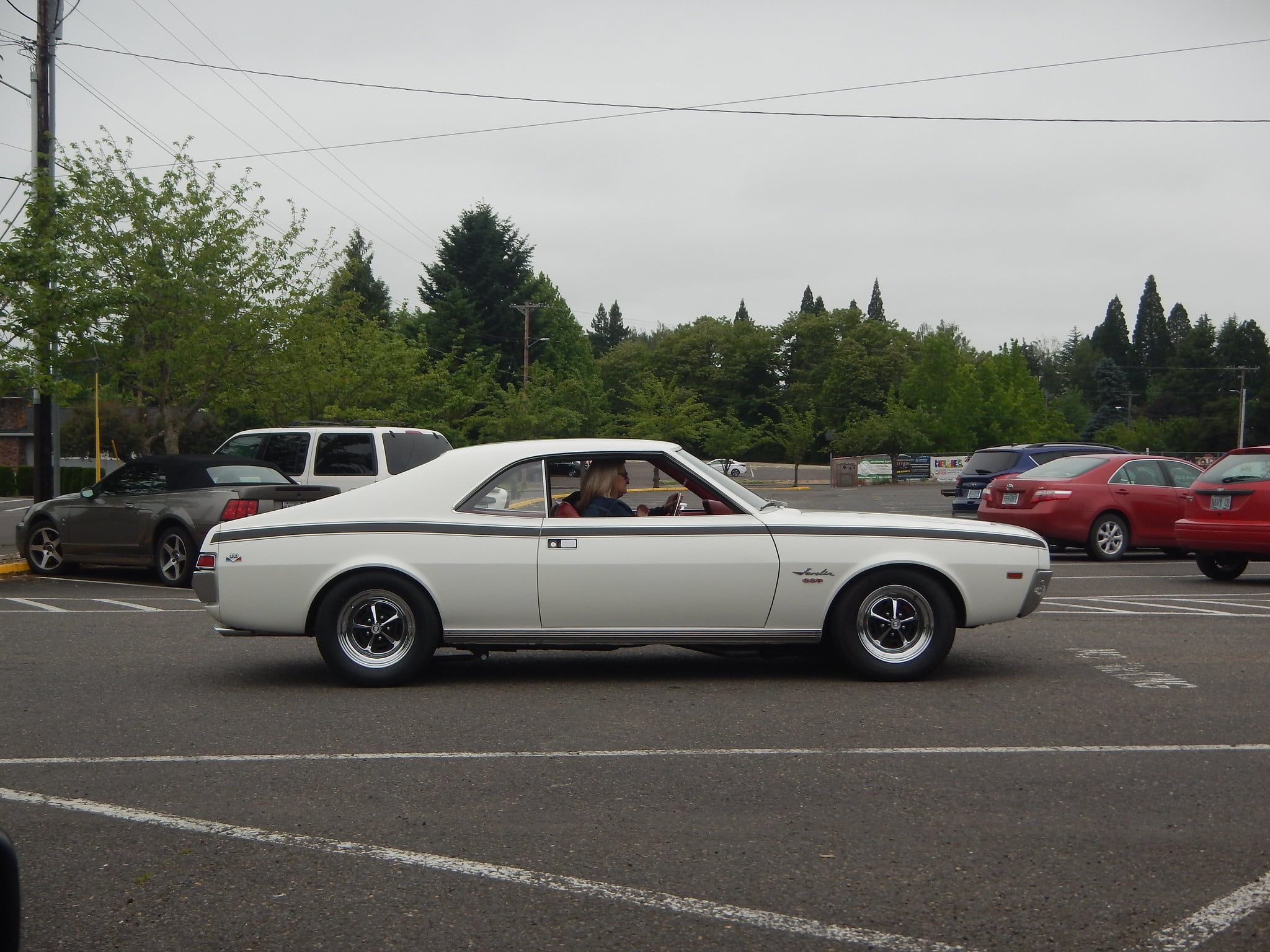
AMC was born from necessity in 1954 when Nash-Kelvinator and Hudson merged in what was then the largest corporate merger in American automotive history—independent automakers knew they couldn’t compete with the Big Three alone. Under George Romney’s leadership, AMC focused on compact cars like the Rambler and gave us genuinely weird but memorable vehicles like the Gremlin, Pacer, and Javelin.
But AMC could never match the Big Three’s resources or dealer networks, and Chrysler bought them in 1987, keeping only the Jeep brand and discarding everything else.
Like Go2Tutors’s content? Follow us on MSN.
Hudson

Hudson Motor Car Company earned its reputation by winning races, introducing the revolutionary ‘Step-Down’ design in 1948 that created low, wide, aerodynamic cars with better handling than anything else on American roads. The Hudson Hornet became a NASCAR legend in the early 1950s, dominating the track with superior engineering.
Racing victories don’t pay the bills when you can’t match the Big Three’s production volumes, and the 1954 merger with Nash to form AMC killed Hudson after the 1957 model year.
Nash

Charles Nash founded his company in 1916 after leaving General Motors, building a reputation for smart, practical innovations like unibody construction, reclining seats that turned the car into a bed, and the Metropolitan compact car built in partnership with Austin. Nash and Hudson merged in 1954 to create AMC, but sales of Nash models collapsed as the market shifted.
George Romney decided AMC’s future lay with the Rambler brand and phased out both Nash and Hudson after the 1957 model year, betting the company’s survival on Rambler alone.
Edsel
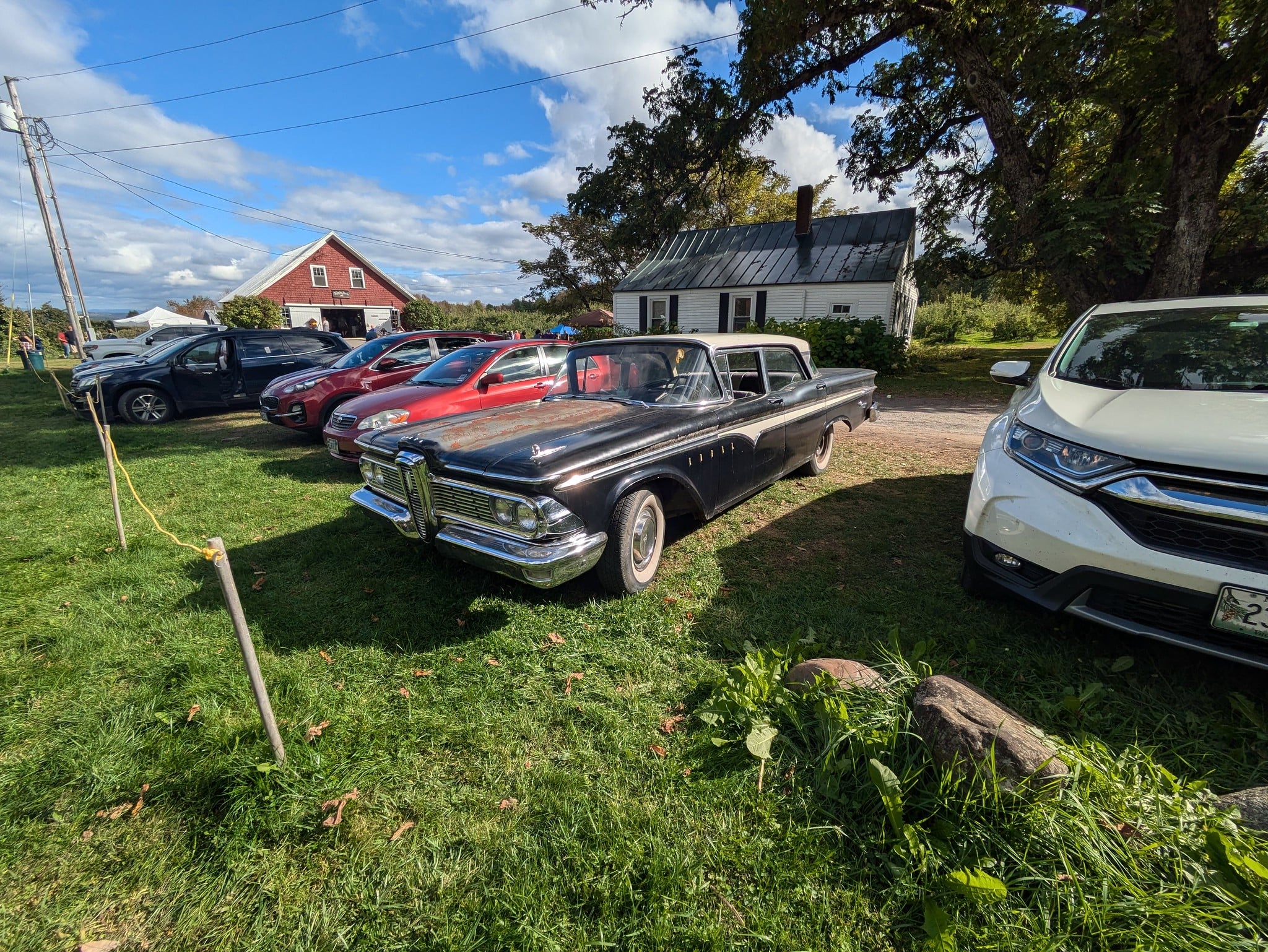
Edsel might be the most famous automotive failure in history—Ford invested about $250 million developing a new mid-price brand named after Henry Ford’s son, building up expectations to impossible levels. When Edsel launched for the 1958 model year in September 1957, customers took one look at that controversial ‘horse collar’ grille and walked away, confused by polarizing styling, nonsensical pricing, sloppy quality, and a recession hitting just as the cars arrived.
Ford ended production in November 1959 as a 1960 model, and the name became shorthand for spectacular business failure.
Like Go2Tutors’s content? Follow us on MSN.
Tucker
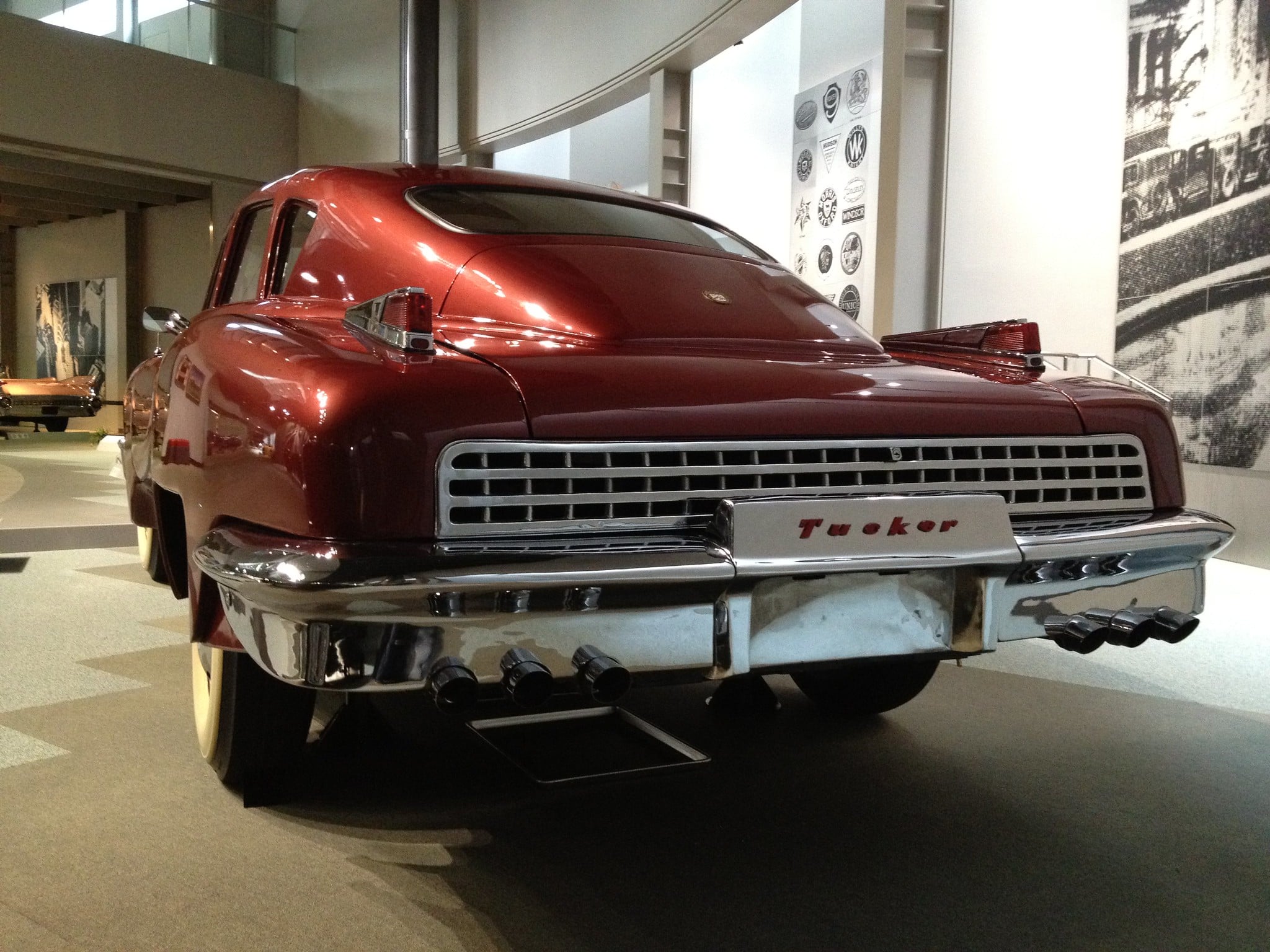
Preston Tucker wanted to build the car of tomorrow with his Tucker 48, featuring innovations that wouldn’t become standard for decades—a rear-mounted flat-six engine, a padded dashboard, and a third headlight that turned with the steering wheel. The Securities and Exchange Commission investigated Tucker’s fundraising practices, leading to fraud charges, and though Tucker was completely acquitted in 1950, the legal battle destroyed his company.
Those 51 Tucker 48s that survive are now worth millions as examples of what might have been if an innovative outsider could crack Detroit’s fortress.
Kaiser-Frazer
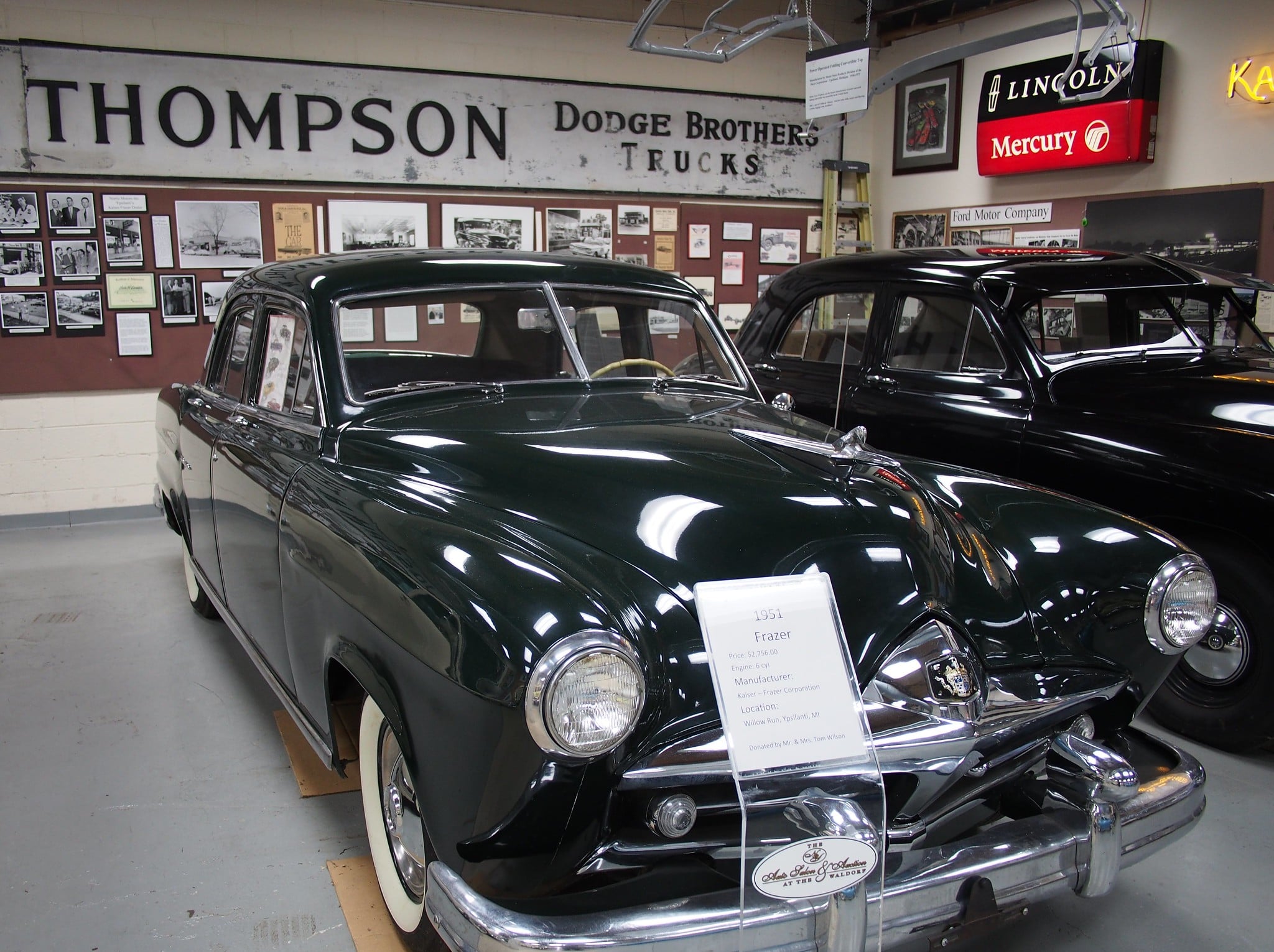
While Ford and GM sold warmed-over prewar cars, Henry Kaiser built ships during World War II and Joseph Frazer operated an automobile company. Together, they founded Kaiser-Frazer in 1945, offering truly innovative designs.
The plan initially worked flawlessly, but Kaiser and Frazer couldn’t agree on a course, so Frazer left in 1951. Kaiser continued to produce cars in the United States until 1955.
In order to obtain the Jeep brand, which was ultimately more important than anything Kaiser-Frazer achieved with automobiles, Kaiser acquired Willys-Overland in 1953.
The Legacy Written in Rust
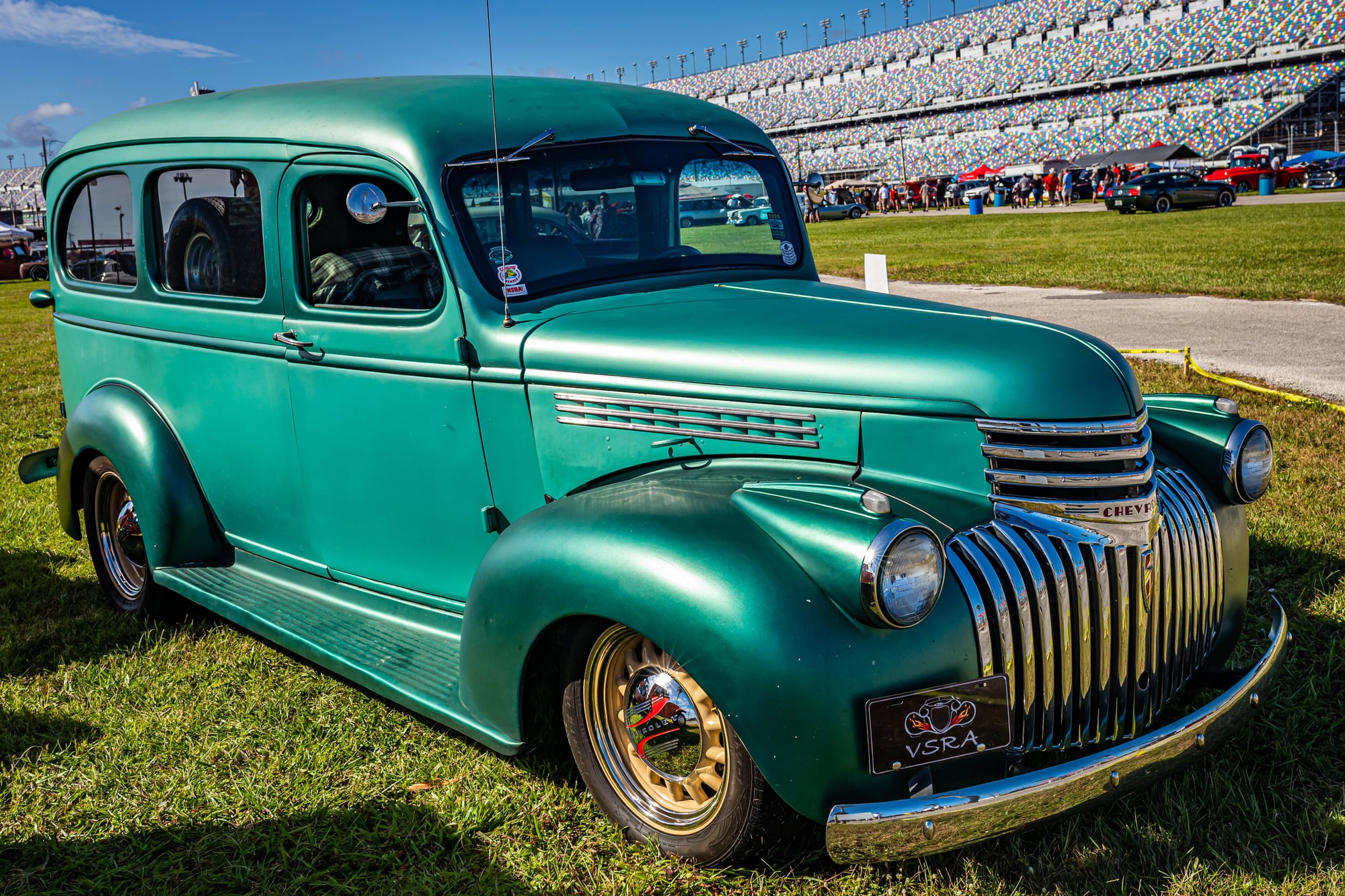
These 15 brands failed because the economics of auto manufacturing favored the giants, not because they produced subpar cars; many of them produced fantastic cars that consumers adored. When price wars broke out between Ford and GM, independent automakers were unable to match the math equation that new model development costs billions of dollars, but that cost is spread across millions of vehicles, making each vehicle cheaper to build.
In the automotive industry, survival necessitates not only innovation but also the scale to sustain it. This was demonstrated by the eventual demise of the brands that survived as divisions of larger companies due to corporate consolidation and badge engineering.
Like Go2Tutors’s content? Follow us on MSN.
More from Go2Tutors!

- 16 Historical Figures Who Were Nothing Like You Think
- 12 Things Sold in the 80s That Are Now Illegal
- 15 VHS Tapes That Could Be Worth Thousands
- 17 Historical “What Ifs” That Would Have Changed Everything
- 18 TV Shows That Vanished Without a Finale
Like Go2Tutors’s content? Follow us on MSN.



