15 Bans That Lasted Less Than a Year
We humans love to prohibit things. From dangerous substances to questionable fashion choices, history is filled with examples of authorities saying “no more!” Yet not all bans stand the test of time.
Some crumble under public pressure, others prove impossible to enforce, and a few just seem ridiculous in hindsight. Here is a list of 15 bans from around the world that couldn’t even survive a full trip around the sun before being reversed, modified, or quietly abandoned.
Prohibition in Finland
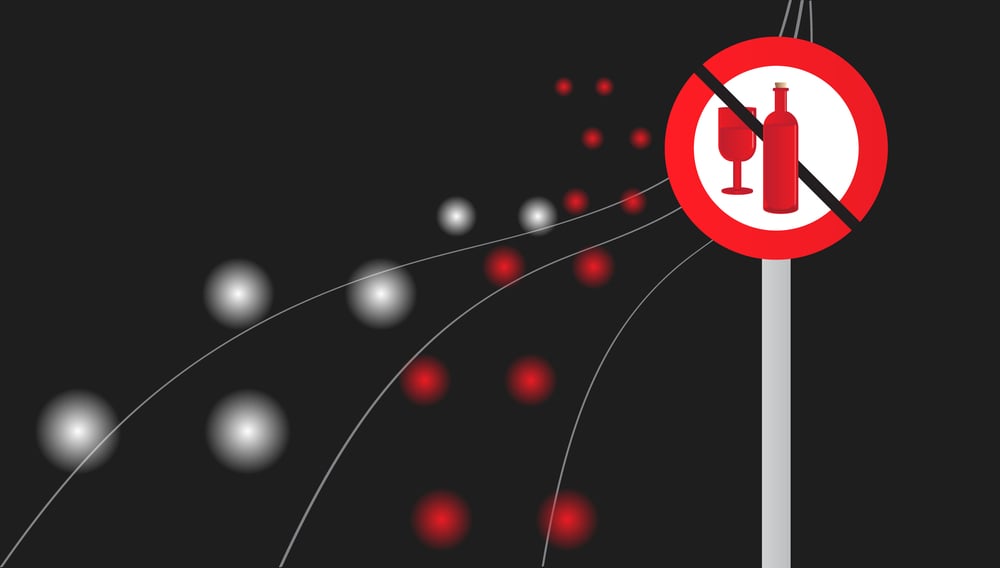
Finland’s experiment with alcohol prohibition lasted just shy of a year in the early 1900s. Unlike America’s decade-long ban, Finnish authorities quickly realized their mistake when illegal bootlegging skyrocketed and tax revenue plummeted.
The government quietly reversed course when they saw their citizens crossing borders just to enjoy a drink, proving that where there’s a will to have a beverage, there’s a way.
New York’s Large Soda Ban
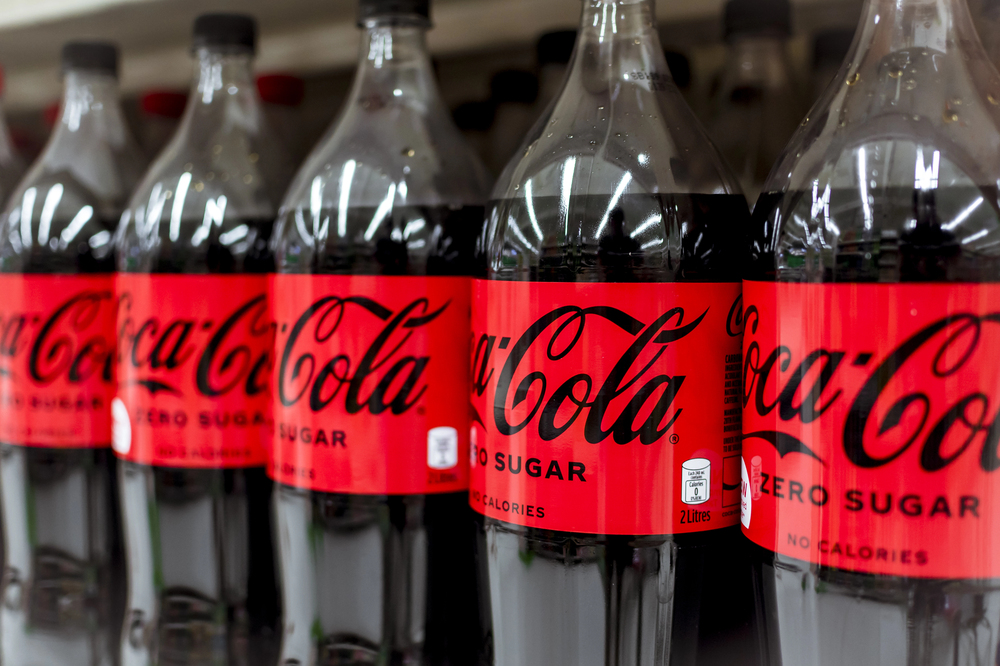
In 2012, then-Mayor Michael Bloomberg attempted to ban the sale of sugary drinks larger than 16 ounces in New York City. The courts struck down this restriction merely months after its implementation, calling it “arbitrary and capricious.”
New Yorkers collectively celebrated by purchasing extra-large sodas, showing that Americans take their freedom to consume massive quantities of sugar very seriously.
Like Go2Tutors’s content? Follow us on MSN.
Sweden’s Candy Tax

Sweden tried implementing a special tax on sweets in the 1990s that lasted just under nine months. The government hoped to curb sugar consumption, but instead created a massive candy-smuggling operation from neighboring countries.
The tax was quickly scrapped when authorities realized they’d accidentally created a black market for gummy bears and chocolate bars.
Iceland’s Beer Ban Reversal

While Iceland’s overall alcohol prohibition lasted decades, their attempt to reintroduce a beer-specific ban in the late 1980s after general prohibition ended fell apart in less than a year. People simply mixed their own beer-like concoctions or imported spirits instead.
The government surrendered to reality and now Iceland celebrates ‘Beer Day’ annually on March 1st to commemorate the end of this short-lived restriction.
UK’s Dangerous Dogs Act Modifications

Britain’s hasty 1991 Dangerous Dogs Act initially banned several breeds completely, but within months lawmakers had to modify the law. The original version proved impossible to enforce and led to many innocent family pets being seized.
The quick reversal saved countless dogs from unnecessary euthanasia while still addressing public safety concerns through more reasonable restrictions.
Like Go2Tutors’s content? Follow us on MSN.
China’s Bitcoin Trading Ban

In early 2018, China implemented a complete ban on cryptocurrency trading, only to partially reverse course within months. Officials realized that forcing the industry underground created more problems than solutions.
Trading eventually resumed under new regulations, demonstrating how difficult it is to completely prohibit digital activities in the modern age.
Australia’s Live Music Restrictions

Sydney, Australia, briefly banned live music at numerous venues in 2014 as part of controversial “lockout laws.” The public outcry was so immediate and intense that authorities walked back many restrictions within months.
Musicians, venue owners, and music lovers united to demonstrate how these rules were destroying cultural institutions and local businesses.
India’s Instant Divorce Ban Implementation
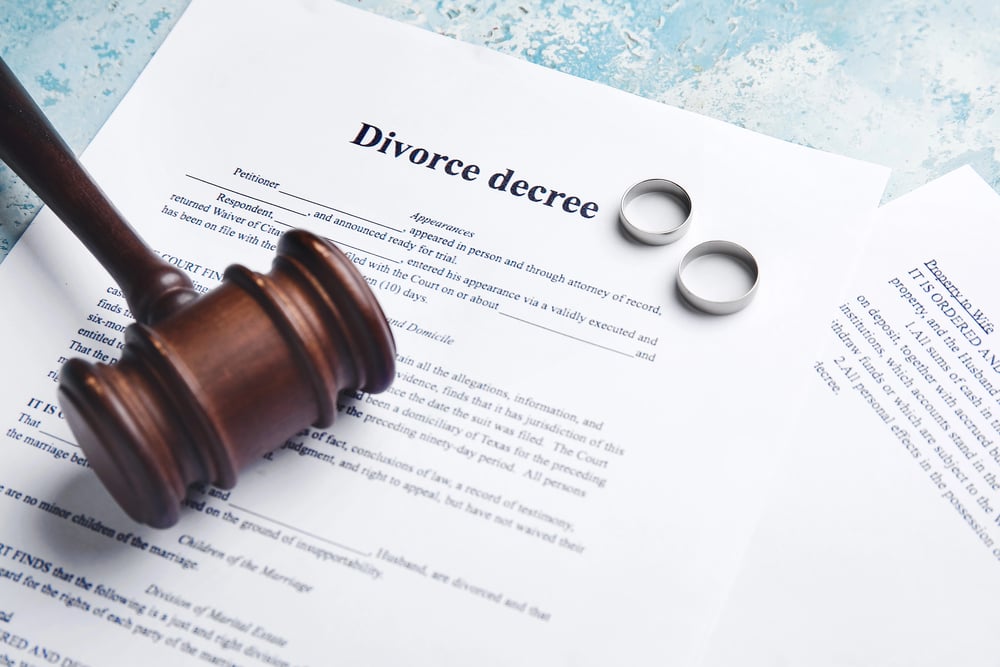
In 2017, India’s government banned the practice of “triple talaq” (instant divorce) among Muslims, but the initial implementation lasted only months before being reworked. The original ban lacked proper enforcement mechanisms and created confusion rather than protection for women.
A revised version with clearer guidelines appeared less than a year later.
Like Go2Tutors’s content? Follow us on MSN.
San Francisco’s Facial Recognition Ban Exceptions

San Francisco made headlines as the first major city to ban facial recognition technology in 2019, but within ten months had already approved exceptions for certain devices and contexts. The reality of modern technology proved too complicated for a simple blanket prohibition, forcing officials to create a more nuanced approach.
Denmark’s Fat Tax

Denmark’s fat tax on foods with high saturated fat content lasted just 11 months in 2011-2012. The tax raised prices on everything from butter to meat but failed to change eating habits significantly.
Instead, it created a butter smuggling industry from neighboring countries and hurt local businesses before being unceremoniously dropped.
Japan’s Dancing Ban Reversal

For decades, Japan enforced an old law prohibiting dancing in venues without special licenses. When authorities attempted to strengthen enforcement in 2013, the pushback was immediate.
The increased restrictions lasted less than a year before officials announced plans to scrap the outdated regulations entirely, allowing people to finally cut loose legally.
Like Go2Tutors’s content? Follow us on MSN.
France’s Email After Hours Ban

France attempted to ban work emails after business hours in certain industries, but the initial strict version lasted only months before being modified. The well-intentioned “right to disconnect” proved nearly impossible to enforce as written.
A more flexible approach replaced the original ban, acknowledging the complex realities of modern work life.
Italy’s Selfie Stick Restrictions

Several Italian cities attempted to ban selfie sticks in tourist areas in 2018, but enforcement proved nearly impossible. Within months, the bans were either quietly abandoned or modified to apply only in specific situations.
Tourists continued their quest for the perfect vacation photo, selfie sticks in hand, despite the short-lived prohibitions.
Canada’s Temporary Foreign Worker Freeze

In 2014, Canada briefly banned certain industries from hiring temporary foreign workers. The economic impact was so immediate and severe that the government walked back many restrictions within months.
Restaurants, hotels, and farms found themselves desperately short-staffed, proving that hasty restrictions often come with unintended consequences.
Like Go2Tutors’s content? Follow us on MSN.
Texting While Walking Ban in Honolulu

Honolulu made headlines by banning pedestrians from looking at their phones while crossing streets in 2017. The restriction quickly proved unenforceable and was effectively abandoned in practice within months, though technically still on the books.
Officers found themselves unable to monitor every intersection for distracted walkers in a world where everyone carries a smartphone.
The Reality of Fleeting Restrictions

These short-lived prohibitions remind us that bans often emerge from good intentions but poor planning. Attempts to regulate human behavior frequently encounter the stubborn reality of human nature.
Whether it’s our desire for sugar, alcohol, convenience, or freedom, these restrictions often teach lawmakers valuable lessons about what can and cannot be effectively controlled through legislation.
When authorities fail to consider practical enforcement, economic impacts, or the sheer determination of people to continue their preferred activities, even the most well-meaning bans are destined for the historical dustbin.
Perhaps the greatest lesson is that successful regulation requires understanding human behavior rather than simply attempting to prohibit it.
More from Go2Tutors!

- 18 Unexpectedly Valuable Collectibles You Might Have Lying Around
- 15 Things Every Teenager in the ’70s Did That Teens Today Wouldn’t Understand
- 15 Strange Things People Have Tried to Ban (And Failed)
- 15 Inventions That Were Immediately Banned After Being Created
- 20 Actors Who Were Almost Cast in Iconic Roles
Like Go2Tutors’s content? Follow us on MSN.