15 Baseball Trades That Backfired Spectacularly
Baseball trades are like poker games where general managers bet careers, championships, and fan loyalty on their ability to predict the future. Sometimes these calculated risks pay off brilliantly, turning overlooked prospects into superstars. Other times, they become cautionary tales that haunt franchises for decades.
The history of Major League Baseball is littered with trades that seemed smart at the time but turned into absolute disasters. Here is a list of 15 baseball trades that backfired so badly, they’re still talked about in dugouts and sports bars across America.
Babe Ruth to the Yankees
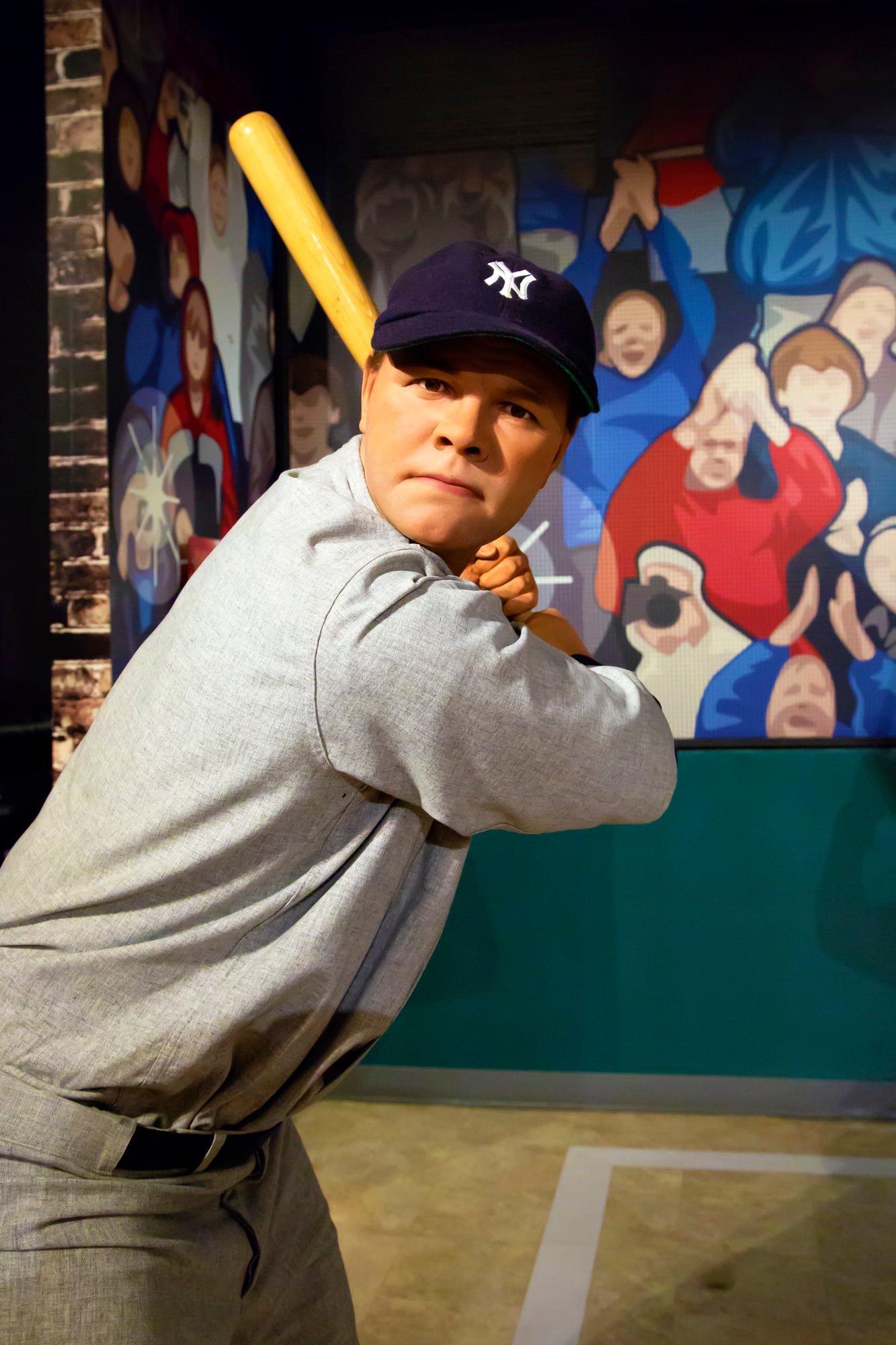
The Red Sox trading Babe Ruth to the Yankees in 1919 remains the gold standard of catastrophic front office decisions. Boston owner Harry Frazee needed cash to fund his Broadway productions, so he sold the greatest player in baseball history for $100,000.
Ruth went on to transform the Yankees into a dynasty while Boston endured the ‘Curse of the Bambino’ for 86 years. The trade didn’t just change two franchises—it rewrote the entire landscape of professional baseball.
Lou Brock to the Cardinals
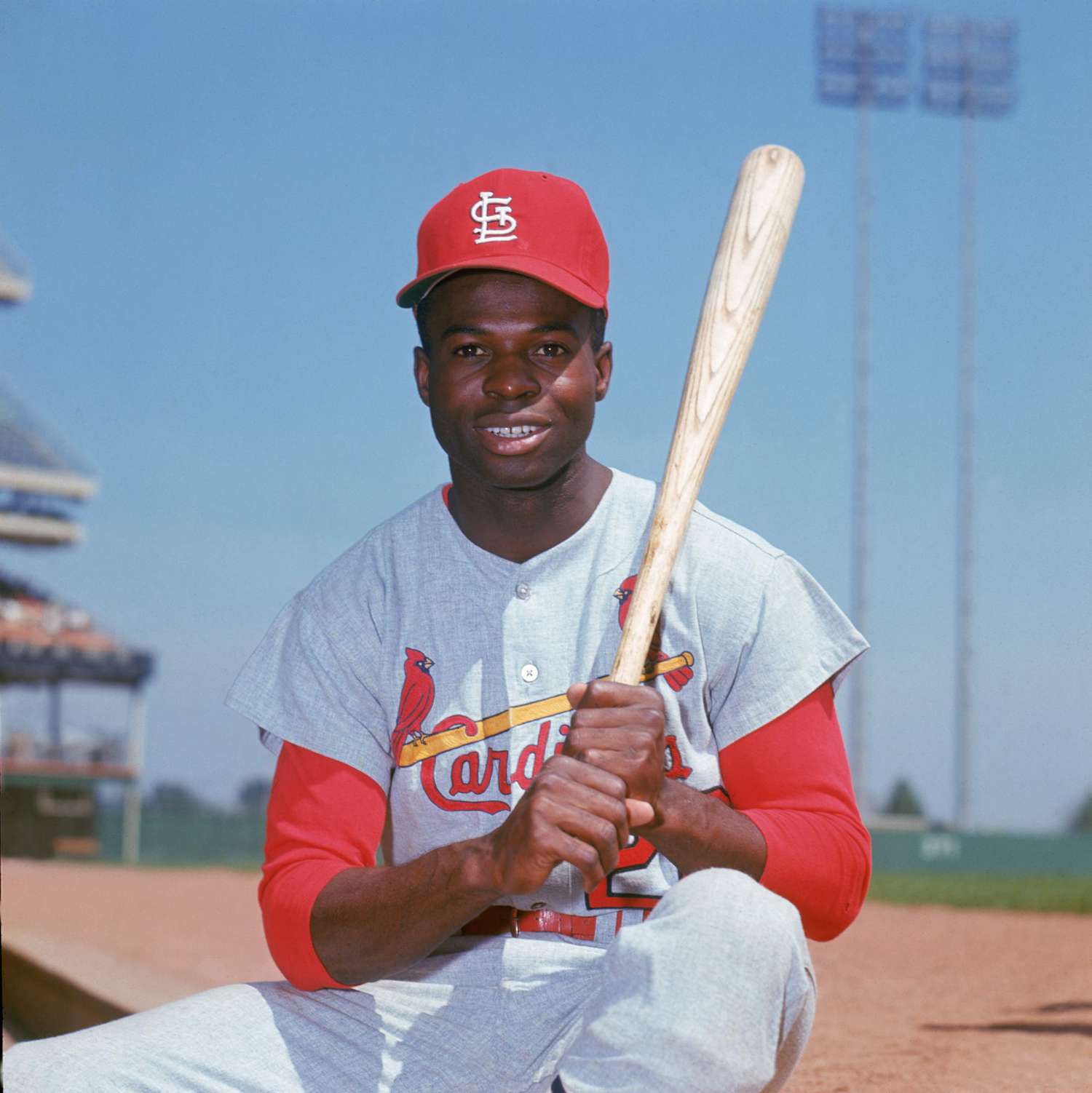
The Cubs thought they were getting a reliable veteran pitcher when they traded Lou Brock to St. Louis for Ernie Broglio in 1964. Broglio had won 21 games the previous season, while Brock was viewed as an underachieving outfielder with speed but little else.
Instead, Brock became a Hall of Fame speedster who helped the Cardinals win two World Series titles and set stolen base records. Broglio’s arm troubles limited him to just 7 more wins in a Cubs uniform.
Frank Robinson to the Orioles
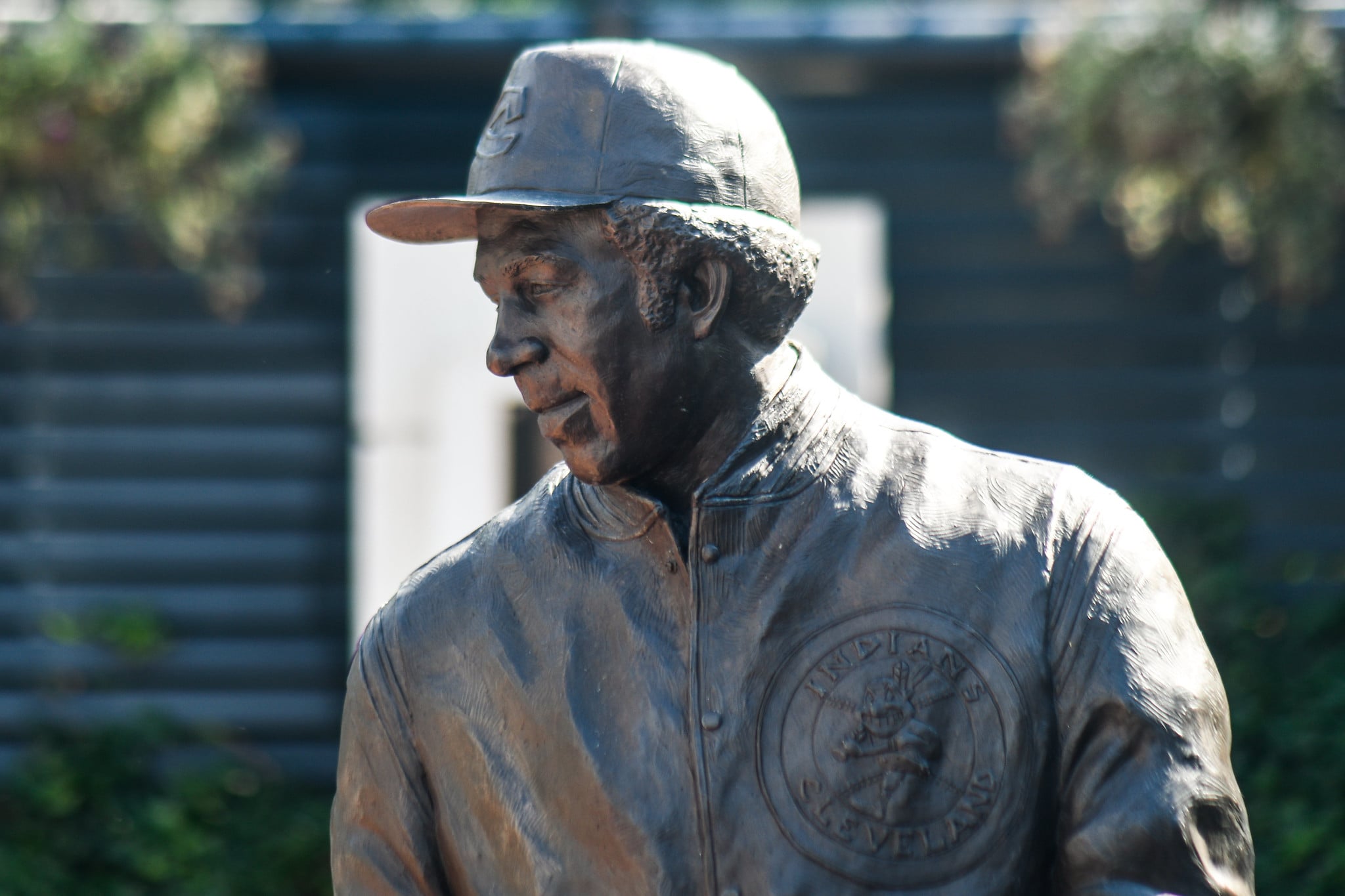
Cincinnati’s front office made one of the most short-sighted moves in baseball history when they traded Frank Robinson to Baltimore in 1965, calling him ‘an old 30.’ Robinson responded by winning the Triple Crown and MVP award in his first season with the Orioles, leading them to a World Series championship.
The Reds received Milt Pappas, a decent pitcher who never came close to Robinson’s impact. Baltimore got four more productive seasons from Robinson, including another World Series title.
Like Go2Tutors’s content? Follow us on MSN.
Joe Morgan to the Astros

The Houston Astros pulled off highway robbery when they acquired Joe Morgan from Cincinnati in 1971, though the trade looked reasonable at the time. The Reds sent Morgan along with several other players to Houston for Lee May and Tommy Helms, two established veterans.
Morgan blossomed into a superstar second baseman in Houston before returning to Cincinnati, where he became the engine of the Big Red Machine. The trade helped set up Cincinnati’s dominance in the 1970s.
Jeff Bagwell to the Astros
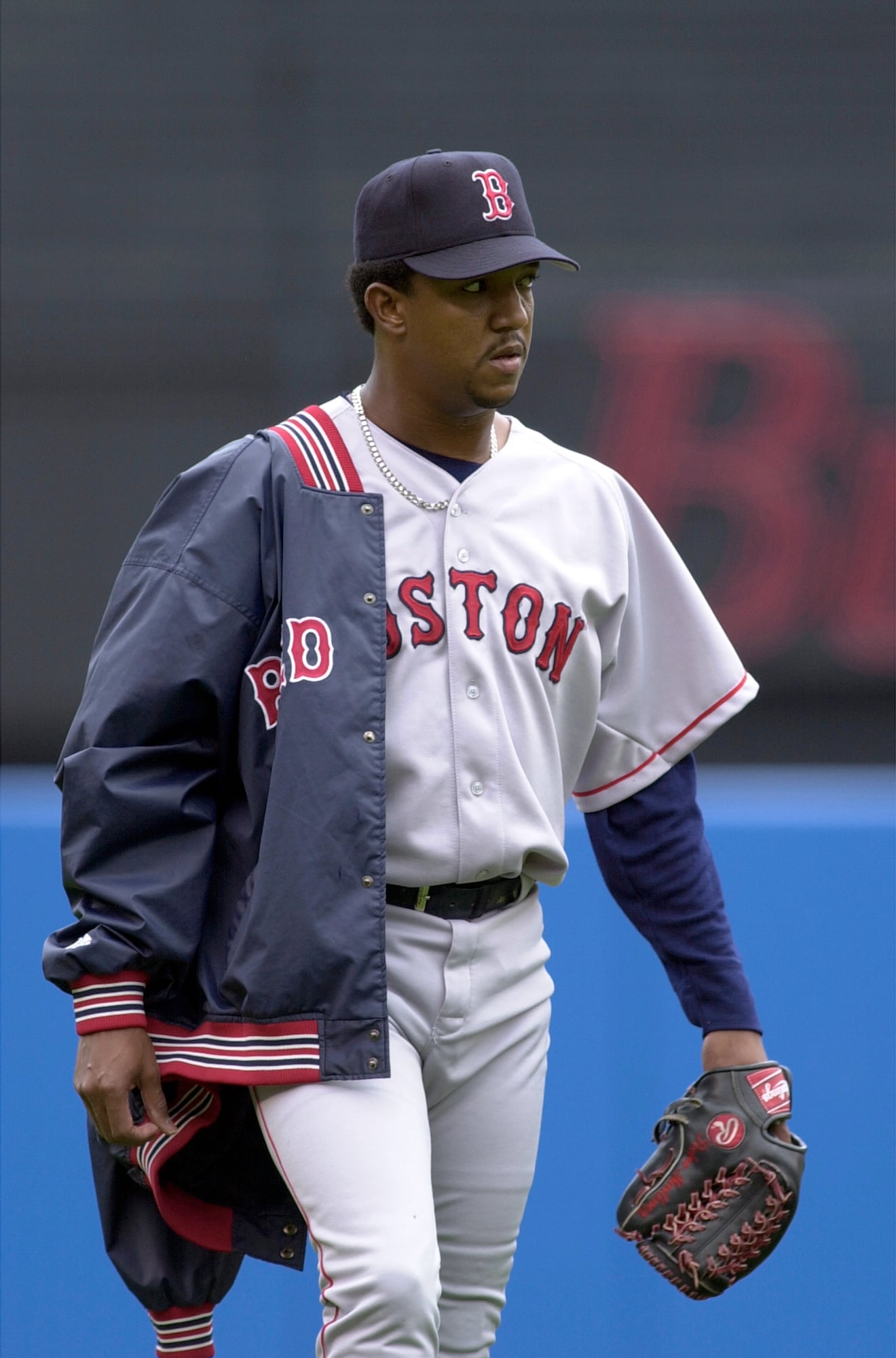
Boston traded away a future Hall of Famer for relief pitcher Larry Andersen in 1990, creating one of the most lopsided deals in baseball history. The Red Sox needed bullpen help for their playoff push and gave up Jeff Bagwell, a promising but unproven prospect.
Andersen pitched 22 innings for Boston before leaving in free agency. Bagwell became the cornerstone of Houston’s franchise for 15 years, winning an MVP award and hitting 449 home runs.
Pedro Martinez to the Red Sox
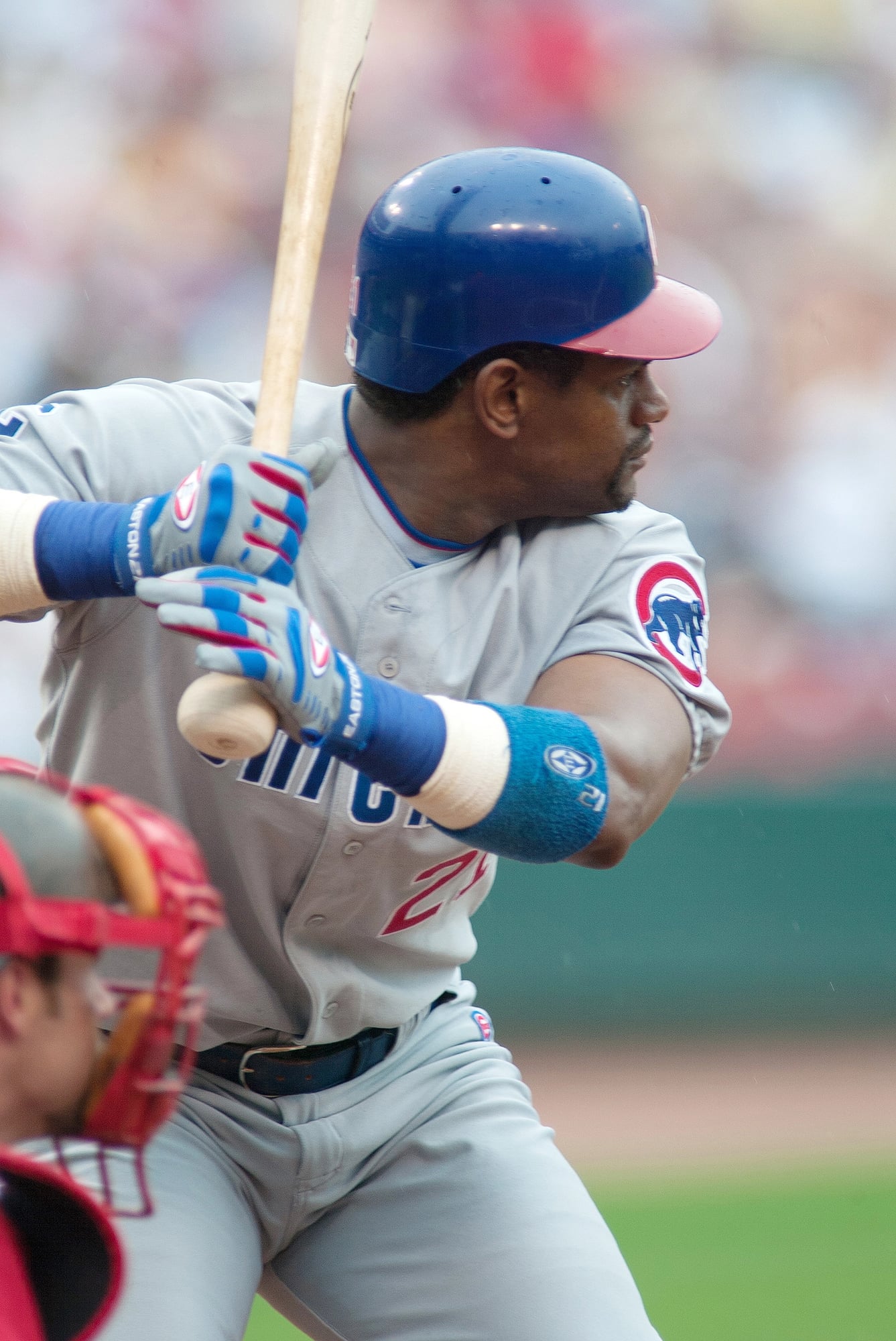
The Montreal Expos made a financially motivated mistake when they traded Pedro Martinez to Boston in 1997 rather than pay him market value. Montreal received Carl Pavano and Tony Armas Jr., two pitchers who showed promise but never reached elite status.
Martinez dominated the American League for seven seasons in Boston, winning two Cy Young awards and helping break the Curse of the Bambino in 2004. The Expos essentially traded away one of the greatest pitchers of all time for salary relief.
Like Go2Tutors’s content? Follow us on MSN.
Sammy Sosa to the Cubs
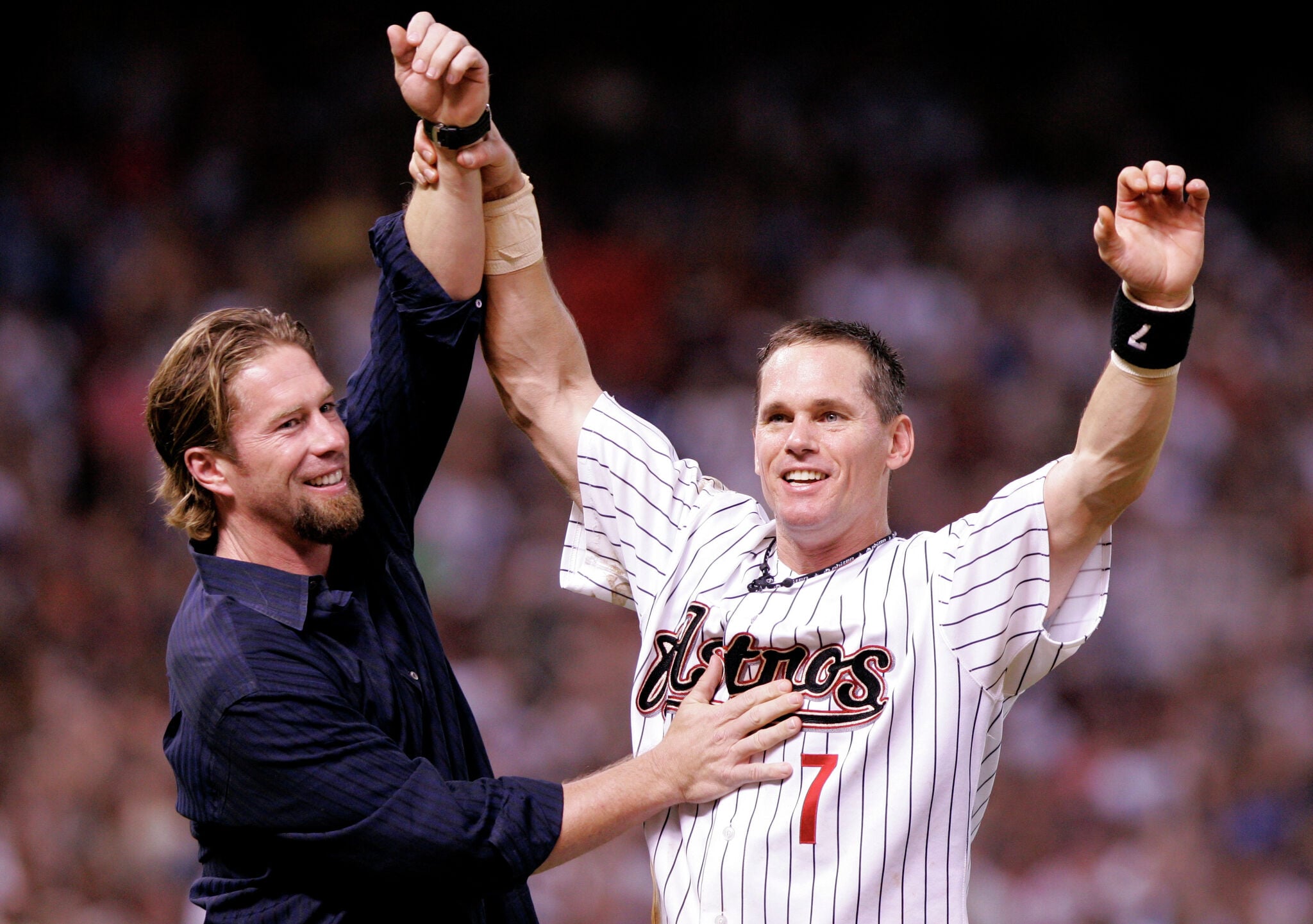
The Chicago White Sox traded Sammy Sosa to the Cubs in 1992 for George Bell, a move that haunted the South Side for years. Bell was a former MVP having a down year, while Sosa was viewed as a toolsy outfielder who struck out too much.
Sosa exploded into stardom with the Cubs, hitting 609 home runs and becoming a cultural phenomenon during the 1998 home run chase. Bell played one forgettable season for the White Sox before his career fizzled out.
John Smoltz to the Braves

Detroit traded John Smoltz to Atlanta in 1987 for Doyle Alexander, a veteran pitcher they hoped would push them to the playoffs. Alexander did help the Tigers make a brief postseason run, but Smoltz became the foundation of Atlanta’s pitching dynasty.
The Hall of Fame right-hander won 213 games and a Cy Young award while helping the Braves win 14 consecutive division titles. Detroit got two months of decent pitching while Atlanta got two decades of excellence.
Nolan Ryan to the Angels
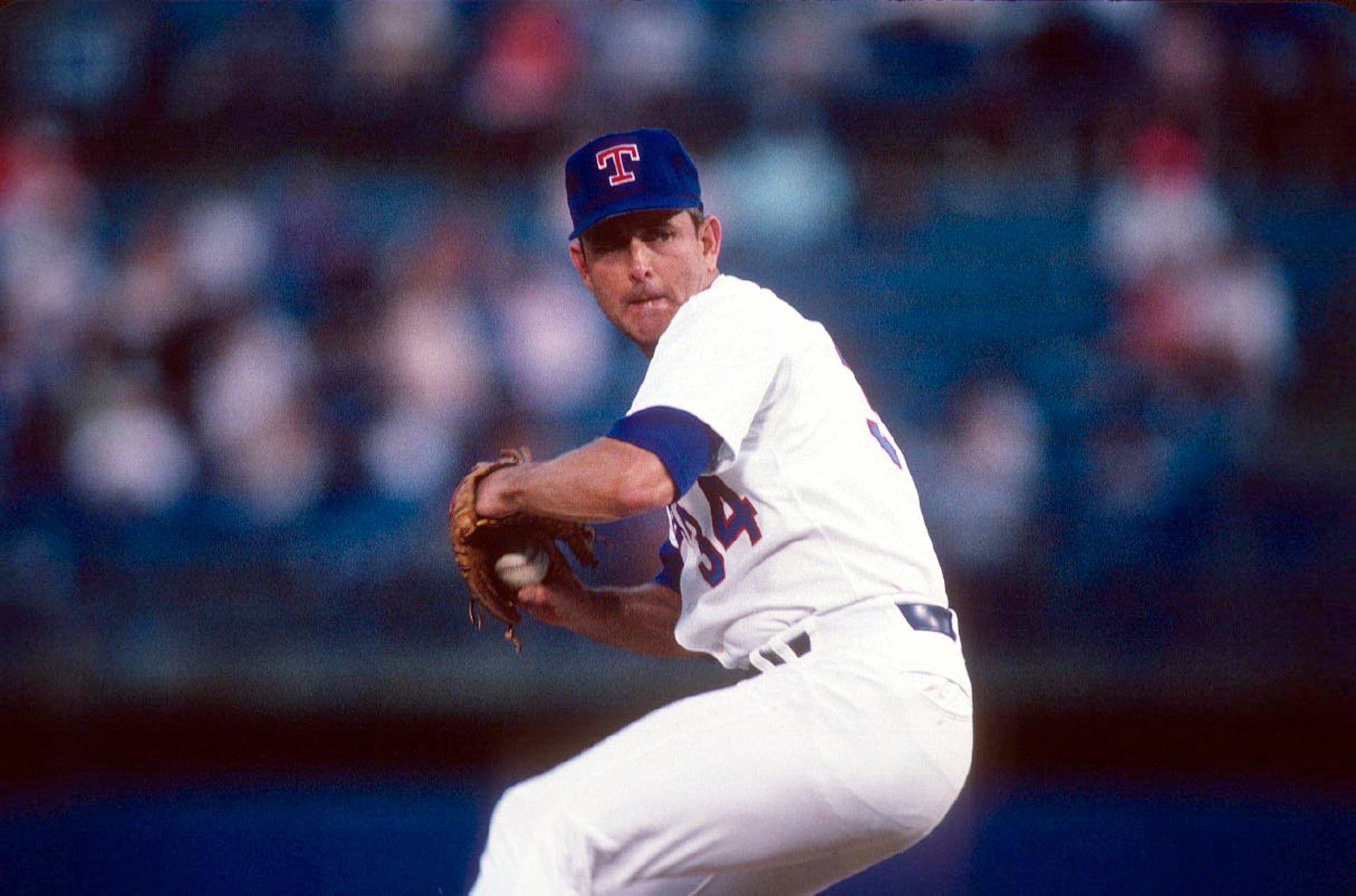
The New York Mets traded Nolan Ryan to the California Angels after the 1971 season, believing he was too wild to ever become a consistent winner. New York received Jim Fregosi, an aging shortstop they hoped would boost their infield.
Ryan went on to throw seven no-hitters and strike out 5,714 batters, becoming the most dominant power pitcher in baseball history. Fregosi played parts of four mediocre seasons for the Mets before moving on.
Like Go2Tutors’s content? Follow us on MSN.
Jason Varitek and Derek Lowe to the Red Sox

The Seattle Mariners traded Jason Varitek and Derek Lowe to Boston for Heathcliff Slocumb in 1997, creating one of the most one-sided trades in recent memory. Slocumb was a struggling closer who the Mariners hoped could stabilize their bullpen.
Instead, Varitek became Boston’s captain and a key figure in breaking the Curse of the Bambino, while Lowe developed into a reliable starter. Slocumb pitched poorly for Seattle and was out of baseball within a few years.
Adrian Gonzalez to the Red Sox
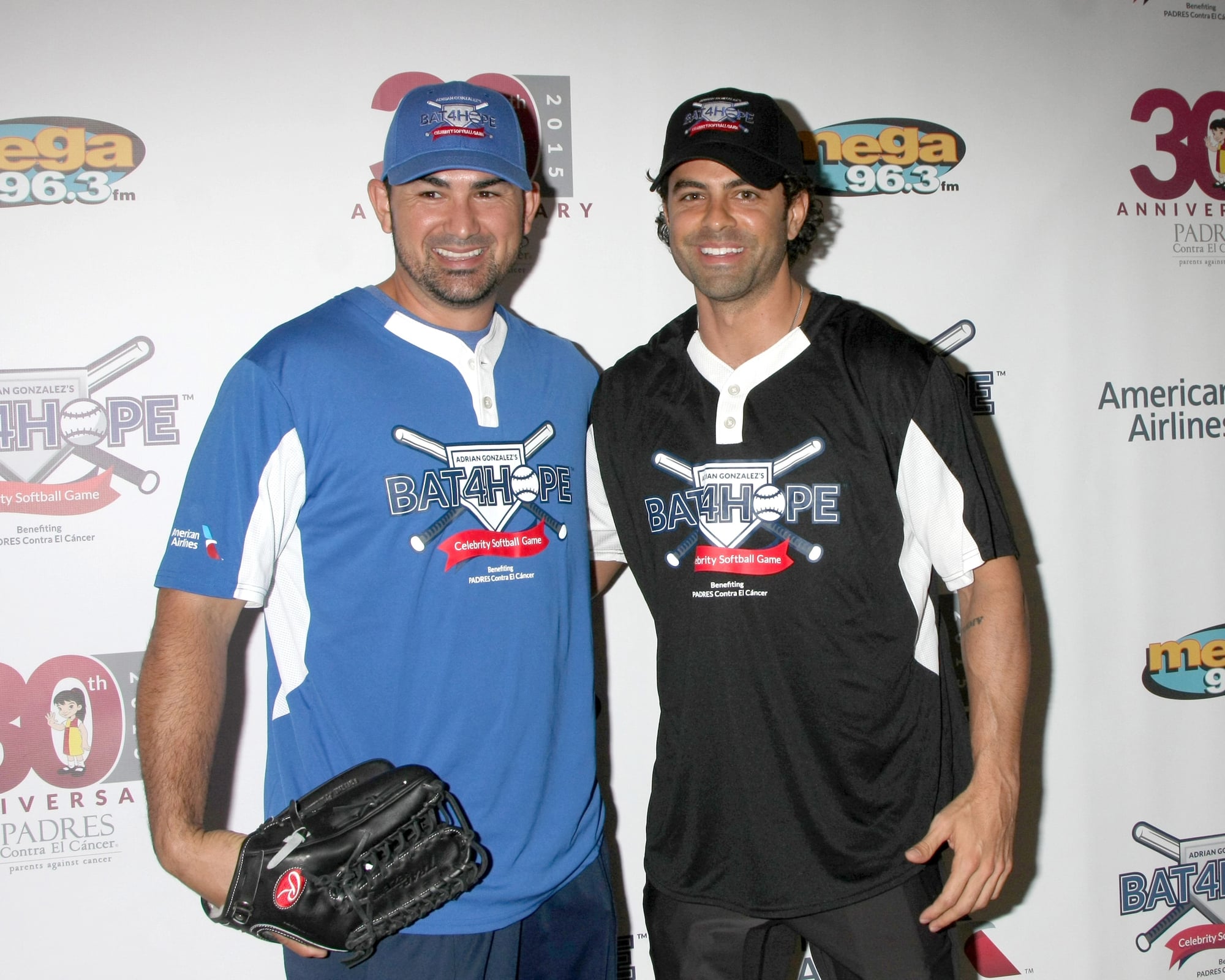
San Diego traded Adrian Gonzalez to Boston in 2010, receiving Casey Kelly, Anthony Rizzo, and Reymond Fuentes in what appeared to be a solid return. The Padres thought they were getting three future stars for one established slugger.
Rizzo became a superstar first baseman, but for the Chicago Cubs after San Diego traded him away for practically nothing. The Padres essentially gave away two All-Star caliber players while getting minimal production from the other prospects.
Like Go2Tutors’s content? Follow us on MSN.
Chris Archer to the Pirates

Tampa Bay traded Chris Archer to Pittsburgh in 2018 for Tyler Glasnow, Austin Meadows, and Shane Baz in a deal that looked reasonable for both sides. The Pirates thought Archer’s veteran leadership would help their playoff push, while Tampa Bay gambled on upside.
Glasnow and Meadows became key contributors for the Rays, helping them reach multiple playoff appearances. Archer struggled with injuries and ineffectiveness in Pittsburgh, making this trade look increasingly lopsided.
Trea Turner to the Nationals
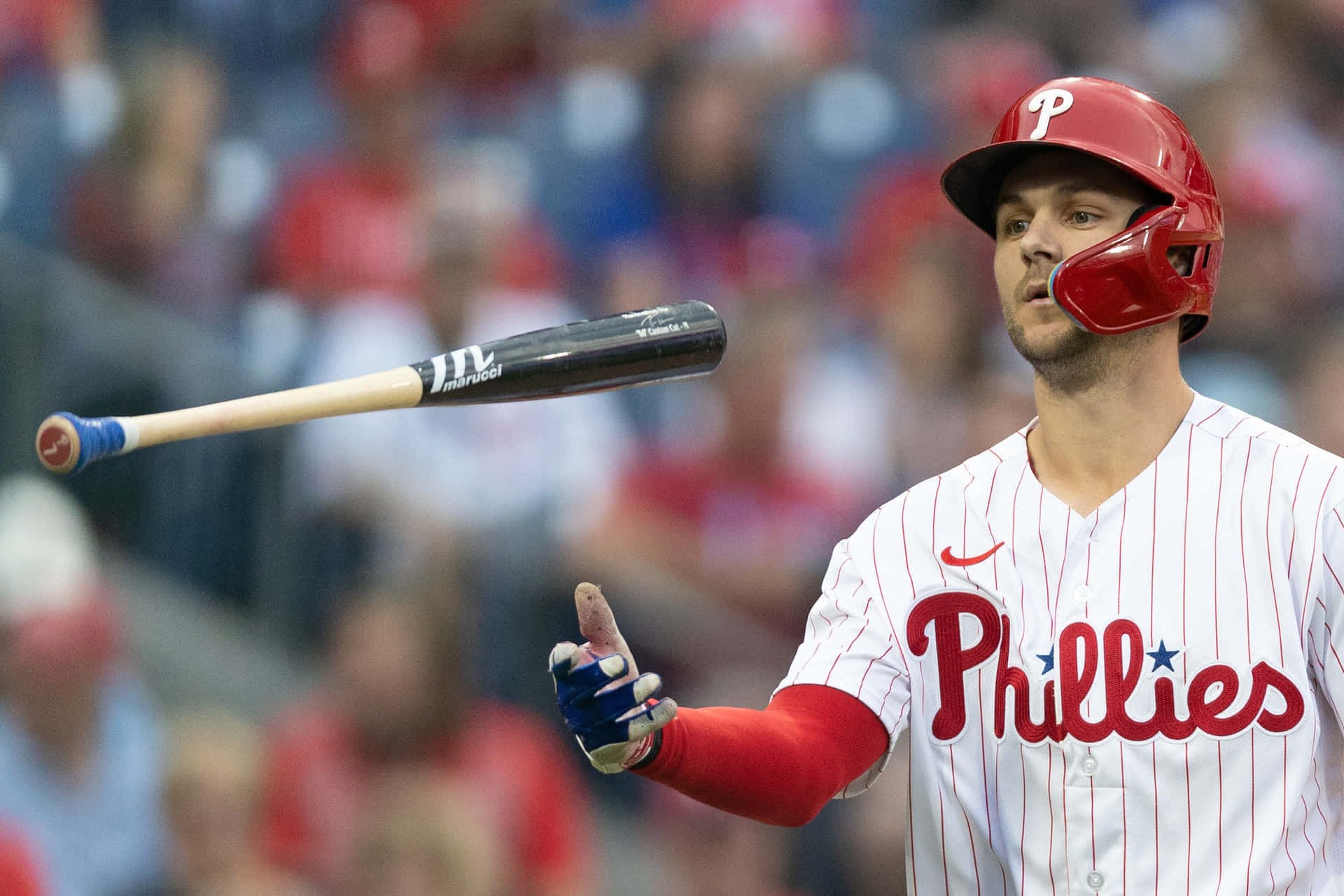
San Diego traded Trea Turner and Joe Ross to Washington for three months of Wil Myers in 2014, a move that came back to haunt the Padres. Myers was having a solid season and the Padres hoped he would anchor their lineup for years to come.
Turner developed into an elite shortstop and stolen base champion who helped Washington win their first World Series title. Myers played well for San Diego but never came close to Turner’s overall value and impact.
Yordan Alvarez to the Astros
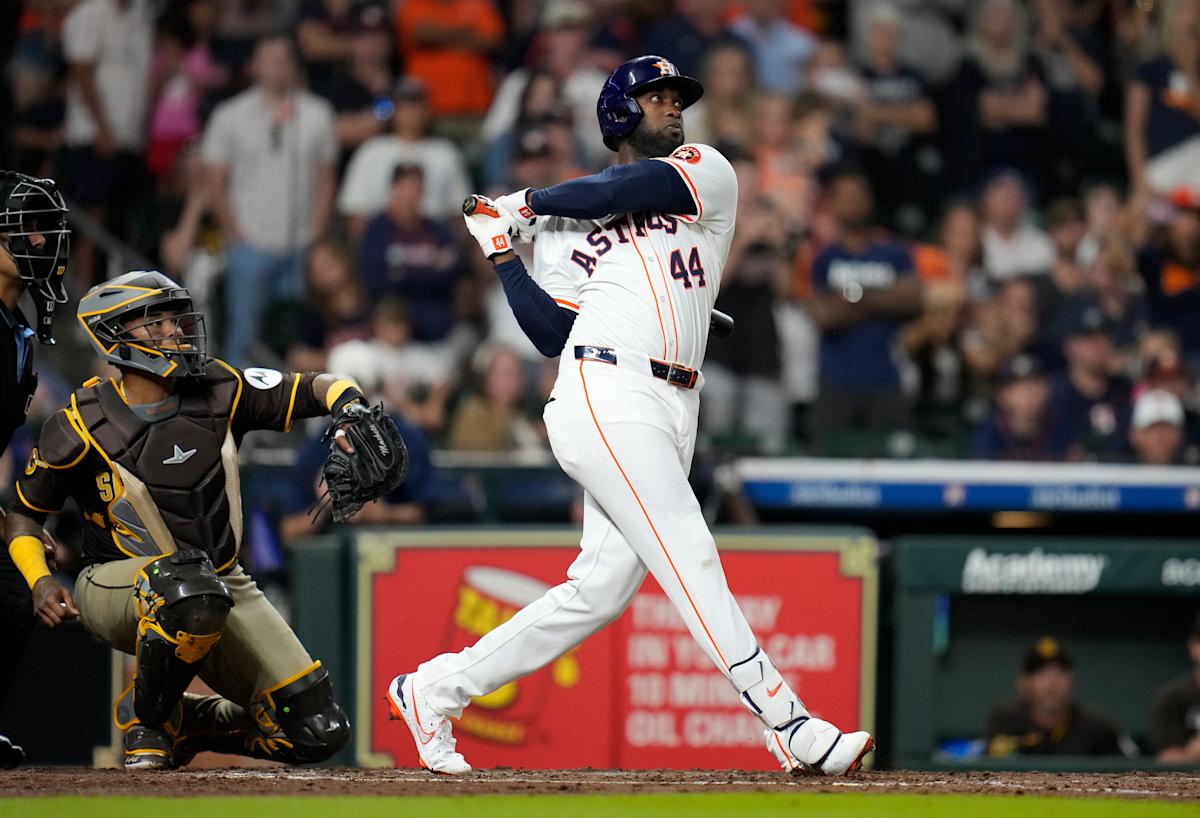
The Los Angeles Dodgers traded Yordan Alvarez to Houston for Josh Fields in 2016, giving away a future Rookie of the Year for a relief pitcher. Fields was a journeyman reliever who provided minimal value for the Dodgers before moving on.
Alvarez became one of the most feared hitters in baseball, winning Rookie of the Year and helping Houston capture a World Series championship. The trade showed how even contending teams can make costly mistakes with their farm systems.
Like Go2Tutors’s content? Follow us on MSN.
Mookie Betts to the Dodgers
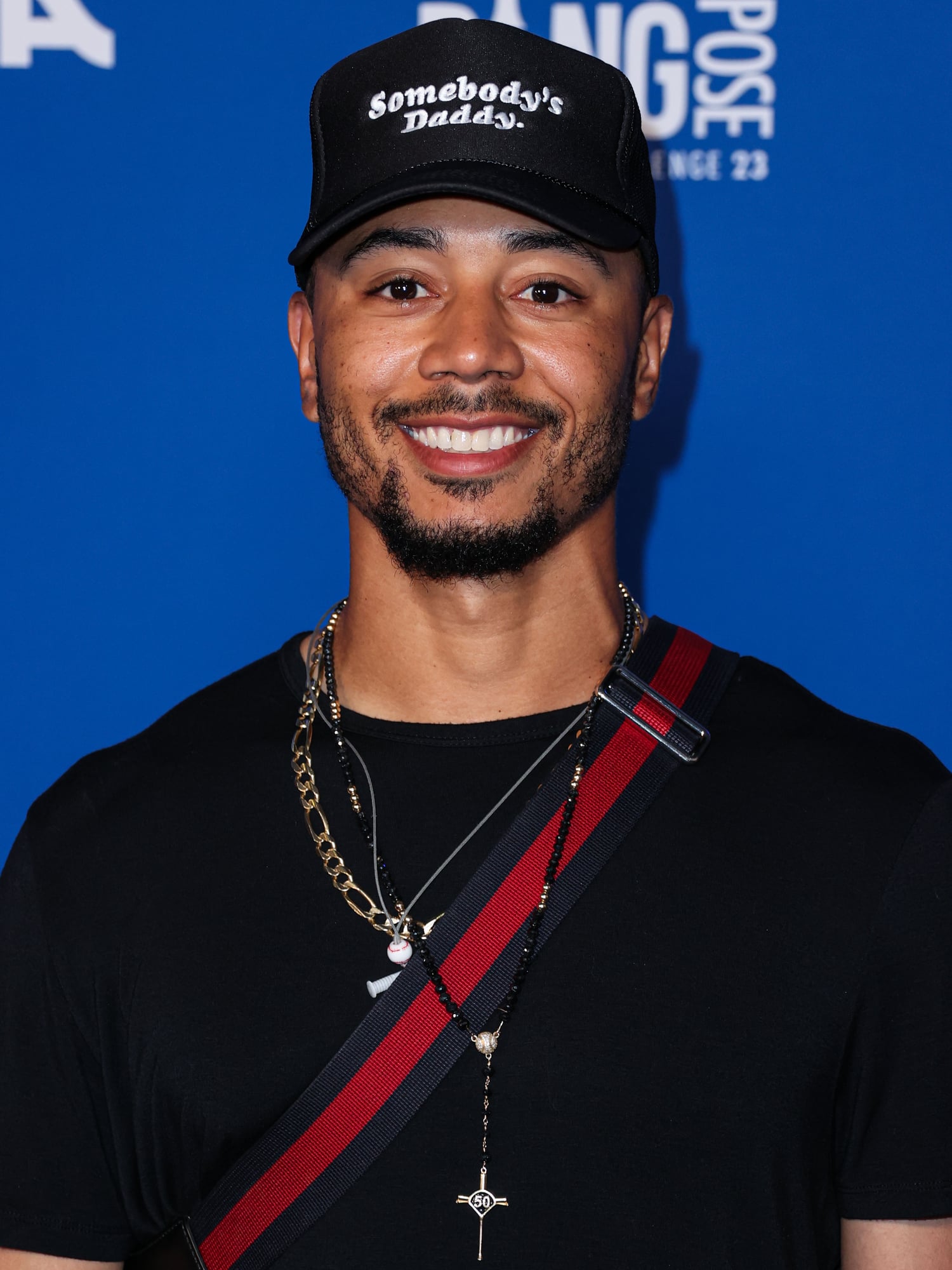
Boston traded Mookie Betts to the Los Angeles Dodgers in 2020, sending away a homegrown superstar to avoid paying his massive contract. The Red Sox received Alex Verdugo and prospect Jeter Downs, a return that looked light for a former MVP.
Betts immediately helped the Dodgers win a World Series championship while establishing himself as one of the faces of baseball. Boston’s salary dump became one of the most criticized moves in franchise history.
The Game Changes but the Pain Remains

These trades remind us that baseball’s front offices are run by humans who make mistakes, just like the players they evaluate. The sport has evolved tremendously since Babe Ruth’s era, with advanced analytics and scouting departments that would make those old-school general managers jealous.
Yet teams still trade away future superstars for immediate needs, proving that predicting baseball talent remains as challenging as hitting a 95-mile-per-hour fastball. The franchises that made these deals learned expensive lessons about patience, evaluation, and the true cost of short-term thinking.
More from Go2Tutors!

- 18 Unexpectedly Valuable Collectibles You Might Have Lying Around
- 20 Little-Known Historical Battles That Had Huge Consequences
- 20 Historical Artifacts That Scientists Can’t Explain
- 15 Inventions That Were Immediately Banned After Being Created
- 20 Actors Who Were Almost Cast in Iconic Roles
Like Go2Tutors’s content? Follow us on MSN.



