15 Behind-the-Scenes Secrets Shared by Former Cruise Ship Crew
Ever wondered what really happens when you’re not looking on a cruise ship? The polished veneer of endless buffets and smiling staff hides a world most passengers never see. Former crew members have started sharing their stories, and some of these revelations might surprise you.
From hidden crew areas to industry practices that would make your head spin, the reality behind those floating vacation palaces is far more complex than the brochures suggest.
The crew bar gets wild after midnight
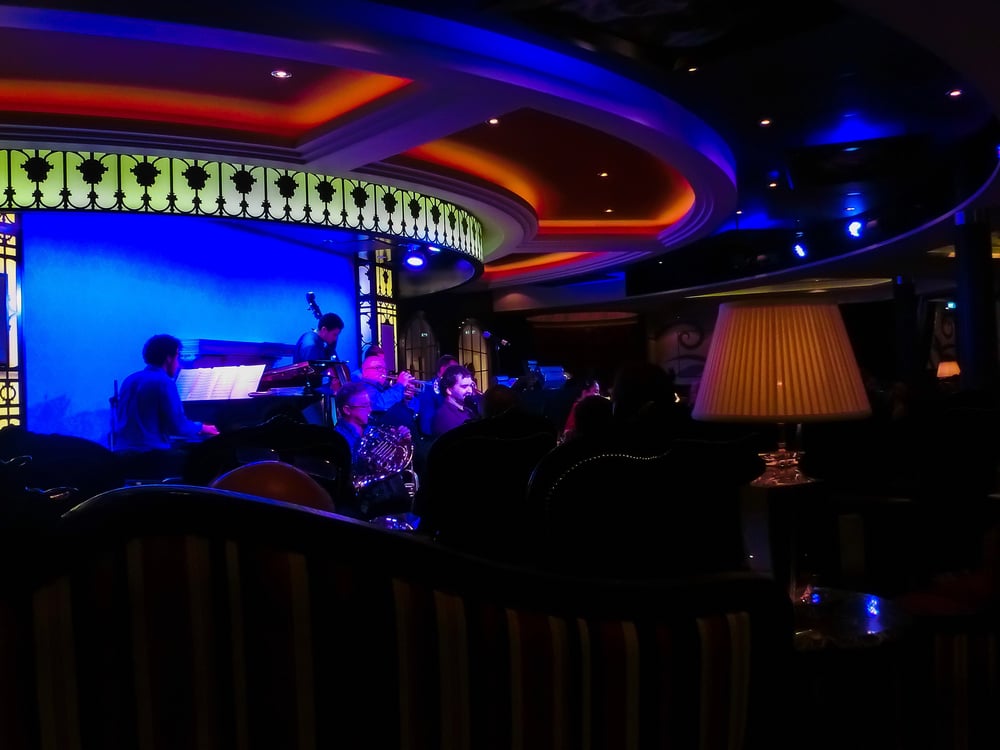
Ship staff work grueling schedules with little downtime, so when they finally clock off, the crew bar becomes their sanctuary. Former bartender Maria recalls how this hidden space (completely off-limits to passengers) transforms into something resembling a college dorm party crossed with a United Nations gathering.
With crew members from dozens of countries blowing off steam together, these late-night gatherings can get surprisingly raucous. The drinks are cheap, the stories are unfiltered, and the drama is real.
What happens in the crew bar definitely doesn’t make it into the passenger areas.
Your cabin steward knows everything about you

The amount of personal information your cabin steward absorbs during your stay would astound most travelers (they’re essentially forensic analysts of vacation behavior, piecing together your habits, preferences, and private moments from the evidence left behind each day). They know what time you wake up based on when the shower runs, they can tell if you’re fighting with your travel companion from the way the beds are arranged, and they absolutely notice if you’ve been sneaking food back to your room despite the dining package you purchased.
But here’s the thing that surprised me most: they genuinely care about making your trip better. And they remember repeat passengers with an almost supernatural precision — your preferred towel arrangement, whether you like the curtains open or closed, even which side of the bed you sleep on.
The galley operates like a military kitchen
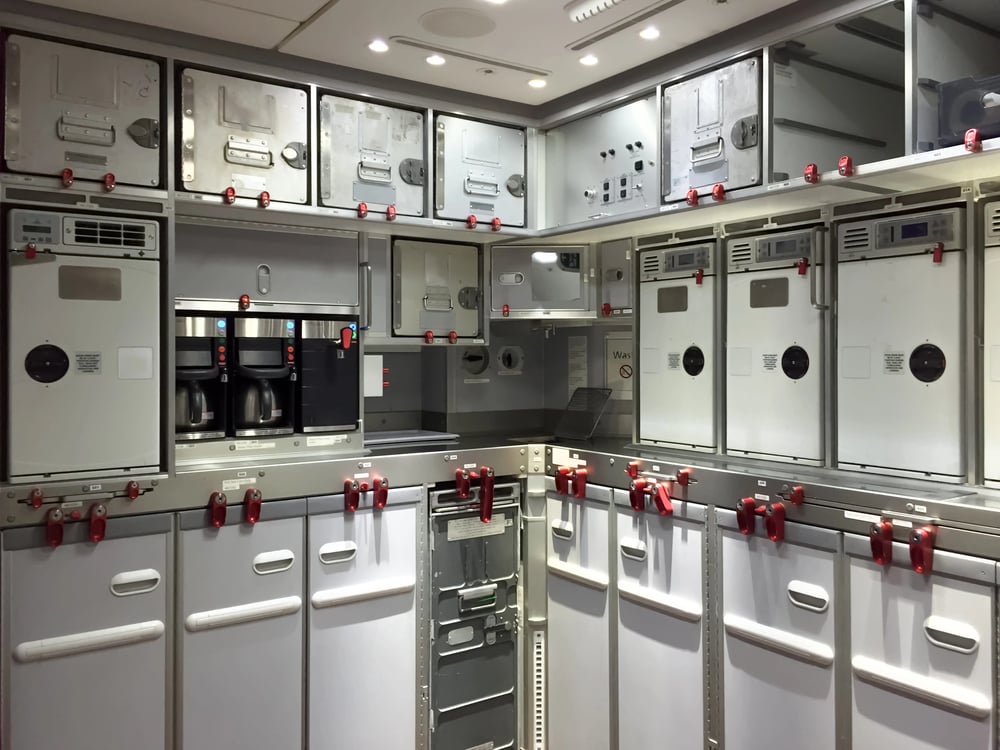
Picture the most intense restaurant kitchen you’ve ever seen, then multiply that by ten and add the constant motion of ocean swells. The main galley on a large cruise ship feeds thousands of people multiple times per day, and it runs with the precision of a Swiss watch wrapped in controlled chaos.
Prep starts at 4 AM, the pace never slows, and one missed timing can cascade into delays that affect the entire ship’s dining schedule. Former sous chef Marcus describes it as beautiful madness.
Everyone knows their role, communication happens in shorthand, and somehow thousands of meals emerge on schedule despite working in a kitchen that’s literally rocking back and forth.
Passenger complaints range from absurd to heartbreaking
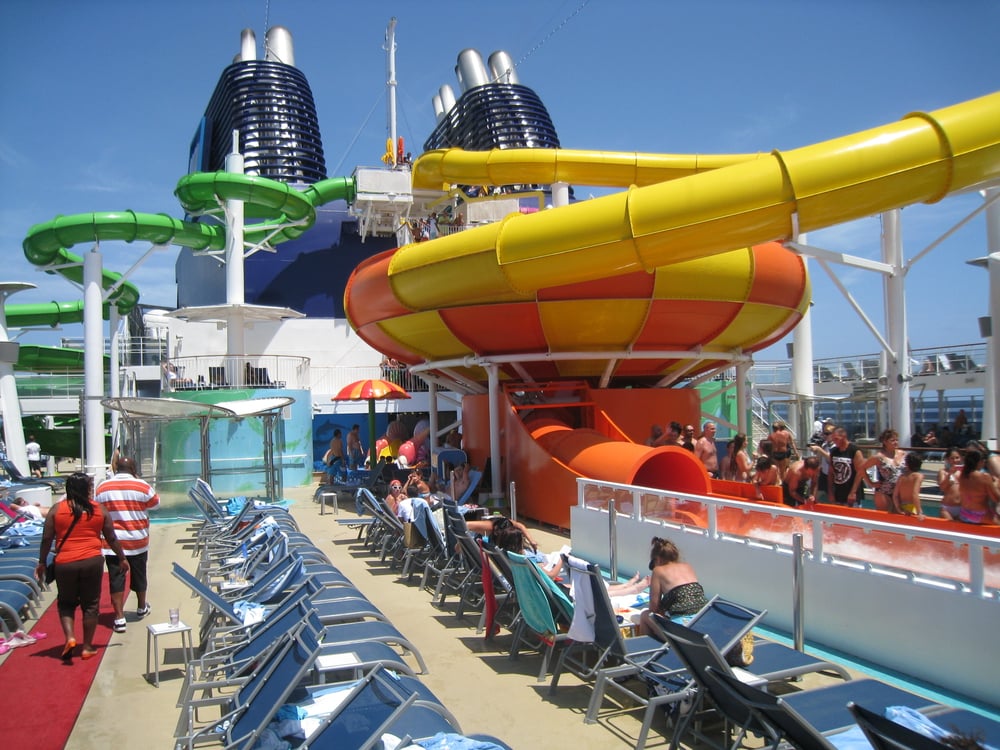
Guest services staff develop thick skin quickly because the range of complaints they handle defies logic. People complain that the ocean is too loud, that there are too many fish in the water during snorkeling excursions, and that the ship moves too much.
These complaints are logged with straight faces and professional responses. On the flip side, crew members also witness passengers dealing with genuine emergencies — medical scares, family crises back home, and relationship meltdowns that happen when people are confined together for days.
The contrast between trivial complaints and real human drama creates an emotional whiplash that takes time to navigate.
Romance between crew members is inevitable

When you live and work in close quarters for months at a time, relationships develop whether management likes it or not. The official policies discourage fraternization, but reality operates differently.
Crew members from different departments find ways to spend time together during brief breaks, and some of these shipboard romances turn into lasting relationships. Former cruise director Jenny explains it like this: imagine your workplace, your neighborhood, and your social circle all condensed into a space smaller than most shopping malls.
Add the intensity of being away from home for months, and human connections become inevitable.
The captain rarely eats in public
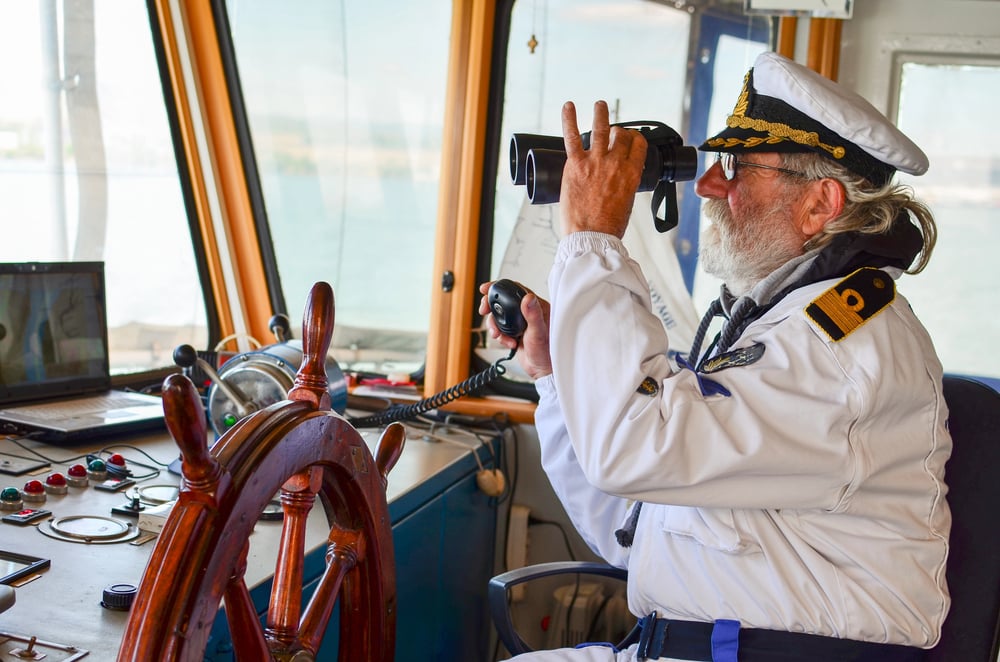
Most passengers assume the captain mingles freely throughout the ship, but former crew members reveal that captains typically maintain careful distance from guest areas during meal times. The responsibility of commanding a floating city carrying thousands of people creates constant pressure, and eating in public means being approached with questions, complaints, and requests for photos every few minutes.
Instead, captains often eat in their quarters or in restricted crew areas where they can decompress without performance expectations.
Crew internet is painfully slow and expensive

While passengers complain about spotty wifi, crew members deal with internet access that makes dial-up look speedy (and they pay premium prices for the privilege of staying connected to families back home, often spending significant portions of their salary just to video chat with children or parents). The crew internet operates on a separate, more limited system than passenger wifi, and download speeds that would have been considered slow in 2005 are still common.
So when crew members seem eager to help you with your wifi problems, it’s partially because they understand the frustration intimately — they’re dealing with something far worse. But they also know that passenger satisfaction with internet service directly affects the ship’s ratings, which ultimately impacts their job security.
Medical emergencies happen more often than you’d think
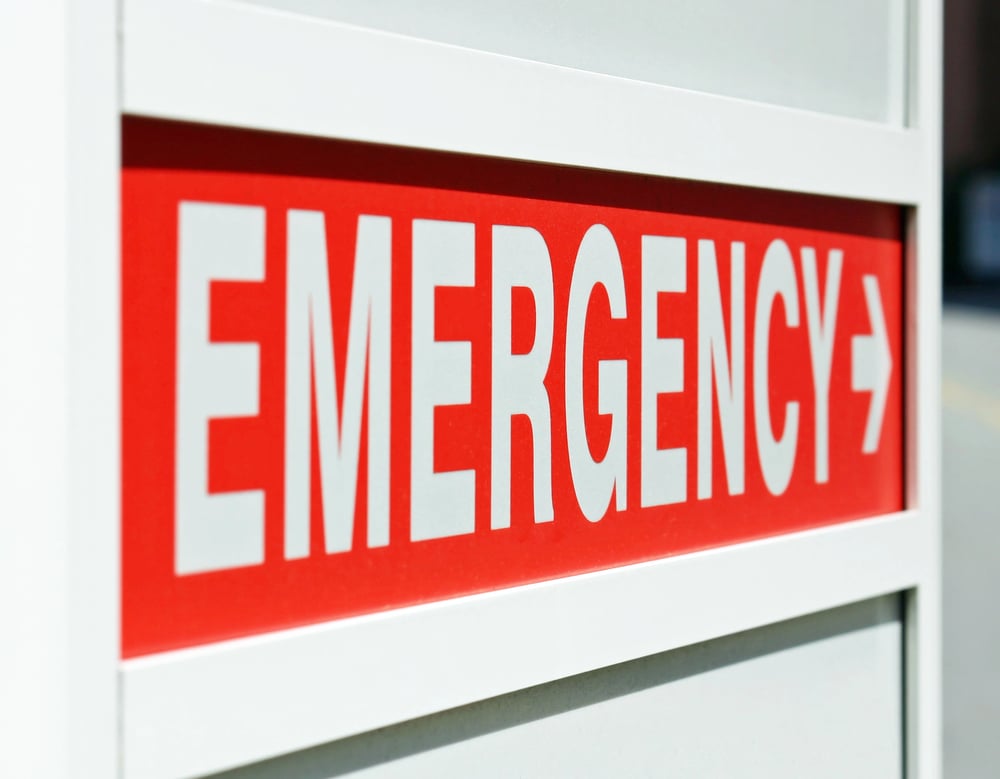
Cruise ships essentially function as floating hospitals, and the medical bay sees steady traffic throughout every voyage. From heart attacks to broken bones from passengers who overestimate their dancing abilities, the medical staff handles everything from routine seasickness to life-threatening emergencies.
Former nurse practitioner David estimates that serious medical incidents occur on almost every sailing. The medical team trains constantly for scenarios most land-based hospitals never consider.
How do you perform emergency procedures while the floor tilts beneath your feet? How do you evacuate a patient when the nearest hospital is hundreds of miles away?
The laundry operation never stops
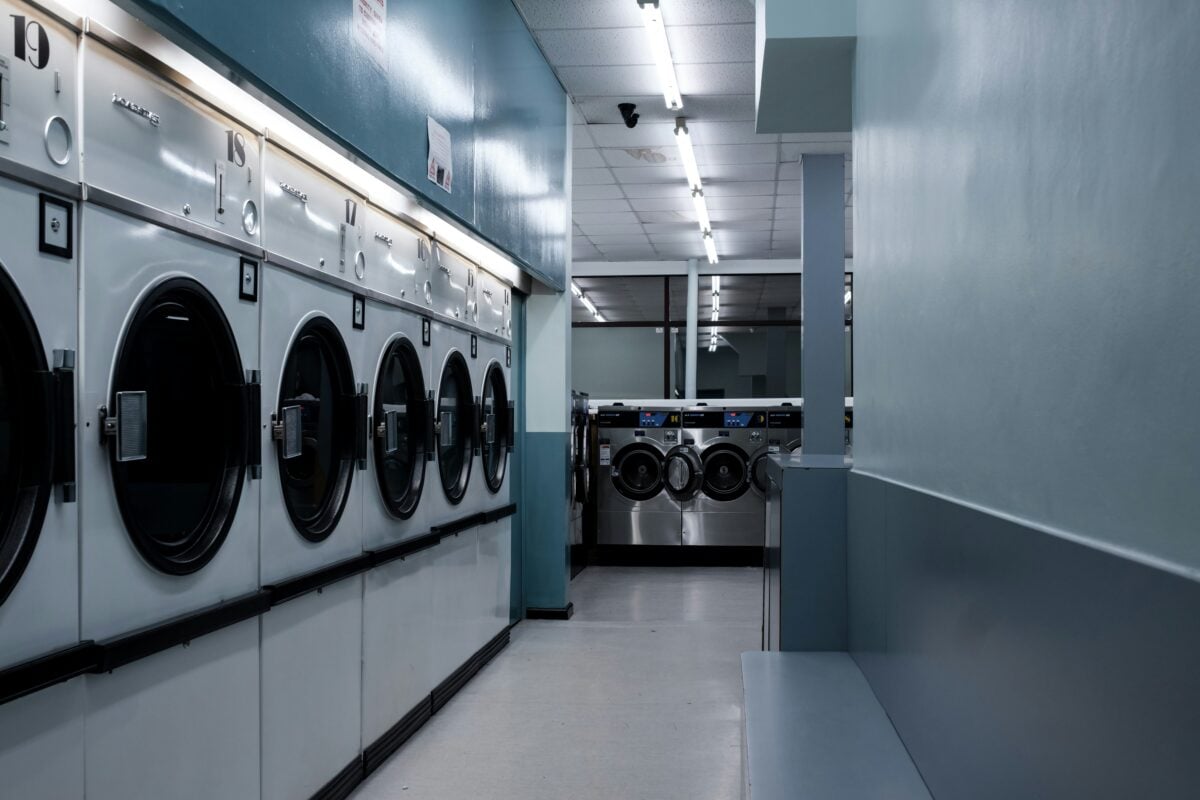
Thousands of passengers and crew members generate an astronomical amount of laundry daily, and the ship’s laundry facility operates around the clock to keep up. Former housekeeping supervisor Carlos describes walking through the laundry deck as entering a steam-filled alternate universe where enormous machines run constantly and the air temperature stays consistently uncomfortable.
The precision required to track thousands of individual laundry items while maintaining turnaround times that keep cabins stocked with fresh linens is genuinely impressive. Everything gets tagged, sorted, and returned to the correct location despite the volume that would overwhelm most land-based operations.
Crew members often work split shifts

The staffing schedule on cruise ships doesn’t follow normal work patterns. Many crew members work split shifts — a few hours in the morning, a break during the afternoon, then back to work for evening service.
This maximizes coverage during peak passenger activity times but creates fragmented schedules that make rest difficult. Former restaurant server Angela explains that you never really feel off duty because your next shift is always just a few hours away.
The boundaries between work time and personal time blur when your bedroom is a few decks away from your workplace.
Waste management is more complex than you’d imagine

Every cruise ship is essentially a small city dealing with waste disposal while floating in the middle of the ocean. The logistics of managing thousands of tons of garbage, recycling, and wastewater require sophisticated systems and careful planning.
Former environmental officer Tom describes the waste management operation as one of the most underappreciated aspects of ship operations. Everything gets sorted, processed, and either stored for proper disposal at port or treated according to maritime environmental regulations.
The volume of waste generated by a few thousand people over a week-long cruise would surprise most passengers.
Shore excursions have huge markup
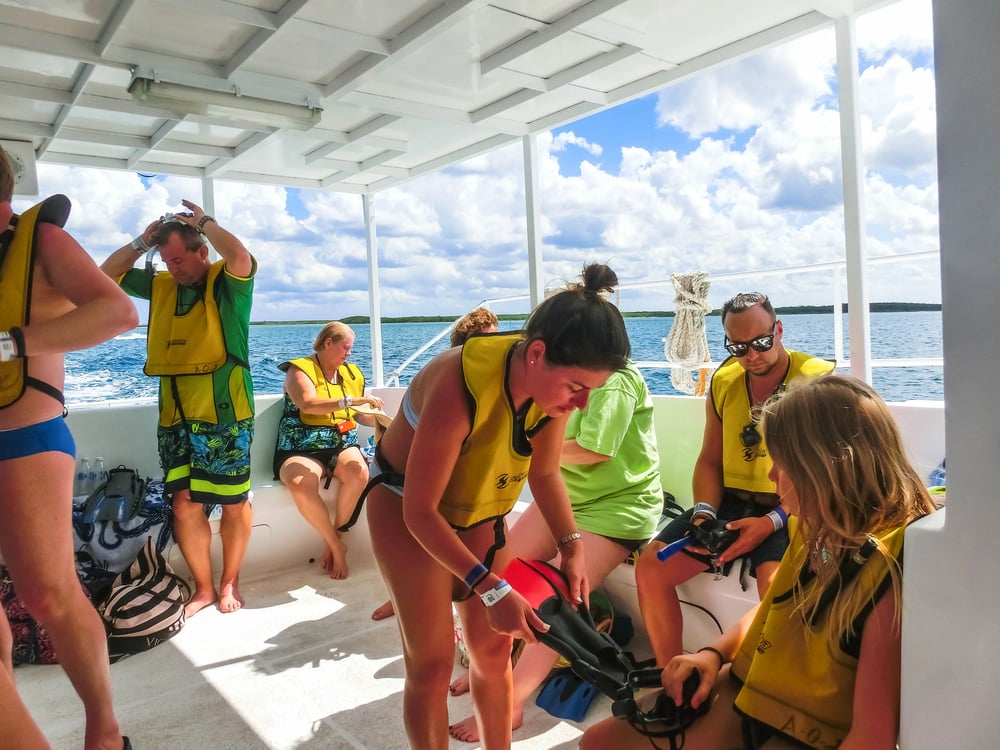
The convenience of booking excursions through the cruise line comes with substantial price increases compared to arranging similar activities independently. Former shore excursion coordinator Lisa reveals that markups of 200-300% are common, and passengers often pay premium prices for experiences they could arrange themselves for significantly less money.
The trade-off involves guaranteed transportation timing and the ship’s commitment to wait if an official excursion runs late. Independent excursions that miss departure time leave passengers stranded at port until the next available flight home.
Crew quarters are smaller than most prison cells
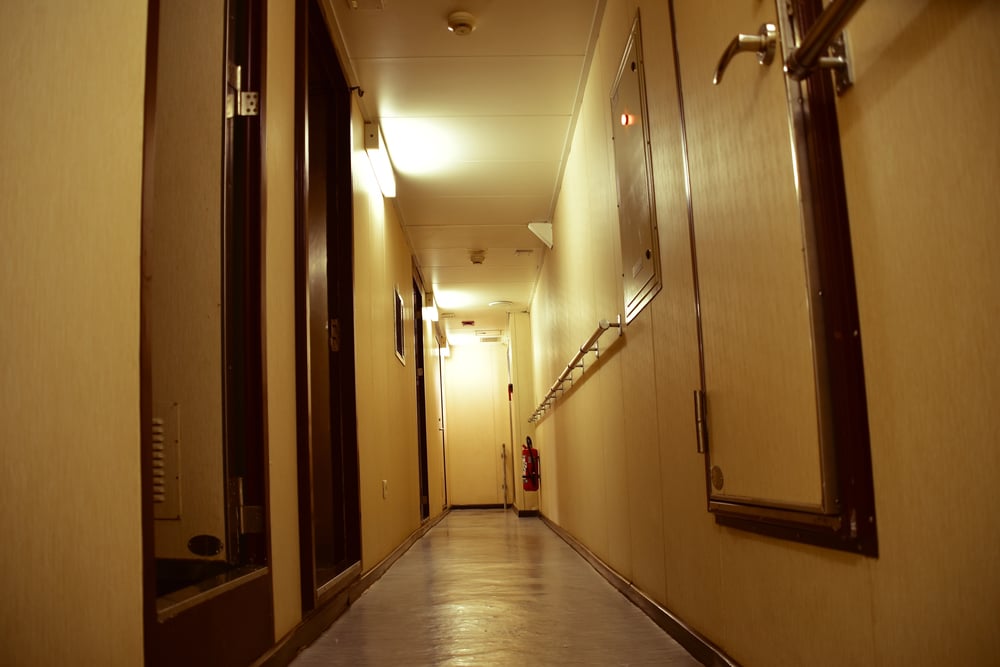
The living conditions for crew members would shock most passengers who complain about their standard cabin size. Crew quarters typically house two to four people in spaces smaller than most walk-in closets, with shared bathrooms down the hall and limited storage for personal belongings.
Former housekeeper Nina describes learning to live with absolutely minimal possessions and developing close relationships with roommates by necessity. Privacy becomes a luxury that crew members learn to create through schedules and mutual respect rather than physical space.
The contrast between the spacious passenger areas they maintain and their own cramped living conditions is stark.
Engine room temperatures reach extreme levels
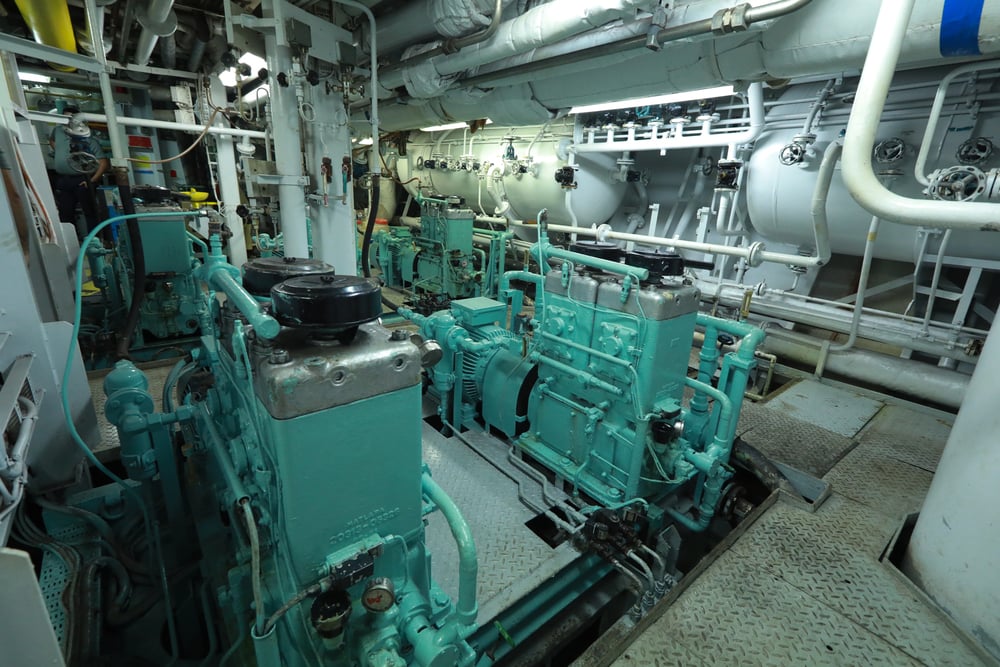
The engineering crew works in conditions that most people couldn’t tolerate for more than a few minutes. Engine room temperatures regularly exceed 100 degrees Fahrenheit, and the noise levels require constant ear protection. Former engineer Mike describes the engine room as the closest thing to working inside a volcano while maintaining the complex mechanical systems that keep the entire ship operational.
These crew members develop almost superhuman tolerance for heat and noise while performing precision work that keeps thousands of passengers comfortable in air-conditioned spaces above.
Tipping culture varies dramatically by passenger nationality

Crew members quickly learn to adjust their service expectations based on passenger backgrounds, as tipping practices vary wildly across different cultures. Former waiter Carlos explains that American passengers generally tip according to expected percentages, while passengers from many European countries rarely tip beyond small amounts, and some cultures consider tipping inappropriate entirely.
This creates income unpredictability for crew members whose base salaries are often quite low, with tips expected to make up the majority of their earnings. The financial stress of not knowing whether a particular cruise will generate enough tips to support families back home adds another layer of pressure to an already demanding job.
The real adventure happens below deck
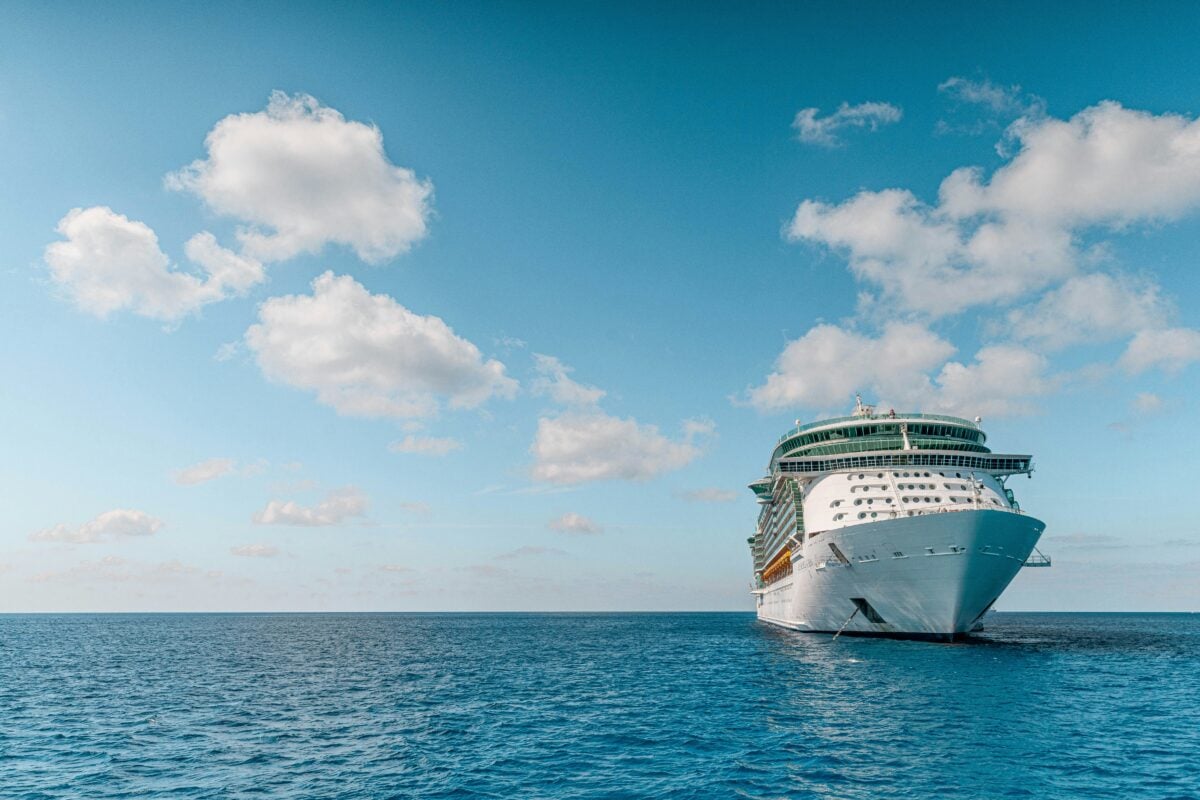
The passenger experience represents just the surface of cruise ship life, while the real stories unfold in crew quarters, engine rooms, and service corridors that most travelers never see. Former crew members consistently describe their time aboard as transformative — challenging, exhausting, and somehow addictive despite the difficulties.
These floating cities operate through the dedication of workers who sacrifice months away from home, endure cramped living conditions, and maintain smiles while dealing with demands that range from reasonable to ridiculous. The next time you’re sipping a drink on deck watching the sunset, remember the small army of people working below to make that moment possible.
More from Go2Tutors!

- The Romanov Crown Jewels and Their Tragic Fate
- 13 Historical Mysteries That Science Still Can’t Solve
- Famous Hoaxes That Fooled the World for Years
- 15 Child Stars with Tragic Adult Lives
- 16 Famous Jewelry Pieces in History
Like Go2Tutors’s content? Follow us on MSN.