15 Blockbuster Films Based on Real People
Hollywood has always found inspiration in the lives of remarkable real people. From war heroes to tech pioneers, musicians to activists, these true stories have captivated audiences worldwide and earned billions at the box office. The magic happens when talented filmmakers take these genuine human experiences and transform them into cinematic gold that resonates with millions.
There’s something special about watching a movie and knowing the person on screen actually walked this earth. They turn distant historical figures into people we can relate to, complete with flaws, dreams, and the kind of determination that changes the world. Here are 15 blockbuster films based on real people—powerful stories brought to life on the big screen, where history meets Hollywood.
The Social Network

Mark Zuckerberg’s journey from Harvard student to tech billionaire became one of the most talked-about films of 2010. Director David Fincher and writer Aaron Sorkin crafted a sharp, fast-paced drama that captured the cutthroat world of Silicon Valley startup culture. The film earned over $224 million worldwide and three Academy Awards. Jesse Eisenberg’s portrayal of the Facebook founder sparked countless debates about the real Zuckerberg’s personality and motivations.
Bohemian Rhapsody

Freddie Mercury’s life story struck a chord with audiences around the globe, earning nearly $1 billion at the box office. Rami Malek’s transformation into the Queen frontman was nothing short of remarkable, capturing both Mercury’s flamboyant stage presence and his private struggles. The film recreated Queen’s legendary Live Aid performance with stunning accuracy. Despite some creative liberties with the timeline, fans embraced this celebration of one of rock’s greatest voices.
Like Go2Tutors’s content? Follow us on MSN
The Wolf of Wall Street

Jordan Belfort’s rise and fall as a corrupt stockbroker provided Martin Scorsese with rich material for this dark comedy-drama. Leonardo DiCaprio delivered a powerhouse performance as the real-life con artist who defrauded investors out of millions. The film’s excess and debauchery reflected the actual lifestyle Belfort lived during his peak years. At nearly three hours long, it kept audiences glued to their seats while earning $392 million worldwide.
Gandhi
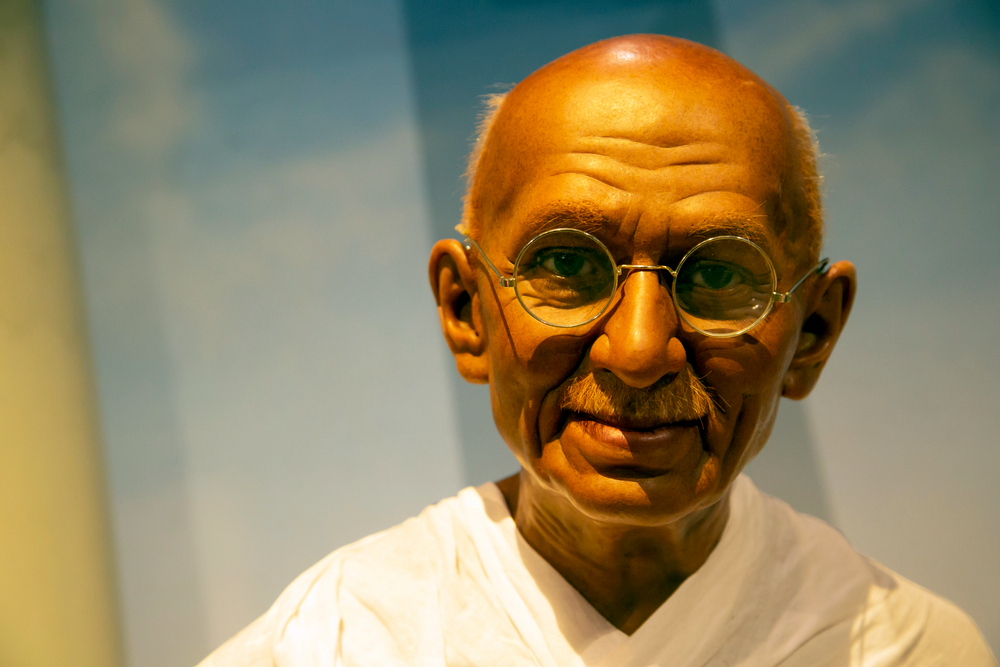
Ben Kingsley’s portrayal of Mahatma Gandhi remains one of cinema’s most powerful biographical performances. The 1982 epic covered the Indian leader’s entire adult life, from his early days as a lawyer in South Africa to his assassination in 1948. Richard Attenborough’s direction brought Gandhi’s philosophy of nonviolent resistance to vivid life on screen. The film swept the Academy Awards, winning eight Oscars including Best Picture and Best Actor.
Catch Me If You Can

Frank Abagnale Jr.’s incredible true story of forgery and fraud became a delightful cat-and-mouse game in Steven Spielberg’s hands. Leonardo DiCaprio played the teenage con artist who successfully posed as a pilot, doctor, and lawyer before his 19th birthday. Tom Hanks provided the perfect counterpart as the FBI agent determined to catch him. The film’s blend of humor and heart made Abagnale’s criminal exploits surprisingly charming and earned $352 million globally.
Like Go2Tutors’s content? Follow us on MSN
Darkest Hour

Winston Churchill’s first weeks as British Prime Minister during World War II provided the backdrop for this intense political drama. Gary Oldman disappeared completely into the role, gaining weight and spending hours in makeup to become the legendary wartime leader. The film focused on Churchill’s decision to fight rather than negotiate with Nazi Germany. Oldman’s performance was so convincing that it earned him an Academy Award and helped the film gross $150 million worldwide.
The Pianist

Wladyslaw Szpilman’s harrowing survival story during the Holocaust became Roman Polanski’s masterpiece. Adrien Brody’s haunting performance as the Polish pianist who hid in the ruins of Warsaw earned him an Oscar. The film’s unflinching portrayal of Nazi brutality was balanced by moments of unexpected humanity. Szpilman’s own memoir provided the source material, ensuring the film’s authenticity and emotional power.
A Beautiful Mind

John Nash’s battle with schizophrenia while working as a brilliant mathematician created one of Hollywood’s most compelling character studies. Russell Crowe brought depth and vulnerability to the Nobel Prize-winning economist’s story. The film cleverly used visual techniques to show Nash’s mental illness from his perspective. Director Ron Howard balanced the scientific achievements with the personal struggle, creating a film that earned $313 million and four Academy Awards.
Like Go2Tutors’s content? Follow us on MSN
Malcolm X

Denzel Washington’s transformation into the controversial civil rights leader stands as one of the greatest biographical performances in film history. Spike Lee’s epic covered Malcolm’s entire journey from street hustler to religious leader to political activist. Washington spent months preparing for the role, learning Arabic and making the pilgrimage to Mecca. The three-hour film never felt long thanks to its compelling storytelling and Washington’s magnetic screen presence.
Capote

Philip Seymour Hoffman’s portrayal of Truman Capote during the writing of “In Cold Blood” earned him an Academy Award and critical acclaim. The film focused on the author’s relationship with convicted killer Perry Smith while researching his groundbreaking nonfiction novel. Hoffman captured Capote’s distinctive voice and mannerisms perfectly. The movie explored the ethical questions surrounding Capote’s methods and his emotional investment in the story.
Walk the Line

Johnny Cash’s love story with June Carter became a country music fairy tale on the big screen. Joaquin Phoenix and Reese Witherspoon both performed their own singing, bringing authenticity to their portrayals of the music legends. The film covered Cash’s rise to fame, his struggles with addiction, and his redemption through love. Director James Mangold crafted a traditional biopic that felt fresh thanks to the leads’ committed performances and the timeless appeal of Cash’s music.
Like Go2Tutors’s content? Follow us on MSN
The Aviator

Howard Hughes’s obsessions with aviation and filmmaking provided Martin Scorsese with another larger-than-life character to explore. Leonardo DiCaprio captured both Hughes’s visionary genius and his debilitating mental illness. The film’s recreation of Hollywood’s golden age and early aviation was visually stunning. Cate Blanchett’s performance as Katharine Hepburn added another layer of authenticity to this ambitious biographical epic that earned $213 million worldwide.
Milk

Harvey Milk’s groundbreaking political career as one of America’s first openly gay elected officials became a powerful story of courage and activism. Sean Penn’s performance captured both Milk’s charisma and his determination to fight for civil rights. The film recreated 1970s San Francisco with remarkable attention to detail. Director Gus Van Sant balanced the political message with intimate character moments, creating a film that honored Milk’s legacy while entertaining audiences.
Ray

Jamie Foxx’s transformation into Ray Charles was so complete that the legendary musician himself approved of the casting before his death. The film covered Charles’s entire career, from his childhood in Georgia to his rise as the “Genius of Soul.” Foxx spent months learning to play piano and studying Charles’s mannerisms and speech patterns. The biopic earned $124 million worldwide and won Foxx an Academy Award for his uncanny portrayal.
Like Go2Tutors’s content? Follow us on MSN
Erin Brockovich

Julia Roberts’s Oscar-winning performance as the determined legal clerk who took on a major corporation became one of the most inspiring true stories ever filmed. The real Erin Brockovich’s fight against Pacific Gas & Electric over groundwater contamination showed how one person can make a difference. Steven Soderbergh’s direction kept the legal drama engaging while highlighting the human cost of corporate negligence. The film’s success proved that audiences hunger for stories about ordinary people doing extraordinary things.
When truth becomes legend

These films prove that reality often provides the most compelling stories Hollywood has to tell. Each movie took liberties with facts to serve the narrative, but they all captured something essential about their real-life subjects. The best biographical films don’t just chronicle events but reveal universal truths about human nature, ambition, love, and redemption. Whether celebrating triumph or exploring tragedy, these stories remind us that real people have lived lives worth remembering and sharing with the world.
More from Go2Tutors!

- 16 Historical Figures Who Were Nothing Like You Think
- 12 Things Sold in the 80s That Are Now Illegal
- 15 VHS Tapes That Could Be Worth Thousands
- 17 Historical “What Ifs” That Would Have Changed Everything
- 18 TV Shows That Vanished Without a Finale
Like Go2Tutors’s content? Follow us on MSN