Quirky Office Rituals at Tech Giants
Walk into any tech company headquarters and you’ll notice something unusual. The dress code might be nonexistent, the office layout might resemble a playground, and the conference rooms might have names like “The Death Star” or “Winterfell.”
But beyond the surface-level perks and modern architecture, tech companies have developed their own peculiar traditions and rituals that define their cultures in ways that outsized salaries and stock options never could. These rituals aren’t just random quirks.
They serve as bonding mechanisms, stress relievers, and sometimes just excuses for otherwise serious engineers to act ridiculous for a few minutes. Some started as inside jokes that spiraled into company-wide traditions.
Others were deliberately created to foster creativity or maintain cultural values as companies scaled from garage startups to global corporations.
The Gong That Rings for Victory
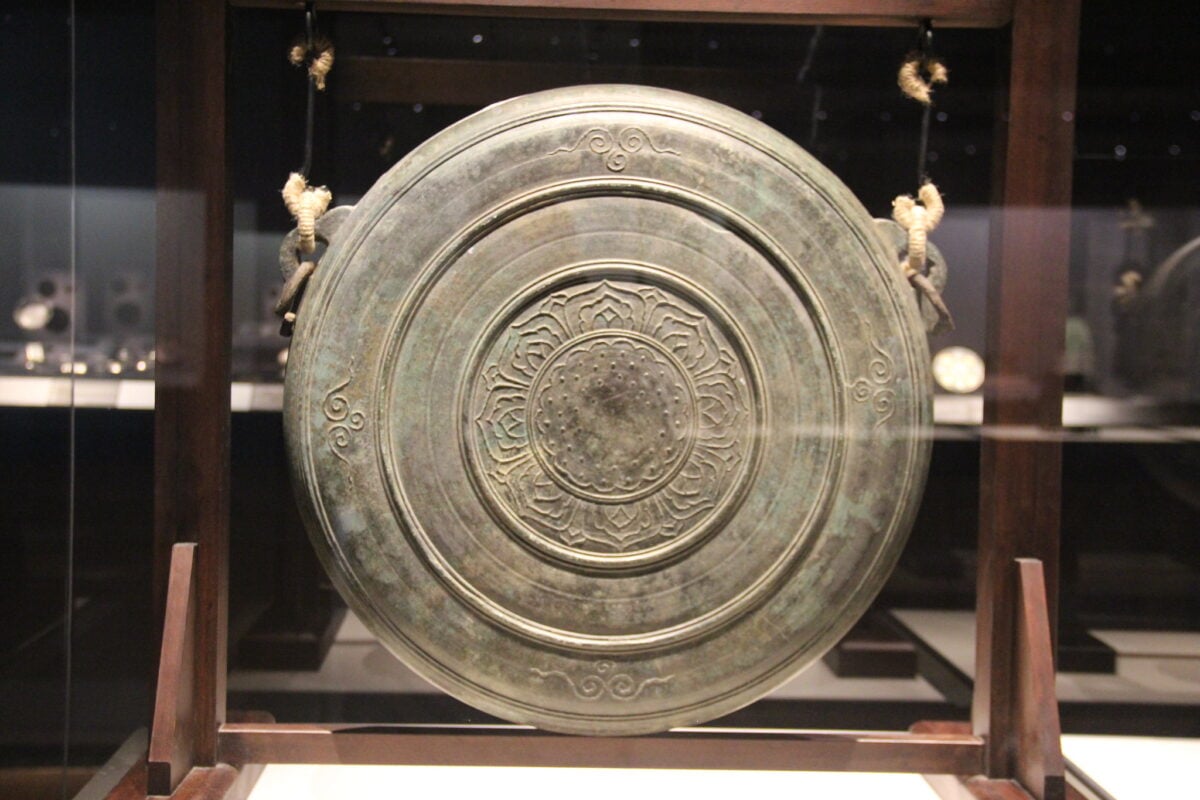
Salesforce employees hear a specific sound throughout their workday—the ringing of a bronze gong. When a sales team closes a major deal, they head to the gong and ring it with theatrical flair.
The sound echoes across floors, and nearby employees often stop what they’re doing to applaud. What started as a single gong in the San Francisco headquarters spread to offices worldwide.
Each location now has its own gong, and the ritual has become so ingrained that employees report feeling genuinely excited when they hear it, even if they had nothing to do with the sale. The practice taps into something primal about celebration and shared success.
Sales teams compete not just for commissions but for the chance to make that satisfying sound.
Facebook’s Hackathons and All-Nighters
Meta (formerly Facebook) built its entire innovation engine around the hackathon. Once every few months, normal work stops. Engineers, designers, and product managers form random teams and spend the night building whatever wild idea came to them.
The offices transform into a sleep-deprived circus of energy drinks, pizza boxes, and half-baked prototypes. Some of Facebook’s most important features emerged from these sessions.
The “Like” button? Hackathon project. Facebook Chat? Another hackathon winner.
The company takes these events so seriously that they often fly in employees from international offices just to participate. By morning, teams present their creations to executives, and the best ideas sometimes go into production within weeks.
The ritual sends a clear message: your crazy idea matters more than your job title.
Google’s TGIF and the Art of Uncomfortable Questions
Every Friday afternoon, Google holds an all-hands meeting called TGIF. Employees gather in a massive auditorium or tune in remotely while founders Larry Page and Sergey Brin (and later, CEO Sundar Pichai) take questions.
But here’s the twist—employees can ask literally anything, and the questions come from an internal system where other employees vote them up. This means executives regularly face aggressive, pointed questions about strategy, ethics, partnerships, and controversial decisions.
The questions that make it to the top are often the ones that make PR teams sweat. Google maintains this tradition because it reinforces a culture where hierarchies flatten and transparency matters.
You might manage thousands of people, but you still have to explain yourself to an engineer who joined last month.
Amazon’s Empty Chair in Meetings

Jeff Bezos instituted a practice that unnerved many new Amazon employees: the empty chair. During important meetings, one chair remains vacant.
That chair represents the customer, and its presence serves as a constant reminder of who really matters in every decision. When debates get heated or teams start focusing too much on internal politics, someone inevitably points to the empty chair.
The question becomes: what would the customer think about this? The ritual seems simple, but it fundamentally changes how meetings unfold. Teams can’t hide behind corporate speak or process when there’s a symbolic customer sitting right there, judging them silently.
Some Amazon employees find it hokey, but many report that it genuinely shifts their thinking. The chair turns an abstract concept into something physical and impossible to ignore.
Apple’s Secrecy Rituals and Elevator Politics
Apple employees don’t casually chat about their work. The company enforces secrecy through cultural rituals that seem paranoid to outsiders but make perfect sense within Apple’s walls.
Employees learn quickly that elevators are dangerous places for conversations. You never know who might be listening, so you stay quiet.
Product teams work in locked rooms that require special badges. Employees often don’t know what their colleagues on different projects are building, even when they sit twenty feet apart.
The company maintains this culture through subtle rituals—the way people lower their voices when discussing work at lunch, how screens get turned away when someone walks by, the practiced art of giving vague answers about your job to other employees.
This ritualized paranoia isn’t just about preventing leaks. It creates a culture where being trusted with secrets feels like a privilege, where your ability to keep quiet becomes a point of pride.
Spotify’s Hack Week and Ship-It Days

Spotify gives its employees dedicated time to work on passion projects through multiple rituals. Hack Week happens quarterly, but the company also has “Ship-It Days” scattered throughout the year.
During Ship-It Days, you get 24 hours to build something and ship it to users. The only rule: it has to go live.
The time pressure creates a specific kind of chaos. Engineers cut corners they’d never normally cut. Designers skip their usual perfectionism.
Product managers approve things they’d usually want to test for weeks. Some projects crash and burn.
Others become features that millions of users rely on daily. Employees treat these events with a mix of excitement and dread.
You’re exhausted, your code is probably terrible, but you shipped something real. The ritual reinforces a bias toward action that defines Spotify’s culture.
Twitter’s Tea Time and the Daily Ritual
Before Twitter’s turbulent recent years, the company had a simple daily ritual: tea time. Every afternoon at 3:30, employees gathered in the kitchen areas for tea, coffee, and snacks.
What sounds like a mundane break became a critical bonding mechanism. Engineers who normally stayed glued to their screens would chat with marketing people they’d never met.
Executives would find themselves in casual conversations with interns. The ritual created informal networks that made the company feel smaller than it actually was.
Many employees credit these random tea-time encounters with sparking collaborations that never would have happened through official channels.
Netflix’s Keeper Test and Radical Candor

Netflix doesn’t have a quirky ritual involving gongs or hackathons. Instead, it has something more uncomfortable: the Keeper Test.
Managers regularly ask themselves a simple question about each employee: if this person came to me tomorrow and said they were leaving, would I fight to keep them? This internal ritual shapes every interaction at Netflix.
Performance reviews happen constantly through informal conversations. The company expects managers to practice radical candor—telling people directly when their performance isn’t meeting expectations.
The ritual creates a culture where job security comes from excellence, not tenure or politics. Employees either love the clarity or find it ruthlessly stressful.
There’s no middle ground.
Microsoft’s Puzzle Hunt and the Annual Tradition

Once a year, Microsoft stops pretending to be a normal company. The Microsoft Puzzle Hunt transforms the campus into an elaborate game.
Teams of employees solve cryptic puzzles that send them racing across buildings, decoding hidden messages, and collaborating with people they’ve never worked with before. The puzzles get absurdly difficult.
Some require knowledge of obscure programming languages. Others demand creative problem-solving that has nothing to do with technology.
Teams stay up all night, fueled by competition and caffeine. The winning team gets bragging rights and a trophy, but mostly they get respect from their peers.
The ritual serves a specific purpose at Microsoft: breaking down silos. Engineers from Azure meet Office developers.
Cloud specialists collaborate with Xbox designers. For one weekend, the org chart disappears and people remember why they loved solving problems in the first place.
Dropbox’s Whiskey Fridays and the Startup Spirit
Dropbox maintains a tradition from its startup days: Whiskey Fridays. At the end of each week, employees gather for drinks and informal hangouts.
The company stocks an impressive whiskey selection, and employees take turns bringing bottles to share. The ritual isn’t really about alcohol. It’s about maintaining a startup culture as the company scales.
Whiskey Fridays create space for conversations that don’t happen in meetings or Slack channels. New employees get integrated faster.
Teams that normally work separately find common ground. The weekly ritual fights the natural tendency of growing companies to become stiff and corporate.
Slack’s Reading Club and Silent Meetings
Slack practices a ritual that seems counterintuitive for a communication company: silent meetings. Important meetings start with everyone reading a document in complete silence for the first 15 minutes.
No small talk, no presentations, just reading. The practice came from Amazon’s approach, but Slack adapted it into their own ritual.
After the silent reading, discussions become more focused. People can’t hide behind PowerPoint slides or rambling introductions.
Everyone starts from the same baseline of information, and the conversation gets real faster. Employees initially found it awkward.
Sitting in a conference room with colleagues, reading in silence, feels unnatural. But most grow to appreciate how it cuts through typical meeting inefficiency.
Intel’s Cubicle Culture and the Copy Exact Ritual
Intel maintains a ritual that seems archaic to other tech companies: almost everyone sits in cubicles, including executives. The CEO works from a cubicle.
Vice presidents sit in cubicles. The message is clear—your title doesn’t earn you a corner office.
The company also practices “Copy Exact,” a ritual where manufacturing processes get replicated precisely across facilities worldwide. When Intel builds a new chip factory, teams don’t optimize or improve the process.
They copy it exactly. The ritual emphasizes consistency over individual creativity in manufacturing, creating a culture where following proven processes matters more than innovation for its own sake.
Adobe’s Kickbox and the Red Box of Freedom

Adobe gives employees who want to pursue an idea a red box. Inside, they find a prepaid credit card with $1,000, a timer, a notepad, and instructions for validating their concept.
The ritual removes barriers between ideas and action. You don’t need approval from your manager.
You don’t need to write a business case. You just take the box and start working.
If your idea shows promise, you get a blue box with more resources. The ritual transformed Adobe’s innovation process from a bureaucratic nightmare into something immediate and tangible.
Employees treat receiving a Kickbox as a rite of passage. The physical box sitting on your desk broadcasts that you’re working on something that matters.
Atlassian’s ShipIt Days and the 24-Hour Sprint
Every few months, Atlassian sets aside a full day for ShipIt – twenty-four hours straight to create something real. Right when the clock starts, so does the countdown to sharing it.
Teams must stand up and show what they made just one day later. Each demo gets less than two minutes – no more.
That tight window means tough choices. With time so short, only the key pieces get built.
What fills the hours is whatever counts the most. Midnight hours tighten the air like a drumskin.
People building code lose sleep under flickering screens. Sketches take shape fast – no time for second thoughts.
Some ideas soar wildly high; others crash before morning light. Same weekend, same rush, opposite ends of luck.
The Beats Shaping How People Live

A gong sounds each time someone closes a big deal. What you see every day matters more than what’s written down somewhere.
Doing the same thing again and again gives it weight over time. Celebration takes shape not in speeches, but in moments like these.
The real culture hides in habits nobody talks about. A seat with no one in it speaks louder than words. Inside a crimson case, thought becomes motion.
Good habits fix actual issues. When teams grow, these routines keep core beliefs alive instead of losing them along the way.
Some open pockets of time where new ideas can breathe, something daily tasks often squeeze out. On the flip side, weak traditions turn into theater – repeated without thought, even though nobody remembers why they started.
Strange habits likely live inside your workplace, though no one gives them a name. To visitors, they could feel odd.
Yet everything fits together just fine when you’re on the team. And that’s where meaning shows up – right there in the rhythm.
More from Go2Tutors!

- The Romanov Crown Jewels and Their Tragic Fate
- 13 Historical Mysteries That Science Still Can’t Solve
- Famous Hoaxes That Fooled the World for Years
- 15 Child Stars with Tragic Adult Lives
- 16 Famous Jewelry Pieces in History
Like Go2Tutors’s content? Follow us on MSN.



