15 Board Games That Predicted Real-World Events
Board games have long been more than just entertainment. Sometimes, these cardboard creations have demonstrated an uncanny ability to foreshadow real-world developments, almost as if their designers had a crystal ball hidden among the dice and tokens.
From economic collapses to technological innovations, these games managed to capture future realities before they materialized. Here is a list of 15 board games that seemed to predict actual events, showing just how prescient game designers can be when creating their fictional worlds.
Monopoly
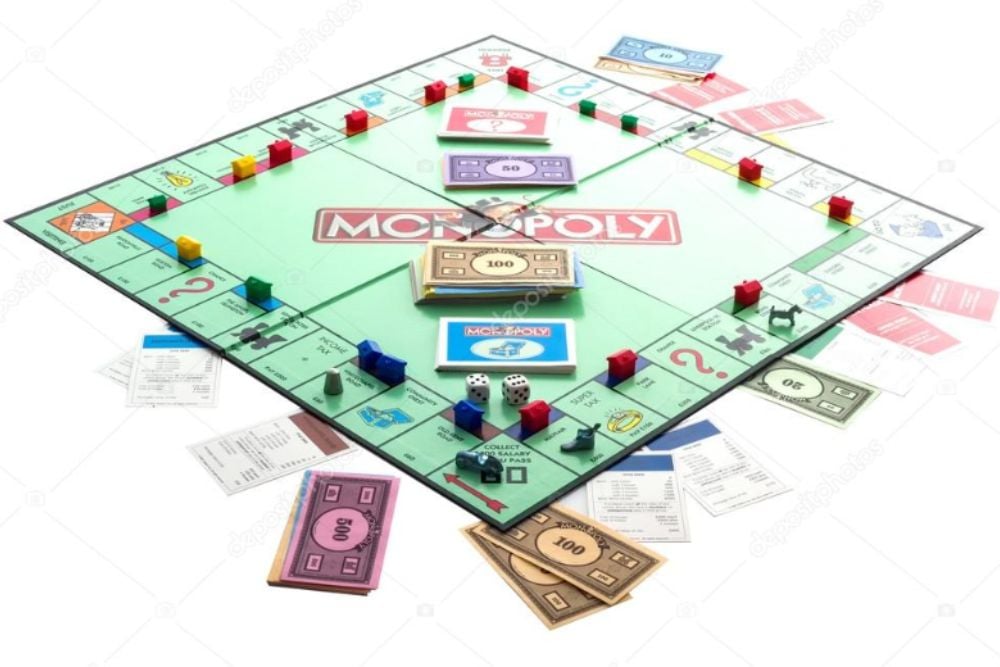
Designed during the Great Depression, Monopoly eerily predicted the housing market crash of 2008. The game’s core mechanics of property speculation, rent increases, and eventual monopolization mirror exactly what happened when the real estate bubble burst.
Even the ‘Too Big to Fail’ banking concept seems embedded in its gameplay, where players with the most property and cash reserves inevitably dominate the economic landscape.
Pandemic
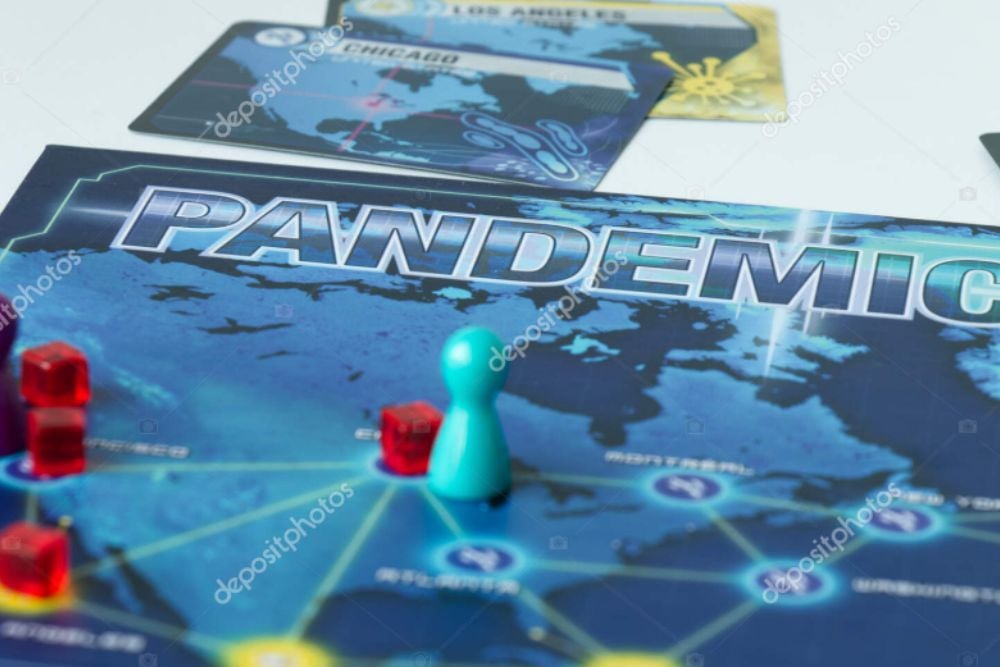
Released in 2008, this cooperative game about stopping global disease outbreaks became disturbingly relevant during the COVID-19 pandemic. Pandemic accurately portrayed how diseases spread exponentially, the importance of international cooperation, and the race to develop treatments.
The game even included the concept of asymptomatic spread and showed how travel hubs become critical vectors for transmission – concepts that became household knowledge in 2020.
Like Go2Tutors’s content? Follow us on MSN.
Power Grid
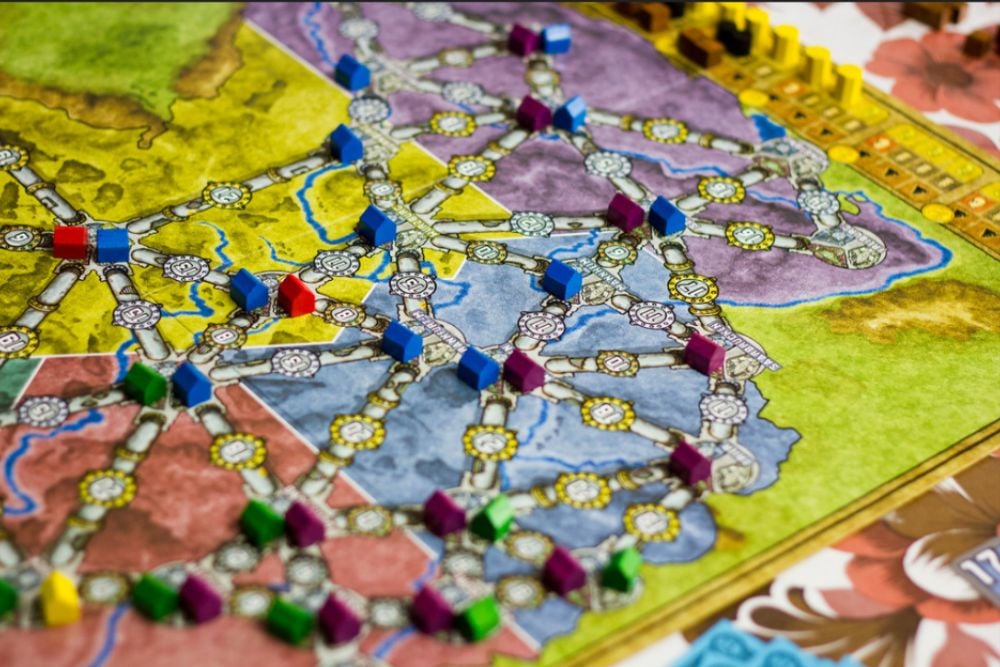
This 2004 resource management game predicted the energy crisis and renewable transition years before they became headline news. Players manage power plants and must transition from cheaper but limited fossil fuels to more expensive but sustainable renewable energy sources.
The game’s mechanics of resource scarcity, market fluctuations, and the increasing costs of traditional energy align perfectly with our current global energy challenges.
Illuminati

Steve Jackson’s conspiracy theory card game from 1982 featured scenarios involving government surveillance that seemed far-fetched until Edward Snowden’s NSA revelations made them reality. The game included cards depicting widespread data collection, secret government programs, and hidden influence over media – concepts that seemed paranoid until they were confirmed decades later as actual intelligence practices.
BioShock Infinite: The Siege of Columbia
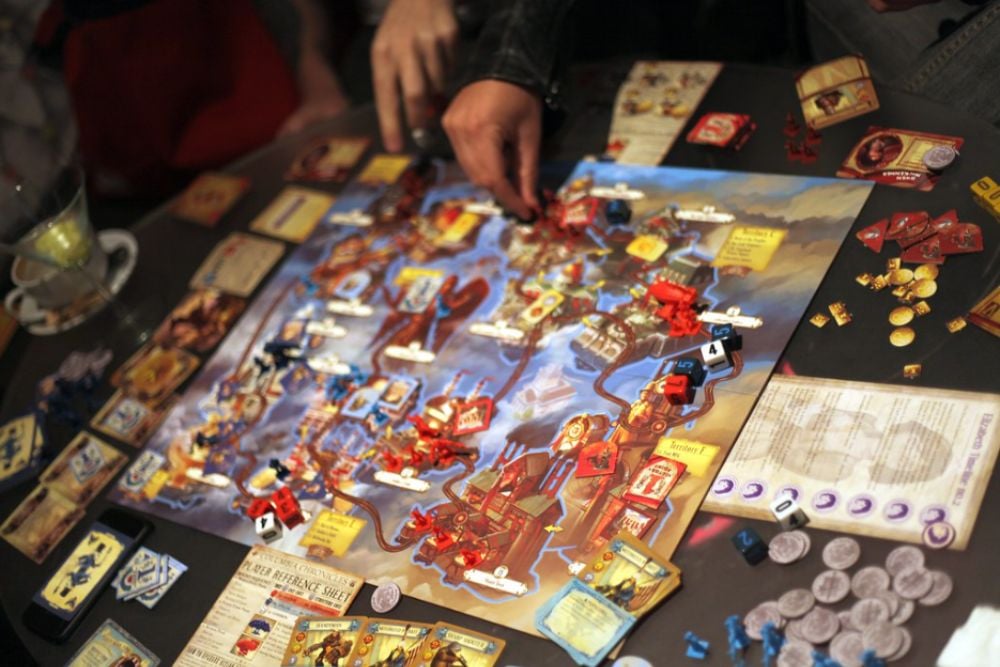
Based on the video game, this board game depicted an alternate America torn apart by extreme nationalism and civil unrest. Released in 2013, it portrayed a society divided by ideology, with populist leaders using patriotic imagery to mask authoritarian aims.
The game’s themes of political polarization and societal fracturing have become increasingly relevant in modern political landscapes across several nations.
Like Go2Tutors’s content? Follow us on MSN.
Diplomacy
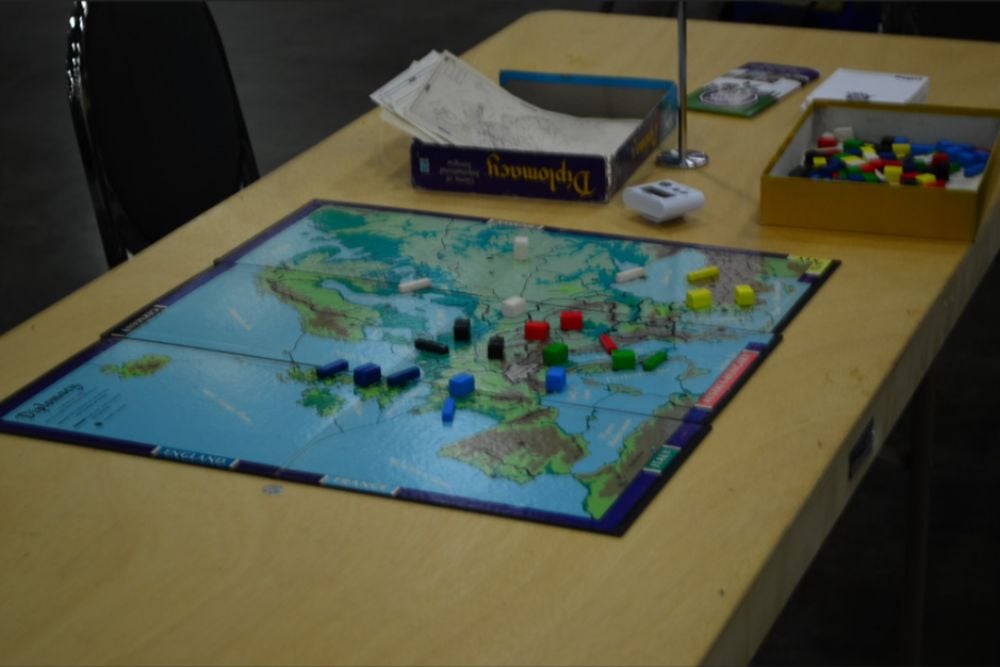
This 1959 game of betrayal and international relations foresaw the dissolution of long-standing alliances and the emergence of opportunistic world politics. The game Diplomacy predicted the changing global order that arose following the Cold War, with pledges made to be violated and former allies turning into current adversaries.
Modern geopolitical realities were also foreshadowed by the game’s reliance on negotiation over armed force.
War on Terror
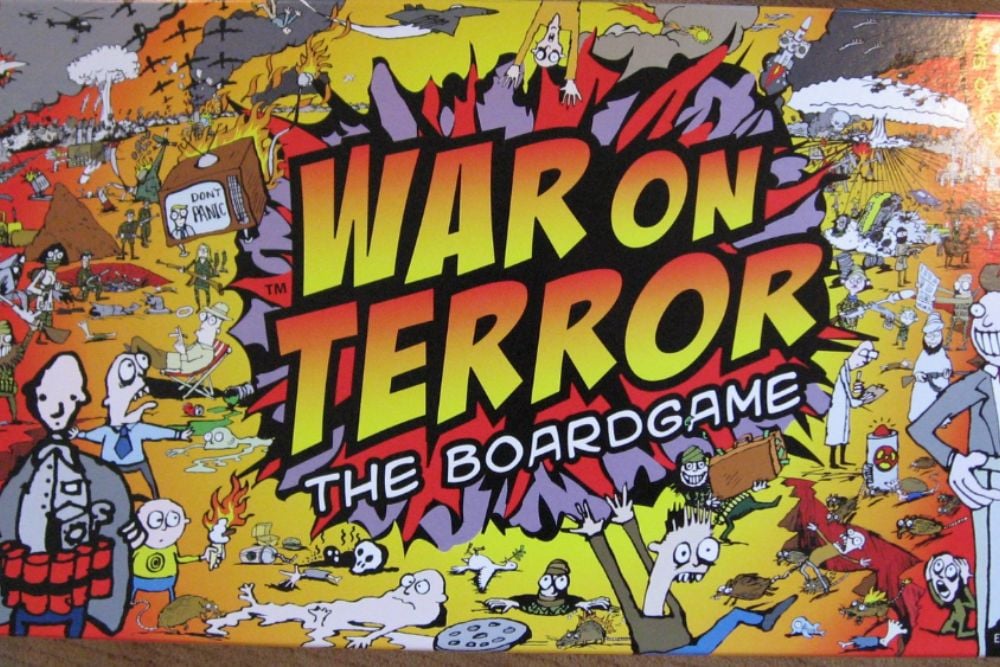
This humorous board game, which was released in 2006, foresaw the never-ending nature of anti-terrorism campaigns and its intricate moral dilemmas. It predicted that oil-rich countries would become crucial to international security issues and that terrorist cells would adjust to counterterrorism initiatives.
The simulation even featured elements that demonstrated how harsh military reactions may exacerbate radicalization, a pattern that military analysts have since verified.
Settlers of Catan
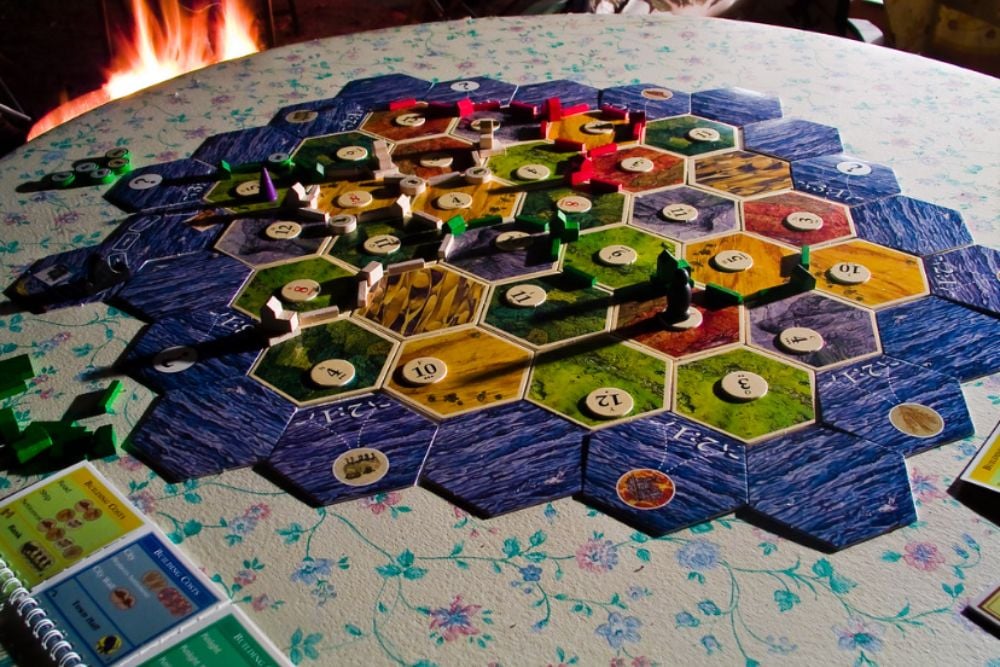
This 1995 German game predicted resource scarcity conflicts and sustainable development challenges that would define the 21st century. Catan’s mechanics of limited resources, competitive development, and the necessity of trade agreements mirror current global tensions around access to essential commodities.
The game’s balance between development and resource management reflects our current sustainability dilemmas.
Like Go2Tutors’s content? Follow us on MSN.
Freedom: The Underground Railroad
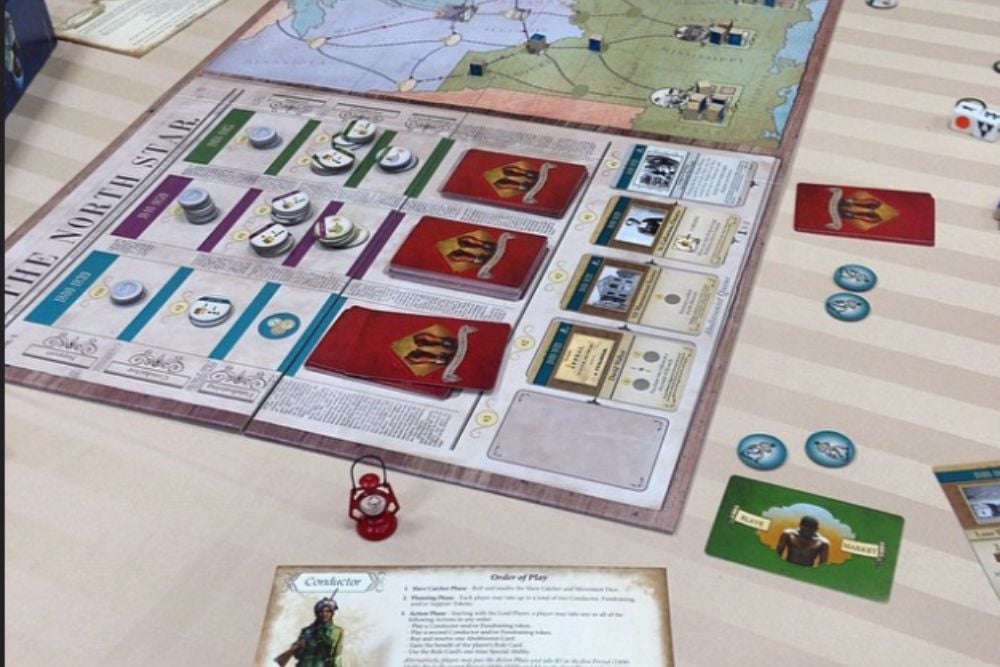
This historical game about the abolitionist movement predicted the renewed focus on America’s racial history and social justice movements. Released in 2012, it portrayed systemic opposition to equality and the need for collective action to overcome entrenched social problems.
The game’s emphasis on how individual actions contribute to broader social movements anticipated the grassroots organization seen in modern activism.
Twilight Struggle
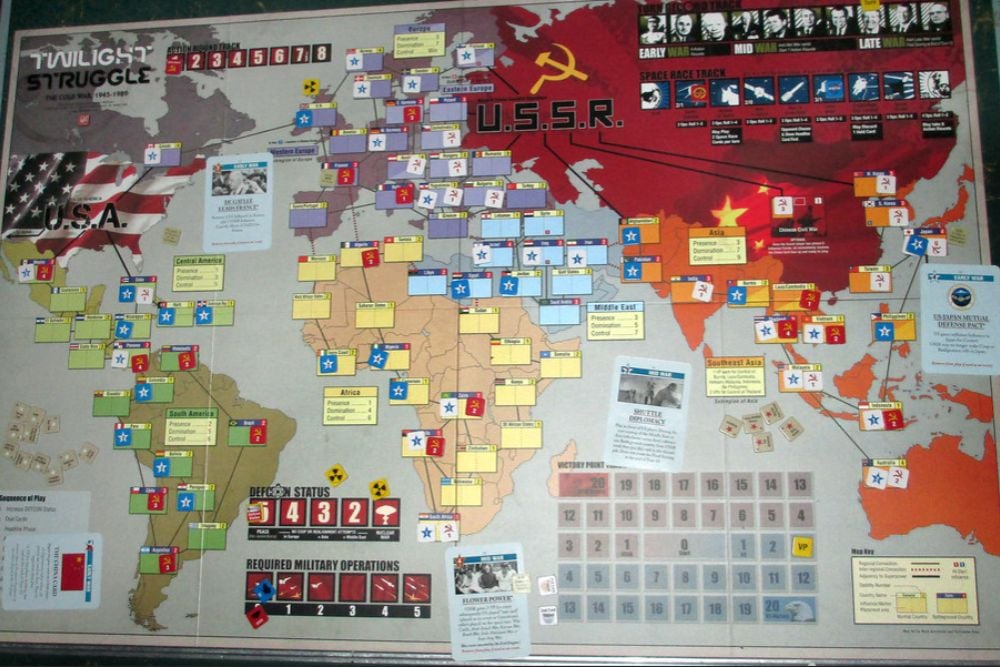
This Cold War simulation from 2005 predicted the return of great power competition and proxy conflicts that we’re seeing today. The game’s portrayal of influence spreading through adjacent regions rather than direct confrontation anticipated modern hybrid warfare tactics.
Its mechanics showing how domestic events affect foreign policy capabilities have proven especially prescient in the modern political environment.
Bloc by Bloc

This 2016 game about urban uprisings predicted the worldwide protest movements that emerged in subsequent years. It depicted how diverse groups with different agendas could temporarily unite against authorities, and how social media could amplify localized protests into wider movements.
The game even showed how authorities might respond with escalating tactics – patterns seen in recent real-world demonstrations.
Like Go2Tutors’s content? Follow us on MSN.
New Angeles
Released in 2016, this game predicted the rise of corporate power rivaling traditional governments. Set in a world where megacorporations control essential services and infrastructure, New Angeles anticipated the growing influence of tech giants over public life.
The game’s depiction of corporate entities negotiating directly with each other rather than through governmental intermediaries has become increasingly reflective of today’s business-government dynamics.
Liberia: Descent into Hell

This 2008 conflict simulation predicted the destabilizing effects of climate change on vulnerable nations. The game modeled how resource shortages exacerbate existing tensions and can trigger mass migration and conflict.
Its portrayal of how environmental challenges can collapse fragile states has proven remarkably accurate as climate change impacts intensify in regions with limited adaptive capacity.
Game of Thrones: The Board Game

Based on novels written in the 1990s, this game predicted the revival of strongman politics and personality-driven leadership. Its mechanics of forging temporary alliances while pursuing self-interest mirror the transactional approach to international relations seen in recent years.
The game’s portrayal of how public perception can be as important as actual strength has proven especially relevant in the social media age.
Like Go2Tutors’s content? Follow us on MSN.
Lords of Vegas

This 2010 casino development game predicted the boom-and-bust cycles in speculative investments that characterized the cryptocurrency era. Players build casinos with uncertain returns, reorganize ownership through hostile takeovers, and gamble on future developments – mechanics that mirror the volatile cryptocurrency markets that emerged years after the game’s release.
The game even captured the fear-of-missing-out psychology that drives investment bubbles.
Gaming’s Prophetic Legacy
Board games have proven to be remarkable barometers of social, political, and economic trends. Their ability to simulate complex systems in simplified form allows players to experience potential futures years before they materialize.
Perhaps there’s wisdom in looking to today’s games for glimpses of tomorrow’s headlines. As these fifteen examples demonstrate, what begins as entertainment on our tabletops often ends up reflected in our reality, making board games not just pastimes, but potential windows into our collective future.
More from Go2Tutors!

- 18 Unexpectedly Valuable Collectibles You Might Have Lying Around
- 15 Things Every Teenager in the ’70s Did That Teens Today Wouldn’t Understand
- 15 Strange Things People Have Tried to Ban (And Failed)
- 15 Inventions That Were Immediately Banned After Being Created
- 20 Actors Who Were Almost Cast in Iconic Roles
Like Go2Tutors’s content? Follow us on MSN.