Strange Truths About the Mysterious Easter Island
Easter Island sits alone in the Pacific Ocean, thousands of miles from anywhere. This tiny piece of land has kept scientists and explorers guessing for centuries.
Everyone knows about the famous stone heads, but the real story behind this remote island holds far more surprises than most people realize. Ready to discover what makes this place so fascinating? The truth about Easter Island goes way beyond what meets the eye.
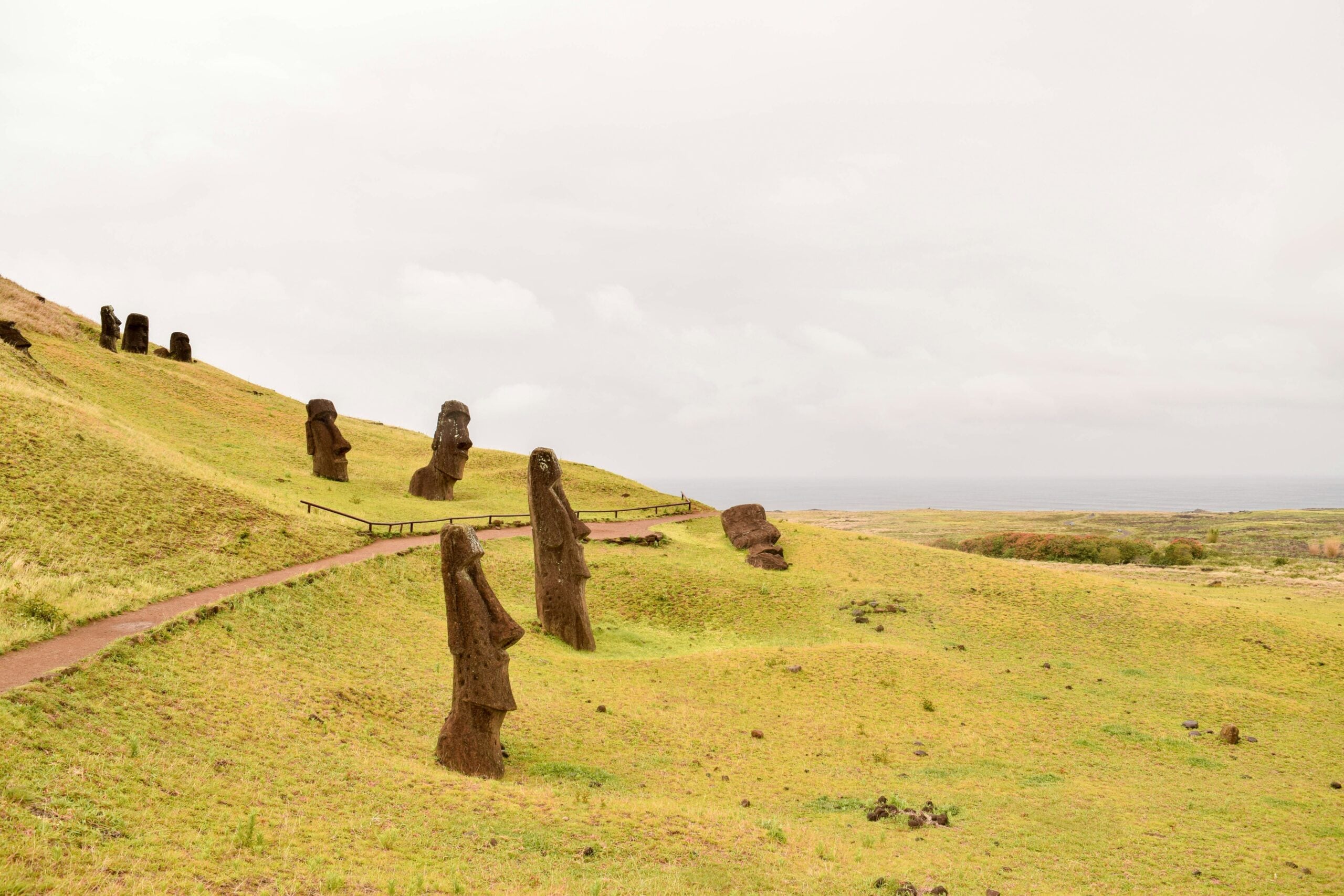
The famous heads actually have full bodies underground

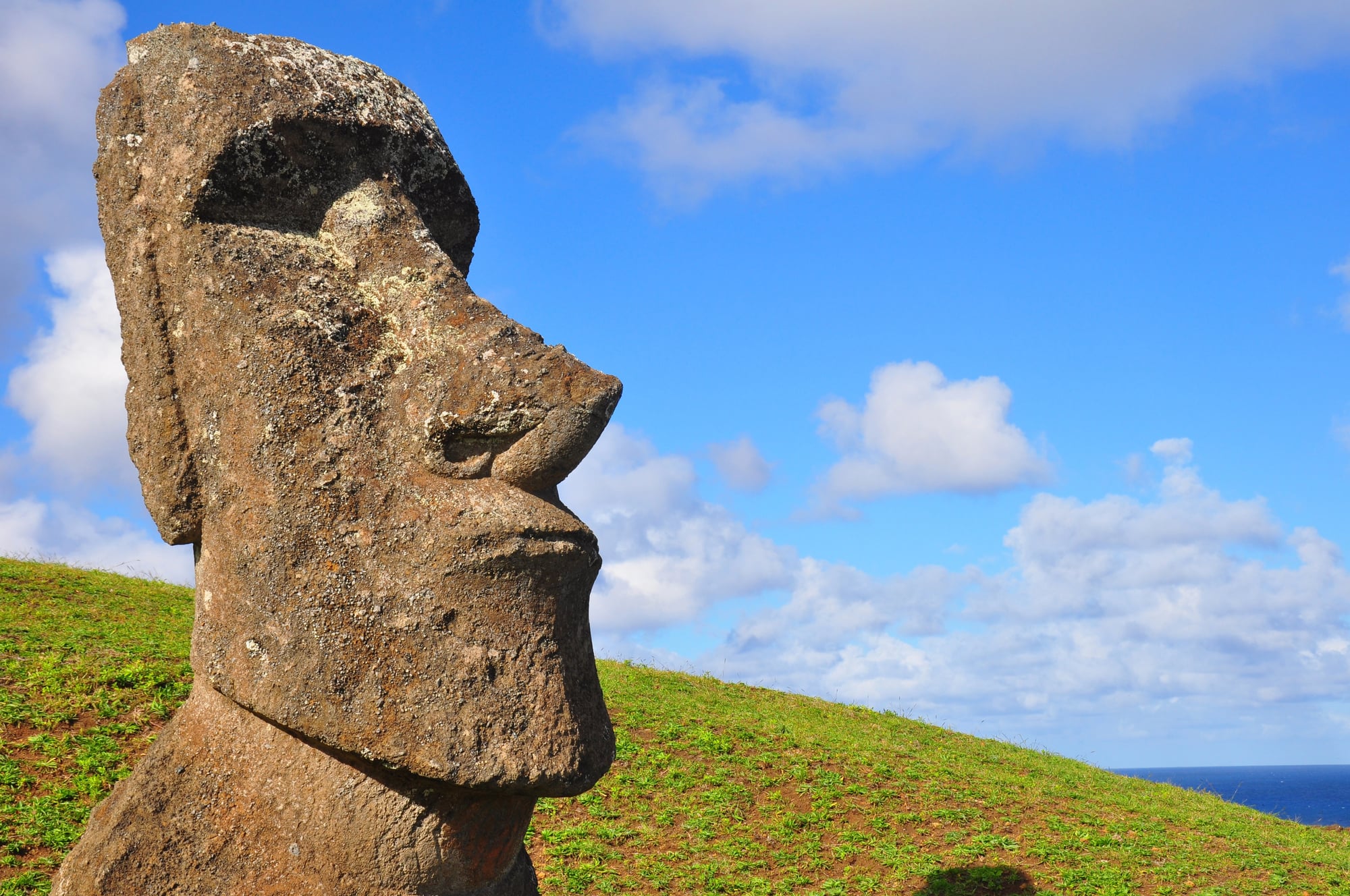
Most people think the Easter Island statues are just giant heads sticking out of the ground. That’s completely wrong.
The Easter Island Statue Project team excavated two moai and discovered that each one had a body, proving that the ‘heads’ on the slope are actually full but incomplete statues. The bodies were buried over time by layers of soil and sediment.
After removing several layers of sediment, archaeologists discovered that the figures hid a complete torso without legs, with arms close to the body and long-fingered hands resting on a slightly bulging belly. These underground bodies have been protected from weather damage for hundreds of years.
Scientists found a life-extending drug in Easter Island soil

Here’s something nobody expects from a remote island. The immunosuppressant drug sirolimus was first discovered in the bacterium Streptomyces hygroscopicus in a soil sample from Easter Island.
They named it rapamycin after Rapa Nui, the local name for the island. Now researchers are testing this drug to see if it can help mice live longer.
Who would have thought that dirt from Easter Island could lead to medical breakthroughs?
Like Go2Tutors’s content? Follow us on MSN.
The moai were meant to help crops grow better

People have wondered for ages why the islanders built these massive statues. Recent research suggests they weren’t just for show.
Rapanui people likely believed the ancient monoliths helped food grow on the Polynesian island. Extensive laboratory testing of soil samples from the same area shows evidence of foods such as banana, taro and sweet potato.
The statue area doubled as both a sculpture workshop and productive farmland. Smart thinking when you live on a small island with limited space.
There are almost 1,000 statues scattered across the island
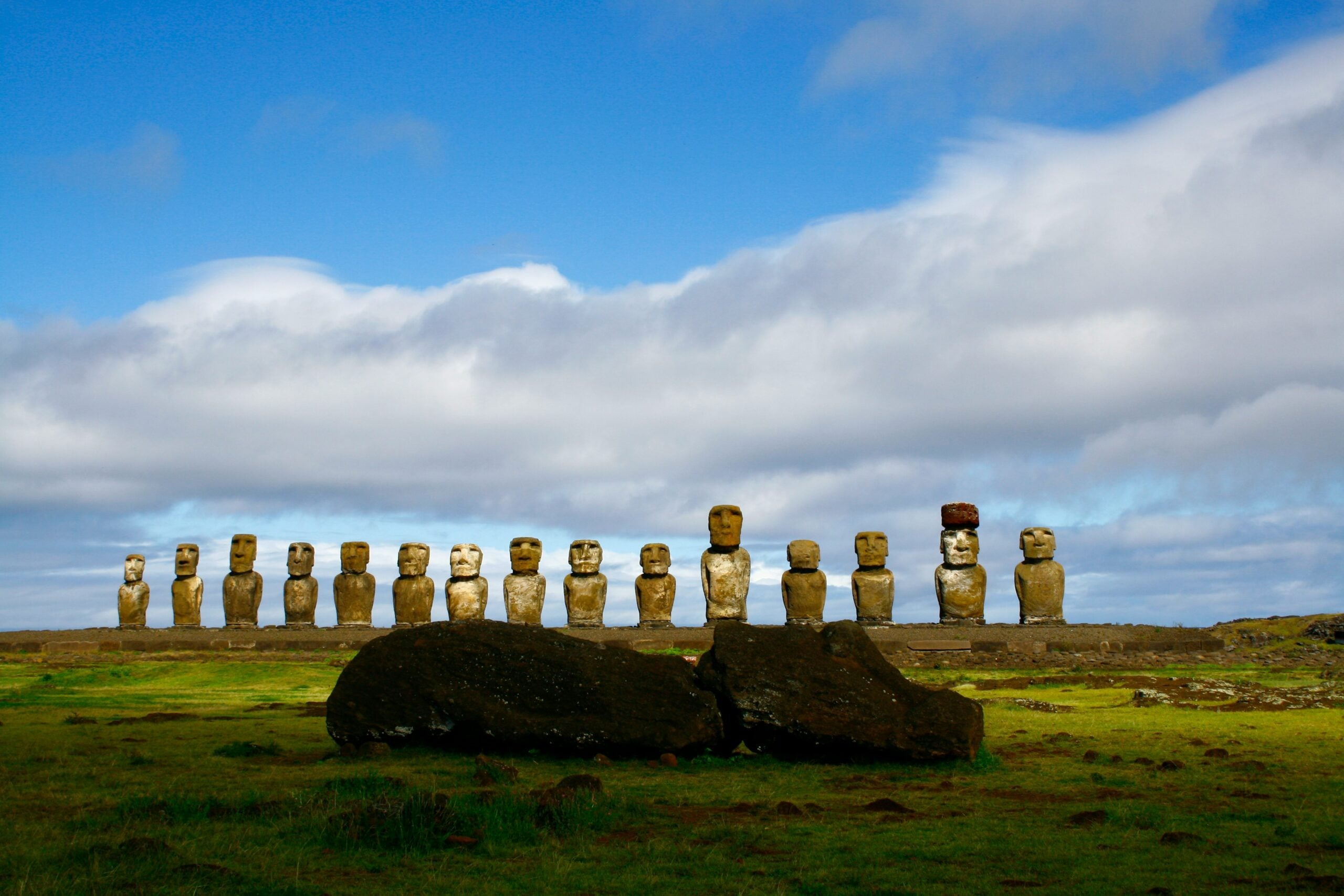
Easter Island isn’t just about a few famous heads. Its nearly 1,000 statues, some almost 30 feet tall and weighing as much as 80 tons, are still an enigma.
That’s an incredible number for such a small place. The sheer volume of work involved makes you wonder how many people lived there and how long it took to carve them all.
Each statue required enormous effort and planning from the community.
A new statue was discovered recently in a dried lake

Archaeologists keep finding surprises on Easter Island. A new moai statue has been found on Rapa Nui, a Chilean territory also known as Easter Island, prompting excitement among researchers that there may yet be others waiting to be discovered.
The sacred monument, which is smaller than most others on the island, was found buried in a dry lake bed. This discovery happened just recently, proving that Easter Island still has secrets to reveal.
There could be more statues hiding under the ground that nobody has found yet.
Like Go2Tutors’s content? Follow us on MSN.
The island never actually collapsed like everyone thought
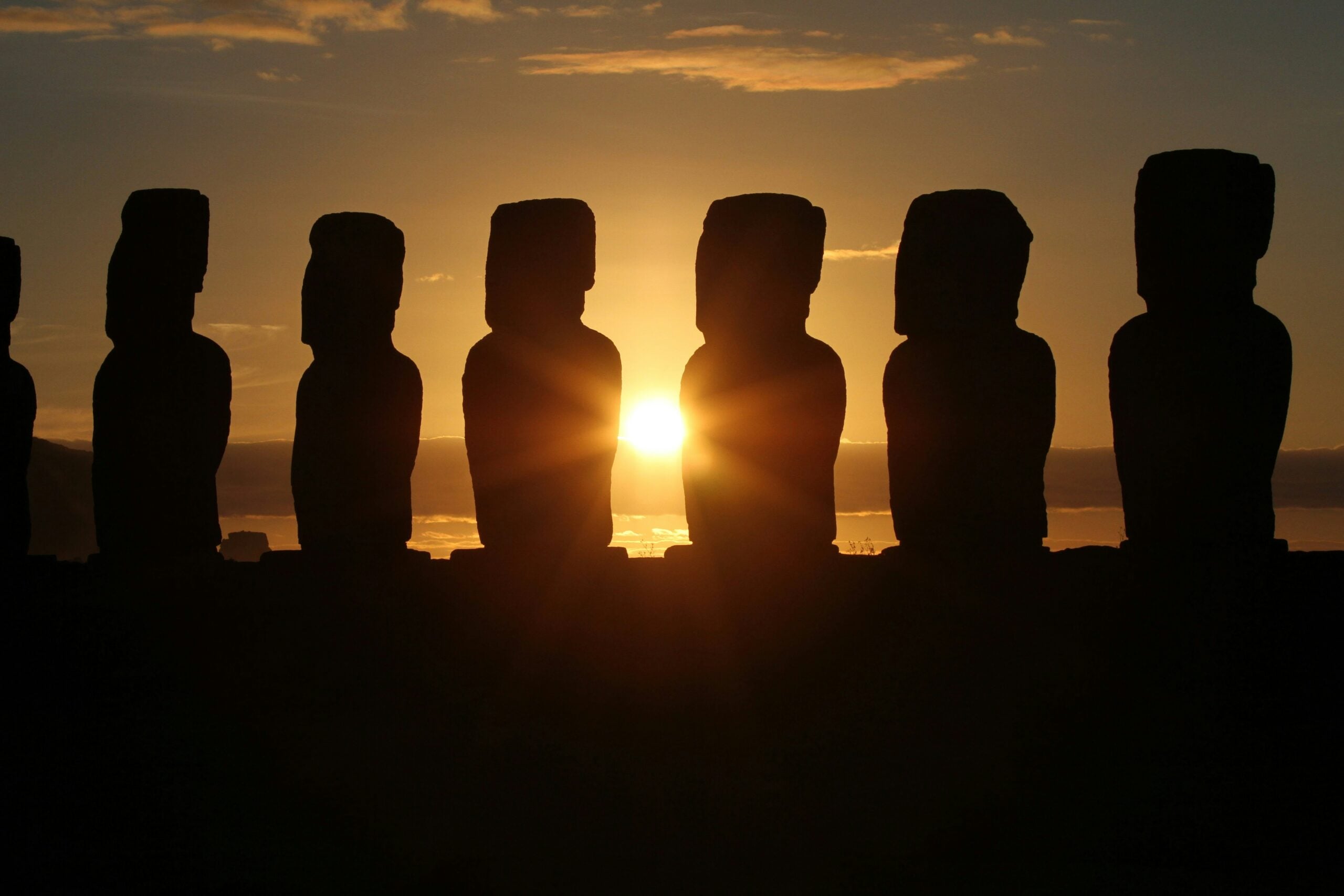
For years, people believed Easter Island was a warning about what happens when societies destroy their environment. That story turns out to be false.
Rapa Nui, also known as Easter Island, never experienced a ruinous population collapse, according to an analysis of ancient DNA from 15 former inhabitants of the remote island in the Pacific Ocean. The idea of total societal collapse was based on incomplete information.
The real story is much more complex and less dramatic than the cautionary tale people love to tell.
Rats played a bigger role in island changes than people realized

When humans arrived on Easter Island, they brought unexpected passengers. Scientists have long known that when humans colonized the island, so too did the Polynesian rat, having hitched a ride either as stowaways or sources of food.
These rats found paradise on the island and multiplied rapidly. They ate seeds and damaged plants in ways that changed the entire ecosystem.
Sometimes the smallest creatures have the biggest impact on an environment.
The statues have intricate carvings that were hidden for centuries

The buried parts of the moai hold artistic treasures that nobody could see until recently. The new excavation work intends to document for the first time the complex carvings found on the buried statues’ bodies, which have been protected from weathering by their burial.
These hidden details show just how skilled the ancient carvers really were. The full artistic vision of the moai creators remained secret underground for generations.
Like Go2Tutors’s content? Follow us on MSN.
People have been digging up the bodies since the 1950s

The discovery of moai bodies isn’t actually new news, even though it surprises people today. Archaeologist Arne Skjølsvold next to a moai unearthed at Rano Raraku in 1955 shows that researchers have known about the buried bodies for decades.
Social media has made this old discovery seem fresh and shocking to new audiences. Sometimes the most amazing facts are the ones that have been sitting in research papers for years.
The average moai is taller than a two-story building

These statues are absolutely massive when you see them up close. The average height of the moai is about 4 m (13 ft), with the average width at the base around 1.6 m (5.2 ft).
That’s roughly the height of a two-story house. Moving something that big without modern equipment required incredible engineering skills.
The ancient islanders figured out construction techniques that still impress experts today.
The statue builders’ descendants still live on the island
Many people think the original Easter Island culture disappeared completely. That’s not true at all.
The statue builders are far from vanished. In fact, their descendants are making art and renewing their cultural traditions in an island renaissance.
The Rapa Nui people continue to live on their ancestral home and keep their traditions alive. Their culture survived centuries of outside pressures and changes.
Like Go2Tutors’s content? Follow us on MSN.
Trees are surprisingly rare on the island today
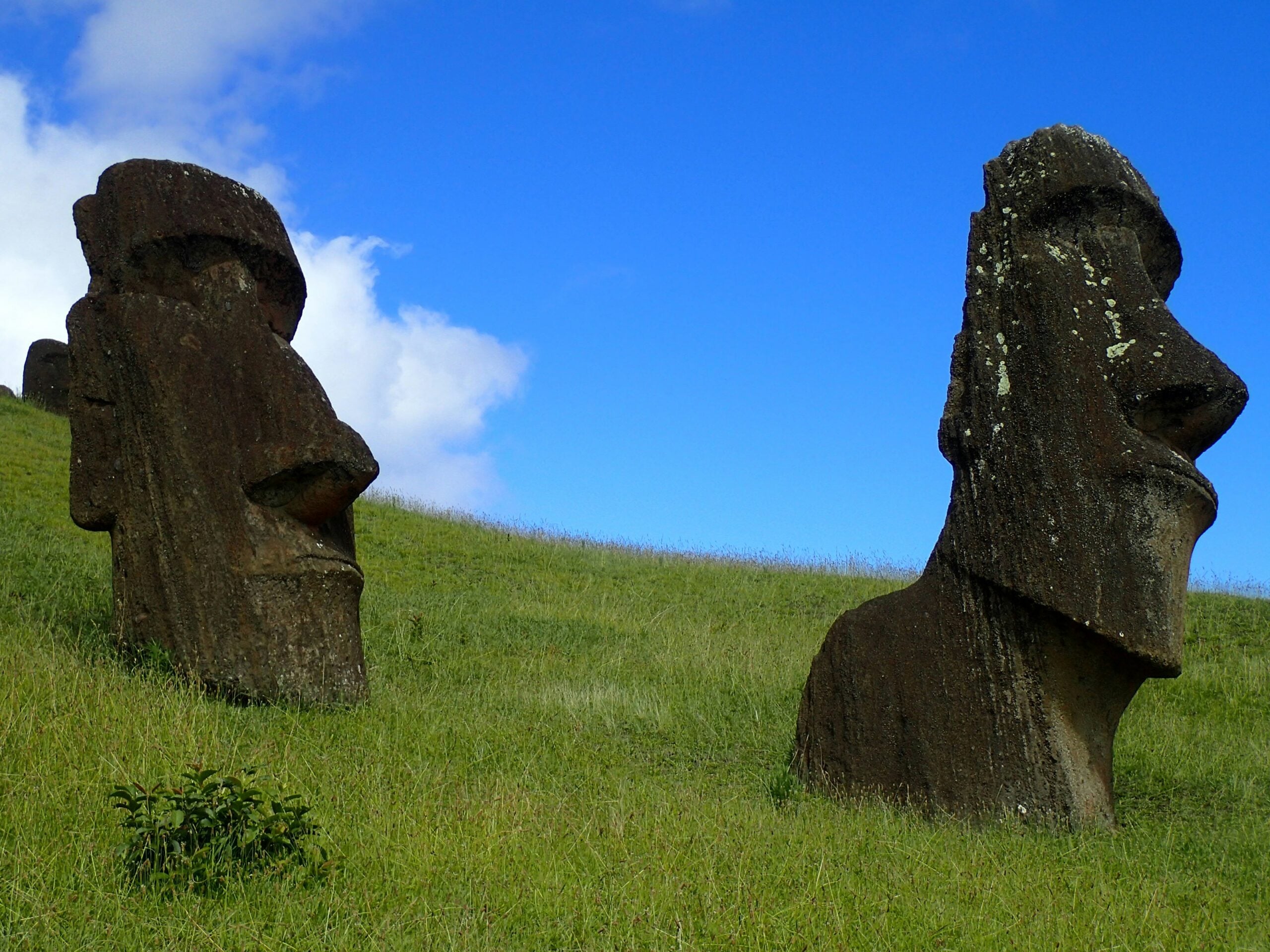
Easter Island looks pretty bare when you visit it now. Trees are sparse, rarely forming natural groves.
This wasn’t always the case, but the current landscape gives the island a stark, windswept appearance. The lack of forests makes the moai stand out even more dramatically against the empty horizon.
It’s hard to imagine how different the island must have looked when it was covered in trees.
Some theories about statue transportation remain unsolved

Nobody knows exactly how the islanders moved these giant statues around the island. Many theories have been formed over the years about where the original inhabitants came from, why they built hundreds of monumental statues called Moai, how they transported them and why the people who made them eventually died out.
Various experiments have tested different methods, but the original technique remains a mystery. There are no blueprints left behind that modern science has managed to decipher.
The ancient engineers took their secrets with them.
The island serves as an archaeological wonderland

Researchers love working on Easter Island because of all the mysteries waiting to be solved. Described as an archaeological Disneyland, the island has entered popular imagination thanks to the existence of 887 giant monolithic statues named moai which have puzzled academics since they were first spotted by European explorers.
Every excavation brings new questions and discoveries. The island keeps giving scientists more puzzles to work on.
Like Go2Tutors’s content? Follow us on MSN.
Excavations help preserve the statues for future generations
Digging up the moai isn’t just about satisfying curiosity. The project will also help preserve the ancient monoliths.
Understanding how the statues are constructed and what condition they’re in helps researchers protect them from damage. Climate change and tourism put pressure on these ancient artworks.
Proper documentation ensures future generations can study and appreciate these incredible creations.
The moai project continues to reveal new information

Scientists aren’t done studying Easter Island yet. The truth is that while we are getting closer to understanding the island’s mysteries, there’s still plenty more to learn.
Each new excavation season brings fresh discoveries and challenges old assumptions. The island’s secrets have taken centuries to reveal themselves, and researchers expect many more surprises in the years ahead.
From ancient quarry to modern research site

The statue area served multiple purposes that researchers are still figuring out. The analysis showed that in addition to serving as a quarry and a place for carving statues, Rano Raraku also was the site of a productive agricultural operation.
This challenges the idea that the islanders focused only on statue building. They managed to combine art, religion, and practical farming in the same location.
Modern researchers continue uncovering evidence of how cleverly the ancient islanders used their limited space.
Like Go2Tutors’s content? Follow us on MSN.
Connecting ancient wisdom to modern understanding

Easter Island teaches us that ancient peoples were far more sophisticated than we often give them credit for. The moai creators combined artistic vision, engineering skills, and practical knowledge in ways that still amaze researchers today.
Their descendants continue to honor these achievements while adapting to the modern world. The island stands as proof that human creativity and determination can produce wonders that last for centuries.
What seemed impossible to accomplish without modern technology turned out to be perfectly achievable with intelligence, cooperation, and time.
More from Go2Tutors!

- 16 Historical Figures Who Were Nothing Like You Think
- 12 Things Sold in the 80s That Are Now Illegal
- 15 VHS Tapes That Could Be Worth Thousands
- 17 Historical “What Ifs” That Would Have Changed Everything
- 18 TV Shows That Vanished Without a Finale
Like Go2Tutors’s content? Follow us on MSN.