15 Bridges That Shouldn’t Exist But Do
Some bridges make perfect sense. They connect two logical points across calm rivers or modest valleys, built with standard materials and straightforward engineering.
Then there are the bridges that seem to defy every rule of common sense, physics, and budget planning. These structures exist in places where most people would never think to build anything, spanning impossible distances or defying the laws of nature itself.
From bridges that hang over active volcanoes to ones that disappear underwater twice a day, these engineering marvels challenge everything we think we know about what’s possible. Here’s a list of 15 bridges that really shouldn’t exist, yet somehow manage to carry traffic, tourists, and the occasional brave soul who dares to cross them.
Millau Viaduct, France
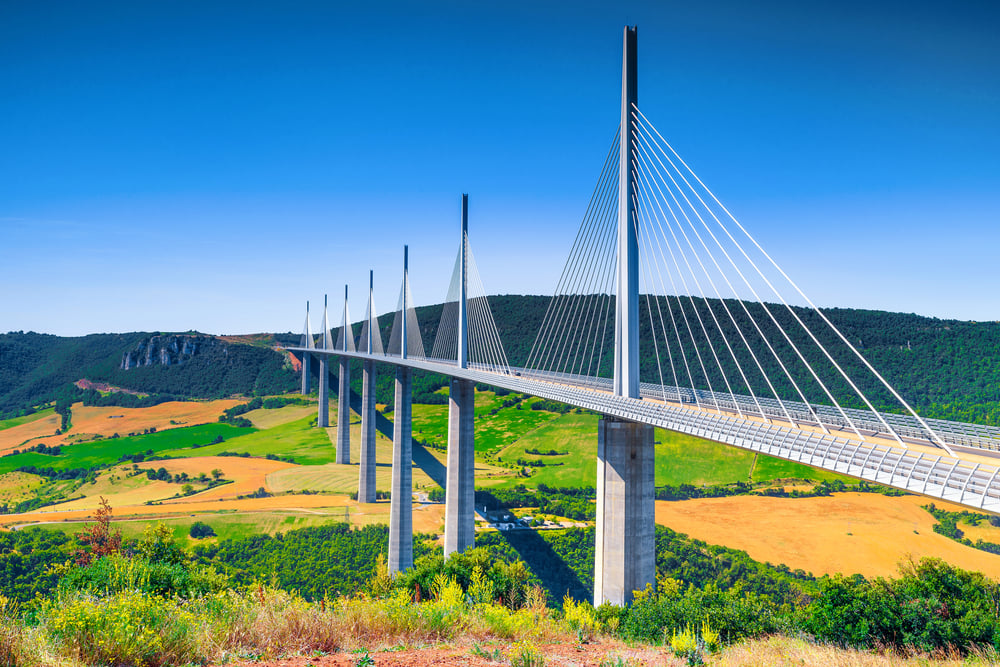
The Millau Viaduct stretches across a valley so deep that clouds often form below the bridge deck. At 1,125 feet tall, it’s taller than the Eiffel Tower and makes drivers feel like they’re cruising through the sky rather than driving on solid ground.
The bridge spans nearly 1.5 miles across the Tarn River valley, connecting two plateaus that nature clearly intended to keep separate.
Langkawi Sky Bridge, Malaysia
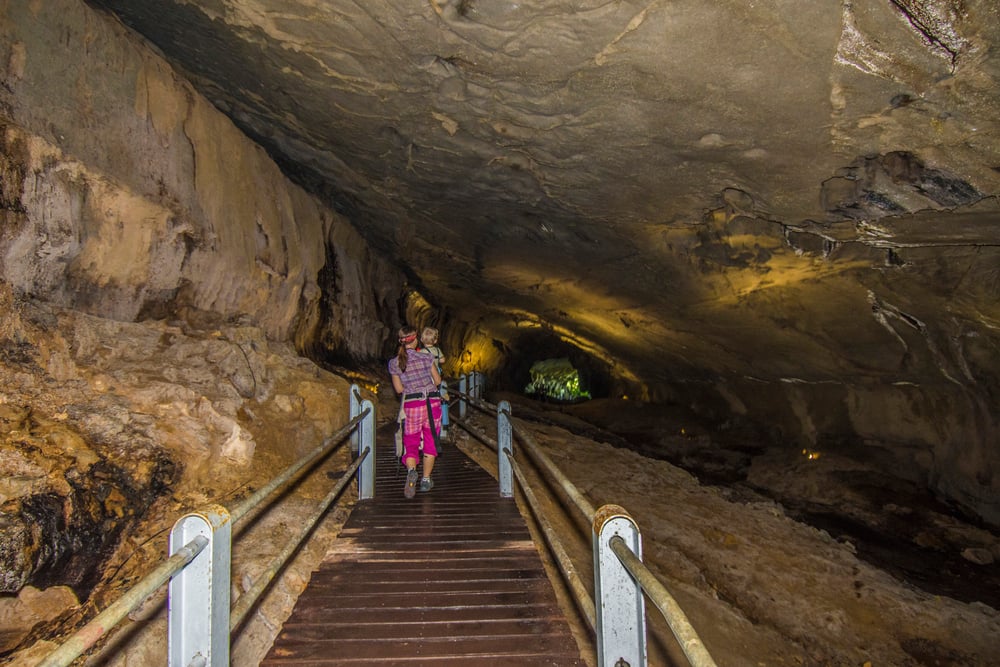
This curved pedestrian bridge hangs 410 feet above the rainforest canopy, supported by a single cable and what appears to be wishful thinking. The bridge follows an S-shaped path that gives visitors the unsettling feeling they’re walking on air.
Engineers designed it to sway gently in the wind, which is either a brilliant engineering feature or a cruel joke on anyone afraid of heights.
Like Go2Tutors’s content? Follow us on MSN.
Pont du Gard, France
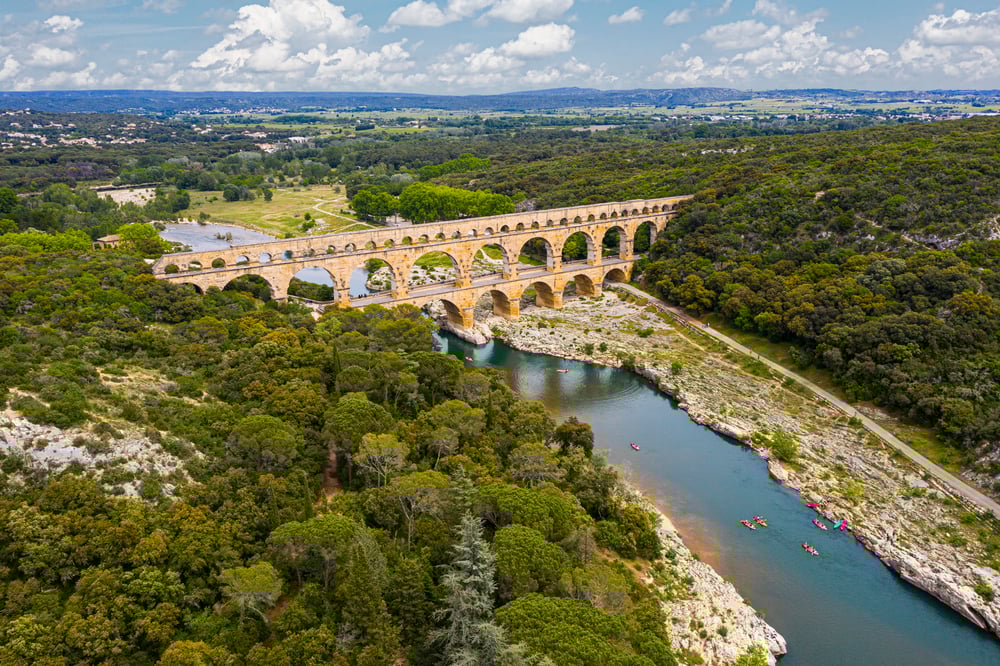
Built by the Romans nearly 2,000 years ago without a single drop of mortar, this three-tiered aqueduct bridge still stands strong while modern structures crumble around it. The limestone blocks fit together like a massive puzzle, held in place by precise engineering and Roman stubbornness.
It carried water across the Gardon River for centuries, proving that sometimes the old ways really are the best ways.
Mackinac Bridge, Michigan
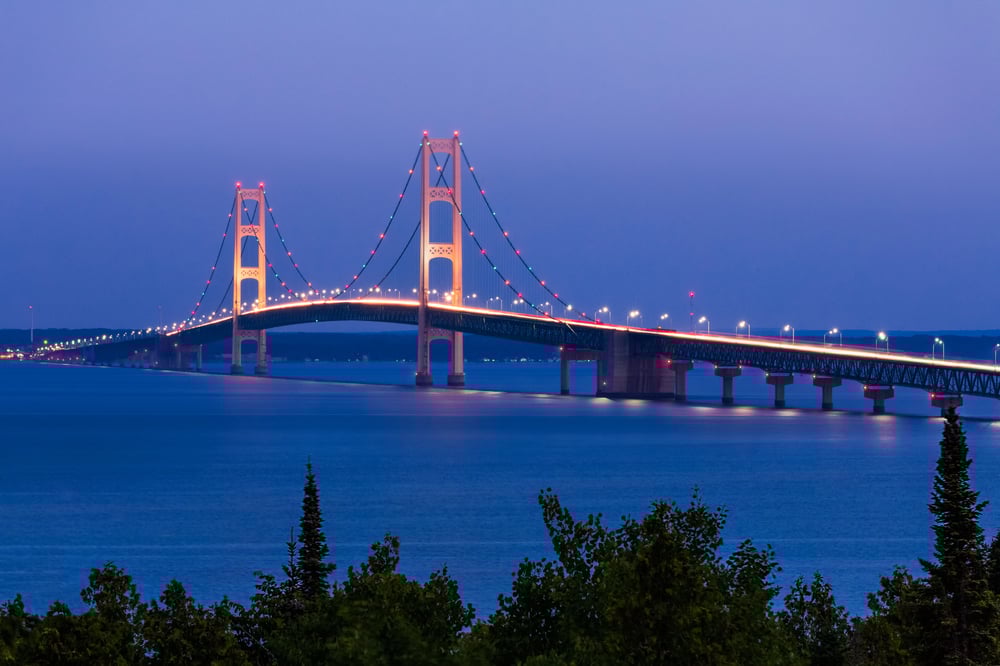
Stretching 5 miles across the Straits of Mackinac, this suspension bridge connects Michigan’s two peninsulas despite facing some of the most brutal weather conditions in North America. Winter winds can reach 70 mph, and the bridge flexes up to 35 feet in high winds, yet it remains open year-round.
The structure is so long that on foggy days, drivers can’t see either end from the middle.
Chesapeake Bay Bridge, Maryland
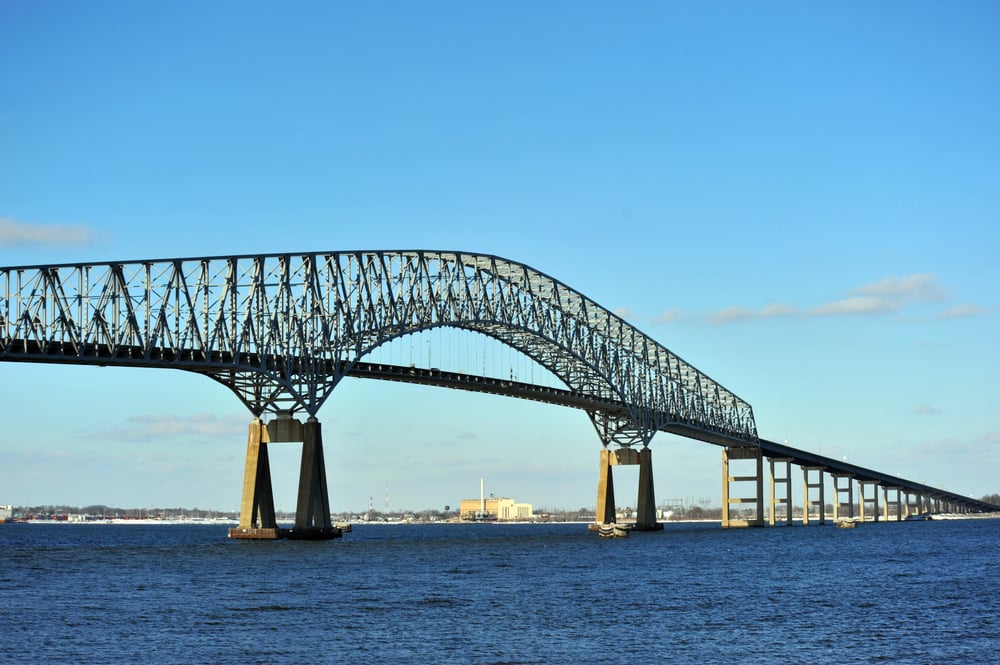
This 4.3-mile bridge spans one of America’s largest estuaries, where unpredictable weather can turn a routine crossing into a white-knuckle experience. The bridge rises 186 feet above the water to allow ships to pass underneath, giving drivers a bird’s-eye view of the massive bay below.
High winds regularly force officials to escort nervous drivers across, and some people are so terrified they hire professional drivers to make the crossing.
Like Go2Tutors’s content? Follow us on MSN.
Storseisundet Bridge, Norway
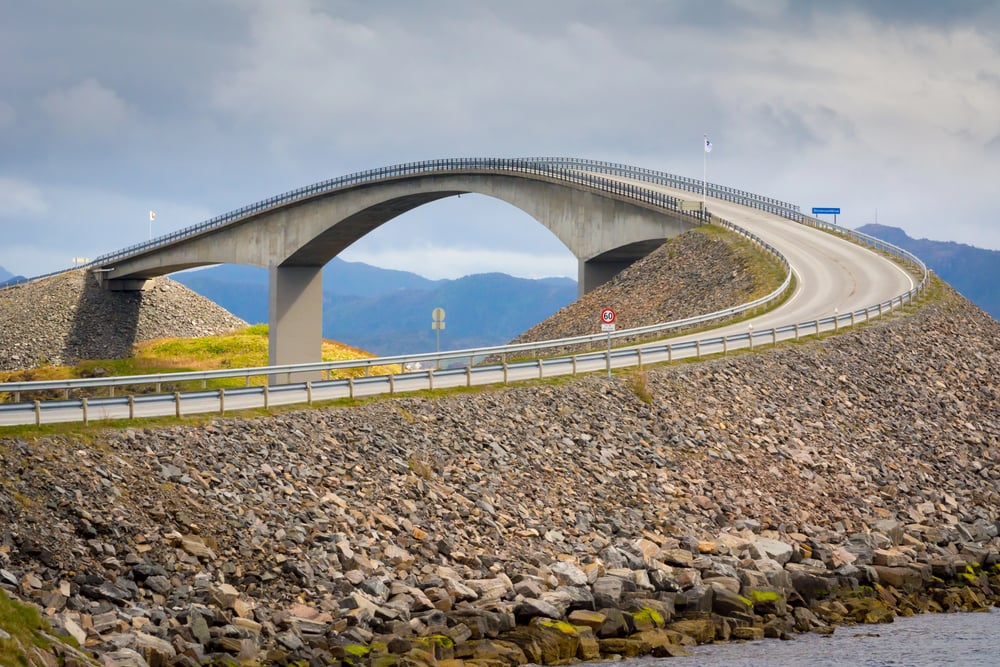
Part of the Atlantic Ocean Road, this bridge appears to launch cars directly into the sky thanks to a clever optical illusion created by its unusual arch design. From certain angles, the bridge looks like it ends abruptly in mid-air, creating a terrifying perspective that makes drivers question their navigation skills.
The structure faces constant assault from North Atlantic storms that can send waves crashing over the roadway.
Gateshead Millennium Bridge, England
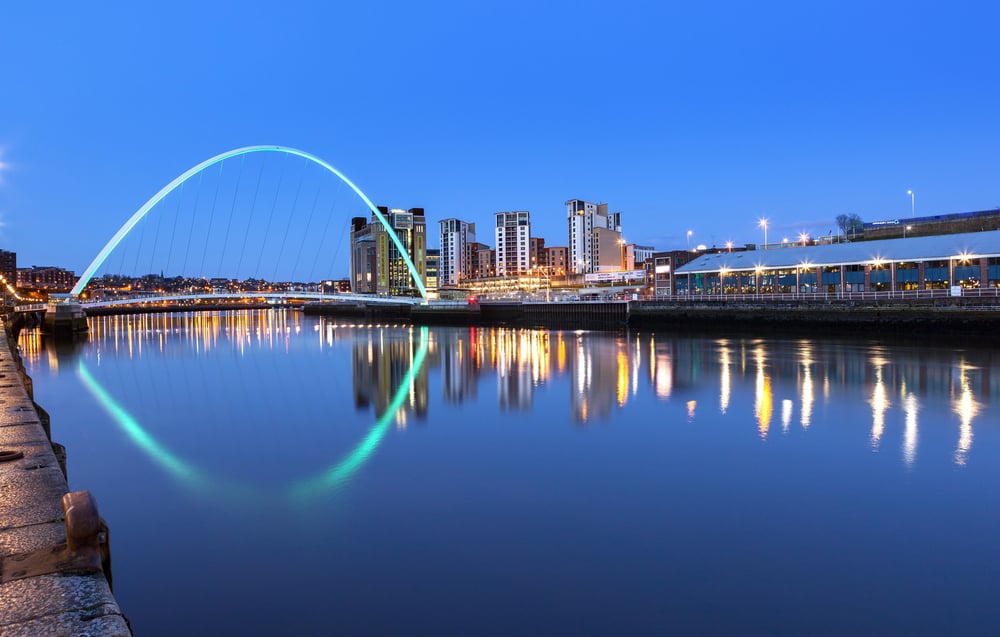
This tilting bridge rotates 40 degrees to allow boats to pass, earning it the nickname ‘Blinking Eye Bridge.’ The entire 413-foot structure pivots on massive bearings, transforming from a pedestrian walkway into a gateway for river traffic in just four minutes.
When it tilts, the bridge creates a perfect arch reflection in the River Tyne below, looking more like a piece of kinetic art than functional infrastructure.
Golden Gate Bridge, California
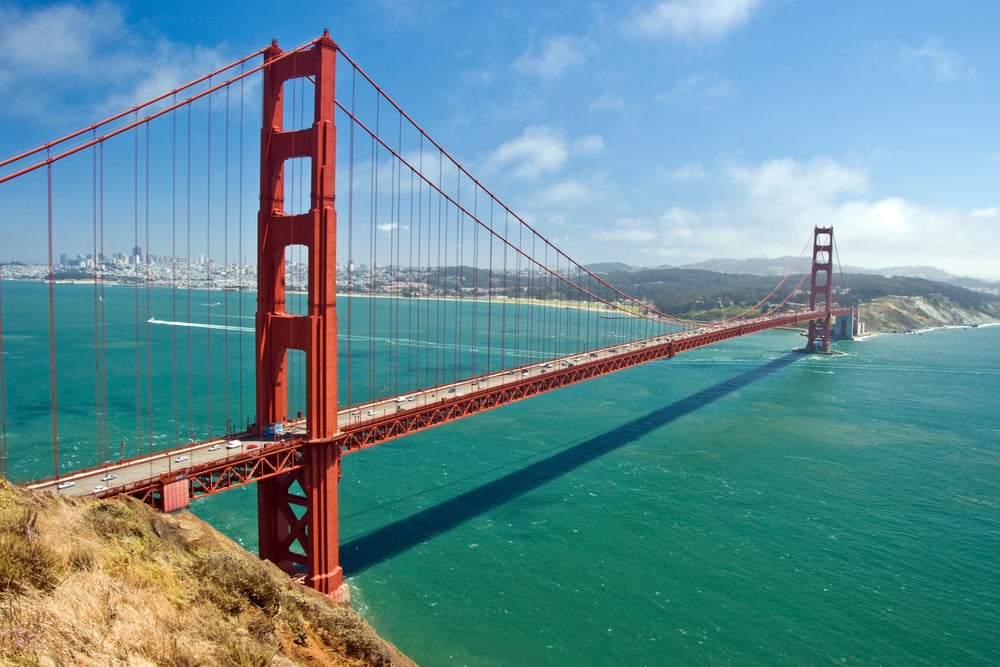
Built during the Great Depression across one of the world’s most challenging stretches of water, this bridge spans the Golden Gate strait where the Pacific Ocean meets San Francisco Bay. The location experiences constant fog, fierce winds, and strong currents that made construction seem impossible in the 1930s.
Workers battled 60-mph winds and frigid temperatures while building what many consider the most beautiful bridge in the world.
Like Go2Tutors’s content? Follow us on MSN.
Tower Bridge, London
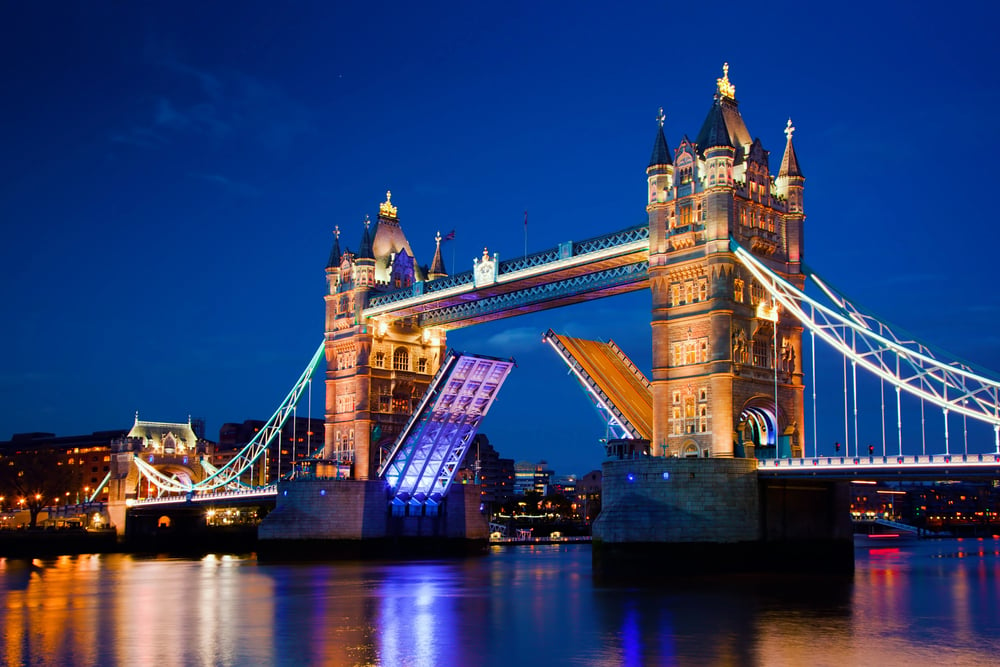
This Victorian-era bascule bridge still opens up to 1,000 times per year to allow tall ships to pass through the heart of London. The twin towers house the massive counterweights and steam engines that lift the bridge sections, creating a gap 250 feet wide.
When it opens, the bridge stops all traffic on one of London’s busiest roads, proving that sometimes maritime tradition trumps modern convenience.
Sydney Harbour Bridge, Australia
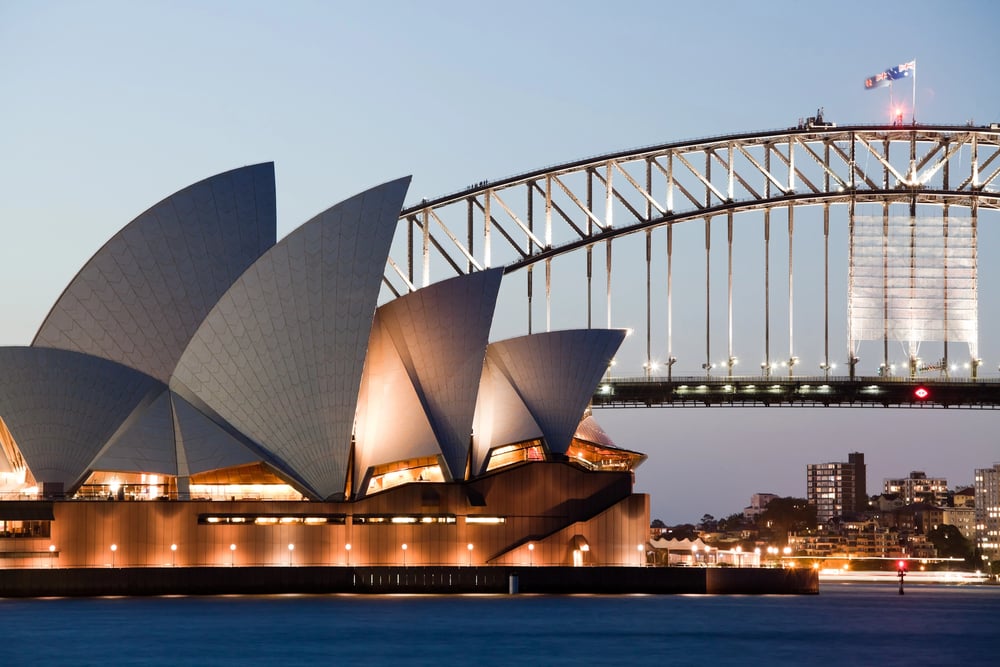
Nicknamed the ‘Coathanger’ for its distinctive arch shape, this bridge spans Sydney Harbour at a point where strong winds and deep water made construction extremely challenging. The steel arch reaches 440 feet above the water and required workers to rivet together 6 million pieces by hand.
Today, thrill-seekers can climb to the top of the arch for panoramic views that would have terrified the original construction crews.
Brooklyn Bridge, New York
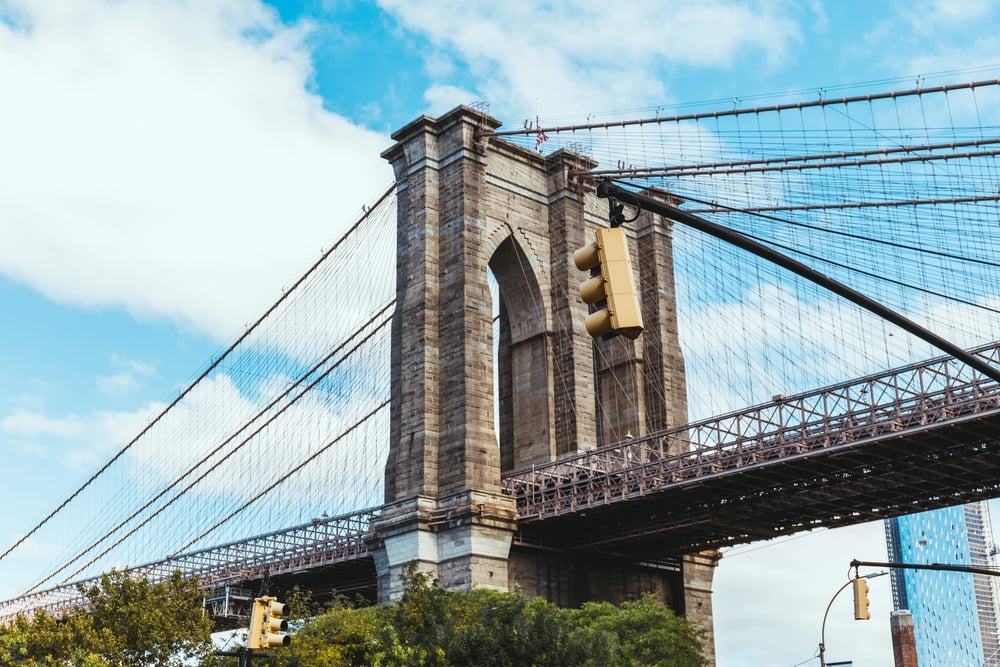
When completed in 1883, this suspension bridge was 50% longer than any bridge previously built, spanning the East River with a design that seemed impossible for its time. The bridge’s gothic stone towers rise 276 feet above the water, and its construction cost the lives of at least 20 workers, including the original chief engineer, John A. Roebling, and was later led by his son, Washington Roebling.
It was the first bridge to use steel cables instead of iron, a decision that allowed it to carry loads no one thought possible in the 19th century.
Like Go2Tutors’s content? Follow us on MSN.
Confederation Bridge, Canada
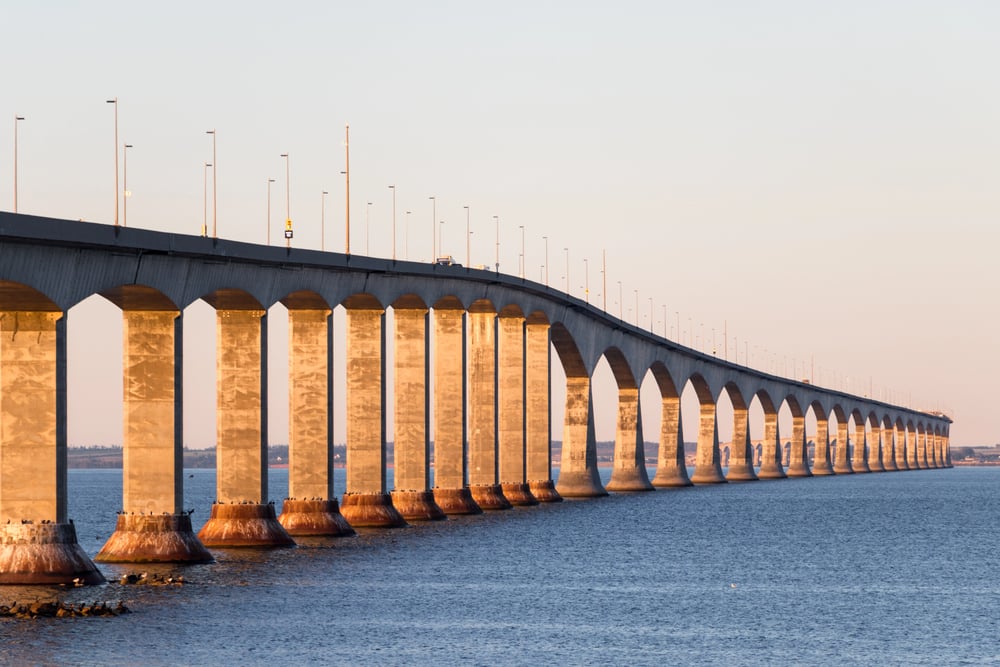
This 8-mile bridge connects Prince Edward Island to mainland Canada across the Northumberland Strait, where pack ice and brutal winter storms create conditions that would challenge any structure. The bridge rises 195 feet above high tide to allow ships to pass underneath, but its real achievement is surviving the massive ice floes that form each winter.
Engineers designed the bridge piers to deflect ice rather than resist it, using the force of nature rather than fighting against it.
Vasco da Gama Bridge, Portugal
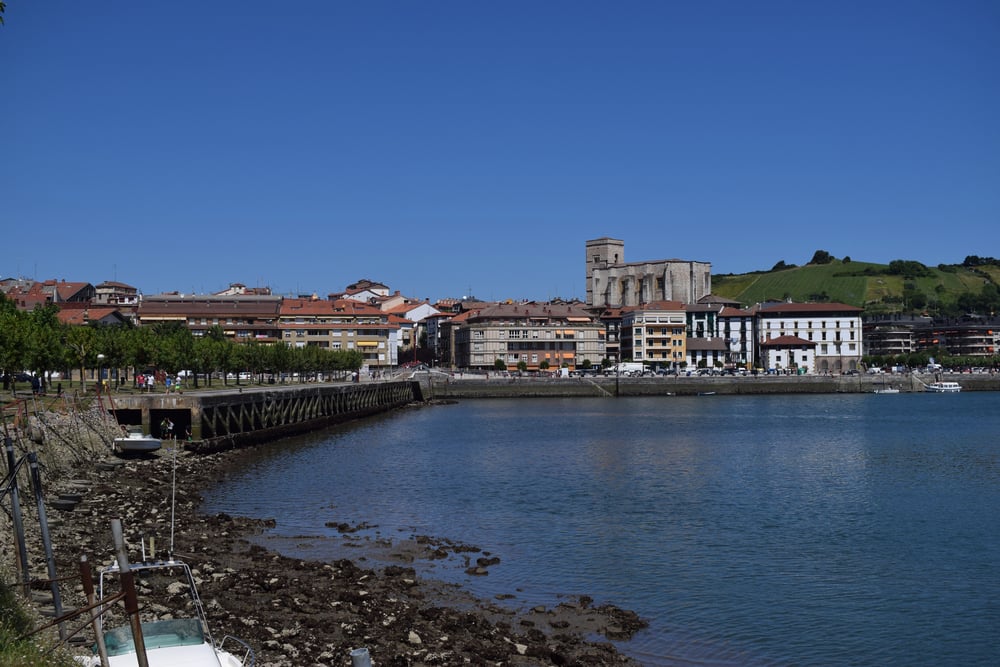
At 10.7 miles long, this bridge crosses the Tagus River estuary near Lisbon, where soft river sediments and seismic activity created a foundation engineer’s nightmare. The bridge required special earthquake-resistant design features and foundations that extend deep into unstable riverbed material.
Its length makes it one of the longest bridges in Europe, stretching so far that drivers lose sight of both ends during the crossing.
Banpo Rainbow Bridge, South Korea
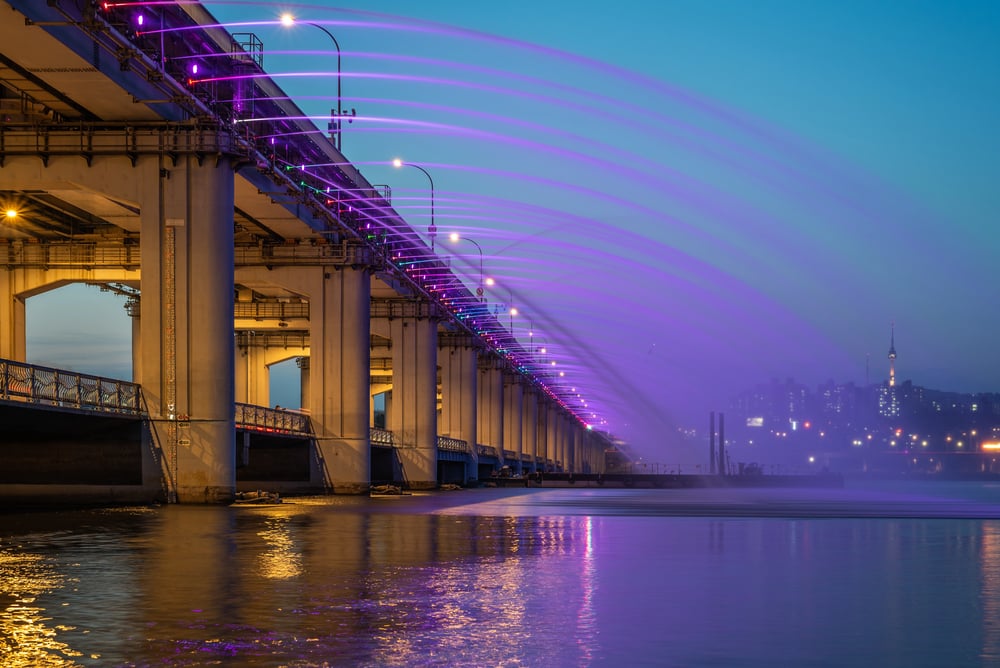
This bridge doubles as the world’s longest fountain, shooting water 230 feet out from both sides while synchronized to music and lights. Located in Seoul, the bridge pumps water directly from the Han River below and creates a dancing water show that attracts millions of visitors annually.
The engineering challenge wasn’t just building a bridge, but creating one that could function as both transportation infrastructure and entertainment venue.
Like Go2Tutors’s content? Follow us on MSN.
Øresund Bridge, Denmark-Sweden
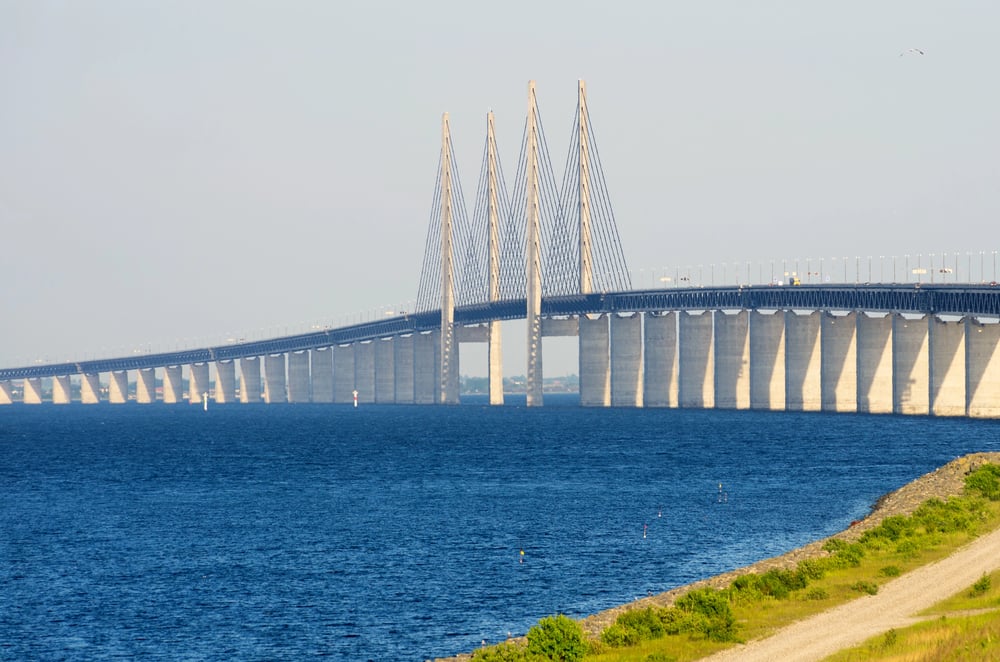
This bridge transforms into a tunnel halfway across the strait between Denmark and Sweden, disappearing underwater to allow ships to pass through one of Europe’s busiest shipping lanes. The transition from bridge to tunnel happens on an artificial island built specifically for this purpose, creating one of the most unusual border crossings in the world.
Cars drive across a cable-stayed bridge for 5 miles, then descend into a tunnel that runs beneath the seabed for another 2.5 miles.
When Engineering Meets Ambition

These bridges prove that human determination can overcome almost any obstacle nature throws in its path. From Roman engineers who built without modern tools to contemporary designers who create structures that seem to defy physics, each bridge represents a moment when someone decided that ‘impossible’ was just another engineering challenge.
They stand as testaments to the idea that sometimes the most audacious projects produce the most lasting achievements, connecting not just places but generations of dreamers who refuse to accept that something can’t be done.
More from Go2Tutors!

- 16 Restaurant Chains That Went Too Fast
- 12 Things Sold in the 80s That Are Now Illegal
- 15 VHS Tapes That Could Be Worth Thousands
- 17 Historical “What Ifs” That Would Have Changed Everything
- 18 TV Shows That Vanished Without a Finale
Like Go2Tutors’s content? Follow us on MSN.