15 Buildings That Changed Their Neighborhoods
Architecture doesn’t just create beautiful spaces—it reshapes entire communities. Some buildings arrive like a spark that ignites transformation, turning forgotten corners into thriving districts or bringing new life to struggling areas.
These structures become more than just places to work, live, or visit; they become catalysts that redefine what a neighborhood can be. From luxury hotels that sparked urban renewal to innovative housing projects that changed how we think about community living, certain buildings have left an indelible mark on their surroundings.
Here is a list of 15 buildings that didn’t just occupy space—they transformed it.
High Line Park
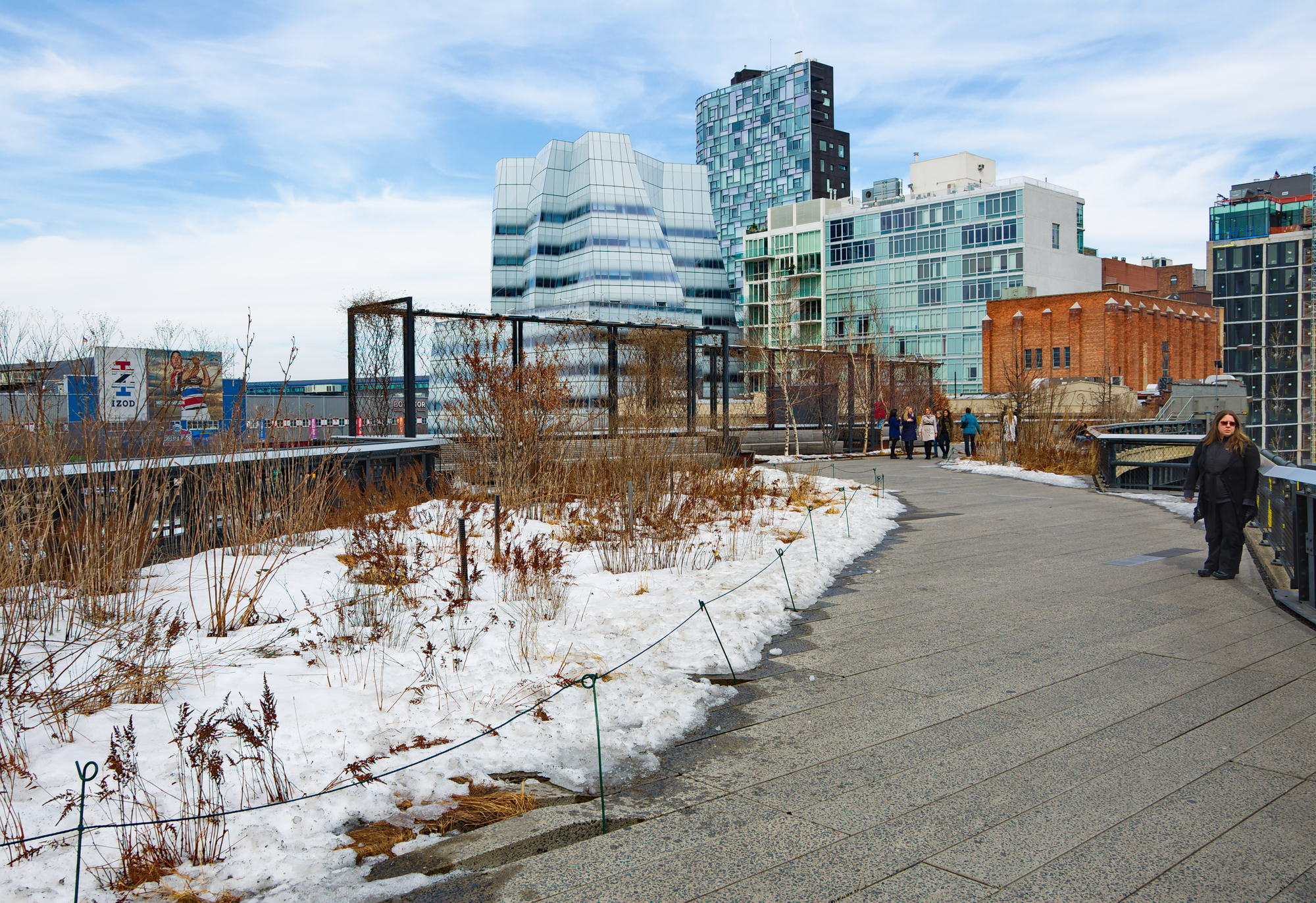
What started as an abandoned elevated railway in Manhattan’s Meatpacking District became one of New York’s most beloved public spaces. The High Line’s transformation into a linear park didn’t just preserve a piece of industrial history—it completely reimagined the surrounding neighborhood.
Property values skyrocketed, luxury condos sprouted like wildflowers, and the area evolved from a gritty industrial zone into one of the city’s most desirable districts.
Guggenheim Museum Bilbao
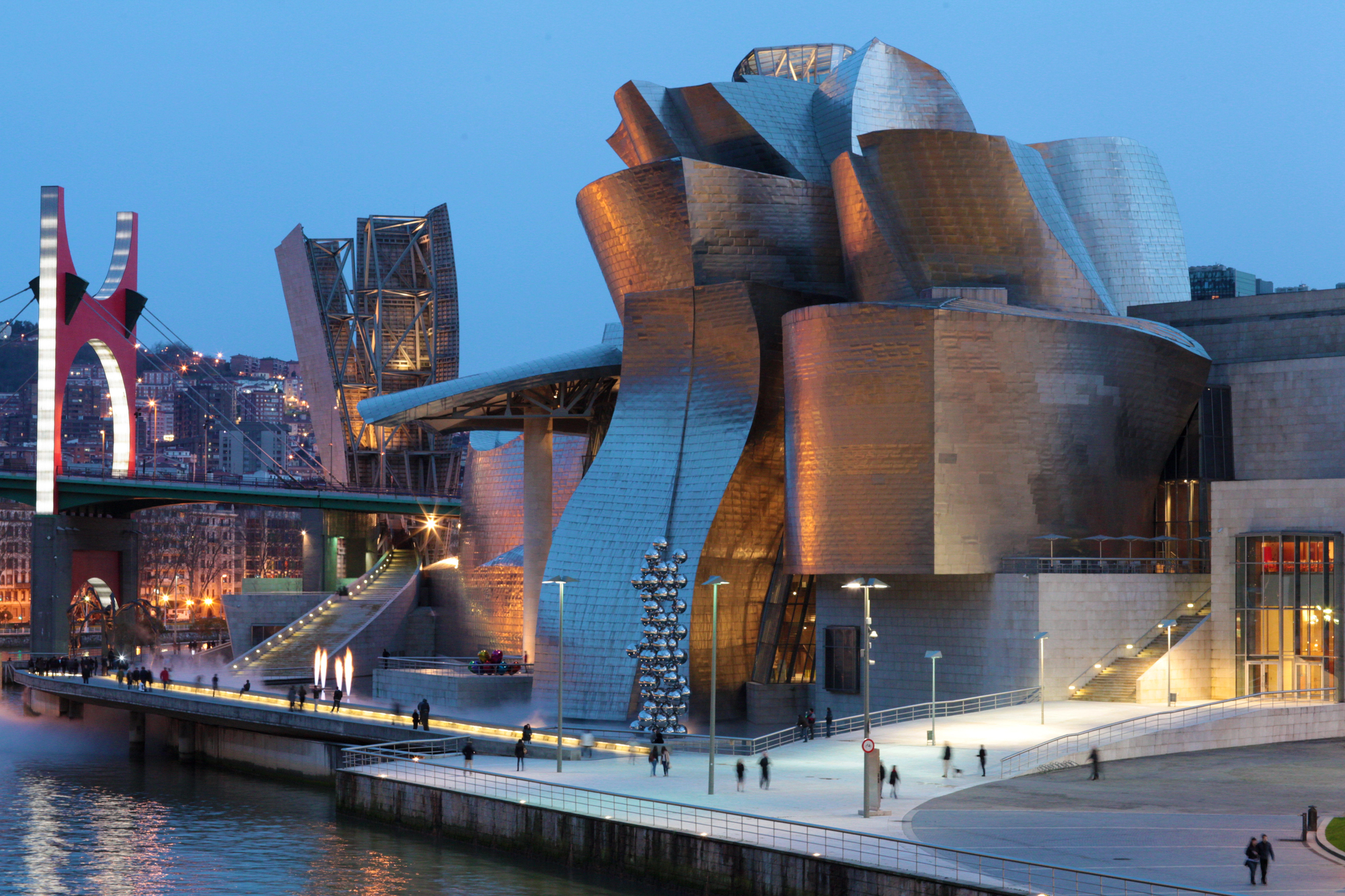
This titanium-clad masterpiece by Frank Gehry didn’t just put Bilbao on the cultural map—it single-handedly revived a declining industrial city. The museum’s swooping, sculptural form became an instant icon, drawing millions of visitors to a place most had never heard of before.
The ‘Bilbao Effect’ became shorthand for how bold architecture can transform struggling cities into tourist destinations.
Like Go2Tutors’s content? Follow us on MSN.
Willis Tower
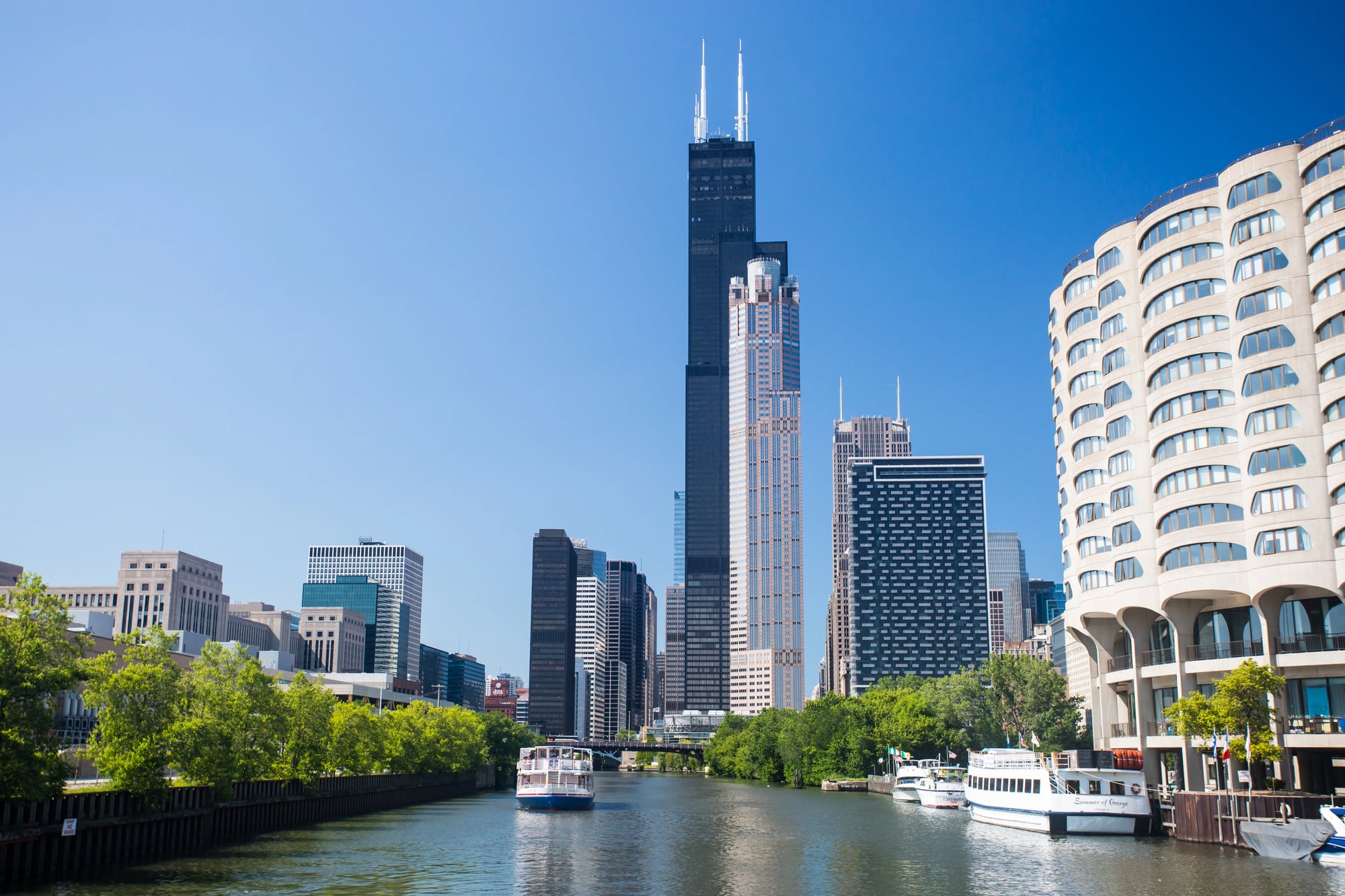
When the Sears Tower (now Willis Tower) rose in Chicago’s Loop in the early seventies, it didn’t just claim the title of world’s tallest building—it anchored downtown Chicago as a serious business district. The massive structure brought thousands of workers to the area daily, spurring restaurant openings, retail development, and transportation improvements.
Its presence helped establish Chicago’s skyline as one of America’s most recognizable.
The Standard Hotel
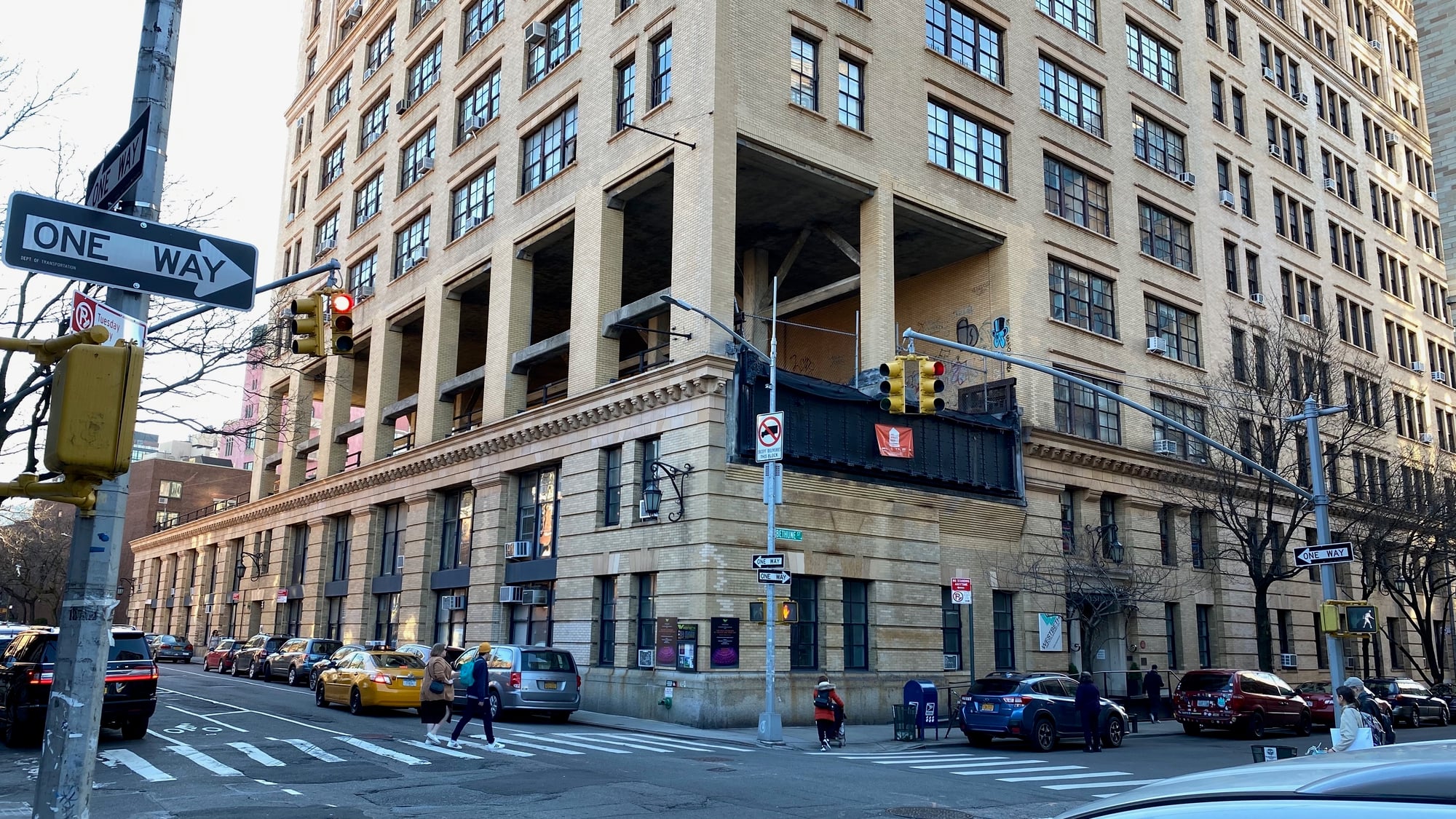
Perched above the High Line in New York’s Meatpacking District, The Standard became more than just a place to stay—it became a symbol of the neighborhood’s transformation. Its floor-to-ceiling windows and rooftop bar drew a hip crowd that helped establish the area as a nightlife destination.
The hotel’s arrival marked the district’s full transition from industrial wasteland to trendy hotspot.
Millennium Park
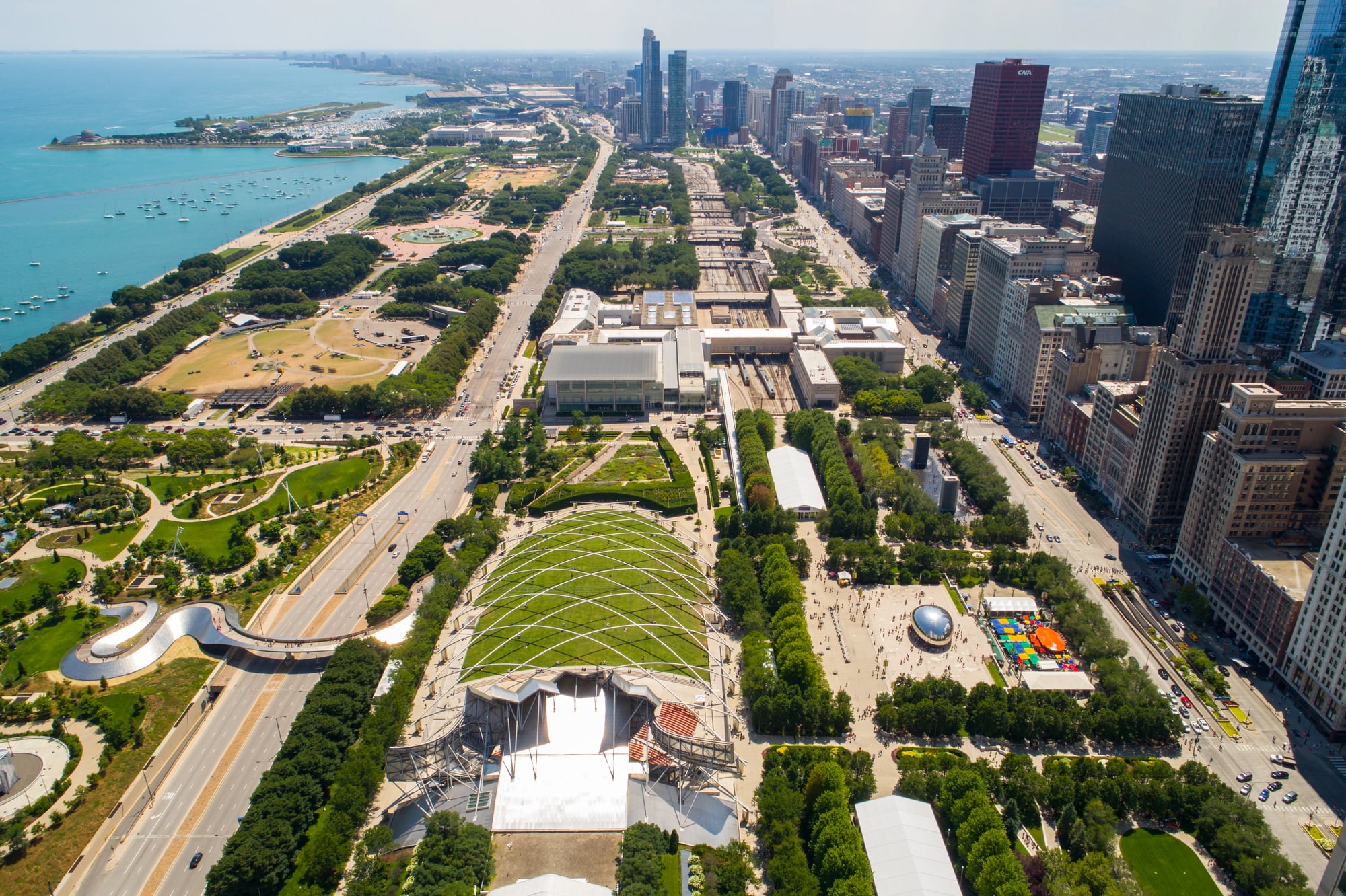
Chicago’s Millennium Park transformed a collection of parking lots and railroad tracks into the city’s crown jewel. The park’s iconic Cloud Gate sculpture and Crown Fountain became instant landmarks, while the Jay Pritzker Pavilion brought world-class performances to downtown.
This major development sparked a residential boom in the South Loop and established the area as a cultural hub.
Like Go2Tutors’s content? Follow us on MSN.
One World Trade Center
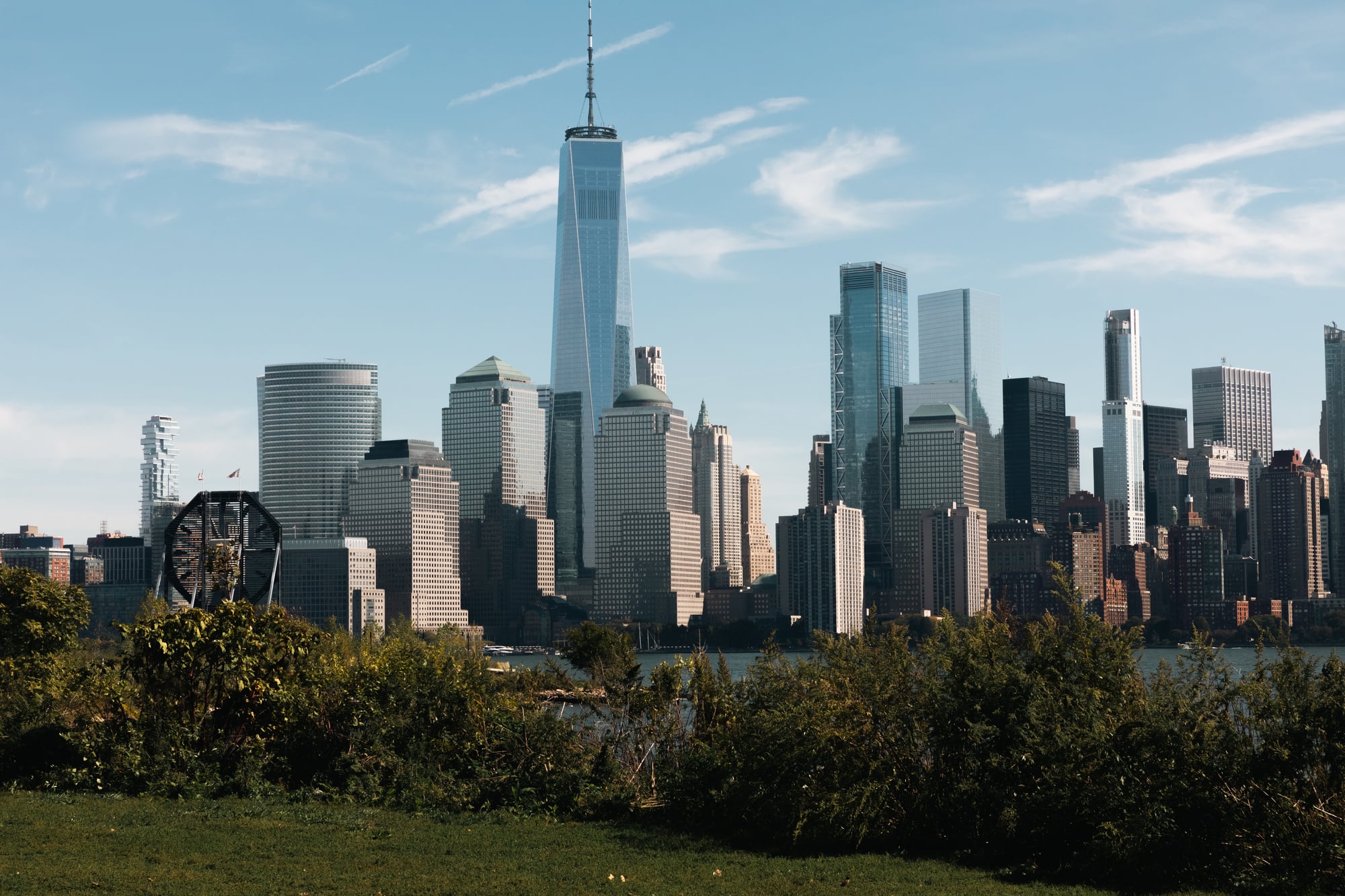
Rising from the ashes of September’s tragedy, One World Trade Center represents more than an architectural achievement—it symbolizes Lower Manhattan’s resilience and rebirth. The tower’s construction helped revitalize the World Trade Center site and the surrounding Financial District.
New retail spaces, memorial sites, and transportation hubs transformed the area into a destination that honors the past while embracing the future.
The Stata Center at MIT
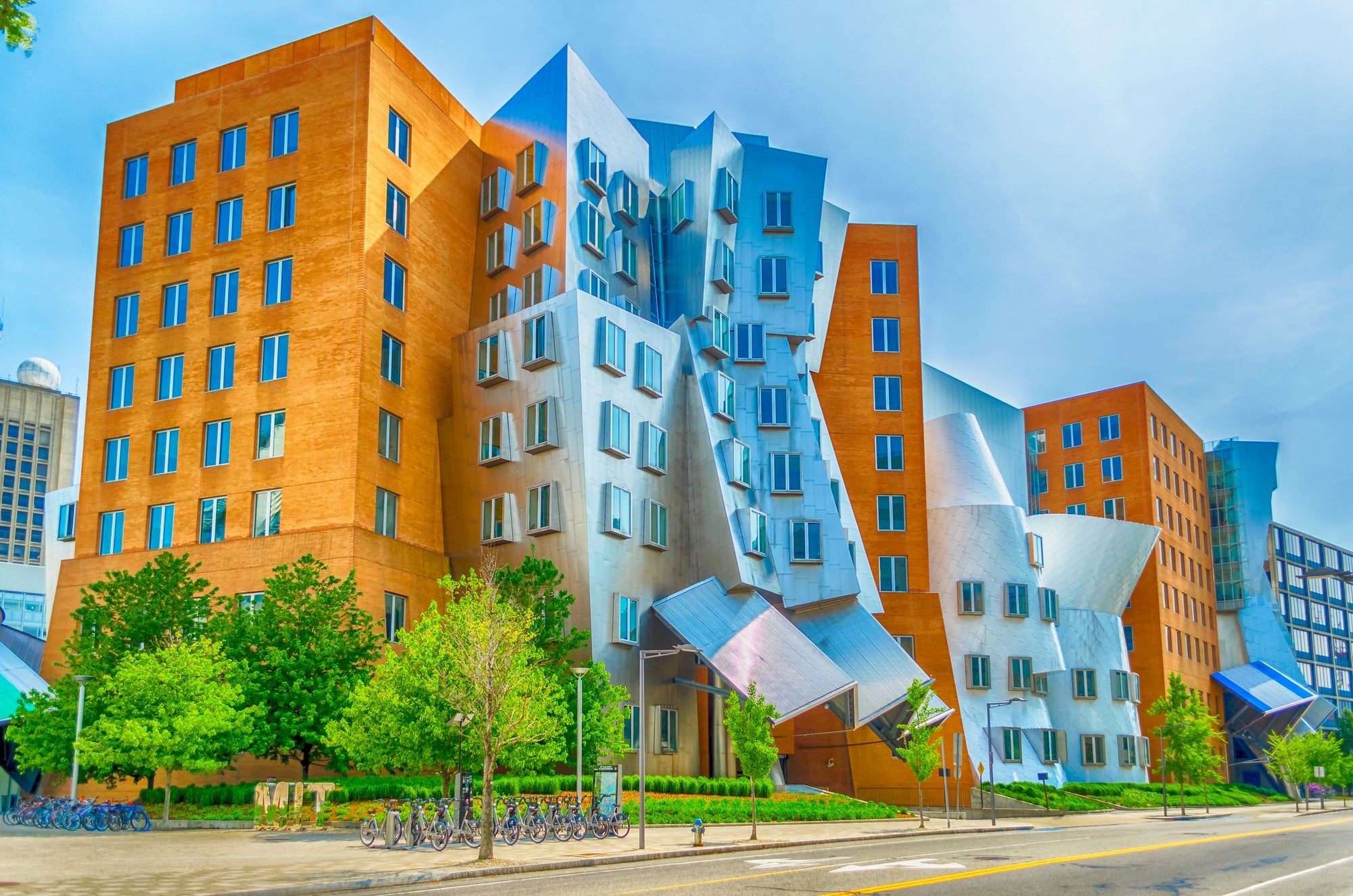
Frank Gehry’s unconventional design for MIT’s computer science building challenged traditional ideas about academic architecture. The building’s seemingly chaotic exterior and innovative interior spaces encouraged collaboration between departments that rarely interacted before.
Its presence helped establish MIT’s campus as a testing ground for experimental architecture and influenced how universities think about building design.
Brooklyn Bridge Park
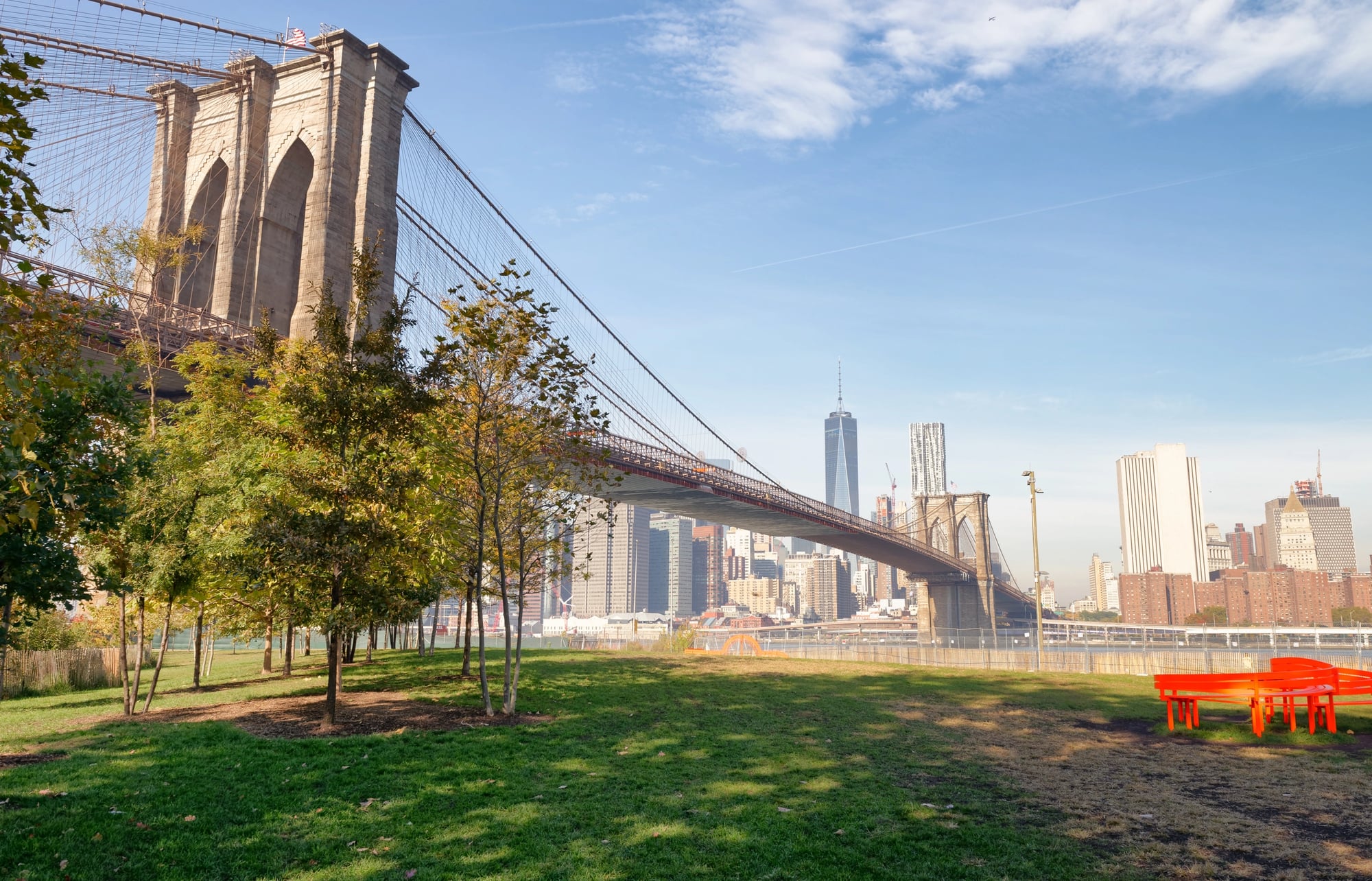
This waterfront park transformed abandoned shipping piers into Brooklyn’s premier recreational space. The park’s development sparked a residential boom in nearby neighborhoods like DUMBO and Brooklyn Heights.
The former industrial waterfront became prime real estate, with luxury condos commanding premium prices for park and harbor views.
Like Go2Tutors’s content? Follow us on MSN.
The Getty Center
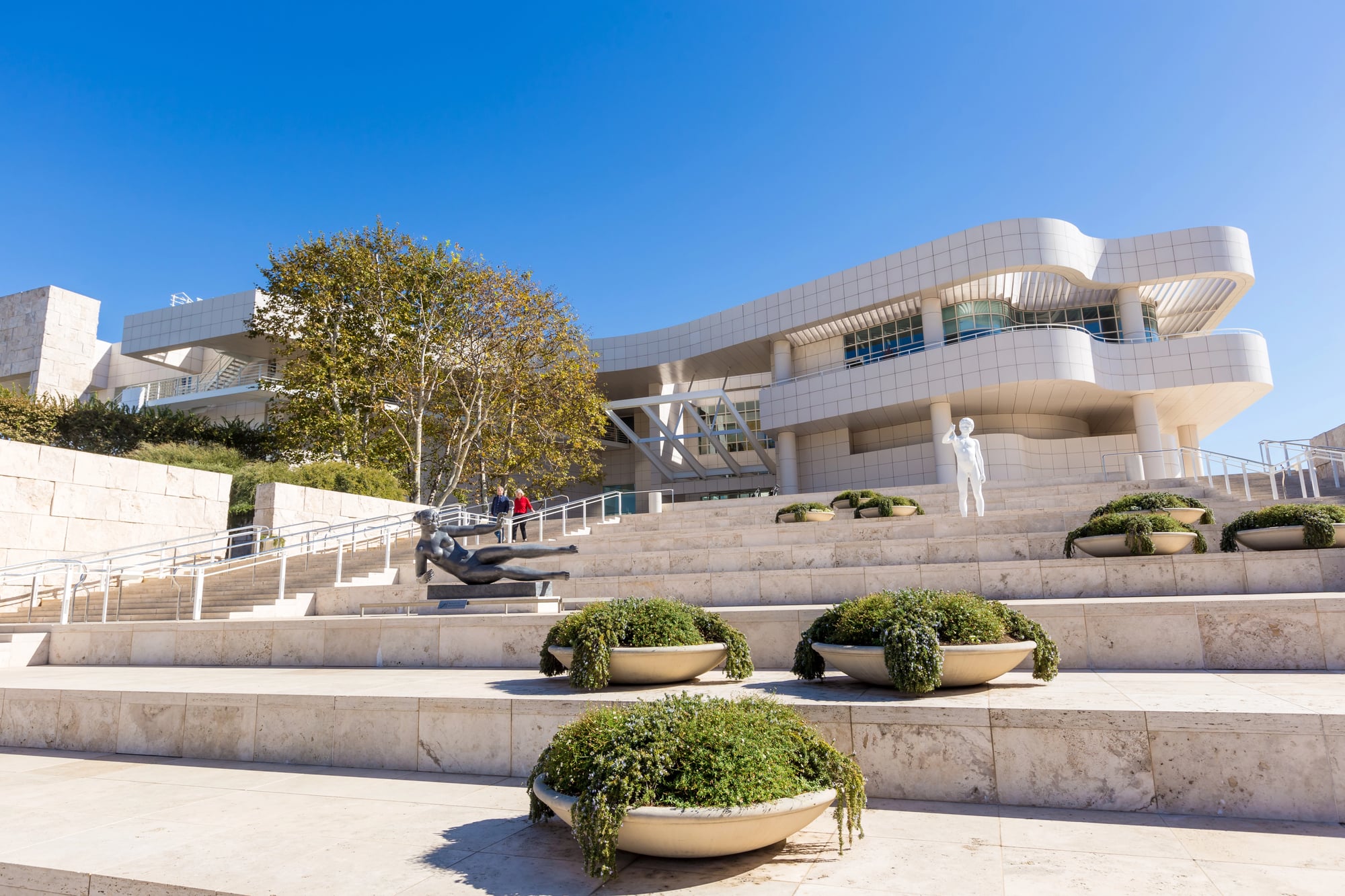
Perched on a hilltop in Brentwood, the Getty Center didn’t just house an impressive art collection—it transformed how Los Angeles thought about cultural institutions. The complex’s stunning architecture and gardens drew visitors from around the world to a relatively quiet corner of the city.
Its presence elevated the surrounding Brentwood area and influenced other cultural institutions to invest in bold architectural statements.
Nationals Park
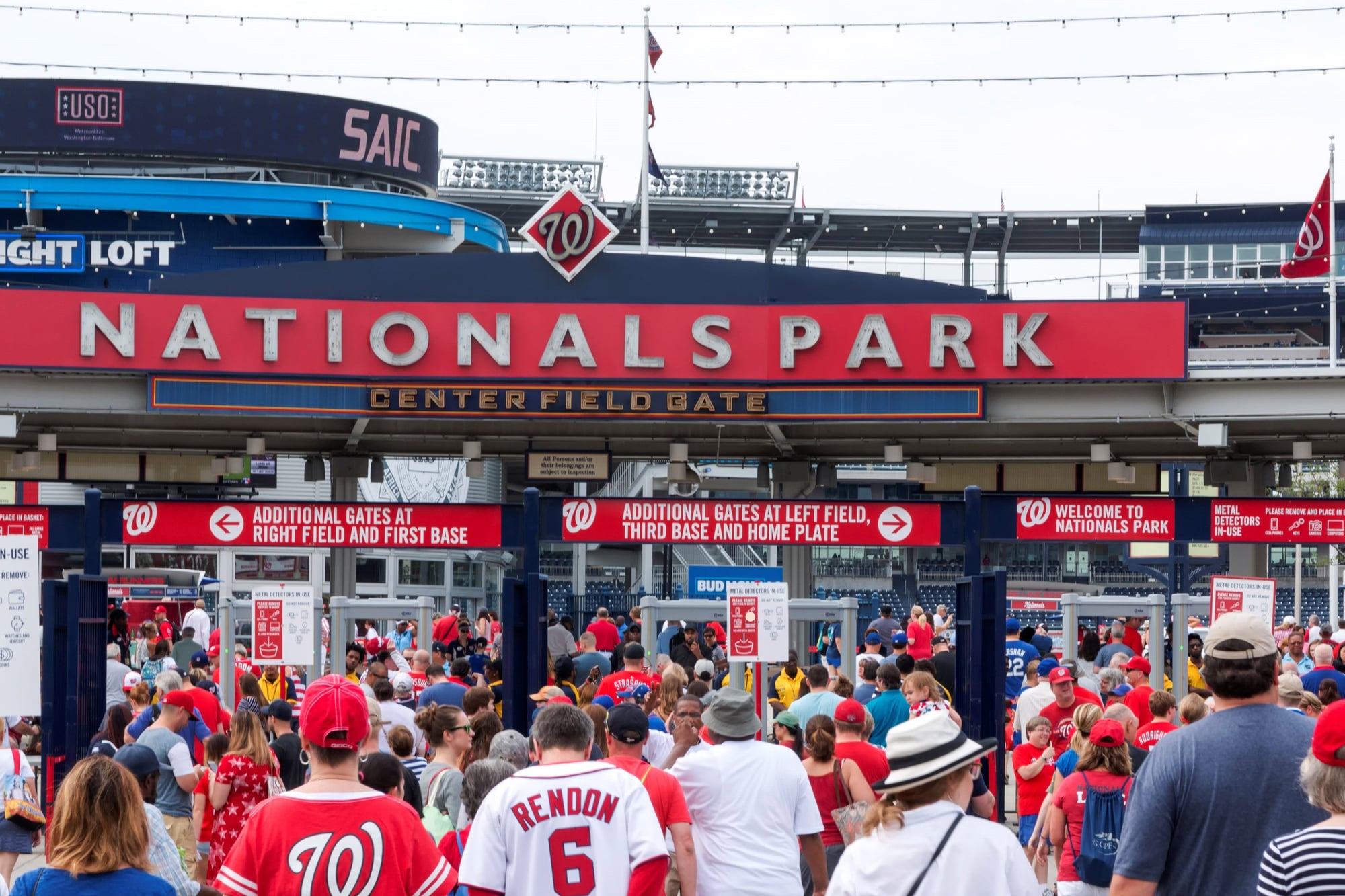
Washington D.C.’s baseball stadium catalyzed the transformation of the Navy Yard neighborhood from industrial wasteland to a trendy residential district. The ballpark’s construction attracted restaurants, bars, and apartment complexes that serve both game-day crowds and year-round residents.
What was once a forgotten corner of Southeast D.C. became one of the city’s fastest-growing neighborhoods.
The Bean Pot
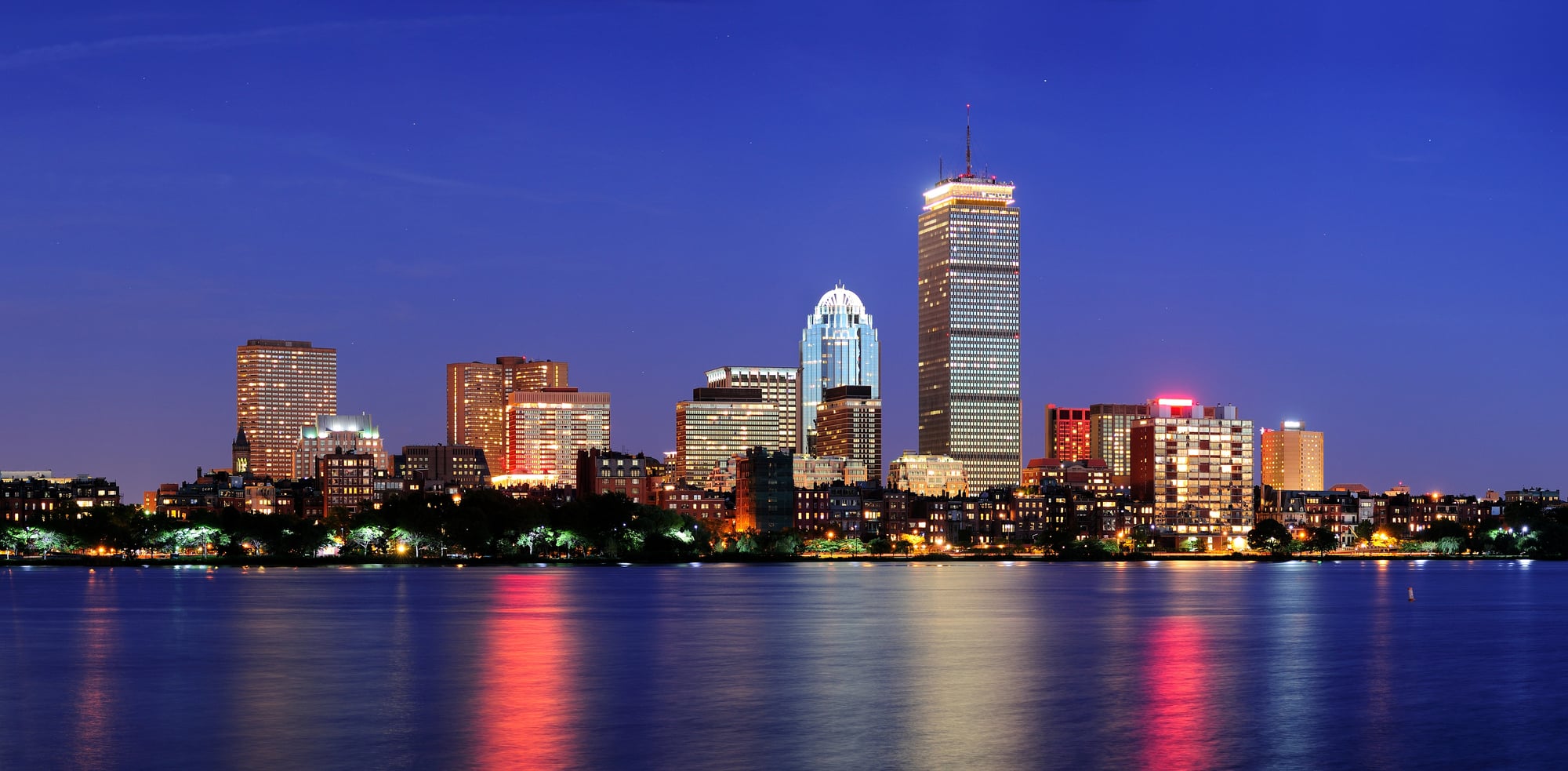
Boston’s Prudential Center complex replaced a massive rail yard with a mixed-use development that connected the Back Bay and South End neighborhoods. The tower and shopping mall created a new commercial hub that drew businesses and residents to previously underutilized areas.
Its skybridge system set a precedent for connecting buildings above street level, influencing future development patterns.
Like Go2Tutors’s content? Follow us on MSN.
Hearst Tower
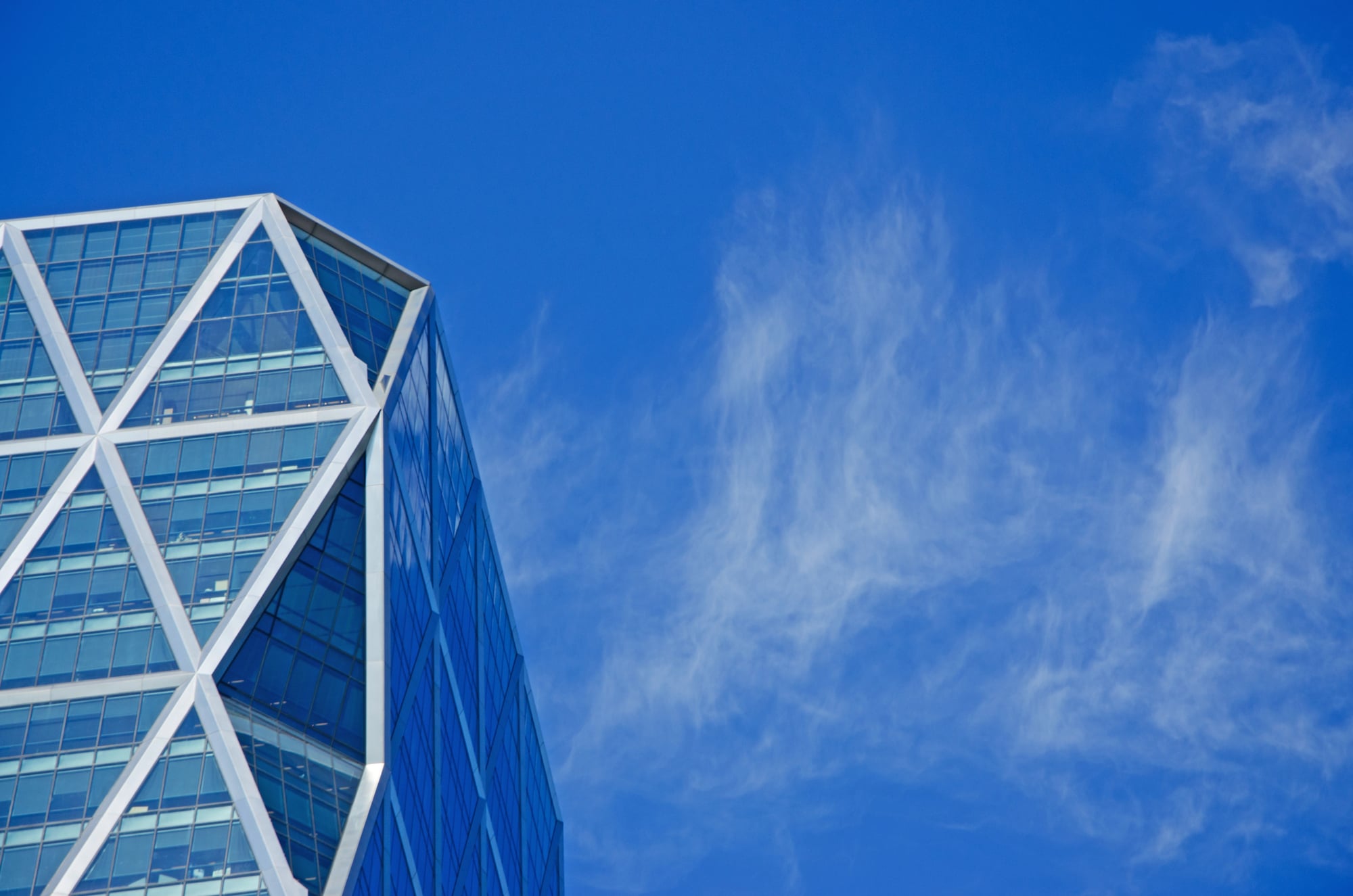
Norman Foster’s distinctive diagrid design atop the original Hearst Magazine building brought architectural innovation to Columbus Circle. The tower’s energy-efficient features and striking appearance helped establish the area as a destination for forward-thinking companies.
Its presence contributed to the neighborhood’s evolution from a traffic-heavy intersection to a thriving commercial district.
Lincoln Center
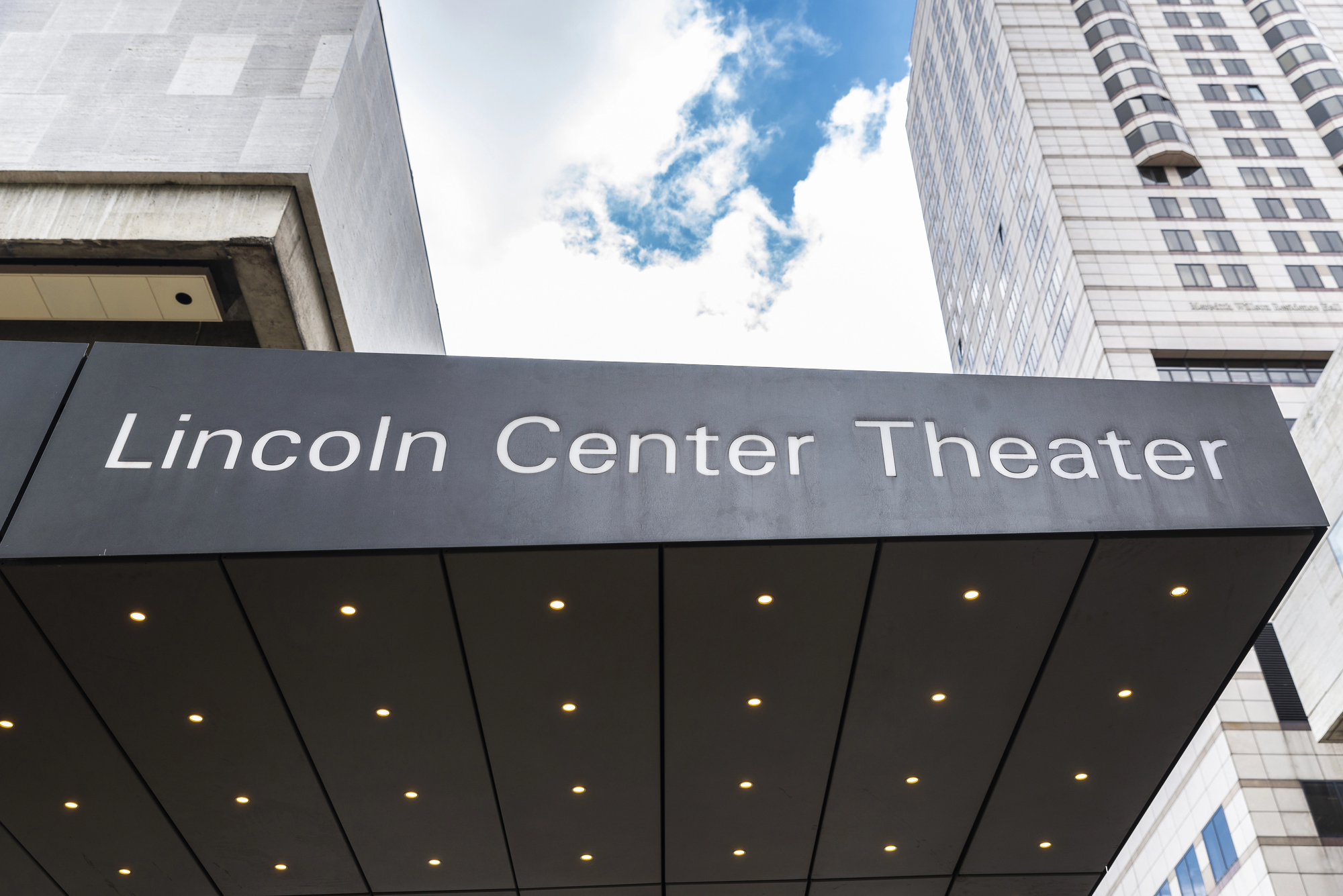
This performing arts complex transformed Manhattan’s Upper West Side from a declining neighborhood into a cultural destination. The development displaced existing communities but created a world-renowned arts district that attracts millions of visitors annually.
Surrounding areas experienced gentrification as the neighborhood’s cultural cache grew, fundamentally altering the character of the Upper West Side.
The Shard
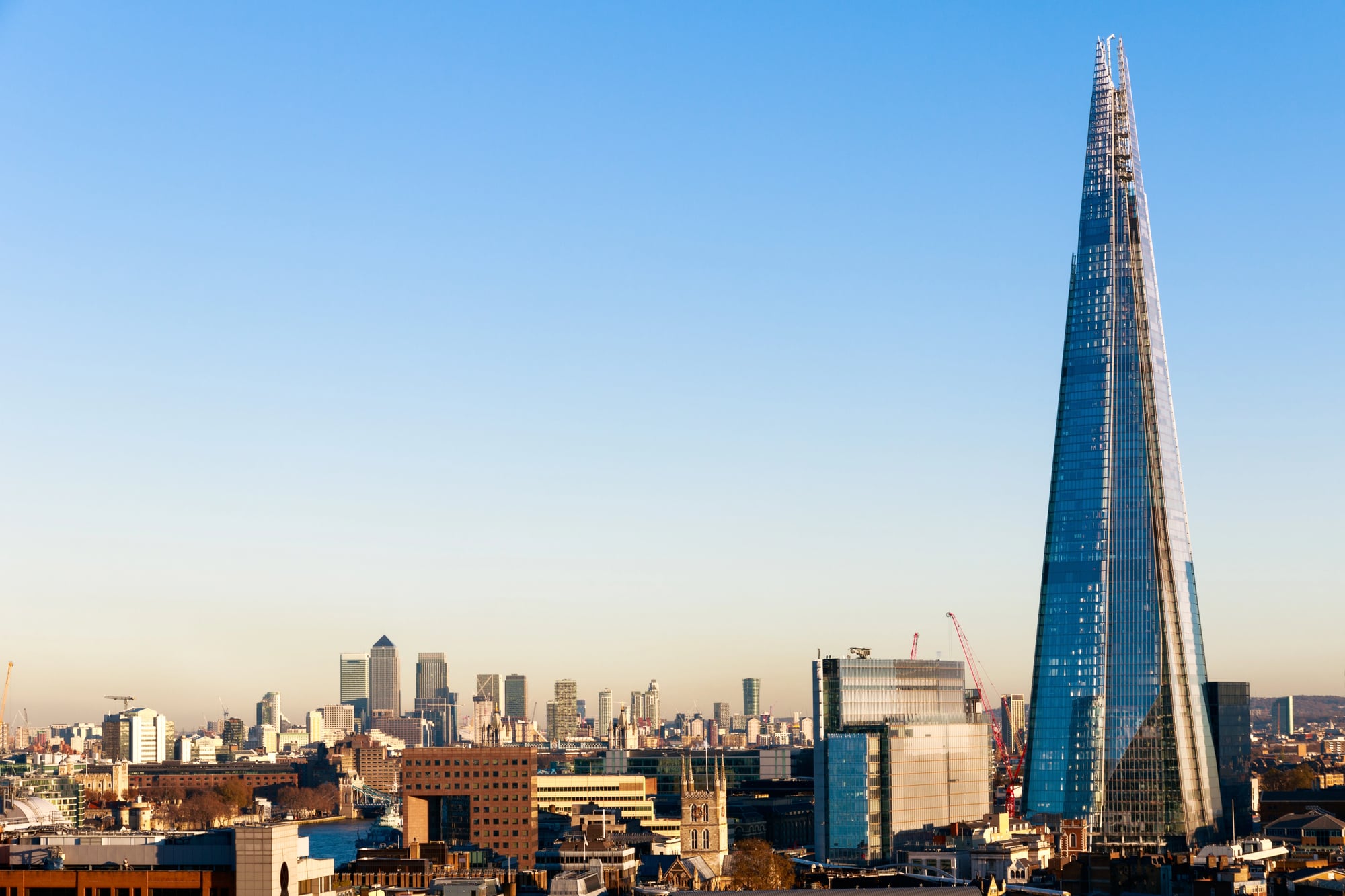
London’s tallest building transformed the South Bank from a relatively quiet area into a major tourist destination. The mixed-use tower’s restaurants, hotel, and observation deck drew visitors across the Thames to previously overlooked neighborhoods.
Its presence sparked development throughout Southwark and established the area as a legitimate alternative to traditional London business districts.
Like Go2Tutors’s content? Follow us on MSN.
Marina Bay Sands
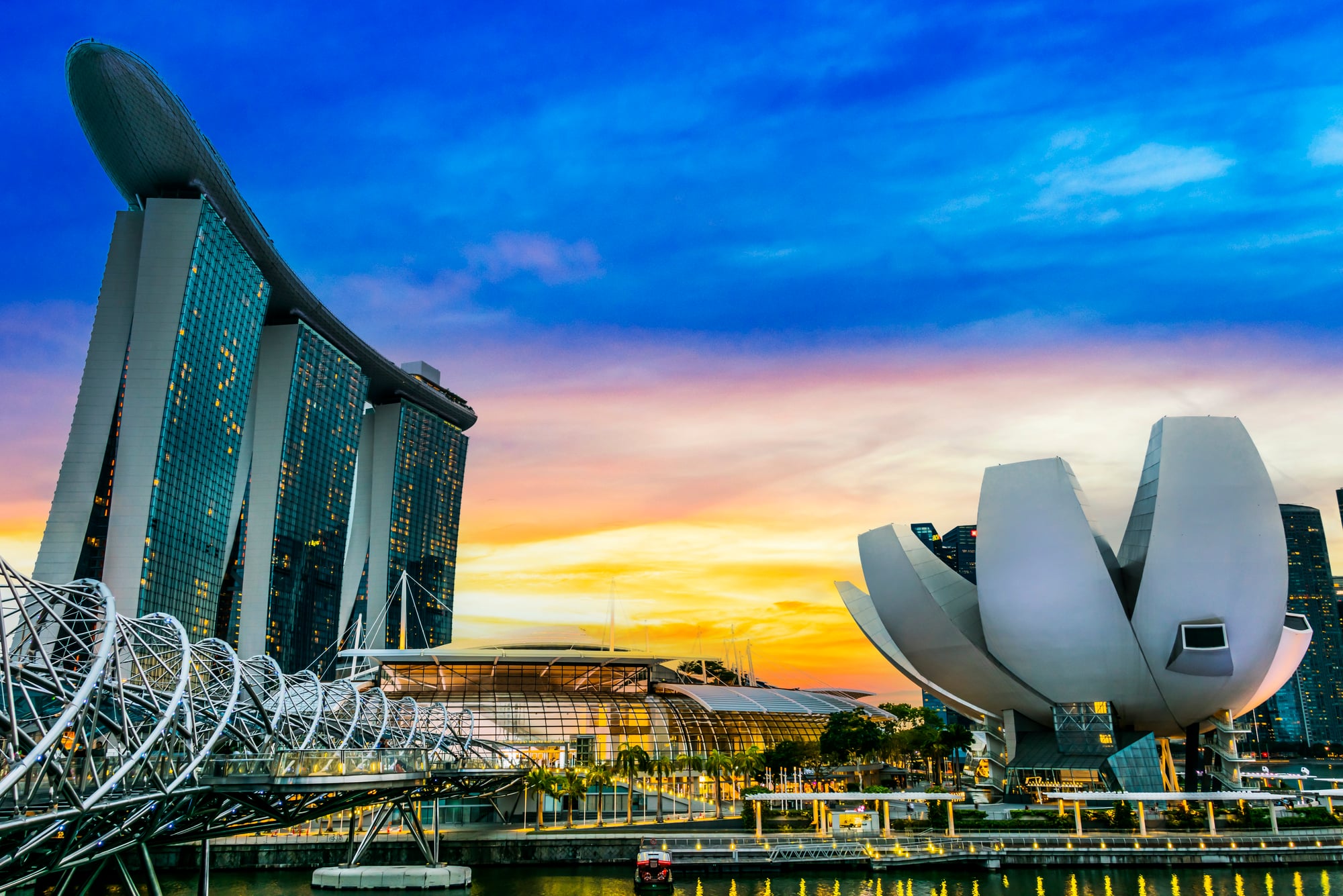
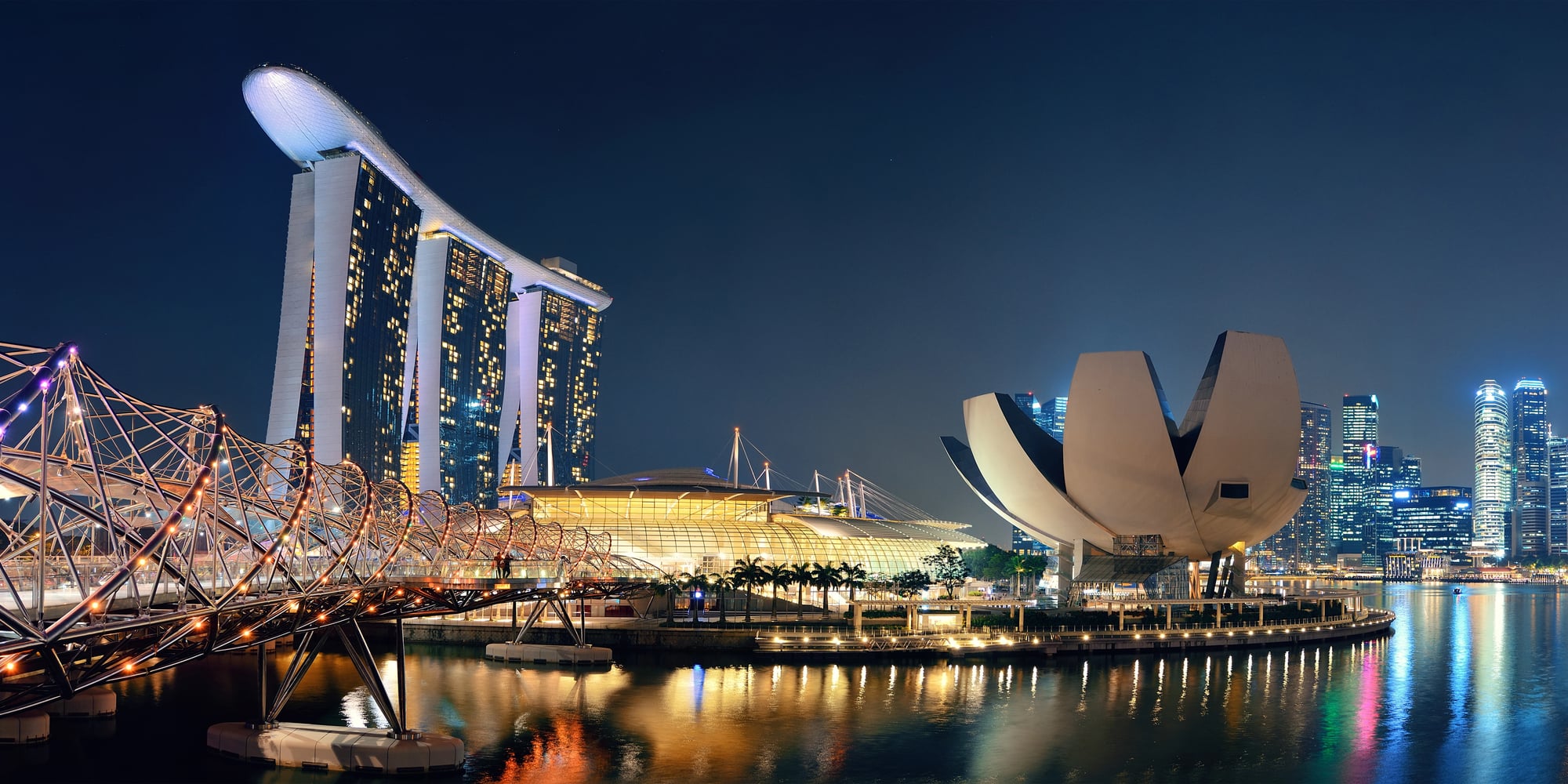
This three-tower complex with its distinctive rooftop infinity pool became Singapore’s most recognizable landmark almost overnight. The integrated resort transformed Marina Bay from a business district into a 24-hour entertainment destination.
Its success influenced Singapore’s urban planning strategy and helped establish the city-state as a major tourist destination in Southeast Asia.
Where Innovation Meets Community
These buildings prove that architecture’s power extends far beyond aesthetic appeal or functional design. Each structure became a catalyst that reshaped its surroundings, whether by attracting new businesses, drawing tourists, or simply changing how people think about a place.
They demonstrate that bold architectural vision, when executed thoughtfully, can revitalize communities and create lasting positive change. The most successful projects didn’t just serve their intended users—they became magnets that transformed entire neighborhoods, proving that great buildings have the power to rewrite a place’s story.
More from Go2Tutors!

- 16 Restaurant Chains That Went Too Fast
- 12 Things Sold in the 80s That Are Now Illegal
- 15 Strange Things People Have Tried to Ban (And Failed)
- 16 Collectibles People Tossed Out Too Soon
- 17 Myths from Your Childhood That Were Actually Based on Real Things
Like Go2Tutors’s content? Follow us on MSN.