Concert Venues in Dangerous Locations
Some music fans will travel anywhere to see a show. Mountains, deserts, abandoned buildings—the setting becomes part of the experience.
These venues push boundaries in ways that go beyond acoustics or stage design. They sit in places where nature or circumstance creates real risks, making every performance feel more intense.
Red Rocks Amphitheatre, Colorado

The sandstone formations around this amphitheatre create perfect acoustics. But the altitude hits hard if you’re not ready for it.
At 6,450 feet above sea level, your lungs work overtime. People come from lower elevations and find themselves winded just climbing to their seats.
The thin air affects performers too—singers need to adjust their breathing techniques, and wind instruments behave differently. Weather changes fast in the Colorado foothills.
Summer thunderstorms roll in with little warning, bringing lightning that strikes the exposed rock formations. The venue has evacuation procedures, but getting 9,000 people down steep stone steps in a hurry creates its own hazards.
Hang Son Doong Cave, Vietnam

This venue exists inside the world’s largest cave. The ceiling stretches 660 feet high in places, and the main chamber could fit an entire city block.
Setting up equipment here means navigating underground rivers and climbing over massive rock formations. The cave floods during monsoon season. Water levels can rise dramatically in hours.
Concert organizers need to monitor weather patterns weeks in advance and have emergency extraction plans. The humidity destroys equipment if you’re not careful.
Everything needs waterproofing, and backup systems for the backup systems. Access involves a challenging trek through jungle terrain.
Audiences need to camp overnight in the cave before shows. Medical evacuation would take hours at minimum.
Burning Man’s Playa, Nevada
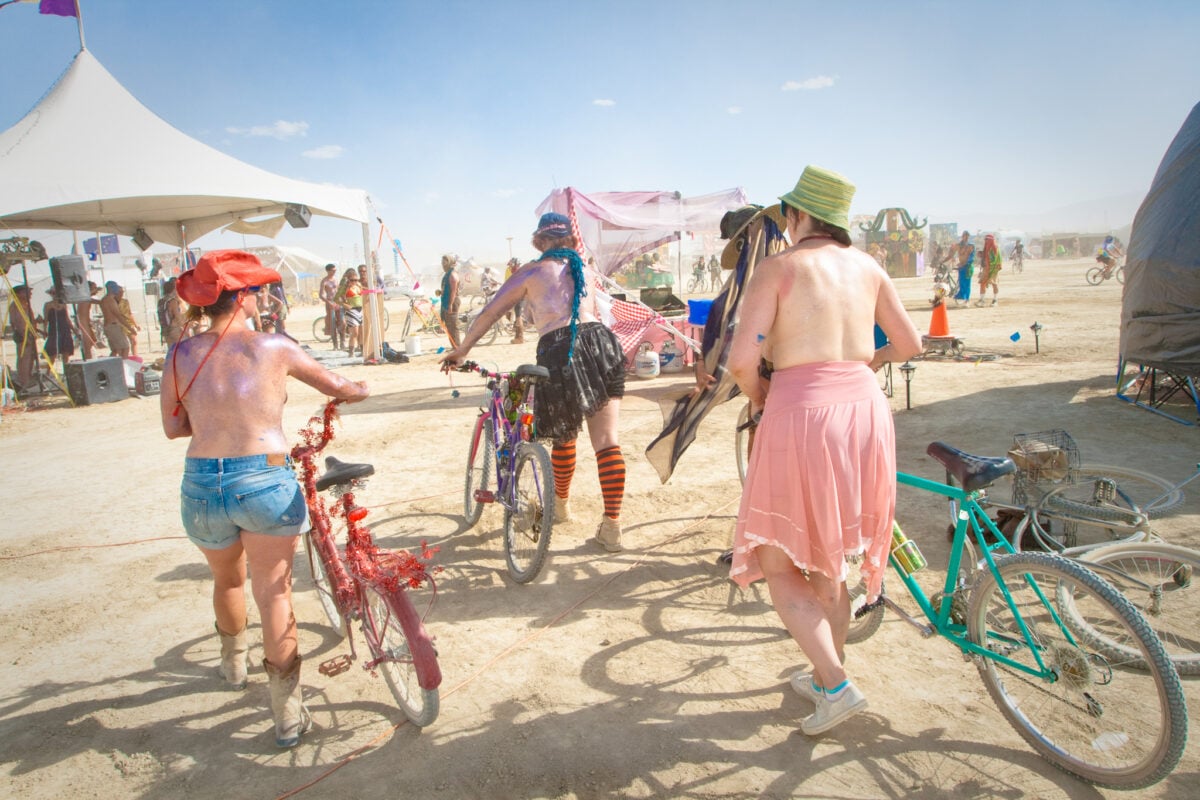
The Black Rock Desert becomes a city for one week each year. Dust storms reduce visibility to zero.
The alkaline playa dust infiltrates everything—lungs, equipment, clothing. It’s chemically harsh and creates a white powder that sticks to skin and damages electronics.
Temperatures swing from over 100 degrees during the day to near freezing at night. Dehydration sneaks up on people. Medical emergencies happen regularly in an environment with limited infrastructure.
The nearest hospital sits 120 miles away. The remoteness creates logistical nightmares.
Every drop of water, every piece of equipment, every medical supply needs trucking across empty desert. Stage structures must withstand winds that can reach 60 miles per hour.
Aquasonic Underwater Performances, Denmark
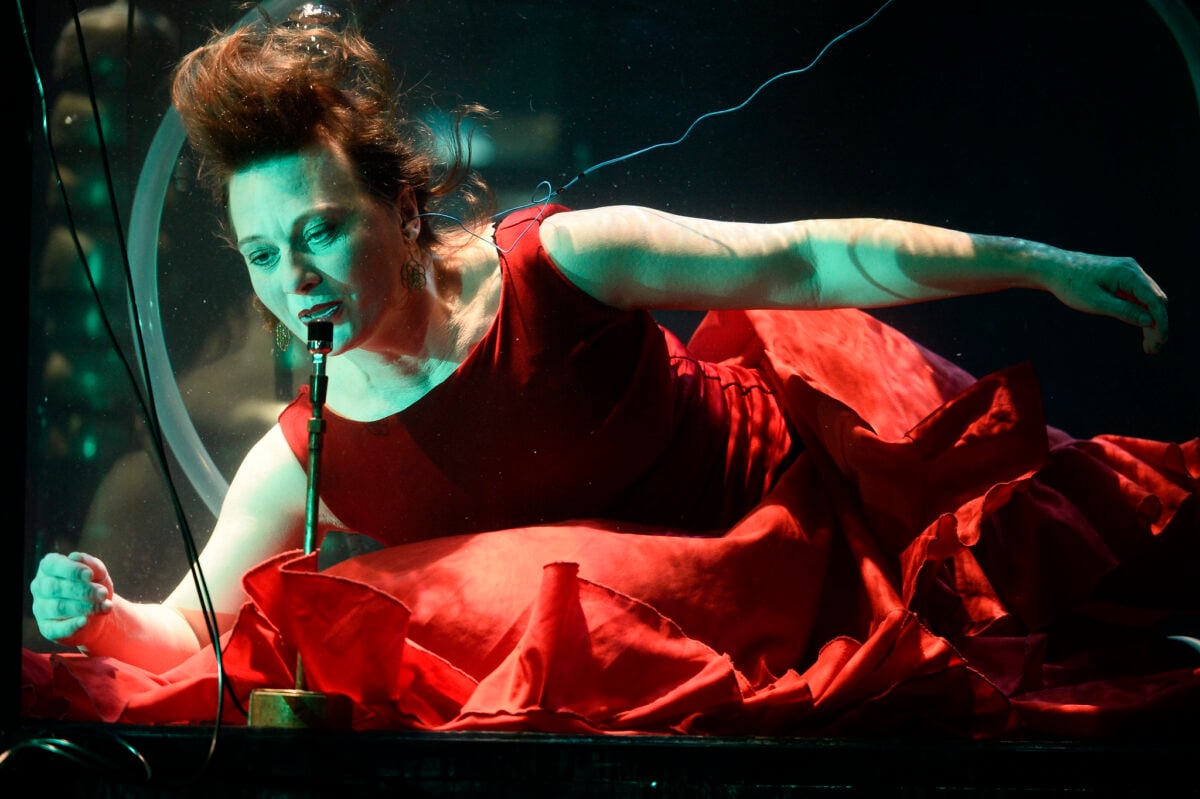
This isn’t a traditional venue—the ensemble performs completely submerged in glass tanks. Audience members watch from outside, but the musicians themselves face significant risks.
Holding your breath while playing specially designed instruments requires training that goes beyond music. The tanks hold thousands of gallons of water.
Equipment failure could trap performers. They use diving signals to communicate with safety crews, and every show has multiple divers on standby.
The physical strain of performing underwater affects the body in ways that land-based concerts never do. Instruments must function while submerged.
The crystallophone produces sound through friction on crystal tubes filled with water. One crack in the glass could drain a tank mid-performance.
Regular inspections and redundant safety systems keep risks manageable but never eliminate them completely.
Trolltunga, Norway

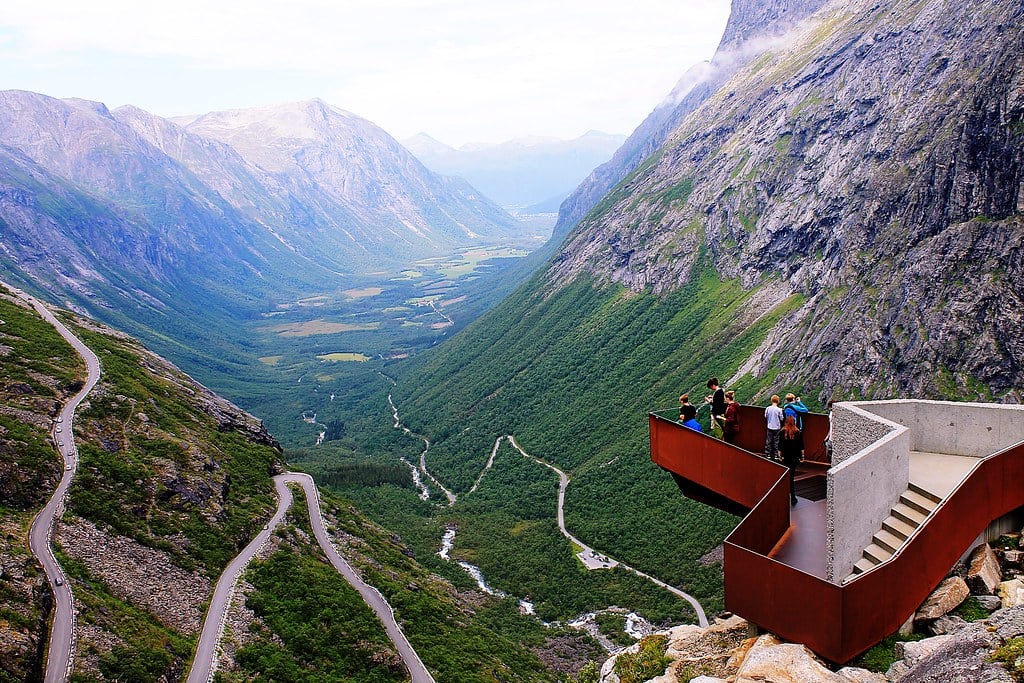
This cliff juts out from a mountainside 2,300 feet above a lake. The rock formation itself provides the stage for occasional performances.
Getting there requires a 14-mile round trip hike through demanding terrain. Weather conditions change without warning—fog, rain, and high winds are common.
The cliff edge has no barriers. Performers and equipment need securing to prevent accidents.
One misstep means a fatal fall. Winter makes the venue completely inaccessible due to ice and snow.
The remote location means no emergency services nearby. Helicopter rescue is the only option for serious injuries, and weather often grounds helicopters.
Anyone performing or attending here accepts that help won’t arrive quickly.
Creux du Van, Switzerland
This natural amphitheatre forms a massive rock face that curves around in a semicircle. The limestone cliffs drop 525 feet straight down.
Concerts happen at the top rim, where audiences gather along the edge. Wind funnels through the formation, creating unpredictable gusts that can knock people off balance.
The approach involves hiking through alpine terrain. Rockfall happens regularly—loose stones tumble down the cliff face, sometimes triggered by nothing more than temperature changes.
Warning signs dot the area, but rock behavior is impossible to predict completely. Wildlife adds another layer of concern.
The area is home to ibex, and these sure-footed mountain goats sometimes wander through crowds. They’re wild animals, unpredictable and potentially dangerous if threatened or cornered.
Skeleton Coast, Namibia

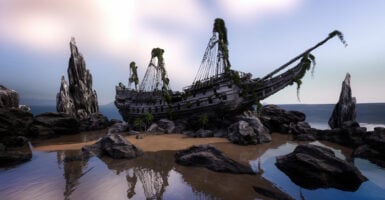
This stretch of shoreline earned its name from the shipwrecks dotting the beach. Dense fog, strong currents, and unpredictable surf make the area treacherous.
Concerts here happen on the sand, with the Atlantic Ocean providing an ominous backdrop.
The fog rolls in thick enough to disorient people. Visibility drops to a few feet.
Ocean currents are among the strongest in the world—swimming becomes deadly within seconds. Every year, people underestimate the water and get pulled under.
The remoteness is extreme. Cell service doesn’t exist.
Medical facilities are hours away on rough desert roads. Even reaching the venue requires specialized vehicles and experienced guides.
Þingvellir National Park, Iceland

This geological wonder sits on the rift between two tectonic plates. The ground literally pulls apart at about an inch per year.
Earthquakes happen regularly, though most are too small to notice. But the potential for a larger quake always exists during events.
Weather conditions are brutal. Wind speeds can exceed 50 miles per hour. Rain comes sideways.
Temperatures stay cold even in summer. Hypothermia becomes a real risk for audiences and performers who aren’t properly prepared.
The lava fields create uneven terrain everywhere. Twisted ankles are common.
The rock is sharp and unforgiving. Darkness comes quickly this far north in winter, and the landscape offers no light pollution—which creates stunning views but also significant navigation hazards.
Moab Desert, Utah

The sandstone landscape around Moab hosts concerts among dramatic rock formations. Summer temperatures regularly exceed 110 degrees.
The sun reflects off red rock, intensifying the heat. Dehydration happens fast in dry desert air.
Flash floods are a constant threat despite the desert environment. Narrow canyons can fill with water in minutes when storms hit miles away.
The sandy soil doesn’t absorb water well, sending runoff rushing through low areas where stages and audiences might be located. The remote desert location means limited infrastructure.
Medical response takes time. Snakes, scorpions, and other desert wildlife share the space.
Night temperatures can drop 40 degrees from daytime highs, creating another set of challenges.
Table Mountain, South Africa

Concerts at the top of Table Mountain require taking a cable car or hiking up steep trails. The mountain creates its own weather system.
Wind speeds at the summit can reach dangerous levels within minutes. The famous tablecloth cloud forms when moisture rises over the mountain, bringing visibility down to nearly zero.
The elevation change from Cape Town to the summit happens quickly. Some people experience altitude effects even at 3,500 feet.
The cable car shuts down in high winds, potentially stranding audiences at the top until conditions improve. Wildlife includes rock hyrax and the occasional baboon.
Baboons are bold and will approach people for food. They’re strong animals with sharp teeth, and they’ve been known to become aggressive when crowds gather.
Mount Elbrus, Russia
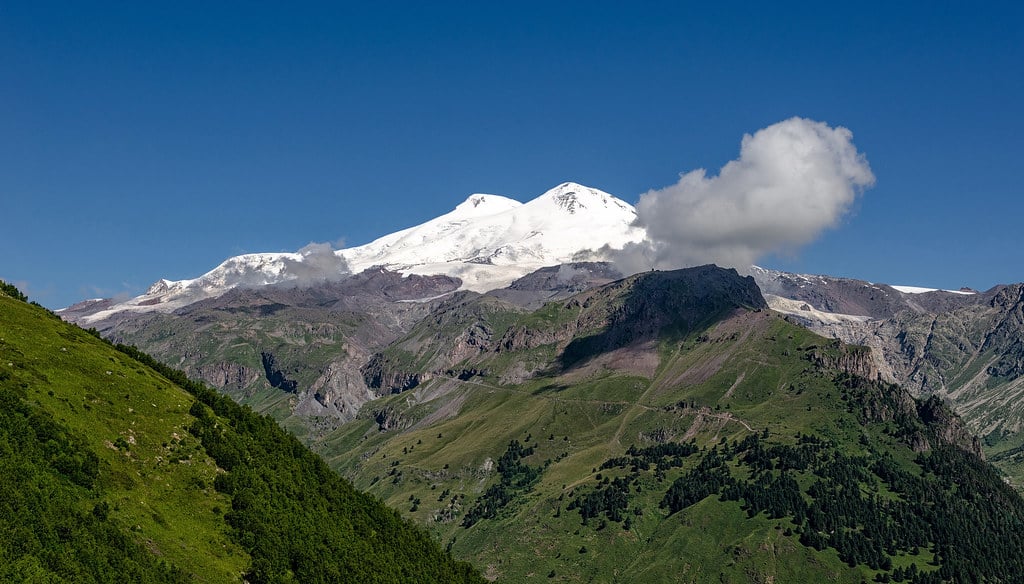
The highest peak in Europe hosts summer concerts at base camp. Even at lower elevations on Elbrus, altitude sickness affects many visitors.
The mountain’s weather is notoriously unpredictable. Clear mornings can turn into whiteout conditions by afternoon.
Glacial terrain surrounds the venue. Crevasses pose real dangers for anyone who wanders from marked paths.
The cold is intense even in summer—temperatures can drop below freezing any day of the year. This far into the Caucasus Mountains, emergency services are minimal.
Evacuation means hours on rough roads or waiting for helicopter support that weather might not allow. Medical facilities at altitude are basic at best.
Kimberley Diamond Mine, South Africa

This enormous open-pit mine reaches 790 feet deep. Concerts happen along the rim or on platforms built inside the pit itself.
The void creates strange acoustic effects, with sound bouncing off rock walls in unexpected ways. The pit edges are unstable in places.
Erosion continues slowly but steadily. Rock falls happen without warning. Safety barriers exist, but they can’t eliminate risk entirely when you’re standing at the edge of a massive excavation.
Mining left behind a complex network of underground tunnels. Some areas have collapsed over the years.
Ground subsidence remains a concern. The pit also fills with water during heavy rains, creating a deep, cold lake at the bottom.
Marble Caves, Chile
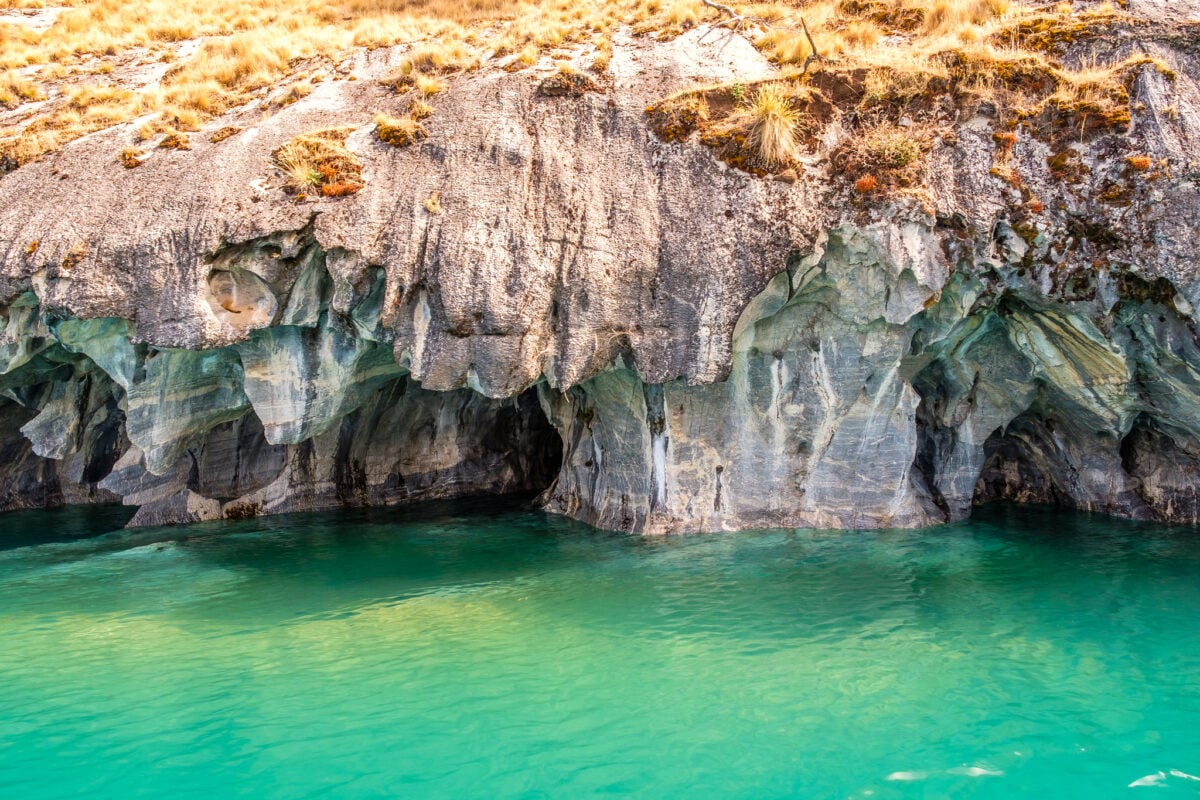
Floating near the edge of General Carrera Lake, these caves began as slow water work. Blue and white layers twist through each chamber, carved by endless gentle washing.
When the lake rises or drops without warning, the shapes seem to shift. Music played within must align with quiet skies and stable water.
Only a boat will get you there. Cold from glaciers fills the lake – it can drop body heat dangerously within minutes.
Sudden shifts come through the air above the water. Smooth waves might turn rough before you know it.
When the water rises, those caves fill up fast. Getting inside might still leave footing unsure on wet stone surfaces.
Voices bounce around oddly, turning talk into guesswork. Help arriving would face long distances, needing boats just to reach the place.
Where Music Meets the Edge

Sound cuts through risky spots like wind through cracks. Places on the edge teach a lesson – art thrives without cushions or warnings.
A show held where others hesitate turns into something beyond melody: tension, courage, raw discovery where few dare to go. Risk does not dull the moment.
It carves it deeper.
More from Go2Tutors!

- The Romanov Crown Jewels and Their Tragic Fate
- 13 Historical Mysteries That Science Still Can’t Solve
- Famous Hoaxes That Fooled the World for Years
- 15 Child Stars with Tragic Adult Lives
- 16 Famous Jewelry Pieces in History
Like Go2Tutors’s content? Follow us on MSN.