15 Calendar Systems That No Longer Make Sense
Time’s always been humanity’s biggest puzzle. Different cultures have come up with brilliant ways to track days, months, and years throughout history. Our modern calendar feels totally normal to us, but it’s really just one answer among countless solutions that civilizations have dreamed up over thousands of years.
Here is a list of 15 calendar systems that once made perfect sense to their creators but now seem puzzling or impractical in our interconnected world.
The French Revolutionary Calendar
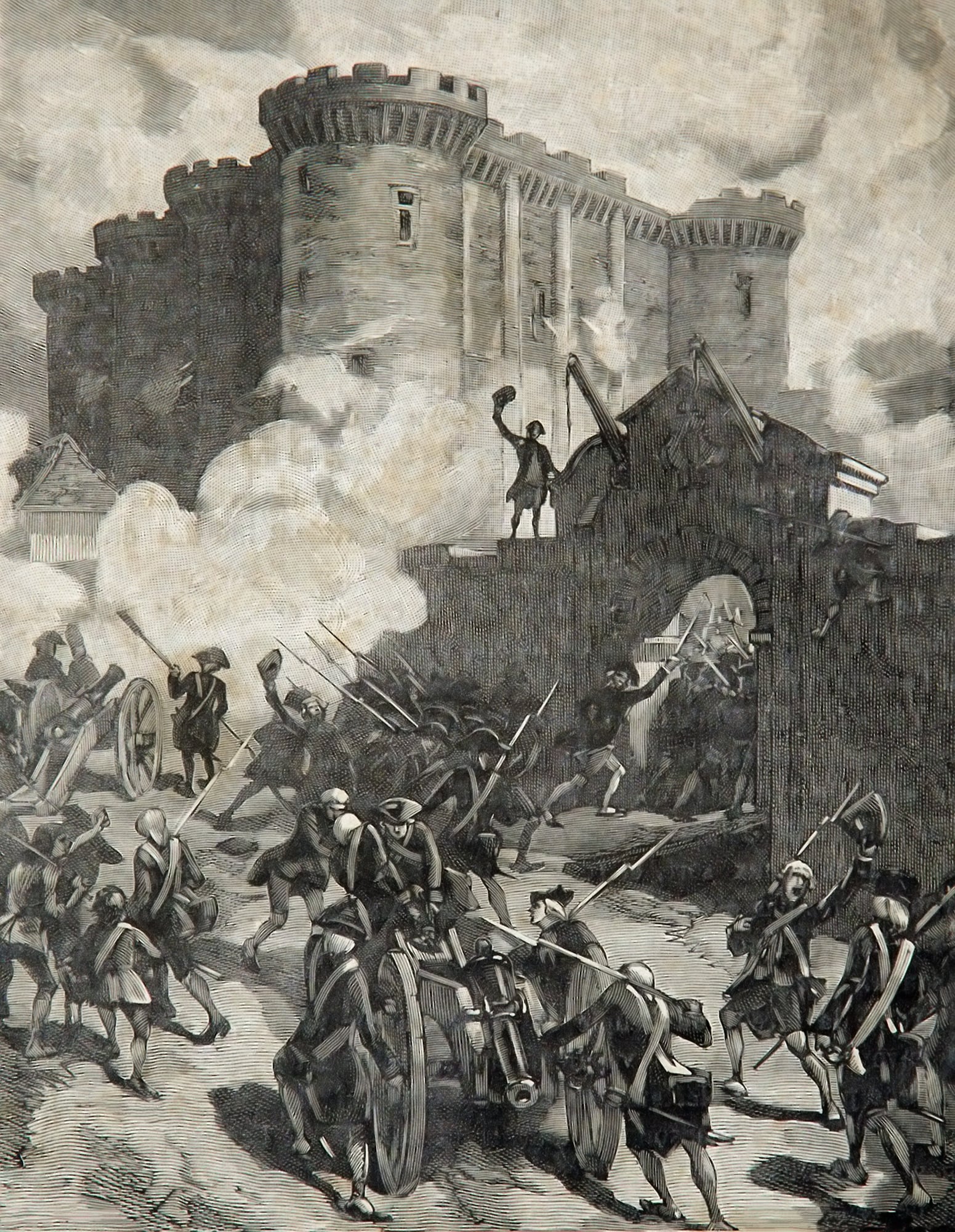
The French Revolution didn’t just shake up politics—it attempted to completely reinvent time itself. This radical system chopped the year into 12 months of exactly 30 days each, with gorgeous poetic names like Thermidor (meaning heat) and Brumaire (fog).
Instead of our familiar seven-day weeks, each month contained three 10-day periods called décades. The remaining five or six days at year’s end became festival days celebrating abstract concepts like Virtue, Genius, and Labor.
The Mayan Long Count

Ancient Maya astronomers developed what might be history’s most sophisticated timekeeping system—a series of interlocking cycles capable of measuring truly massive spans of time. Their Long Count began from a mythical creation date that corresponds to August 11, 3114 BCE in our calendar.
The system employed units ranging from single days (called kin) all the way up to periods spanning over 5 million years. That famous 2012 ‘end of the world’ date?
It simply marked the completion of one 5,125-year cycle known as a b’ak’tun.
Like Go2Tutors’s content? Follow us on MSN.
The Roman Calendar Before Caesar

Before Julius Caesar’s reforms, the Roman calendar was absolutely chaotic—a system requiring constant political meddling just to keep pace with the seasons. Originally featuring just 10 months totaling 304 days, it left a bizarre 60-day winter gap that wasn’t even considered part of the year.
Later versions tacked on January and February but still only managed 355 days, forcing officials to randomly insert extra months whenever someone noticed the calendar had drifted hopelessly out of sync.
The Aztec Tonalpohualli

The Aztec sacred calendar wove together 20 day signs with 13 numbers, creating a 260-day cycle filled with combinations like ‘4-Wind’ or ’12-Rabbit’. This intricate system ran alongside their 365-day solar calendar, forming a complex spiritual framework where each day carried specific sacred meaning.
Every 52 years, both calendars would perfectly align—an event so momentous that Aztecs would destroy their possessions and begin life completely fresh.
The Ancient Egyptian Wandering Year
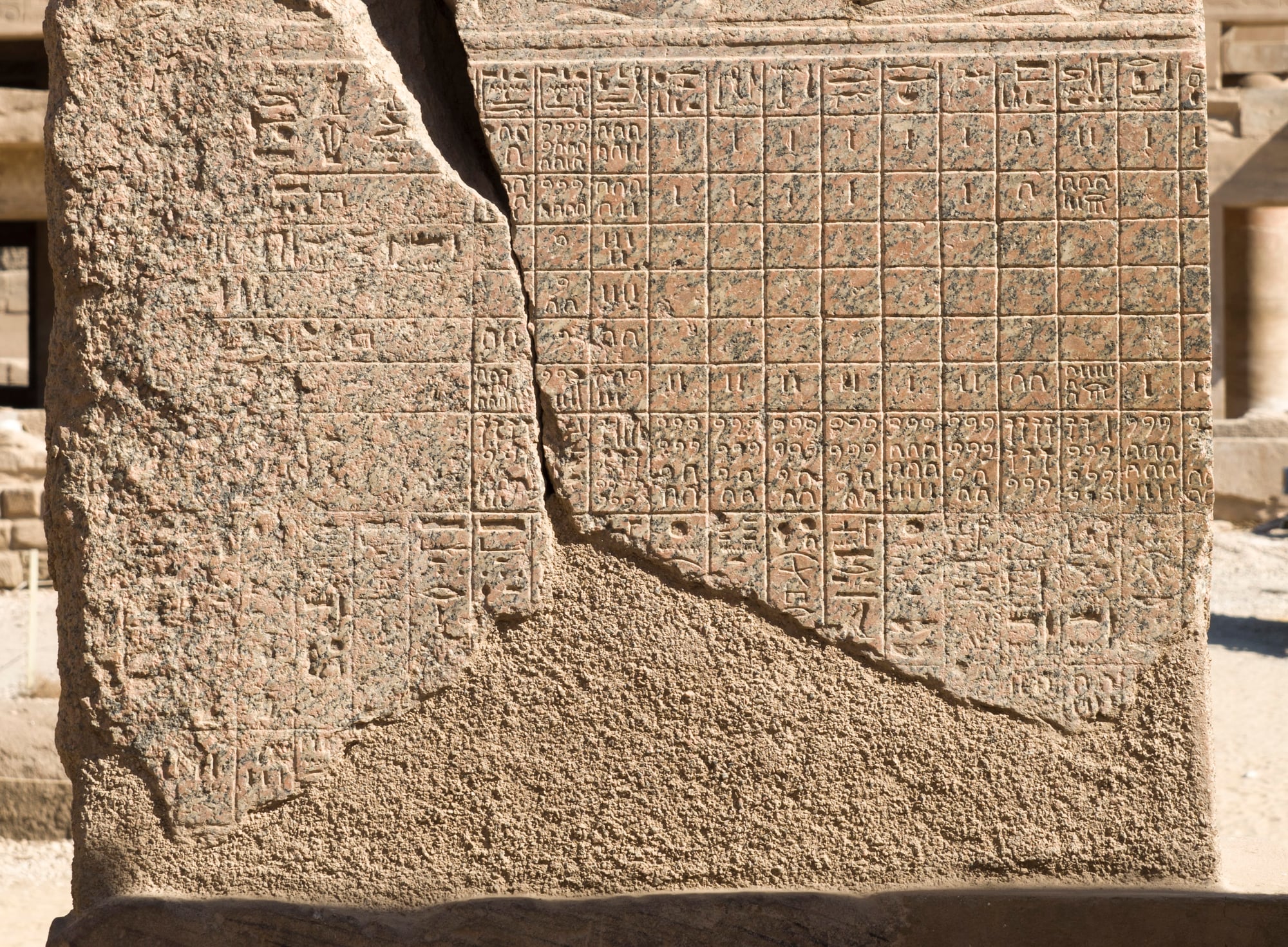
Egyptian priests understood their calendar was gradually drifting away from the seasons, yet they deliberately chose to let it wander rather than correct it. Their 365-day year fell exactly one-quarter day short, which meant their New Year celebration would slowly migrate through all the seasons over 1,460 years.
This phenomenon, dubbed the ‘Sothic cycle’ after the star Sirius, meant the calendar date rarely matched the actual flood season that governed Egyptian agriculture.
Like Go2Tutors’s content? Follow us on MSN.
The Chinese Sexagenary Cycle

Traditional Chinese timekeeping merged two rotating sequences: 10 heavenly stems and 12 earthly branches. This created a 60-year cycle that repeated infinitely, with each year, month, day, and hour receiving a unique two-character designation.
These combinations supposedly influenced everything from personality traits to optimal timing for major decisions. Though still used culturally, the system demands constant conversion for modern international business.
The Hebrew Calendar’s Leap Month

The Jewish calendar tackles the tricky problem of keeping lunar months synchronized with solar seasons through a complex formula where seven out of every 19 years receive an additional month called Adar II. This arrangement produces years ranging from 353 to 385 days, making date prediction nearly impossible without specialized calculations.
While the system works beautifully for religious observances, it creates scheduling nightmares in our globalized world.
The Islamic Hijri Calendar

Islam’s purely lunar calendar completely ignores solar cycles, causing religious holidays to drift through all seasons over roughly 33 years. Ramadan might occur during frigid winters one decade, then blazing summers the next—creating vastly different experiences for Muslims across various climates.
Though spiritually significant, this approach makes agricultural planning impossible while requiring endless conversions for international coordination.
Like Go2Tutors’s content? Follow us on MSN.
The Coptic Calendar’s Martyrs’ Era

The Coptic Orthodox Church continues using a calendar beginning with the ‘Era of Martyrs’ in 284 CE, commemorating the start of Roman Emperor Diocletian’s brutal Christian persecutions. This system organizes the year into 13 months: 12 regular months of 30 days each, plus one short month containing five or six days.
While it preserves crucial religious traditions, it maintains a parallel dating system that remains incomprehensible to most people outside the Coptic community.
The Julian Calendar’s Drift

Julius Caesar’s calendar reform was genuinely brilliant for its era, though its 365.25-day year ran about 11 minutes too long. That tiny error accumulated across centuries, gradually pushing the spring equinox earlier each year until it was happening in early March rather than late March.
By the 1500s, the calendar had drifted so far from astronomical reality that Pope Gregory XIII was forced to simply delete 10 days from history.
The Balinese Pawukon

Bali employs a traditional 210-day calendar constructed by layering cycles of varying lengths—from one to 10 days—that generate an incredibly intricate system of recurring patterns. Each day simultaneously belongs to multiple cycles, determining everything from market schedules to religious ceremonies.
While preserving ancient cultural wisdom, this system demands specialized knowledge that’s becoming increasingly scarce as younger generations embrace simpler international standards.
Like Go2Tutors’s content? Follow us on MSN.
The Zoroastrian Calendar
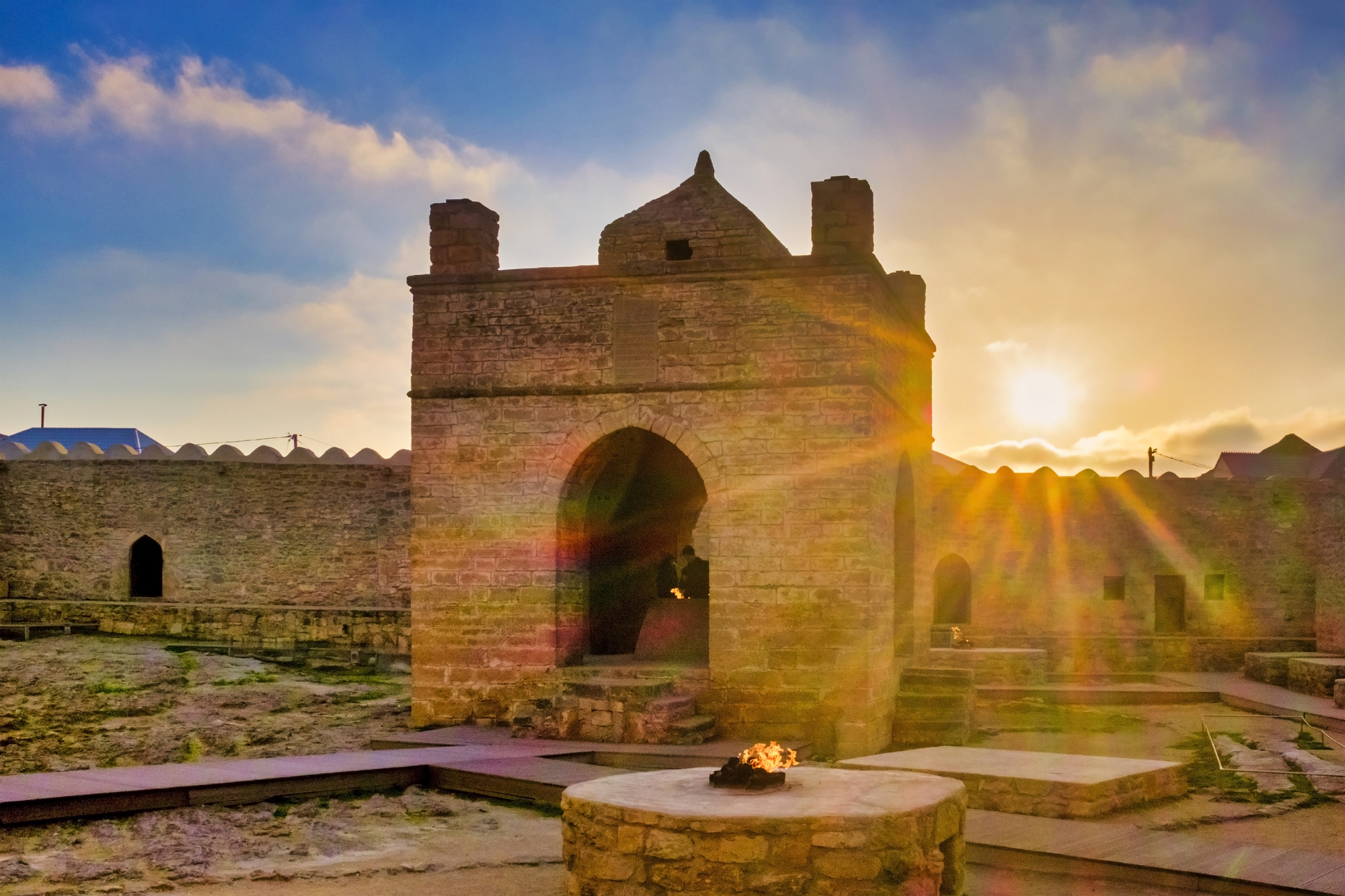
Ancient Persia created a calendar featuring 12 months of 30 days plus five additional days that belonged to no month whatsoever. These five days, known as Gatha days, were considered extremely auspicious and devoted to spiritual contemplation.
The system served the Persian Empire well but gradually disappeared as different regions adopted Greek, Roman, or Islamic calendars that better suited their evolving political and religious requirements.
The Attic Calendar of Athens

Ancient Athens utilized a calendar so bewilderingly complex that even contemporary writers openly complained about it. The system attempted to blend lunar months with seasonal alignment, resulting in frequent adjustments that were often made for political convenience rather than astronomical accuracy.
Different cities maintained different versions, and the calendar could be manipulated to extend or shorten political terms, transforming it into a tool of governance rather than reliable timekeeping.
The Akan Calendar

The Akan people of Ghana developed a distinctive 42-day calendar by combining a six-day cycle with a seven-day cycle, producing a complex pattern that repeated every six weeks. Each day carried specific meanings and taboos, with certain days being favorable for particular activities while others were considered dangerous.
This system functioned perfectly within traditional agricultural and social contexts but struggles to interface with international business operating on completely different rhythms.
Like Go2Tutors’s content? Follow us on MSN.
Time’s Endless March

These forgotten calendar systems show us that our modern way of organizing time isn’t inevitable or flawless—it’s simply the system that emerged victorious through political power, religious influence, and practical necessity combined. Many of these older approaches actually captured important truths about natural cycles or human behavior that our current calendar completely overlooks.
As we become increasingly interconnected and digital, we might well develop entirely new methods of organizing time that would appear just as bizarre to future generations as these ancient systems seem to us now.
More from Go2Tutors!

- 16 Historical Figures Who Were Nothing Like You Think
- 12 Things Sold in the 80s That Are Now Illegal
- 15 VHS Tapes That Could Be Worth Thousands
- 17 Historical “What Ifs” That Would Have Changed Everything
- 18 TV Shows That Vanished Without a Finale
Like Go2Tutors’s content? Follow us on MSN.



