15 Cars That Defined the American Dream
Cars mean more in America than they do anywhere else. They represent freedom, possibility, and the promise that anyone can go anywhere they want.
Over the decades, certain vehicles became symbols of what people wanted from life—whether that was speed, status, adventure, or simply reliable transportation. These 15 cars captured something essential about American life when they appeared, and their influence still echoes today.
Ford Model T: The Car That Started It All

Before 1908, cars were expensive toys for the wealthy. Henry Ford changed that completely.
The Model T cost $850 when it first appeared, which sounds expensive until you realize other cars sold for $2,000 or more. By 1925, Ford had dropped the price to $260.
More importantly, the Model T was simple enough that regular people could actually maintain it. You didn’t need a mechanic for every minor problem.
Farmers fixed them with basic tools. The car gave millions of Americans their first taste of personal mobility, and that freedom reshaped how people thought about where they could live and work.
Chevrolet Bel Air: Chrome and Confidence
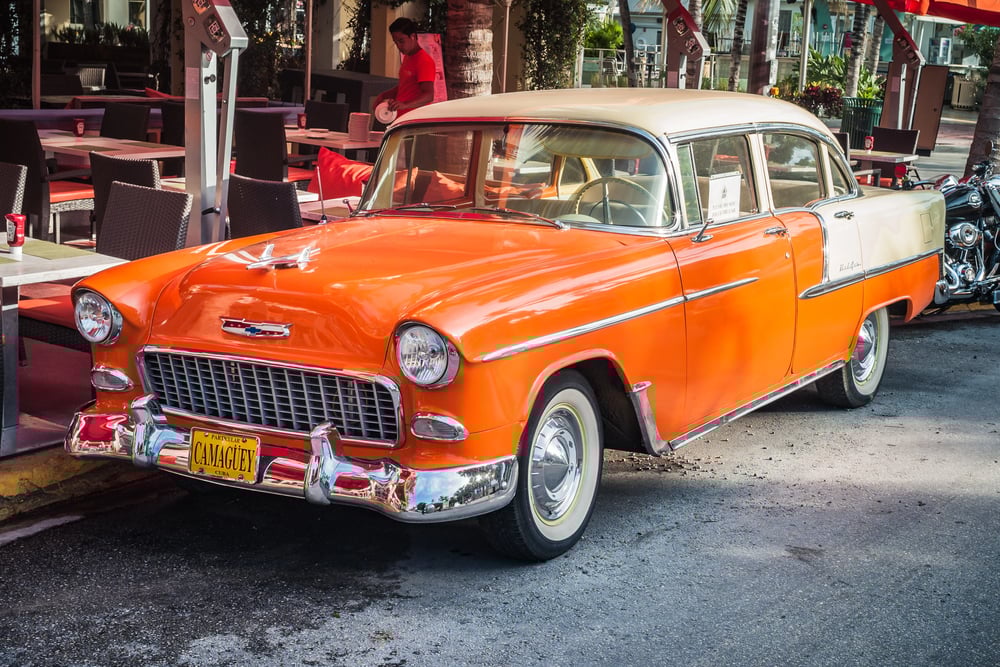
The 1957 Bel Air represents everything the 1950s thought it was building toward. Chrome covered every surface.
Tail fins reached toward the sky. The two-tone paint jobs announced that prosperity had arrived and planned to stay.
This wasn’t practical transportation—it was a statement. Families who bought a Bel Air were declaring that they’d made it into the middle class.
The car appeared in driveways across suburbs that hadn’t existed ten years earlier. It became the visual shorthand for post-war American optimism, the kind that believed everything would just keep getting bigger and better.
Ford Mustang: Creating a Category
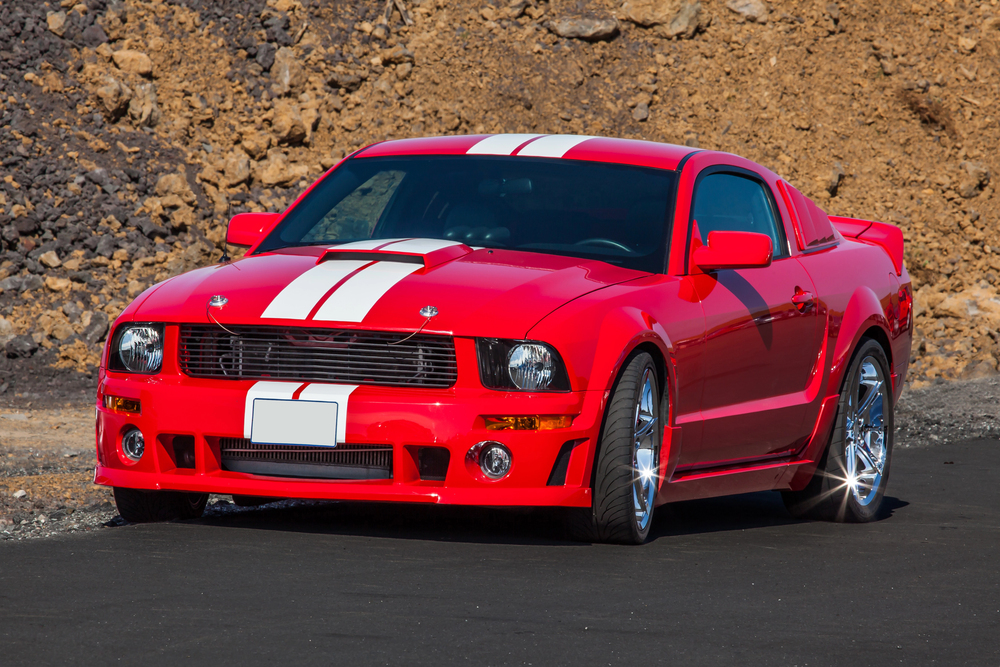
Lee Iacocca wanted a car that young people could afford but that still felt special. The Mustang, introduced in 1964, hit that target perfectly.
It cost about $2,300, which put it within reach of buyers in their twenties. But it looked fast even when sitting still.
The Mustang created the pony car category—affordable, sporty vehicles that prioritized style over raw performance. Within two years, Ford had sold over a million of them.
Buyers got to pick from dozens of options, customizing their cars to express their personality. That customization mattered almost as much as the driving experience itself.
Chevrolet Corvette: America’s Sports Car

America spent decades trying to prove it could build a proper sports car. European manufacturers dominated that market, and their vehicles cost a fortune.
The Corvette, first appearing in 1953, was Chevrolet’s answer. Early Corvettes weren’t particularly impressive.
They had anemic six-cylinder engines and bodies made from fiberglass, which seemed cheap rather than innovative. But Chevrolet kept refining the design.
By the mid-1960s, the Corvette could compete with anything Europe produced. It became proof that American engineering could match European sophistication when it wanted to.
The car represented ambition—the desire to be taken seriously on the world stage.
Cadillac Eldorado: Excess as Aspiration
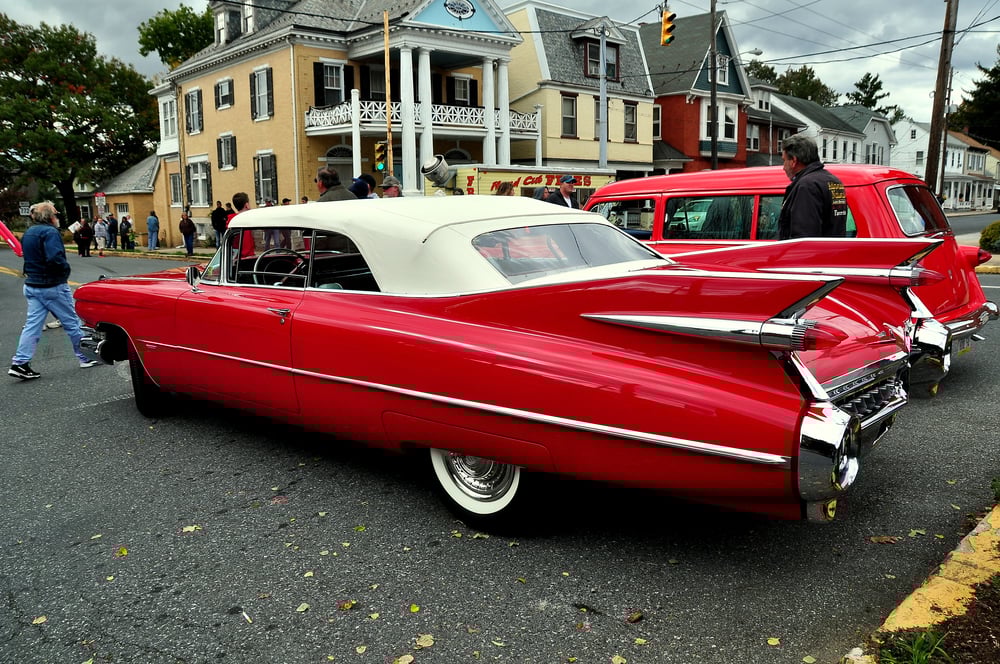
Cadillac has always sat at the top of the American automotive hierarchy. The Eldorado, particularly the models from the late 1950s and early 1960s, embodied luxury without apology.
These cars stretched over 18 feet long. They featured power everything.
The ride was smooth enough that you could balance a champagne glass on the dashboard while cruising down the highway. Owning an Eldorado meant you’d climbed as high as you could go in American society.
It was the car doctors and business owners parked in their driveways. The Eldorado didn’t just transport you—it announced your success to everyone who saw you pass by.
Dodge Charger: Muscle Without Compromise

The late 1960s Charger represented raw power packaged in aggressive styling. Dodge put massive V8 engines in these cars and dared buyers to handle them.
The 1969 model, with its hidden headlights and fastback roofline, looked like it was moving even when parked. Muscle cars appealed to buyers who wanted speed more than anything else.
The Charger delivered that in abundance. It also became a cultural icon through appearances in films and television, cementing its place in the American imagination.
These weren’t refined vehicles. They were loud, fast, and unapologetic—traits that a certain type of buyer valued above all else.
Ford Thunderbird: Personal Luxury Arrives
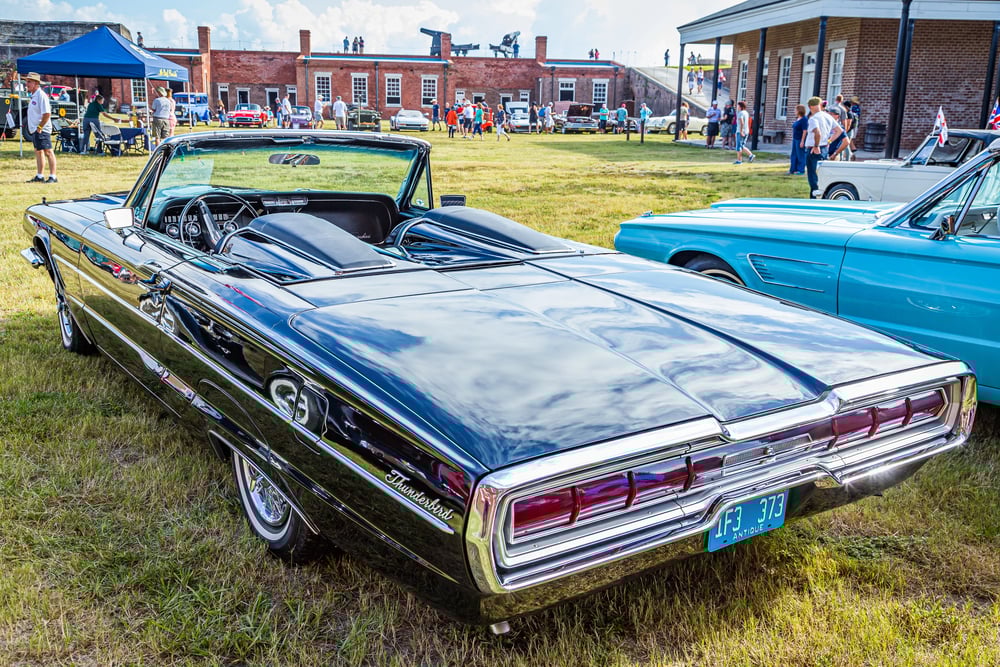
Ford introduced the Thunderbird in 1955 as a response to the Corvette, but it quickly became something different. Instead of chasing pure performance, the Thunderbird emphasized comfort and style.
It was a personal luxury car before that category really existed. The two-seater versions from the mid-1950s remain the most collectible, but the four-seat models that appeared in 1958 actually sold better.
Buyers wanted something sporty without sacrificing practicality. The Thunderbird gave them that compromise.
It proved that American buyers would pay premium prices for vehicles that felt special without being impractical.
Pontiac GTO: The Birth of Muscle
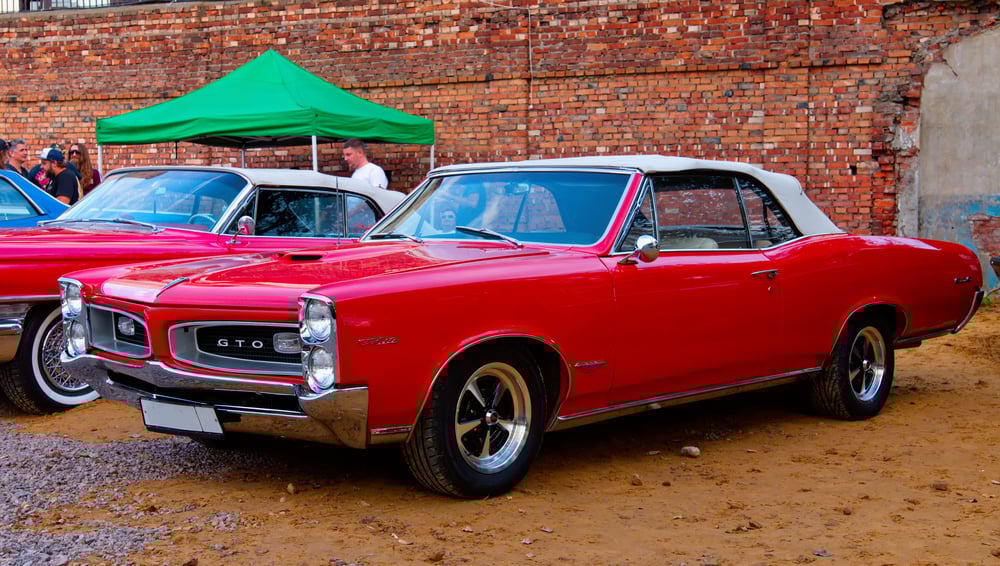
Pontiac engineers bent the rules when they created the GTO in 1964. Corporate policy limited intermediate-sized cars to smaller engines, but the team stuffed a big V8 into the Tempest anyway.
They marketed it as an option package rather than a new model to avoid scrutiny. The formula worked spectacularly.
Buyers loved the combination of relatively compact size and serious horsepower. The GTO is widely credited with starting the muscle car era.
It showed that you didn’t need a massive car to deliver thrilling performance. Young buyers, especially, embraced the GTO’s rebellious spirit and impressive acceleration.
Chevrolet Camaro: The Challenger That Stuck Around
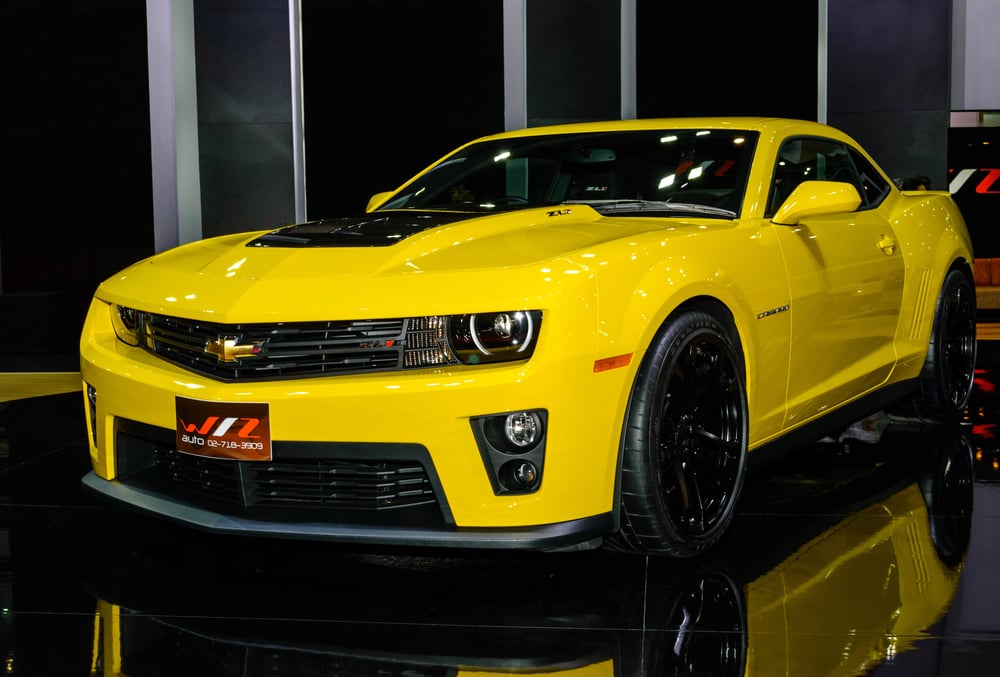
Chevrolet introduced the Camaro in 1967, explicitly designed to compete with the Mustang. It offered similar customization options and targeted the same young buyers.
The first-generation Camaro had clean, aggressive lines that aged remarkably well. What makes the Camaro significant is its staying power.
While competitors came and went, the Camaro remained in production for decades. It proved that the pony car concept had real longevity.
Multiple generations grew up aspiring to own one, making it a constant presence in American car culture rather than a brief trend.
Jeep Wrangler: Utility Becomes Lifestyle
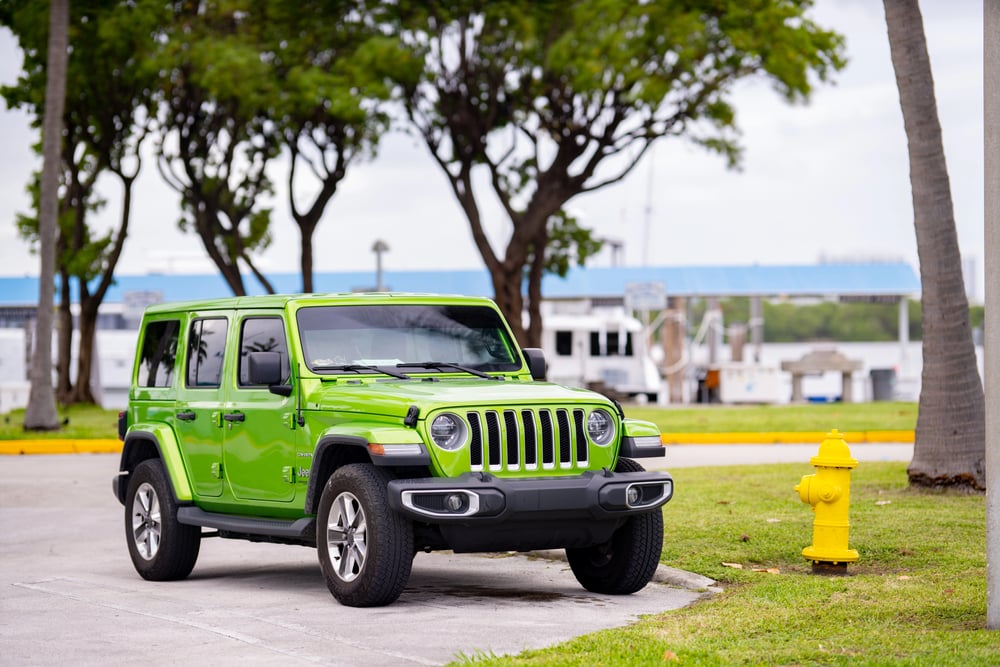
The Jeep started as a military vehicle during World War II. Soldiers appreciated its toughness and capability.
After the war, Jeep adapted the design for civilian use. The Wrangler, introduced in 1986, continued that tradition while embracing recreational use.
The Wrangler represents a specific vision of freedom—the ability to leave paved roads behind and explore. Owners remove the doors and roof in summer, embracing an open-air experience that’s rare in modern vehicles.
The Wrangler became the vehicle of choice for people who wanted to project an adventurous image, whether or not they actually took it off-road. Its continued popularity shows that Americans still respond to vehicles that promise escape from daily routine.
Ford F-150: Work and Status Combined
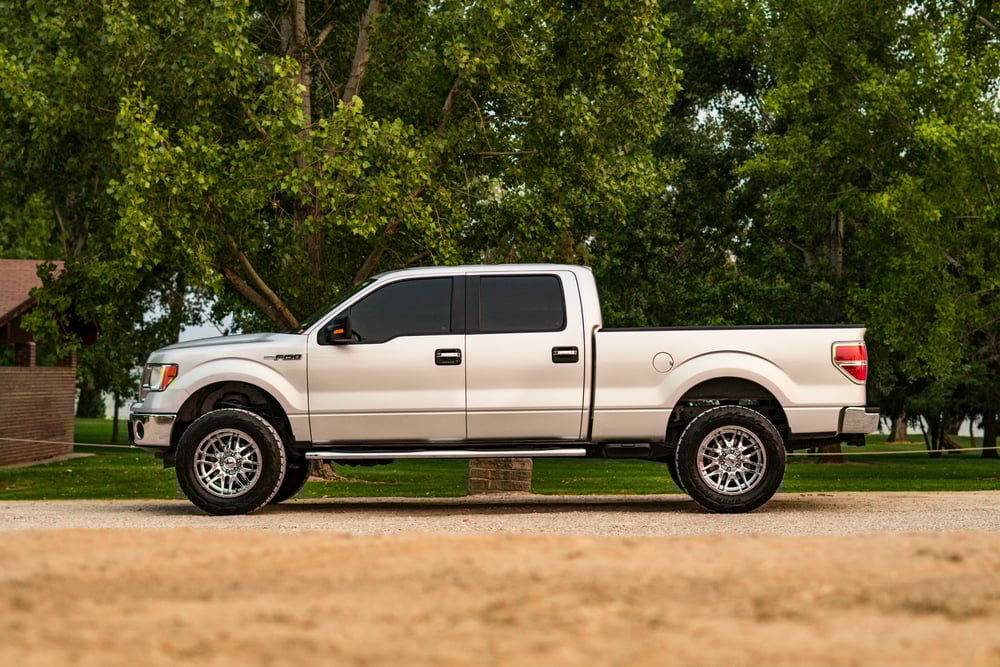
Pickup trucks used to be purely utilitarian. Contractors and farmers bought them because they needed to haul equipment.
The F-150 changed that calculation. Ford continually refined the truck, adding comfort features and improving the ride quality until it became acceptable as a daily driver for people who didn’t actually need a truck bed.
The F-150 has been America’s best-selling vehicle for decades. It serves as both a work vehicle and status symbol.
A fully loaded F-150 can cost as much as a luxury sedan, but buyers see value in its capability and presence. The truck represents self-reliance and independence—core elements of the American self-image.
Chrysler Town & Country: The Minivan Revolution
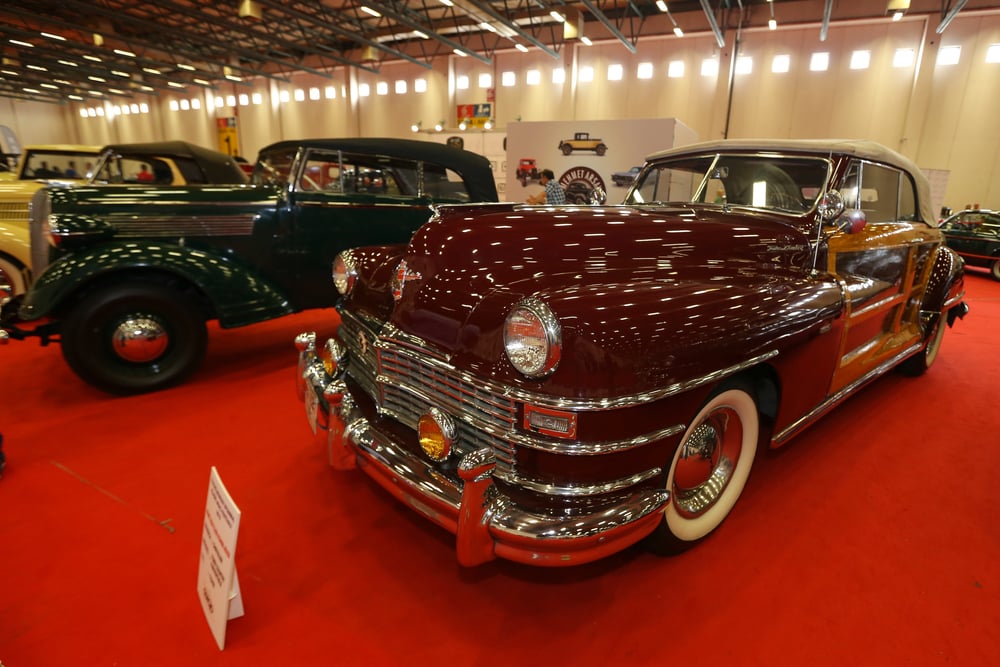
The minivan gets mocked relentlessly, but it solved real problems for families. Before the 1984 Town & Country and its Dodge counterpart appeared, families either squeezed into station wagons or bought full-sized vans that drove like trucks.
Minivans offered space, sliding doors, and car-like handling. The Town & Country represented a particular phase of the American dream—the part focused on raising children and managing domestic logistics.
It wasn’t glamorous, but it worked incredibly well. The minivan became a visual shorthand for suburban family life.
Millions of Americans have childhood memories set in these vehicles, making them culturally significant even if nobody aspires to own one anymore.
Tesla Model S: Reinventing Automotive Status
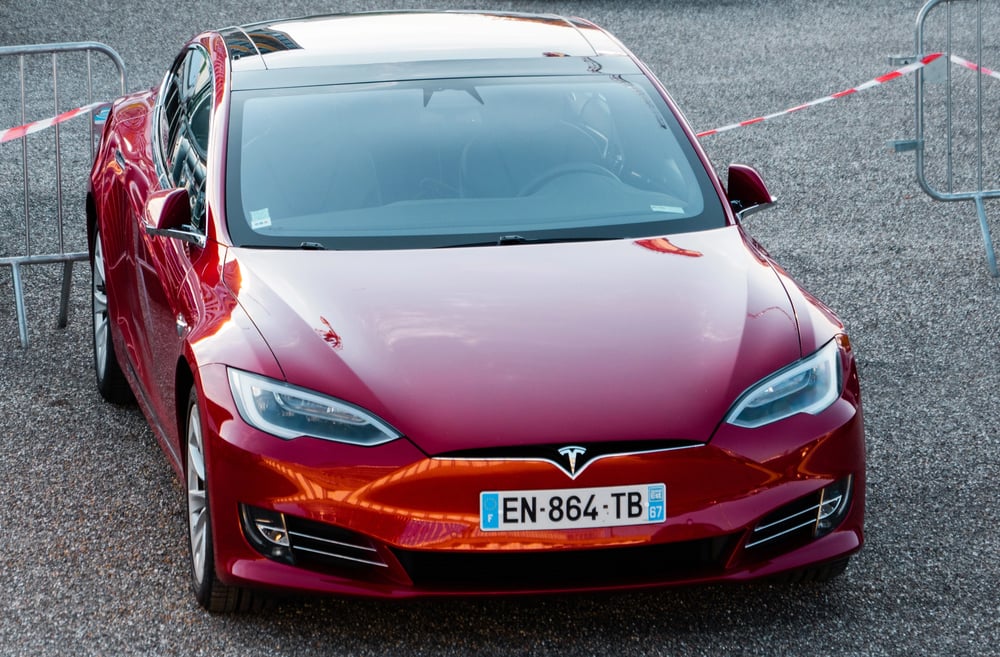
Tesla appeared when traditional automakers had convinced themselves that electric cars couldn’t be desirable. The Model S, introduced in 2012, proved them wrong.
It offered sports car acceleration, cutting-edge technology, and a design that looked forward rather than back. The Model S appealed to early adopters and tech enthusiasts.
It became the vehicle of choice for people who saw themselves as forward-thinking. More importantly, it forced every other automaker to take electric vehicles seriously.
The Model S showed that you could build a car that attracted buyers through innovation rather than nostalgia. It represents a newer version of the American dream—one centered on technology and environmental consciousness rather than pure horsepower.
Chevrolet Suburban: Size Without Apology

The Suburban has existed in various forms since 1935, making it one of the longest-running nameplates in automotive history. The modern version, particularly from the 1990s forward, became the vehicle of choice for families who wanted maximum space and capability.
Nothing else could carry eight people and their luggage while towing a boat. The Suburban made no concessions to fuel efficiency or easy parking.
It was big, and the owners appreciated that bigness. The vehicle represented abundance and the ability to do whatever you wanted without compromise.
Critics called it excessive, but buyers kept purchasing them in steady numbers, valuing capability over concerns about consumption.
Lincoln Continental: Presidential Presence
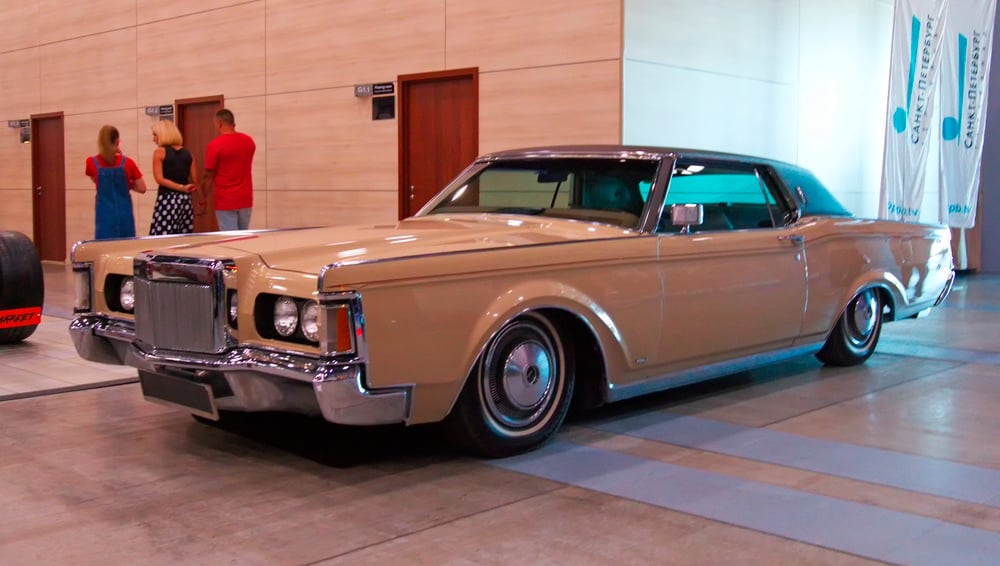
A long hood stretched across the front of the Continental, signaling quiet wealth. Back then, presidents chose versions built just for them.
Executives passed on loud cars – this one offered presence without shouting. Those rear-hinged doors from the sixties? They turned heads every time.
Style like that didn’t need explaining. Quiet confidence shaped the Continental’s identity.
Not flashy, but deeply polished. Those who’d made their mark found it fit just right – subtle proof of arrival.
Success wore it well when loud statements felt unnecessary. Elegance stood taller here than spectacle ever could.
What These Machines Reveal About Us

From horseless carriages to modern sedans, fifteen vehicles trace the shape of a nation’s changing dreams. Not just machines, they became companions – hauling groceries, escaping cities, holding whispered conversations after midnight.
Freedom often looked like an open highway seen through a windshield. Status showed up in chrome trim and engine growl.
Speed mattered when the world felt too slow. Space inside meant room for kids, dogs, or silence.
Some models promised adventure; others delivered reliability. A pickup might carry tools by day, turn into a weekend cruiser by dusk.
Teenagers saved cash for coupes that made them feel older. Minivans arrived quietly, then dominated driveways.
Each design reflected what people valued most right then – not forever, just for a while. These cars did not invent culture.
They mirrored it, dent by dent, mile after mile. Nowhere near as central are cars in daily life as before.
Because of apps that send drivers to pick you up, plus working from home, time behind the wheel has dropped. Yet what cars stood for isn’t gone.
Just reshaped into different shapes. Fueled by a deep-rooted need to steer one’s path, freedom lives on in how people define themselves through daily acts.
Even when tools shift shape over time, what they stand for refuses to fade away.
More from Go2Tutors!

- The Romanov Crown Jewels and Their Tragic Fate
- 13 Historical Mysteries That Science Still Can’t Solve
- Famous Hoaxes That Fooled the World for Years
- 15 Child Stars with Tragic Adult Lives
- 16 Famous Jewelry Pieces in History
Like Go2Tutors’s content? Follow us on MSN.



