15 Creatures Once Believed to Be Mythical
For centuries, travelers returned from distant lands with tales of bizarre animals that seemed too strange to be real. Giant sea monsters with tentacles longer than ships, striped horses from Africa, and apes that walked upright through Asian forests all sounded like pure fantasy to people who had never ventured beyond their own villages.
Many of these ‘mythical’ beasts were dismissed as sailor’s tales or the wild imagination of explorers seeking fame and fortune. What’s fascinating is how many of these supposedly imaginary creatures turned out to be completely real.
Here’s a list of 15 animals that were once considered nothing more than myths and legends.
Giant Squid
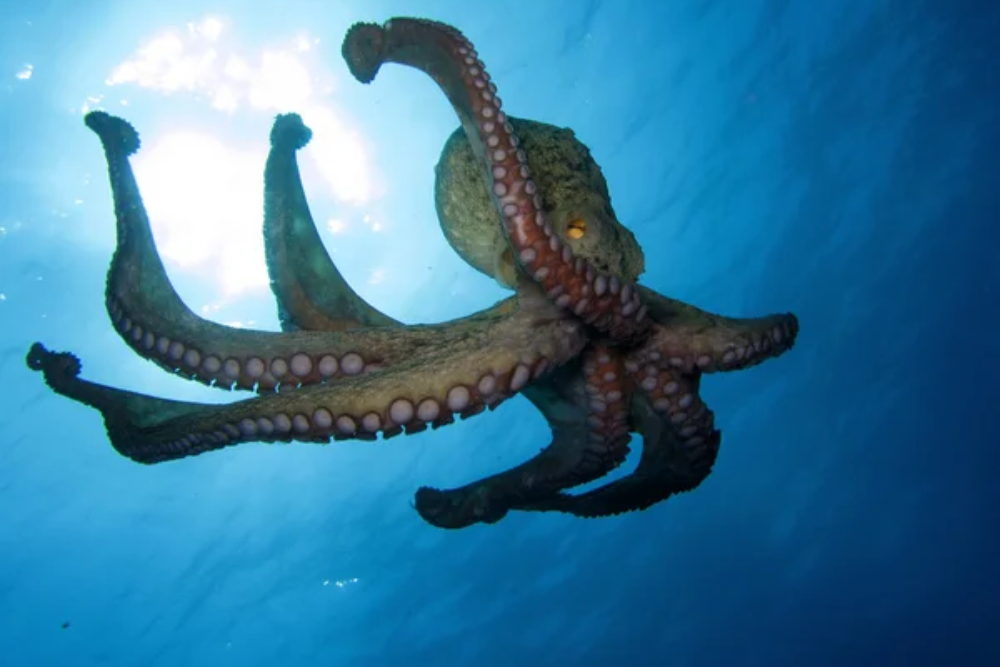
The kraken of Norse mythology wasn’t just a sailor’s ghost story after all. For hundreds of years, reports of massive tentacled beasts attacking ships were written off as drunken fantasies or exaggerated encounters with regular octopi.
Scientists didn’t take these accounts seriously until the mid-1800s when actual specimens started washing up on beaches, proving that squid could indeed grow to enormous sizes. Today we know that giant squid can reach lengths of up to 43 feet, with eyes as large as dinner plates and tentacles powerful enough to leave circular scars on sperm whales.
Okapi

When European explorers first described a horse-zebra hybrid living in the dense forests of central Africa, the scientific community rolled their eyes. The idea of a chocolate-brown animal with zebra stripes on its legs seemed like someone had mixed up their field notes after a long day in the jungle.
It wasn’t until 1901 that Sir Harry Johnston managed to obtain actual okapi skin and skulls, finally proving the animal’s existence to skeptical zoologists back in London. The okapi turned out to be more closely related to giraffes than horses, earning it the nickname ‘forest giraffe’ for its long, dark tongue and unique appearance.
Like Go2Tutors’s content? Follow us on MSN.
Platypus

When the first platypus specimen arrived in Britain in 1798, scientists were convinced someone was playing an elaborate prank on them. The idea of a mammal with a duck’s bill, beaver’s tail, and venomous spurs seemed so ridiculous that many experts spent considerable time looking for stitches where different animals had been sewn together.
Even after accepting it was real, the platypus continued to baffle researchers who couldn’t figure out how to classify an egg-laying mammal that also produced milk. The confusion was so widespread that it took nearly a century for scientists to fully understand this Australian oddity’s unique place in the animal kingdom.
Mountain Gorilla
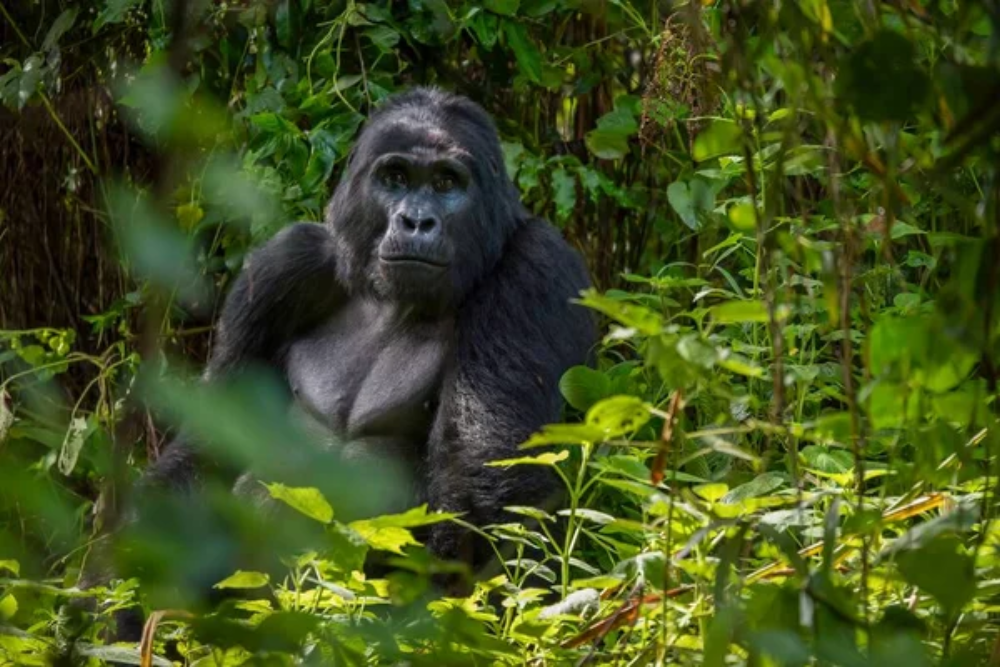
European accounts of enormous, upright-walking apes in the mountains of central Africa were met with serious skepticism in the 1800s. Most people assumed these were either misidentified known primates or complete fabrications designed to sell newspapers and books.
The scientific establishment remained doubtful until 1902, when German army officer Robert von Beringe shot two of these ‘mythical’ creatures and sent their remains back to Europe for examination. The discovery revolutionized our understanding of primate evolution and proved that humans had much closer relatives than anyone had imagined.
Komodo Dragon
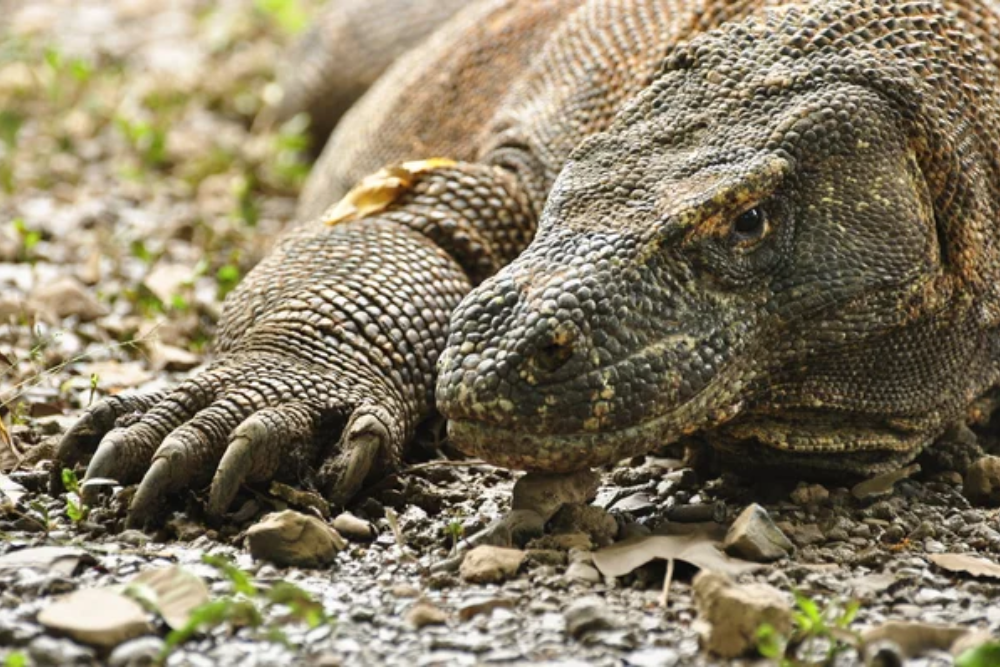
Stories of giant, deadly lizards on remote Indonesian islands sounded like something out of a medieval bestiary rather than legitimate wildlife reports. When tales of 10-foot-long monitors that could kill water buffalo with a single bite reached Western scientists, most dismissed them as local folklore mixed with observations of smaller, known lizard species.
It took until 1910 for Dutch colonial administrator Lieutenant van Steyn van Hensbroek to provide concrete evidence of these massive reptiles, leading to their official scientific recognition two years later. The Komodo dragon’s discovery proved that real-life dragons did exist, just without the fire-breathing capabilities.
Like Go2Tutors’s content? Follow us on MSN.
Coelacanth
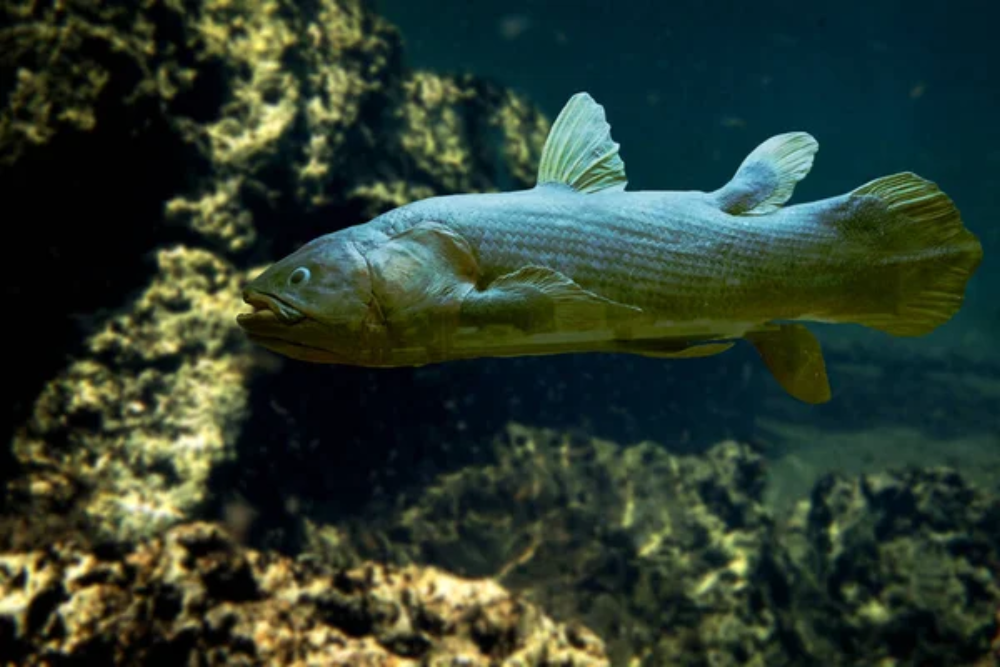
This prehistoric fish was supposed to have been extinct for 66 million years, making it more mythical than any living creature could possibly be. When South African museum curator Marjorie Courtenay-Latimer spotted an unusual fish in a local fisherman’s catch in 1938, she had no idea she was looking at a ‘living fossil’ that predated the dinosaurs.
The scientific community was stunned when experts confirmed that this blue, lobed-finned fish was indeed a coelacanth, effectively rewriting textbooks about evolution and extinction. The discovery was so significant that it made international headlines and launched countless deep-sea expeditions searching for more living fossils.
Bongo Antelope
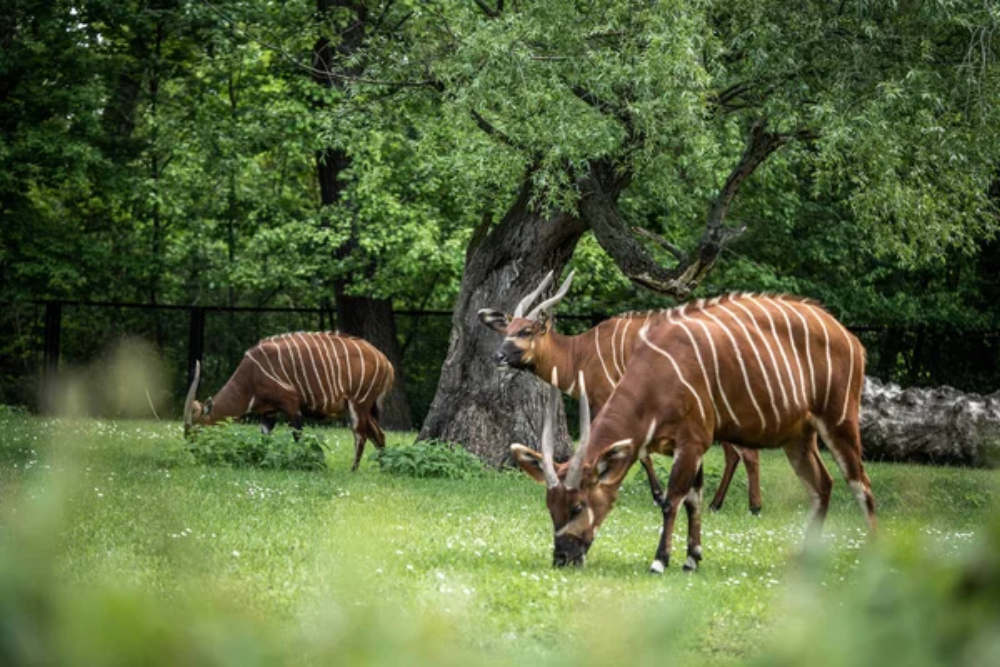
For decades, reports of a large, striped antelope living in the dense forests of central Africa were treated with suspicion by zoologists who knew that most antelopes preferred open grasslands. The animal’s described appearance – reddish-brown coat with bright white stripes and massive, spiraled horns – seemed too colorful and dramatic to be real.
Western science didn’t officially recognize the bongo until 1861, when explorer Paul du Chaillu brought back proof of their existence from his travels in Gabon. Even then, many people found it hard to believe that such a large, striking animal had remained hidden from European eyes for so long.
Narwhal
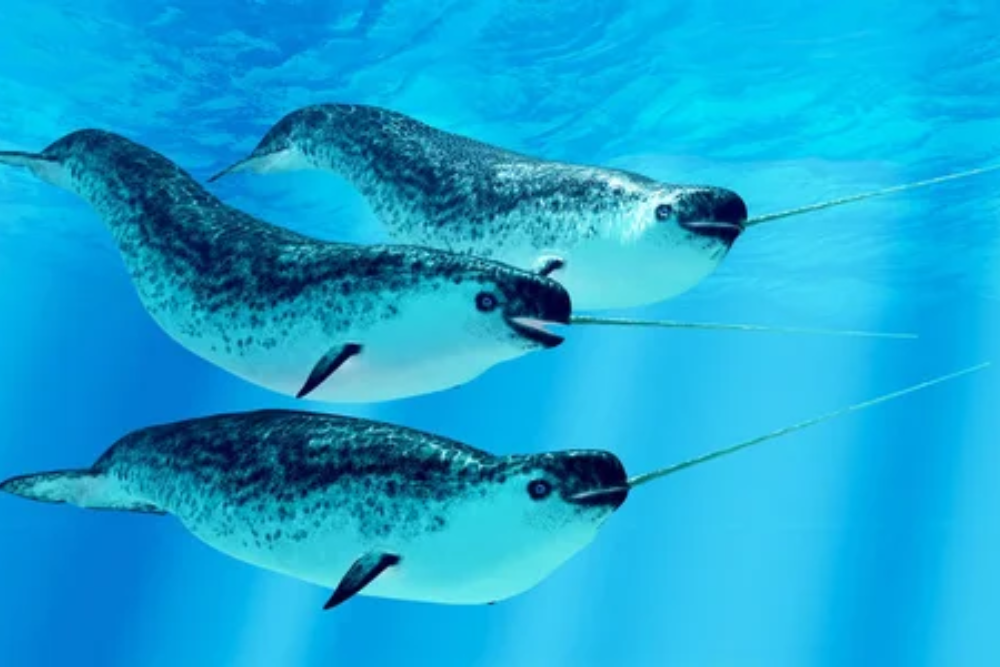
Medieval tales of unicorns might have had more basis in reality than anyone suspected, thanks to the narwhal’s distinctive spiral tusk. For centuries, these Arctic whales were considered mythical creatures, partly because their tusks were often sold as genuine unicorn horns in European markets.
The confusion persisted because narwhals live in some of the most remote and ice-covered waters on Earth, making direct observation nearly impossible for early explorers. It wasn’t until detailed Arctic expeditions in the 1600s that scientists began to understand that narwhals were real whales, not magical horses of the sea.
Like Go2Tutors’s content? Follow us on MSN.
Quetzalcoatlus
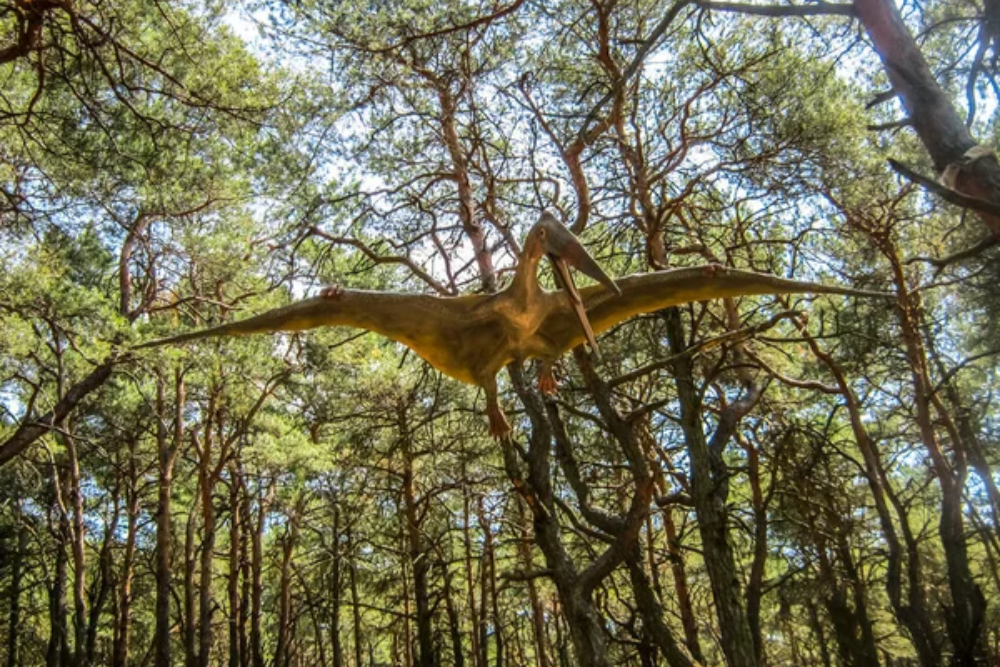
While technically a fossil discovery rather than a living animal, the pterosaur known as Quetzalcoatlus was so enormous that early reports of its size were dismissed as measurement errors or wishful thinking. When paleontologists first suggested that flying reptiles could have wingspans approaching 35 feet, many colleagues insisted such creatures were physically impossible and could never have gotten off the ground.
The idea of a flying animal the size of a small airplane seemed to violate basic principles of physics and biology. Only after multiple specimens were discovered and studied did the scientific community accept that these giants of the sky had actually soared over prehistoric landscapes.
Thylacine
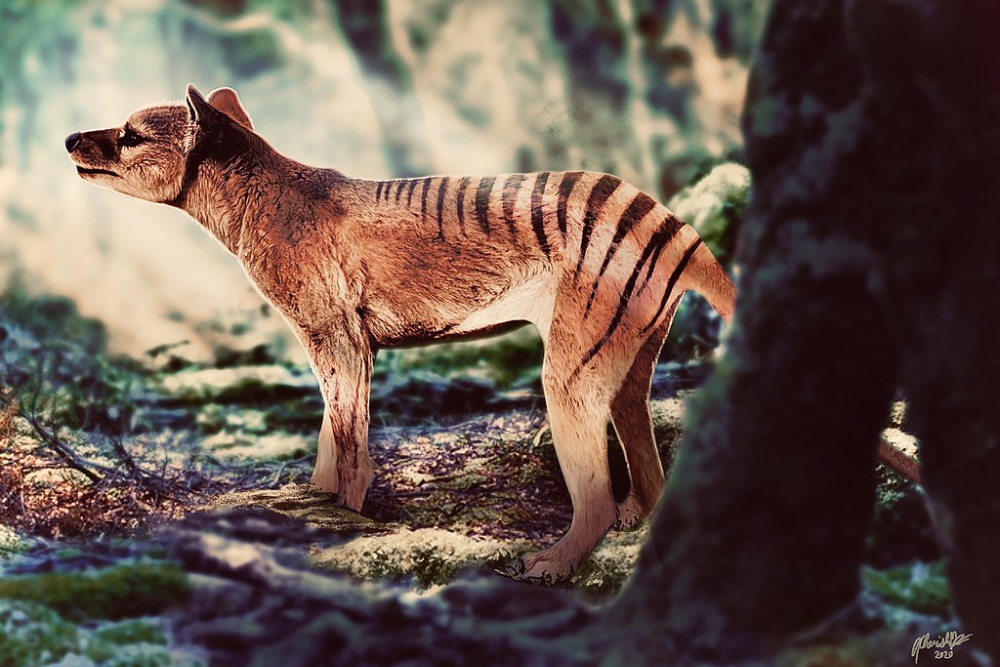
The Tasmanian tiger occupied a strange position as an animal that was known to exist but seemed too bizarre to be real. European settlers in Tasmania and Australia struggled to classify this dog-like marsupial that had tiger stripes and could open its jaw wider than seemed anatomically possible.
Many people back in Europe assumed early descriptions were exaggerated or that observers were mixing up features from different animals. Unfortunately, by the time scientists took serious interest in studying thylacines, hunting and habitat loss had already pushed them to the brink of extinction, with the last known individual dying in captivity in 1936.
Vampire Bat

Spanish conquistadors’ reports of blood-drinking bats from Central and South America were initially dismissed as indigenous folklore mixed with European vampire legends. The concept of a mammal that survived entirely on blood seemed biologically impossible to scientists who understood that most bats ate insects or fruit.
When specimens finally reached European researchers, they had to completely revise their understanding of bat ecology and feeding behaviors. The discovery proved that nature could be far stranger than fiction, with these small mammals having evolved specialized heat sensors to locate blood vessels and anticoagulants in their saliva to keep blood flowing.
Like Go2Tutors’s content? Follow us on MSN.
Electric Eel
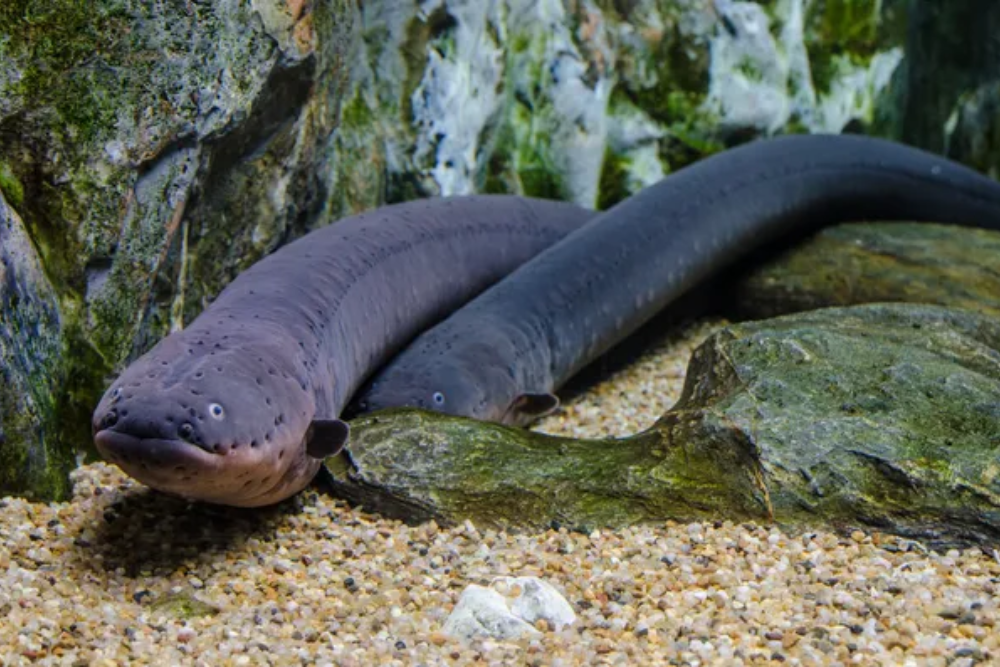
Indigenous South American accounts of fish that could deliver powerful electric shocks were met with considerable skepticism by European naturalists who had never encountered such a phenomenon. The idea that any living creature could generate enough electricity to stun a horse seemed to violate known laws of physics and biology.
Alexander von Humboldt’s detailed studies in the early 1800s finally convinced the scientific world that electric eels were real, leading to groundbreaking research into bioelectricity. The discovery revolutionized understanding of nervous systems and eventually contributed to the development of early electrical technologies.
Leafy Sea Dragon
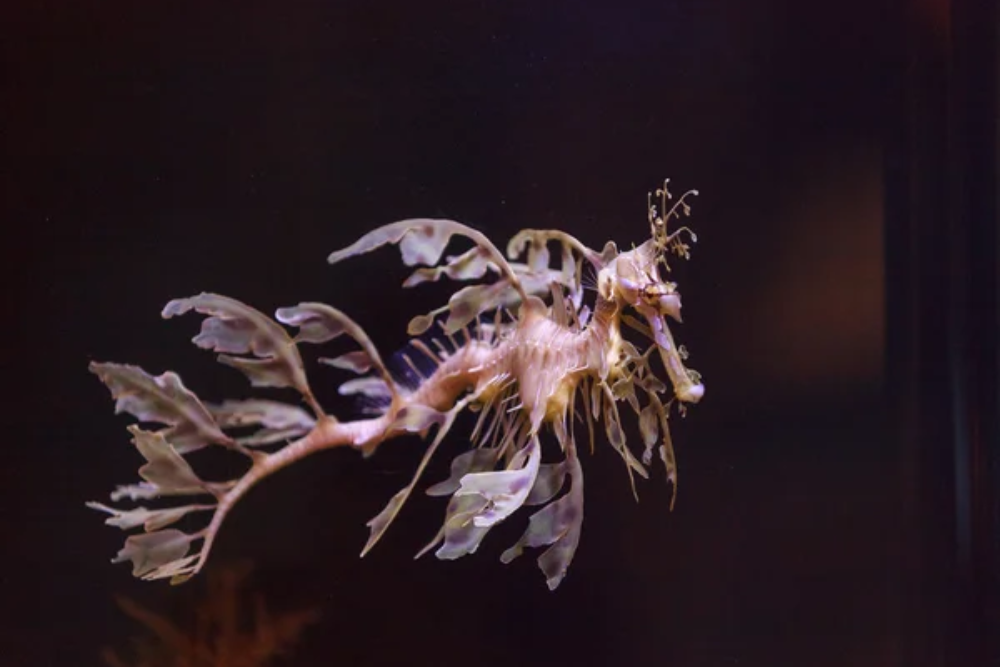
Early descriptions of a creature that looked exactly like floating seaweed but was actually a fish seemed too fantastical for serious scientific consideration. Australian Aboriginal peoples had known about these remarkable animals for thousands of years, but European colonists initially dismissed their accounts as spiritual beliefs rather than natural history.
The leafy sea dragon’s incredible camouflage made it nearly impossible to spot in the wild, contributing to doubt about its existence. When specimens were finally collected and studied in the late 1800s, they amazed scientists with their elaborate appendages and perfect mimicry of marine vegetation.
Colossal Squid
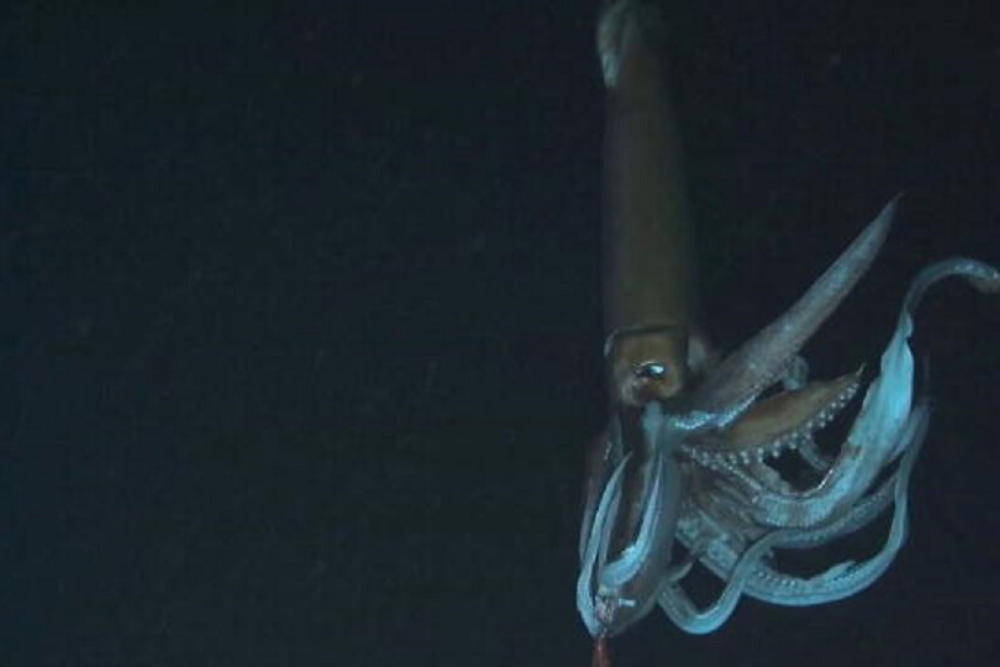
Even after giant squid were accepted as real, reports of an even larger species with rotating hooks on its tentacles seemed like an attempt to one-up an already impressive discovery. The colossal squid was first described from fragments found in sperm whale stomachs, leading many to believe it was just a variation of the already-known giant squid.
Scientific skepticism persisted until 2003, when the first complete specimen was caught by New Zealand fishermen, revealing an animal even more massive and formidable than its giant cousin. With eyes the size of dinner plates and tentacles equipped with sharp, swiveling hooks, the colossal squid proved that the ocean’s depths still held incredible surprises.
Like Go2Tutors’s content? Follow us on MSN.
Pangolin
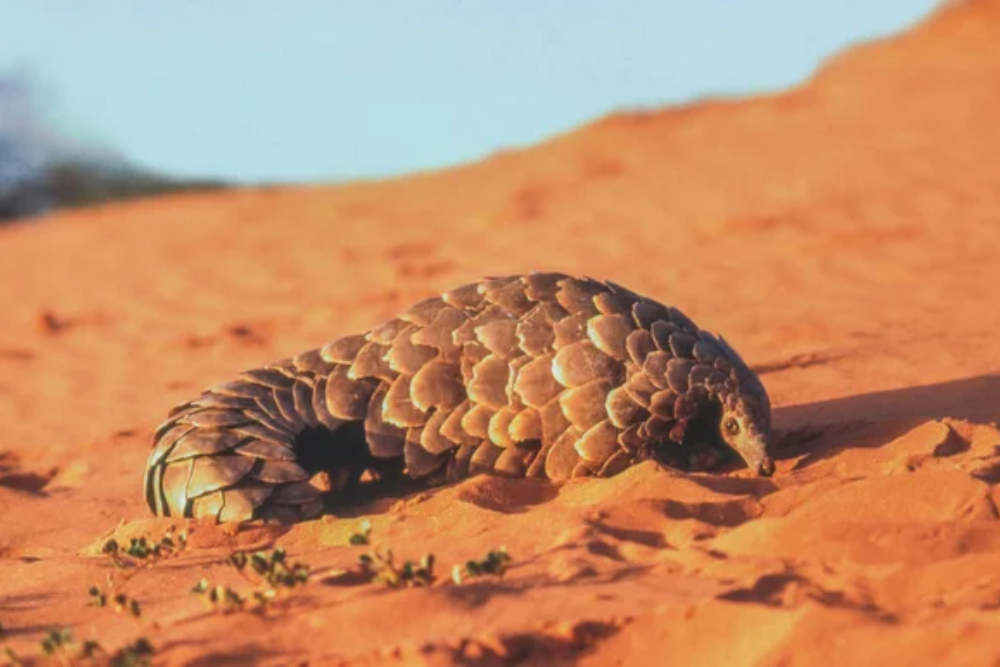
Medieval travelers’ tales of ‘walking pinecones’ or armored anteaters from Africa and Asia struck many Europeans as obvious fabrications or misidentified armadillos. The described behavior of an animal that could roll into a perfect sphere and had scales like a fish but was clearly a mammal seemed to combine features from too many different animal groups.
Portuguese and Dutch traders eventually brought back enough evidence to convince naturalists that pangolins were real, though their unique characteristics continued to puzzle taxonomists for centuries. The discovery highlighted how much biodiversity existed beyond European borders and how strange evolutionary adaptations could become.
From Myth to Museum
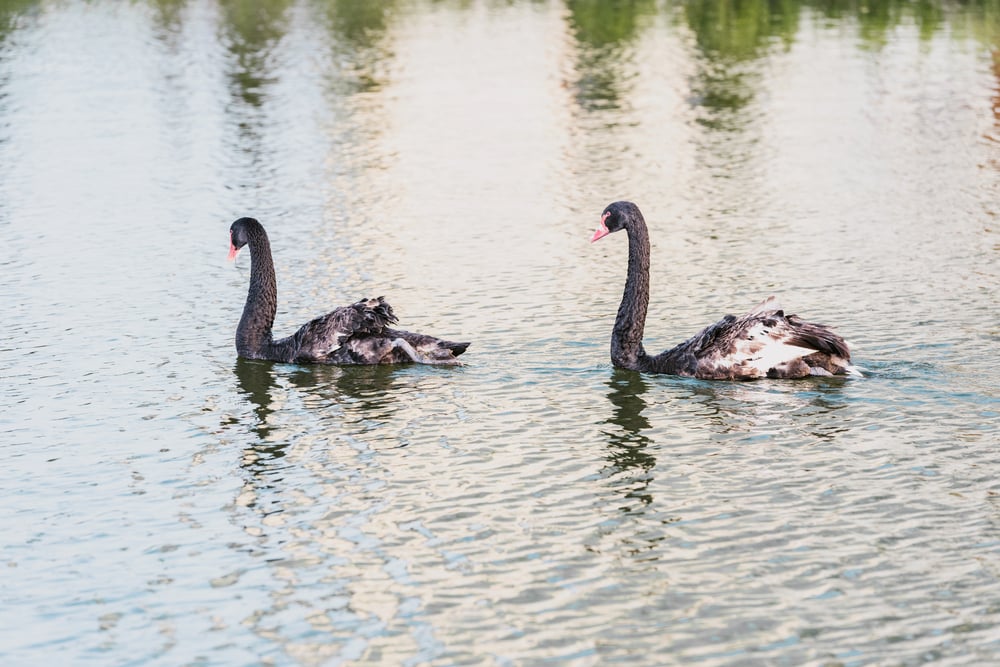
These discoveries fundamentally changed how we approach reports of unknown animals and reminded scientists to keep open minds about the natural world’s possibilities. The transition from myth to accepted science often took decades, with evidence accumulating slowly through specimen collections, detailed observations, and persistent researchers who refused to dismiss unusual reports.
Many of these animals remained hidden from Western science simply because they lived in remote locations or had behaviors that made them difficult to observe and capture. Today’s cryptozoologists continue to investigate reports of unknown creatures, hoping to find the next ‘impossible’ animal that will surprise us all.
More from Go2Tutors!

- 16 Historical Figures Who Were Nothing Like You Think
- 12 Things Sold in the 80s That Are Now Illegal
- 15 VHS Tapes That Could Be Worth Thousands
- 17 Historical “What Ifs” That Would Have Changed Everything
- 18 TV Shows That Vanished Without a Finale
Like Go2Tutors’s content? Follow us on MSN.



