Weirdest Royal Traditions
Monarchies have been around for thousands of years, which means they’ve had plenty of time to accumulate some seriously strange habits. What starts as a practical medieval solution to a problem becomes a sacred tradition that nobody questions anymore, and suddenly you’ve got grown adults in the 21st century performing rituals that would look completely insane in any other context.
But that’s royalty for you. Here are some of the traditions that’ll make you wonder how these things survived into the modern era.
The Queen’s Two Birthdays
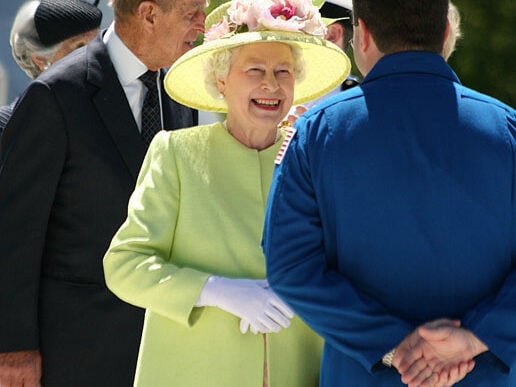
The British monarch celebrates two birthdays every year—their actual birthday and an “official” birthday in June (usually the second Saturday). Queen Elizabeth II was born in April, but her official birthday was in June because the weather’s better for outdoor ceremonies.
This tradition started with King George II in 1748 because his actual birthday was in November and nobody wanted to stand outside in British November weather for a parade. It’s basically “let’s pretend you were born when it’s not raining” as official policy, which is the most British solution possible.
The Royal Swan Upping

Every year in July, the King’s Swan Marker (yes, that’s a real job title) leads a team down the River Thames to count and mark swans. This happens because technically the Crown owns all unmarked mute swans in open waters in England and Wales, which is a law from the 12th century when swans were considered a delicacy.
They don’t eat them anymore (probably), but the counting continues. The swan uppers wear traditional scarlet uniforms and the whole thing takes five days.
When they approach a swan, they have to stand and salute while shouting “All up!” which is where the name comes from.
Telling the Bees

When a British royal dies, someone has to go inform the bees. Seriously. There’s a Royal Beekeeper at Buckingham Palace, and when Queen Elizabeth II died in 2022, he had to go to the hives, knock on each one, and formally notify the bees of her passing and introduce them to King Charles III.
This tradition is way older than the current monarchy—it’s an ancient superstition that if you don’t tell the bees about important family events, they’ll leave or stop producing honey or die. It sounds completely made up but it happened and there were news articles about it.
The State Opening of Parliament Hostage

Before the British monarch gives their speech at the State Opening of Parliament, a member of Parliament is held “hostage” at Buckingham Palace to ensure the monarch’s safe return. This started after Charles I tried to arrest five MPs in 1642, relations got awkward, and eventually there was a whole civil war and Charles got beheaded.
So now they keep a hostage (who’s usually the Vice-Chamberlain of the Household) just to make sure nobody gets any ideas. The hostage gets to hang out in the palace and have drinks, it’s not like they’re in a dungeon.
Royal Babies and the Proclamation
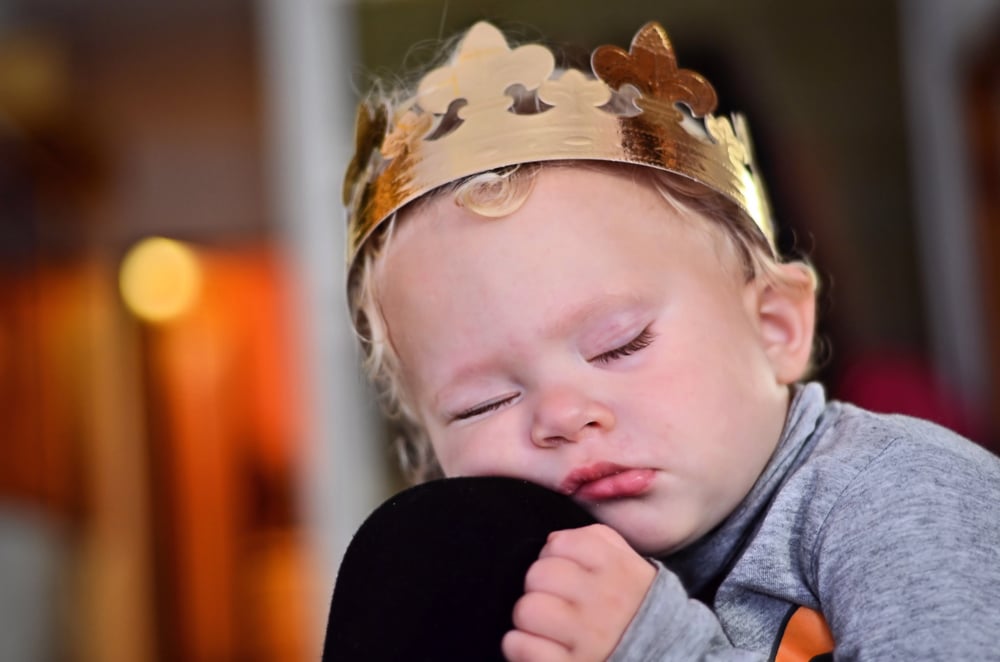
When a royal baby is born, the announcement gets placed on a golden easel outside Buckingham Palace. But before that can happen, the Home Secretary used to have to be present at royal births to verify the baby was actually born and prevent any switching of infants.
This tradition started in 1688 after rumors spread that James II’s son was smuggled into the birthing chamber in a bedpan (which definitely didn’t happen, but paranoia is powerful). The Home Secretary attendance rule was only officially dropped in 2013, which means it lasted over 300 years because of a bedpan conspiracy theory.
Weighing the Royals

The British Royal Family gets weighed before and after Christmas dinner at Sandringham Estate. The idea is to make sure everyone gained weight, which means they were properly fed and had a good time.
This tradition supposedly started with King Edward VII who was big on hospitality and excess (the man knew how to eat). They use an antique scale, and everyone lines up to get weighed like they’re at a doctor’s office, except it’s Christmas and everyone’s in formal wear and it’s deeply weird.
No Shellfish for Working Royals

The British Royal Family has an unofficial rule against eating shellfish during official engagements because of food poisoning risks. Oysters, mussels, clams—all off limits when you’re on the job.
Queen Elizabeth II reportedly followed this pretty strictly because getting food poisoning in the middle of a state dinner would be bad for diplomacy. However, the rule seems flexible because there are photos of royals eating shellfish at private events, so apparently the oysters are only dangerous when there’s press around.
The Japanese Emperor’s Rice Planting

The Japanese Emperor performs ritual rice planting every year in the palace rice paddies. The current emperor, Naruhito, wades into the mud and plants rice seedlings by hand while wearing traditional clothing.
This connects the emperor to Shinto traditions and Japan’s agricultural heritage. The Empress does silkworm cultivation for similar symbolic reasons (Japan’s silk industry was historically important).
These aren’t just photo ops—they actually do the agricultural work, though admittedly on a very small ceremonial scale.
Royal Christening Gowns
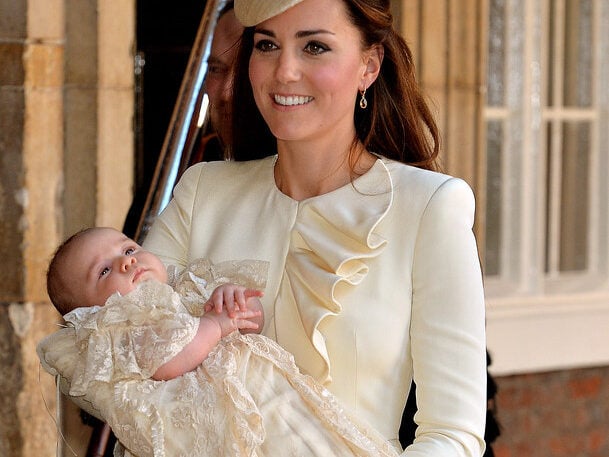
British royal babies are christened wearing a replica of a gown first made in 1841 for Queen Victoria’s eldest daughter. The original gown was used for 163 years and 62 royal christenings before it became too fragile.
In 2008, they commissioned an exact replica, and now that one gets used instead. So every royal baby wears basically the same outfit, which must make the christening photos pretty repetitive.
But tradition is tradition, even when tradition means your baby wears a 180-year-old dress design.
The Coronation Stone

British monarchs are crowned while sitting above the Stone of Scone (also called the Stone of Destiny), which is this chunk of sandstone that’s been used in coronations for centuries. Edward I stole it from Scotland in 1296, and the Scots wanted it back for the next 700 years.
It finally went back to Scotland in 1996 but returned to Westminster Abbey for coronations. The stone supposedly has a whole mythology about it being Jacob’s Pillow from the Bible, which is definitely not true, but it’s still treated like it has magical legitimate-king-making properties.
Royal Maundy Money
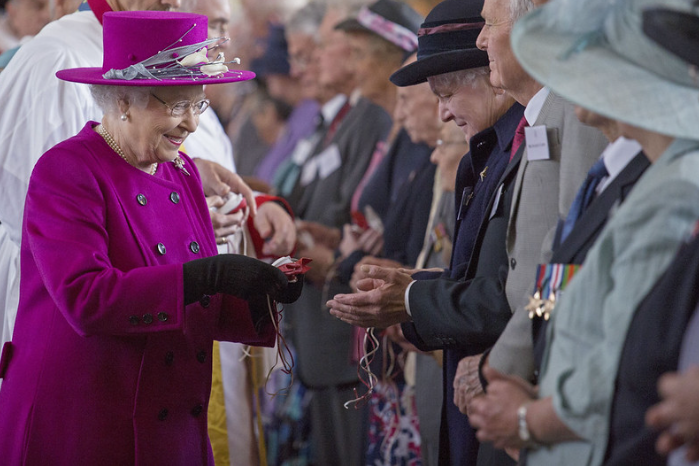
Every year on Maundy Thursday (the Thursday before Easter), the British monarch hands out special coins to senior citizens in a ceremony called Royal Maundy. The tradition is based on Jesus washing the feet of the apostles, and medieval monarchs actually did wash people’s feet, which must have been truly unpleasant for everyone involved.
They stopped the foot-washing part in the 18th century (thank god) but kept giving out money. The recipients get two small leather pouches—one white and one red—filled with specially minted Maundy coins.
The coins are legal tender but worth way more to collectors, so nobody spends them.
The Garter Ceremony
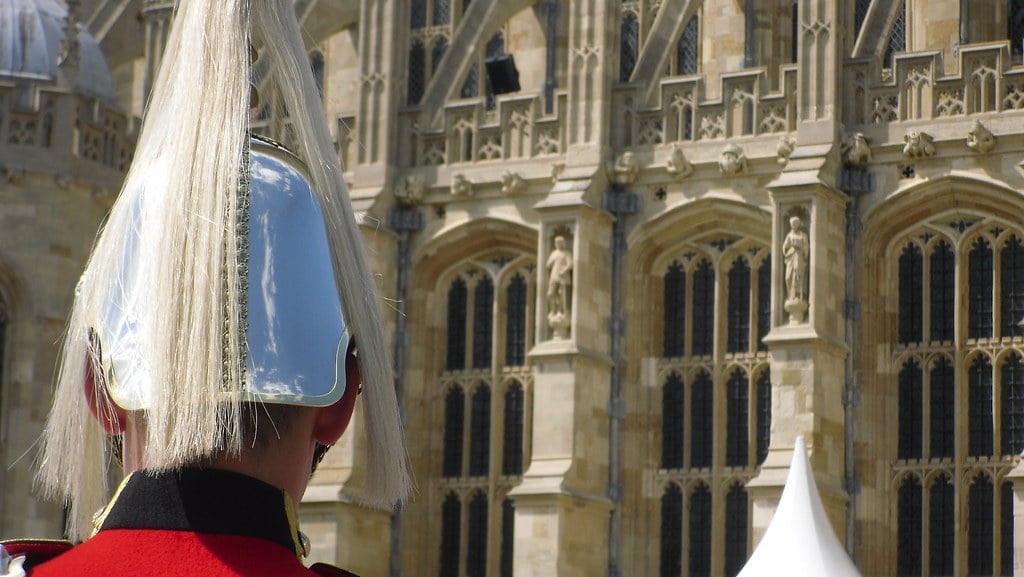
The Order of the Garter is the oldest British order of chivalry, founded in 1348, and every June there’s a ceremony at Windsor Castle where members wear elaborate velvet robes and garters on their legs. The origin story is that King Edward III was dancing with the Countess of Salisbury when her garter fell off (which was apparently scandalous in the 1340s), so he picked it up and tied it to his own leg saying “Honi soit qui mal y pense” (shame on anyone who thinks badly of this).
Which is either chivalrous or incredibly weird depending on how you look at it. The ceremony involves walking in procession, installing new members, and everyone wearing these elaborate blue velvet garters like medieval soccer players.
Dutch Royal Orange Obsession

When the Dutch Royal Family celebrates anything—and I mean anything—the entire country turns orange. King’s Day is basically a nationwide orange party where millions of people dress in orange, Amsterdam’s canals fill with orange boats, and orange decorations appear everywhere.
This is because the royal house is the House of Orange-Nassau, and the Dutch really commit to the theme. No other monarchy has convinced their entire population to dress in the royal color for national celebrations, it’s actually kind of impressive in a weird way.
Thai Royal White Elephants

In Thailand, white elephants (which are actually albino or pale-colored elephants) belong to the King and are considered sacred and auspicious. When one is discovered, it gets presented to the King and lives in royal care.
The tradition goes back centuries in Southeast Asian monarchies, where white elephants were seen as symbols of power and prosperity. The phrase “white elephant” meaning an expensive useless possession actually comes from this tradition—supposedly kings would give white elephants to people they wanted to ruin because you had to care for it at great expense but couldn’t use it for work or let it die.
When You Can’t Just Quit Being Royal

You’d think leaving a monarchy would be simple—just stop showing up to events and move to California (too soon?). But many royal families have complicated rules about renouncing titles and leaving.
In some countries, you need parliamentary approval. In others, you keep your titles but lose your funding.
And in a few places, you can technically never stop being royal, you’re just royal without official duties, which sounds like the worst of both worlds—you still have people taking photos of you at the grocery store but you don’t get the palace anymore.
Why Do We Still Do This Stuff
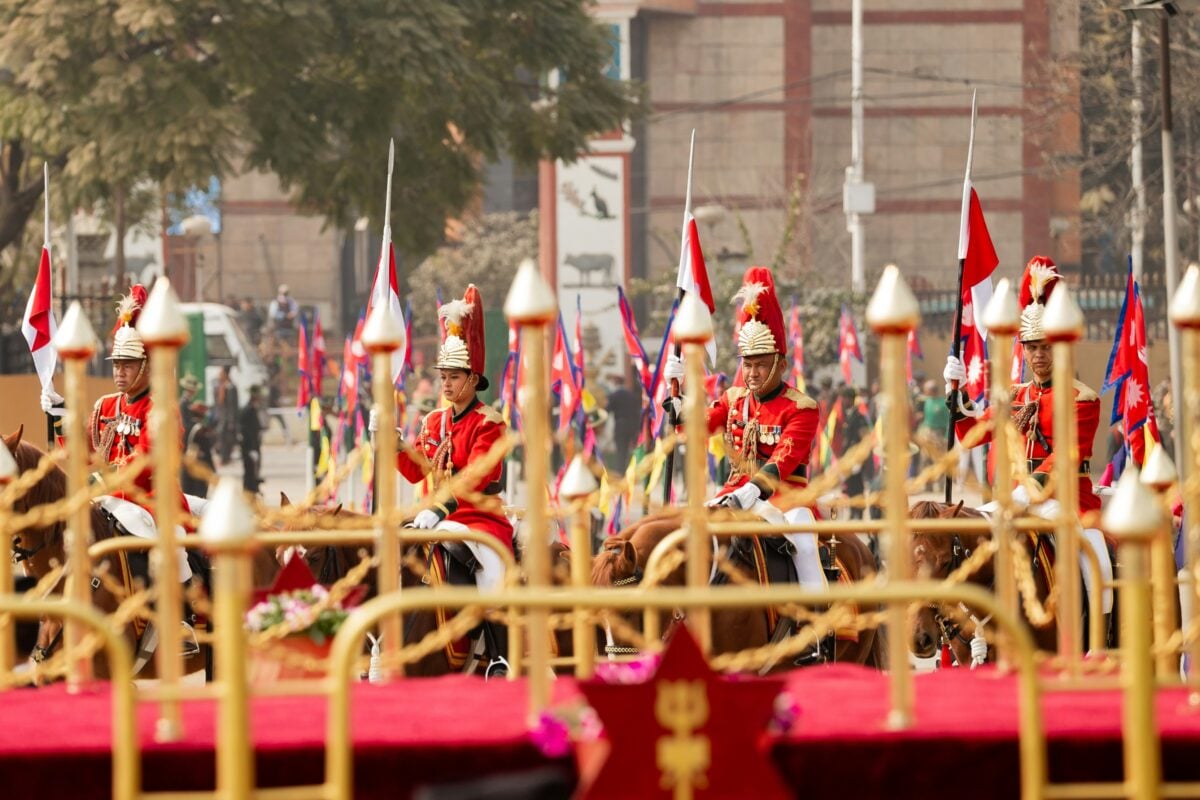
Most of these traditions serve no practical purpose anymore. We don’t need to count swans or inform bees or keep hostages at parliament.
But that’s kind of the point—royalty in the 21st century is mostly symbolic anyway, so these weird little rituals are part of maintaining that symbolism. They connect modern monarchies to their medieval roots, they give people something distinctive to photograph, and honestly, they’re more interesting than if royals just acted like regular politicians in crowns.
Though explaining to an alien visitor why we weigh people after Christmas dinner would be challenging.
More from Go2Tutors!

- The Romanov Crown Jewels and Their Tragic Fate
- 13 Historical Mysteries That Science Still Can’t Solve
- Famous Hoaxes That Fooled the World for Years
- 15 Child Stars with Tragic Adult Lives
- 16 Famous Jewelry Pieces in History
Like Go2Tutors’s content? Follow us on MSN.



