14 Ancient Education Methods Still Used Today
Education might seem like it’s constantly evolving with new technology and teaching theories, yet humans have been figuring out how to pass knowledge from one generation to the next for thousands of years. Many of the methods our ancestors developed are still incredibly effective today, proving that some things never go out of style when it comes to learning.
From the Socratic method to apprenticeships, these time-tested approaches continue to shape how we teach and learn. Here’s a list of 14 ancient education methods that are still being used in classrooms, workshops, and learning environments around the world today.
Socratic Method
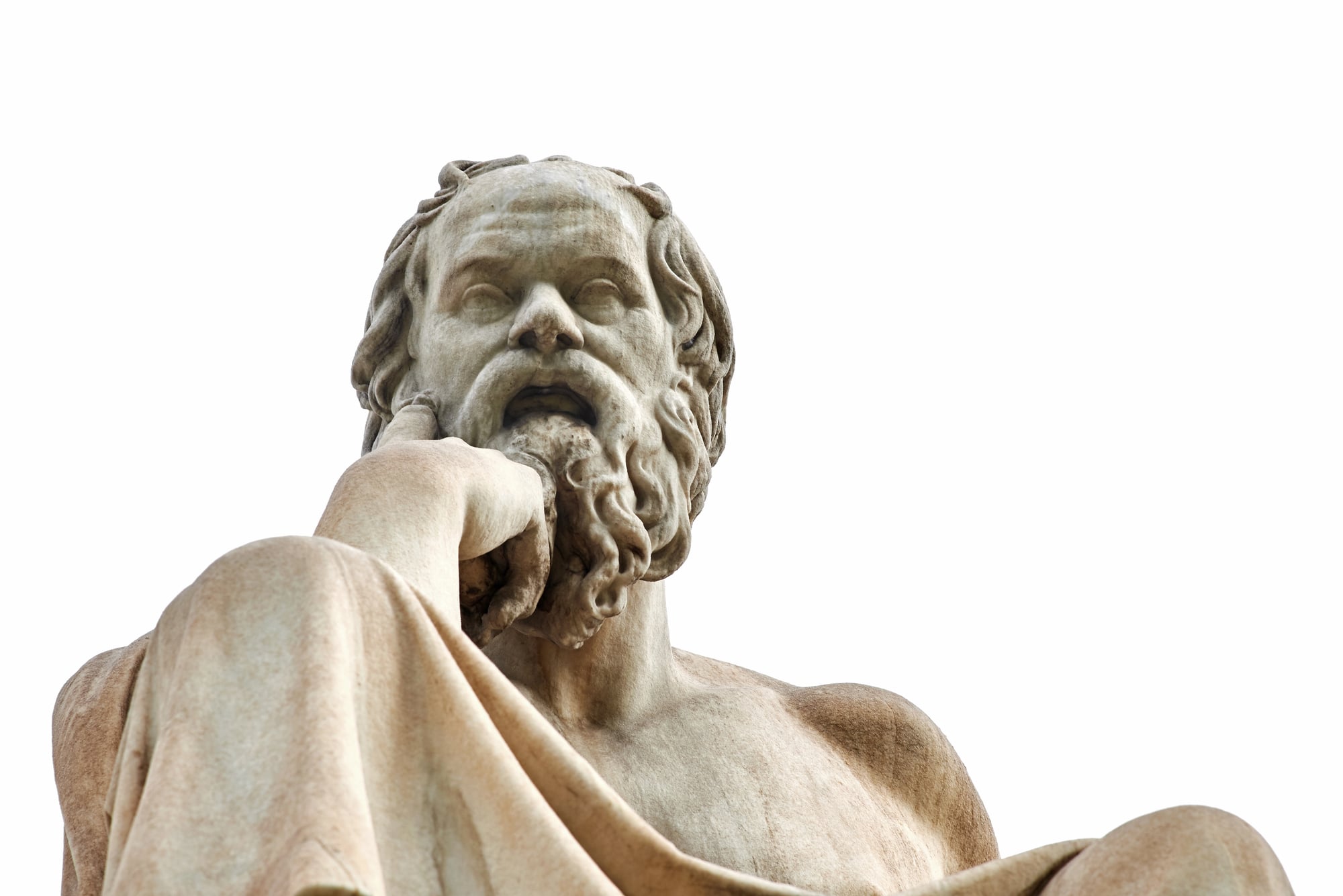
The Socratic method, which was created by the Greek philosopher Socrates in 400 BCE, teaches by asking questions as opposed to giving lectures. Teachers use well-constructed questions that help students learn on their own rather than just giving them answers.
This strategy is especially popular in law schools, where instructors employ the “case method” to encourage students to think critically about legal concepts.
Apprenticeships
Long before formal schools existed, skilled craftsmen taught their trades by taking on apprentices who learned by working alongside masters. This hands-on approach to education allowed knowledge to pass down through generations of blacksmiths, carpenters, and other artisans.
Modern apprenticeships in fields like plumbing, electrical work, and even software development follow this same basic model — learning by doing under expert guidance.
Like Go2Tutors’s content? Follow us on MSN.
Memorization and Recitation

Ancient cultures placed enormous emphasis on memorizing epic poems, religious texts, and important knowledge since books were rare or nonexistent. Students would recite lessons aloud — using rhythm and repetition to cement information in their minds.
Today’s medical students still memorize anatomy. Musicians learn pieces by heart. Actors memorize scripts using these same techniques that have worked for millennia.
Storytelling
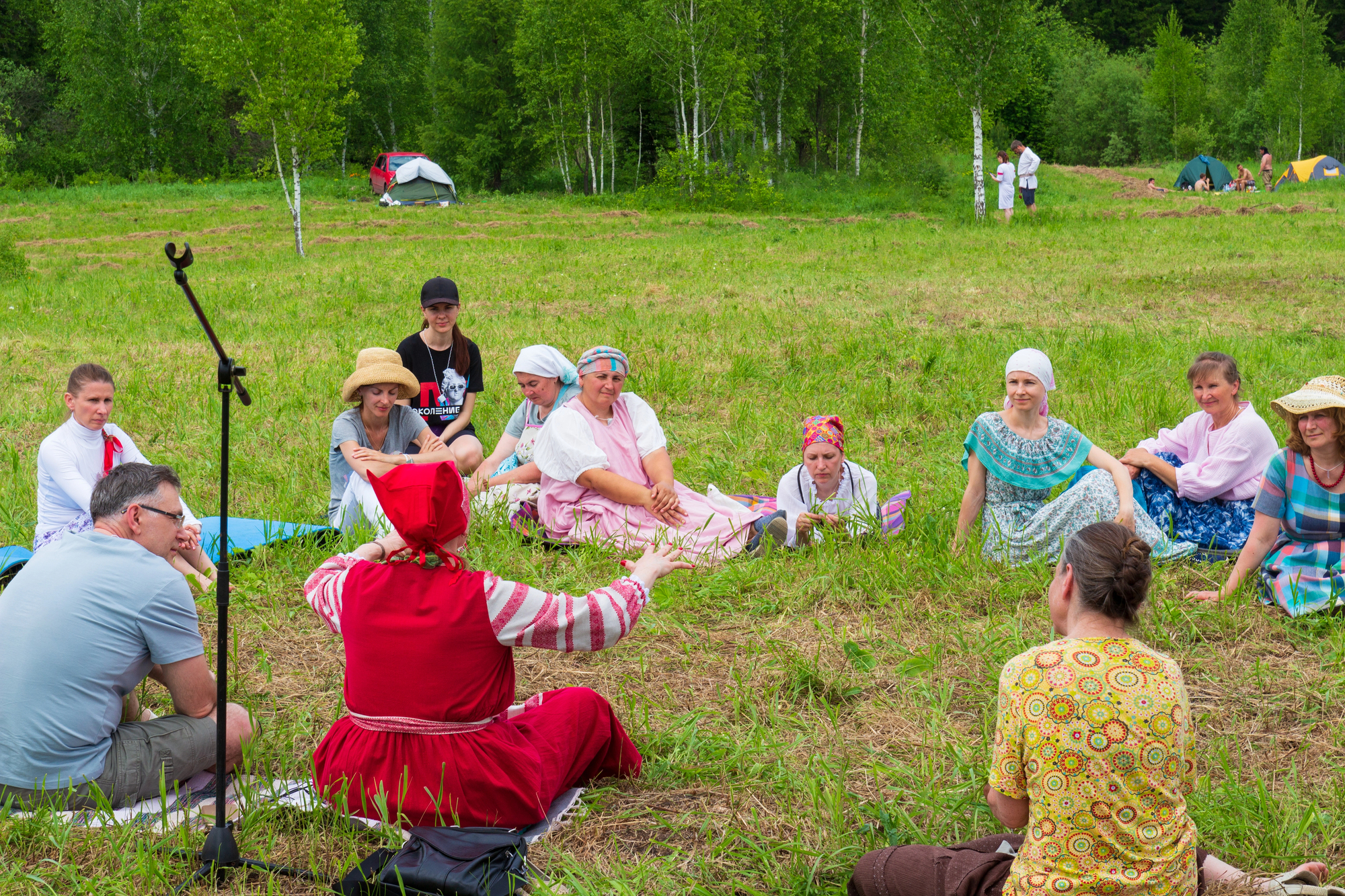
Before written language was widespread, storytelling served as the primary way to preserve and transmit cultural knowledge, history, and moral lessons. Elders would gather communities around fires to share tales that taught important life lessons wrapped in engaging narratives.
Modern educators employ this ancient technique when they incorporate stories into lessons — recognizing that students remember information better when it’s embedded in a compelling narrative.
Debates and Discussions

Ancient Greeks and Romans valued the art of rhetoric and debate as essential components of education. Students learned to argue different sides of issues, developing critical thinking and public speaking skills through structured discussions.
Today’s debate clubs, classroom discussions, and Socratic seminars all trace their origins back to these ancient practices. Learning through verbal exchange remains as powerful as ever.
Like Go2Tutors’s content? Follow us on MSN.
Tutorial Systems

The tutorial system — where a knowledgeable teacher works one-on-one or with small groups of students — has its roots in ancient mentorship traditions. Philosophers like Aristotle famously tutored individuals, including Alexander the Great, providing personalized instruction tailored to each student’s needs.
Modern tutoring, academic coaching, and doctoral supervision programs all follow this individualized approach to education.
Field Studies
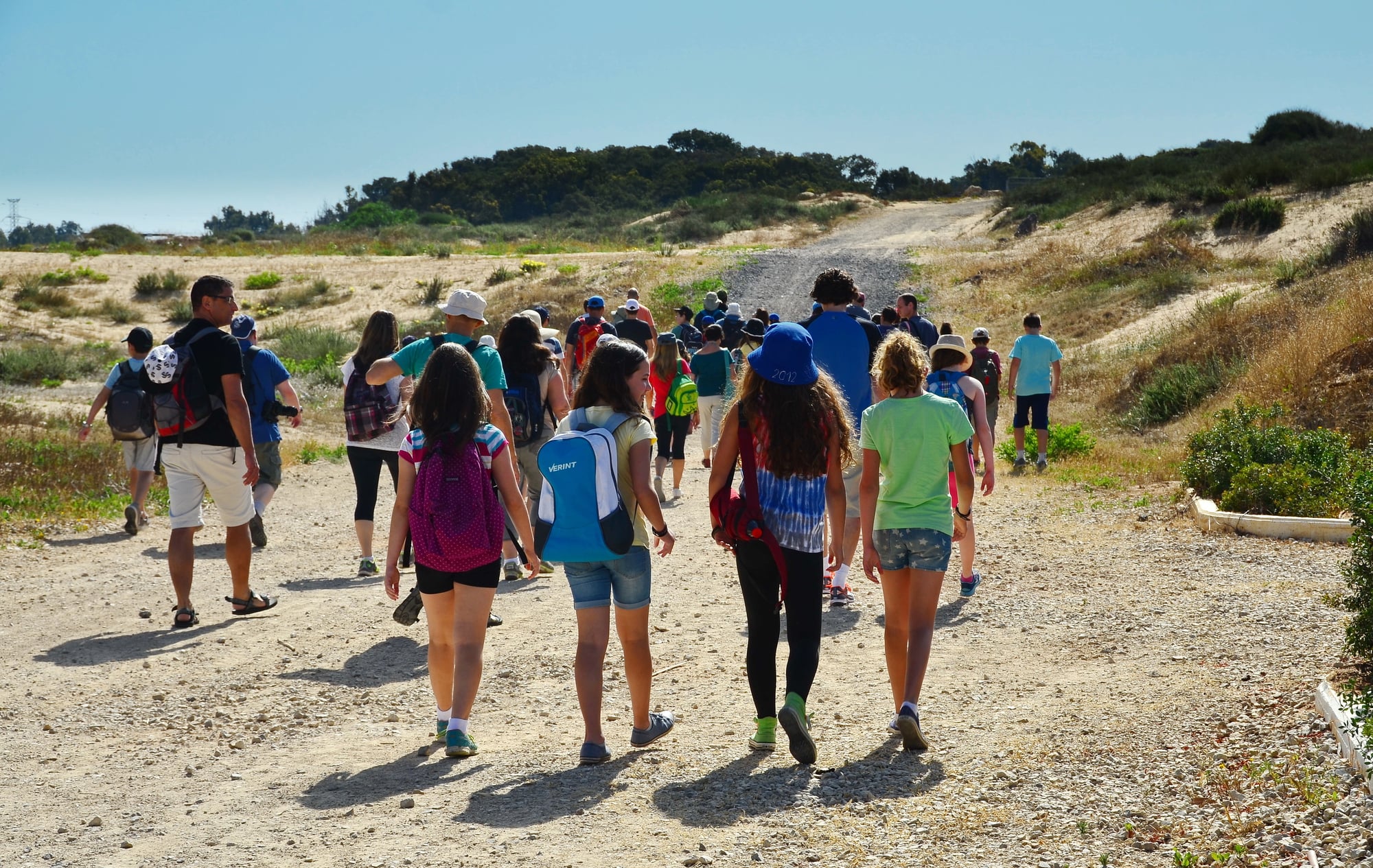
Ancient scholars didn’t confine learning to indoor spaces but took their students out into the world to observe and study real phenomena. Aristotle’s walks through Athens while teaching became legendary — his students were known as ‘Peripatetics’ or ‘walkers.’
Today’s field trips, outdoor education programs, and experiential learning opportunities continue this tradition. Learning beyond classroom walls often proves most memorable.
Oral Examinations
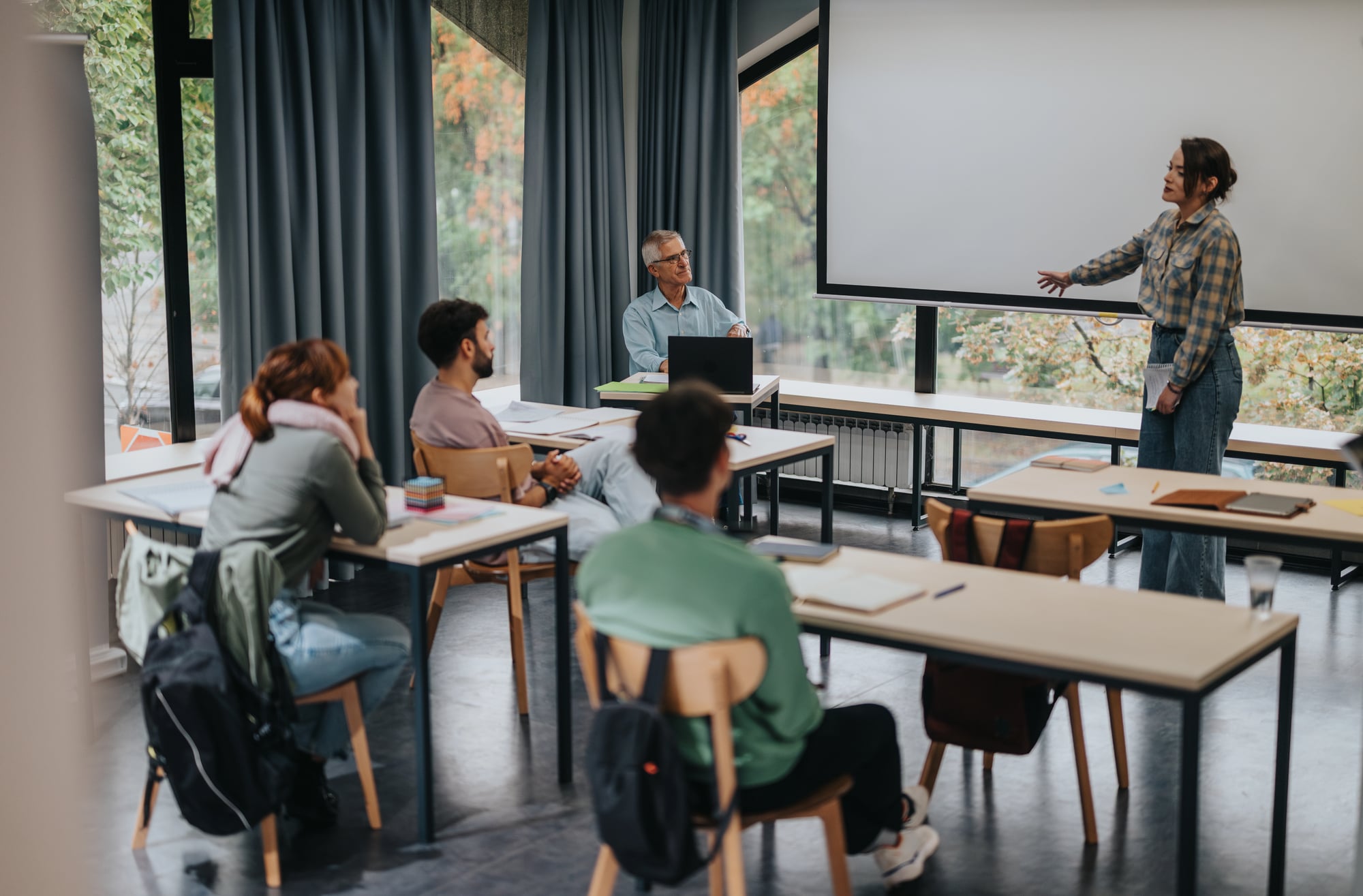
Oral examinations, in which pupils were required to discuss what they had studied, were used to demonstrate students’ knowledge long before written assessments became popular. This approach assessed comprehension and clear communication skills in addition to memorization.
In many graduate programs, oral examinations, doctoral defenses, and thesis presentations uphold this age-old custom, demonstrating that vocal evaluation uncovers depths that written exams sometimes overlook.
Like Go2Tutors’s content? Follow us on MSN.
Collaborative Learning

Ancient learning often happened in groups where students would learn from each other as much as from their teachers. Jewish yeshivas, for instance, used study partnerships called ‘chavruta’ where students would debate and discuss texts together.
Modern group projects, peer learning, and study groups all draw from this understanding — students can be effective teachers for one another.
Use of Physical Objects

Ancient educators understood that people learn better when they can touch and manipulate objects related to their studies. Roman students used counting stones for mathematics — while medical students in ancient times studied with actual human skulls and bones.
Today’s hands-on science experiments, math manipulatives, and interactive learning tools are direct descendants of this tactile approach. The brain simply retains information better when multiple senses are engaged.
Seasonal and Cyclical Learning

Many ancient educational systems followed natural cycles, with different subjects taught at different times of year or repeated in cycles. Agricultural societies, for instance, taught farming techniques during planting and harvest seasons.
Modern education still follows this pattern with semester systems, seasonal sports, and curriculum that spirals back to reinforce previous learning at deeper levels. There’s wisdom in aligning education with natural rhythms.
Like Go2Tutors’s content? Follow us on MSN.
Learning Through Imitation
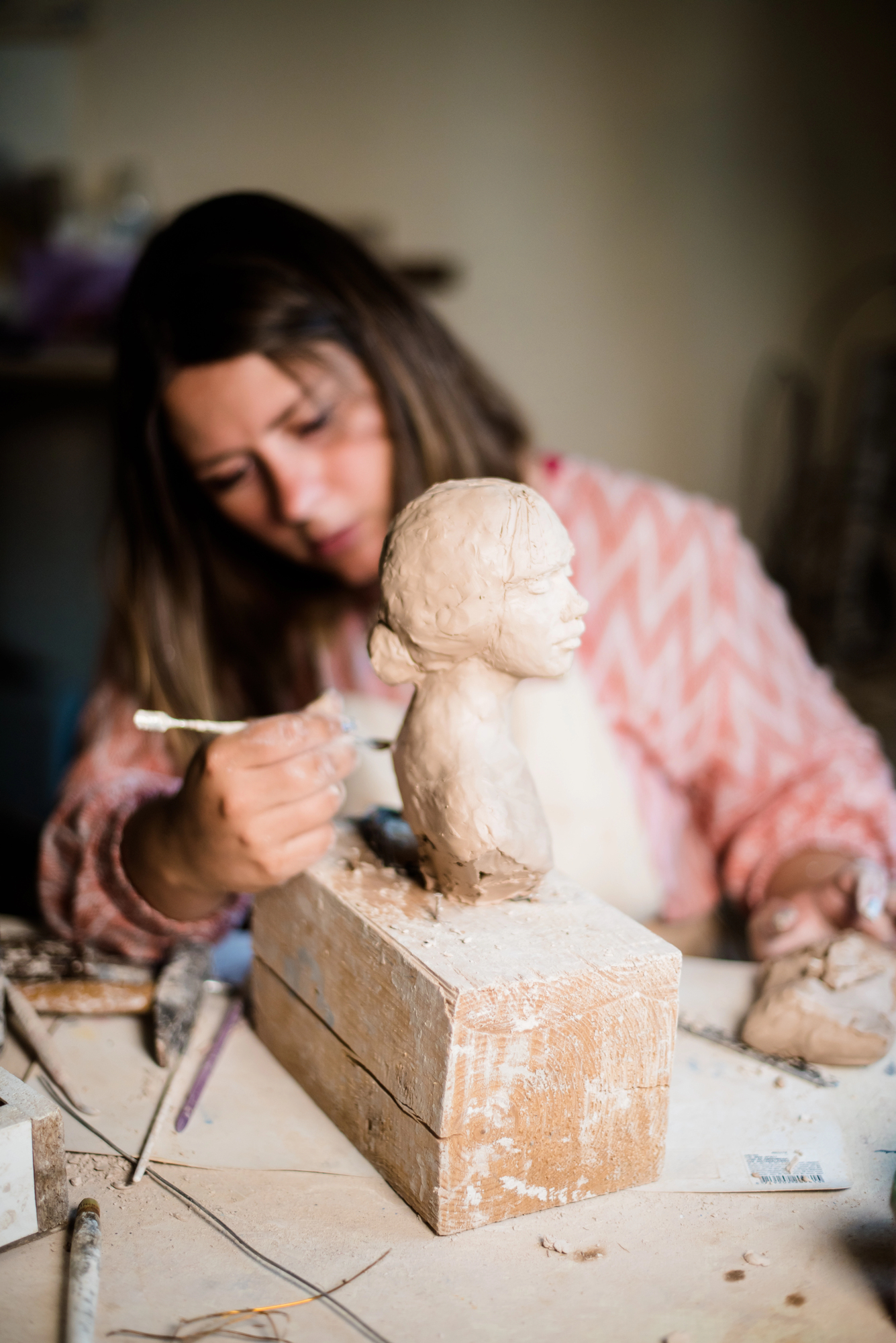
Ancient craftsmen and artists taught their skills by having students copy the work of masters until they internalized the techniques. Students would spend years reproducing established forms before being encouraged to develop their own style.
Art schools, music conservatories, and martial arts dojos still use this method of learning through careful imitation of expert models. Mastery often begins with mimicry.
Community-Based Education

In many ancient societies, the entire community participated in educating young people, with different adults teaching various skills and knowledge areas. Everyone from hunters to healers contributed to a child’s education based on their expertise.
Modern homeschooling cooperatives, community education programs, and the African proverb ‘it takes a village to raise a child’ reflect this communal approach to learning. Education was never meant to be the responsibility of just one person.
Integration of Physical and Mental Training
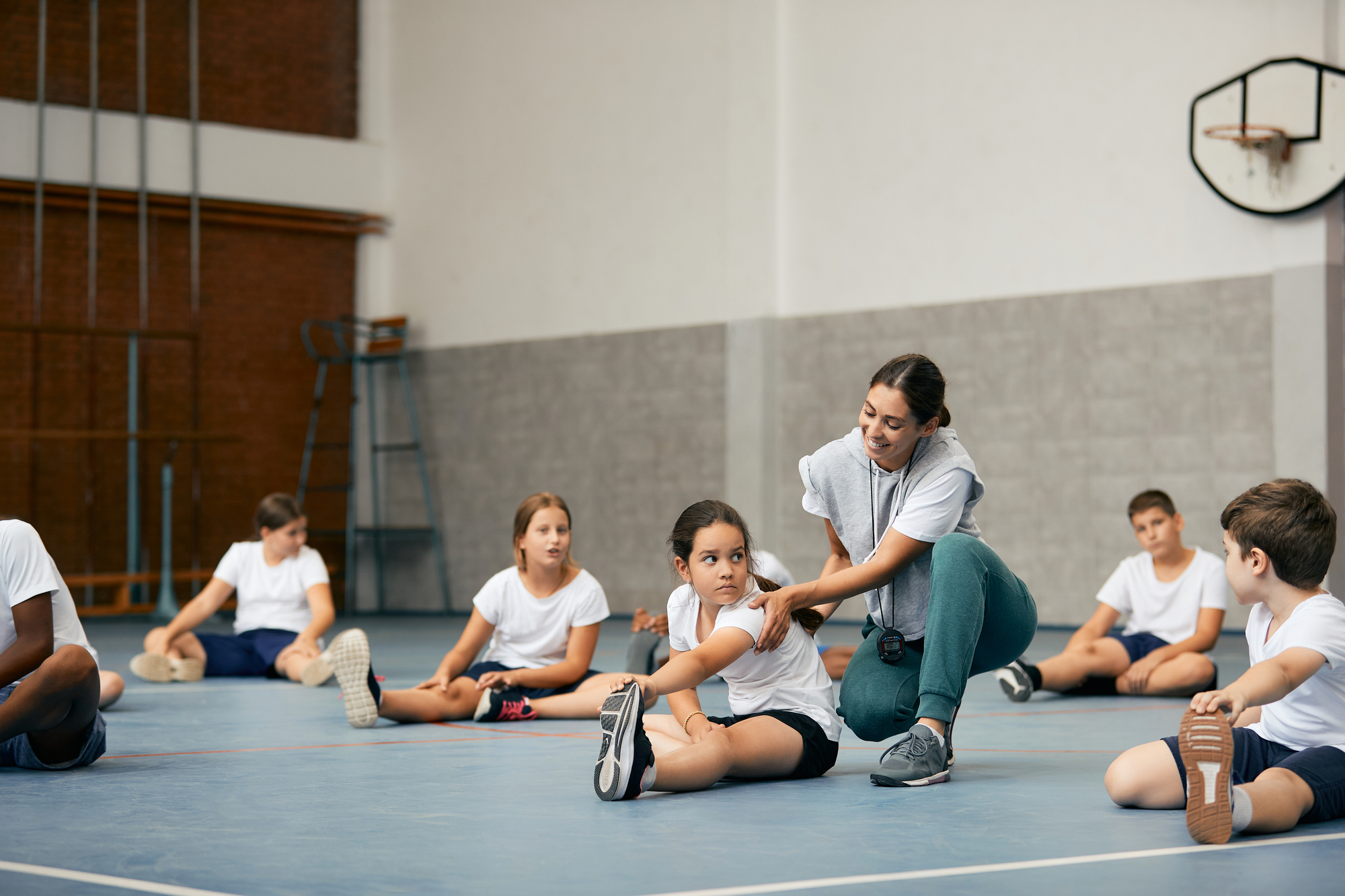
Ancient Greek education emphasized both physical and intellectual development, believing that a healthy body supported a sharp mind. Students engaged in athletics alongside academic studies, understanding that physical activity enhanced learning capacity.
Today’s movement toward incorporating exercise into school days, brain breaks, and the recognition of the mind-body connection in learning all echo this ancient wisdom. The Greeks were onto something important that modern research confirms.
Like Go2Tutors’s content? Follow us on MSN.
Wisdom That Never Gets Old

These fourteen methods have survived thousands of years because they tap into fundamental aspects of how humans learn best. While computers, projectors, and online platforms have joined our educational toolkit, the core principles of questioning, practicing, storytelling, and learning from others remain as powerful as ever.
What our ancestors figured out through trial and error, modern neuroscience now confirms. The best education engages multiple senses, builds on relationships, and connects new knowledge to real-world experiences. Perhaps the most important lesson from ancient educators is that effective teaching isn’t about having the latest technology but about understanding how human minds naturally work and learn.
More from Go2Tutors!

- 18 Unexpectedly Valuable Collectibles You Might Have Lying Around
- 20 Little-Known Historical Battles That Had Huge Consequences
- 20 Historical Artifacts That Scientists Can’t Explain
- 15 Inventions That Were Immediately Banned After Being Created
- 20 Actors Who Were Almost Cast in Iconic Roles
Like Go2Tutors’s content? Follow us on MSN.